Equipment Mobility and recovery
Massage stick
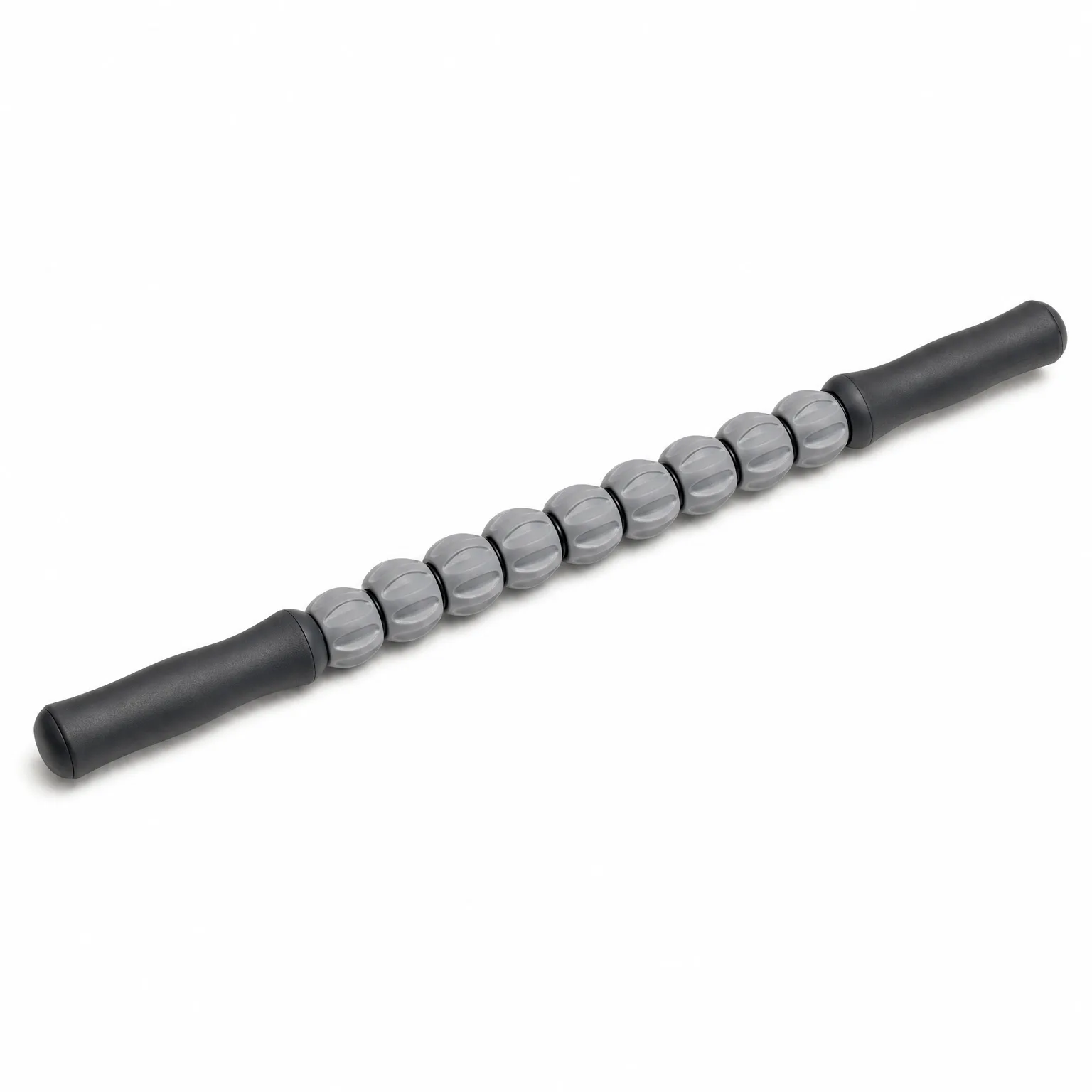
A handheld rod with rolling segments and a grip at each end. You press it into a muscle and roll it with your hands for self-massage.
In short
A massage stick is a rigid or slightly flexible rod, about as long as a forearm and hand, fitted with free-spinning rollers and a handle at each end. You hold both handles, press the rollers onto a muscle and move the stick up and down. Unlike a foam roller, the pressure comes from your arms instead of your body weight, so you can use it sitting on a chair or a bench without getting on the floor.
People use it mostly on the calves, shins, thighs and forearms, before or after running, cycling or leg training. It feels like a firm rolling massage. The limited research on roller massage points to a small, short-term increase in range of motion and a reduced feeling of soreness for some people. The effects do not last long.
- Category
- Mobility and recovery
- Where
- Home, Gym, Travel
- Level
- Beginner and up
- Space
- Fits in a drawer or a bag
- Typical sizes
- About 40–60 cm long (16–24 in); travel versions around 25–35 cm (10–14 in)
- Also called
- muscle roller stick, massage roller stick, roller stick, handheld muscle roller, muscle stick, leg roller stick, stick roller
Muscles it works
- Main
- Calves, Quads, Hamstrings
- Also works
- Tibialis anterior, Adductors, Forearms, Traps
What it is used for
- Rolling the calves and shins while seated, common among runners
- Self-massage of the quads, hamstrings and inner thighs
- Part of a warm-up when there is no floor space for a foam roller
- Forearms, with the stick braced against a thigh or a table
- Neck and upper traps with light pressure, or with a partner rolling the back
Types
Smooth segmented. A row of plain plastic spindles on a slightly flexible core. Bends around the muscle and spreads the pressure evenly. The usual first choice.
Geared or knobbed. Rollers shaped like cogs or balls. They press into a smaller area and feel sharper. Suited to people who find a smooth stick too mild.
Rigid steel-core. A stiff bar that does not flex, so more of your arm force reaches the muscle. Good for large thighs, harder on bony areas.
Short travel stick. A compact version with fewer rollers that fits in a carry-on or race bag. Enough for calves and forearms, short for the thighs.
How to choose
Choose the length by the muscles you roll
A stick of 40–50 cm (16–20 in) covers calves, shins and thighs for most people and still fits in a gym bag. Go longer if you want to reach your own back or have large thighs. A short stick is for travel and lower legs.
Flexible or stiff
A flexible core wraps around the calf and feels gentler. A stiff core gives stronger, more even pressure on the thighs. If you are new to self-massage, start with a flexible, smooth stick.
Check that the rollers spin freely
Each segment should turn on its own without catching. Rollers that stick drag the skin and pull leg hair. Narrow gaps between segments are better for the same reason.
Look at the handles
You will press with both hands, so the grips should be long enough for the whole palm and not slip when your hands are sweaty.
How to start using it
- Relax the muscle first. Sit so the muscle you roll is slack. For the calf, sit on a chair or the floor with the knee bent and the foot resting flat. A tensed muscle resists the pressure and the rolling feels harsher.
- Roll slowly along the muscle. Hold both handles, press the rollers onto the muscle and move the stick back and forth over 10–15 cm (4–6 in) at a time, working along its length. About 30–60 seconds per area is typical.
- Set the pressure with your arms. Start light and add pressure over the first few passes. Aim for firm and tolerable, around 5–7 out of 10 for discomfort. It should never feel sharp.
- Stay on muscle. Roll the fleshy part of the calf, thigh or forearm. On the shin, work on the muscle to the outside of the shin bone, not on the bone itself. Skip the back of the knee, the kneecap and the ankle bones.
Common mistakes
Rolling over bone
Running the rollers over the shin bone, kneecap or ankle is painful and serves no purpose. Shift the stick onto the muscle beside the bone.
Pressing as hard as you can
Heavy pressure can leave the muscle sore or bruised the next day. More force is not more effect. If you tense up or hold your breath, ease off.
Sawing back and forth quickly
Fast, short strokes heat the skin and make the muscle brace. Slow down to a few centimeters per second.
Rolling an injured or swollen area
Do not roll over a recent strain, a bruise, swelling, broken skin or varicose veins. Calf pain with swelling, warmth or redness needs medical attention, not massage.
Using it instead of a warm-up
Rolling does not raise your heart rate or prepare the joints for load. Follow it with easy movement and lighter sets before the main work.
What to use instead
A foam roller does the same job for the thighs, calves and glutes using body weight, and it reaches the upper back, which a stick does not do well on your own. Massage balls give more pointed pressure on small areas such as the feet and glutes. A massage gun covers the same muscles with less effort. Around the house, a smooth wooden rolling pin is the classic stand-in for a massage stick on the calves and thighs.
-
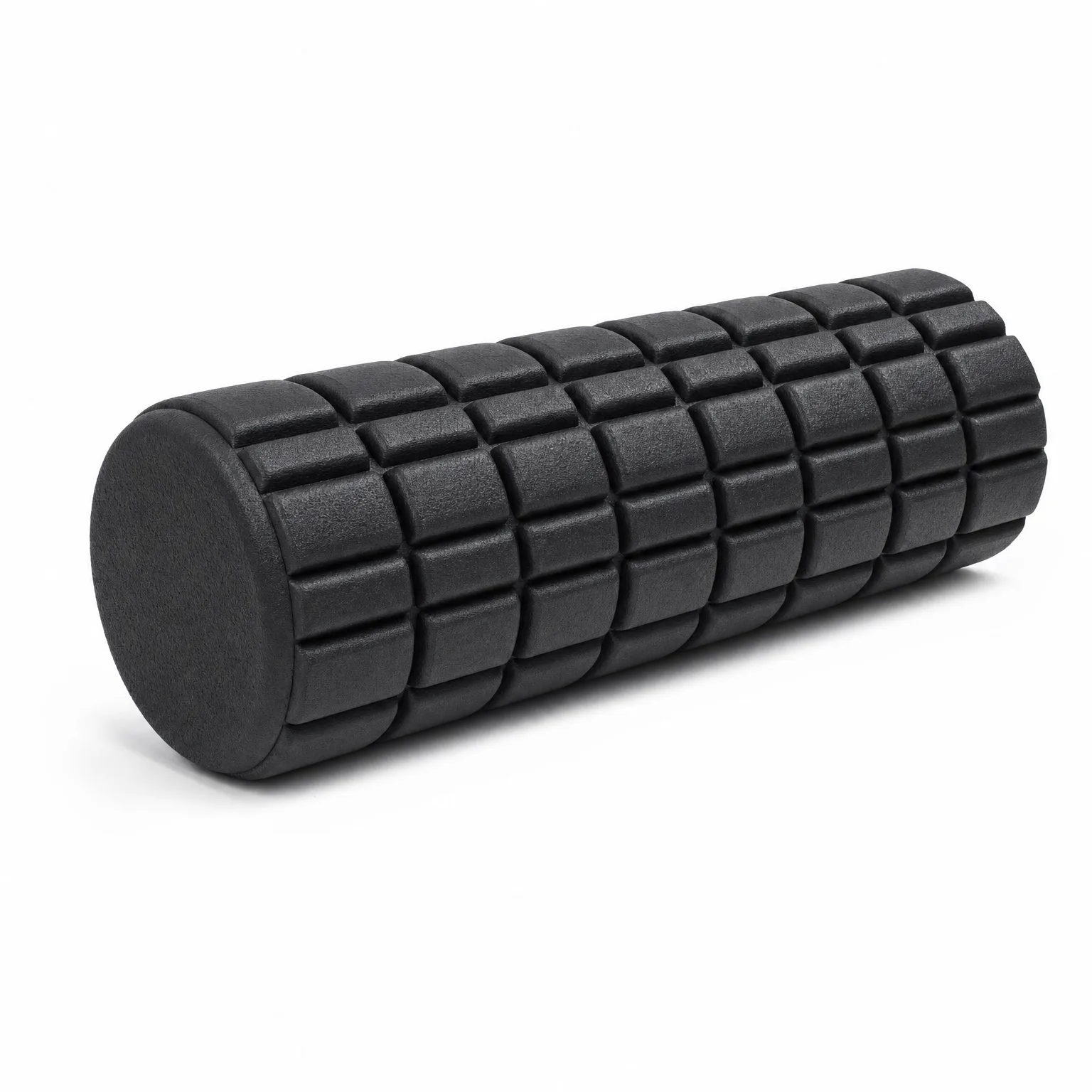
Foam roller
A firm foam cylinder you lie on and roll along a muscle for self-massage, usually during a warm-up or after training. -
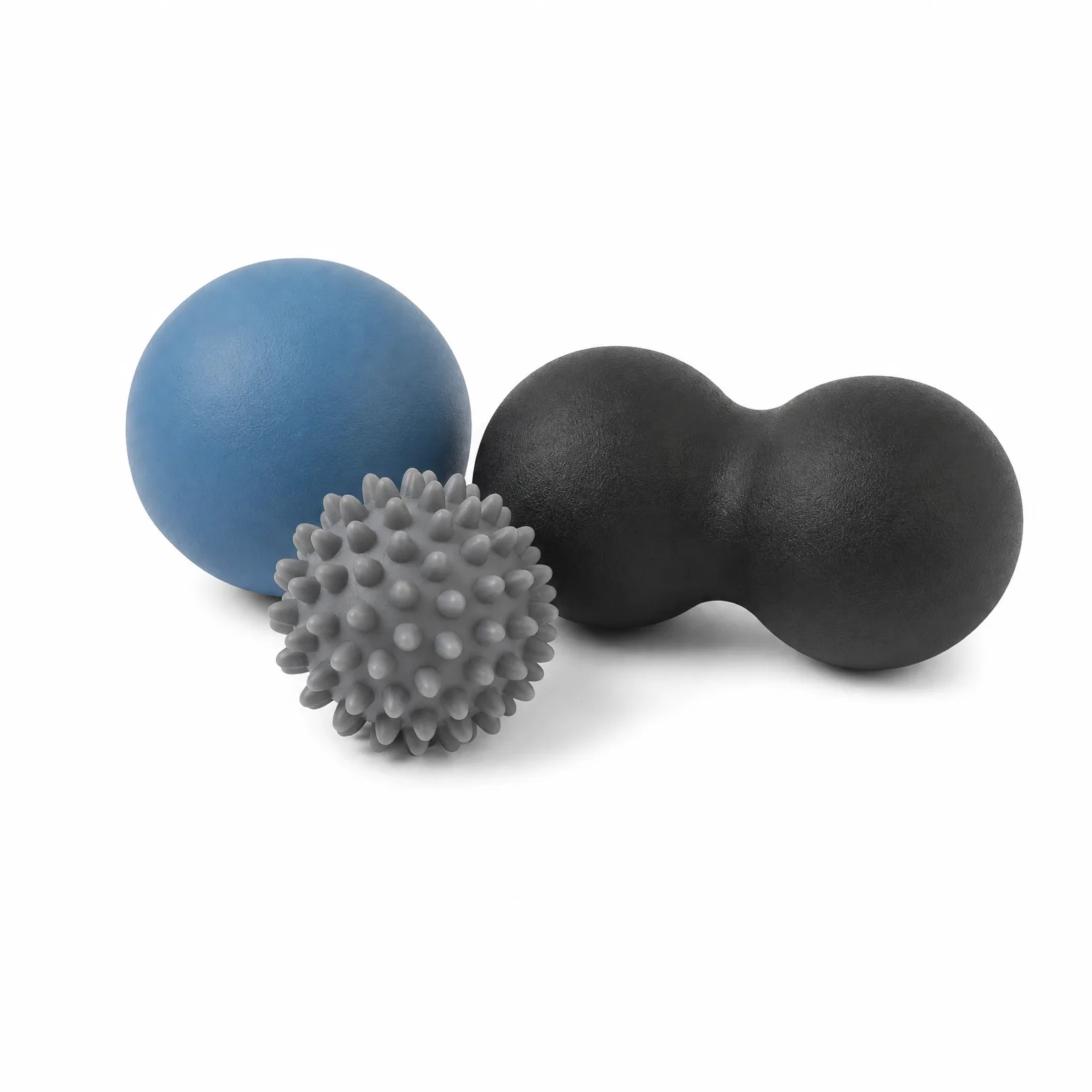
Massage balls
Small firm balls for pinpoint self-massage of the glutes, upper back, feet and other spots a foam roller cannot reach. -
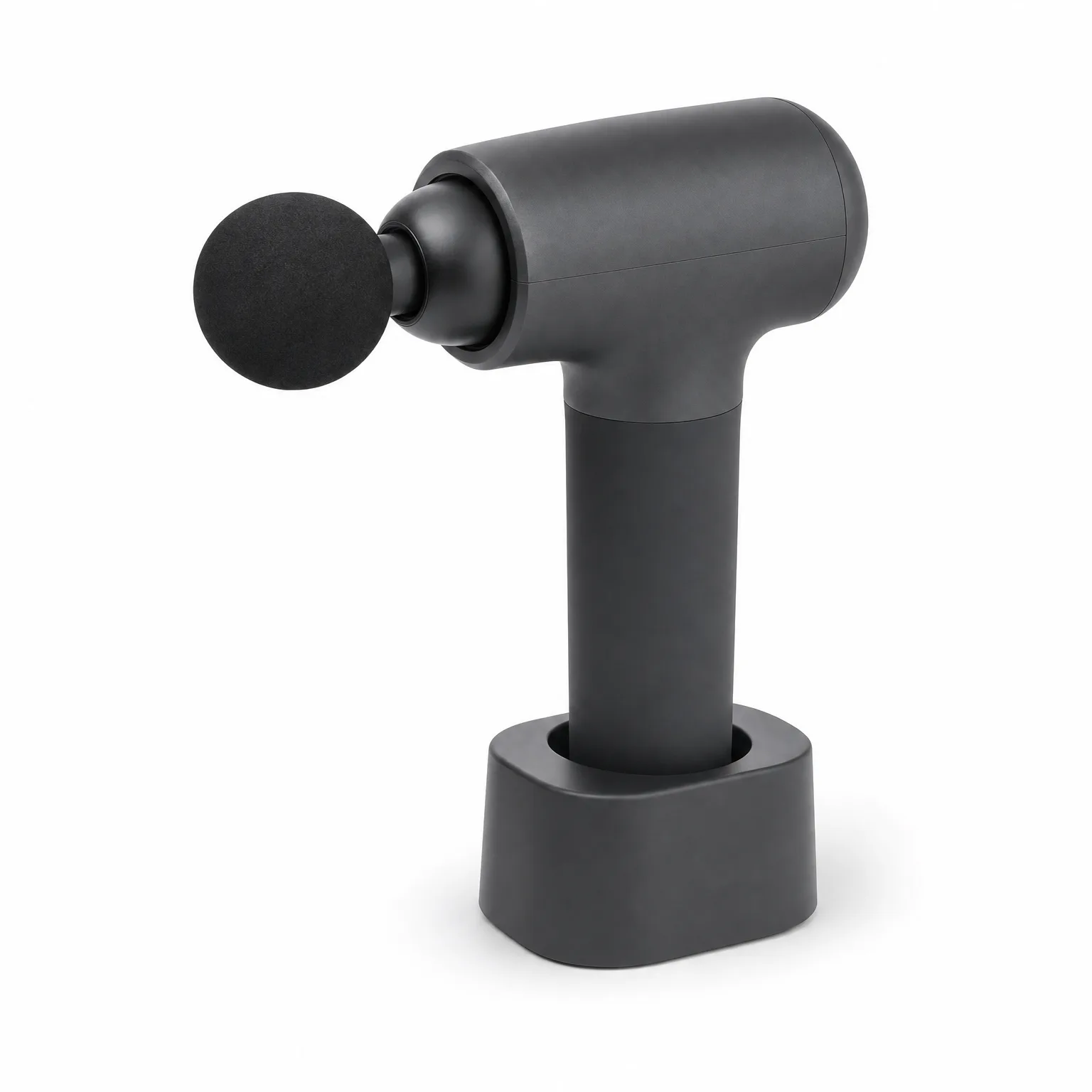
Massage gun
A handheld, battery-powered device that taps a muscle rapidly with a soft head. Used for self-massage before or after training.
Often used with
-
Foam roller
A firm foam cylinder you lie on and roll along a muscle for self-massage, usually during a warm-up or after training. -
Massage balls
Small firm balls for pinpoint self-massage of the glutes, upper back, feet and other spots a foam roller cannot reach. -
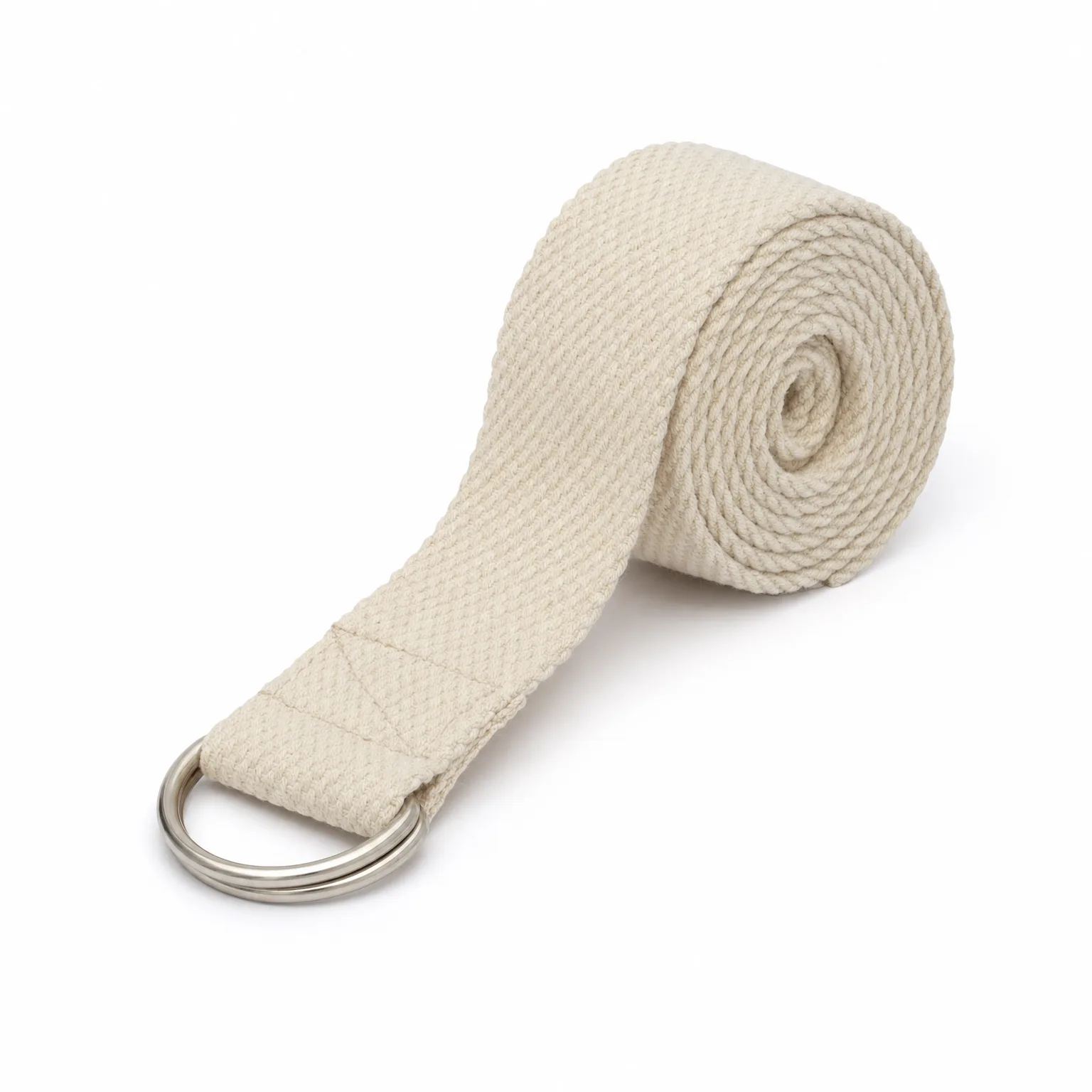
Yoga strap
A long, non-stretch cotton or nylon strap with a buckle that extends your reach in stretches, most often for the hamstrings.
Questions about massage stick
What does a massage stick do?
It applies rolling pressure to a muscle, like a firm massage you control with your hands. People use it to loosen up before a session and to ease the feeling of tight or tired legs afterwards. The few studies of roller massage report small, short-lived gains in range of motion and less perceived soreness for some people. It does not replace training, sleep or a proper warm-up.
Massage stick or foam roller?
A stick is smaller, works while you sit, and gives precise control of pressure on the calves, shins and forearms. A foam roller uses your body weight, so it delivers more pressure to large muscles such as the glutes, thighs and upper back with less arm effort. Runners often carry a stick and keep a roller at home.
How long should I use a massage stick?
About 30–60 seconds per muscle, or up to two minutes on an area that feels especially tight. A full pass over both legs takes around five minutes. Longer or harder rolling is not clearly better.
Can I use a massage stick every day?
Most people can use light to moderate pressure daily without problems. If an area is still tender from the previous session, give it a rest or go lighter. Persistent or sharp pain is a reason to stop and have it checked, not to roll more.
Build programs around what your client has
This guide comes from OnlineFitness.app, the app online coaches run their clients in.
Free for life for the first 100 coachesNo card