Quads
Four muscles on the front of the thigh. They straighten the knee in squats, lunges, jumps and stairs, and one of them also lifts the thigh.
In short
The quadriceps are four muscles on the front of the thigh: the rectus femoris, vastus lateralis, vastus medialis and vastus intermedius. They join into one tendon that holds the kneecap and continues to the top of the shin. Their main job is to straighten the knee, which you do every time you stand up, climb a step or land from a jump.
Exercises where the knee bends deeply under load build them: squats, leg presses, split squats and lunges, with leg extensions for direct work. The rectus femoris also crosses the hip and helps lift the thigh, so squats train it less than the other three. The muscles on the back of the thigh are the hamstrings, a separate group.
- Anatomical name
- Quadriceps femoris
- Group
- Legs and glutes
- Also called
- quadriceps, quad muscles, front thigh muscles, thigh muscles, front of the thigh
- Works with
- Hamstrings, Glutes, Adductors
What it does
- Straighten the knee: standing up from a chair, driving out of a squat, kicking a ball
- Control the knee as it bends: walking downstairs, landing from a jump, lowering into a lunge
- Lift the thigh at the hip (rectus femoris only): marching, sprinting, high knees
Parts of the muscle
Rectus femoris. Runs from the front of the pelvis down the middle of the thigh. It crosses both the hip and the knee, so it works hard in leg extensions and less in squats, where hip and knee bend together and its length barely changes.
Vastus lateralis. The largest of the four, on the outer side of the thigh. It does much of the work in squats, leg presses and lunges.
Vastus medialis. The teardrop shape on the inner side just above the knee. It works in every knee extension. No exercise or foot position isolates it.
Vastus intermedius. Lies deep under the rectus femoris along the front of the thigh bone. It is not visible but adds a lot of the thigh's size, and it works in every squat and extension.
Exercises for the quads
Ordered from the most useful. Equipment links open its page in the equipment guide.
-
Back squat
Bar on the upper back, feet about shoulder width. Let the knees travel forward over the toes and sit down until the thighs are at least parallel, chest up.
-
Leg press
Feet shoulder width, a little low on the platform for more quad work. Lower as far as you can without the hips rolling up off the seat.
-
Bulgarian split squat
Back foot on a bench, front foot close enough that the knee can travel past the toes. Stay upright and lower until the back knee nearly touches the floor.
-
Hack squat
Shoulders under the pads, feet shoulder width and slightly low on the plate. Lower until the thighs pass parallel and drive up through the whole foot.
-
Leg extension
Line the knee up with the machine's pivot and set the pad just above the ankle. Straighten fully, pause, and lower over two to three seconds.
-
Front squat
Bar on the front of the shoulders, elbows high. The upright torso lets the knees move forward and keeps the work on the quads. Sit straight down to full depth.
-
Goblet squat
Hold a kettlebell at the chest with both hands. Sit down between the heels with the torso upright, then stand without tipping forward.
-
Walking lunge
Take a medium step and lower the back knee toward the floor. Push up through the front foot with the torso tall to keep the front thigh working.
How to train it
Pair a squat pattern with leg extensions
Squats, presses and lunges load the three vasti heavily in a deep knee bend. Leg extensions train the rectus femoris better, since it changes length little in a squat. One of each covers all four muscles.
Aim for 10 to 20 hard sets a week
Split them over two or three sessions. Beginners progress well at the low end. Heavy quad work is tiring, so add sets only when recovery keeps up.
Use both heavy and moderate reps
Squats and hack squats suit 5 to 10 reps, leg presses and split squats 8 to 15, leg extensions 10 to 20. Finish most sets within a few reps of failure.
Bend the knee deeply
Deep reps build the quads at least as well as shallow ones and also train the glutes and adductors harder. In squats that means reaching parallel or below if your hips and ankles allow it, with a load you can control.
Progress in small steps
Add a rep or a little weight when every set reaches the top of the planned range. On machines, write down the seat and foot settings so the numbers stay comparable.
Common mistakes
Cutting squats short to lift more
Quarter squats with a heavy bar work the quads through a small part of their range. Take weight off and reach the depth you can control.
Forcing the knees to stay behind the toes
Knees moving past the toes is normal in a deep squat and is what keeps the work on the quads. Keeping the shins vertical shifts the load to the hips and lower back.
Letting the hips rise first
If the hips shoot up faster than the shoulders out of the bottom of a squat, the hips and back take over. Use a load where both rise together, or switch to a front squat or hack squat.
Bouncing at the bottom of a leg press
Dropping fast and rebounding lets momentum do the hardest part of the rep. Lower under control and pause briefly with the knees fully bent.
Equipment for these exercises
-
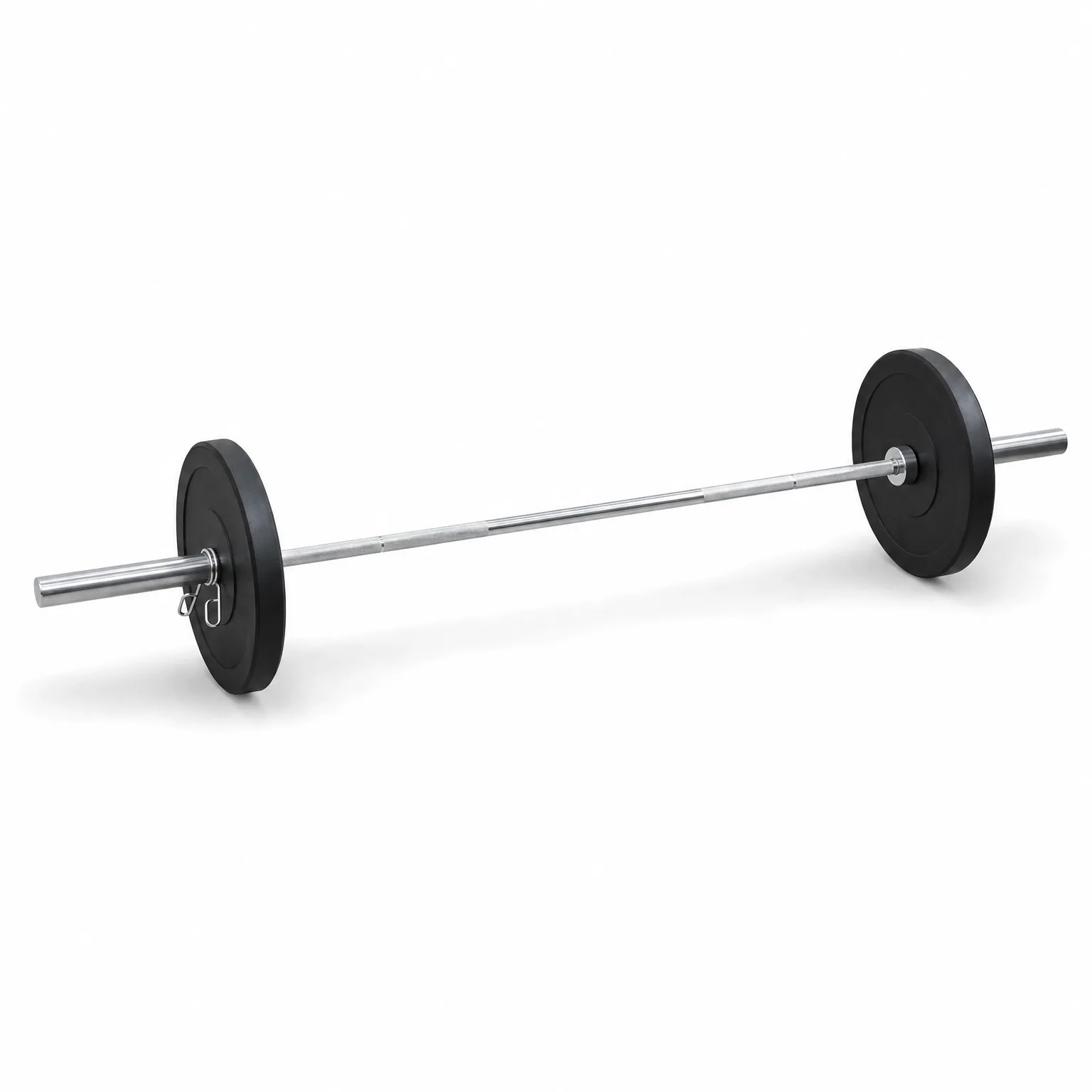
Barbell
A long steel bar loaded with plates at both ends. The standard tool for squats, deadlifts, presses and rows with heavy weight. -
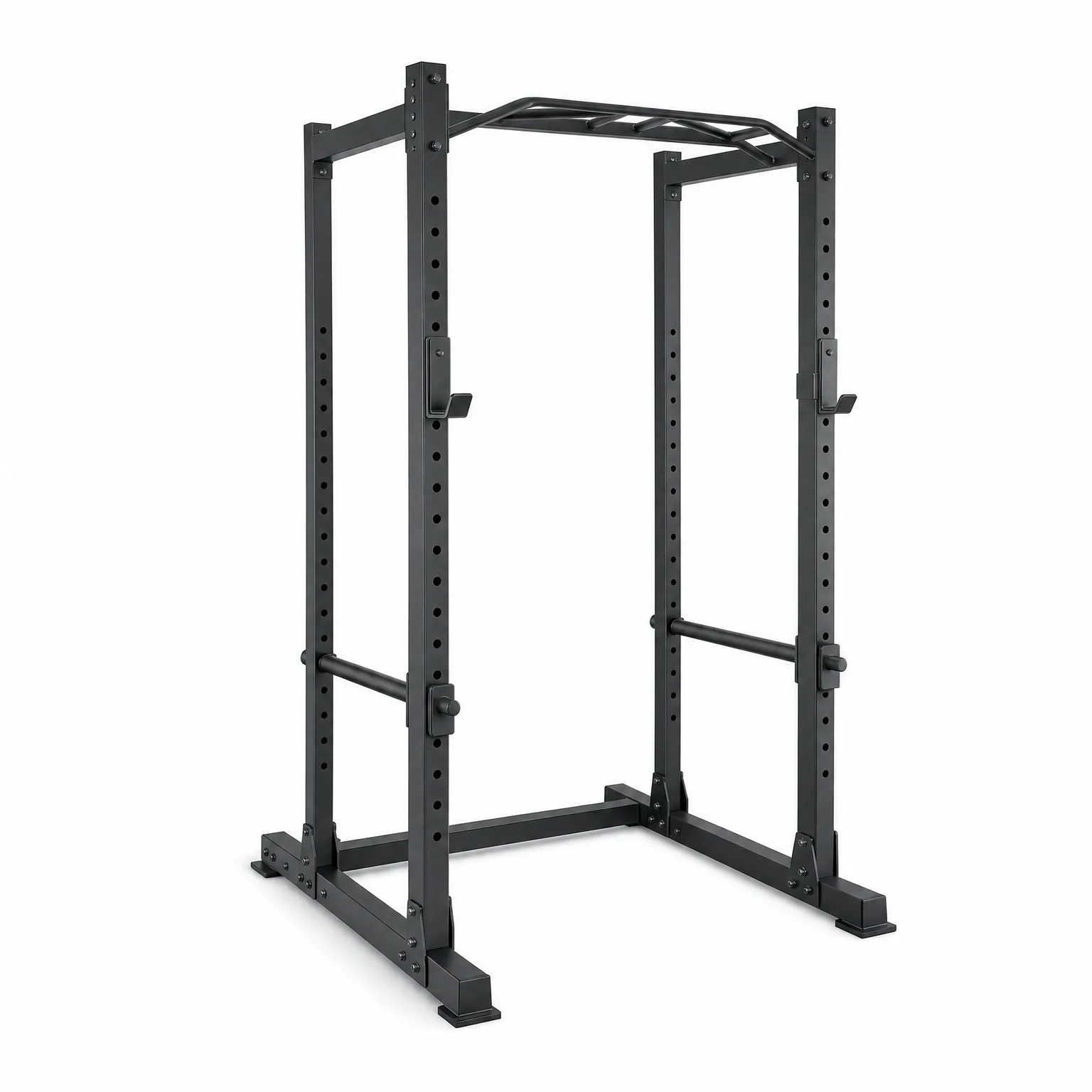
Squat rack
A steel frame that holds a barbell at the height you need and catches it if a rep fails. The base for squats and presses. -
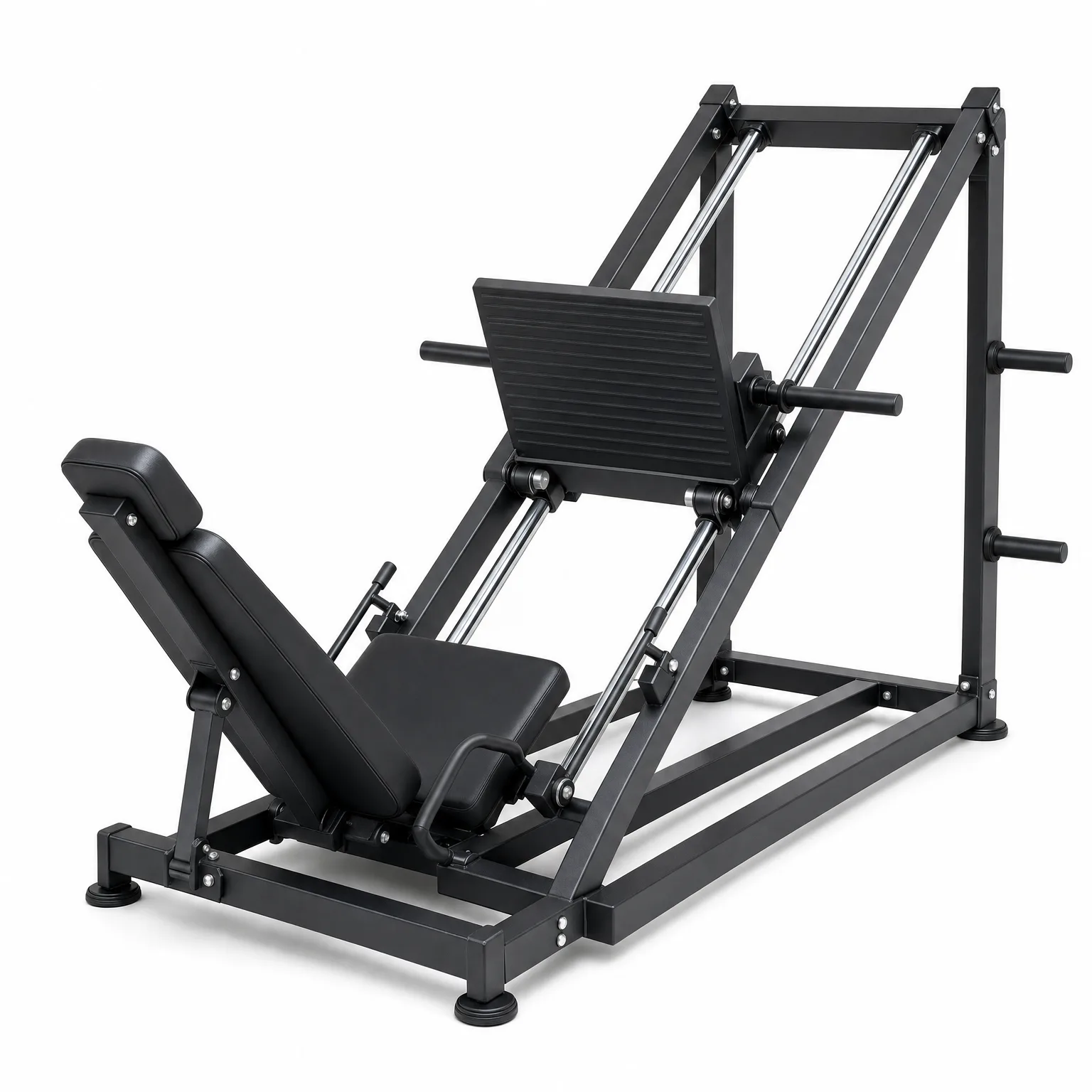
Leg press
A seat and a footplate you push away with both legs. It loads the quads and glutes heavily while the back rests on a pad. -

Dumbbells
A pair of short handles with a weight at each end. One pair trains every major muscle group, at home or in a gym. -

Weight bench
A padded bench you lie, sit or lean on while lifting. It supports the body for presses, rows, hip thrusts and seated work. -
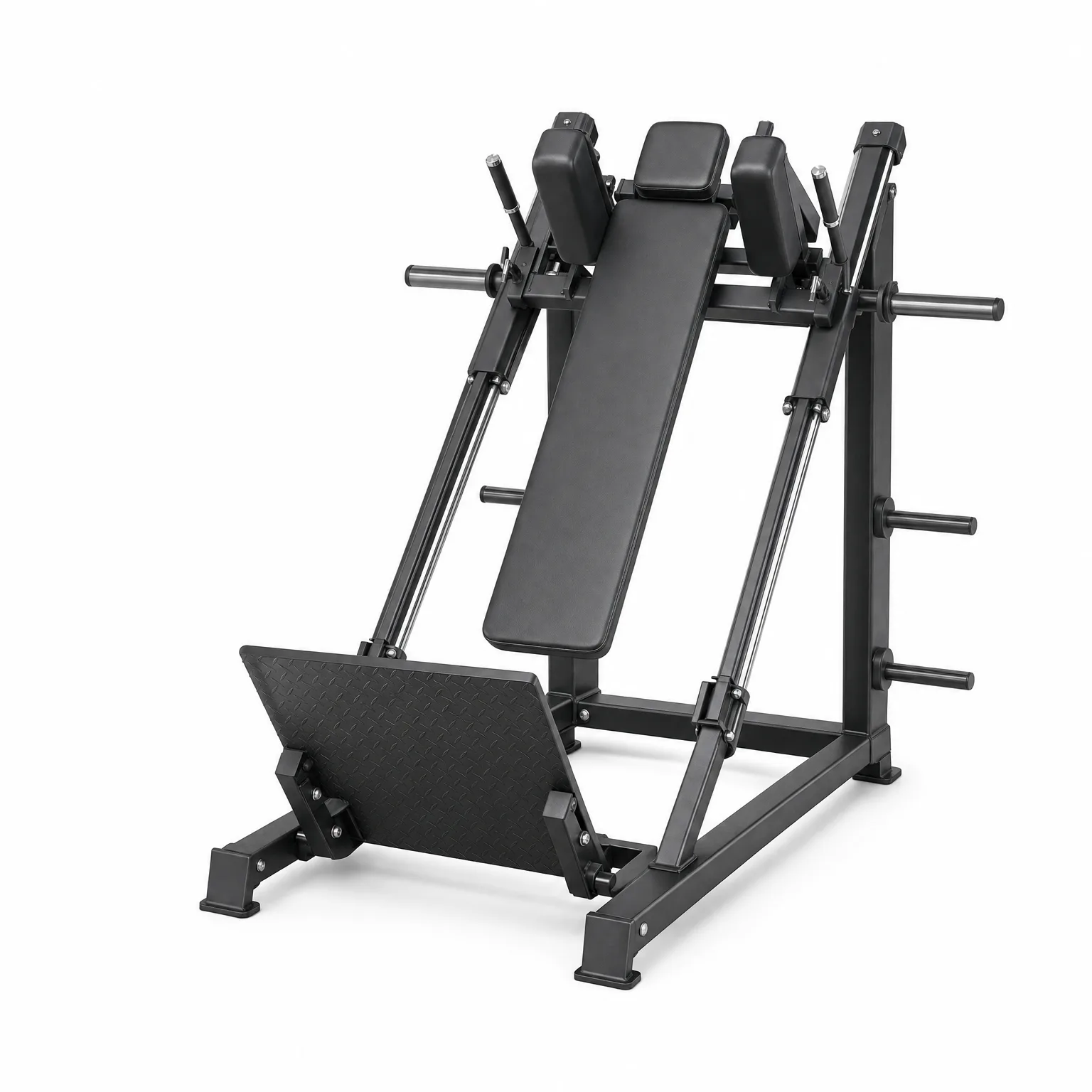
Hack squat machine
An angled sled with shoulder pads and a back pad. You squat along fixed rails, which puts most of the work on the quads. -
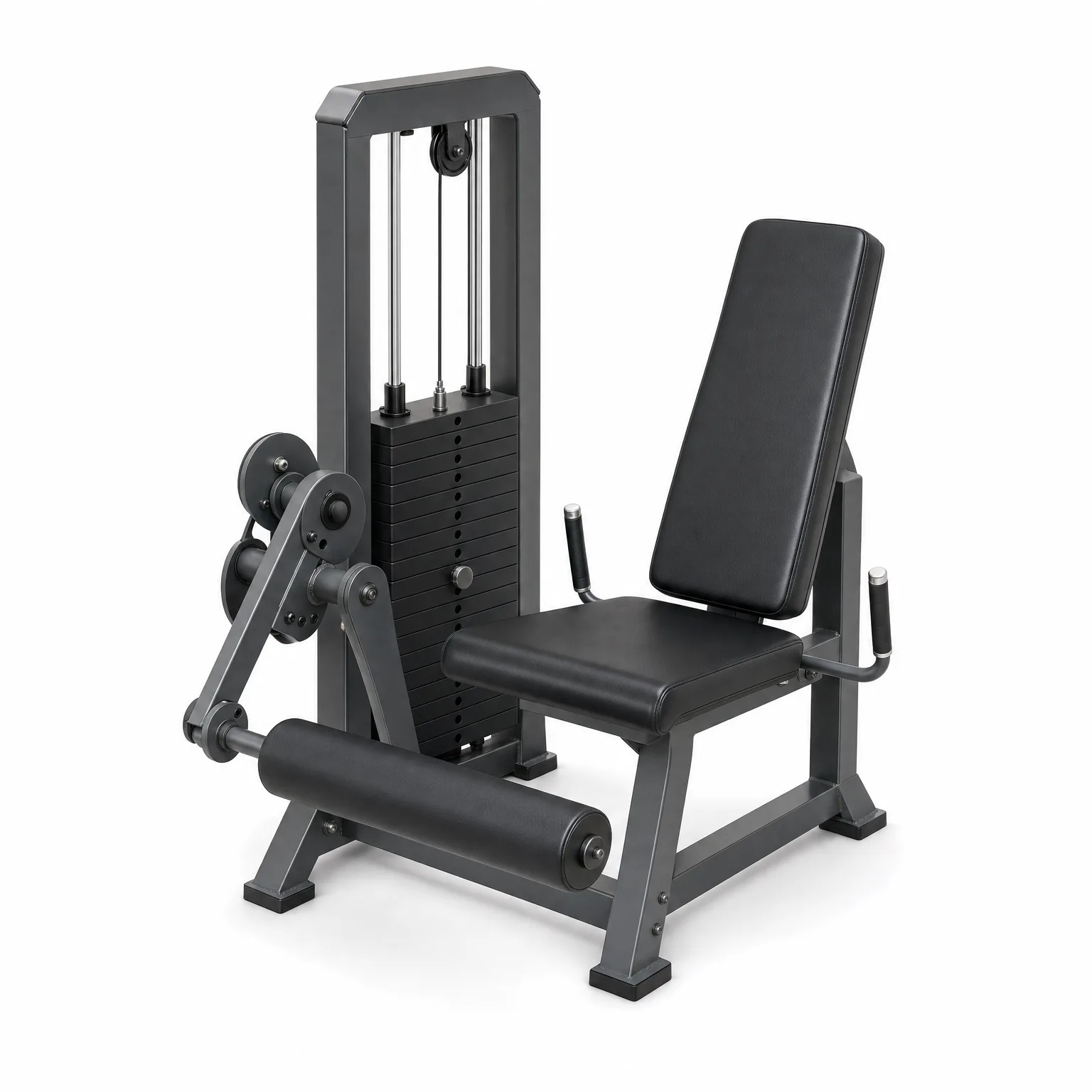
Leg extension machine
A seat with a padded roller in front of the shins. You straighten the knees against the load to isolate the quads. -
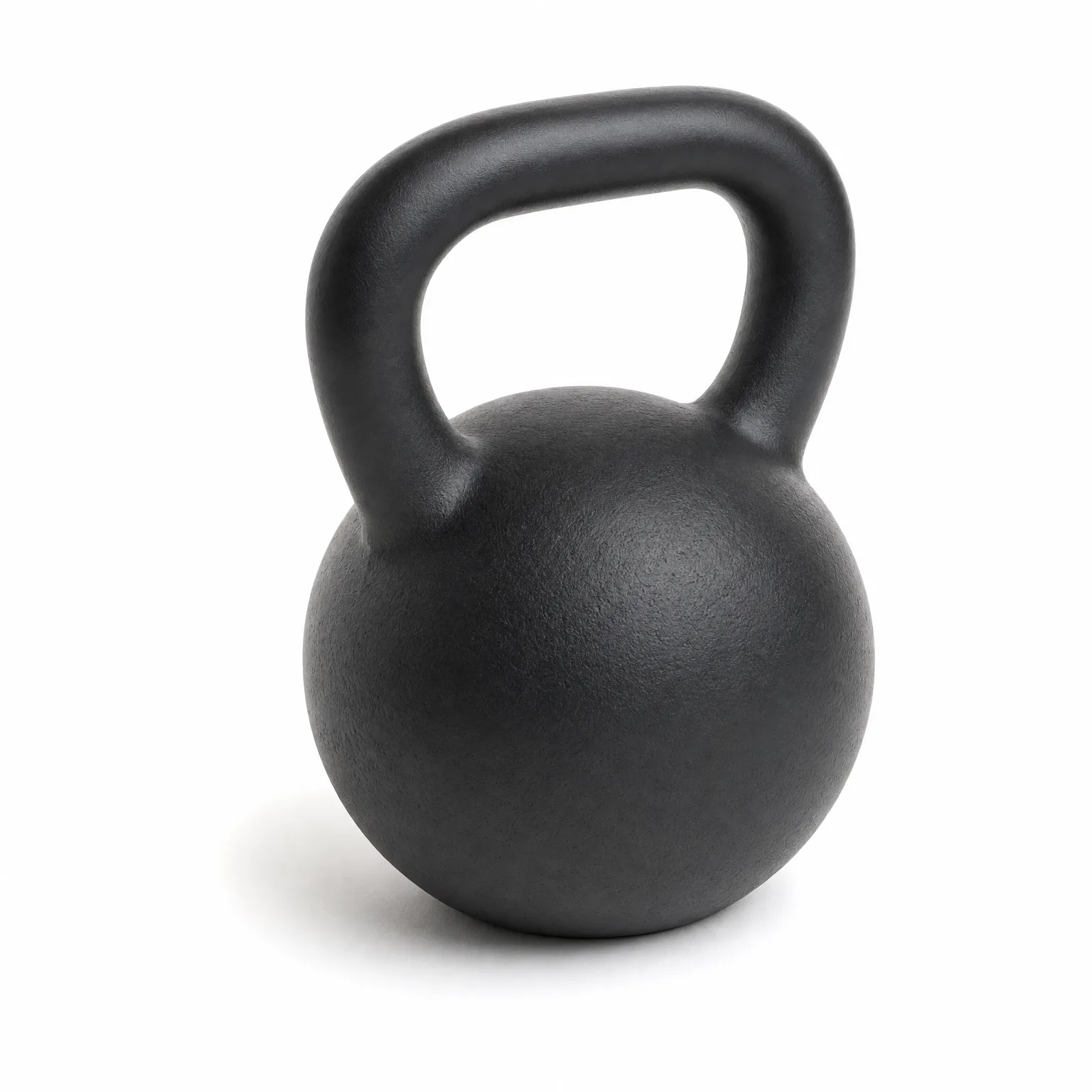
Kettlebell
A cast-iron or steel ball with a flat base and a handle on top. Built for swings, carries, squats and presses with one weight.
Related muscles
-
Hamstrings
Three muscles on the back of the thigh. They bend the knee and straighten the hip, so they work in leg curls, deadlifts and sprints. -
Glutes
The large muscle of the buttock. It straightens the hip in squats, deadlifts, hip thrusts, sprints and every step up a stair. -
Adductors
The muscle group on the inner thigh. It pulls the legs together, steadies the pelvis and helps straighten the hip in squats.
Questions about training the quads
What is the best exercise for quads?
Deep squat patterns: the back squat, front squat, hack squat and leg press all build the quads well. Leg extensions add direct work for the rectus femoris, which squats train less. Most programs use one compound movement and one extension.
How can I build quads at home?
Bulgarian split squats, goblet squats, step-ups and walking lunges work with a pair of dumbbells or a loaded backpack. Sissy squats holding a door frame add knee extension without any equipment. Train one leg at a time and add load to keep sets under about 20 reps.
Are leg extensions bad for your knees?
Leg extensions are a standard exercise, and research has not shown them to harm healthy knees when the load is built up gradually. Start light, control every rep and use a range that feels comfortable. Anyone with knee pain should have it checked by a professional before loading it.
Squat or leg press for quads?
Both build the quads. The squat also trains the glutes, adductors and back and takes more skill. The leg press lets you push the quads hard with less fatigue in the lower back. Use whichever you can do deeply and progress steadily, or use both.
How often should I train quads?
Two sessions a week suit most people, with 10 to 20 hard sets split between them. Heavy squats are tiring, so many programs pair one heavy squat day with one lighter day of presses, lunges and extensions.
Write programs your clients can follow
This guide comes from OnlineFitness.app, the app online coaches run their clients in.
Free for life for the first 100 coachesNo card