Rear delts
The back head of the shoulder muscle. It pulls the arm back and out to the side in rows, face pulls and reverse flyes.
In short
The rear delt is one of the three heads of the deltoid and sits on the back of the shoulder. It starts on the spine of the shoulder blade, the bony ridge across the back of the blade, and joins the other two heads in a shared tendon on the upper arm bone. It pulls the arm back and out, as when you pull a lawnmower cord or open the arms wide behind you.
The front head works in pushing and the side head lifts the arm to the side; the rear head is the pulling one. Rows train it, but the lats and upper back often do most of that work, so reverse flyes and face pulls are the usual way to train it directly. It is easy to confuse with the mid back muscles, which move the shoulder blade rather than the arm.
- Anatomical name
- Posterior deltoid
- Group
- Chest and shoulders
- Also called
- rear deltoid, posterior delts, back of the shoulder, rear delt, rear shoulder
- Works with
- Mid back, Traps, Side delts, Front delts
What it does
- Pulls the arm back and out when it is raised in front (horizontal abduction): reverse fly, face pull
- Pulls the arm back from the front of the body (shoulder extension): rows, pulling a door open
- Rotates the upper arm outward, as in the top of a face pull
Parts of the muscle
Rear head (this page). From the spine of the shoulder blade. Works in rows and pulls, and most directly in reverse flyes and face pulls with the elbows out wide.
Front head. From the collarbone. Lifts the arm forward and works in every press. It does the opposite job to the rear head.
Side head. From the tip of the shoulder. Lifts the arm out to the side in lateral raises and overhead presses.
Exercises for the rear delts
Ordered from the most useful. Equipment links open its page in the equipment guide.
-
Reverse pec deck
Sit facing the pad, handles at shoulder height. Sweep the arms back in a wide arc until they line up with the body, without pinching the shoulder blades hard together.
-
Cable reverse fly
Cross the cables in front of you, left hand on the right cable, at shoulder height. Pull the hands apart and back with the arms nearly straight.
-
Reverse fly
Hinge forward until the torso is nearly parallel to the floor, light dumbbells under the chest. Raise the arms out to the sides with a slight bend in the elbows, and lower slowly.
-
Face pull
Rope at upper chest to face height. Pull toward the forehead with the elbows high and wide, ending with the hands beside the ears.
-
Chest-supported row
Lie chest down on an incline bench. Row the dumbbells with the elbows flared out about 45 to 90 degrees from the body to bring in more rear delt.
-
Band pull-apart
Hold a light band at shoulder height, arms straight in front. Pull it apart until it touches the chest, keeping the shoulders down.
-
Inverted row
Hang under the straps or a bar with the body straight. Pull the chest up with the elbows out wide, then lower all the way down.
How to train it
Add direct work on top of rows
Rows and pull-ups train the rear delts, but the larger back muscles limit how hard they work. One fly or face pull variation done regularly closes the gap.
Do 6 to 12 direct sets a week
On top of your rowing, this range suits most people. Split it over two or three sessions; the muscle is small and recovers quickly. Beginners who row twice a week may need only a few extra sets.
Use light weights and higher reps
Rear delt isolation works best with 12 to 25 reps and a short pause at the end of each rep. The muscle is small, so moving a heavy weight usually means other muscles are doing it.
Keep the arm path wide
The rear delt works most when the elbows travel out to the side, away from the torso. Rows with tucked elbows train the lats more; flared elbows and flyes train the rear delts more.
Common mistakes
Squeezing the shoulder blades hard together
Pulling the shoulder blades all the way back shifts work to the mid back. For rear delt work, let the arms move and keep the shoulder blades fairly still.
Going too heavy on reverse flyes
A heavy weight turns the fly into a jerk with the lower back and traps. Choose dumbbells light enough to raise slowly with the elbows fixed at a slight bend.
Relying on rows alone
Rows build the lats and upper back first. If the rear delts lag, add a direct exercise rather than more rows.
Equipment for these exercises
-
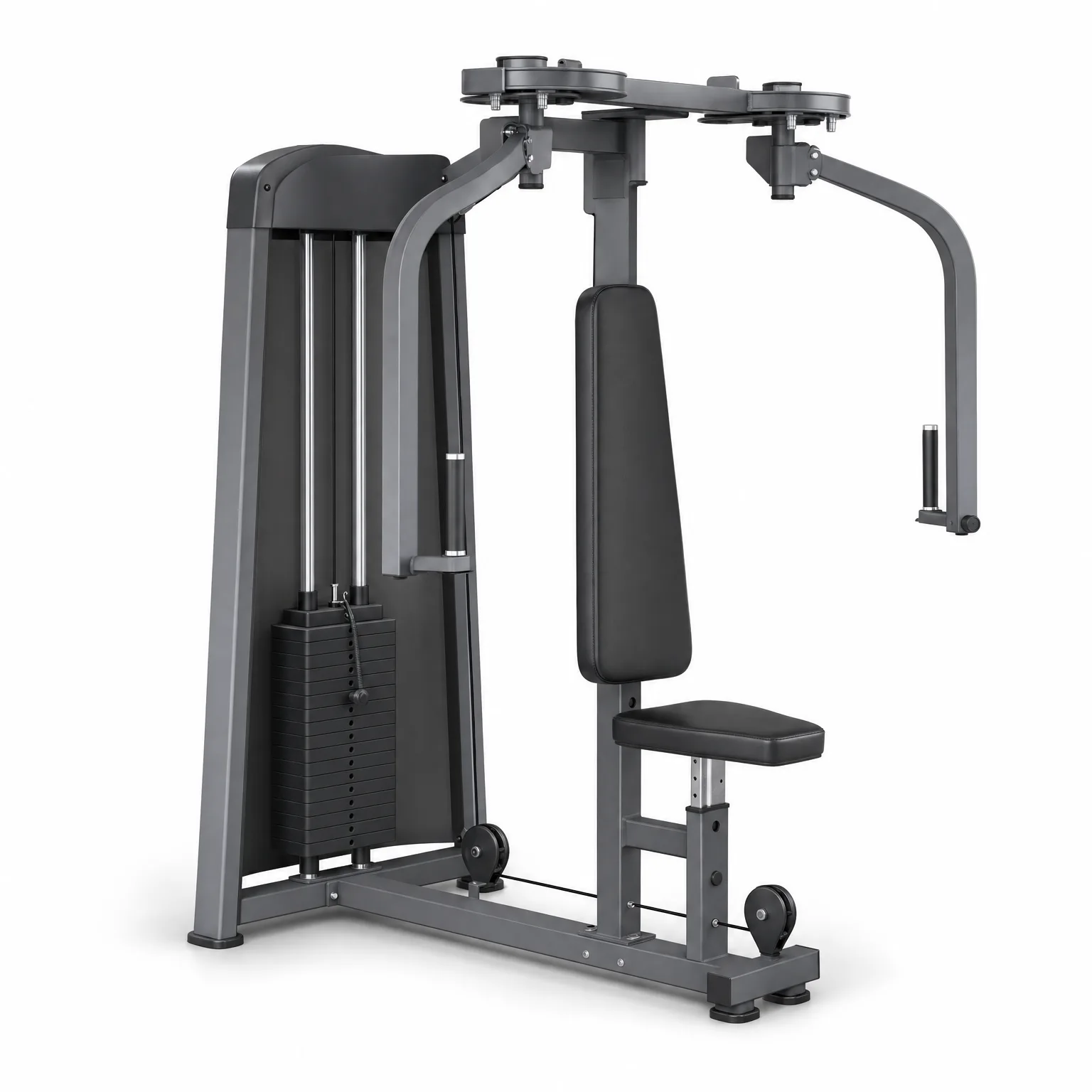
Pec deck machine
A seat with two arms that swing together in front of the chest. It isolates the chest, and facing the pad trains the rear delts. -
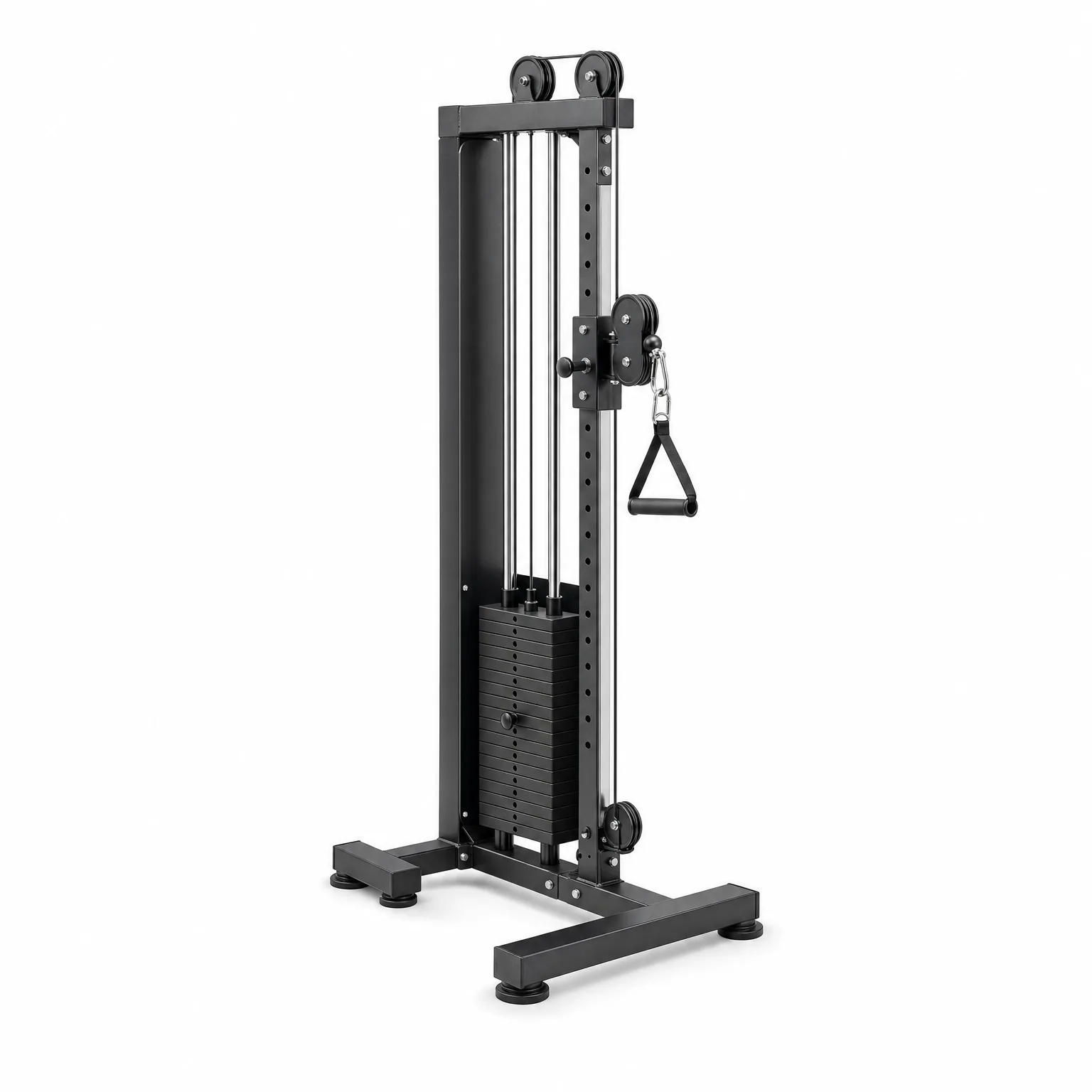
Cable machine
A weight stack on a pulley with a handle you can set at any height. It keeps tension on the muscle through the whole movement. -
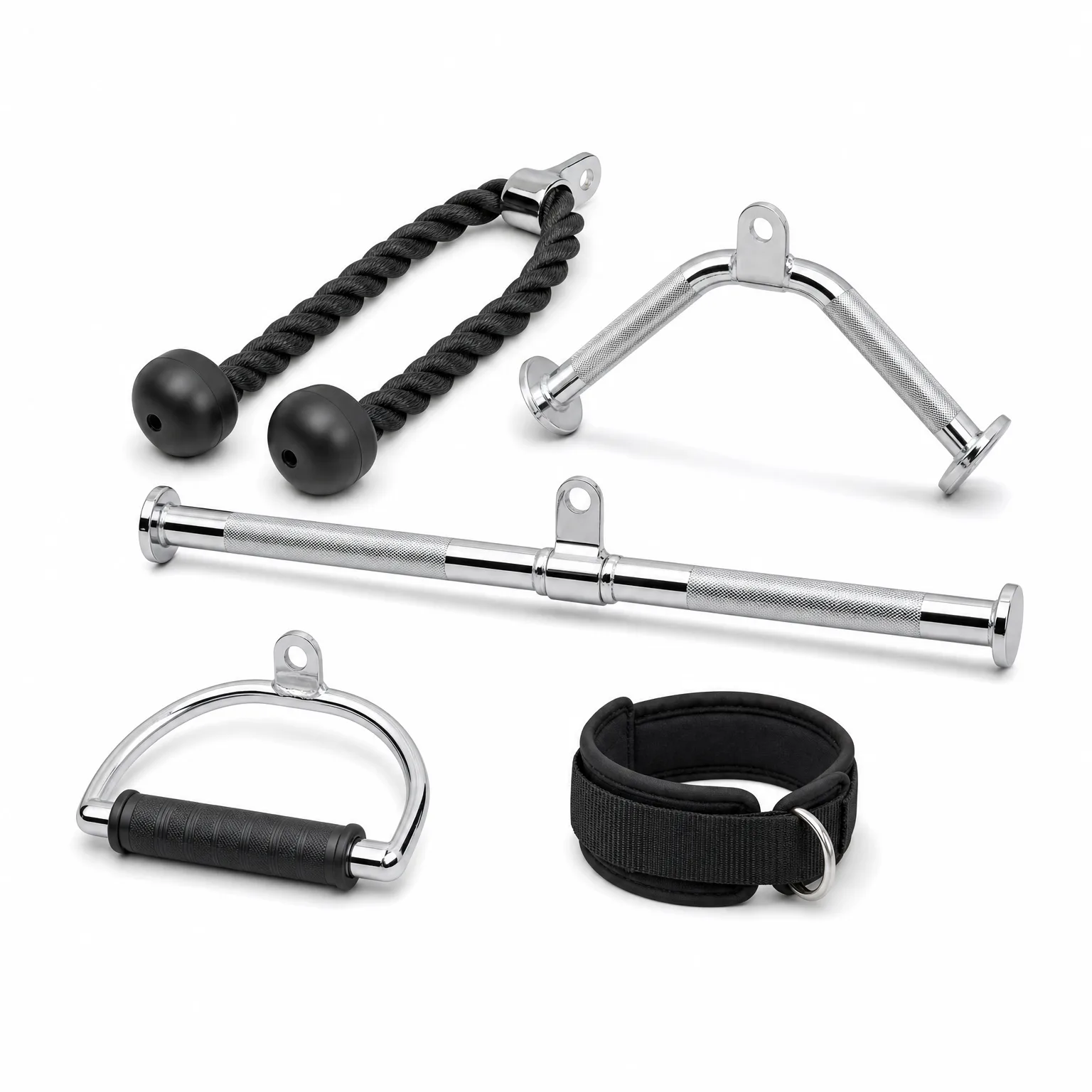
Cable attachments
The handles, bars, ropes and cuffs that clip onto a cable machine. Each one sets your grip and changes which exercises the cable can do. -

Dumbbells
A pair of short handles with a weight at each end. One pair trains every major muscle group, at home or in a gym. -

Weight bench
A padded bench you lie, sit or lean on while lifting. It supports the body for presses, rows, hip thrusts and seated work. -
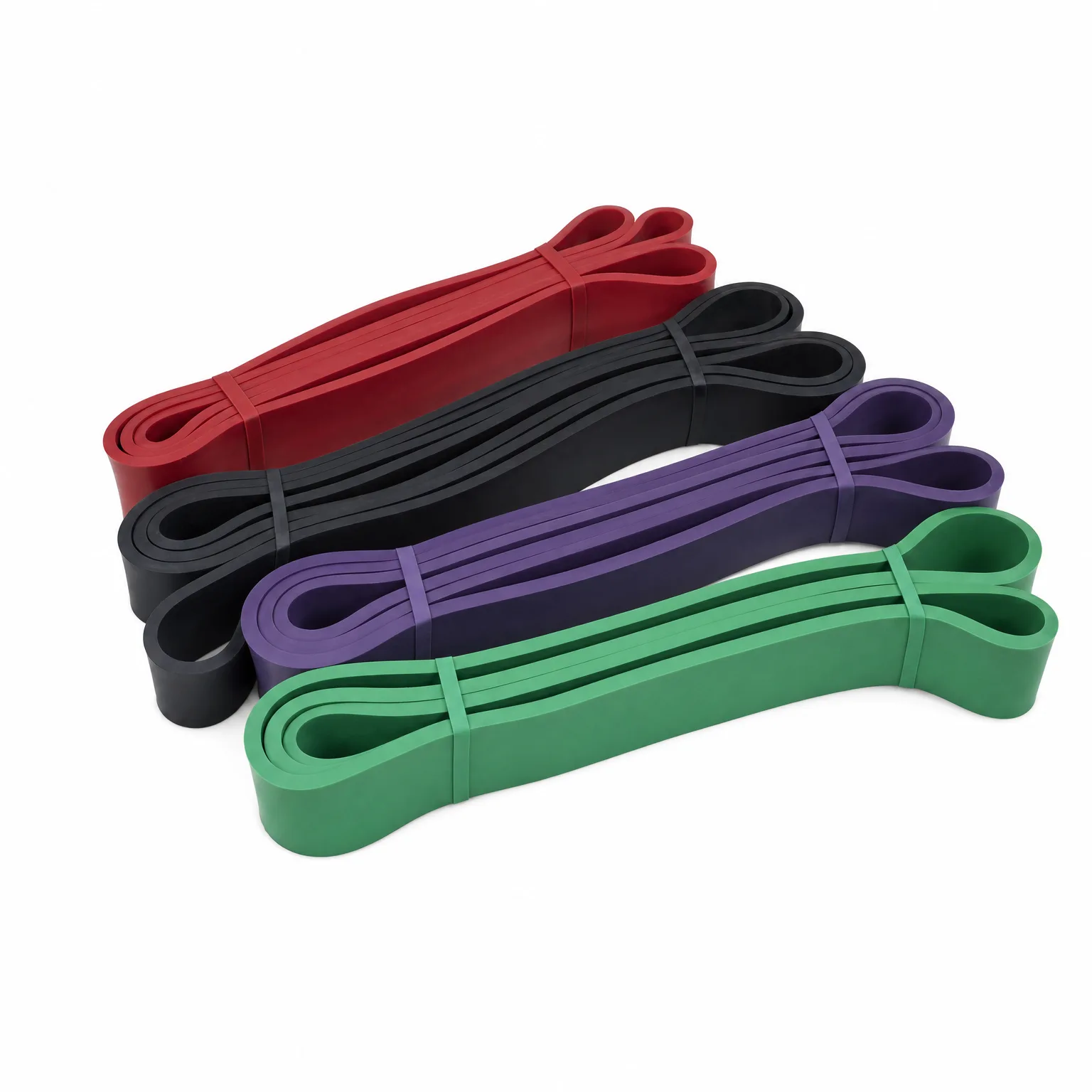
Resistance bands
Long closed loops of thick rubber. They add resistance to rows, presses and squats, or take weight off in pull-ups and dips. -
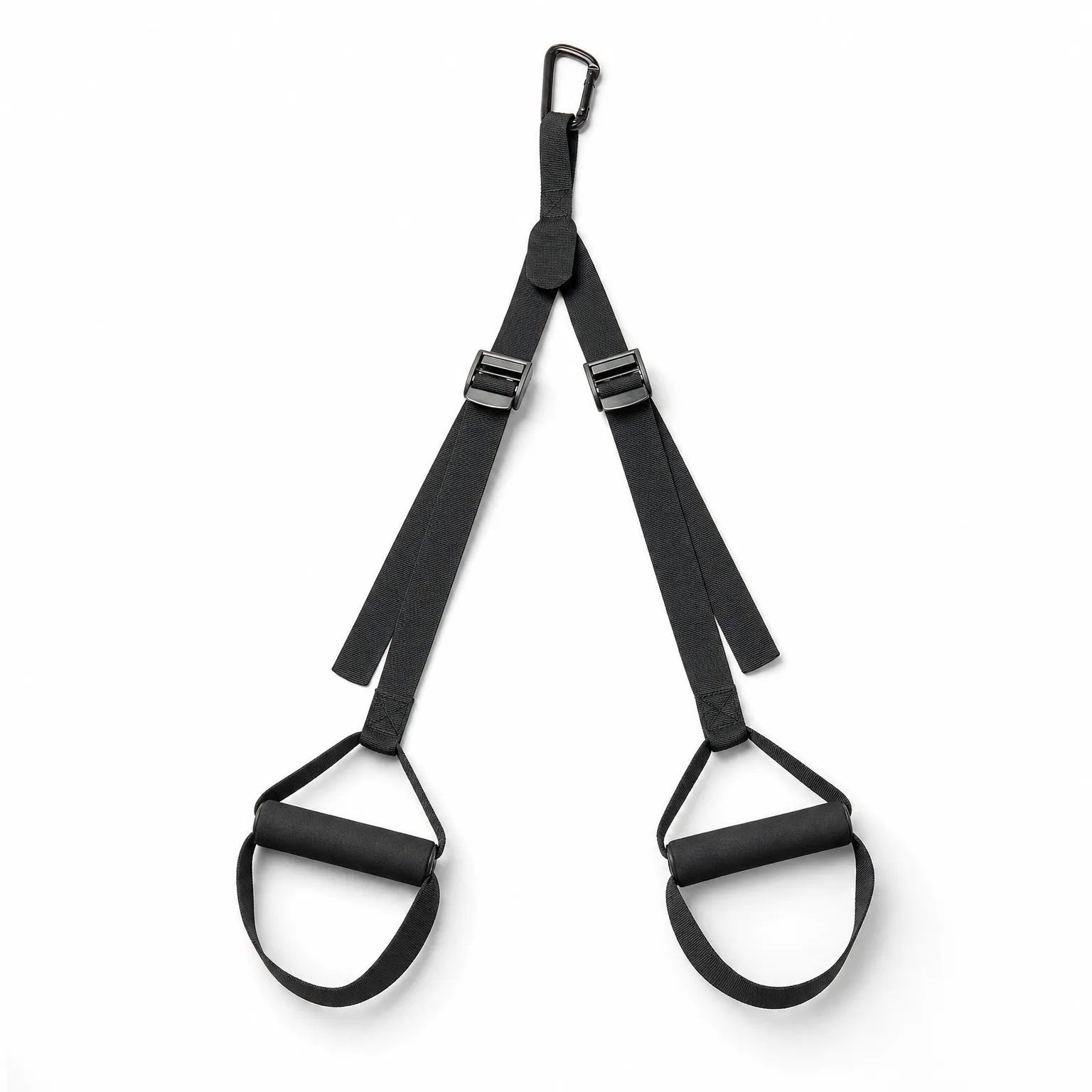
Suspension trainer
Two adjustable straps with handles, hung from one anchor point. You lean or hang on them and use your own body weight as the load.
Related muscles
-
Mid back
The muscles on and between the shoulder blades. They pull the blades together, turn the arm outward and work in every row. -
Traps
A large, flat muscle from the neck down the middle of the upper back. It lifts, pulls back and rotates the shoulder blades in shrugs, rows and carries. -
Side delts
The middle head of the shoulder muscle, on the outside of the shoulder. It lifts the arm out to the side and gives the shoulders their width. -
Front delts
The front head of the shoulder muscle. It lifts the arm forward and overhead and helps in every press, from the bench press to the overhead press.
Questions about training the rear delts
What are the best rear delt exercises?
Reverse flyes on a machine, with cables or with dumbbells, plus face pulls. Wide rows with the elbows out add heavier work. One fly and one face pull or wide row cover the muscle well.
Can I train rear delts at home?
Yes. Bent-over reverse flyes with light dumbbells, band pull-aparts and inverted rows under a sturdy table or with a suspension trainer all work. The muscle responds to light loads taken close to failure.
Why can't I feel my rear delts working?
Usually the weight is too heavy and the upper back or traps take over. Drop the load, keep the shoulders down, move the arms in a wide arc and pause for a second at the end of each rep.
Do face pulls work rear delts?
Yes, together with the middle and lower trapezius and the small rotator muscles at the back of the shoulder. Pulling high, toward the forehead, with the elbows wide puts more of the work on the rear delts.
Write programs your clients can follow
This guide comes from OnlineFitness.app, the app online coaches run their clients in.
Free for life for the first 100 coachesNo card