Hamstrings
Three muscles on the back of the thigh. They bend the knee and straighten the hip, so they work in leg curls, deadlifts and sprints.
In short
The hamstrings are three muscles on the back of the thigh: the biceps femoris on the outer side and the semitendinosus and semimembranosus on the inner side. Most of them start at the sit bone of the pelvis and end just below the knee, so they cross two joints. They bend the knee and pull the thigh back at the hip, as when you sprint, jump or stand up from a deadlift.
Two kinds of exercises build them: hip hinges such as the Romanian deadlift, which work them at the hip, and leg curls, which work them at the knee. Most people need both. The short head of the biceps femoris does not reach the pelvis, so only curls train it. The glutes also straighten the hip, which is why hinges train both.
- Anatomical name
- Biceps femoris, semitendinosus and semimembranosus
- Group
- Legs and glutes
- Also called
- hamstring muscles, hams, hammies, back of the thigh, back thigh muscles
- Works with
- Glutes, Quads, Lower back
What it does
- Bend the knee: a leg curl, pulling the heel up behind you as you run
- Extend the hip together with the glutes: locking out a deadlift, pushing off in a sprint
- Slow the lower leg as it swings forward just before the foot lands when sprinting
- Turn the lower leg in or out while the knee is bent
Parts of the muscle
Biceps femoris. The outer hamstring, with two heads. The long head starts at the sit bone and works in both hinges and curls. The short head starts on the thigh bone, crosses only the knee and works only in curls.
Semitendinosus. The inner hamstring with a long, cord-like tendon near the knee. It works hard when the knee bends, so leg curls and Nordic curls train it well.
Semimembranosus. Lies under the semitendinosus on the inner side. It works in both hip extension and knee bending, so hinges and curls both train it.
Exercises for the hamstrings
Ordered from the most useful. Equipment links open its page in the equipment guide.
-
Romanian deadlift
Start standing with the bar against the thighs. Push the hips back with a slight, fixed knee bend and a flat back until the stretch is strong, often around mid-shin.
-
Seated leg curl
Set the back pad so the knee lines up with the pivot and lock the thigh pad down. Lean the torso forward a little for more stretch, curl fully and lower slowly.
-
Lying leg curl
Hips pressed into the pad, knees just off the edge. Curl the heels toward the glutes without lifting the hips, then lower all the way.
-
Nordic hamstring curl
Kneel with the ankles held by a partner or a fixed bar. Keep the hips straight and lower the body forward as slowly as you can, catch yourself with the hands and push back up.
Bodyweight
-
Glute-ham raise
Knees just behind the pad, feet against the plate. Lower with the body straight from knees to head, then pull yourself back up by bending the knees.
-
Good morning
Bar on the upper back, knees soft. Hinge forward with a flat back until the torso is near level or the hamstrings stop you, then drive the hips forward.
-
Single-leg Romanian deadlift
Dumbbell in the hand opposite the standing leg. Hinge on one leg with the free leg reaching back in line with the torso, hips square to the floor.
-
Slider leg curl
Lie on your back with the heels on sliders and the hips lifted. Slide the feet out until the legs are nearly straight, then pull them back in without dropping the hips.
How to train it
Do both a hinge and a curl
Hinges load the hamstrings at the hip and curls load them at the knee, and each trains parts of the muscle the other reaches less. One Romanian deadlift or good morning plus one leg curl covers both.
Train them in a stretch
The hamstrings seem to grow best when loaded at long lengths. Seated leg curls, done with the hip bent, may build more than lying curls, and Romanian deadlifts should go down until the stretch is strong.
Plan 10 to 20 hard sets a week
Split them over two or three sessions. Heavy hinges also tire the lower back, so many lifters use fewer hinge sets and more curl sets.
Use moderate reps and slow lowering
Hinges suit 6 to 12 reps and curls 8 to 15. Take two to three seconds on the way down. Nordic curls are very hard, so start with 2 or 3 sets of 3 to 6 slow lowers.
Progress in small steps
Add weight or a rep when all sets reach the top of the range. For Nordic curls, progress by lowering further before you catch yourself.
Common mistakes
Rounding the back to reach lower
In a Romanian deadlift the range ends where the hips stop moving back. Going further by rounding the spine moves the work away from the hamstrings. Stop where the back stays flat.
Bending the knees too much in hinges
A Romanian deadlift with a deep knee bend turns into a regular deadlift, and the hamstrings lose their stretch. Keep a slight knee bend that does not change during the rep.
Lifting the hips on lying leg curls
When the hips come off the pad, the lower back and momentum help move the weight. Use less weight and keep the hips pinned down.
Doing only hinges
Hinges do not train the short head of the biceps femoris and load the knee function lightly. Add at least one leg curl to the week.
Equipment for these exercises
-
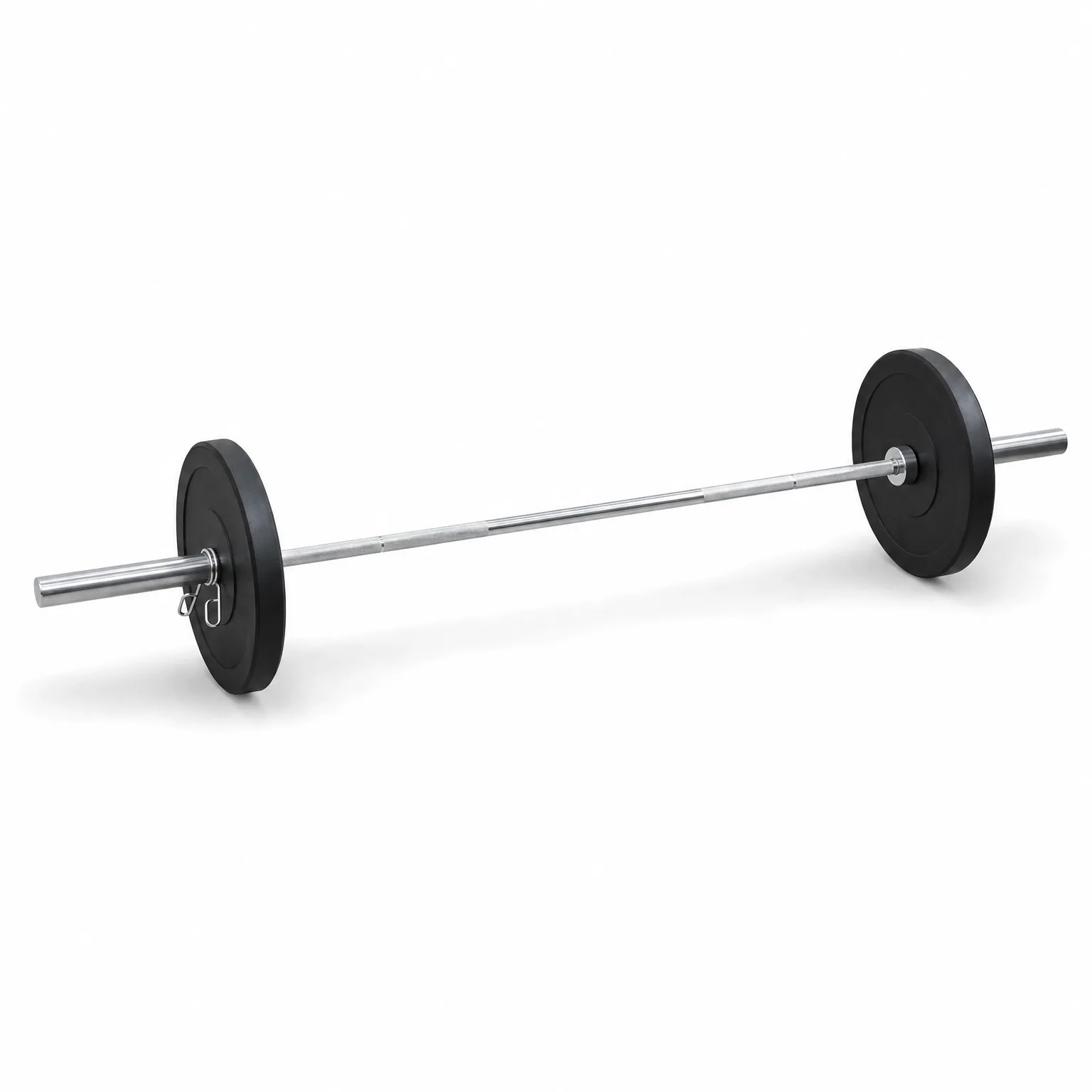
Barbell
A long steel bar loaded with plates at both ends. The standard tool for squats, deadlifts, presses and rows with heavy weight. -
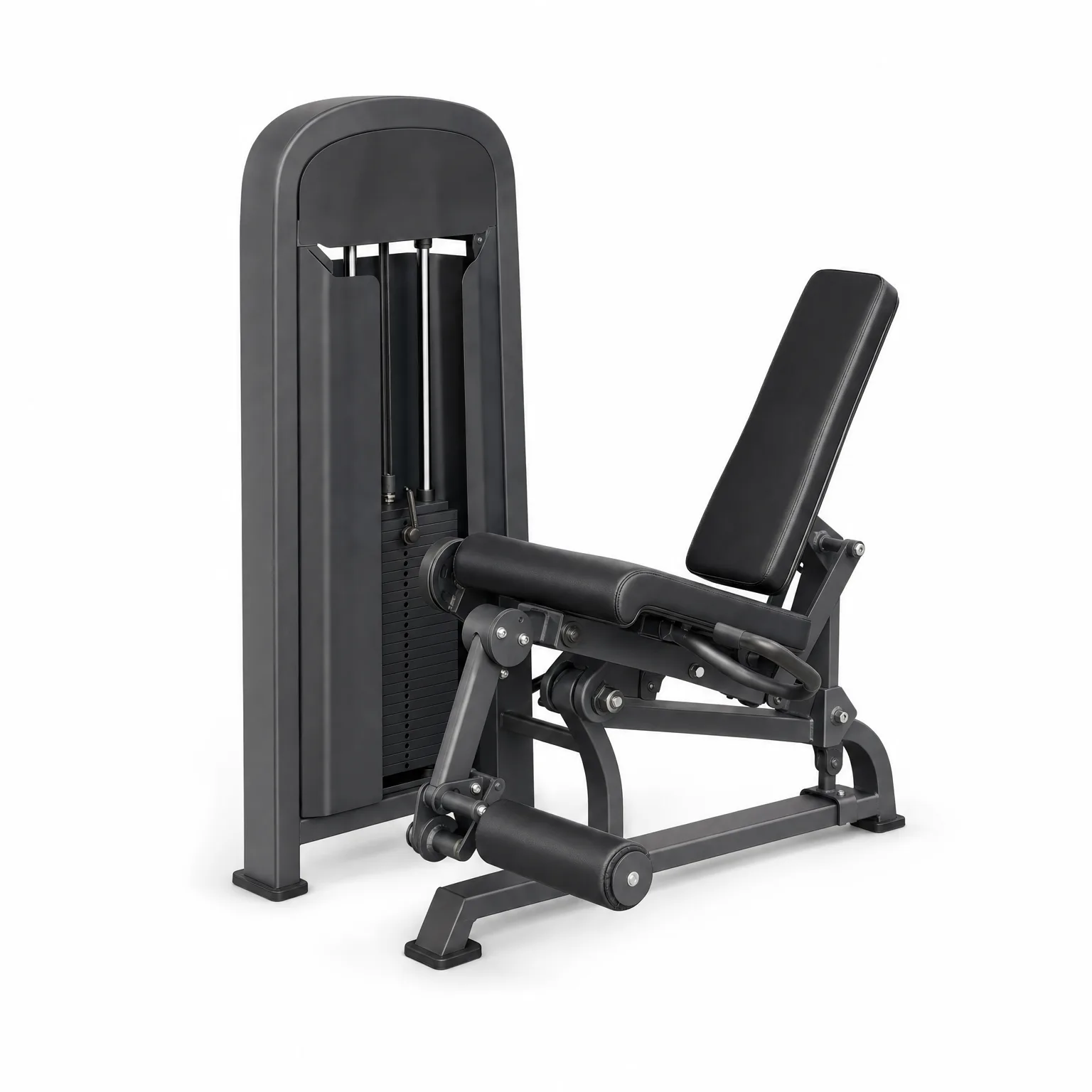
Leg curl machine
A machine with a padded roller behind the ankles. You bend the knees against the load to isolate the hamstrings. -
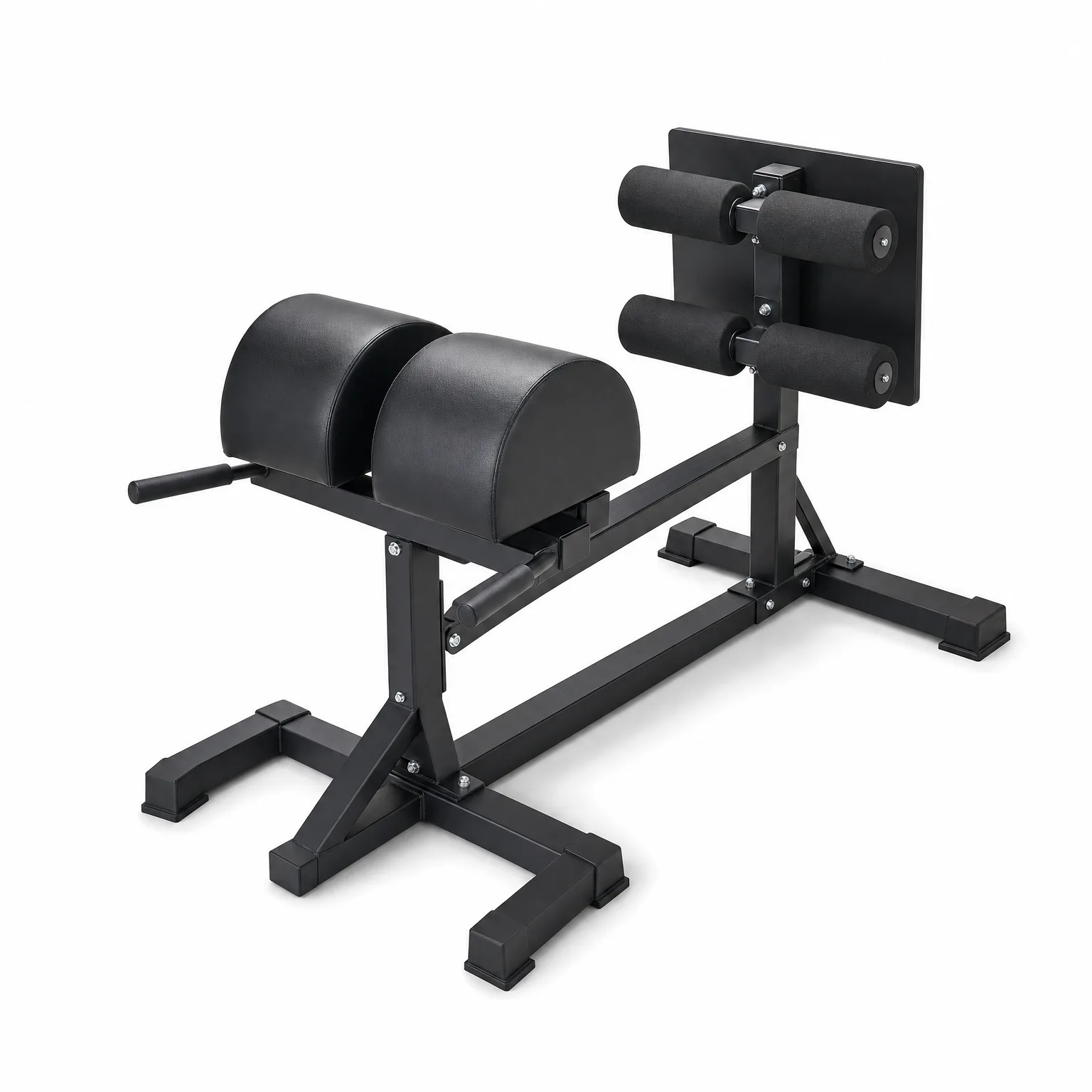
Glute-ham developer
A bench with a rounded pad, foot rollers and a footplate, used for glute-ham raises, back and hip extensions and GHD sit-ups. -
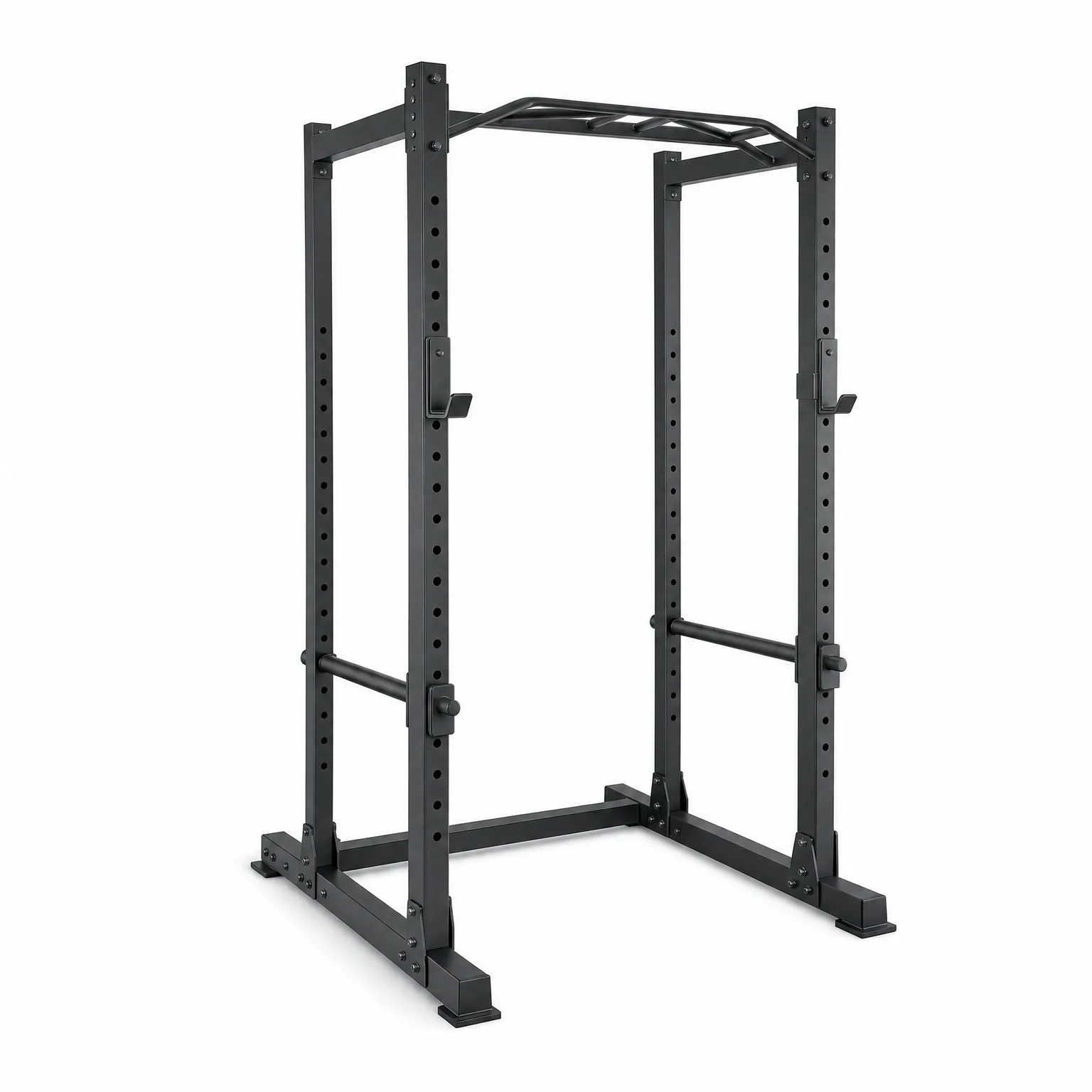
Squat rack
A steel frame that holds a barbell at the height you need and catches it if a rep fails. The base for squats and presses. -

Dumbbells
A pair of short handles with a weight at each end. One pair trains every major muscle group, at home or in a gym. -
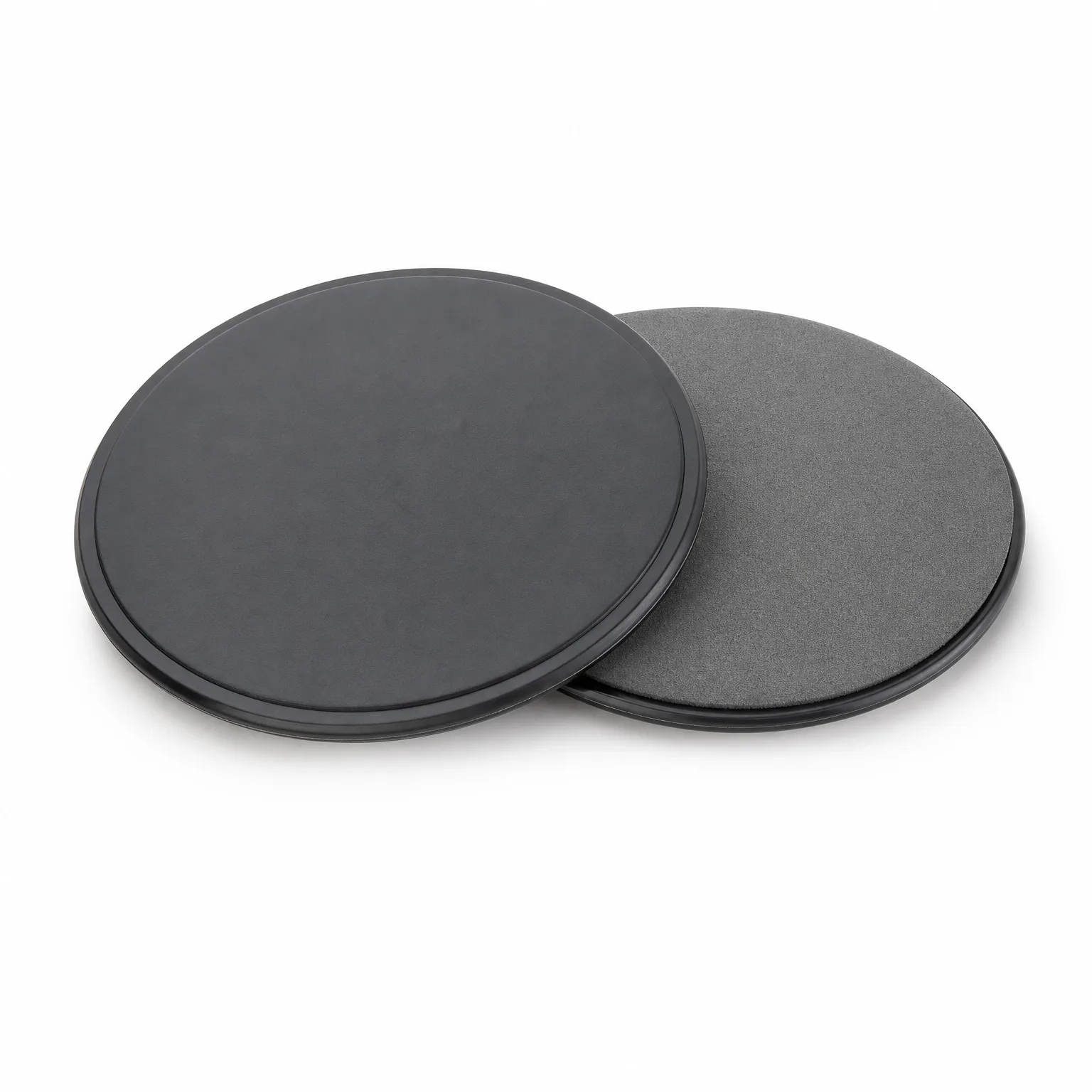
Core sliders
Two flat discs that slide under your hands or feet. They add a gliding element to lunges, planks and hamstring curls on any floor.
Related muscles
-
Glutes
The large muscle of the buttock. It straightens the hip in squats, deadlifts, hip thrusts, sprints and every step up a stair. -
Quads
Four muscles on the front of the thigh. They straighten the knee in squats, lunges, jumps and stairs, and one of them also lifts the thigh. -
Lower back
The muscles along both sides of the lower spine. They hold the back straight under load and straighten it when you stand up from a bend.
Questions about training the hamstrings
What are the best hamstring exercises?
The Romanian deadlift and the seated leg curl are the two most useful: one trains the hip function, the other the knee function, both in a stretched position. Nordic curls, glute-ham raises and good mornings are good additions or swaps.
How do I train hamstrings at home?
Single-leg Romanian deadlifts with a dumbbell or a loaded backpack train the hinge. Slider or towel leg curls on a smooth floor, and Nordic curls with the feet hooked under a heavy sofa, train the knee function. Progress by moving from two legs to one.
Why can't I feel my hamstrings in Romanian deadlifts?
Usually the knees bend too much or the hips sink instead of moving back. Keep the shins close to vertical, push the hips back as if closing a door behind you, and keep the bar against the legs. The stretch in the back of the thigh should build as the bar passes the knees.
Are Nordic curls worth doing?
Yes. They are one of the hardest knee bending exercises and need nothing but an anchor for the feet. They are very demanding on the way down, so expect soreness at first and add reps slowly.
How often should I train hamstrings?
Two sessions a week work well for most people. Put a hinge on one day and a curl on the other, or both on each day, for about 10 to 20 hard sets in total.
Write programs your clients can follow
This guide comes from OnlineFitness.app, the app online coaches run their clients in.
Free for life for the first 100 coachesNo card