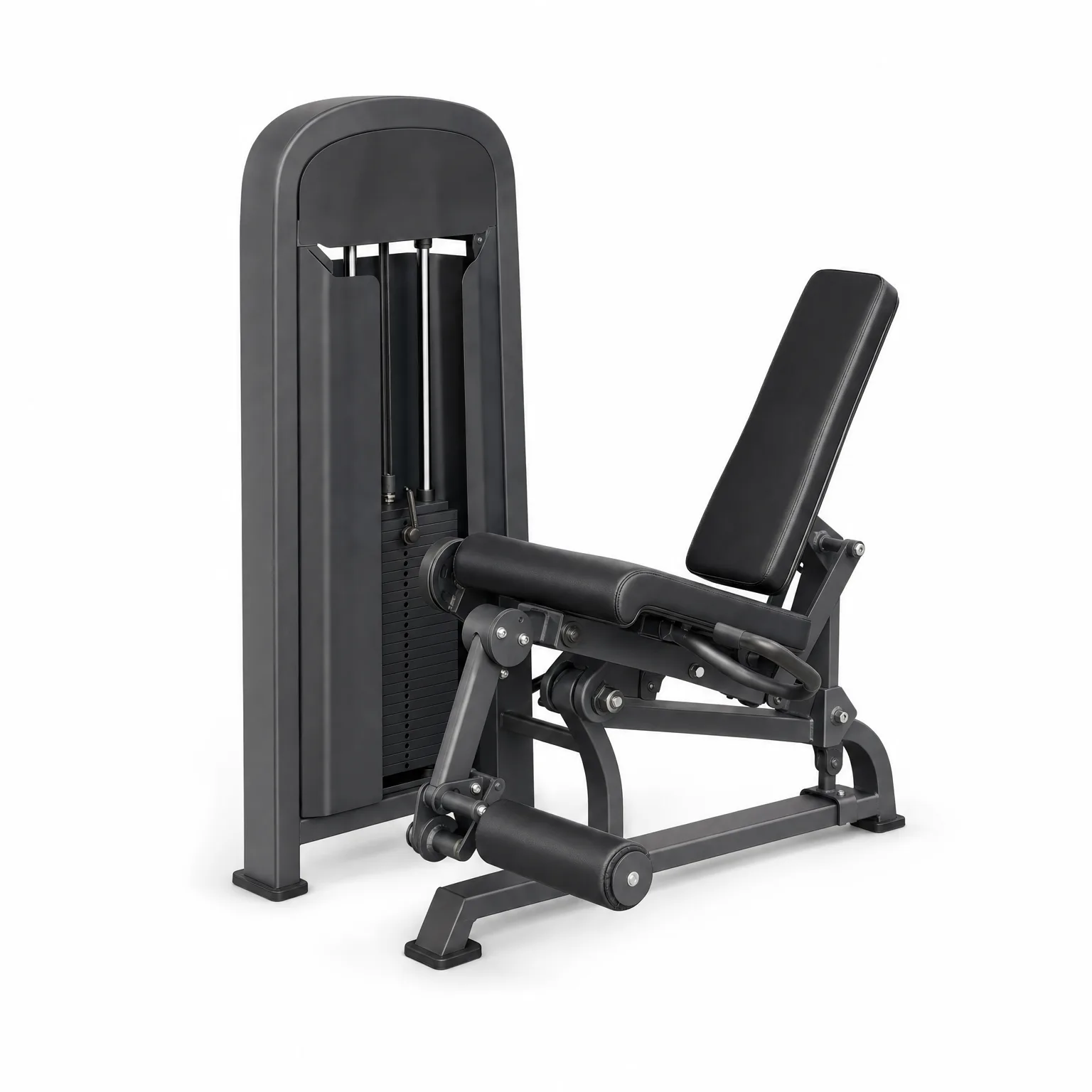
Leg curl machine
A machine with a padded roller behind the ankles. You bend the knees against the load to isolate the hamstrings.
In short
A leg curl machine has a padded roller that sits behind the lower legs. You bend the knees to pull the roller toward the back of the thighs, then let it return. It isolates the hamstrings, the muscles on the back of the thigh, which squats and leg presses train only lightly.
It comes in lying, seated and standing versions. All suit beginners, because only the knee moves and the body is held in place. It pairs with hip-hinge exercises such as Romanian deadlifts to cover both jobs of the hamstrings.
- Category
- Gym machines
- Where
- Gym
- Level
- Beginner and up
- Space
- Needs a dedicated area
- Typical sizes
- Stacks are commonly 50–110 kg (110–240 lb); a lying machine is about 1.6–1.8 m (5.5–6 ft) long
- Also called
- hamstring curl machine, leg curl, lying leg curl, seated leg curl, prone leg curl, hamstring curl, standing leg curl
Muscles it works
- Main
- Hamstrings
- Also works
- Calves
What it is used for
- Isolating the hamstrings by bending the knee under load
- Balancing leg sessions that are heavy on squats and presses
- Single-leg sets to compare and even out the two sides
- Slow lowering reps to train the hamstrings while they lengthen
Types
Lying leg curl. You lie face down on a bench that is usually angled at the hips and curl the roller toward the glutes. The classic version.
Seated leg curl. You sit upright with a pad clamped over the thighs and curl the roller down and under the seat. The hips are bent, so the hamstrings work at a longer length.
Standing single-leg curl. You stand, lean on a pad and curl one leg at a time. Takes little floor space and shows side-to-side differences.
Curl and extension combo. One seat that converts between seated curl and leg extension by repositioning the roller. Common in small gyms and on home benches.
How to choose
Line up the knee with the pivot
On any version, position yourself so the center of the knee joint is level with the machine's pivot point, usually marked. On a lying machine the kneecaps sit just off the edge of the bench. On a seated machine, move the back pad until the knees are at the seat edge.
Set the ankle roller
The roller should rest on the lower calf just above the heel, at the Achilles area, not on the heel and not mid calf. It should stay in one place on the leg as you curl.
Clamp the thigh pad on a seated machine
Lower the pad firmly onto the thighs just above the knees. Without it the thighs lift as you curl and the range is lost.
Choose a starting load
Start light and aim for 10–15 reps you can pause at the end and lower slowly. Hamstrings can cramp under a load they are not used to, so build up over a few sessions.
How to start using it
- Fix the body in place. Lying: press the hips into the bench and hold the handles. Seated: sit against the back pad, lock the thigh pad and hold the handles. Nothing above the knees should move during the set.
- Curl as far as you can. Bend the knees in about one second and bring the roller as close to the back of the thighs as the machine allows. Keep the feet relaxed or the toes pulled toward the shins, whichever feels stronger.
- Pause, then lower slowly. Hold the end position for a moment. Return in two to three seconds until the legs are almost straight. Do not let the stack drop.
- Keep the tension between reps. Stop just before the plates touch and start the next rep. The legs straighten almost fully but do not hang against the lock.
Common mistakes
Hips lifting on a lying curl
Raising the hips off the bench shortens the movement and brings the lower back in. Press the hips down and use a load you can curl without the lift.
Dropping the weight
Letting the roller fall back skips the lowering phase, which is half of the work in this exercise. Count two to three seconds on the way down.
Knee and pivot out of line
If the roller slides up and down the calf during the rep, the knee is not at the pivot. Move the pad or your position until it stays put.
Half range
Curling only through the middle with a heavy stack leaves out both the stretched and the fully bent positions. Reduce the load and use the full travel.
What to use instead
Without a machine, do sliding leg curls: lie on your back with the heels on sliders, or on a towel on a smooth floor, lift the hips and pull the heels toward you. The same exercise works with the heels on a fitball. A resistance band anchored low and looped around the ankles copies the lying curl. Romanian deadlifts train the hamstrings from the hip and complement all of these.
-
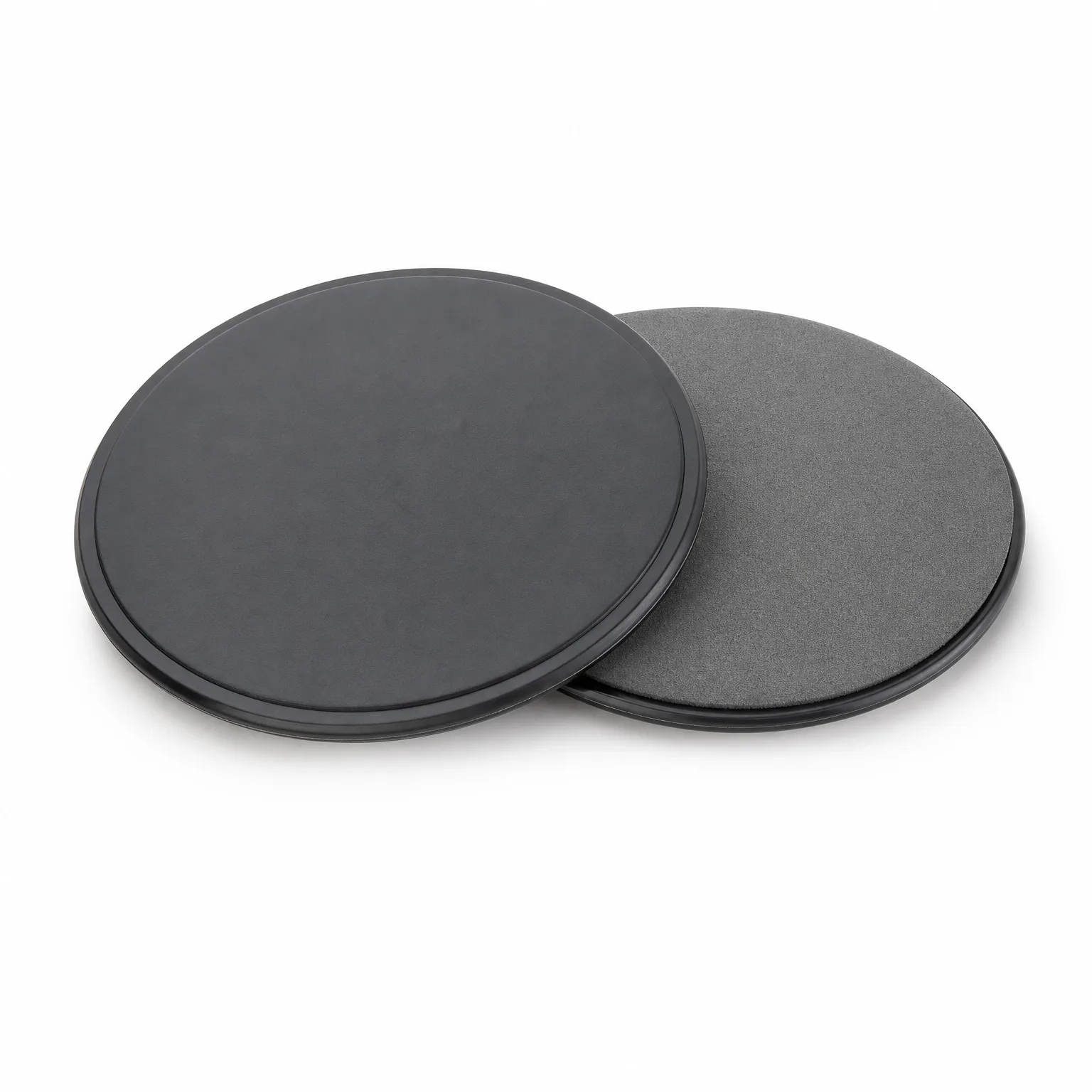
Core sliders
Two flat discs that slide under your hands or feet. They add a gliding element to lunges, planks and hamstring curls on any floor. -
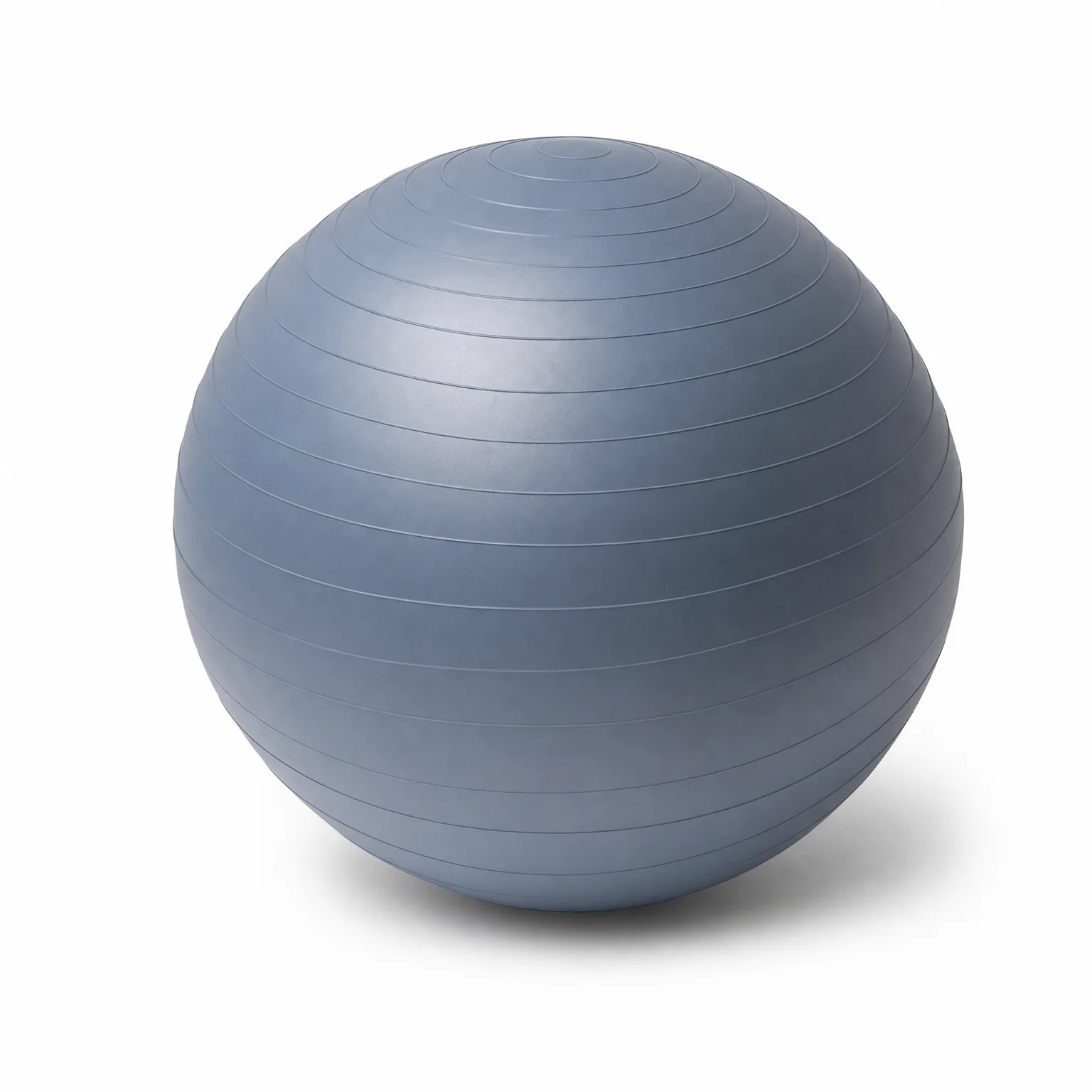
Stability ball
A large inflatable ball you sit, lie or lean on. The unstable surface is used for core exercises, hamstring curls and supported stretches. -
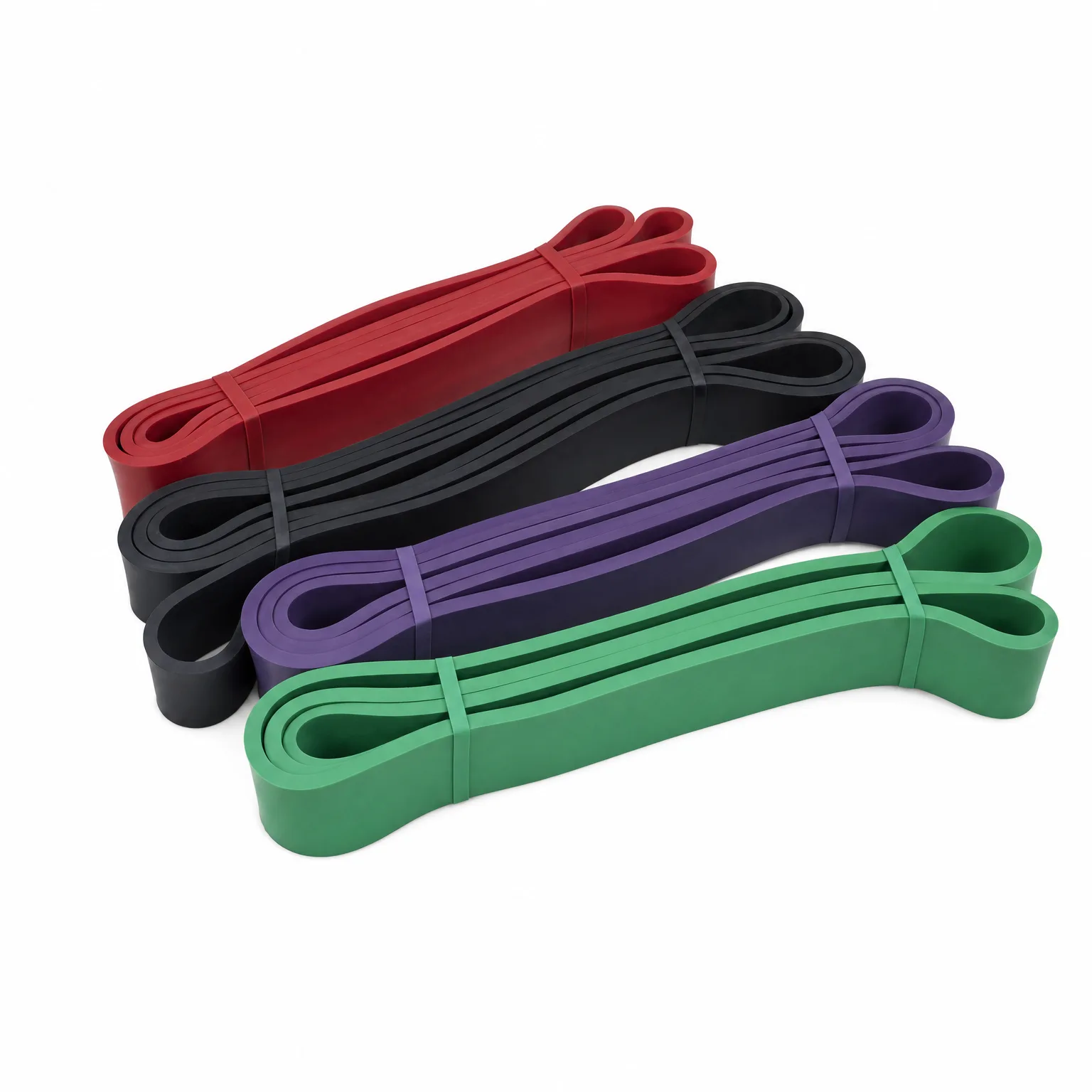
Resistance bands
Long closed loops of thick rubber. They add resistance to rows, presses and squats, or take weight off in pull-ups and dips. -
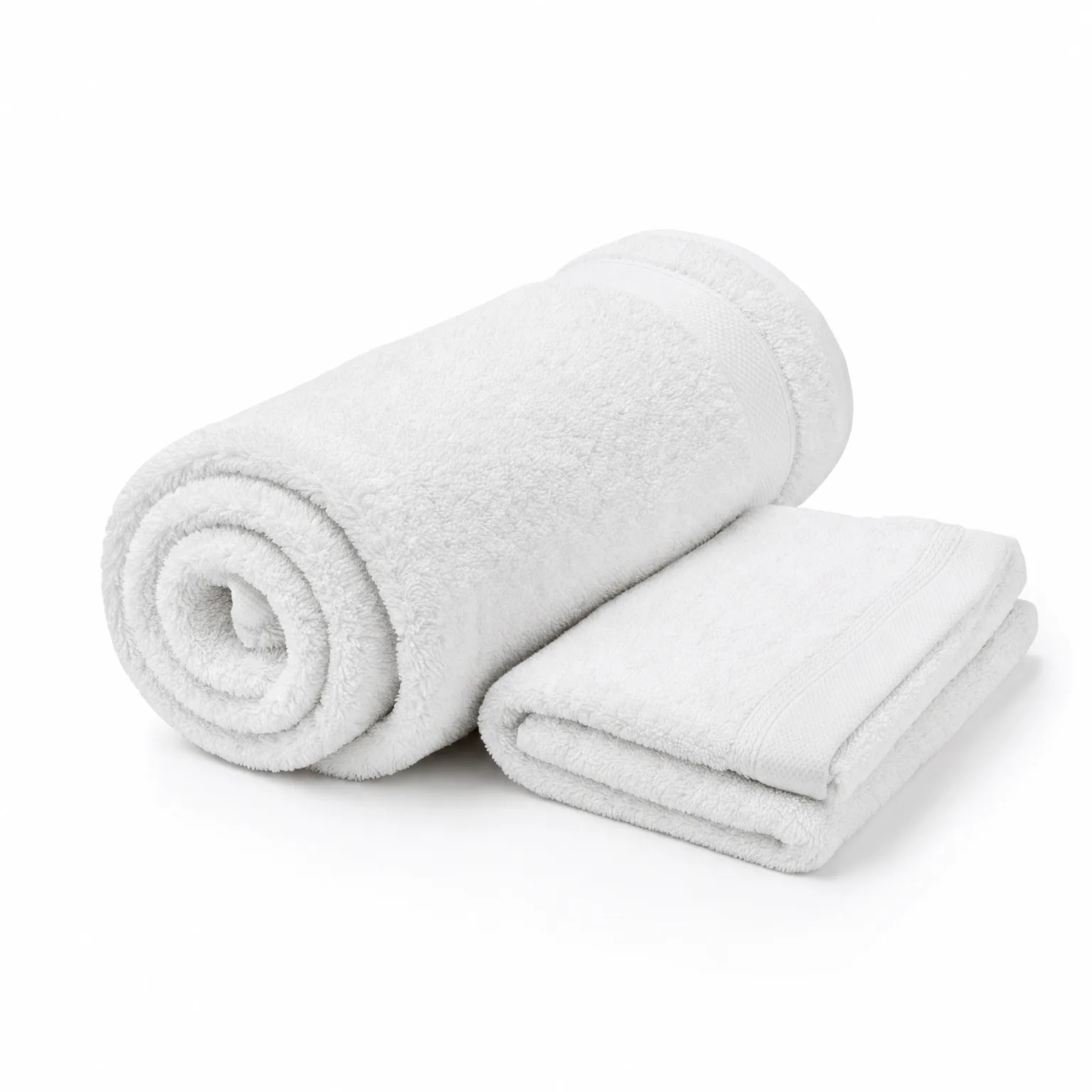
Towel
A towel doubles as sliders on a smooth floor, a stretching strap, a pulling tool for isometric exercises and padding for the knees.
Often used with
-
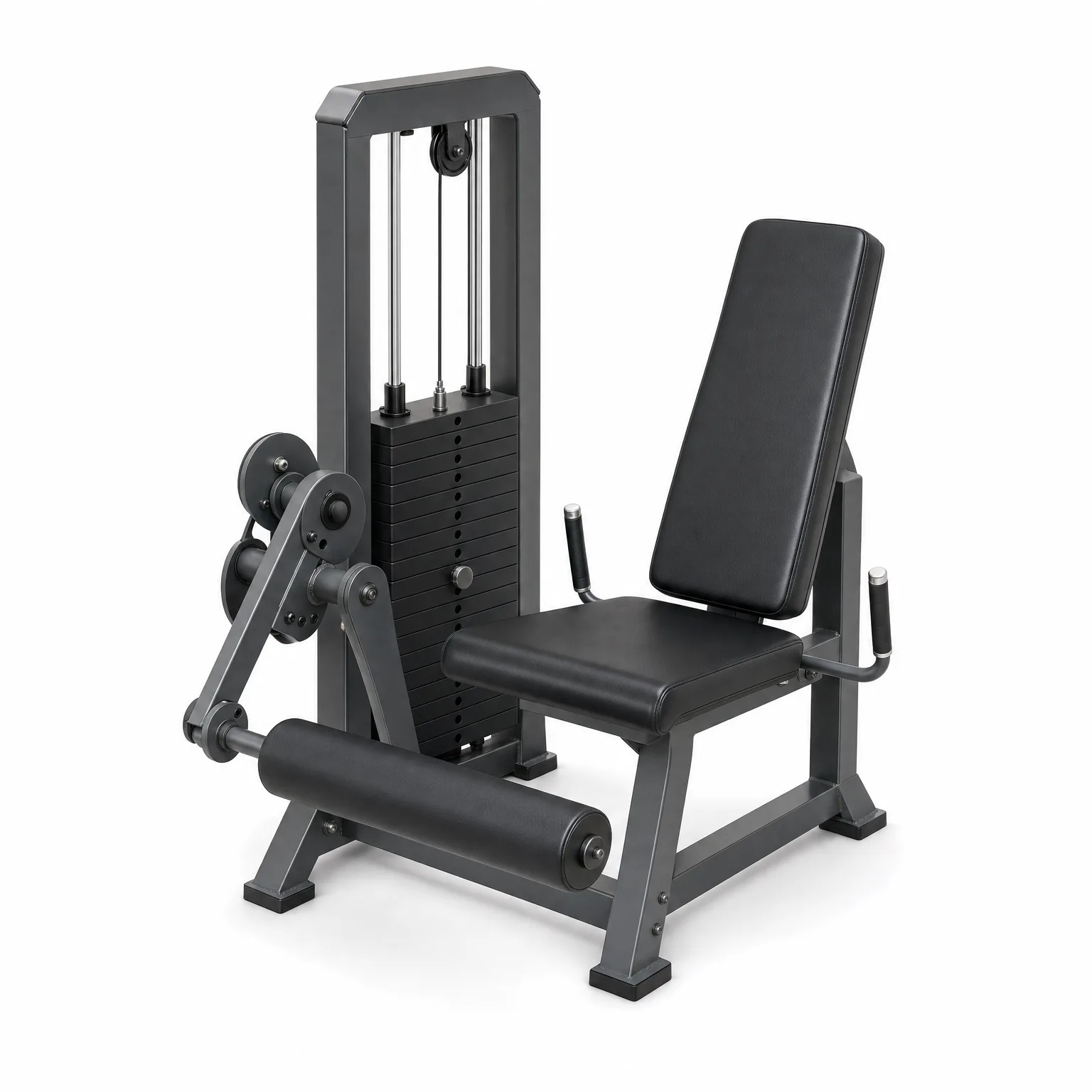
Leg extension machine
A seat with a padded roller in front of the shins. You straighten the knees against the load to isolate the quads. -
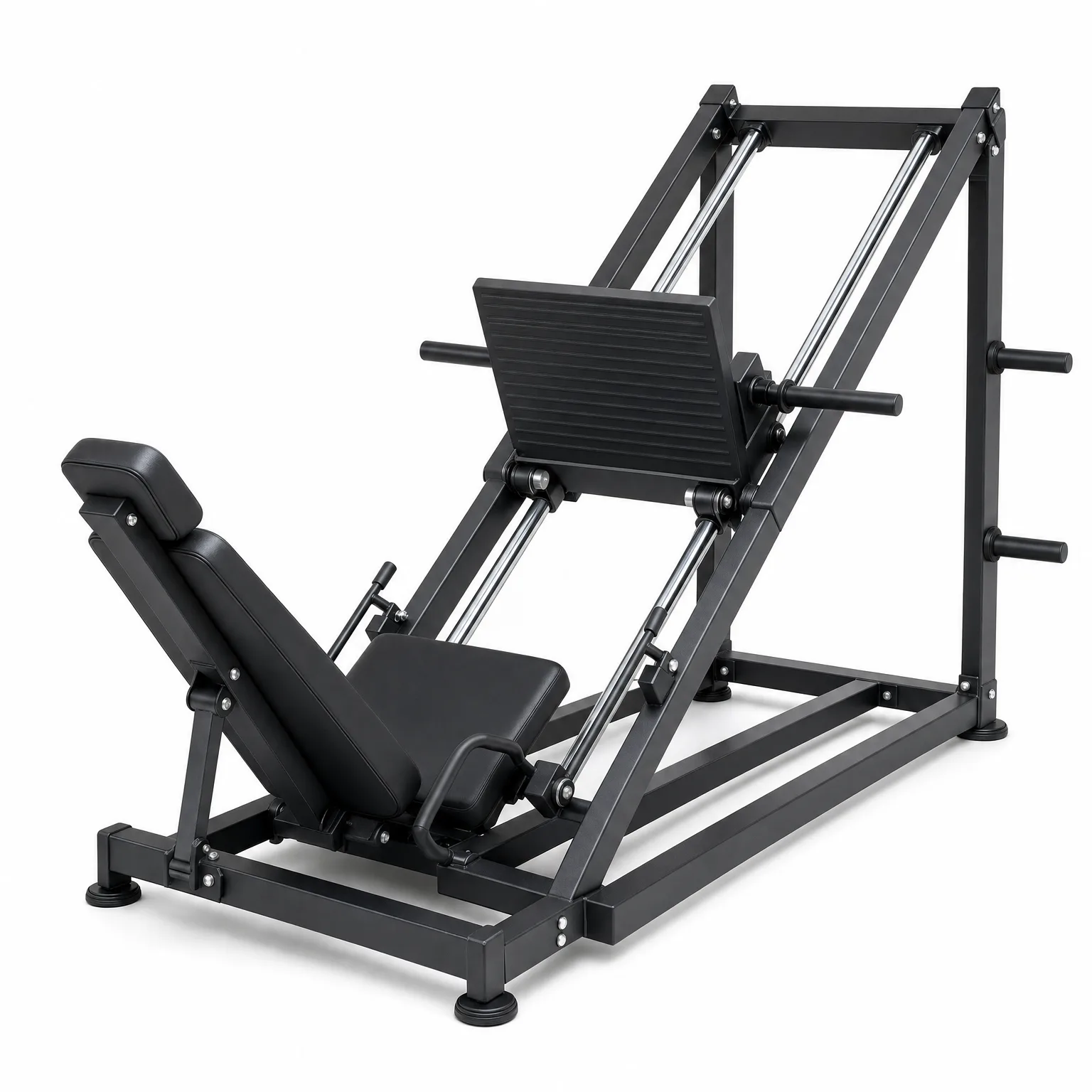
Leg press
A seat and a footplate you push away with both legs. It loads the quads and glutes heavily while the back rests on a pad. -
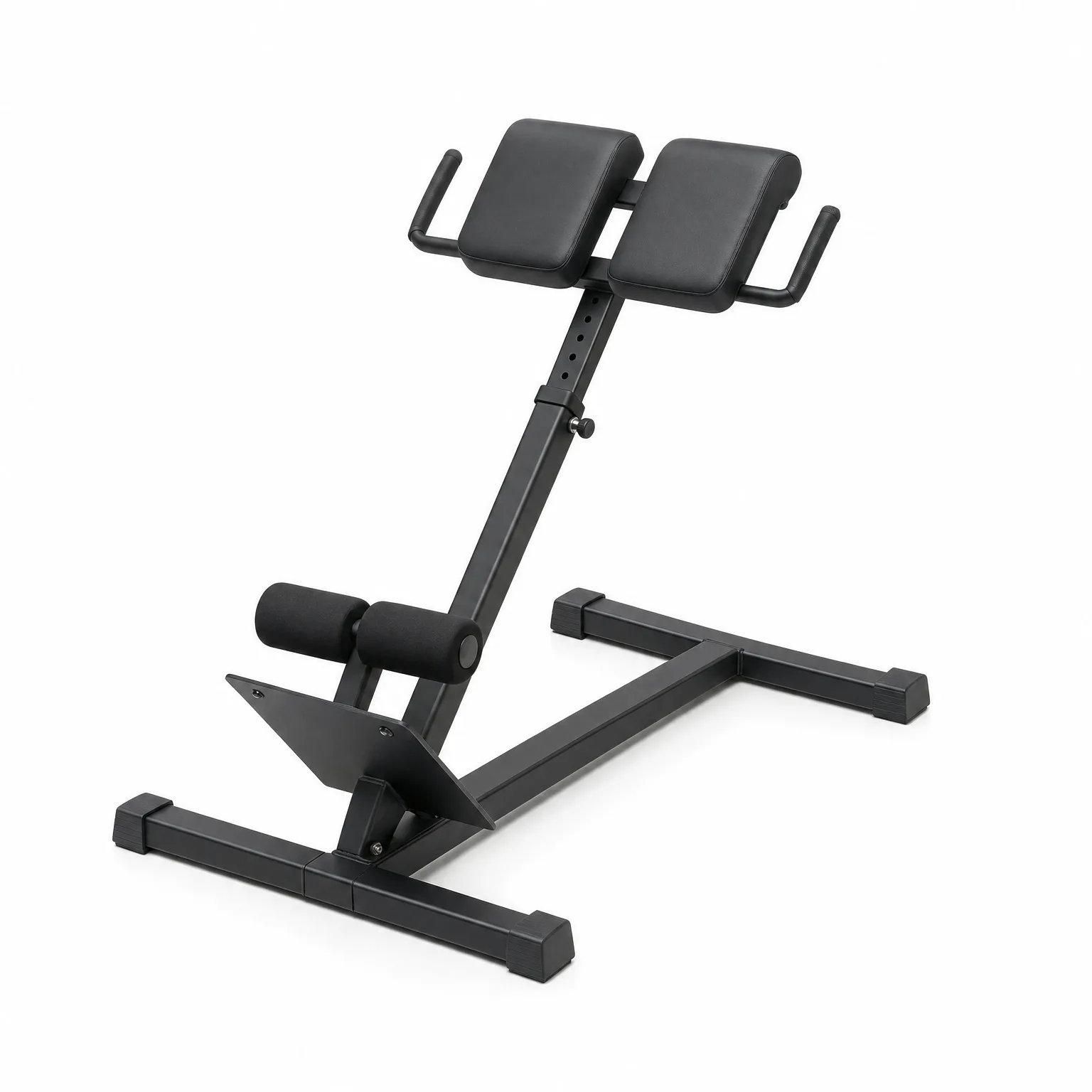
Back extension bench
A padded hip support with ankle rollers. You hinge forward and lift the torso to train the lower back, glutes and hamstrings.
Questions about leg curl machine
Seated or lying leg curl: which is better?
Both train the hamstrings well. In the seated version the hips are bent, so the hamstrings work at a longer length, and at least one training study has found more hamstring growth from it. The lying version is still effective and feels more natural to some people. Use the one your gym has, or alternate.
What muscles does the leg curl work?
The hamstrings on the back of the thigh. The calf muscle that crosses the knee assists, more so when the toes are pulled toward the shins. The glutes and lower back only hold the body still.
Do I need leg curls if I do deadlifts?
They cover different jobs. Deadlifts and Romanian deadlifts train the hamstrings to extend the hip. Leg curls train them to bend the knee, which hinge exercises do not do. Including both gives more complete hamstring training.
Why do my hamstrings cramp on the leg curl?
Cramping near the fully bent position is common when the load or the range is new. Reduce the weight, shorten the pause at the end for now, and build up over a few sessions. Relaxing the feet instead of pointing the toes hard often helps too.
Build programs around what your client has
This guide comes from OnlineFitness.app, the app online coaches run their clients in.
Free for life for the first 100 coachesNo card