Leg extension machine
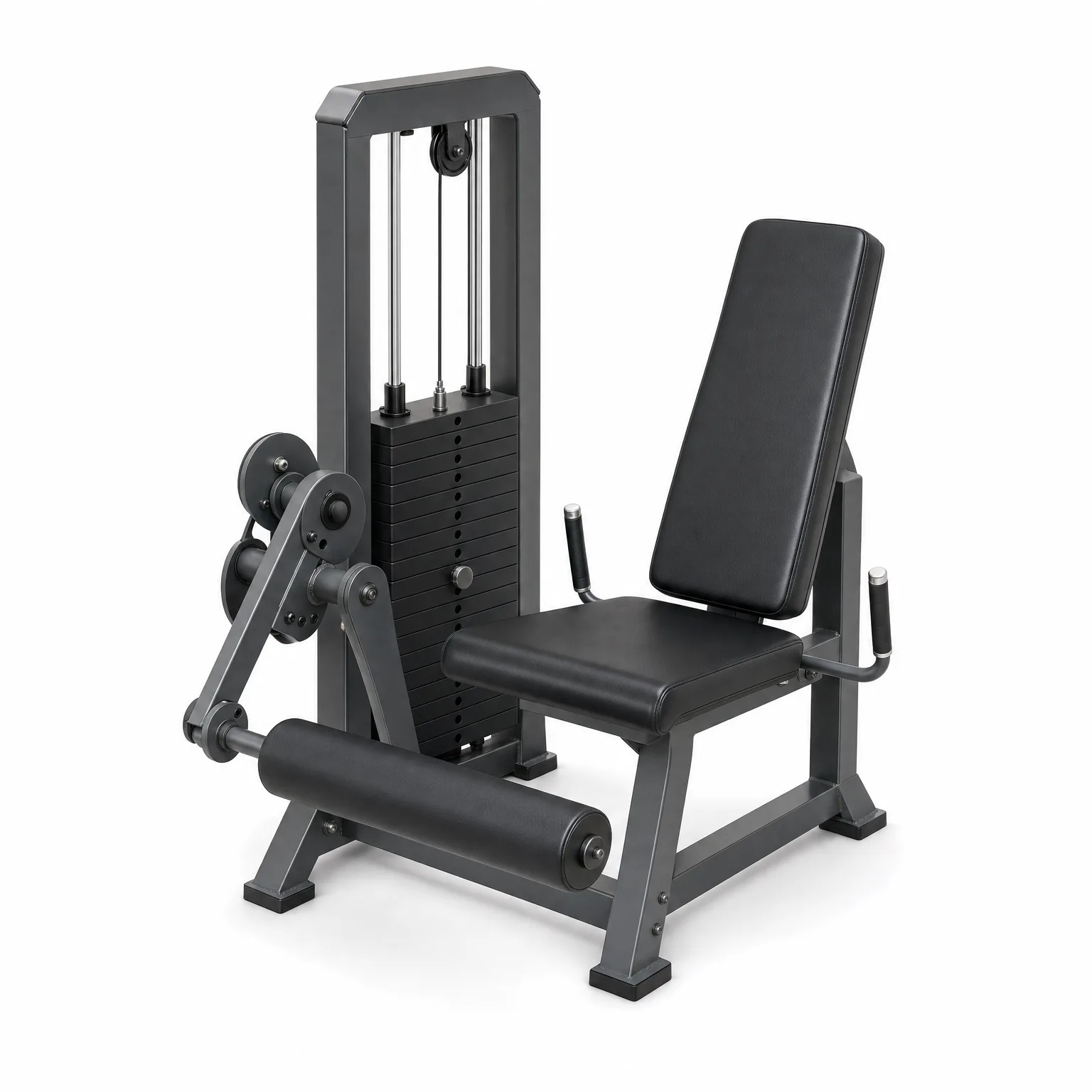
A seat with a padded roller in front of the shins. You straighten the knees against the load to isolate the quads.
In short
A leg extension machine is a seat with a padded roller that rests on the front of the lower shins. You straighten the knees to lift the roller, then lower it. Only the knee joint moves, so the work goes almost entirely to the quadriceps on the front of the thigh.
It suits all levels. Beginners use it to learn what working quads feel like. Experienced lifters use it to add quad volume after squats and presses, or to train one leg at a time.
- Category
- Gym machines
- Where
- Gym
- Level
- Beginner and up
- Space
- Needs a dedicated area
- Typical sizes
- Stacks are commonly 60–110 kg (130–240 lb); footprint about 1.1 x 1.4 m (3.5 x 4.5 ft)
- Also called
- leg extension, leg extensions, quad extension machine, knee extension machine, seated leg extension, quad machine
Muscles it works
- Main
- Quads
What it is used for
- Isolating the quads without loading the back or hips
- Extra quad volume after squats, leg press or hack squats
- Single-leg sets to compare and even out the two sides
- A light warm-up set for the knees and quads before heavy leg work
Types
Selectorized. Weight stack and pin with an adjustable back pad and shin roller. The standard gym version.
Plate-loaded. A lever arm that takes weight plates. Often has separate arms for each leg.
Leg extension and curl combo. One seat that switches between extension and seated curl by moving the roller and the start angle. Common in small gyms.
Bench attachment. A plate-loaded leg developer on the end of a home bench or multi-gym. Works the same way with a shorter range of adjustment.
How to choose
Line up the knee with the pivot
Move the back pad forward or back until the bend of your knees sits right at the edge of the seat and the center of the knee joint is level with the machine's pivot, usually marked with a colored dot or cap. This is the most important setting.
Set the shin roller
Adjust the roller so it rests on the front of the lower shin just above the ankle, not on the foot and not halfway up the shin. It should stay in the same place on the leg through the whole rep.
Set the start angle
If the machine has a range selector, start with the knees bent to about 90 degrees. A deeper start increases the stretch on the quads. Choose a depth that is comfortable in the knees.
Choose a starting load
Start light, with a few plates, and aim for 12–15 smooth reps. This exercise responds well to moderate loads and controlled reps, so there is little reason to go very heavy.
How to start using it
- Sit all the way back. Press the hips and back into the pad and hold the side handles. Pull yourself down into the seat so the hips do not lift during the rep.
- Straighten the knees. Lift the roller in about one second until the legs are straight or nearly straight. Keep the toes pointing up or slightly out and the thighs flat on the seat.
- Pause at the top. Hold for a second with the quads tight. If you cannot hold the top position, the load is too heavy.
- Lower slowly. Bring the roller down in two to three seconds to your start angle. Stop just before the plates touch the stack and begin the next rep without swinging.
Common mistakes
Knee not aligned with the pivot
If the back pad is too far forward or back, the roller slides along the shin during the rep and the knee is pulled out of line. Reset the pad until the roller stays put.
Kicking the weight up
Swinging the roller with momentum and letting it fall trains very little. Lift without a jerk and control the way down.
Hips lifting off the seat
Rising out of the seat to finish a rep shows the load is too heavy. Hold the handles, stay down and reduce the weight.
Roller on the feet
A roller set too low presses on the top of the foot and bends the ankle. Move it up to the lower shin.
Skipping the top of the rep
Stopping well short of straight legs leaves out the range where the quads are fully shortened. Use a load you can lift to the top and hold.
What to use instead
At home, sit on a sturdy chair and straighten one knee at a time with an ankle weight or with a resistance band looped around the ankle and a chair leg. In a gym, a low cable with an ankle cuff does the same. Squat variations that keep the torso upright, such as heel-elevated goblet squats, train the quads hard, though not in isolation.
-
Ankle weights
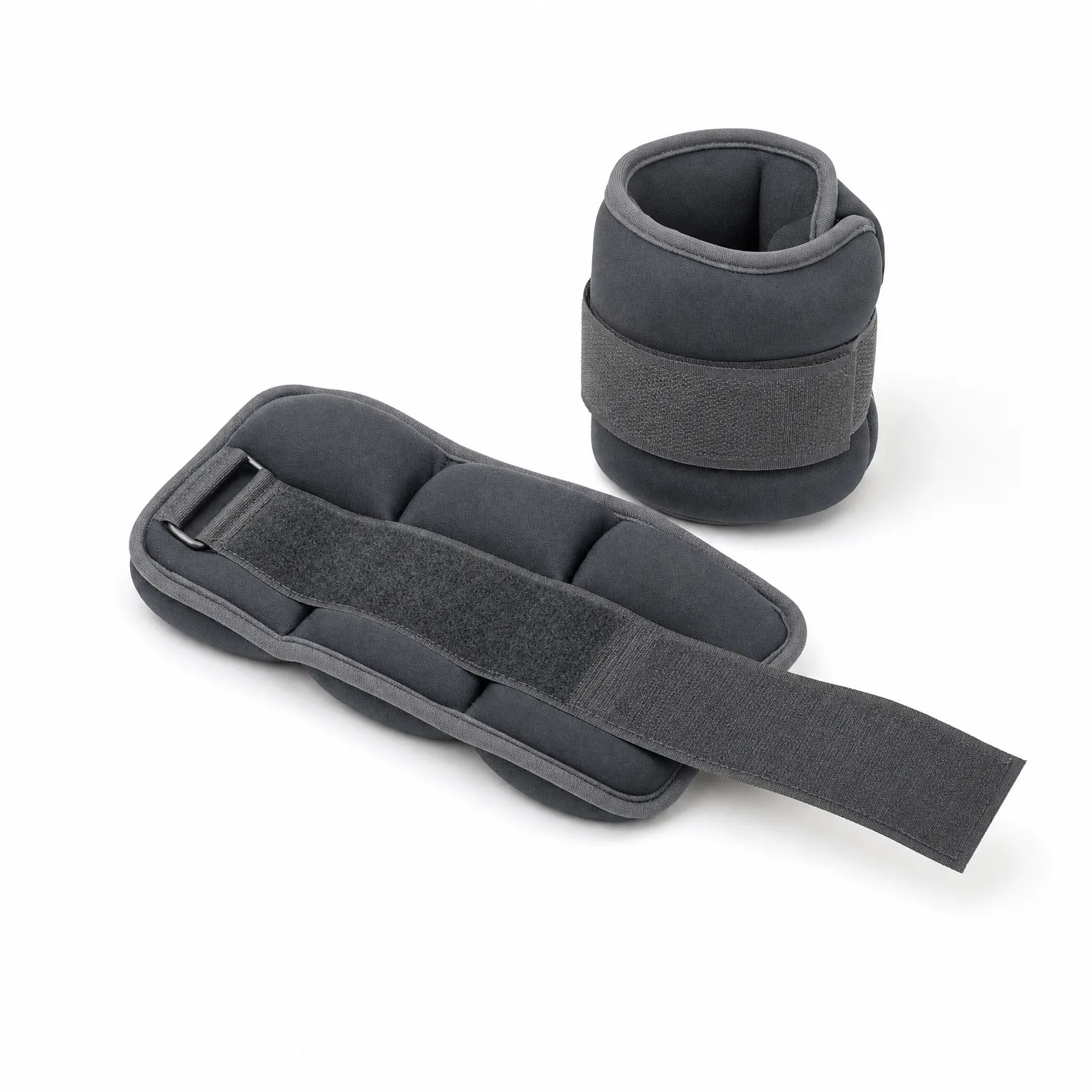
Weighted cuffs that strap around the ankles. They add light resistance to leg raises, kickbacks and other floor and standing leg work. -
Resistance bands
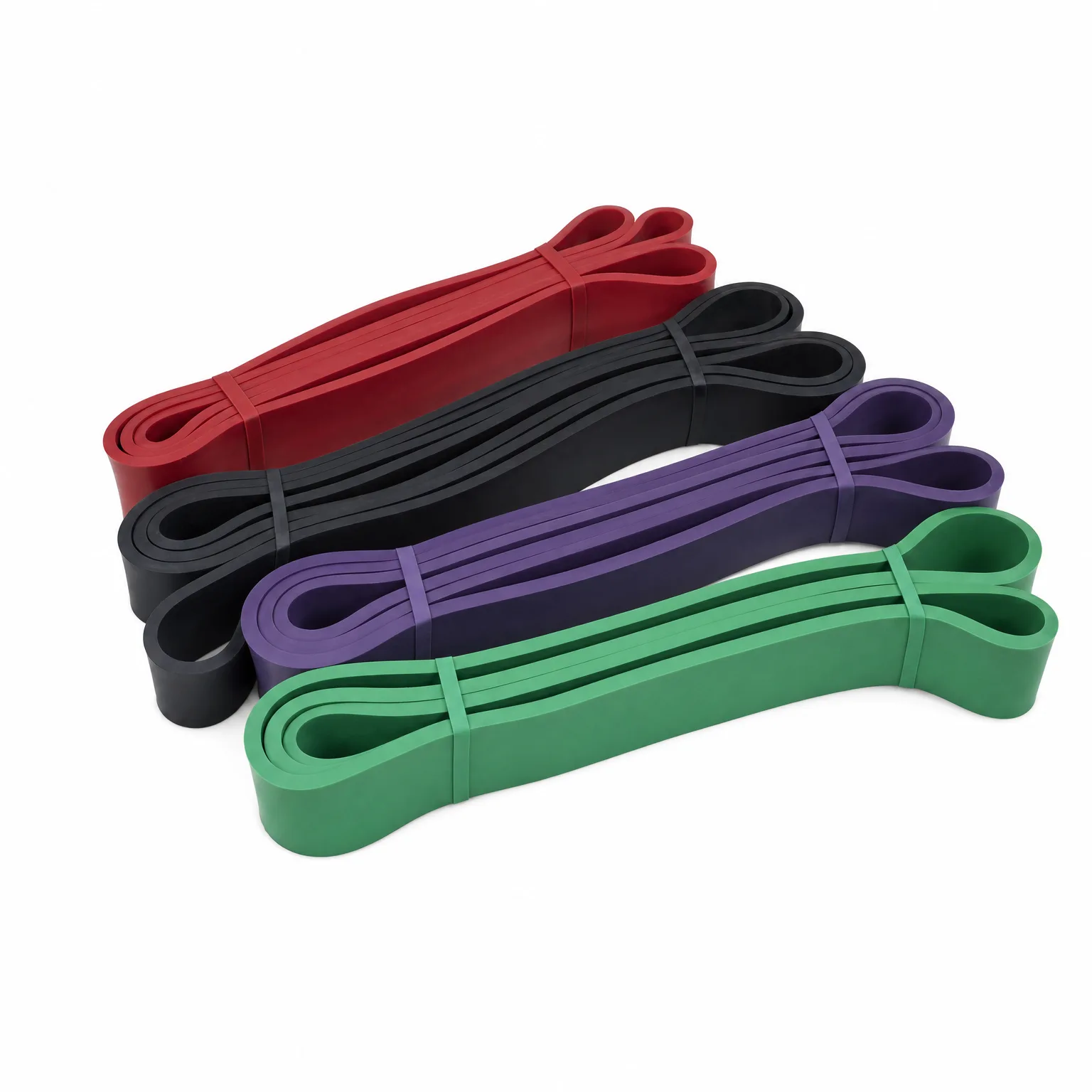
Long closed loops of thick rubber. They add resistance to rows, presses and squats, or take weight off in pull-ups and dips. -
Chair
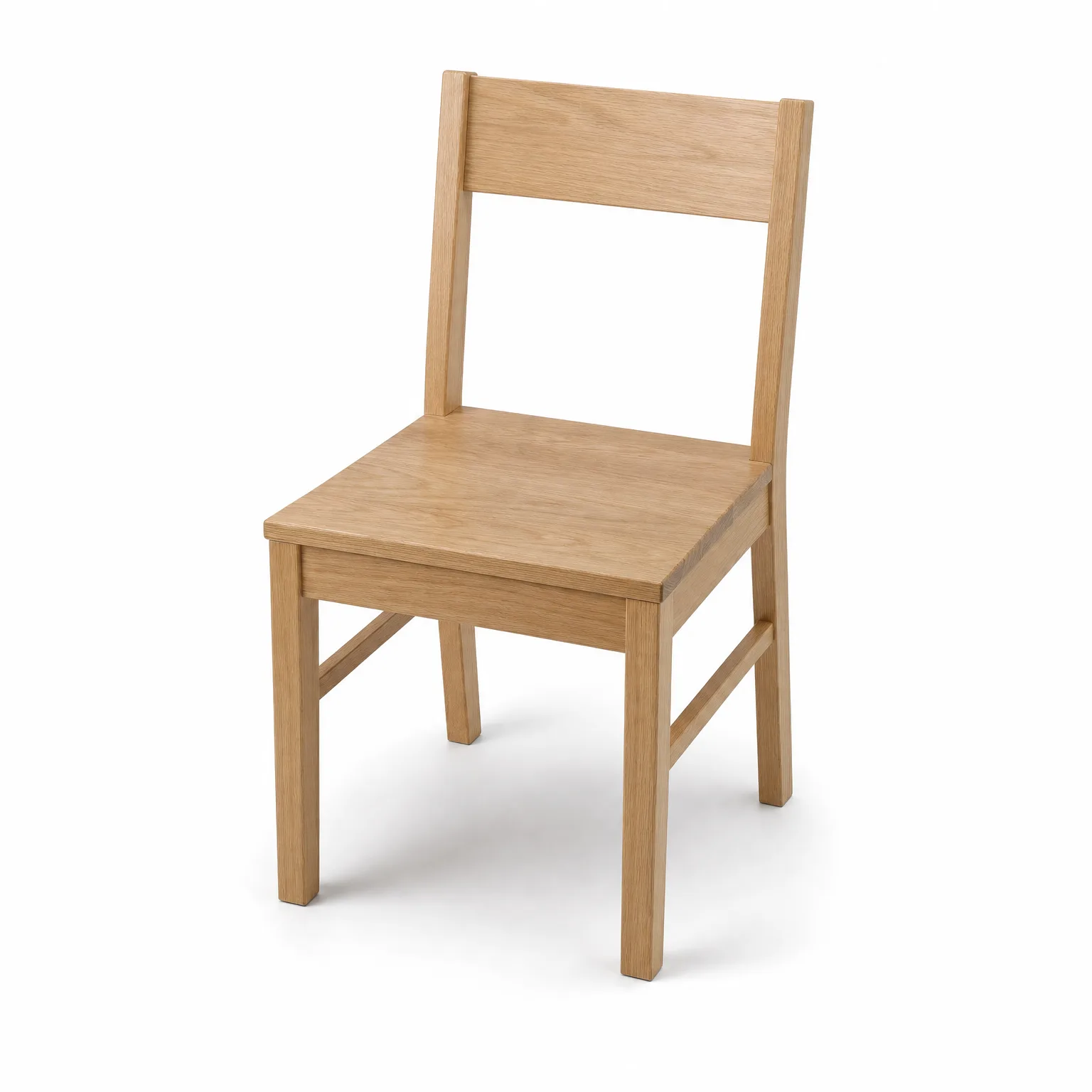
A sturdy household chair stands in for a bench, a low box or dip bars: sit-to-stands, step-ups, dips, split squats and incline push-ups.
Often used with
-
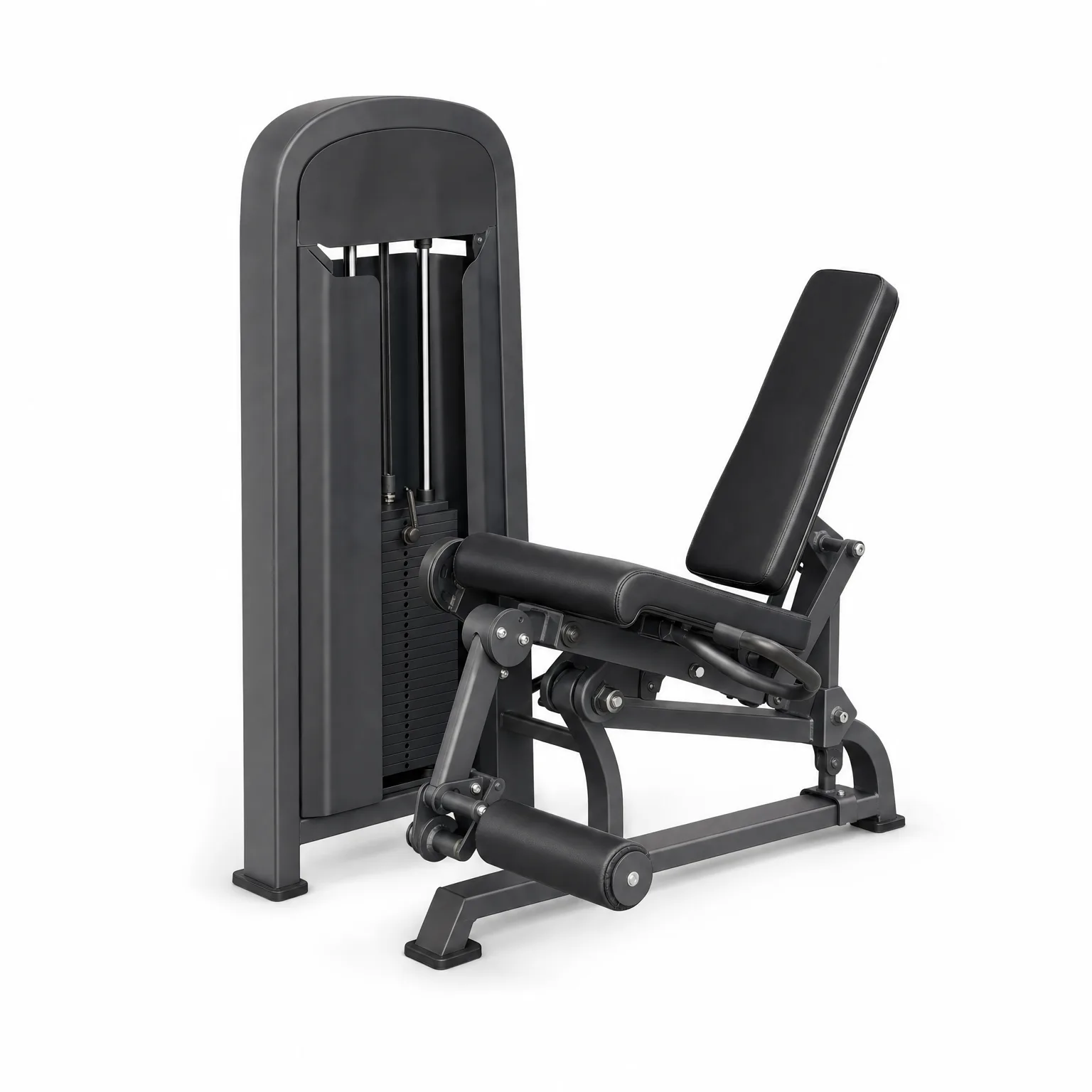
Leg curl machine
A machine with a padded roller behind the ankles. You bend the knees against the load to isolate the hamstrings. -
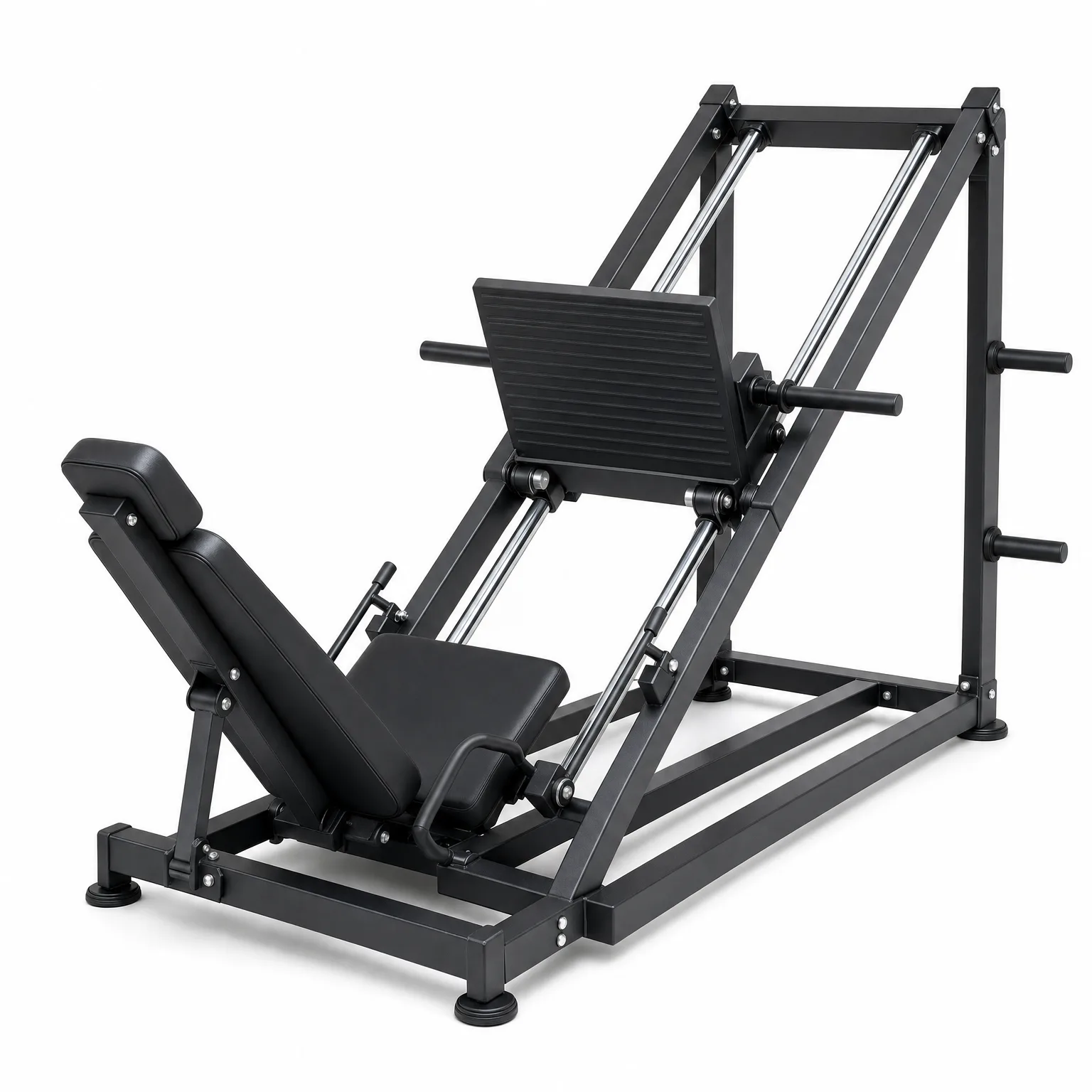
Leg press
A seat and a footplate you push away with both legs. It loads the quads and glutes heavily while the back rests on a pad. -
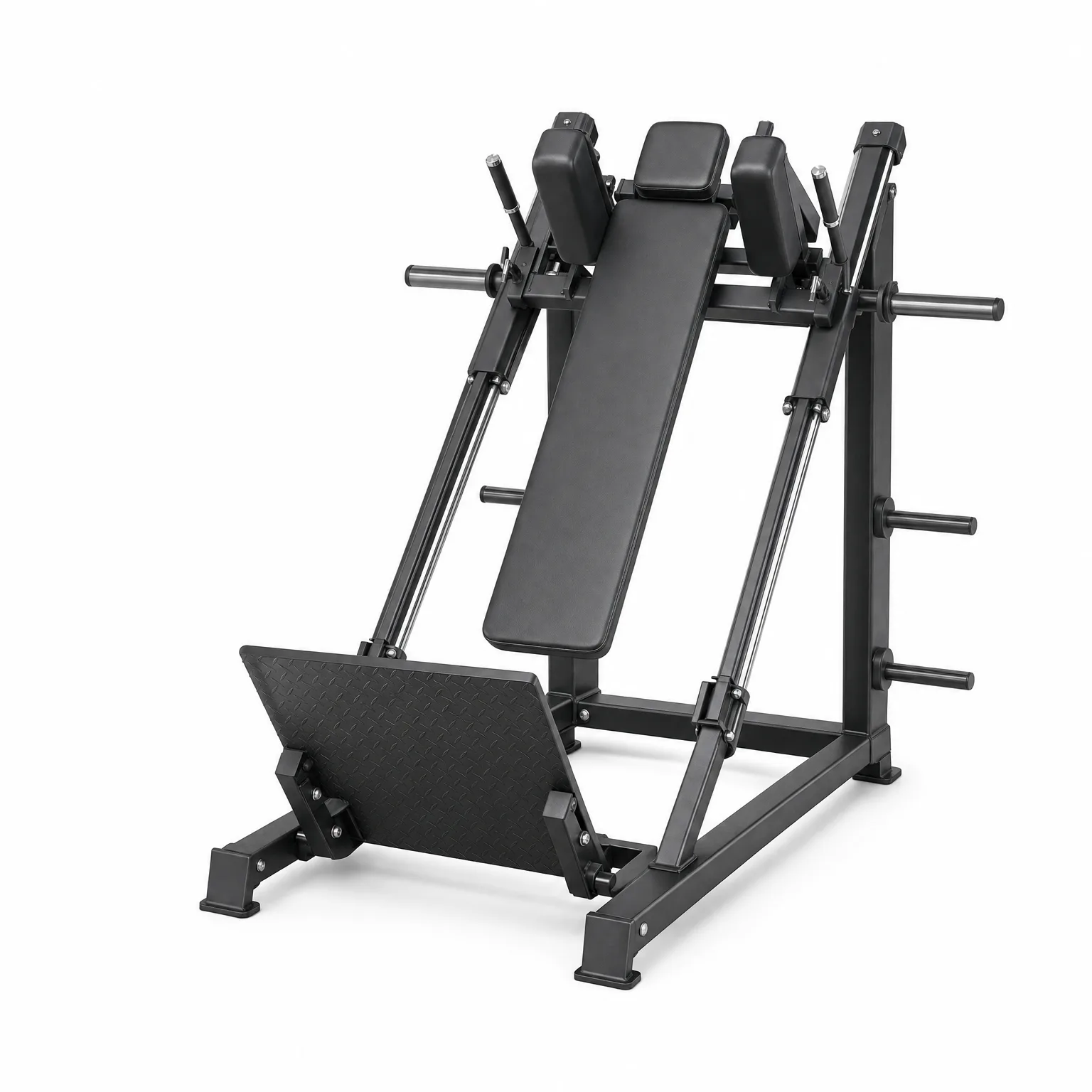
Hack squat machine
An angled sled with shoulder pads and a back pad. You squat along fixed rails, which puts most of the work on the quads.
Questions about leg extension machine
What muscles does the leg extension work?
The quadriceps, the four muscles on the front of the thigh that straighten the knee. No other major muscle group contributes much, which is the point of the exercise.
How do I set up the leg extension machine?
Set the back pad so the center of your knee lines up with the machine's pivot and the back of the knee is at the seat edge. Set the roller on the lower shin just above the ankle. Start with the knees at about 90 degrees and a light load.
Leg extension vs squat: do I need both?
Squats and leg presses train the quads together with the glutes and other muscles and should be the base of leg training. Leg extensions add direct quad work, including for the part of the quads that crosses the hip and works less in squats. They are an addition, not a replacement.
How many reps should I do on the leg extension?
Moderate to high reps suit it best: 2–4 sets of 10–20, with a pause at the top and a slow lowering. Take the sets close to the point where you could not complete another clean rep.
Build programs around what your client has
This guide comes from OnlineFitness.app, the app online coaches run their clients in.
Free for life for the first 100 coachesNo card