Equipment Bands and bodyweight tools
Core sliders
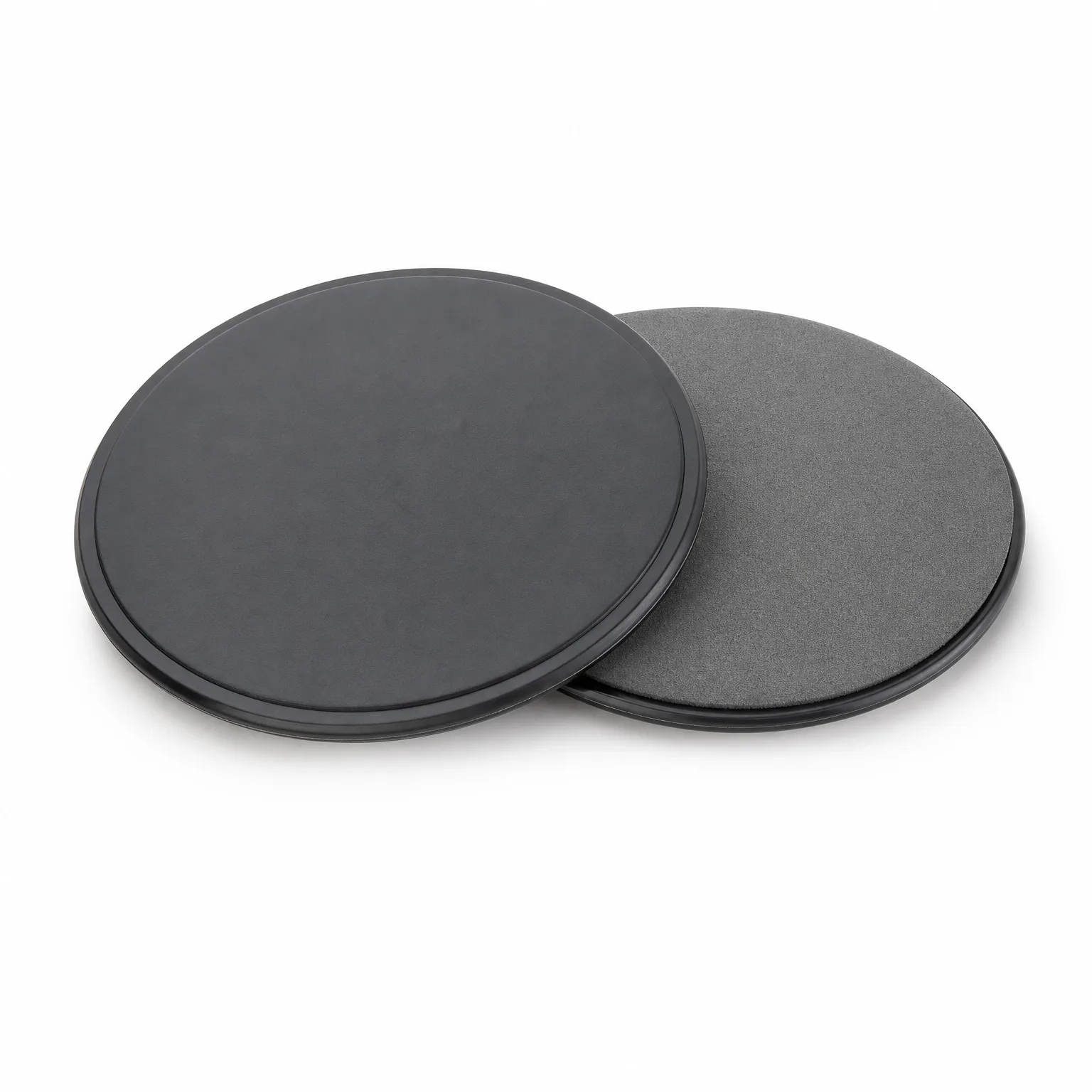
Two flat discs that slide under your hands or feet. They add a gliding element to lunges, planks and hamstring curls on any floor.
In short
Core sliders are a pair of flat discs, about the size of a small plate, that go under the hands or feet and glide across the floor. Instead of lifting a limb, you slide it, so the muscles work the whole time to control the movement out and to pull it back in. They are used mostly for core exercises, hamstring curls and sliding lunges.
They weigh almost nothing, cost little and fit in any bag. Most pairs have a smooth plastic side for carpet and a fabric or foam side for hard floors. Difficulty is set by range and speed, so the same pair suits a beginner doing slow mountain climbers and an advanced athlete doing single-leg curls.
- Category
- Bands and bodyweight tools
- Where
- Home, Gym, Travel
- Level
- Beginner and up
- Space
- Fits in a drawer or a bag
- Typical sizes
- About 18 cm (7 in) across; oval versions about 25 × 13 cm (10 × 5 in)
- Also called
- gliding discs, sliders, exercise sliders, slider discs, core gliders, sliding discs
Muscles it works
- Main
- Abs, Obliques, Hamstrings, Glutes
- Also works
- Adductors, Quads, Chest, Front delts
What it is used for
- Core work from a plank: mountain climbers, knee tucks, pikes, body saws
- Hamstring curls lying on the back with the heels on the discs
- Reverse and side lunges where one foot slides out and back
- Push-up variations with one hand sliding out to the side or forward
- Inner-thigh work such as sliding side lunges and controlled splits
Types
Double-sided. Hard plastic on one side for carpet and rugs, fabric or foam on the other for wood, tile and laminate. The most useful type.
Plastic only. Smooth discs meant for carpet and turf. They scratch and stick on hard floors.
Fabric or felt. Soft discs or mitts for hard floors only. Quiet and gentle on wood, but they do not move on carpet.
How to choose
Match the surface to your floor
Plastic slides on carpet. Fabric or foam slides on hard floors. If you train in more than one place, buy double-sided discs and you are covered either way.
Big enough for your foot
The ball of the foot or the heel should sit fully on the disc with a little room to spare. Very small discs slip out from under the foot during lunges.
Check the top surface
A slightly textured or foam top keeps the hand or shoe from skating off the disc. A slick top on both sides is hard to use with sweaty hands.
How to start using it
- Test the glide first. Put the correct side down and push a disc with your foot. It should move smoothly under light pressure without sticking or shooting away. On a very slick floor, expect every exercise to feel harder.
- Start with the feet, not the hands. Begin with sliding reverse lunges while holding a chair or wall, and with mountain climbers or knee tucks from a plank. Exercises with the hands on the discs put more demand on the shoulders, so add them later.
- Press down as you slide. Keep steady pressure through the disc during the whole rep. Slide out slowly for about two seconds, then pull back with control. The return is where most of the work happens.
- Learn the hamstring curl in stages. Lie on your back with the heels on the discs and the hips lifted. First only slide the legs out slowly and reset. When that is easy, pull the heels back in with the hips still up. Then try one leg.
Common mistakes
Sliding farther than you can pull back
A long slide is easy on the way out and very hard to return from, especially in lunges and inner-thigh work. Use a range you can reverse smoothly and widen it gradually.
Hips dropping in plank exercises
During knee tucks and body saws the lower back tends to sag as you tire. Keep the ribs down and stop the set when you can no longer hold a straight line.
Rushing the reps
Fast, bouncy sliding runs on momentum, so the muscles do less of the work. Slow the movement down, especially the way out.
Wrong side on the floor
Fabric on carpet does not move, and bare plastic on wood can scratch the floor and slide unpredictably. Check the side before you start.
What to use instead
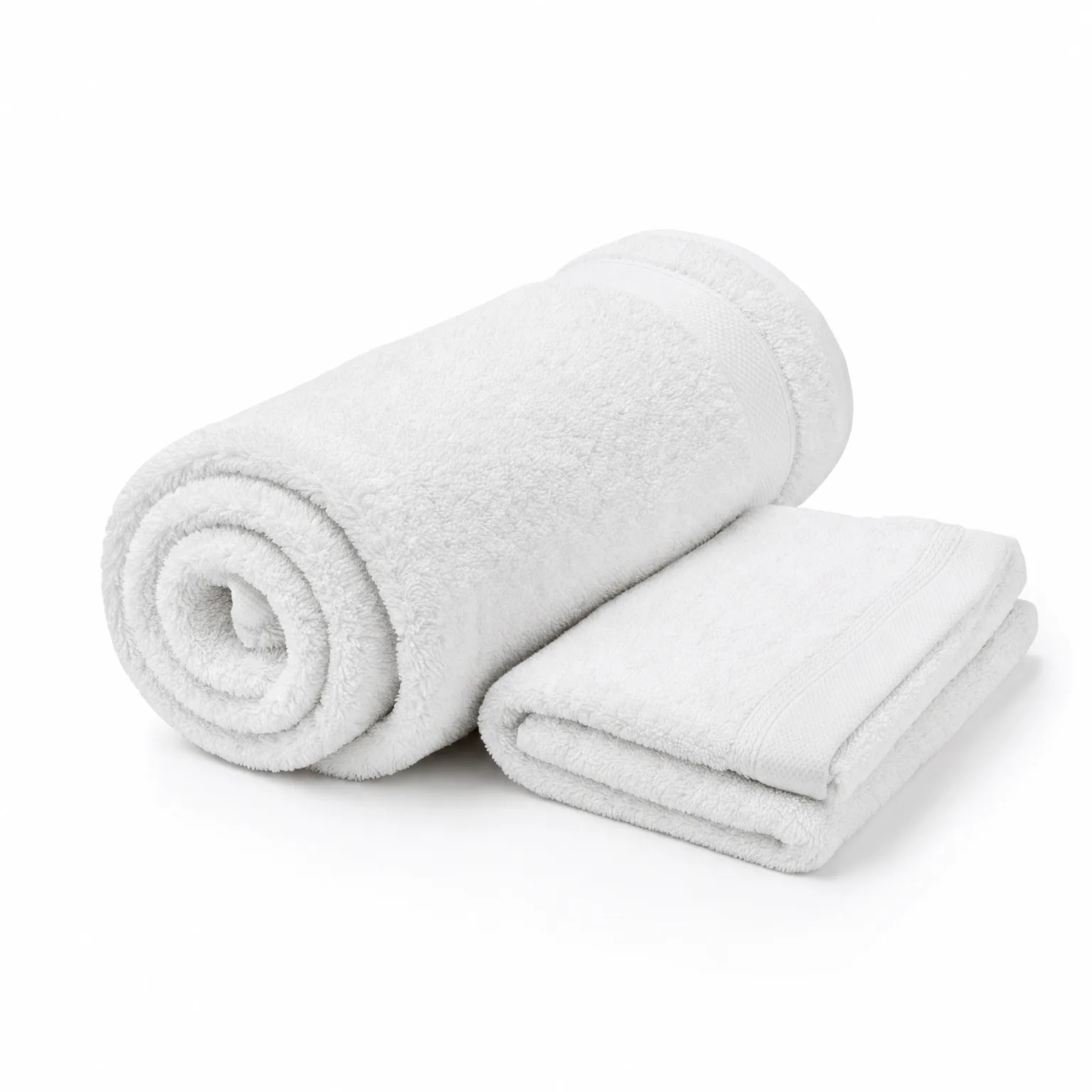
A small towel or a pair of socks on a wooden, tiled or laminate floor slides the same way, and paper plates or furniture gliders work on carpet. An ab wheel covers rollouts. A stability ball replaces hamstring curls, knee tucks and pikes with the feet on the ball. A suspension trainer with the feet in the cradles does the same exercises with the feet off the floor.
-
Towel
A towel doubles as sliders on a smooth floor, a stretching strap, a pulling tool for isometric exercises and padding for the knees. -
Ab wheel
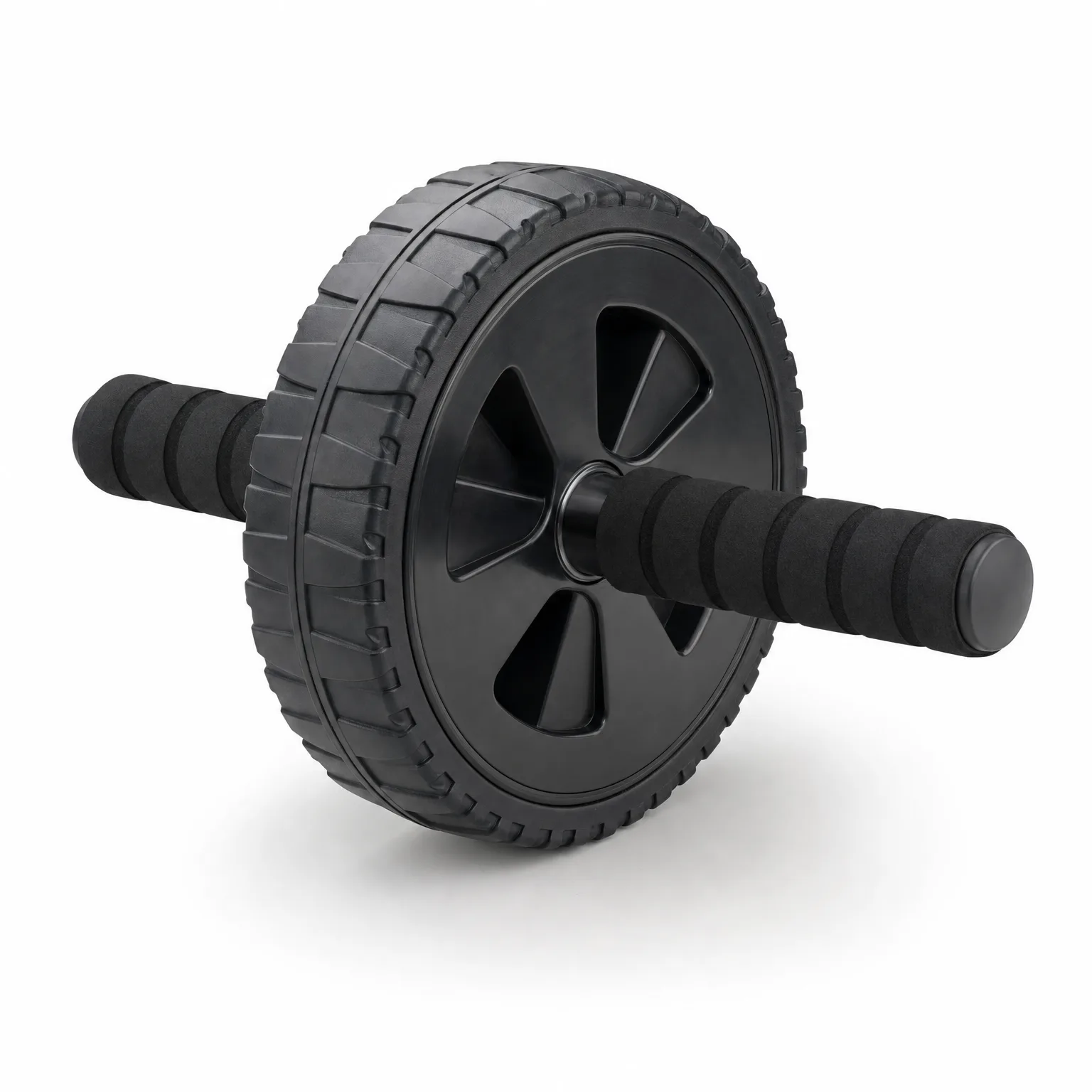
A small wheel with a handle on each side. You roll it out along the floor and pull it back, which loads the abs harder than most floor exercises. -
Stability ball
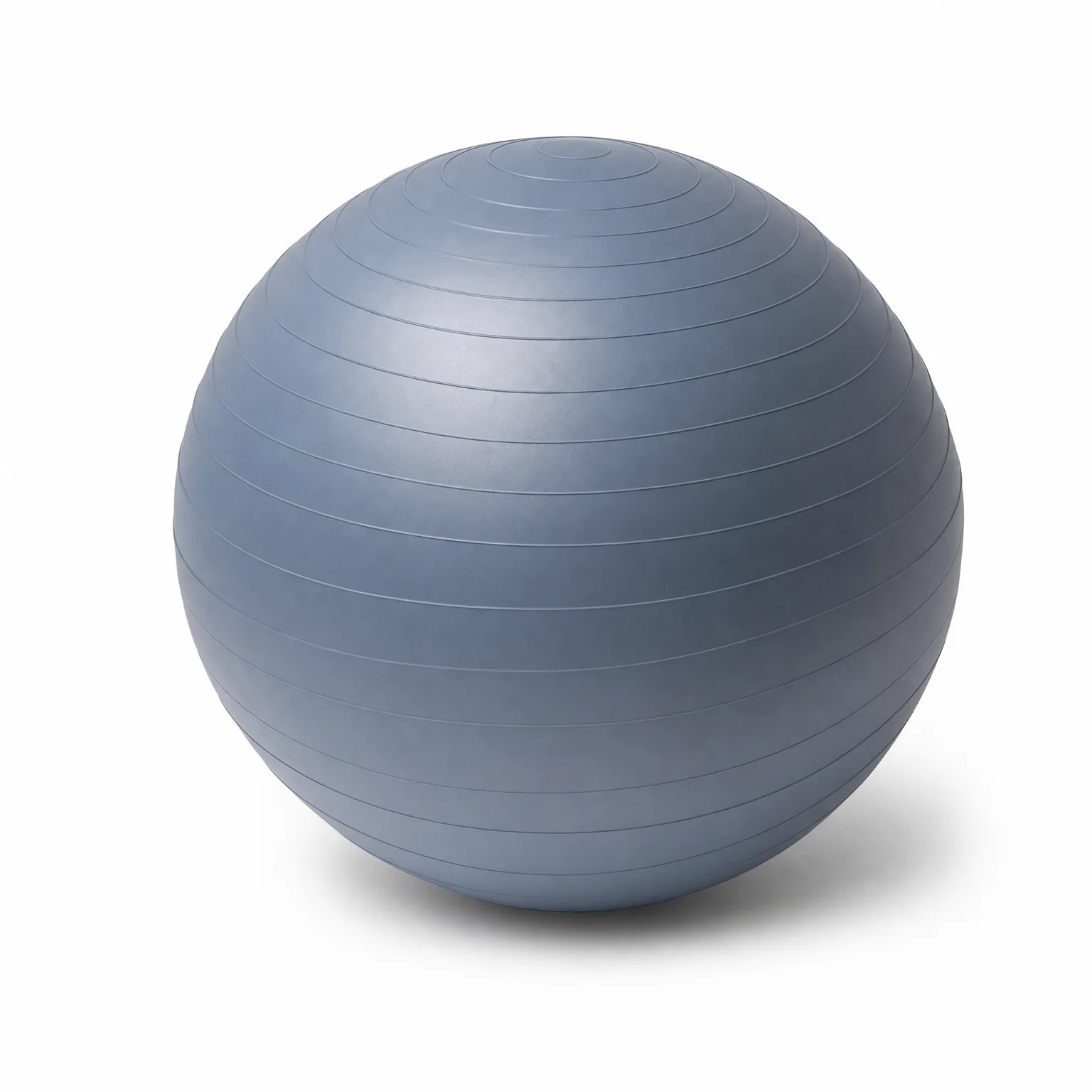
A large inflatable ball you sit, lie or lean on. The unstable surface is used for core exercises, hamstring curls and supported stretches. -
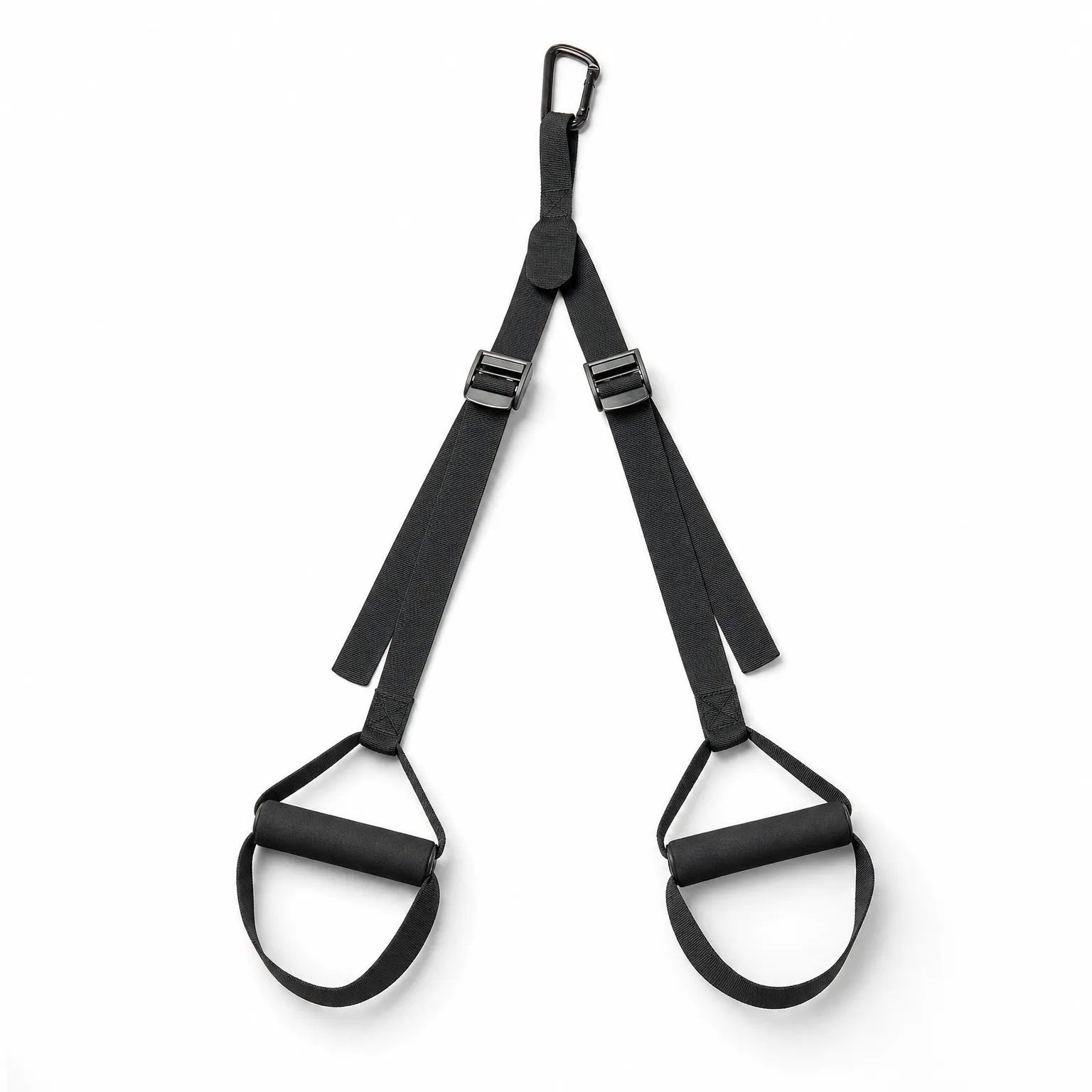
Suspension trainer
Two adjustable straps with handles, hung from one anchor point. You lean or hang on them and use your own body weight as the load.
Often used with

Questions about core sliders
What are core sliders used for?
For exercises where a hand or foot glides along the floor: mountain climbers, knee tucks, pikes and body saws for the core, hamstring curls, sliding lunges for the legs and glutes, and push-ups with a reaching arm. They make familiar bodyweight exercises harder without adding weight.
Do sliders work on carpet and on hard floors?
Yes, with the right side down. Smooth plastic glides on carpet and rugs. Fabric or foam glides on wood, tile and laminate. Double-sided sliders have both. Rubber gym flooring and yoga mats grip too much for either side.
What can I use instead of sliders?
On a hard floor, a small towel, a cloth or thick socks. On carpet, paper plates or plastic lids. They work for learning the movements, though they bunch up and wear out faster than purpose-made discs.
Are sliders good for beginners?
Yes, if you choose supported exercises and a short range. Sliding reverse lunges while holding a chair, slow mountain climbers and eccentric-only hamstring curls are suitable starting points. Pikes, body saws and single-leg curls come later.
Build programs around what your client has
This guide comes from OnlineFitness.app, the app online coaches run their clients in.
Free for life for the first 100 coachesNo card