Equipment Bands and bodyweight tools
Mini bands
Short elastic loops worn around the thighs, knees or ankles. Used for glute and hip exercises and for warm-ups.
In short
Mini bands are short, closed elastic loops, about 25–30 cm long when laid flat. You wear them around the thighs, just above the knees, or around the ankles or feet, and push the legs apart against them. They mainly work the glutes and the muscles on the outside of the hips.
They are used for side steps, glute bridges, clamshells, kickbacks and leg raises, and as a warm-up before squats and running. With the loop around the wrists they also work the shoulders and upper back. A set weighs almost nothing, which makes mini bands a common first purchase for home and travel workouts.
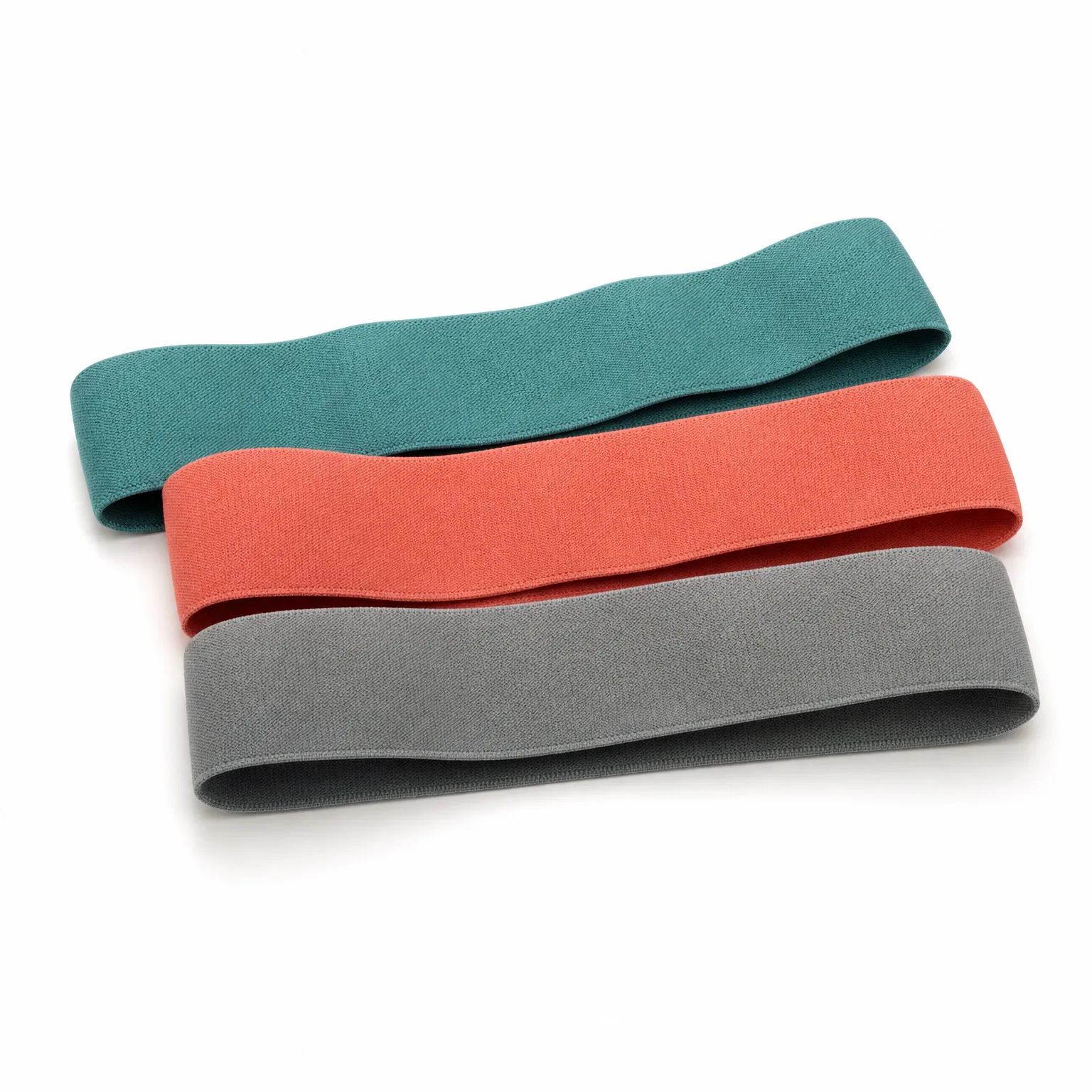
- Category
- Bands and bodyweight tools
- Where
- Home, Gym, Outdoors, Travel
- Level
- Beginner and up
- Space
- Fits in a drawer or a bag
- Typical sizes
- Latex loops about 25–30 cm (10–12 in) flat length and 5 cm (2 in) wide; fabric hip bands about 30–43 cm (12–17 in) and 8 cm (3 in) wide
- Also called
- mini loop bands, booty bands, hip bands, glute bands, hip circle, leg bands, fabric resistance bands
Muscles it works
- Main
- Glutes
- Also works
- Quads, Hamstrings, Rear delts, Mid back
What it is used for
- Lateral band walks and monster walks for the outer hips and glutes
- Glute bridges and hip thrusts with the knees pressing outward
- Clamshells, side-lying leg raises and kickbacks on a mat
- Warm-up before squats, deadlifts and running
- Shoulder and upper back drills with the band around the wrists
Types
Latex mini loops. Thin flat loops sold in sets of three to five resistance levels. Light, cheap and stretchy enough for ankle and wrist exercises. They can roll up and pinch on bare skin.
Fabric hip bands. Wide woven loops with rubber threads inside. They stay flat and do not roll or slide. Stiffer and shorter in stretch, so best worn above the knees for squats, bridges and walks.
Latex-free loops. Made from synthetic rubber for people with a latex allergy. They behave like latex loops, usually with slightly less stretch.
How to choose
Latex or fabric
Choose fabric bands if you mainly do squats, bridges and band walks with the loop above the knees and want it to stay in place. Choose latex loops for a wider range of exercises, including ankles, feet and wrists, and for lighter resistance.
Get several levels
The hips are strong in a bridge and much weaker in a side-lying leg raise. A set of three levels lets you match the band to the exercise. Colors and names are not standard, so compare within one set.
Start lighter than you think
The right band lets you complete 12–20 controlled reps and feel the target muscle working. If your knees cave in or your body rocks to move the band, it is too strong.
Check the size for fabric bands
Fabric bands stretch little and come in lengths. One that is too short is hard to get into position and limits the range. One that is too long gives no tension. Follow the manufacturer's size guide.
How to start using it
- Choose where to put it. Above the knees is the easiest position. Around the ankles is harder, and around the feet harder still, because the lever is longer. Start above the knees and move the band down as you get stronger.
- Keep tension the whole time. Set your feet far enough apart that the band is already slightly stretched. In band walks, do not let the feet come fully together between steps.
- Lateral band walk. Stand in a shallow squat with feet hip width and toes forward. Step sideways with one foot, then follow with the other under control. Take 10–15 steps each way. Keep the torso still and the knees in line with the toes.
- Banded glute bridge. Lie on your back with the band above the knees and feet flat. Press the knees gently outward, lift the hips until the body forms a straight line from shoulders to knees, pause for a second and lower.
Common mistakes
A band that is too strong
With too much resistance the movement gets small and other muscles take over. A lighter band and a full, slow range train the glutes better.
Knees collapsing inward
Letting the band pull the knees together in squats and bridges removes the point of wearing it. Keep steady outward pressure so the knees track over the toes.
Rocking the torso in band walks
Leaning side to side to throw the leg out moves the body with momentum. Stay low, keep the shoulders level and let the hip do the work.
Only ever doing band work
Mini bands give limited resistance. They are useful for warm-ups and high-rep work, but glutes and legs also need heavier loading, such as squats, hip thrusts and lunges with weights.
What to use instead
A long loop resistance band can be doubled over or tied to make a short loop, and a flat therapy band can be knotted into a ring of any size. In a gym, the hip abduction machine trains the same outer hip muscles with adjustable weight. Ankle weights add load to side-lying leg raises and kickbacks. Without any equipment, side-lying leg raises, clamshells and single-leg bridges work the same muscles with body weight.
-
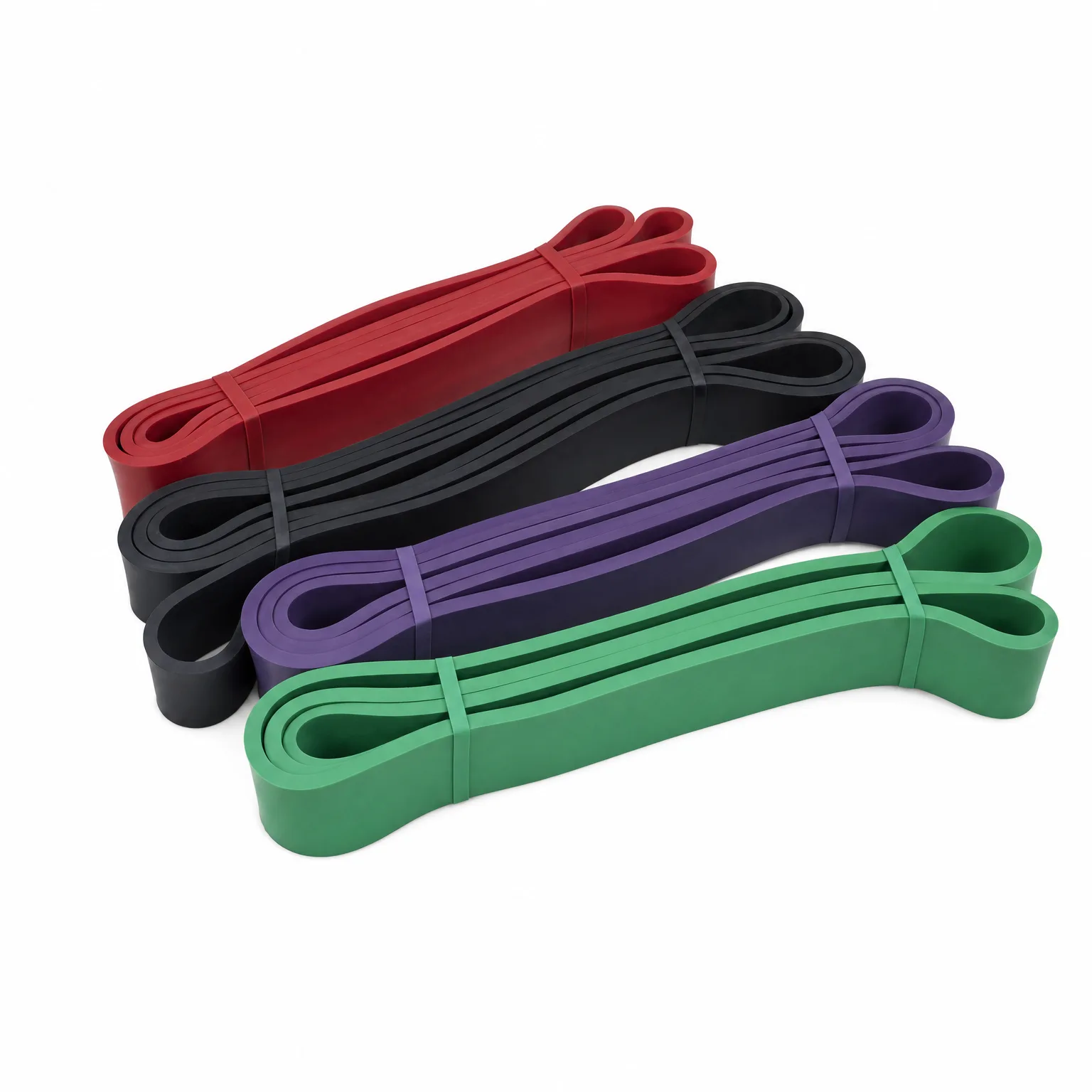
Resistance bands
Long closed loops of thick rubber. They add resistance to rows, presses and squats, or take weight off in pull-ups and dips. -
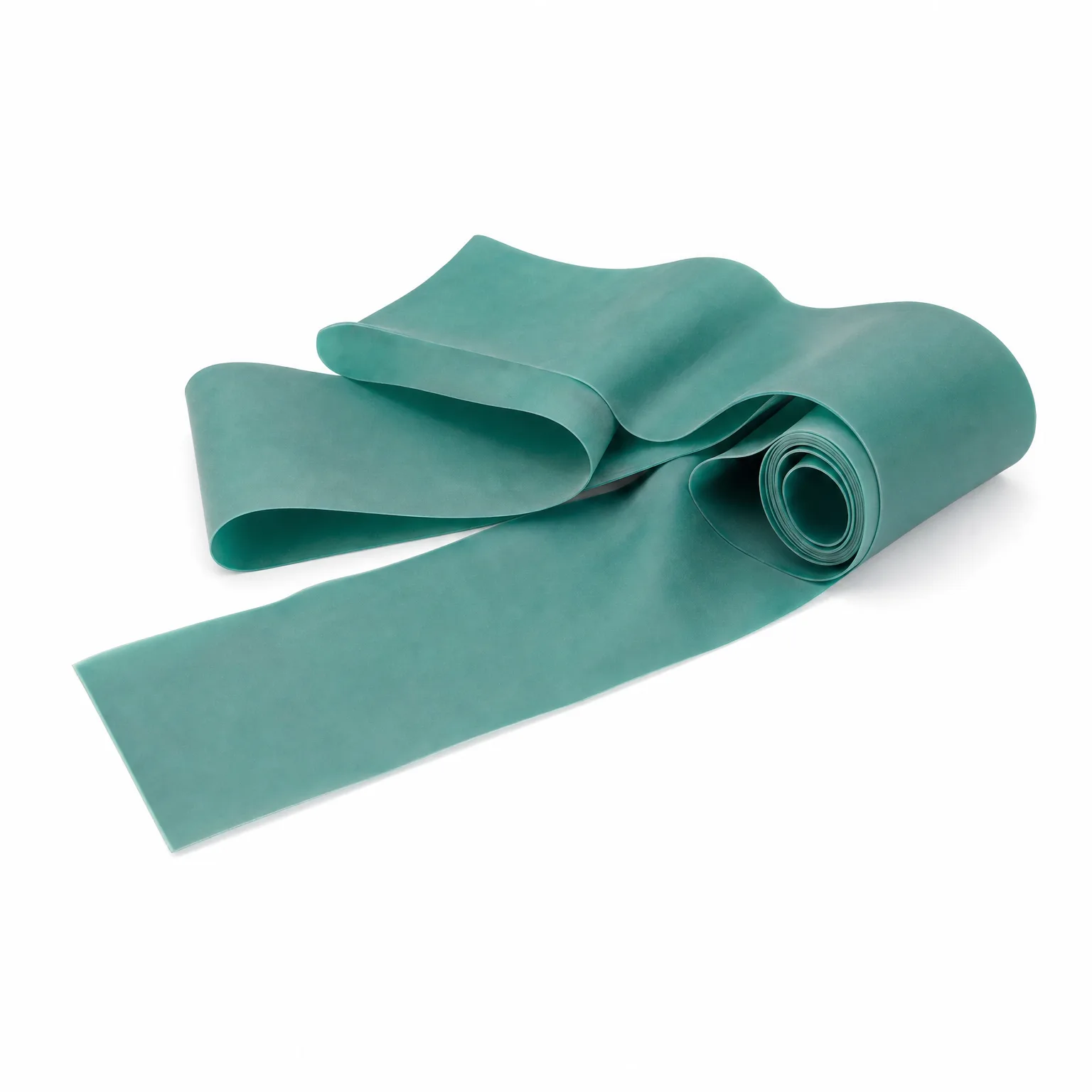
Flat resistance band
A long, thin, flat strip of elastic with open ends. Used for light strength exercises, Pilates, warm-ups and stretching. -
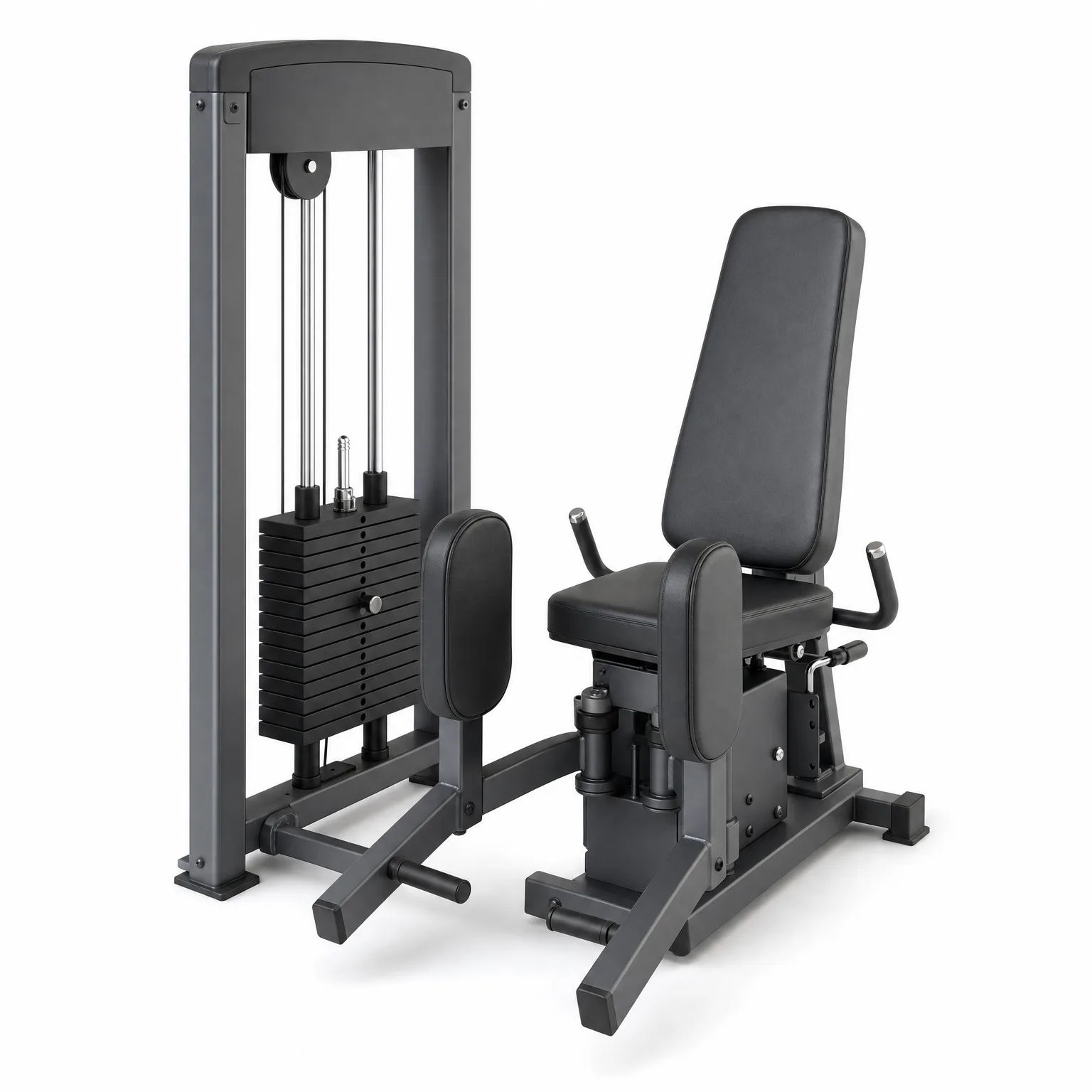
Hip abduction and adduction machine
A seat with two padded levers at the knees. Push the legs apart for the outer hips, squeeze them together for the inner thighs. -
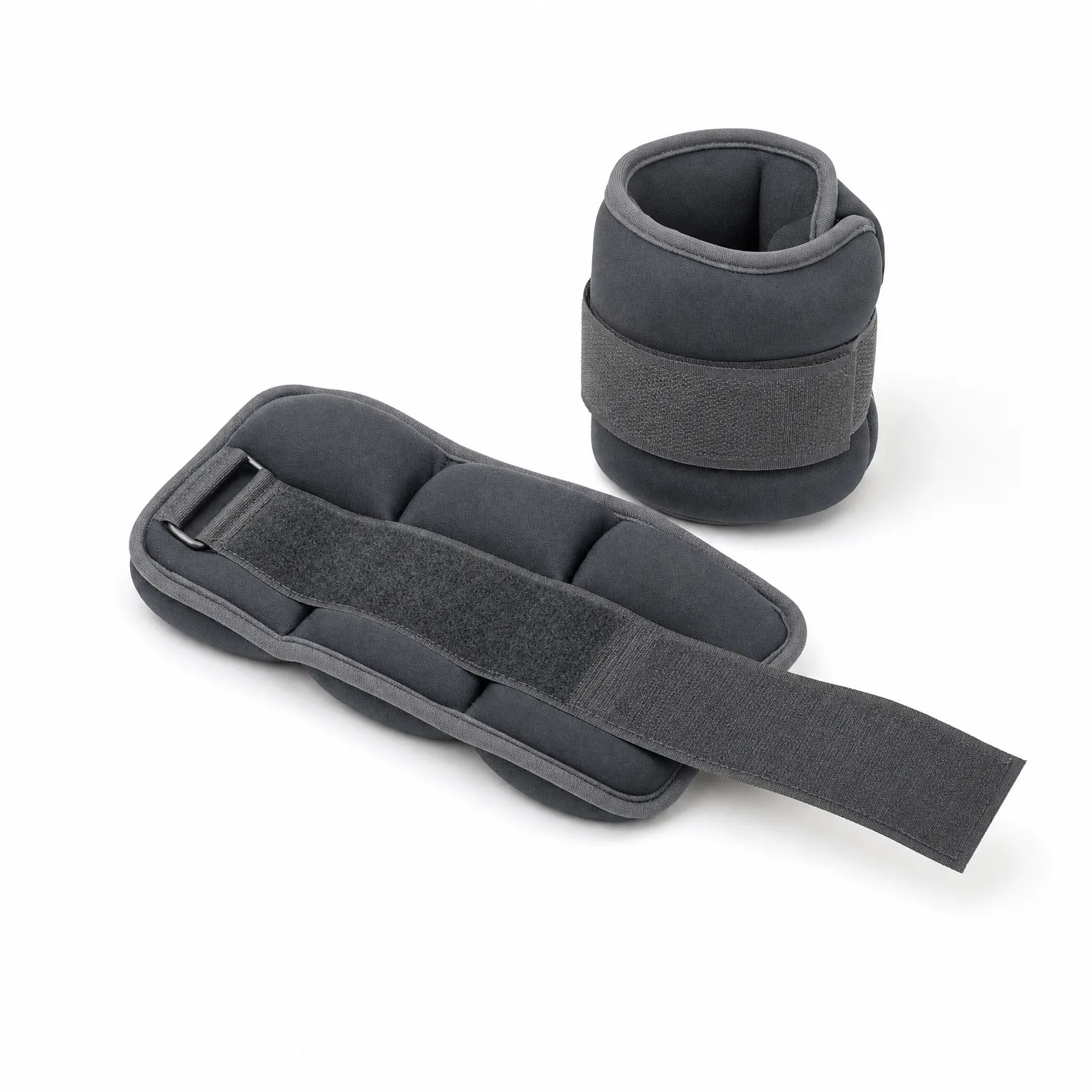
Ankle weights
Weighted cuffs that strap around the ankles. They add light resistance to leg raises, kickbacks and other floor and standing leg work.
Often used with
-

Exercise mat
A cushioned, non-slip surface for floor exercises, stretching and yoga. The first thing most people need to train at home. -

Dumbbells
A pair of short handles with a weight at each end. One pair trains every major muscle group, at home or in a gym. -

Weight bench
A padded bench you lie, sit or lean on while lifting. It supports the body for presses, rows, hip thrusts and seated work.
Questions about mini bands
Fabric or latex mini bands?
Fabric bands are wider, stay flat and do not roll or pinch, which makes them comfortable above the knees for squats, bridges and walks. Latex loops stretch further, come in lighter levels and work around the ankles and wrists. Many people own both.
Do mini bands build glutes?
They help, mostly by adding work for the outer hip and glute muscles and by making bodyweight glute exercises harder. For noticeable muscle growth, combine them with exercises you can load more heavily over time, such as hip thrusts, squats and lunges.
Where should a mini band sit on the legs?
Just above the knees for squats, bridges and most beginners. Around the ankles or the middle of the feet to make side steps and leg raises harder. Avoid placing a tight band directly over the knee joint.
What resistance level should I start with?
Start with the lightest or second lightest band in a set. You should be able to do 12–20 reps with good control and feel the side of the hips or the glutes working. Move up when 20 reps feel easy.
Build programs around what your client has
This guide comes from OnlineFitness.app, the app online coaches run their clients in.
Free for life for the first 100 coachesNo card