Equipment Benches, racks and bars
Weight bench
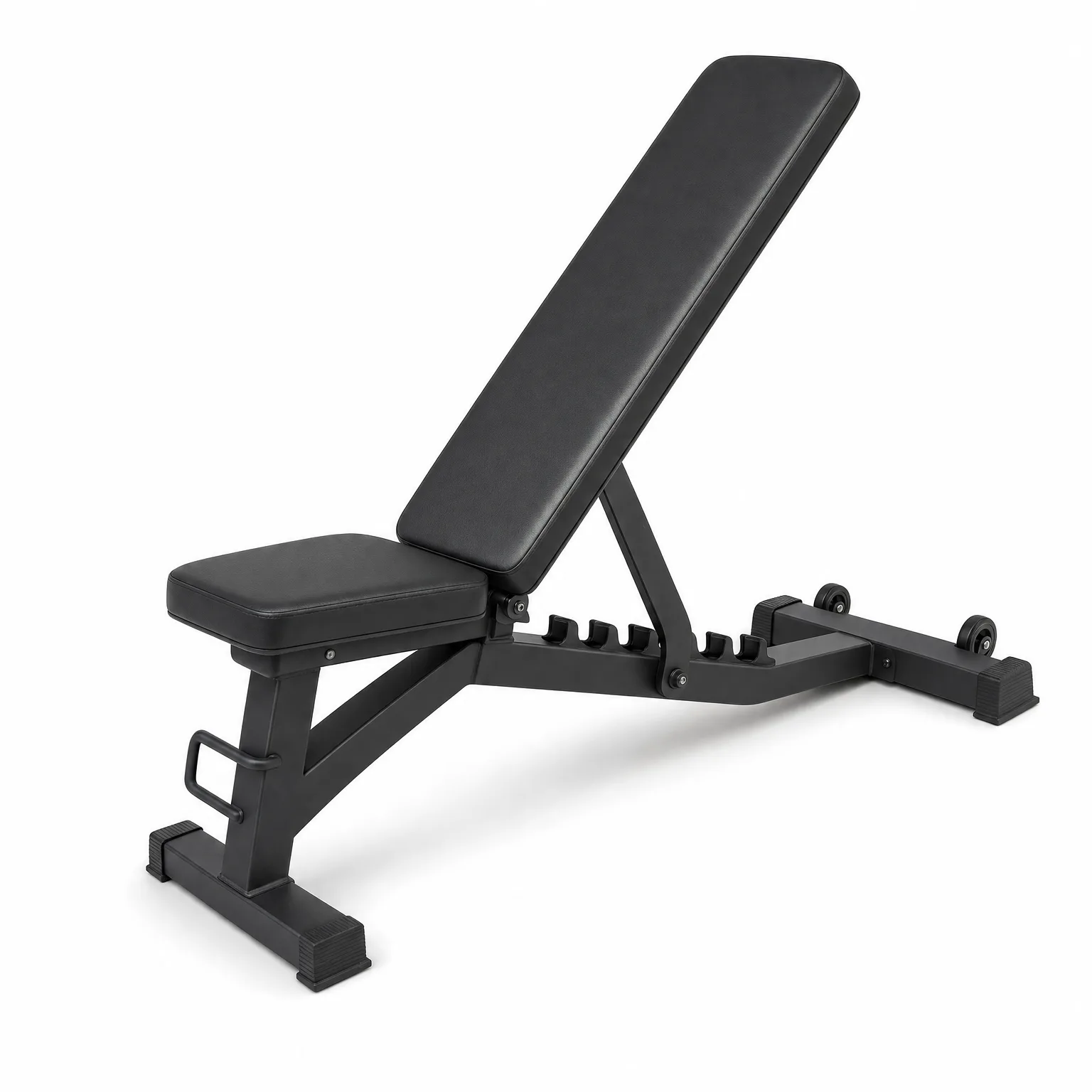
A padded bench you lie, sit or lean on while lifting. It supports the body for presses, rows, hip thrusts and seated work.
In short
A weight bench is a padded platform on a steel frame that supports your body while you lift. Lying on it lets the elbows travel below the torso in a press, which the floor does not allow. It is used for bench presses, dumbbell rows, flyes, hip thrusts, step-ups and seated presses or curls.
A flat bench has one fixed position. An adjustable bench tilts the backrest to incline, upright and sometimes decline angles, which changes the part of the chest and shoulders that does most of the work. It suits anyone training with dumbbells or a barbell, from the first session onward.
- Category
- Benches, racks and bars
- Where
- Home, Gym
- Level
- Beginner and up
- Space
- Needs a corner of a room
- Typical sizes
- About 42–46 cm (16.5–18 in) high, pad 25–30 cm (10–12 in) wide and around 120 cm (47 in) long
- Also called
- workout bench, flat bench, adjustable bench, incline bench, fid bench, gym bench, utility bench
What it is used for
- Flat, incline and decline presses with dumbbells or a barbell
- One-arm rows with a hand and knee on the pad
- Seated shoulder presses, curls and raises with back support
- Hip thrusts and Bulgarian split squats using the bench edge
- Chest-supported rows and rear delt raises lying face down on an incline
Types
Flat bench. One fixed horizontal pad. Simple, stable and usually lower in price. Covers flat presses, rows, hip thrusts and step-ups.
Adjustable (FID) bench. Backrest and often the seat change angle: flat, incline and sometimes decline. One bench replaces several, with a small gap between the pads when flat.
Bench with uprights. A bench with built-in posts that hold a barbell for bench pressing. Takes more space and usually has no safety bars, so heavy sets need a spotter.
Folding bench. Folds flat for storage under a bed or against a wall. Handy at home; frames tend to be lighter, so check stability before loading it.
How to choose
Flat or adjustable
If you train mostly with dumbbells at home, an adjustable bench gives you incline presses, seated presses and chest-supported rows as well as flat work. If the bench will live inside a rack for heavy barbell pressing, a solid flat bench is steadier and has no pad gap.
Check that it does not rock
Sit on one end, then lie down and shift from side to side. A good bench stays planted. Wide feet front and back and a heavier frame matter more than extra features.
Pad height and width
You should be able to plant both feet flat on the floor while lying down. A height around 42–45 cm and a pad 25–30 cm wide suits most people. A very narrow pad gives the shoulder blades too little support.
Look at the load rating
The rating has to cover your body weight plus the weight you lift. It differs a lot between models, so read the manufacturer's figure instead of assuming.
Adjustment you will actually use
A ladder-style adjuster changes angle in a second. Pop-pin systems are slower but hold firmly. Wheels and a handle help if you move the bench in and out of a rack or a corner.
How to start using it
- Set five contact points. For pressing, lie with your head, upper back and hips on the pad and both feet flat on the floor. Pull the shoulder blades back and down before you take the weight, and keep them there for the whole set.
- Choose the angle for the job. Flat works the whole chest. An incline of about 30–45 degrees shifts work toward the upper chest and front of the shoulders. For seated shoulder presses, set the backrest one notch back from vertical.
- Get dumbbells into place safely. Sit on the end with the dumbbells on your thighs, then lie back and kick them up one knee at a time. To finish, bring them back to your thighs and sit up, or lower them to the floor under control.
- Barbell pressing needs a backup. When you bench press with a barbell, use a rack with safety bars set just below chest height, or a spotter. A bench on its own gives you nothing to catch a failed rep.
Common mistakes
Feet in the air or on the bench
Lifting the feet removes your base, and the body wobbles under a heavy press. Keep both feet on the floor. If you cannot reach, put plates or a step under them.
Hips lifting off the pad
Pushing the hips up to finish a rep turns the press into a different exercise and tells you the weight is too heavy. Keep the hips down and reduce the load.
Angle set too steep
The steeper the backrest, the more the front of the shoulders takes over. Above about 45 degrees the press is closer to a shoulder press. If the aim is upper chest, use a lower notch.
Adjuster not locked
A pin that is not fully seated can let the backrest drop mid-set. Push on the pad with your hand after every angle change before you sit down.
What to use instead
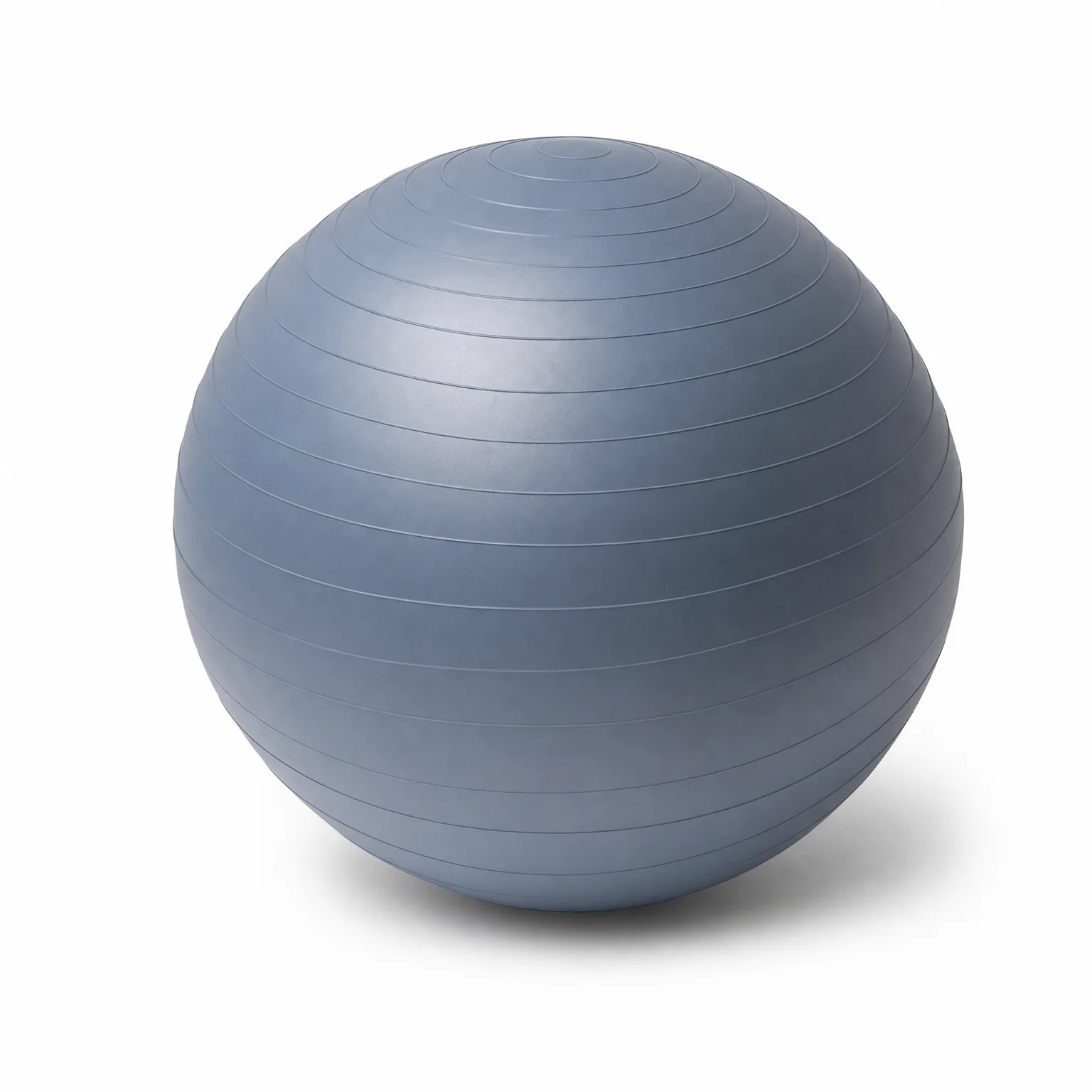
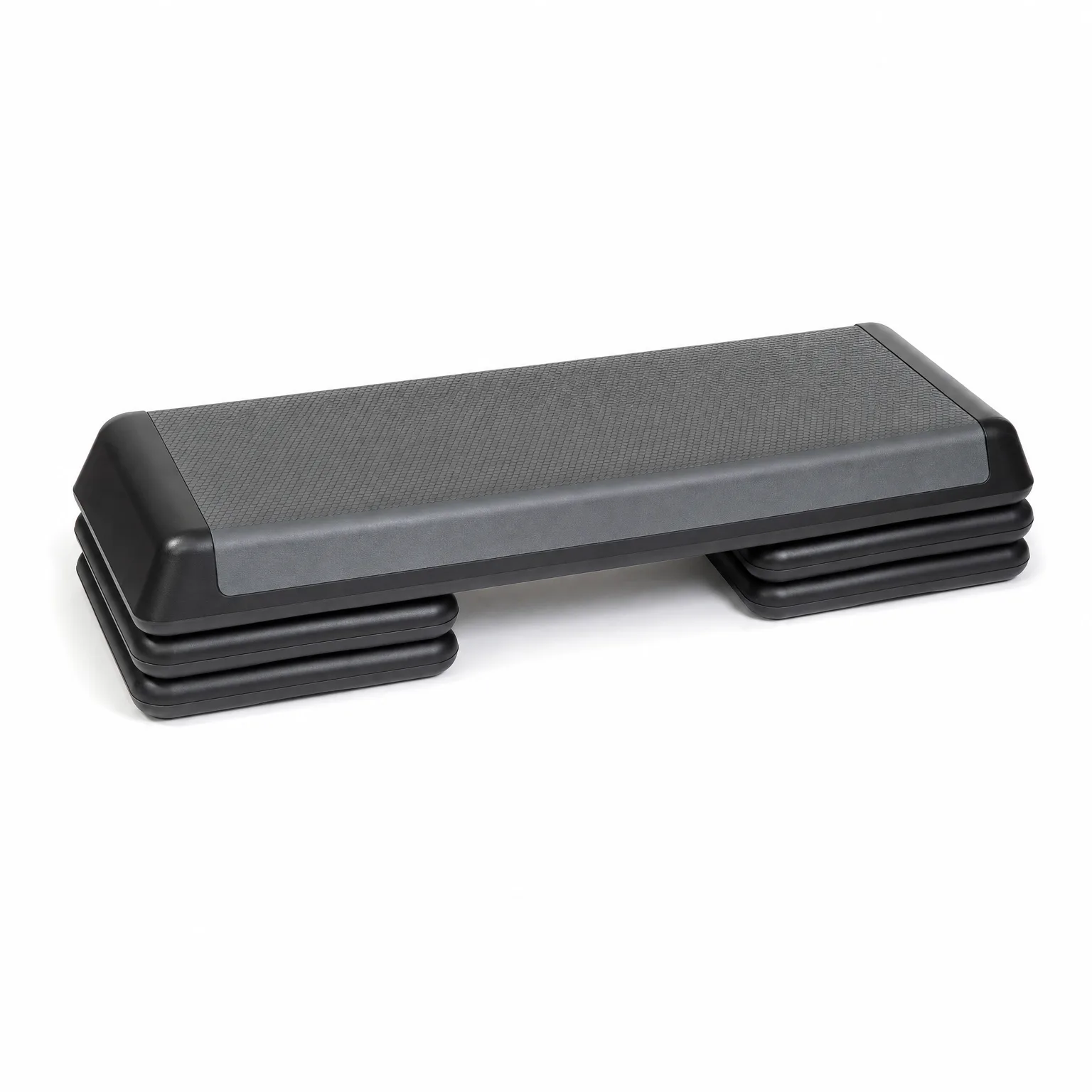
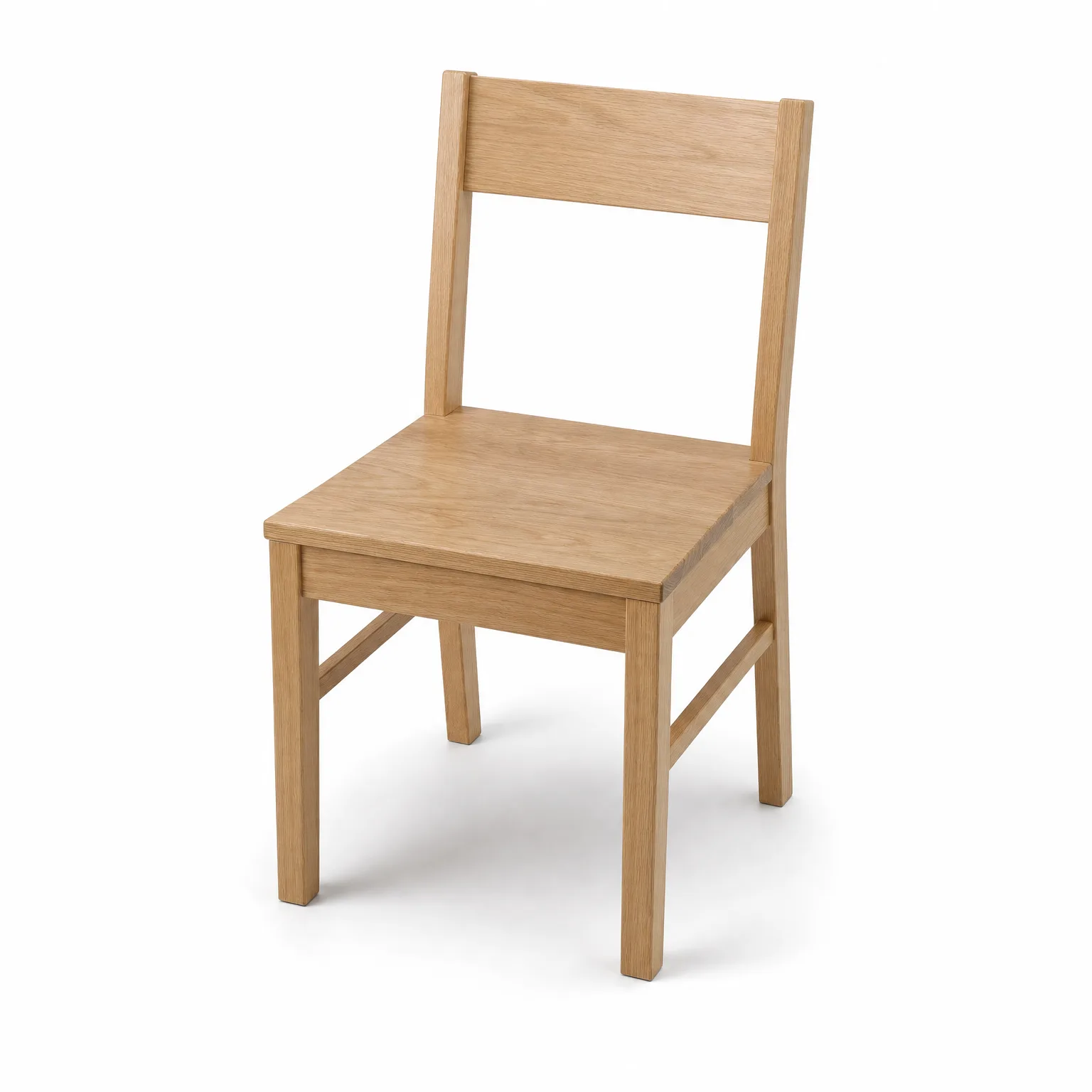
The floor and a mat cover the floor press, with a shorter range because the elbows stop at the ground. A fitness ball supports the upper back for light dumbbell presses and flyes, though it is not suited to heavy weights. A step platform on its risers works as a low, short bench for presses and hip thrusts. A sturdy chair replaces the bench for seated presses, one-arm rows and split squats.
-
Stability ball
A large inflatable ball you sit, lie or lean on. The unstable surface is used for core exercises, hamstring curls and supported stretches. -
Step platform
A low, wide platform with removable risers. Used for step aerobics, step-ups, calf raises and as a low bench. -

Exercise mat
A cushioned, non-slip surface for floor exercises, stretching and yoga. The first thing most people need to train at home. -
Chair
A sturdy household chair stands in for a bench, a low box or dip bars: sit-to-stands, step-ups, dips, split squats and incline push-ups.
Often used with
-

Dumbbells
A pair of short handles with a weight at each end. One pair trains every major muscle group, at home or in a gym. -

Barbell
A long steel bar loaded with plates at both ends. The standard tool for squats, deadlifts, presses and rows with heavy weight. -
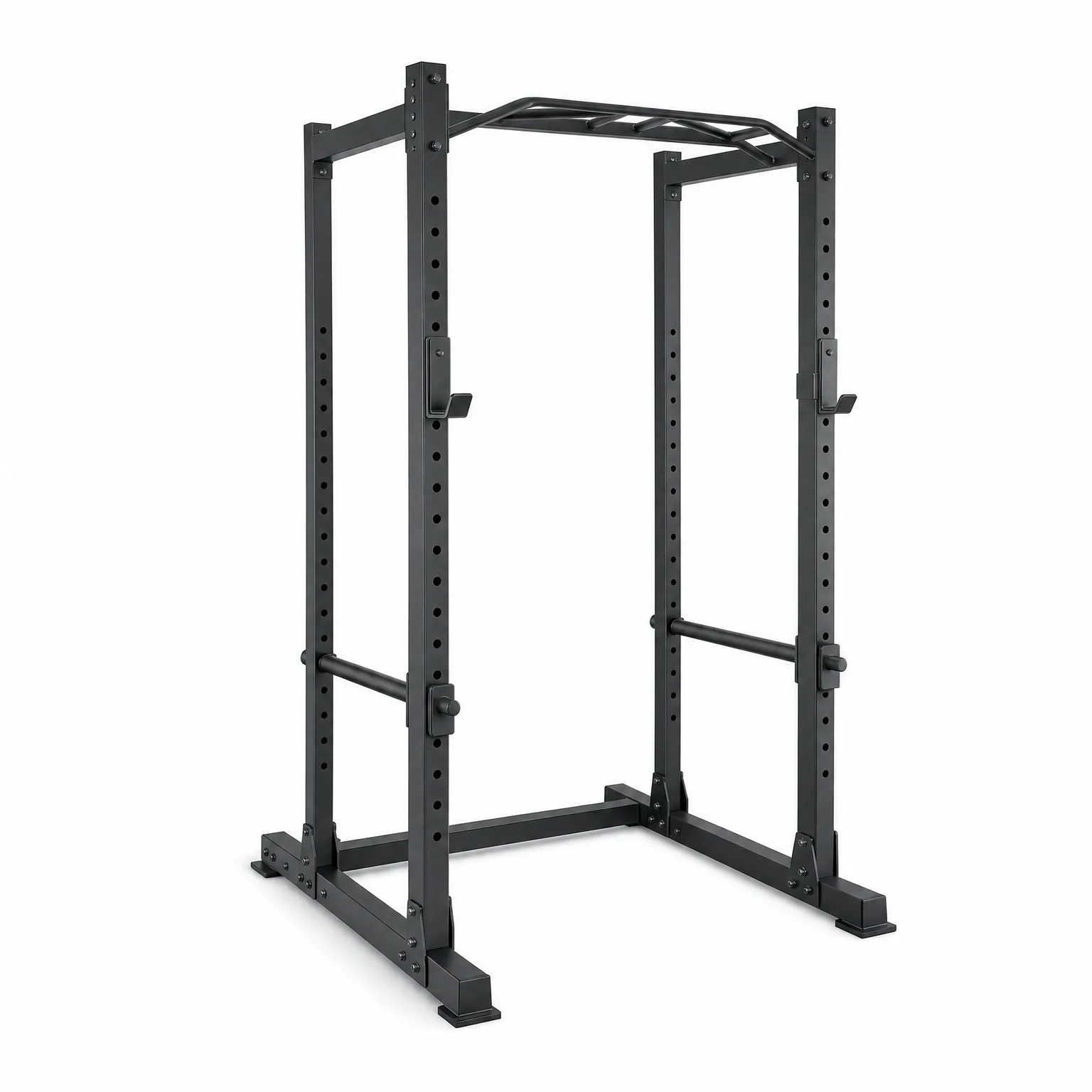
Squat rack
A steel frame that holds a barbell at the height you need and catches it if a rep fails. The base for squats and presses. -
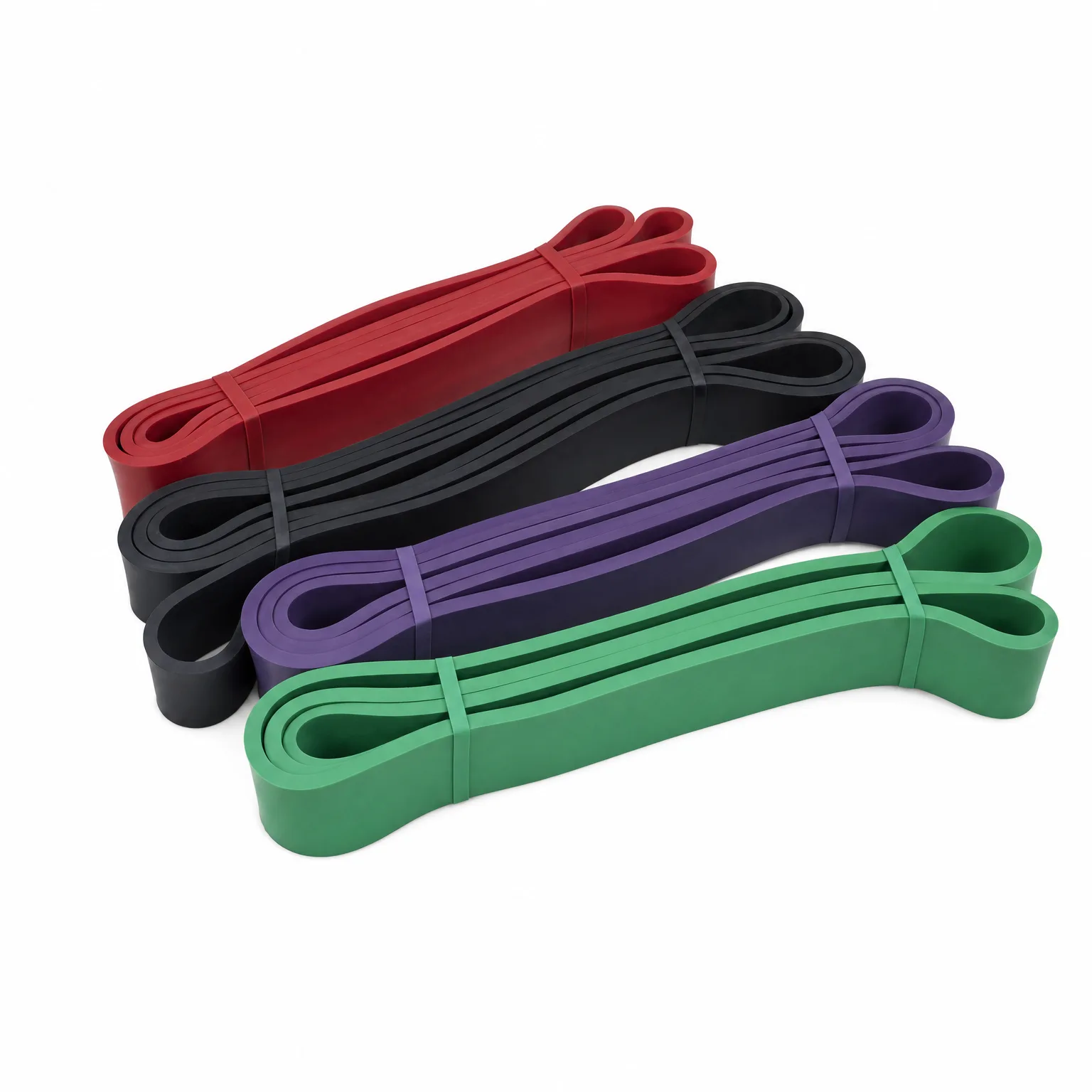
Resistance bands
Long closed loops of thick rubber. They add resistance to rows, presses and squats, or take weight off in pull-ups and dips.
Questions about weight bench
Flat bench or adjustable bench?
An adjustable bench is the more useful choice for most home setups because it adds incline and seated exercises. A flat bench is steadier, cheaper and has no gap in the pad, so it suits people who mainly do heavy flat barbell presses inside a rack.
Do I need a bench to train with dumbbells?
No, but it helps. Without a bench you can floor press, row with a hand on a chair and do all standing and leg exercises. A bench adds a full pressing range, incline work and chest-supported rows, which is why it is often the second purchase after the weights.
What angle should an incline bench be?
About 30 degrees is a common setting for upper chest work, and anything from 15 to 45 degrees is used. The steeper the backrest, the more the front of the shoulders takes over. Try two or three notches and keep the one where you feel the upper chest most.
Can you bench press at home without a spotter?
With dumbbells, yes: you can lower them to your sides if a rep fails. With a barbell, press inside a rack with safety bars set just below your chest, so the bar lands on them and not on you.
Build programs around what your client has
This guide comes from OnlineFitness.app, the app online coaches run their clients in.
Free for life for the first 100 coachesNo card