Equipment Benches, racks and bars
Step platform
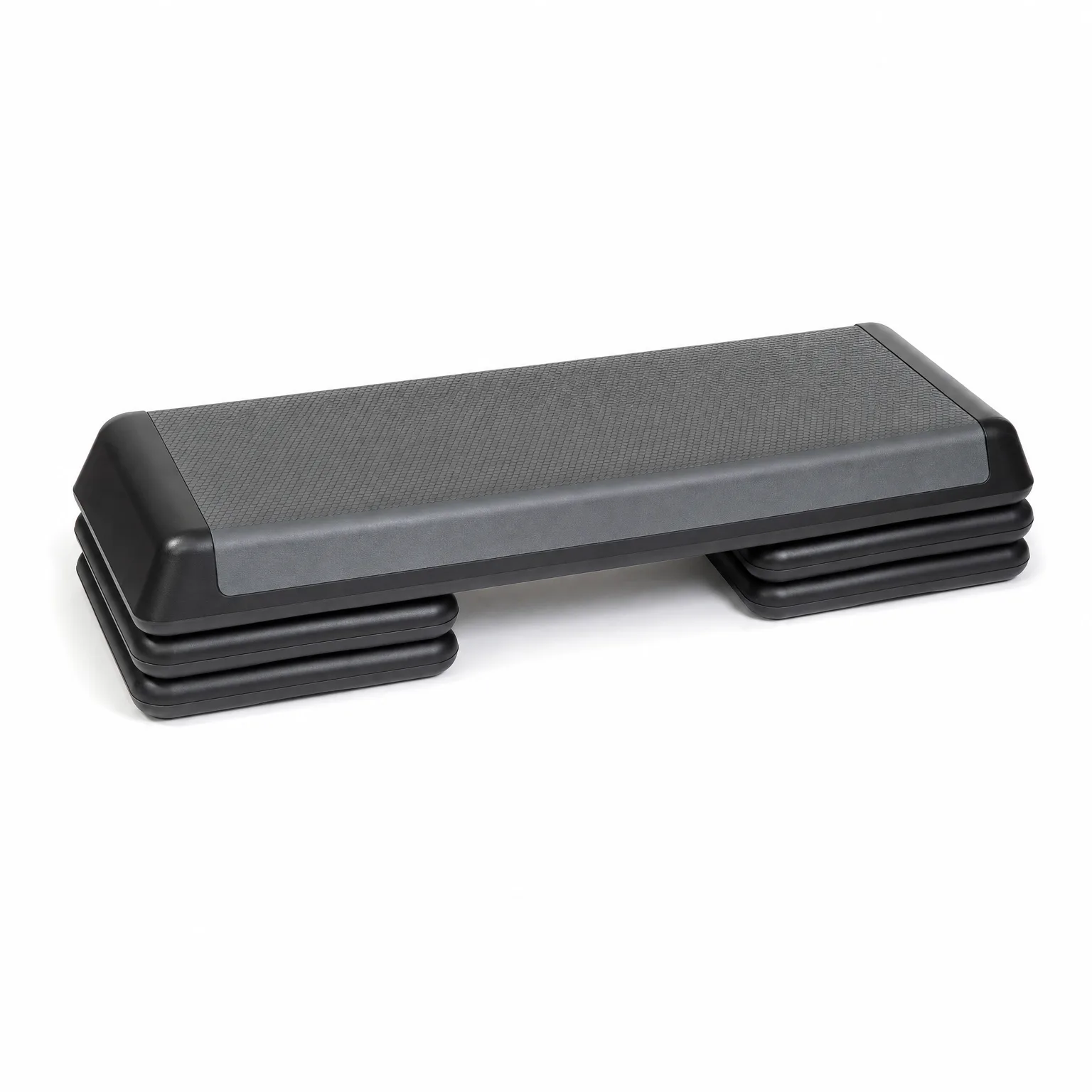
A low, wide platform with removable risers. Used for step aerobics, step-ups, calf raises and as a low bench.
In short
A step platform is a low, long plastic platform with a non-slip top that sits on stackable risers, so its height can be changed. It was made for step aerobics, where you step up and down to music, and it trains the legs and the heart and lungs at the same time.
Outside of classes it is a handy low box: step-ups, calf raises off the edge, raised push-ups, split squats with a foot on the step and, on its risers, a short bench for dumbbell presses. Low heights make it suitable for beginners.
- Category
- Benches, racks and bars
- Where
- Home, Gym
- Level
- Beginner and up
- Space
- Needs a corner of a room
- Typical sizes
- Heights of 10, 15 and 20 cm (4, 6 and 8 in) with risers; top about 70–110 cm (28–43 in) long and 28–40 cm (11–16 in) wide
- Also called
- aerobic step, aerobic stepper, exercise step, step board, step bench, fitness step, workout step
Muscles it works
- Also works
- Hamstrings, Adductors
What it is used for
- Step aerobics routines and steady stepping for cardio
- Step-ups and lateral step-ups for the quads and glutes
- Calf raises with the heels hanging off the edge
- Incline and decline push-ups, and split squats with one foot raised
- A low bench for dumbbell presses and hip thrusts
Types
Platform with risers. The classic design: a long board that clicks onto separate blocks. Add or remove pairs of risers to change the height in steps of about 5 cm.
Compact home step. A shorter board, around 70 cm long, often with fold-out legs for two or three heights. Easy to store. Less room for the feet in side-to-side moves.
Step and bench combo. A taller step with a backrest that lifts to incline and decline angles, and sometimes storage inside. A space-saving stand-in for a weight bench with light to moderate loads.
How to choose
Choose the height by your knee
With one foot on the step, the knee should bend no more than about 90 degrees. Beginners usually start at 10–15 cm. Taller or more experienced people use 20 cm or more. A higher step makes the work harder, not better.
Length for what you do
For choreographed step classes and side-to-side moves, a full-length board of about 100 cm or more gives room to place both feet. For step-ups and calf raises a compact one is enough.
Grip on top and underneath
The top should have a textured rubber surface, and the risers rubber feet. Test it on your own floor: it must not slide when you step onto the edge.
Risers that lock
Risers should click firmly into the platform and into each other. If you plan to lie on it or use weights, check the manufacturer's load rating, which varies between models.
How to start using it
- Learn the basic step. Stand close to the platform. Step up with the right foot, then the left, then step down with the right and the left. Lead with one foot for a minute, then change. Stand tall at the top with knees soft.
- Place the whole foot. Put the entire foot on the platform each time, heel included, and step down close to the board, landing on the ball of the foot and then the heel. Look at the step from time to time until the distance is automatic.
- Add height last. Make the work harder first with a faster pace, arm movement or longer sessions. Raise the platform by one pair of risers only when the current height feels easy and your steps are still tidy.
- Use it for strength work. For step-ups, push through the foot on the step and lower slowly without bouncing off the floor. For calf raises, stand on the edge on the balls of the feet, lower the heels below the board and rise fully.
Common mistakes
Heel hanging off the back
Stepping up with only the front of the foot loads the calf and Achilles tendon on every rep and makes slipping more likely. Place the whole foot on the board.
Step set too high
A platform that forces the knee to bend well past 90 degrees makes each step heavy on the knee and slows you down. Remove a pair of risers.
Stepping down too far away
Landing a long way behind the board makes you lean forward and strains the calf. Step down about one foot length from the platform.
Stepping down forward
Coming off the front of the step facing forward puts a hard braking load on the knees. Step down backward or to the side.
Using it on a slippery floor
On polished wood or tiles a light step can slide away as you push off. Put a mat under it or move to a surface with grip.
What to use instead
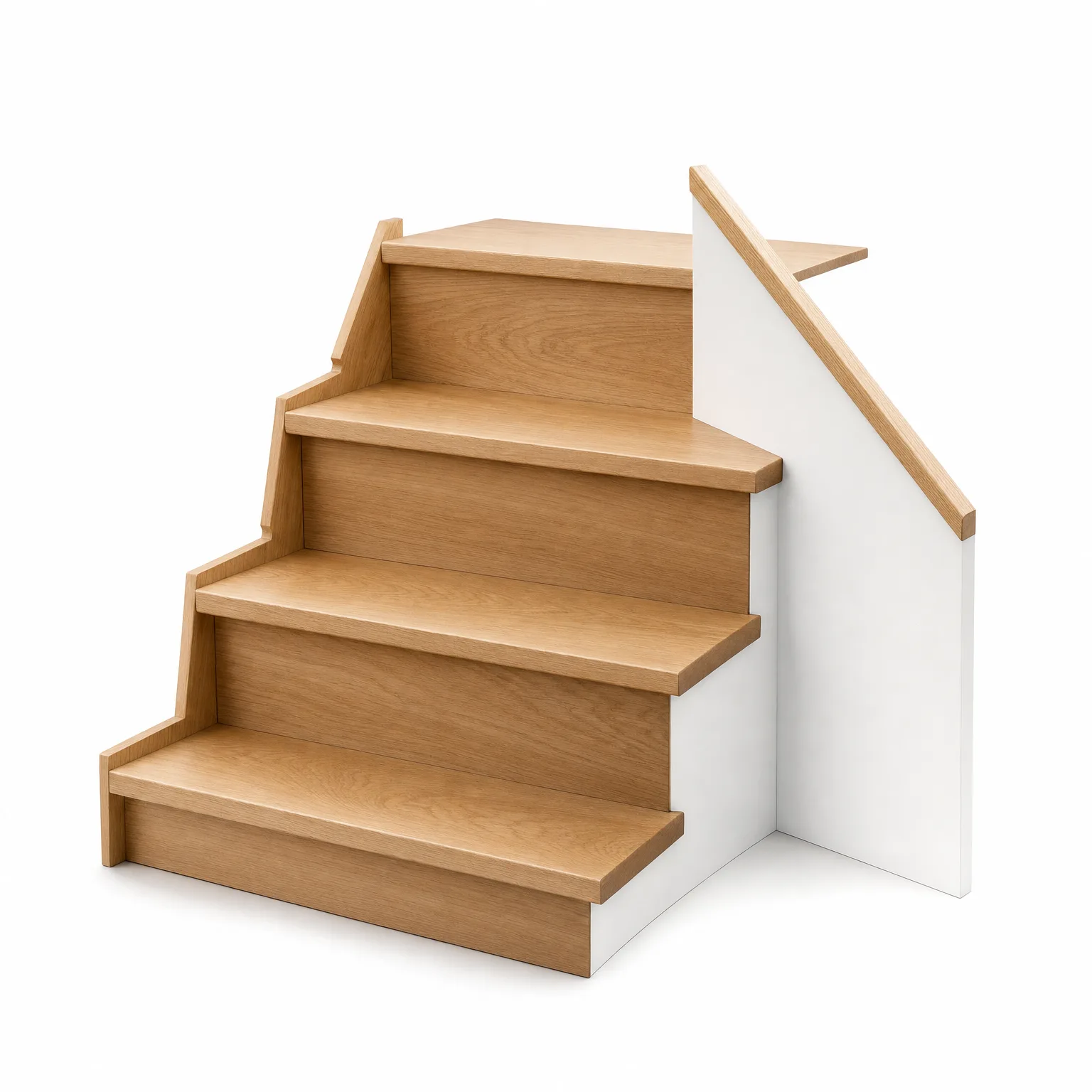
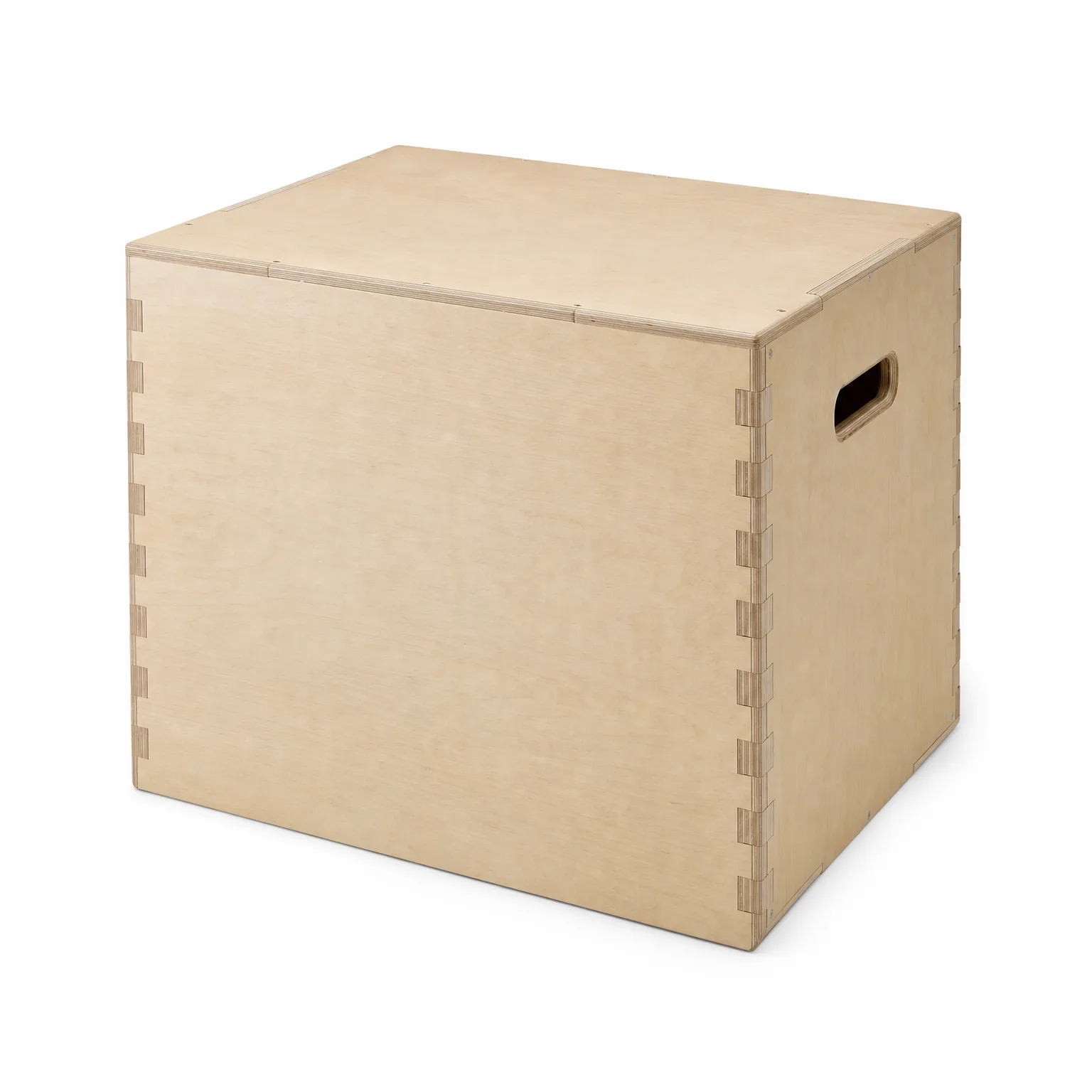
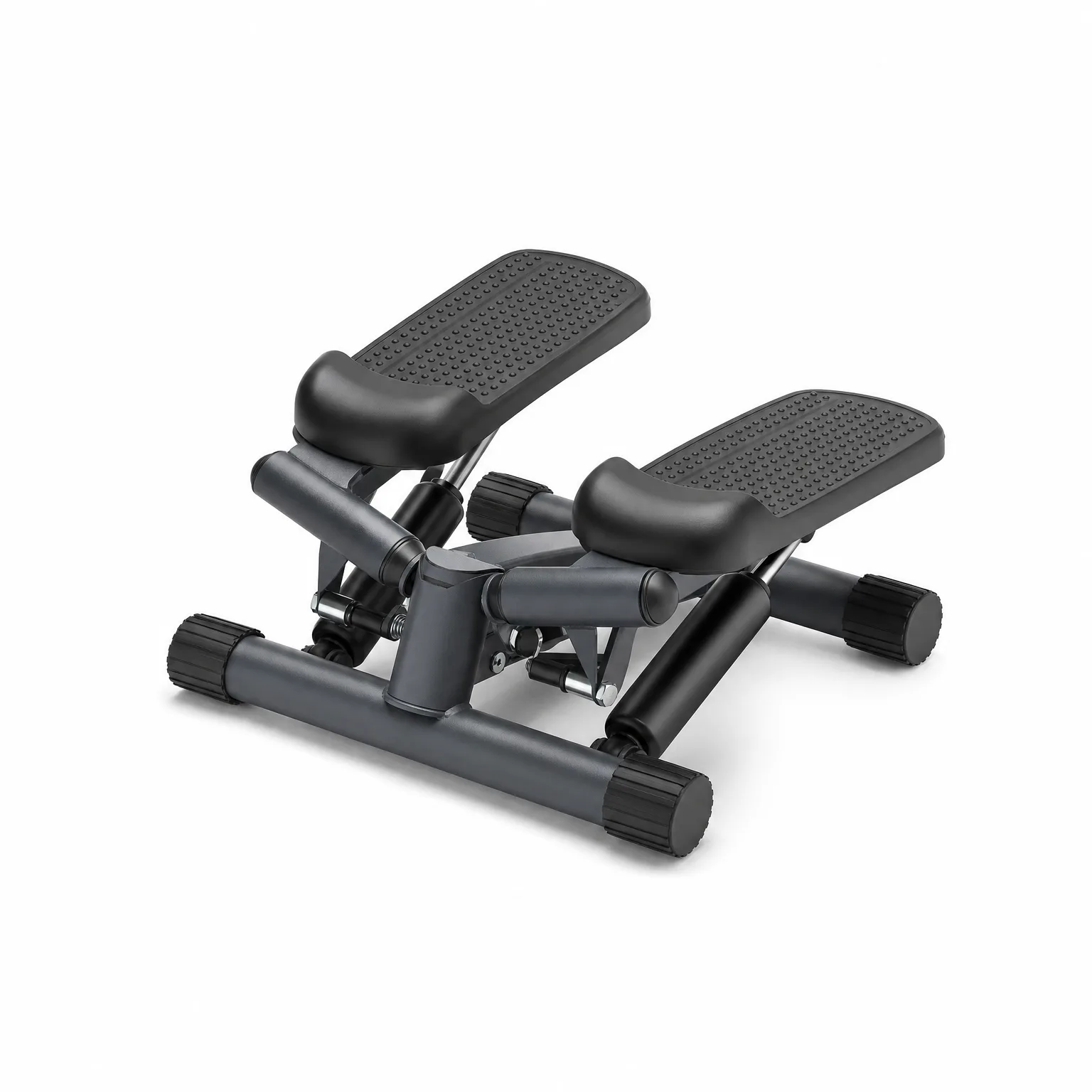
The bottom step of a staircase does the same job for basic stepping, step-ups and calf raises, with a handrail as a bonus. A plyo box on its lowest side or a low sturdy bench covers step-ups and raised push-ups. A mini stepper gives a stepping workout in a smaller space but does not replace the strength exercises. Use only surfaces that are stable and not slippery.
-
Stairs
A staircase or a single step replaces a step platform, a low plyo box and a stair climber: step-ups, calf raises and stair climbing. -
Plyo box
A sturdy box for jumping onto and stepping up on. Used for box jumps, step-ups, box squats and raised push-ups. -
Mini stepper
A small home machine with two pedals on hydraulic cylinders. You step in place to train the legs and raise the heart rate. -

Weight bench
A padded bench you lie, sit or lean on while lifting. It supports the body for presses, rows, hip thrusts and seated work.
Often used with
-

Dumbbells
A pair of short handles with a weight at each end. One pair trains every major muscle group, at home or in a gym. -

Exercise mat
A cushioned, non-slip surface for floor exercises, stretching and yoga. The first thing most people need to train at home. -
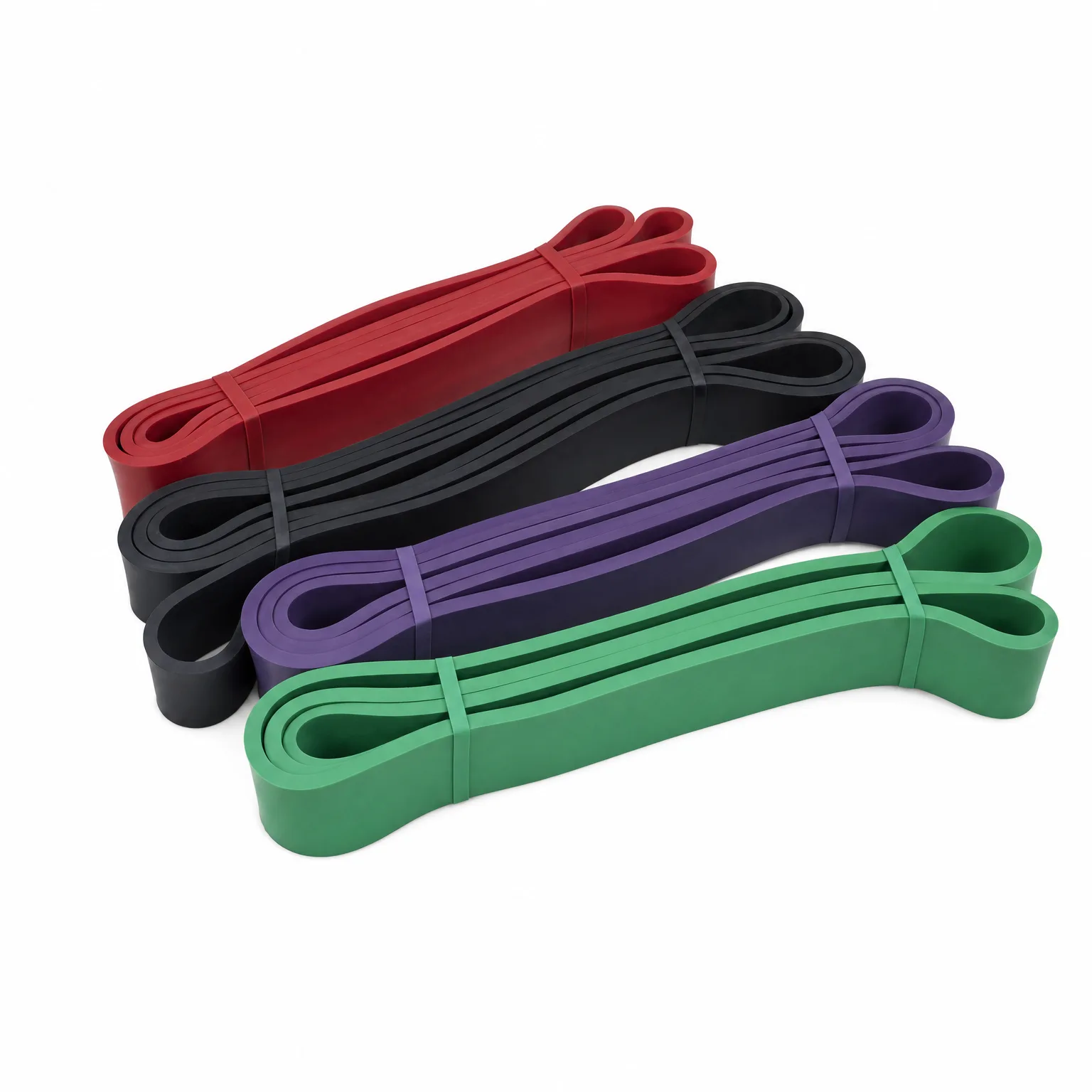
Resistance bands
Long closed loops of thick rubber. They add resistance to rows, presses and squats, or take weight off in pull-ups and dips.
Questions about step platform
What height should my step platform be?
Start at 10–15 cm if you are new to stepping. Move to 20 cm when the routine feels comfortable. A simple check: with your foot on the step, the knee should not bend more than about 90 degrees. Very tall people and experienced steppers sometimes go to 25 cm.
Is step aerobics a good workout?
It is steady, rhythmic cardio that also works the legs and glutes, and the effort is easy to adjust through height and pace. It is low impact when you step and do not jump. How hard it is depends on the routine.
Can I use a step platform as a weight bench?
For light to moderate dumbbell presses, flyes and hip thrusts, yes, if it is on its risers and locked. It is lower and shorter than a weight bench, and compact models are too short to support the head. Stay within the manufacturer's load rating.
Step platform vs plyo box?
A step platform is low, light, adjustable and made for stepping at a rhythm. A plyo box is taller and heavier, built for jumps and for step-ups at knee height or above. For step-ups at home, either works. For box jumps, use a plyo box.
Build programs around what your client has
This guide comes from OnlineFitness.app, the app online coaches run their clients in.
Free for life for the first 100 coachesNo card