Mini stepper
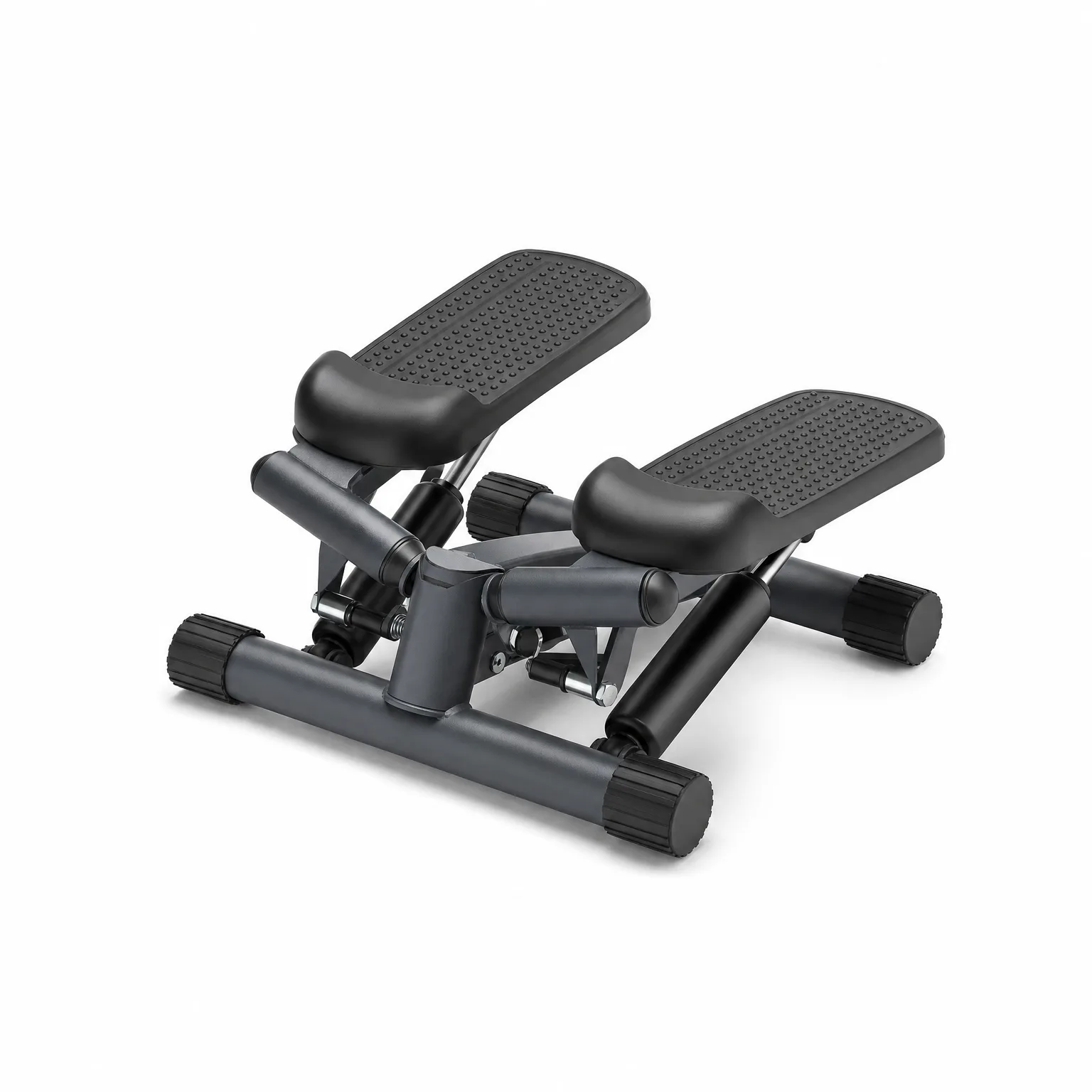
A small home machine with two pedals on hydraulic cylinders. You step in place to train the legs and raise the heart rate.
In short
A mini stepper is a compact home cardio machine: two pedals on hydraulic cylinders mounted on a small base. You stand on it and press the pedals down in turn, which imitates climbing stairs on the spot. It takes about as much floor as a doormat and stores in a closet.
It is used for light to moderate cardio at home and for adding movement to a day indoors. The quads, glutes and calves do the work. It suits beginners and small spaces, but it is a lighter tool than a full stair climber, with a shorter step and less resistance.
- Category
- Cardio
- Where
- Home
- Level
- Beginner and up
- Space
- Needs a corner of a room
- Typical sizes
- Footprint about 40–45 cm x 30–35 cm (16–18 x 12–14 in); weight about 6–10 kg (13–22 lb)
- Also called
- stepper, mini stepper machine, home stepper, twist stepper, step machine, portable stepper
Muscles it works
- Also works
- Hamstrings, Abs
What it is used for
- Short cardio sessions of 10–20 minutes at home
- Stepping while watching a screen or at a standing desk
- Light leg endurance work for beginners
- Stepping combined with band curls, presses or raises
Types
Straight stepper. Pedals move straight up and down. The simplest type and the easiest to balance on.
Twist stepper. Pedals swing slightly outward as they go down, so the hips turn a little with each step. Takes more balance.
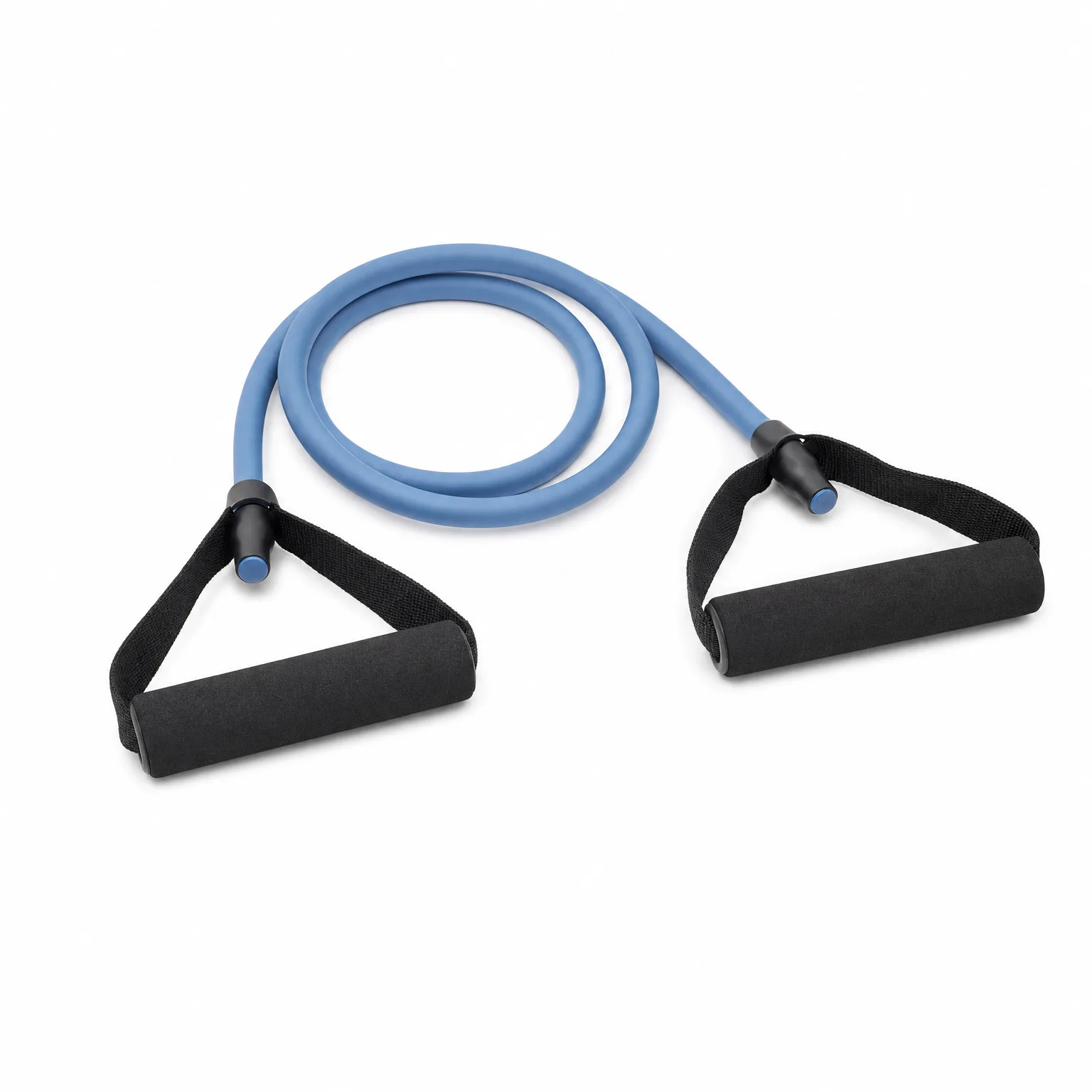
Stepper with bands. Elastic cords with handles attached to the base, for arm movements while you step.
Stepper with handlebar. An upright post with a handle for balance. Takes more room but is steadier for people unsure on their feet.
How to choose
Look for adjustable step height
A knob under or in front of the base changes how far the pedals travel. A shorter step is quicker and lighter, a longer one works the legs more. Without adjustment you are tied to one feel.
Check the pedals
They should be large enough for the whole foot, with a textured surface and a raised edge so the foot cannot slide off sideways.
Decide on a handlebar
If balance is a concern, choose a model with a handlebar, or plan to place the stepper next to a wall or a sturdy chair.
Read the rated user weight and run time
Both come from the manufacturer. Hydraulic cylinders heat up in use, and many manuals limit continuous stepping to a set number of minutes. Check that before planning long sessions.
How to start using it
- Place it on a firm, level floor. Use a hard floor or a thin mat so the base does not rock or creep. Stand near a wall or chair for the first few sessions.
- Step on with the low pedal first. Put one foot on the lower pedal, then bring the other foot onto the high pedal and start stepping right away. Keep the whole foot on each pedal.
- Stand upright. Keep the chest up, eyes ahead and a slight bend in the knees. Let the arms swing as in walking, or hold the band handles.
- Use a full, smooth step. Press each pedal down under control and stop just before it hits the base. A steady rhythm matters more than speed.
- Start with 5–10 minutes. Add a few minutes each session up to the continuous-use time in the manual. For longer workouts, split the stepping into blocks with strength exercises in between.
Common mistakes
Bottoming out the pedals
Letting each pedal slam into the base jolts the knees and wears the machine. Reverse the step just before the bottom.
Fast, shallow pumping
Tiny quick steps at the top of the range push up the step count while the legs do little. Slow down and use more of the pedal travel.
Looking down and hunching
Watching your feet rounds the back and upsets your balance. Once the rhythm is set, look ahead.
Ignoring heat and noise
Cylinders that are too hot to touch, or pedals that sink faster as the session goes on, mean the machine needs a break. Squeaks usually mean the pivot points need the lubricant named in the manual.
Expecting it to replace everything
A mini stepper is a light cardio tool with a short range. It does not load the legs like squats or lunges, so keep strength work in the week.
What to use instead
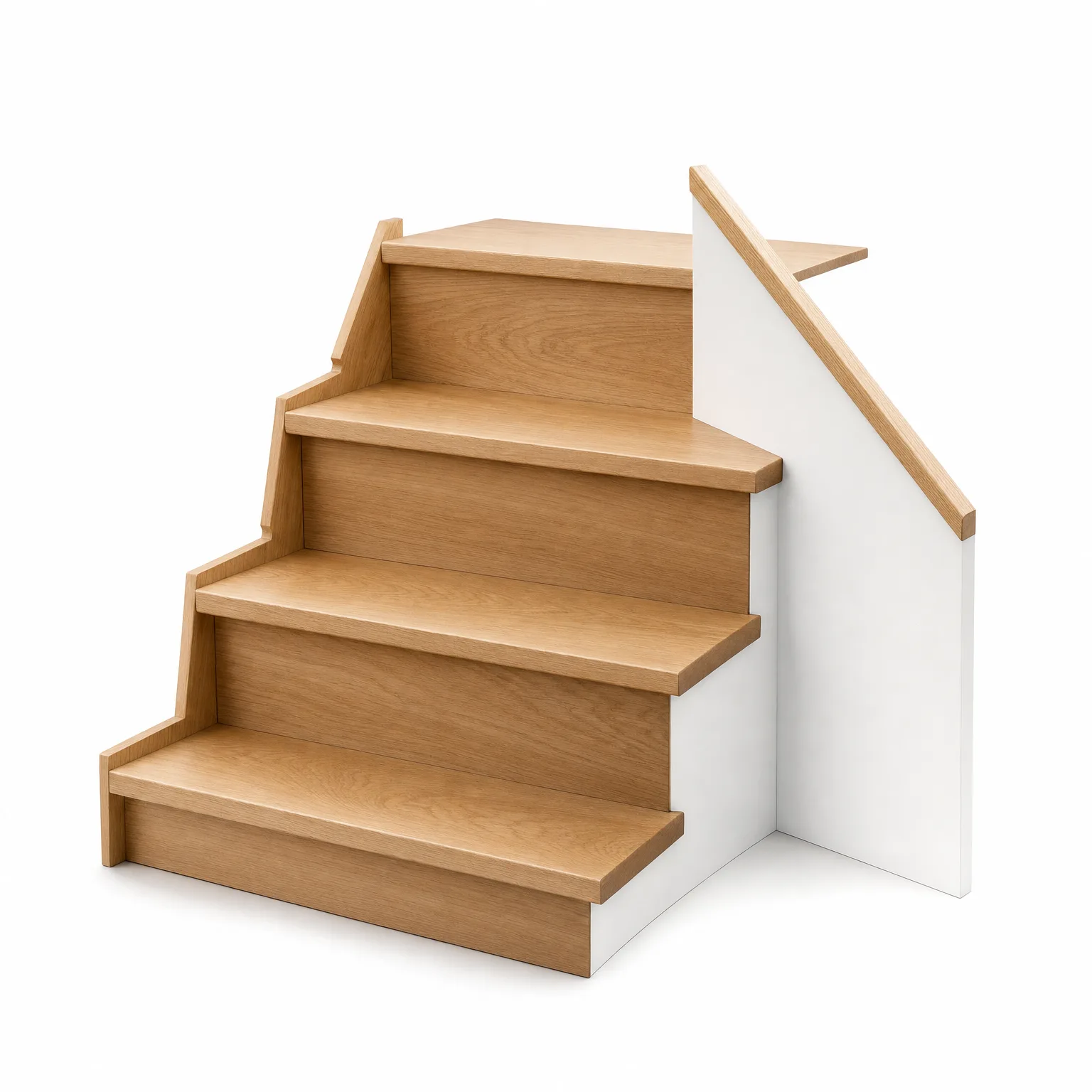
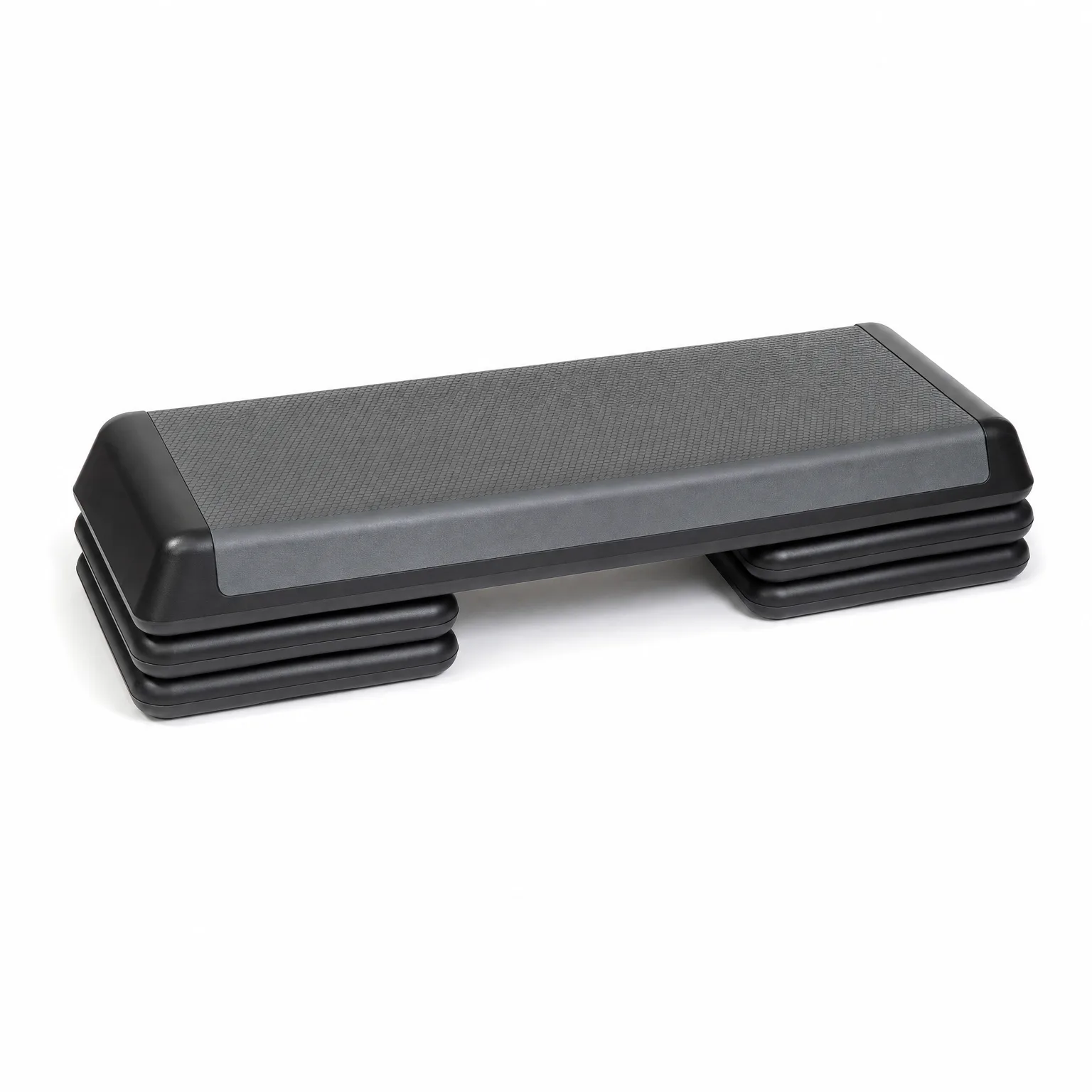
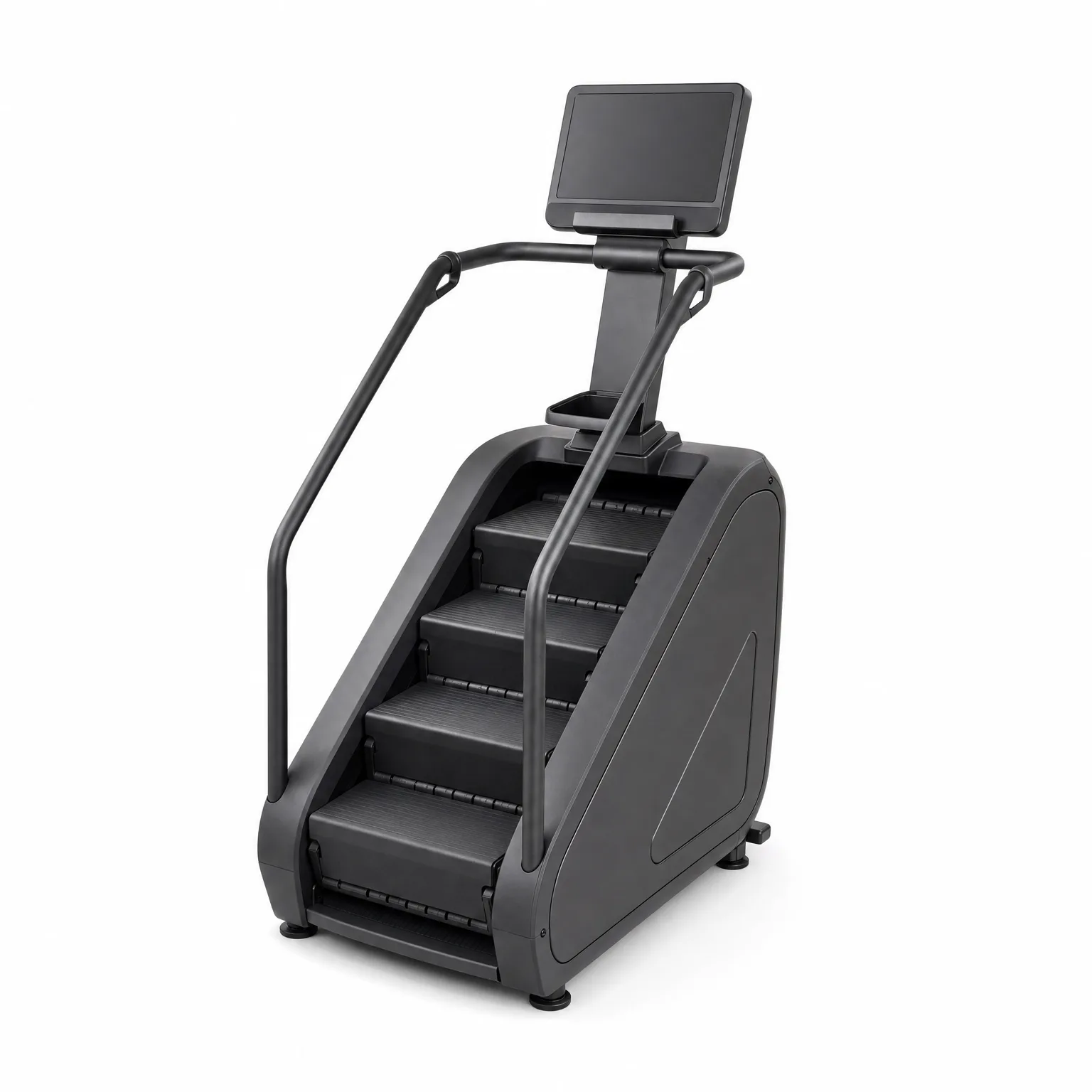
A flight of stairs does the same job with a bigger range: walk up and down for the same number of minutes. Step-ups on a step platform or a low, sturdy box train the same muscles and need no machine. In a gym, a stair climber is the full-size version. If the aim is simply more daily movement indoors, a walking pad is the other compact option.
-
Stairs
A staircase or a single step replaces a step platform, a low plyo box and a stair climber: step-ups, calf raises and stair climbing. -
Step platform
A low, wide platform with removable risers. Used for step aerobics, step-ups, calf raises and as a low bench. -
Stair climber
A gym machine that imitates climbing stairs, either with a revolving staircase or with two pedals. It works the glutes, quads and calves. -
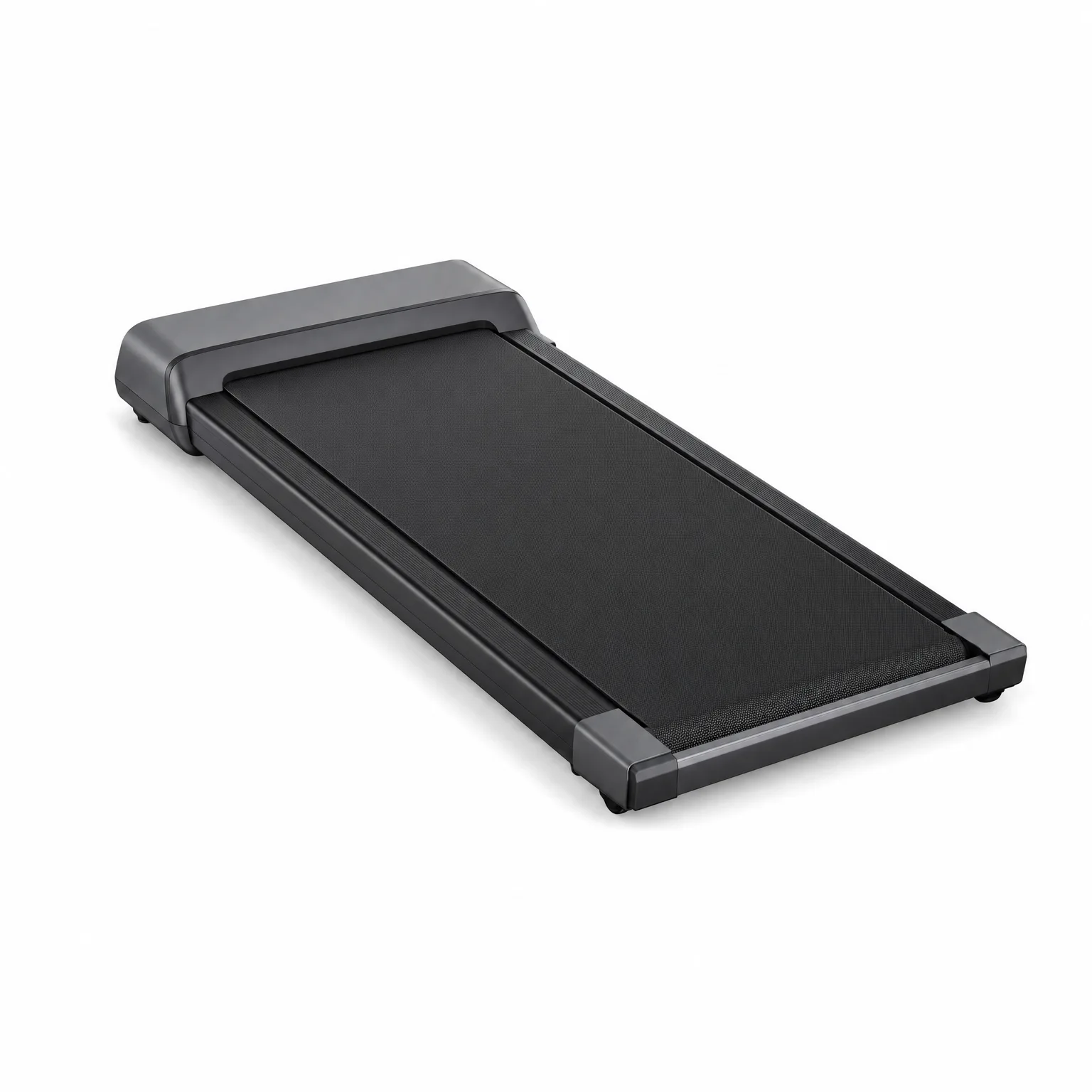
Walking pad
A flat, low-speed treadmill without a console or tall handrails. It slides under a standing desk or a sofa and is built for walking.
Often used with

Questions about mini stepper
Does a mini stepper actually work?
Yes, for what it is: light to moderate cardio and leg endurance in a very small space. Stepping at a steady rhythm raises the heart rate and works the quads, glutes and calves. It will not replace strength training or a full stair climber, but regular sessions add up.
How long should you use a mini stepper each day?
Start with 5–10 minutes and build toward 15–30 minutes a day, in one session or split into blocks. Check the manual first: many hydraulic steppers have a limit on continuous use so the cylinders can cool.
What muscles does a mini stepper work?
The quads, glutes and calves do most of the work, with the hamstrings assisting and the abs keeping you upright. Pressing through the whole foot brings the glutes in more. A twist stepper adds a small turn of the hips.
Mini stepper vs walking: which is better?
They are close in effort at a comfortable pace. Walking uses a longer, more natural stride and can be done outside. A stepper works in a tiny space in any weather and puts a little more load on the thighs per step. Many people use the stepper on days when a walk does not happen.
Build programs around what your client has
This guide comes from OnlineFitness.app, the app online coaches run their clients in.
Free for life for the first 100 coachesNo card