Walking pad
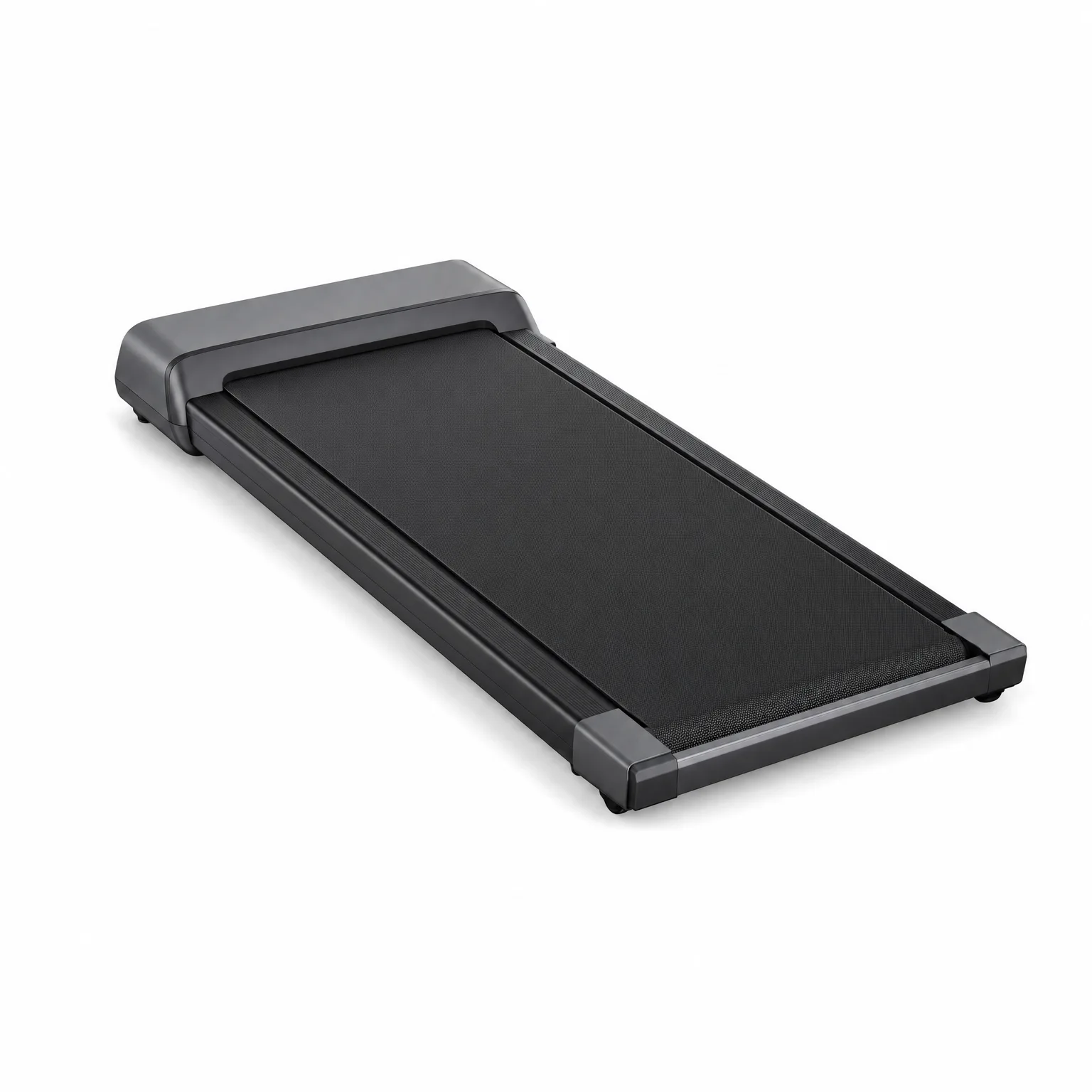
A flat, low-speed treadmill without a console or tall handrails. It slides under a standing desk or a sofa and is built for walking.
In short
A walking pad is a compact motorized treadmill with no upright console and usually no handrails. It is thin enough to store under a bed or stand against a wall, and it is made for walking, typically up to about 6 km/h (3.7 mph). People use it under a standing desk or in front of a screen to add steps to a day spent indoors.
It suits anyone who wants more daily walking and has no room for a full treadmill. It is not a running machine: the belt is short and narrow, and most models have no incline.
- Category
- Cardio
- Where
- Home
- Level
- Beginner and up
- Space
- Needs a corner of a room
- Typical sizes
- Belt about 40–45 cm (16–18 in) wide and 100–120 cm (40–47 in) long; top speed usually about 6 km/h (3.7 mph)
- Also called
- under-desk treadmill, walking treadmill, desk treadmill, treadmill pad, compact treadmill, walking pad treadmill
Muscles it works
- Main
- Quads, Hamstrings, Glutes, Calves
- Also works
- Tibialis anterior
What it is used for
- Walking while working at a standing desk
- Adding steps at home on days when you do not get outside
- Easy walking while watching a screen or taking calls
- Light warm-ups before a home strength session
Types
Flat pad. The basic type: a belt, a low housing for the motor and a remote control. No rail, walking speeds only.
Pad with folding handrail. A rail that folds flat for desk use and locks upright for faster walking or light jogging. With the rail up, many models unlock a higher top speed.
Pad with incline. A fixed or adjustable tilt of a few percent that makes walking harder. Less common and thicker than a flat pad.
How to choose
Check the belt size against your stride
A narrow, short belt forces small, careful steps. If you are tall or like to walk briskly, look for a belt at least 42 cm (16.5 in) wide and 110 cm (43 in) long.
Pay attention to noise
The pad will run for long stretches, often during calls or in an apartment. Look for a stated noise level and remember that footsteps add to the motor noise. A firm mat under the pad cuts vibration through the floor.
Decide whether you need the rail
For desk use the desk itself is your reference point and a rail gets in the way. If you plan to walk without a desk, or you are unsteady on a moving belt, choose a model with a folding handrail.
Read the rated user weight and run time
Both are set by the manufacturer. Some pads are rated for limited continuous use and need a break to cool down, which matters if you plan to walk for hours.
How to start using it
- Set up the desk first. Standing on the pad raises you by several centimeters, often 8–15 cm (3–6 in). Raise the desk so your elbows stay at roughly a right angle and the top of the screen is near eye level.
- Start slow. Begin at 1.5–3 km/h (1–2 mph). Typing and mouse work are comfortable for most people at about 2–3 km/h. Save faster speeds for calls, reading or walking without work.
- Build up the time. Start with 20–30 minutes at a time and alternate with sitting or standing. Feet and calves need a couple of weeks to get used to long walking sessions.
- Wear shoes and keep the belt centered. Flat, cushioned shoes are more comfortable than socks or bare feet over long sessions. If the belt drifts to one side, adjust it with the bolts at the rear as the manual describes.
Common mistakes
Trying to run on it
A short belt with no rail leaves no margin for a running stride. Use a full treadmill for running, or a pad model whose manufacturer rates it for jogging with the handrail up.
Walking too fast for the task
At brisk speeds your hands bounce and typing gets sloppy. Slow down for precise work and speed up when you only need to listen or talk.
Looking down at a laptop
Walking for an hour with your head tilted down at a low screen is tiring for the neck. Raise the screen and use a separate keyboard.
Skipping belt care
Many pads need the belt lubricated and re-centered from time to time. A dry or off-center belt gets louder, wears faster and can slip underfoot.
What to use instead
A full treadmill does everything a walking pad does, at the cost of space. A mini stepper takes even less room and works under a standing desk, though the movement is stepping rather than walking. A pedal exerciser under a normal desk adds light seated movement. Without any machine, walk outside in short blocks through the day or climb the stairs in your building a few times.
-
Treadmill
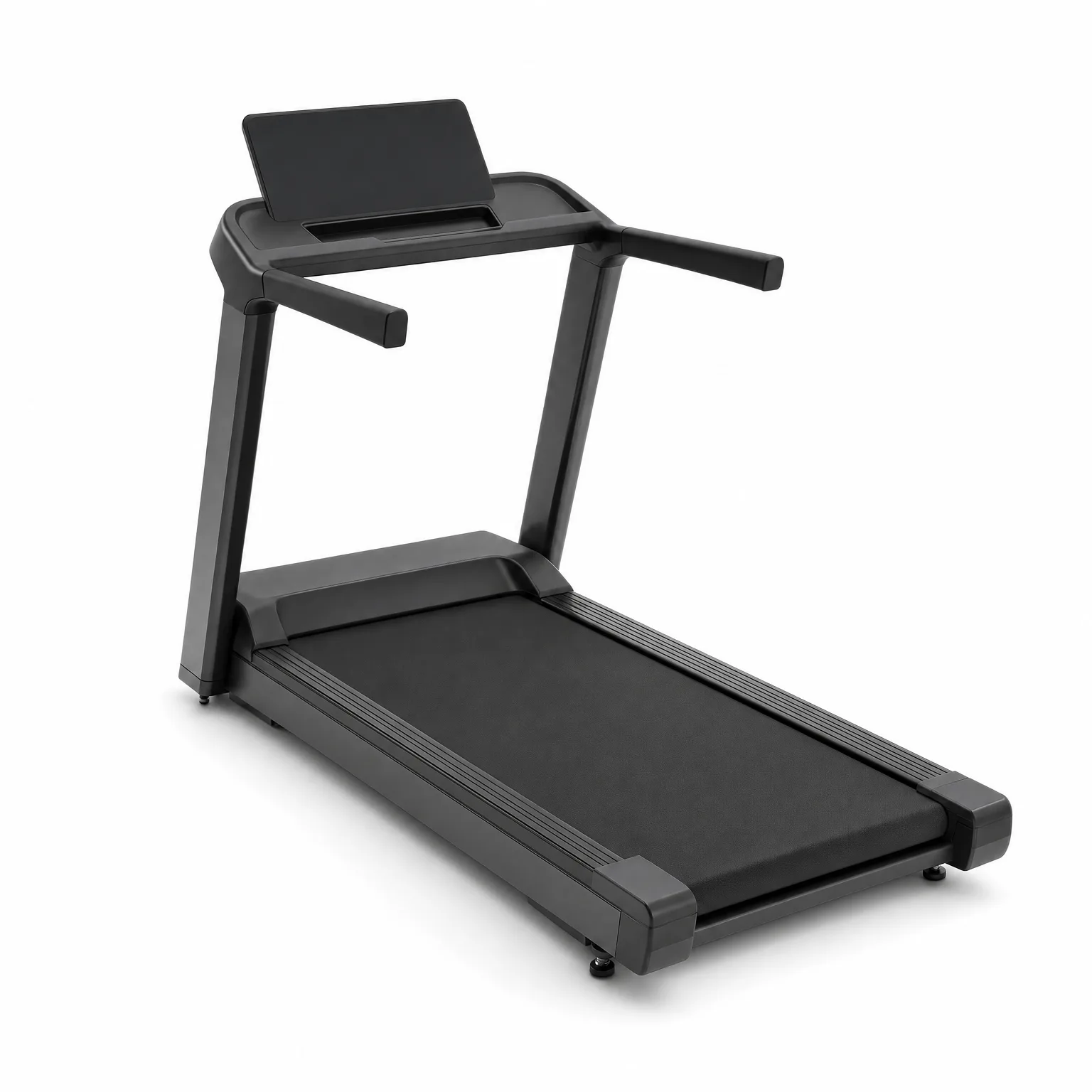
A moving belt for walking and running indoors. You set the speed and incline, so the pace stays exactly where you put it. -
Mini stepper
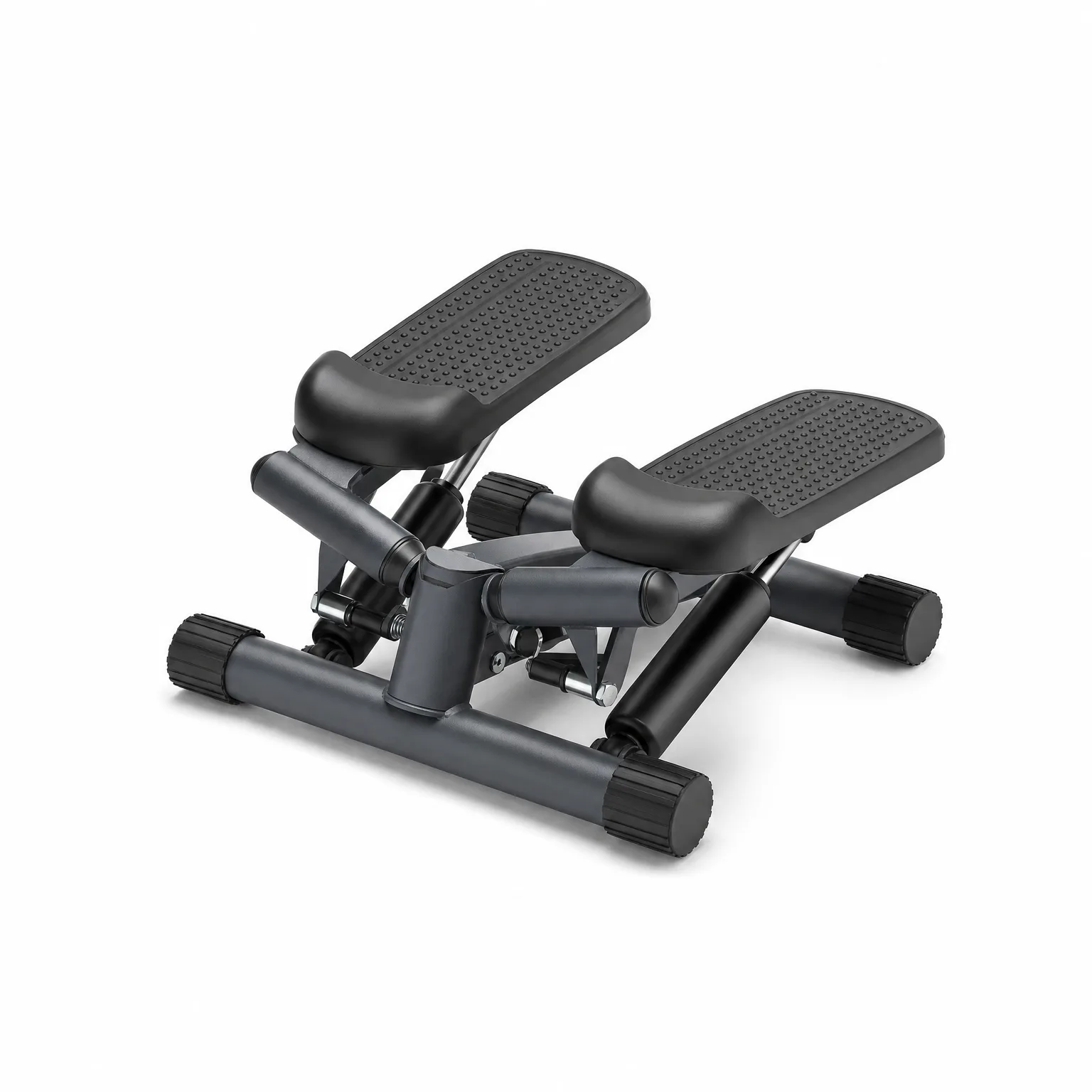
A small home machine with two pedals on hydraulic cylinders. You step in place to train the legs and raise the heart rate. -
Pedal exerciser
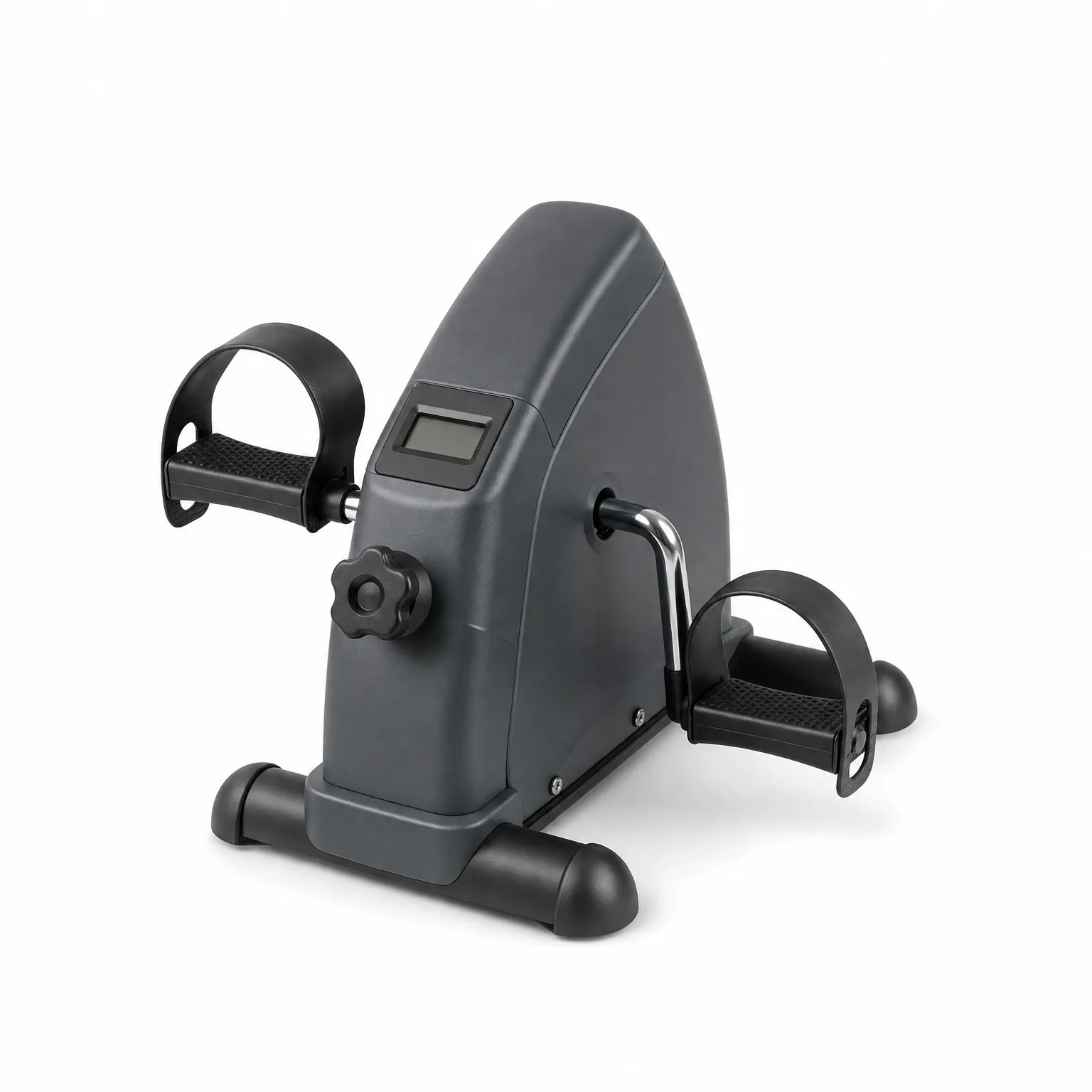
A small set of pedals on a base with no seat or handlebars. You pedal from a chair with your feet, or on a table with your hands. -
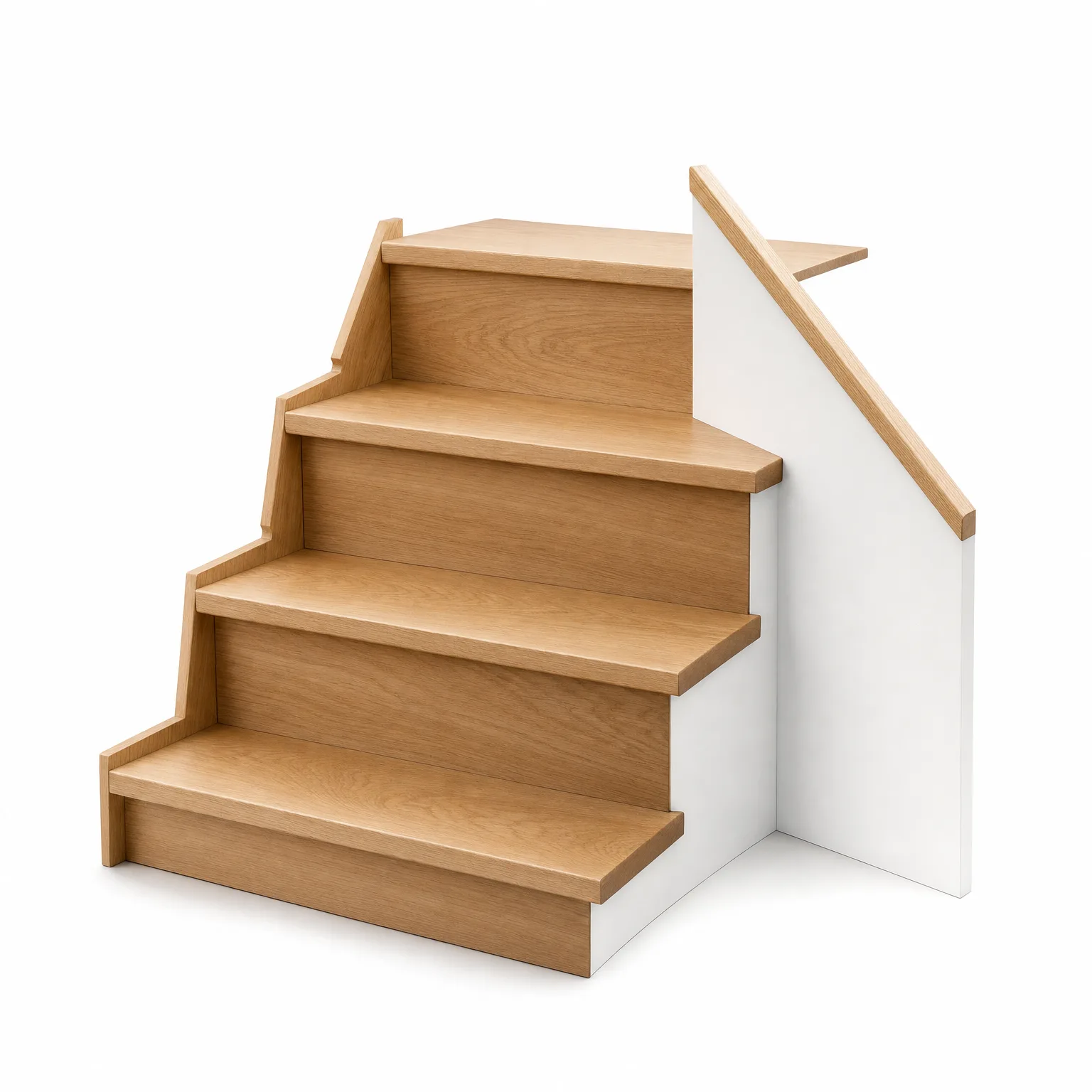
Stairs
A staircase or a single step replaces a step platform, a low plyo box and a stair climber: step-ups, calf raises and stair climbing.
Often used with
-
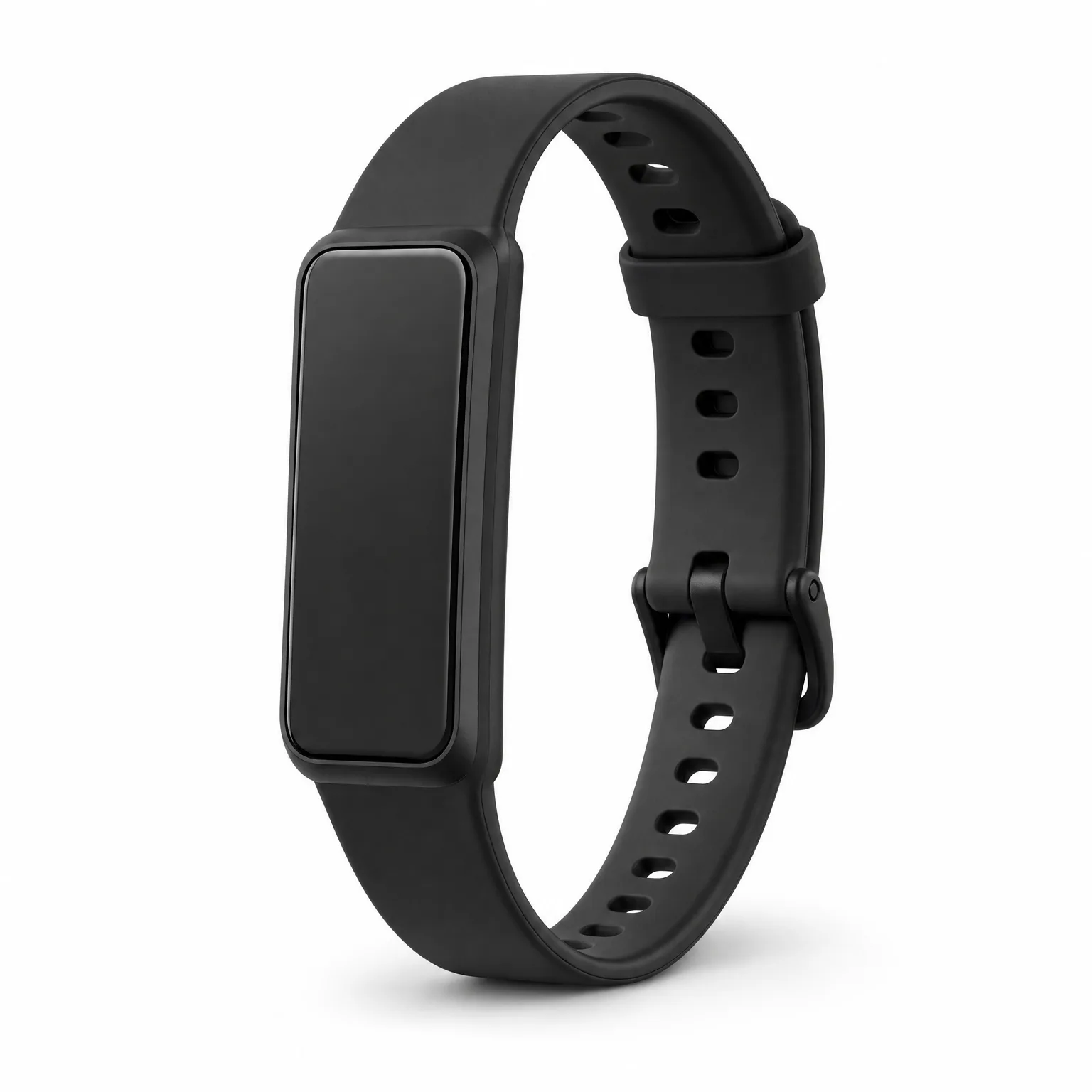
Fitness tracker
A wrist-worn band or watch that counts steps, logs workouts and estimates heart rate and sleep all day. Good for trends, approximate for detail. -
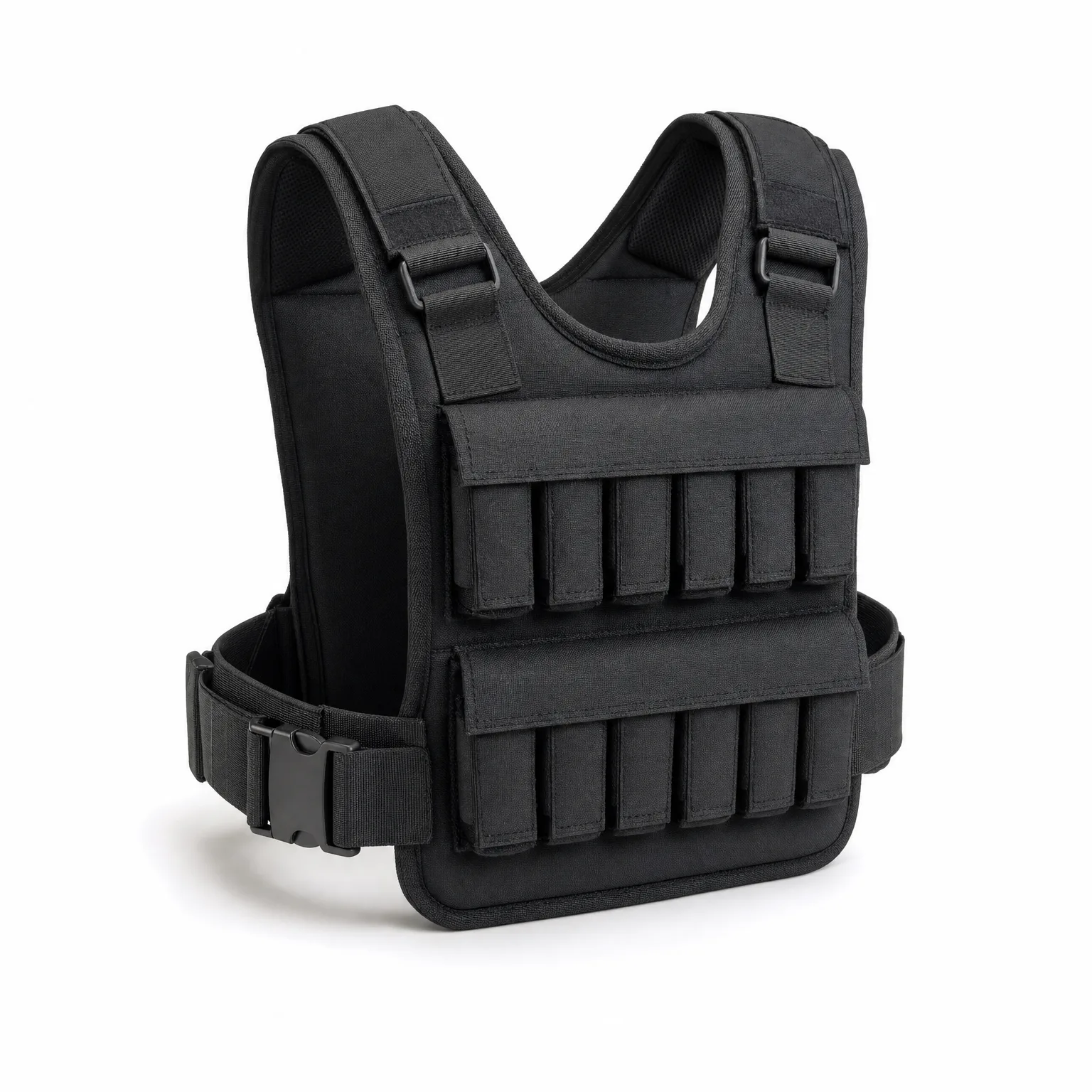
Weighted vest
A vest that carries extra weight on the torso. It makes push-ups, pull-ups, squats, walking and stair climbing harder with free hands.
Questions about walking pad
Walking pad vs treadmill: what is the difference?
A walking pad is smaller, lighter and slower. It has a short belt, no console and often no rail, and it tops out at walking or light jogging speeds. A treadmill has a longer belt, handrails, incline and enough speed for running, but needs a permanent spot in the room.
Can you run on a walking pad?
On most models, no. The top speed is usually around 6 km/h (3.7 mph) and the belt is too short for a running stride. Some pads with a folding handrail reach jogging speeds, and the manufacturer's manual says whether that is an intended use.
What speed should I walk at while working?
Most people settle at 2–3 km/h (1.2–2 mph) for typing and up to about 4 km/h (2.5 mph) for calls and reading. Pick the speed at which you stop noticing the walking.
Does a walking pad work on carpet?
It runs best on a hard, level floor. On thick carpet the pad can rock and the motor housing gets less airflow. If carpet is the only option, put a firm equipment mat or board underneath and check what the manual says.
Build programs around what your client has
This guide comes from OnlineFitness.app, the app online coaches run their clients in.
Free for life for the first 100 coachesNo card