Pedal exerciser
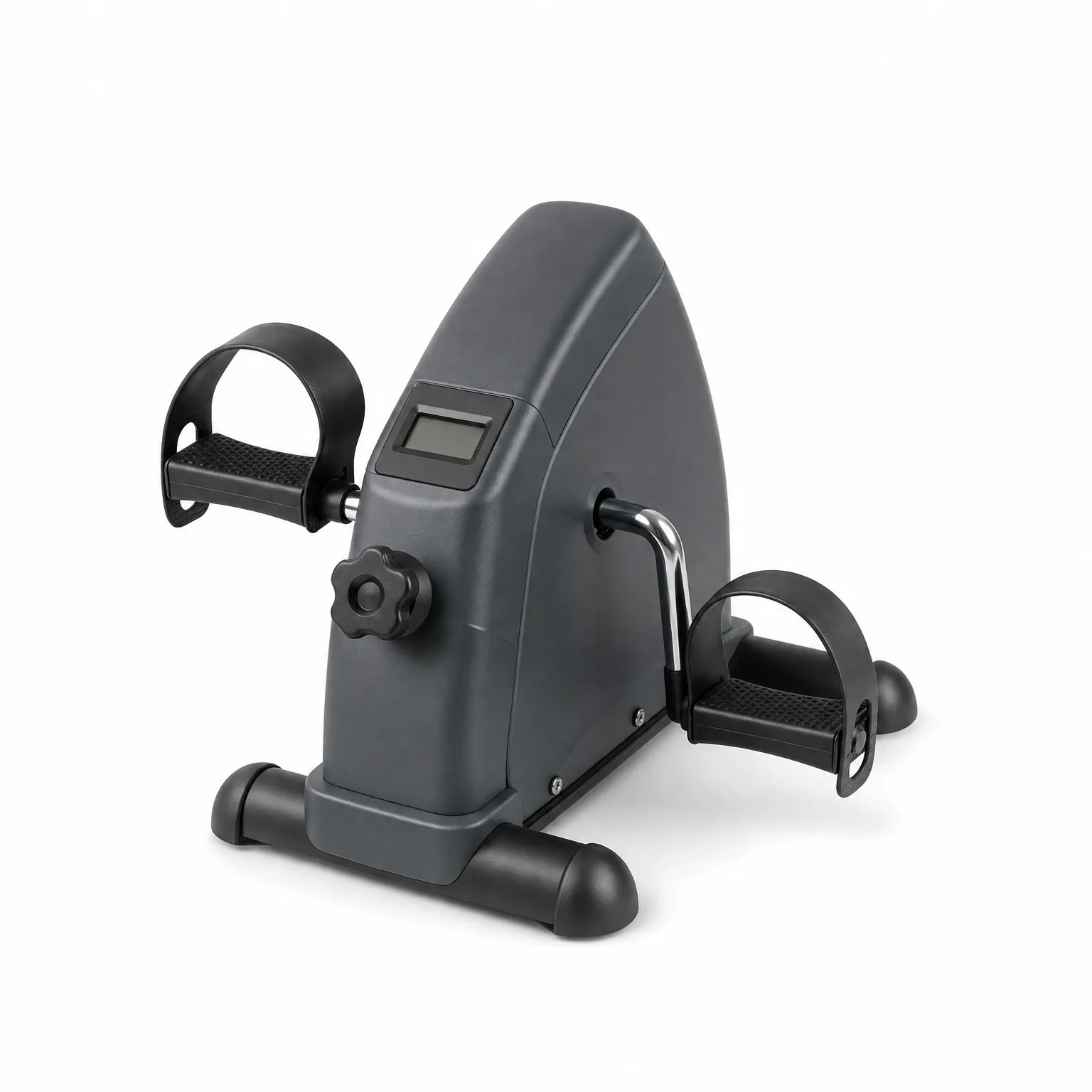
A small set of pedals on a base with no seat or handlebars. You pedal from a chair with your feet, or on a table with your hands.
In short
A pedal exerciser is a pair of pedals on a low frame, with no saddle, handlebars or wheels. You put it on the floor in front of a chair and pedal while seated, or place it on a table and turn the pedals with your hands. A knob sets the resistance, and a small display usually shows time and revolutions.
It is used for light movement during long periods of sitting, at a desk or in front of a screen, and by people who want gentle seated activity for the legs or arms. The effort is low compared with a full exercise bike. It adds movement to a day. It does not replace a cardio workout for someone who is already fit.
- Category
- Cardio
- Where
- Home, Travel
- Level
- Beginner and up
- Space
- Needs a corner of a room
- Typical sizes
- About 40–50 x 35–45 cm (16–20 x 14–18 in) and 25–35 cm (10–14 in) tall; weight about 3–10 kg (7–22 lb)
- Also called
- mini exercise bike, under desk bike, desk bike, mini bike, mini cycle, arm and leg exerciser, floor pedals
Muscles it works
- Main
- Quads, Hamstrings
- Also works
- Calves, Glutes, Front delts, Biceps
What it is used for
- Easy pedaling while working at a desk or watching a screen
- Light seated leg activity for people who cannot use a full-size bike
- Arm cycling with the unit on a table
- A few minutes of movement to break up long sitting
- A gentle warm-up for the knees and hips before exercise
Types
Friction strap. The lightest and cheapest type. A strap presses on the axle. Resistance is uneven and the unit can heat up in long use.
Magnetic. A small flywheel with magnets. Smoother, quieter and heavier, with distinct resistance levels. The usual choice for desk use.
Under-desk low profile. A magnetic unit with a low pedal height so the knees clear the underside of a desk.
Motorized. A motor turns the pedals and the legs follow passively or assist. Used mainly in rehabilitation settings.
Folding. A tubular frame that folds flat for storage or travel. Light, so it needs a non-slip surface.
How to choose
Measure under the desk
For desk use, the knees rise with each turn. Sit at your desk, measure from the floor to the underside, and compare with the unit's pedal height plus your knee height while pedaling. Low-profile models exist for this reason.
Prefer magnetic resistance
Magnetic units turn smoothly and quietly and hold their setting. Friction units are fine for occasional short use but feel jerky and are louder.
Check weight and grip
A light unit creeps away from you as you push. A heavier base, rubber feet, or a strap that ties the unit to the chair keeps it in place.
Look at the pedal straps
Adjustable straps keep the feet on the pedals and are needed for arm cycling. Check that they fit your shoes and can be tightened with one hand.
How to start using it
- Use a chair that stays put. Sit on a firm chair without wheels, or lock the casters of an office chair. Place the unit on a mat or carpet so it does not slide. Rolling chairs move backward with every push.
- Set the distance. Position the unit so that at the farthest point of the turn your knee is still slightly bent, and at the nearest point it does not rise above the hip. Sit toward the front of the seat if needed, with the back tall.
- Start with low resistance. Turn the knob to a light setting and pedal smoothly for 5–10 minutes. Add time first. Raise the resistance only when the motion is even in both directions of the stroke.
- For the arms, put it on a table. Place the unit on a sturdy table on a non-slip mat at about chest height. Sit or stand close, hold the pedals or straps and turn them forward, then backward. Keep the shoulders down.
Common mistakes
Expecting a bike workout
The resistance and range are small, and you are sitting in a chair. It is light activity. For training the heart and lungs harder, use a full-size bike, brisk walking or another cardio machine.
Unit sliding away
Chasing the pedals across the floor ruins the rhythm and strains the knees at the far end. Fix the unit with a mat, a wall behind it or a tether to the chair.
Sitting too close
Knees that come up high and hit the desk, or bend sharply, mean the unit is too near. Move it away until the legs open more on each turn.
Slouching while pedaling
Sliding down in the chair to reach the pedals rounds the lower back for the whole session. Sit tall and bring the unit to you.
Trusting the display
Distance and calorie figures on these small displays are rough estimates. Track minutes instead.
What to use instead
A recumbent bike is the full-size version of the same seated position, with real resistance and a proper seat. An upright bike takes little more floor space than a chair. For movement during desk work, a walking pad under a standing desk or a mini stepper are the usual alternatives. With no equipment, standing up regularly for a short walk or a set of chair squats does a similar job.
-
Recumbent bike
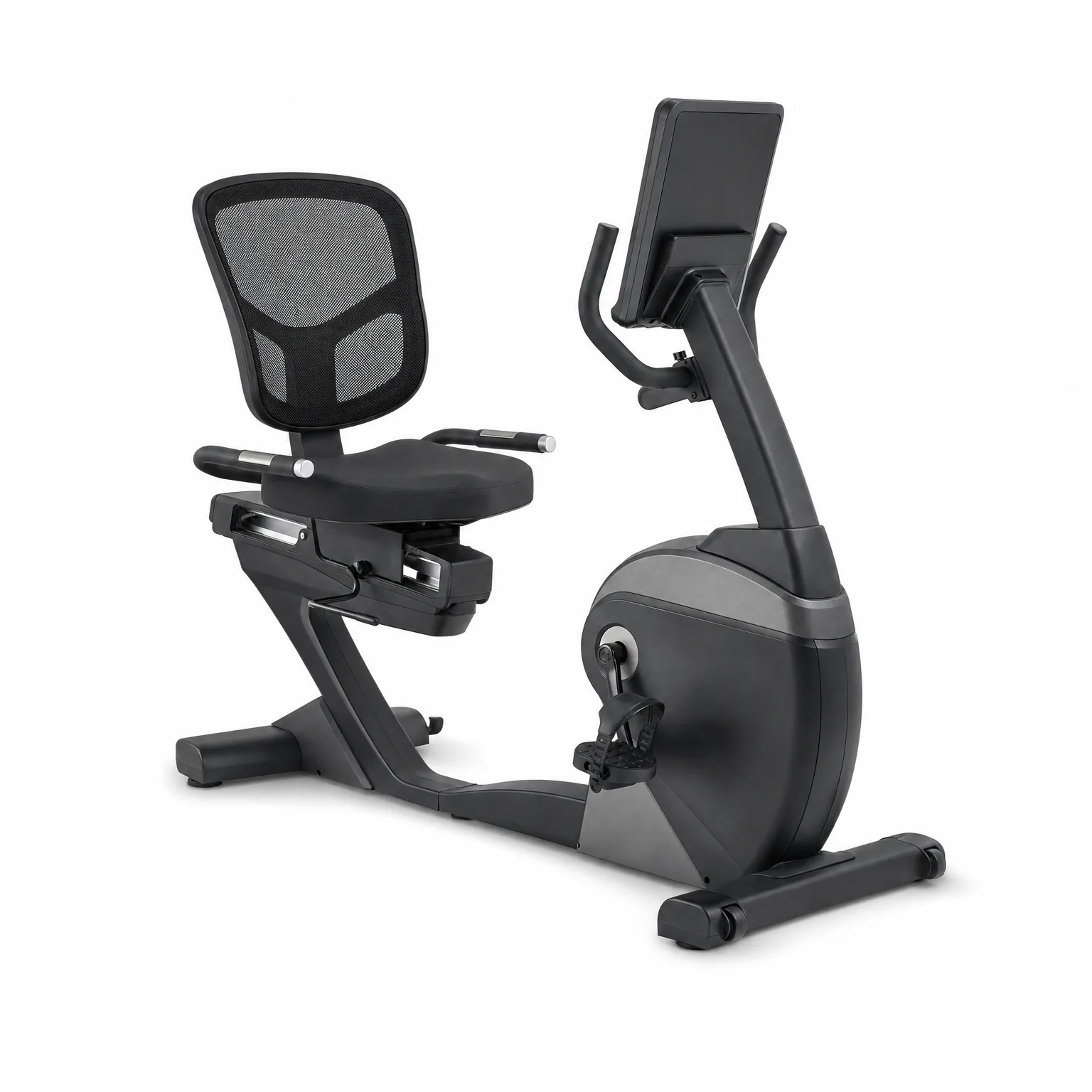
A stationary bike with a wide seat, a backrest and pedals out in front. The most supported way to do seated cardio. -
Upright bike
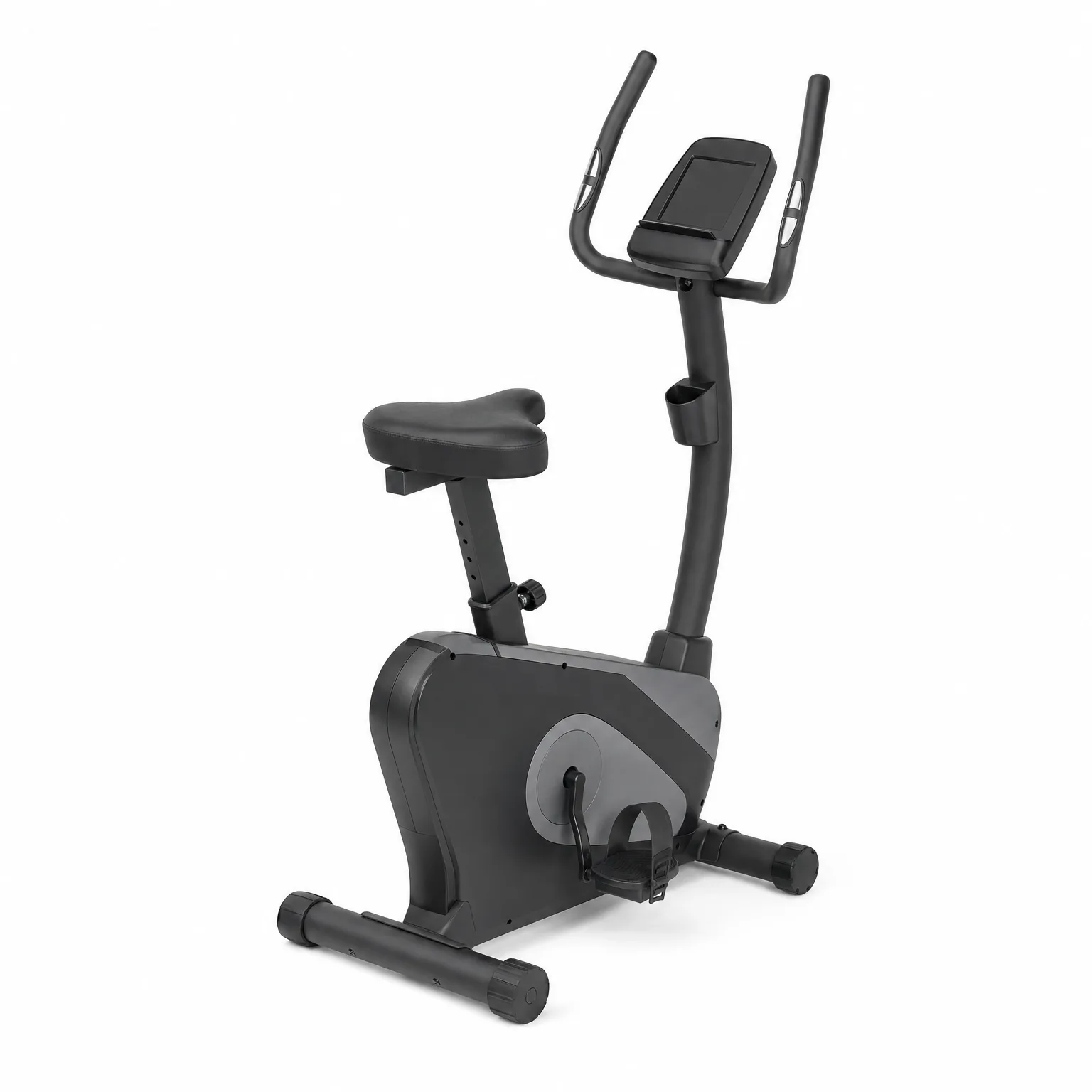
The classic stationary bike: wide saddle, high handlebars, a console and resistance levels. Made for comfortable seated cardio. -
Mini stepper
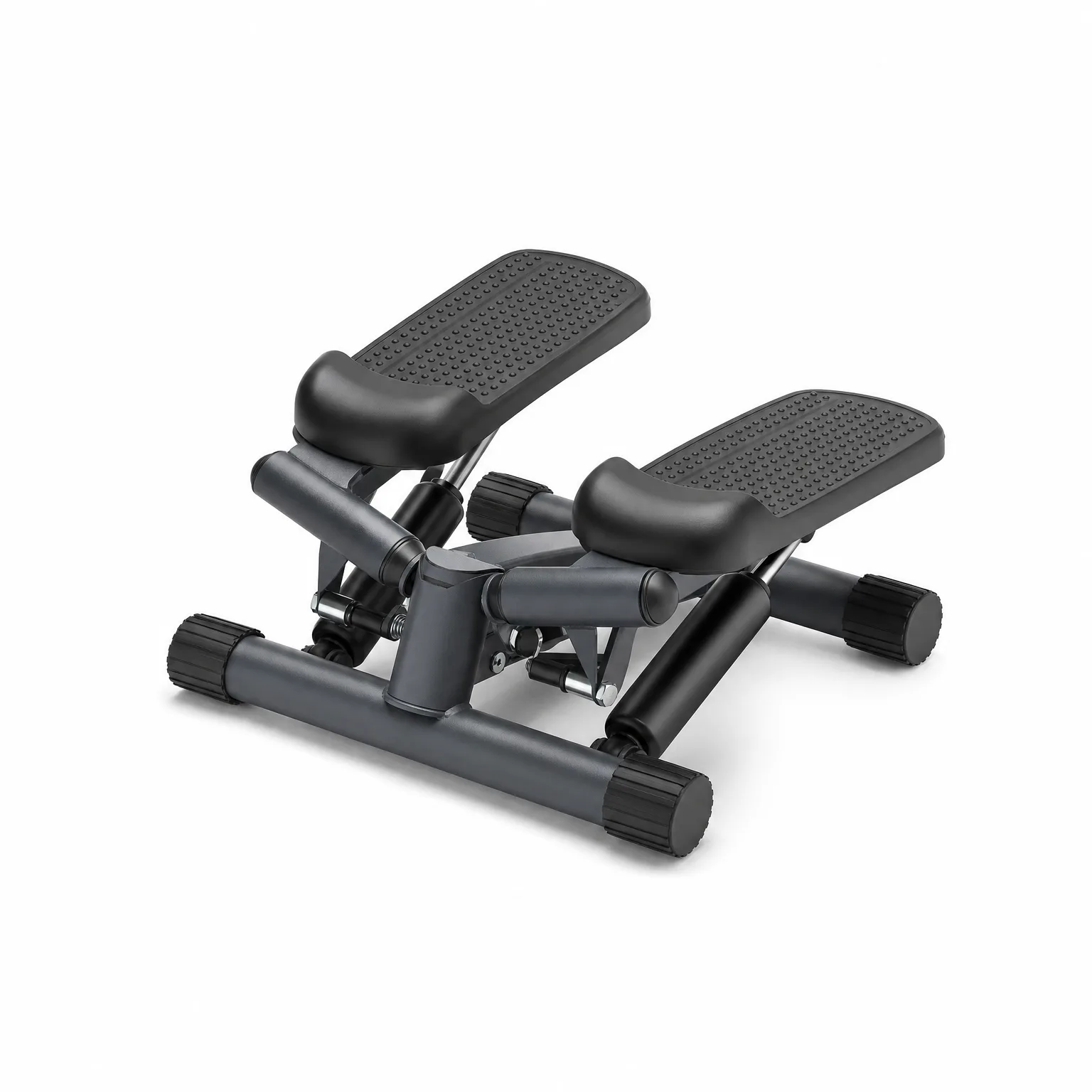
A small home machine with two pedals on hydraulic cylinders. You step in place to train the legs and raise the heart rate. -
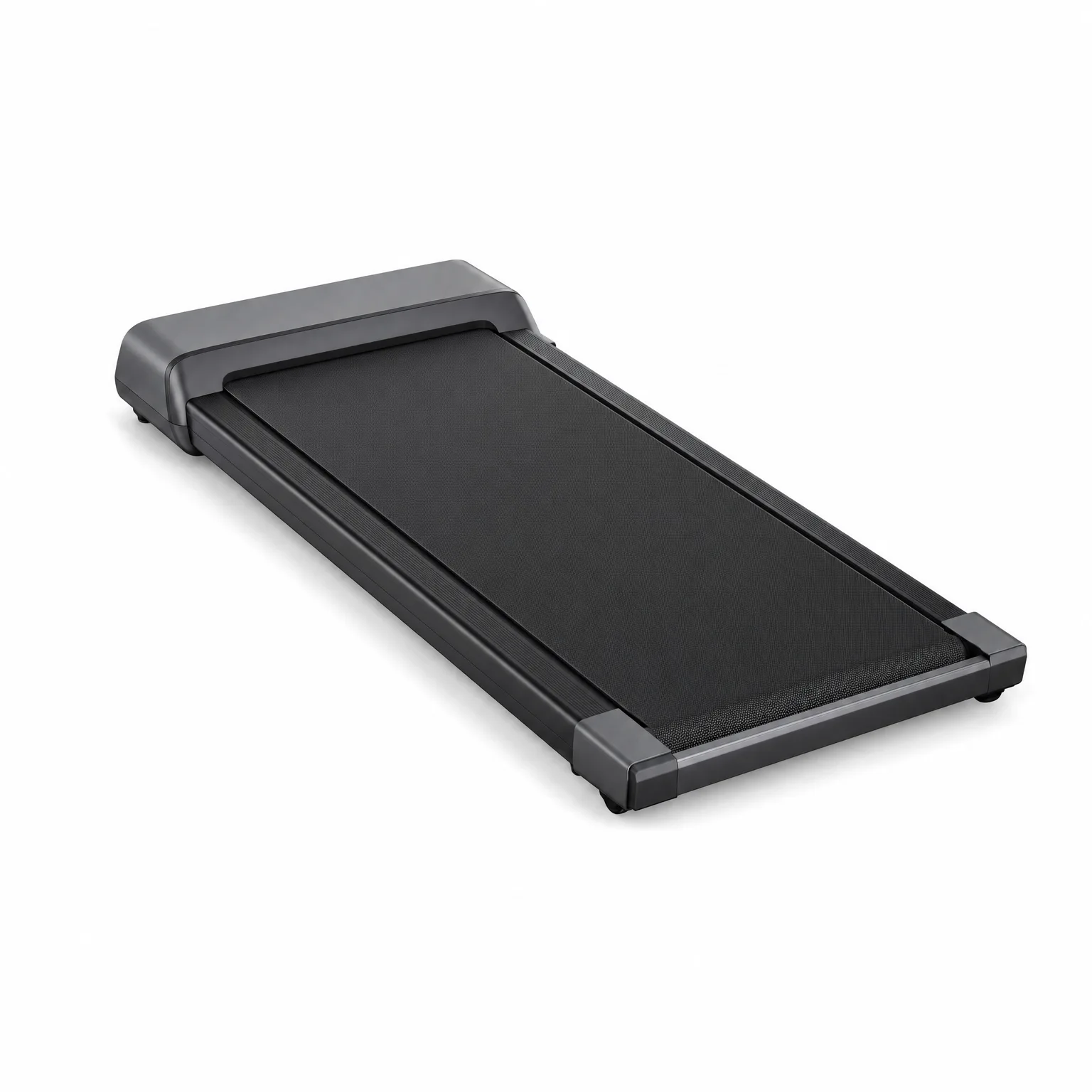
Walking pad
A flat, low-speed treadmill without a console or tall handrails. It slides under a standing desk or a sofa and is built for walking.
Often used with
-
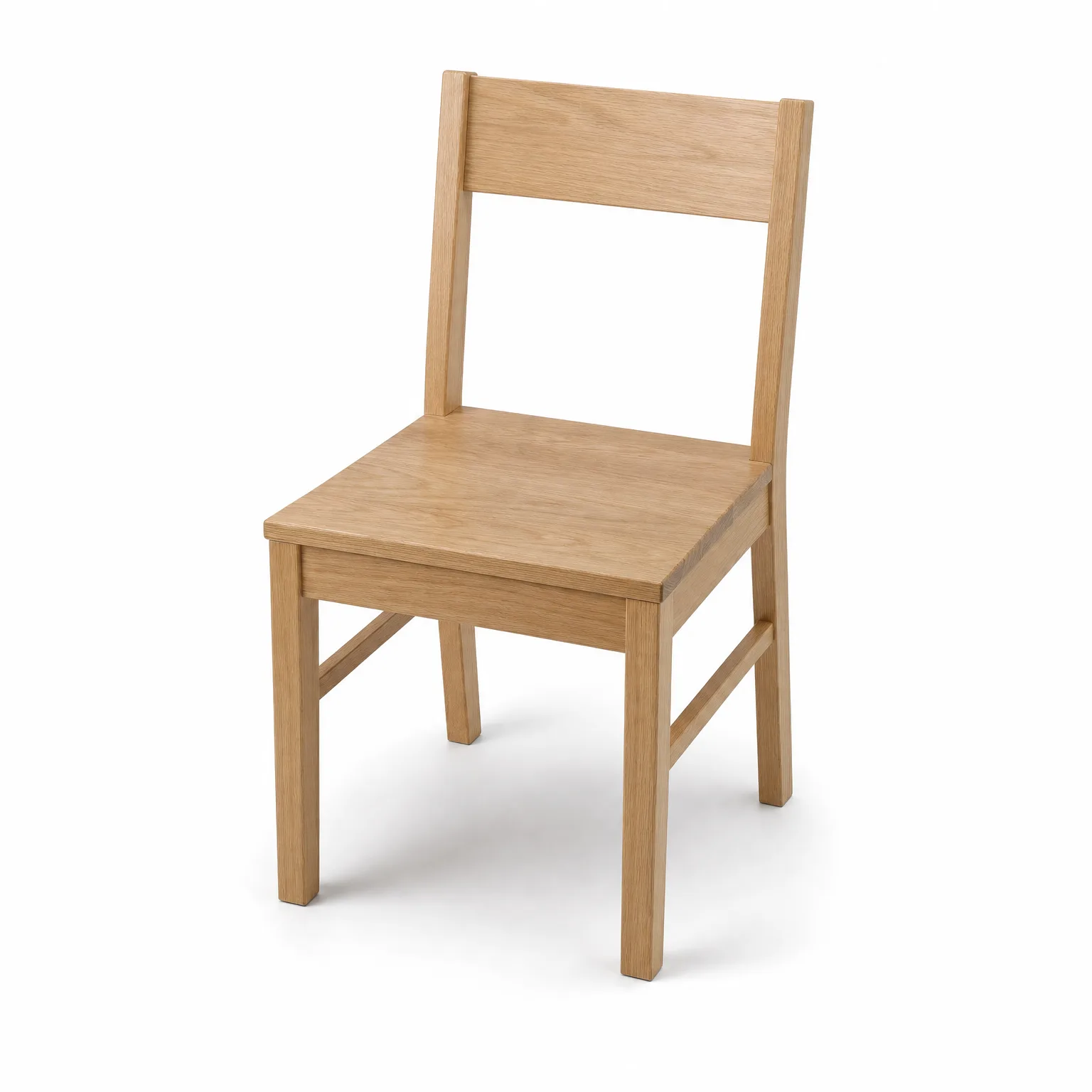
Chair
A sturdy household chair stands in for a bench, a low box or dip bars: sit-to-stands, step-ups, dips, split squats and incline push-ups. -

Exercise mat
A cushioned, non-slip surface for floor exercises, stretching and yoga. The first thing most people need to train at home. -
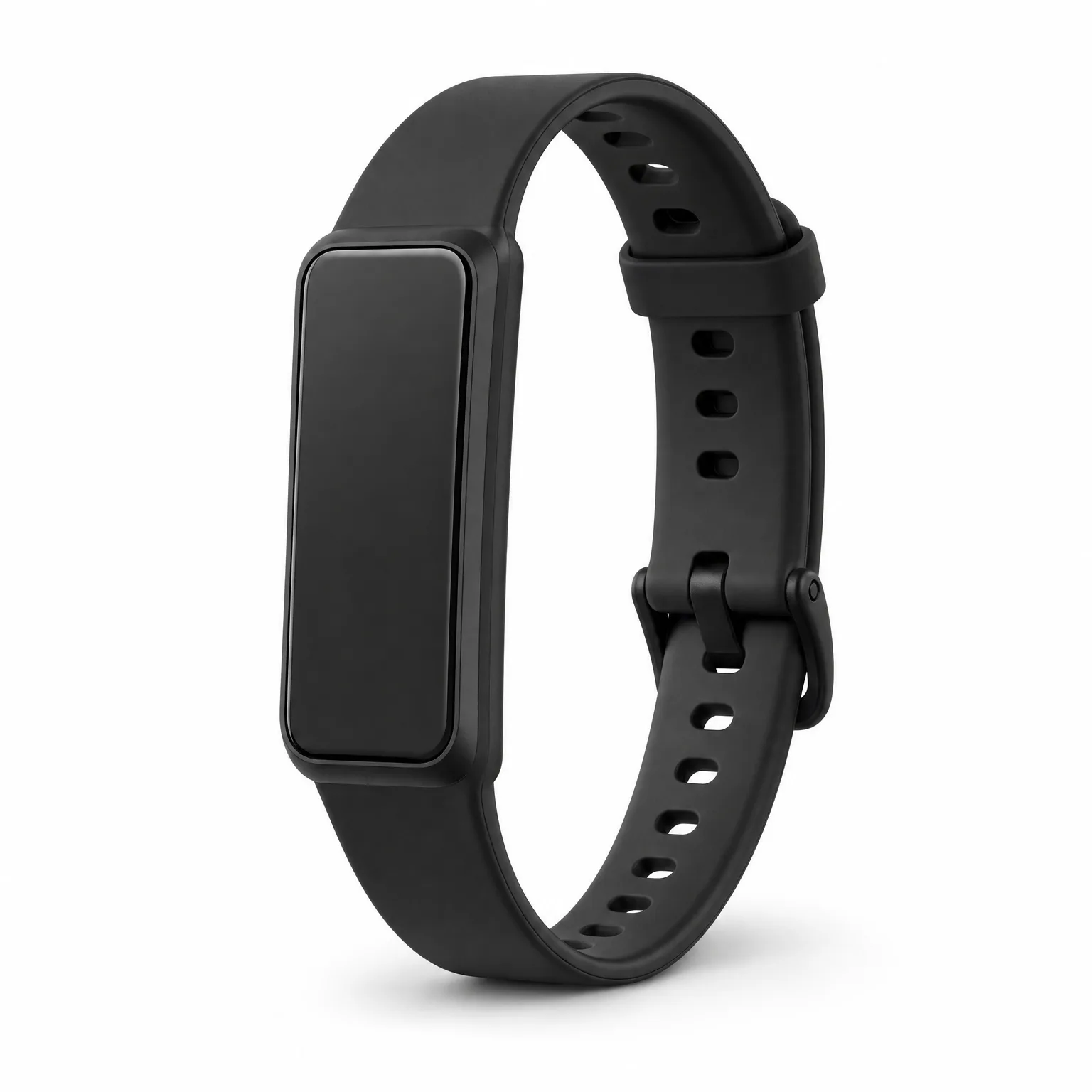
Fitness tracker
A wrist-worn band or watch that counts steps, logs workouts and estimates heart rate and sleep all day. Good for trends, approximate for detail.
Questions about pedal exerciser
Do pedal exercisers really work?
They work for what they are: light activity that replaces sitting still. They raise the heart rate a little and keep the legs or arms moving. They do not give the training effect of a full exercise bike, brisk walking or running.
Can you lose weight with an under-desk bike?
On its own, the effect is small, because the effort is low. It adds some movement to the day, which helps a little over months, but body weight depends mainly on diet and total activity. Treat it as a way to sit less still, not as a weight-loss tool.
Is a pedal exerciser good for seniors?
Many older adults use one because it is done from a chair and needs no balance. Use a stable chair, keep the resistance light and fix the unit so it cannot slide. Anyone recovering from surgery or with a medical condition should follow their doctor's or therapist's guidance.
Pedal exerciser vs exercise bike: what is the difference?
An exercise bike has a frame, a seat, handlebars and enough resistance for a real cardio session. A pedal exerciser is only the pedals: small, cheap and portable, used from your own chair at low effort. It can also be used for the arms, which a bike cannot.
How long should I use a pedal exerciser each day?
There is no fixed rule. Many people pedal for 10–30 minutes at a time, once or several times a day, at an easy effort. Start with 5–10 minutes and add time as it feels comfortable.
Build programs around what your client has
This guide comes from OnlineFitness.app, the app online coaches run their clients in.
Free for life for the first 100 coachesNo card