Treadmill
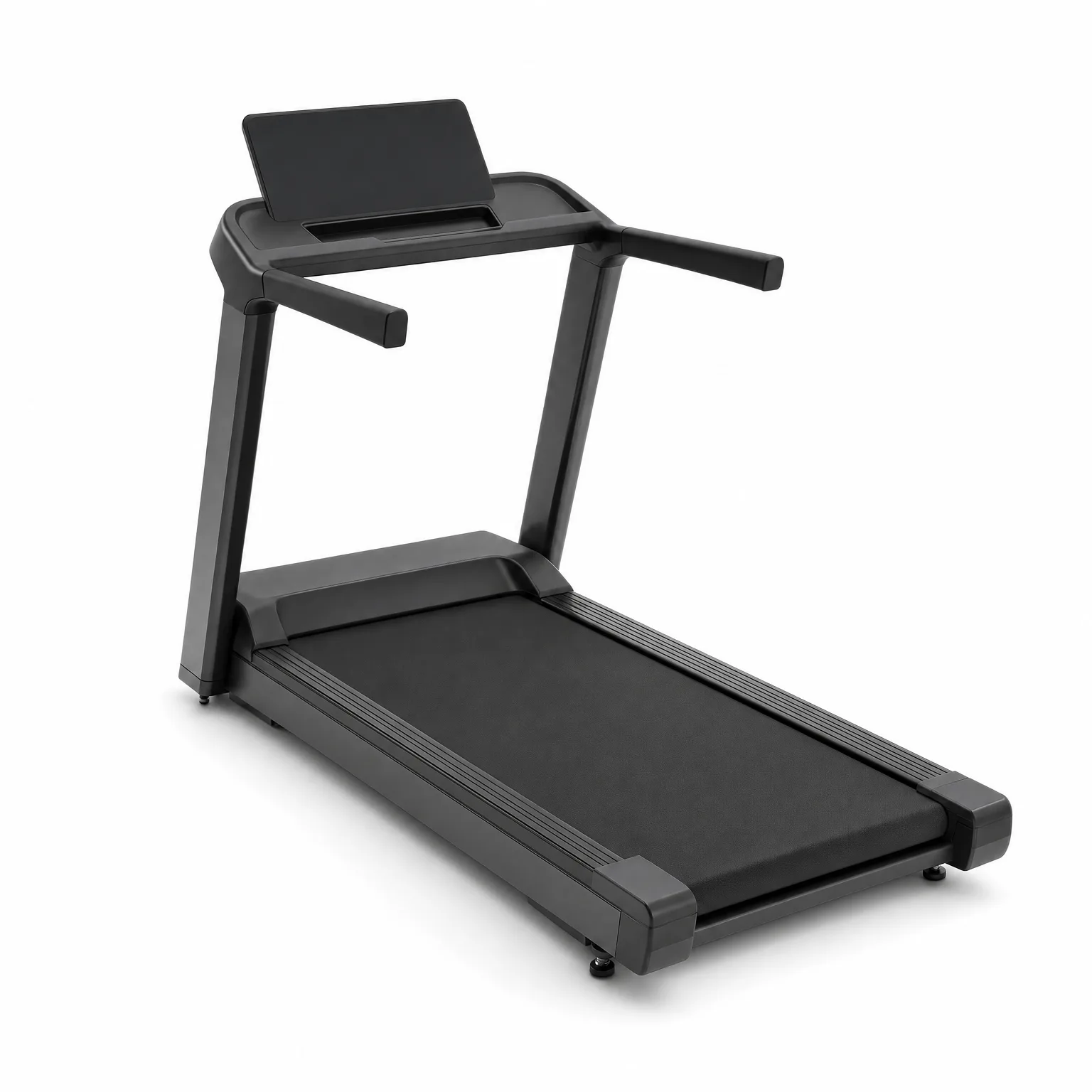
A moving belt for walking and running indoors. You set the speed and incline, so the pace stays exactly where you put it.
In short
A treadmill is a machine with a moving belt that lets you walk, jog or run in place. On most models a motor drives the belt at the speed you set, and the deck tilts to imitate a hill. It is used for steady cardio, interval training and walking when the weather or the time of day rules out going outside.
It suits almost everyone, because the first setting is a slow walk. The legs do the work: quads, hamstrings, glutes and calves, with more demand on the glutes and calves as the incline goes up.
- Category
- Cardio
- Where
- Home, Gym
- Level
- Beginner and up
- Space
- Needs a dedicated area
- Typical sizes
- Belt 40–56 cm (16–22 in) wide and 120–160 cm (47–63 in) long; speeds up to 16–20 km/h (10–12 mph)
- Also called
- running machine, running treadmill, motorized treadmill, folding treadmill, incline treadmill, curved treadmill
Muscles it works
- Main
- Quads, Hamstrings, Glutes, Calves
- Also works
- Tibialis anterior, Abs
What it is used for
- Steady walking or running at a fixed, repeatable pace
- Incline walking that raises the effort without running
- Intervals with exact speeds and work times
- Warm-ups before strength training
- Building up running volume indoors in bad weather
Types
Motorized. The standard type. A motor moves the belt at the set speed and a second motor changes the incline.
Folding. A home treadmill whose deck lifts and locks upright to save floor space. The belt is often shorter and narrower than on gym models.
Curved manual. No motor. Your stride moves a curved slatted belt, so the belt speeds up and slows down with you. Common for sprints and takes a few sessions to get used to.
Incline trainer. A treadmill with a much steeper incline range than usual, built for uphill walking rather than fast running.
How to choose
Match the belt to how you will use it
Walking works on a short, narrow belt. Running needs room for a full stride: look for a belt about 50 cm (20 in) wide and 140 cm (55 in) long or more, and longer still if you are tall or run fast.
Check the top speed and incline
If you only walk, almost any model is fast enough. For running, make sure the top speed is above your fastest interval pace, and that the incline is motorized so you can change it without stopping.
Measure the space, including behind it
Leave clear floor behind the belt, at least a body length, and check the ceiling height: you stand 15–25 cm (6–10 in) above the floor and rise further at full incline.
Read the manufacturer's ratings
The rated user weight and the intended use (walking, jogging, running) are set by the manufacturer and differ a lot between models. Pick one rated for your weight and for the pace you plan to hold.
How to start using it
- Start from the side rails. Stand with your feet on the rails on either side of the belt, clip the safety key to your clothing, start the belt at a slow walk and then step on. Step back onto the rails the same way when you need to stop quickly.
- Find your walking and easy pace. Most people walk at 4–6 km/h (2.5–3.7 mph) and jog easily somewhere around 7–9 km/h (4.5–5.5 mph). Start below what you think you can do and raise the speed in small steps every minute.
- Stay in the middle of the belt. Look ahead, not at your feet or the console. Keep a short gap to the front of the machine and let your arms swing freely, as they would outside.
- Use incline as a second dial. Raising the incline by a few percent makes walking much harder without the impact of running. Many runners set a 1% incline, a convention meant to make up for the missing air resistance. At easy paces the difference is small.
- Slow down before you stop. Finish with a couple of minutes at walking speed. The ground can feel as if it is still moving when you step off, so hold the rail as you get down.
Common mistakes
Holding the handrails while walking uphill
Leaning back on the rails at a steep incline takes much of the work off your legs, so the numbers on the screen no longer match what you did. Lower the incline or speed until you can walk hands-free.
Jumping on at full speed
Starting the belt fast and hopping on is an easy way to fall. Always start slow and build up.
Overstriding
Reaching far forward with each step and landing heavily on the heel is common when the belt is set too fast. Shorten the stride and take quicker steps so the foot lands closer to under your body.
Drifting to the back
Running near the rear edge leaves no margin if you stumble. If you keep sliding back, the speed is too high for now.
Trusting the readout too much
Distance and effort figures are estimates and differ between machines. Compare your sessions on the same treadmill rather than across different ones.
What to use instead
Walking or running outside is the direct replacement. Indoors, a walking pad covers walking at low speeds, an elliptical gives a similar leg pattern without the landing, and a stair climber or a flight of stairs at home replaces incline walking. For short, hard intervals without a machine, a jump rope does the job in very little space.
-
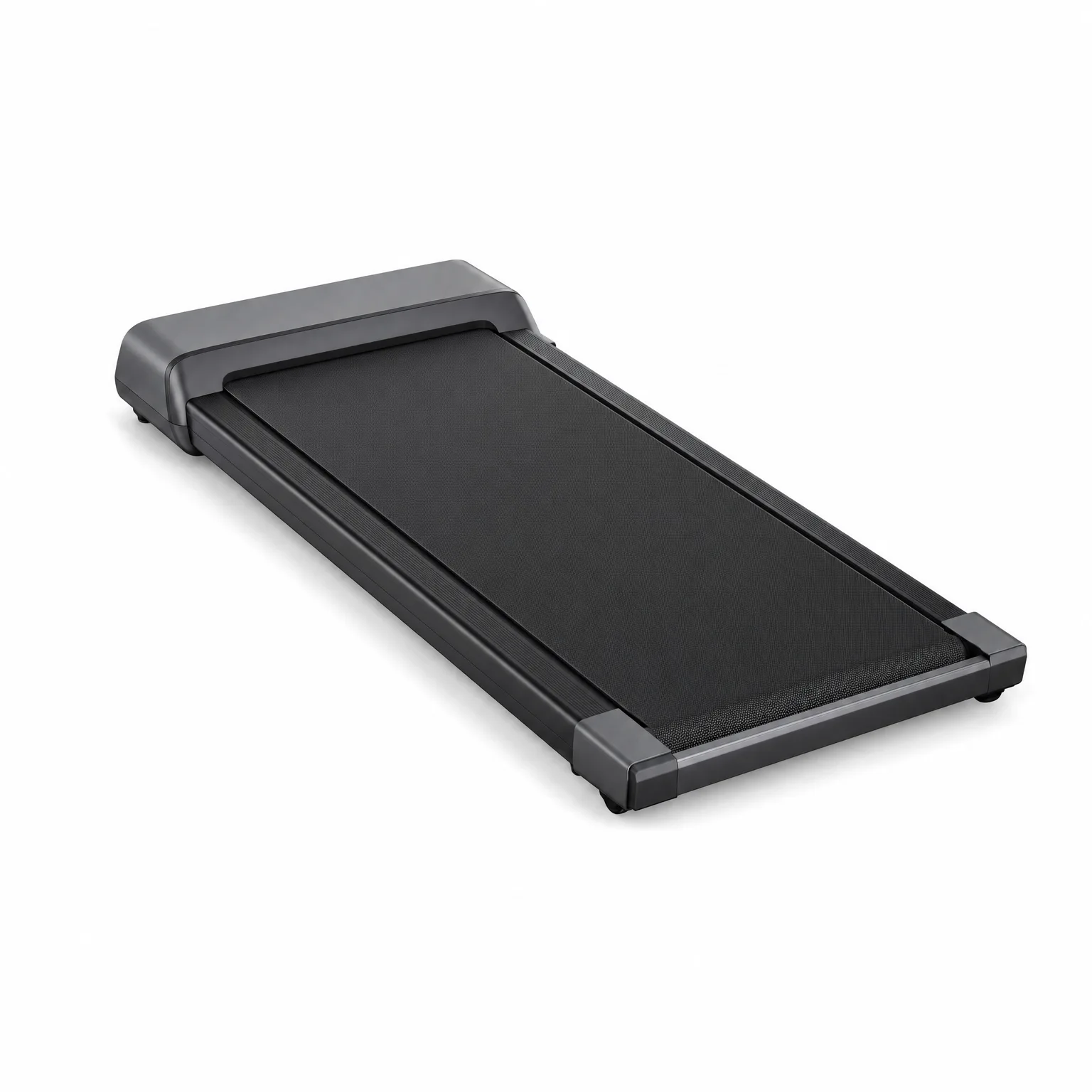
Walking pad
A flat, low-speed treadmill without a console or tall handrails. It slides under a standing desk or a sofa and is built for walking. -
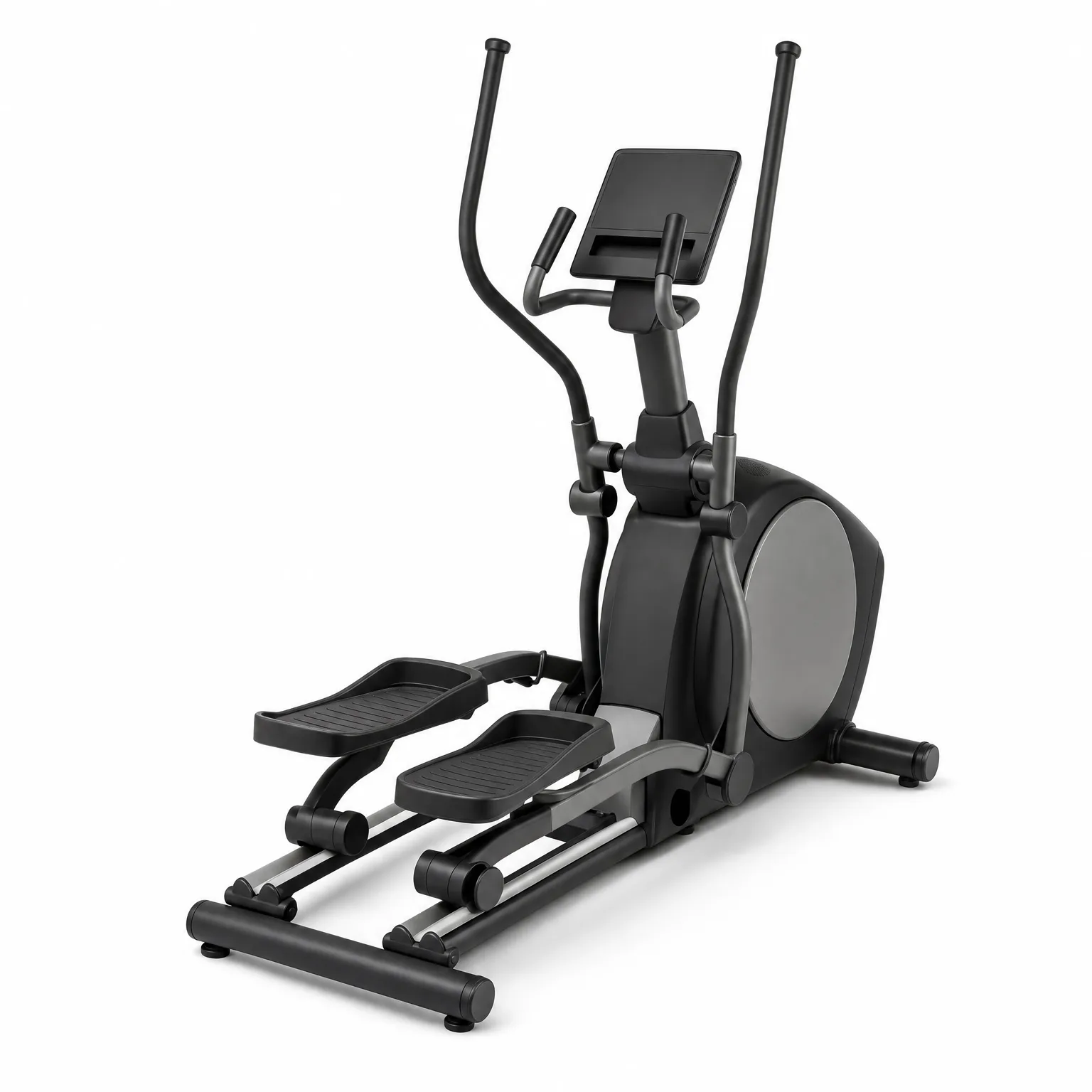
Elliptical
A standing cardio machine with two pedals that travel in an oval path and handles that move with them. Your feet never leave the pedals. -
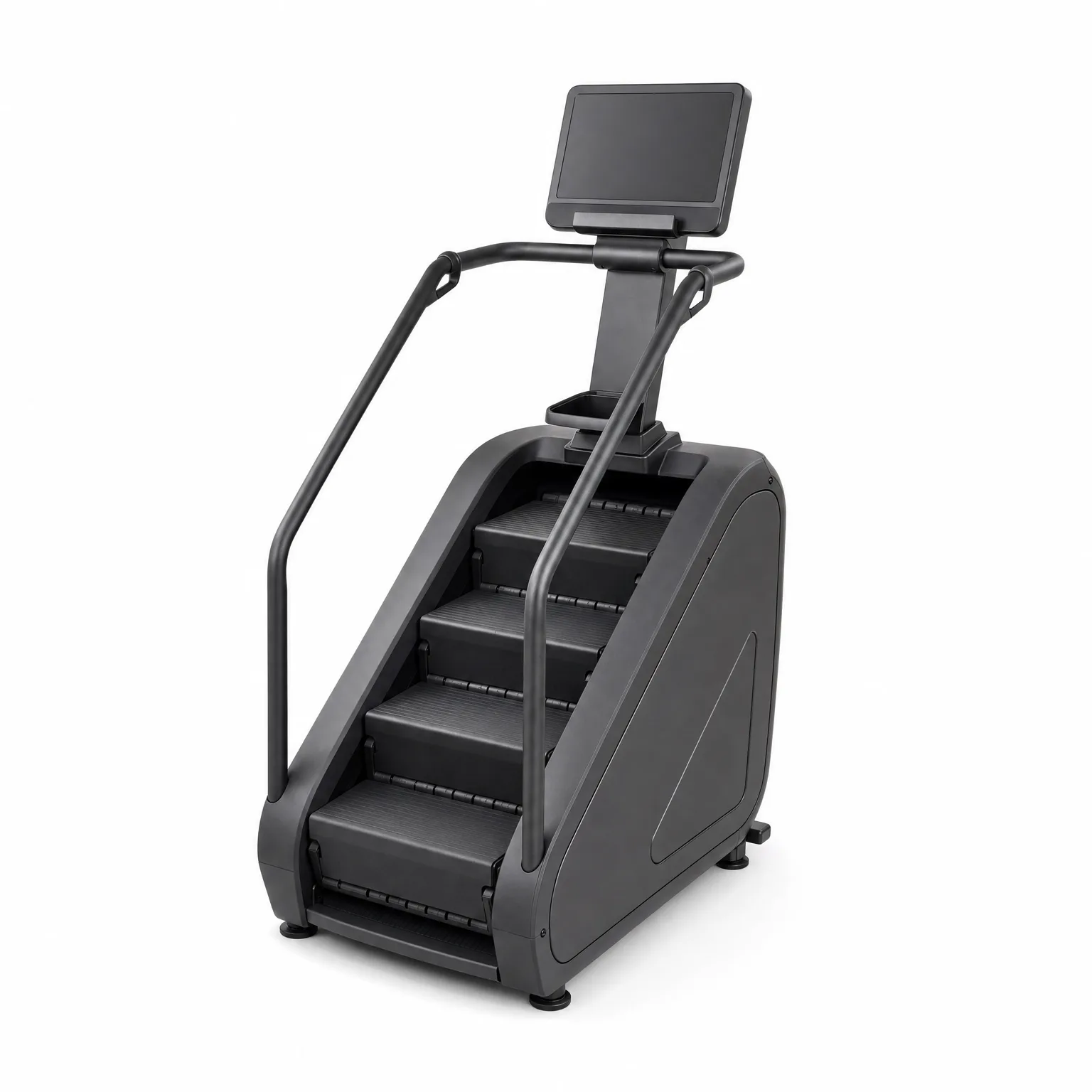
Stair climber
A gym machine that imitates climbing stairs, either with a revolving staircase or with two pedals. It works the glutes, quads and calves. -
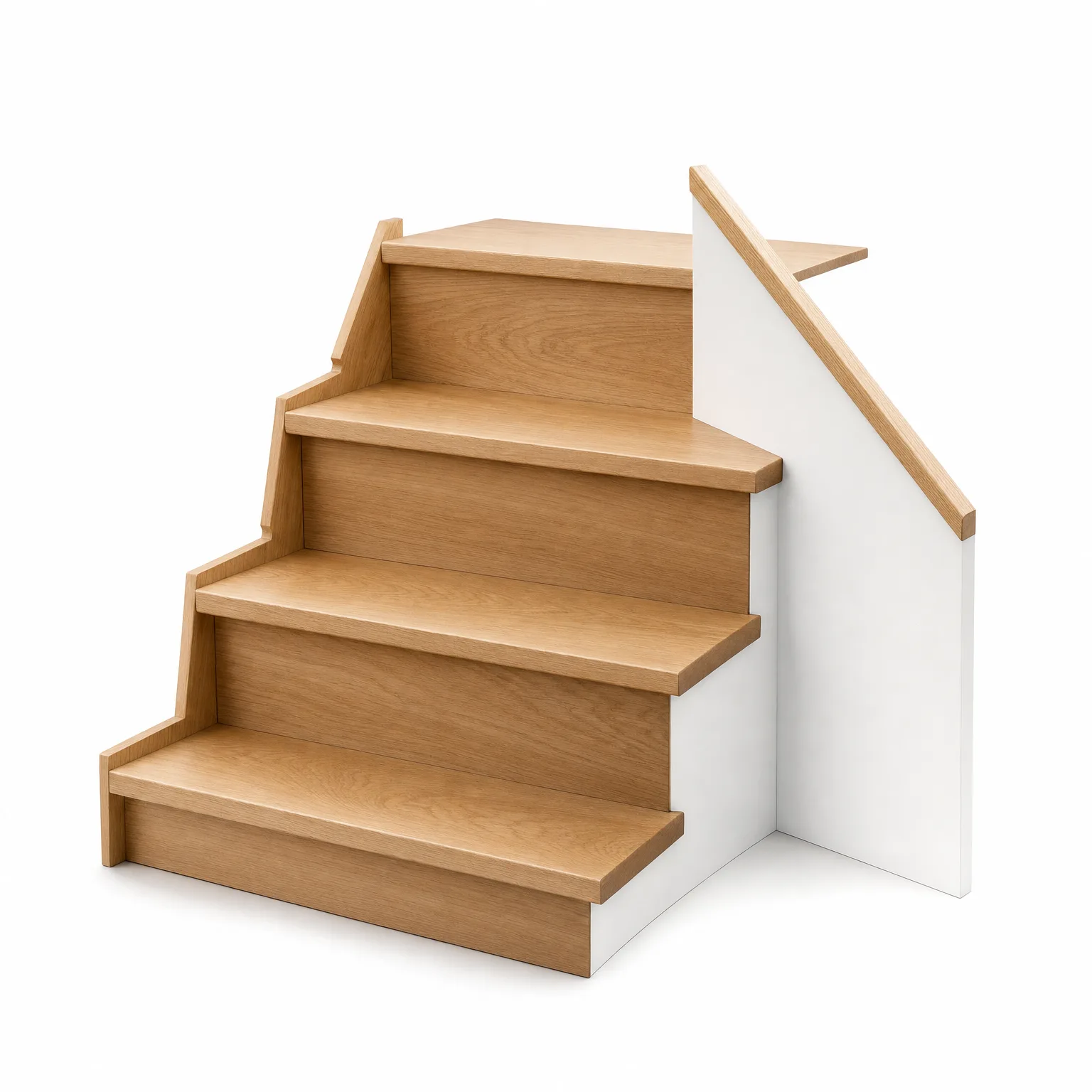
Stairs
A staircase or a single step replaces a step platform, a low plyo box and a stair climber: step-ups, calf raises and stair climbing.
Often used with
-
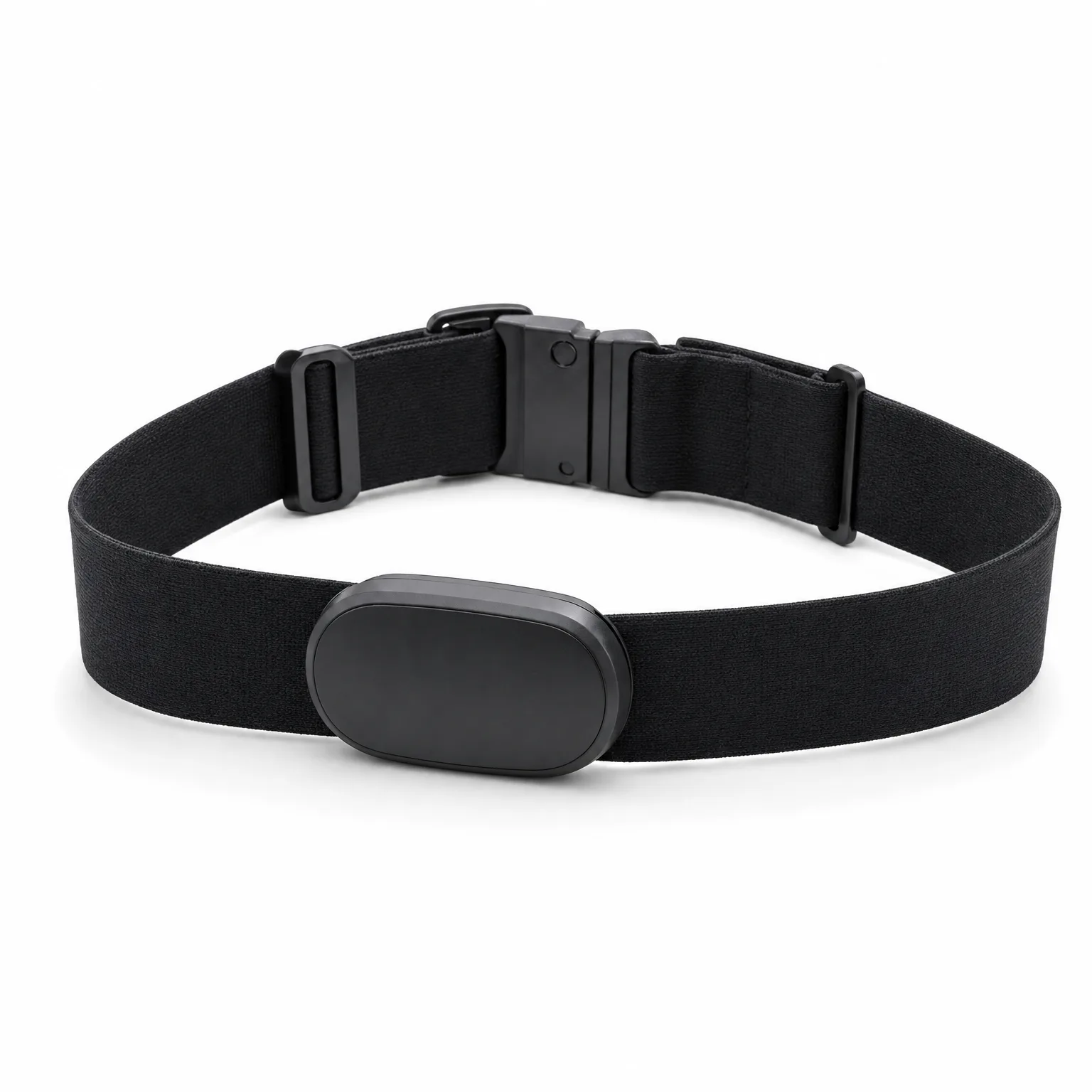
Heart rate monitor
A chest strap or armband that measures heart rate during exercise and sends it to a watch, phone or cardio machine in real time. -
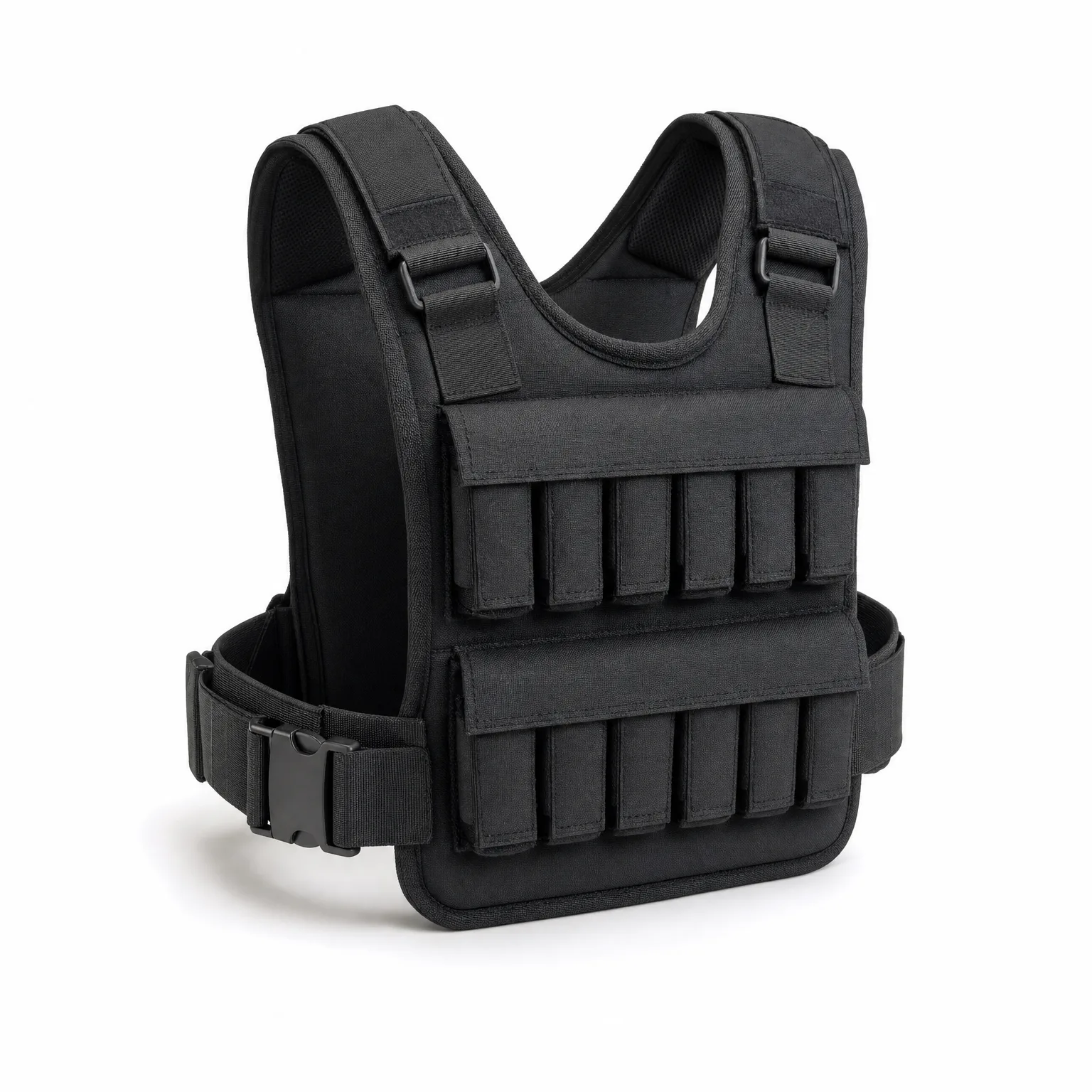
Weighted vest
A vest that carries extra weight on the torso. It makes push-ups, pull-ups, squats, walking and stair climbing harder with free hands. -
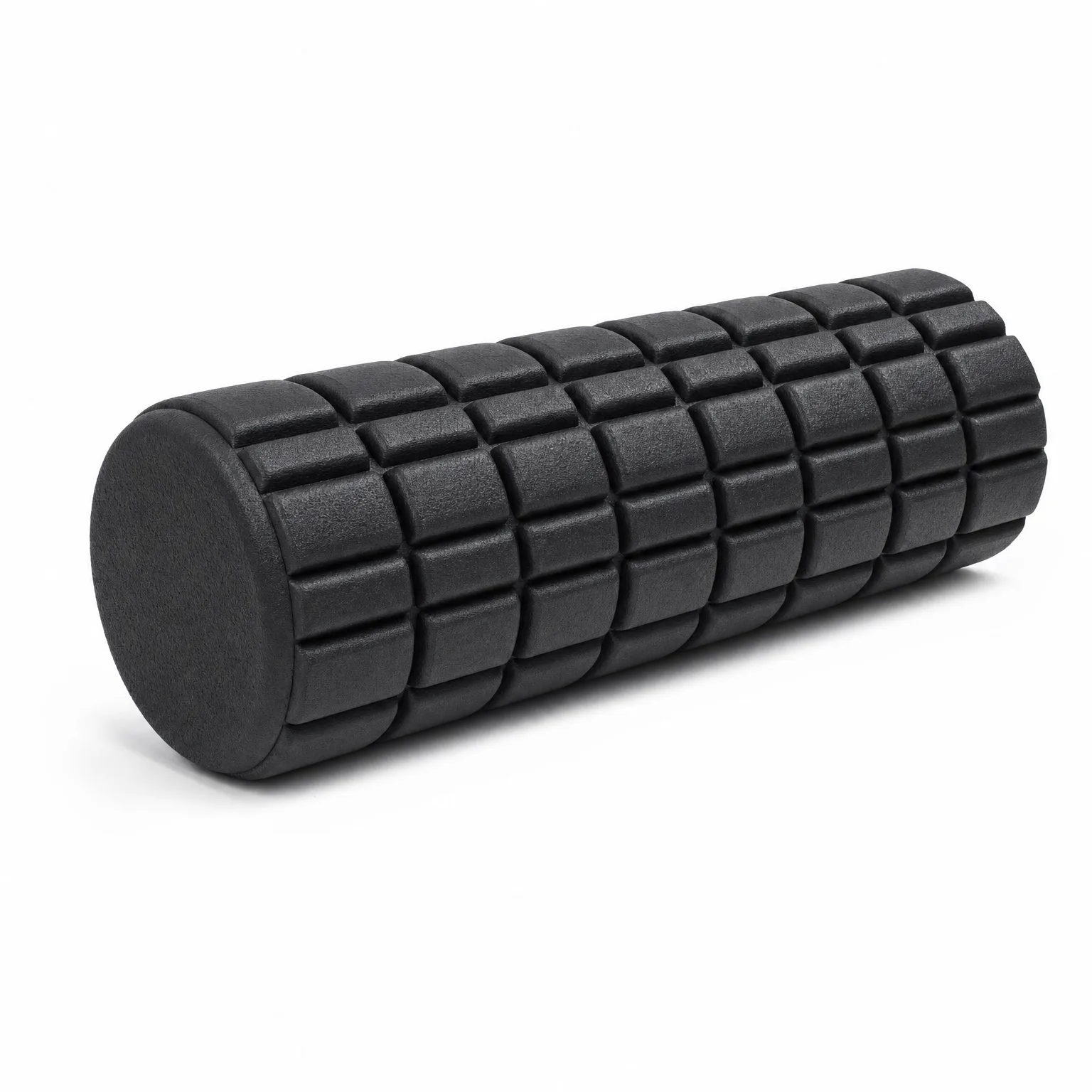
Foam roller
A firm foam cylinder you lie on and roll along a muscle for self-massage, usually during a warm-up or after training.
Questions about treadmill
Is running on a treadmill the same as running outside?
It is close but not identical. The belt gives an even surface with no wind, turns or hills unless you add incline, and at the same pace the effort is similar, though one or the other can feel harder to you. Fitness carries over well in both directions. If you are training for an outdoor race, do some of your running outside to get used to the ground and the weather.
What incline should I use on a treadmill?
For easy running, 0–1% is fine. For walking workouts, 3–8% raises the effort a lot while the speed stays comfortable. Steeper settings work too, as long as you can keep your hands off the rails.
What speed is walking, jogging and running on a treadmill?
As a rough guide, walking is about 3–6 km/h (2–3.7 mph), jogging about 7–9 km/h (4.5–5.5 mph) and running anything faster. The right numbers depend on your leg length and fitness, so go by how hard it feels: you should be able to talk in short sentences at an easy pace.
How long should a beginner walk or run on a treadmill?
Start with 15–20 minutes of brisk walking, three times a week, and add a few minutes each week. To begin running, alternate one minute of jogging with two minutes of walking and lengthen the jogging parts gradually.
Build programs around what your client has
This guide comes from OnlineFitness.app, the app online coaches run their clients in.
Free for life for the first 100 coachesNo card