Stairs
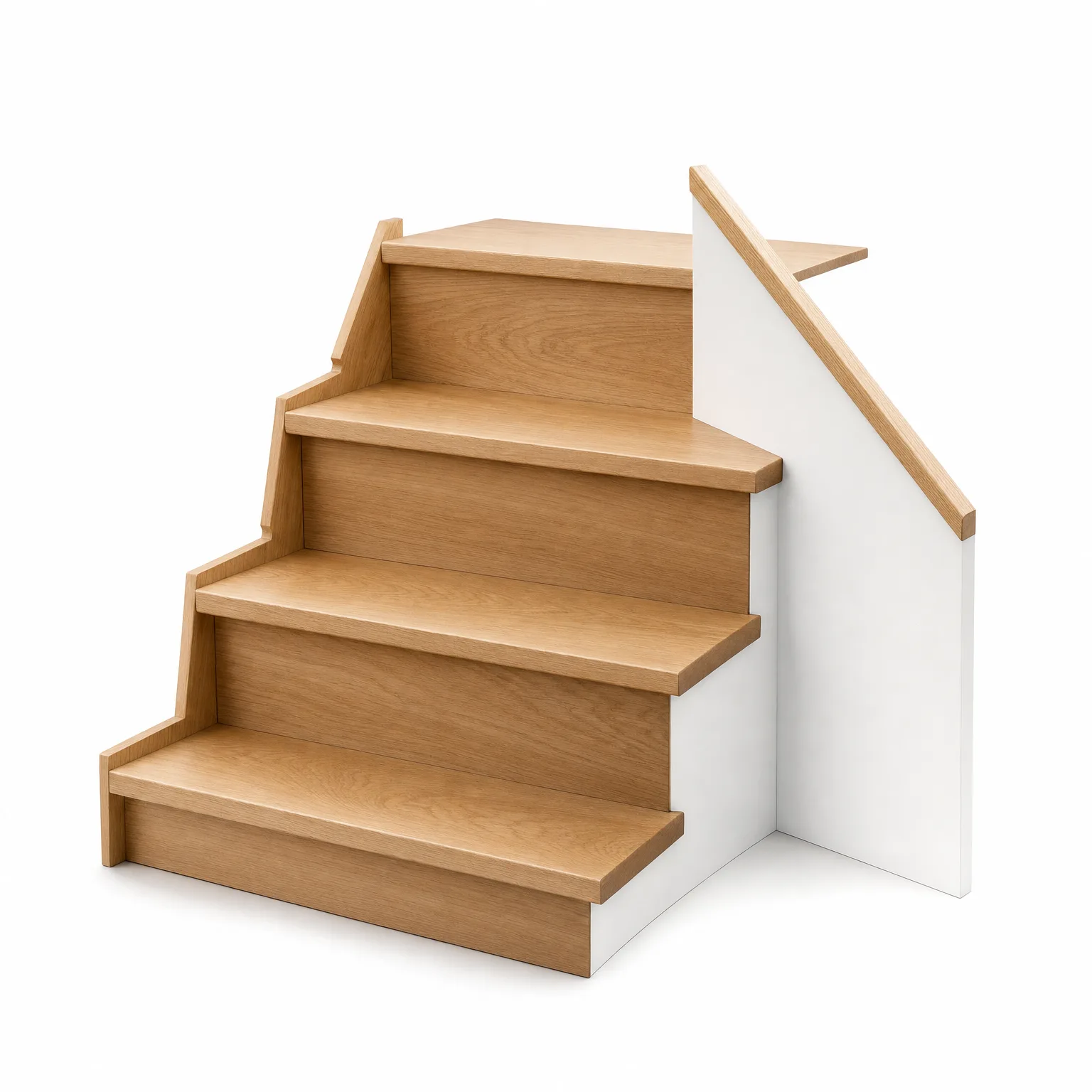
A staircase or a single step replaces a step platform, a low plyo box and a stair climber: step-ups, calf raises and stair climbing.
In short
A flight of stairs, or just the bottom step, is ready-made training equipment. One step is a fixed platform for step-ups, calf raises with a full stretch, incline push-ups and raised-foot lunges. A whole flight is a cardio tool: walking or running up it works the legs and raises the heart rate quickly.
Stairs stand in for a step platform, a low plyo box and a stair climber machine. They suit beginners, who can start with slow step-ups while holding the handrail, and fit people, who can climb two steps at a time or carry a loaded backpack. They are found at home, in most buildings and outdoors.
- Category
- Everyday items
- Where
- Home, Outdoors, Travel
- Level
- Beginner and up
- Space
- Needs a corner of a room
- Typical sizes
- A typical indoor step is about 15–20 cm (6–8 in) high; two steps give roughly 30–40 cm (12–16 in)
- Also called
- staircase, stair workout, stair climbing, single step, bottom step, steps
What it is used for
- Step-ups and lateral step-ups on the bottom step
- Calf raises with the heels hanging off the edge of a step
- Stair climbing for cardio: steady walks or intervals up a flight
- Incline push-ups with the hands on a step, decline with the feet on one
- Split squats and lunges with the front or back foot raised
How to choose
Pick the step height for the exercise
One step, about 15–20 cm (6–8 in), suits calf raises, fast step-ups and beginners. The second step, about 30–40 cm (12–16 in), gives a deeper step-up that works the thighs and glutes harder. Choose a height where you can stand up without pushing off the back foot.
Look for a deep, grippy tread
Your whole foot should fit on the step for step-ups. Bare wood, tile and worn stone can be slippery, especially in socks. Carpeted or textured steps grip better. Check that any carpet or runner is fixed down and not loose.
Use stairs with a handrail
A rail or a wall within reach makes balance exercises safer and lets beginners take some weight through the hand. For calf raises and one-leg work it is close to essential.
Choose a clear, well-lit flight for climbing
For repeated climbs, use a straight flight with even steps, good light and nothing stored on it. Outdoor steps should be dry and free of leaves, moss and ice. Avoid busy stairwells where people come around corners.
How to start using it
- Start with step-ups on the bottom step. Place the whole of one foot on the step. Lean slightly forward, push through that foot to stand tall on the step, then lower the other foot back to the floor slowly. Do all the reps on one leg, then switch. Hold the rail lightly if you need it.
- Do calf raises on the edge. Stand with the balls of both feet on a step and the heels hanging off, one hand on the rail. Lower the heels below the step, then rise as high as you can. Take about two seconds each way.
- Climb at a steady pace first. For cardio, walk up one flight at a pace you can repeat, walk down to recover and go again. Start with 5–10 minutes. Add flights, climb faster or take two steps at a time as it gets easier.
- Come down under control. Always walk down, facing forward, with the whole foot on each step. Going down loads the thigh muscles in a braking action that causes most of the soreness in the following days, so build up the number of flights gradually.
Common mistakes
Pushing off the back foot
Bouncing off the floor to get up turns a step-up into a hop and takes the work away from the front leg. Keep the back foot light and let the leg on the step do the lifting.
Only the toes on the step
In step-ups and climbing, a foot that is half off the step can slip and puts the load on the calf instead of the thigh and glute. Plant the whole foot. The heels hang off only for calf raises.
Running or jumping down
Stair falls are more common going down than going up. Sprint up if you like, but walk down every time, and do not jump down several steps.
Training in socks or on a wet surface
Socks on smooth steps and damp outdoor stairs are slippery. Wear shoes with grip, or go barefoot indoors on a dry, non-slip surface.
Jumping onto narrow steps when tired
A stair tread is shallow, and missing it means catching a shin on a hard edge. If you want jumps, use the bottom step only, land with the whole foot, and stop before fatigue makes the landings sloppy.
What to use instead
The equipment stairs stand in for: a step platform, which is adjustable in height and wide enough for aerobic step routines, a plyo box for higher step-ups and jumps on a large, stable top, and a stair climber or mini stepper for continuous climbing without the walk back down. With no stairs at home, a sturdy low stool, a curb or a park bench does the job of a single step.
-
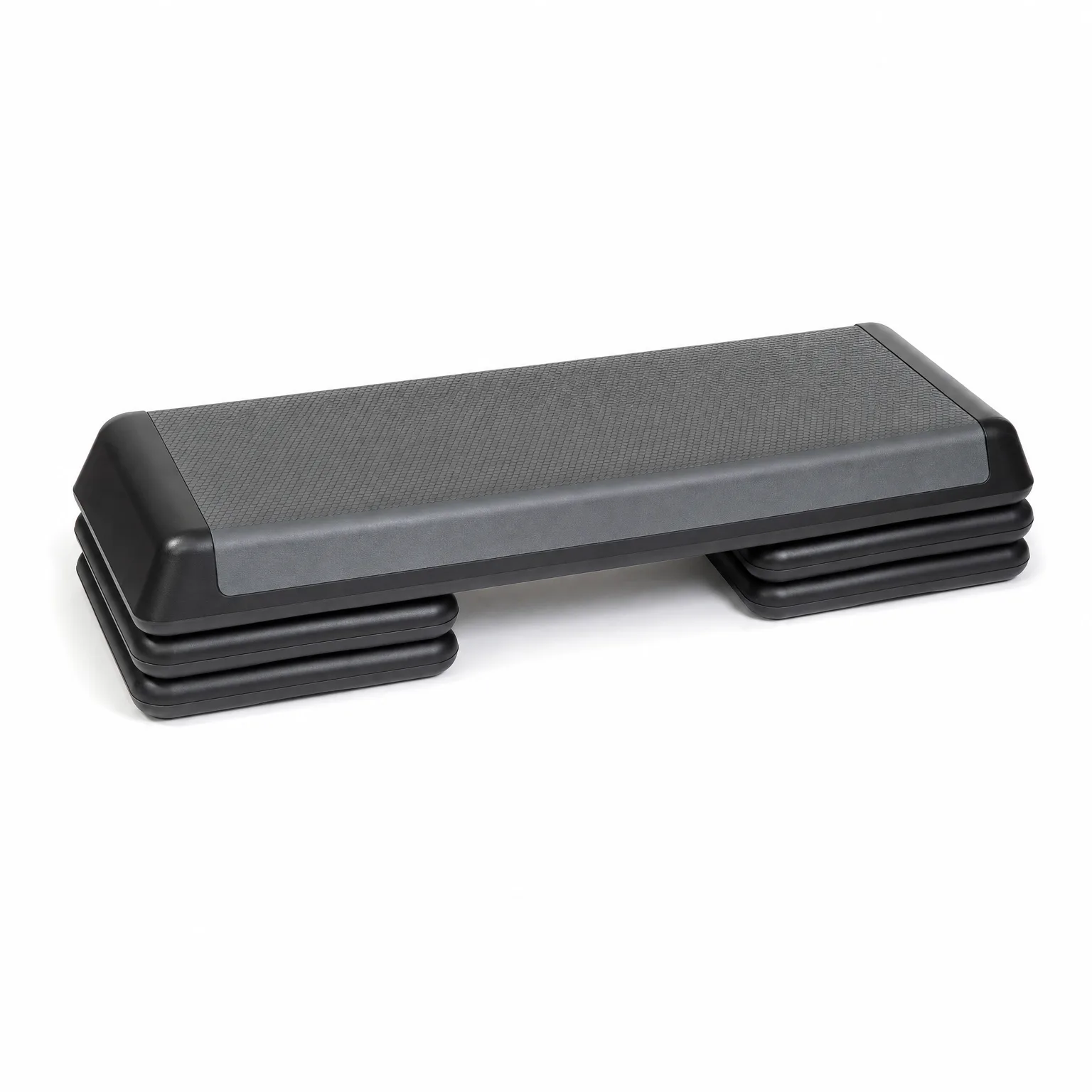
Step platform
A low, wide platform with removable risers. Used for step aerobics, step-ups, calf raises and as a low bench. -
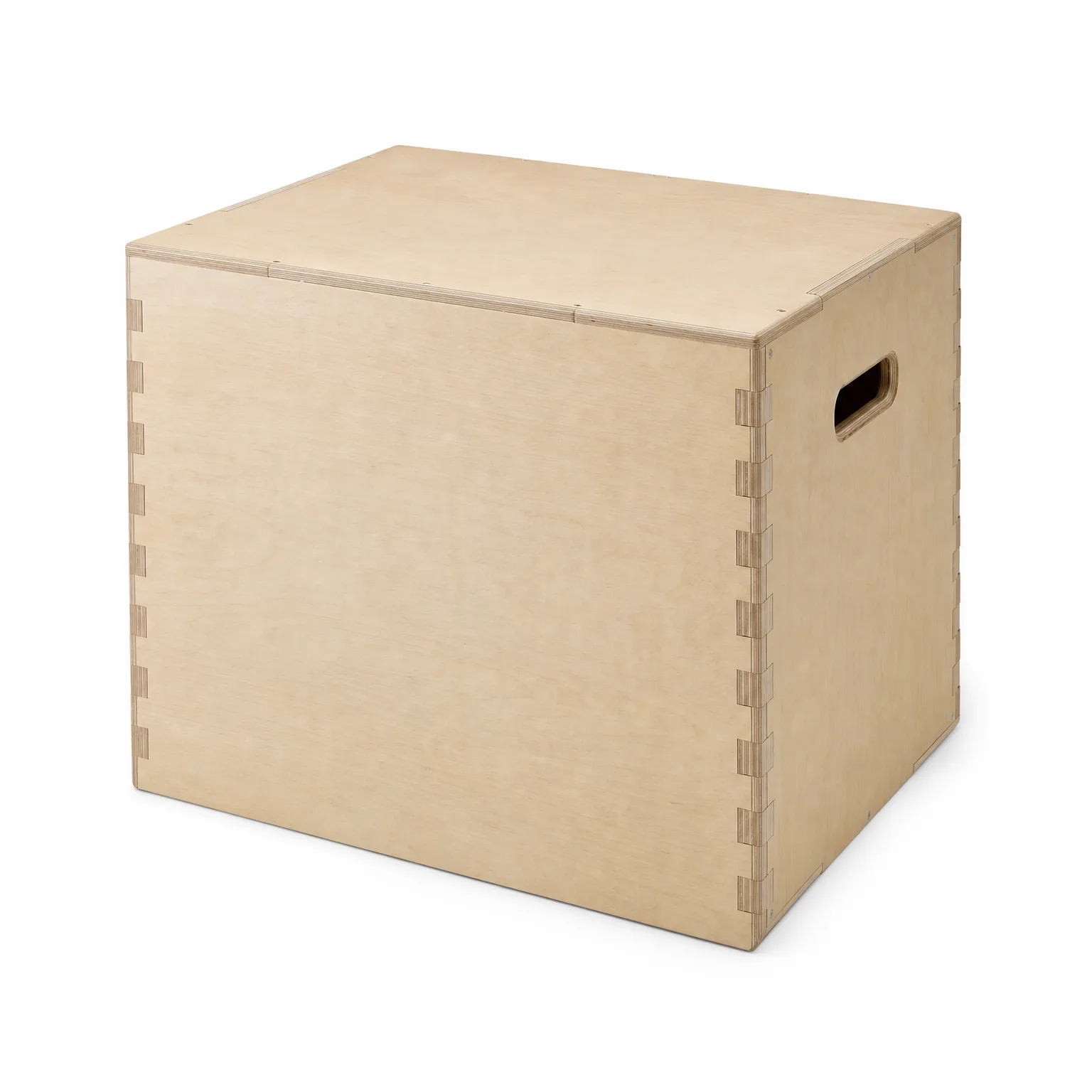
Plyo box
A sturdy box for jumping onto and stepping up on. Used for box jumps, step-ups, box squats and raised push-ups. -
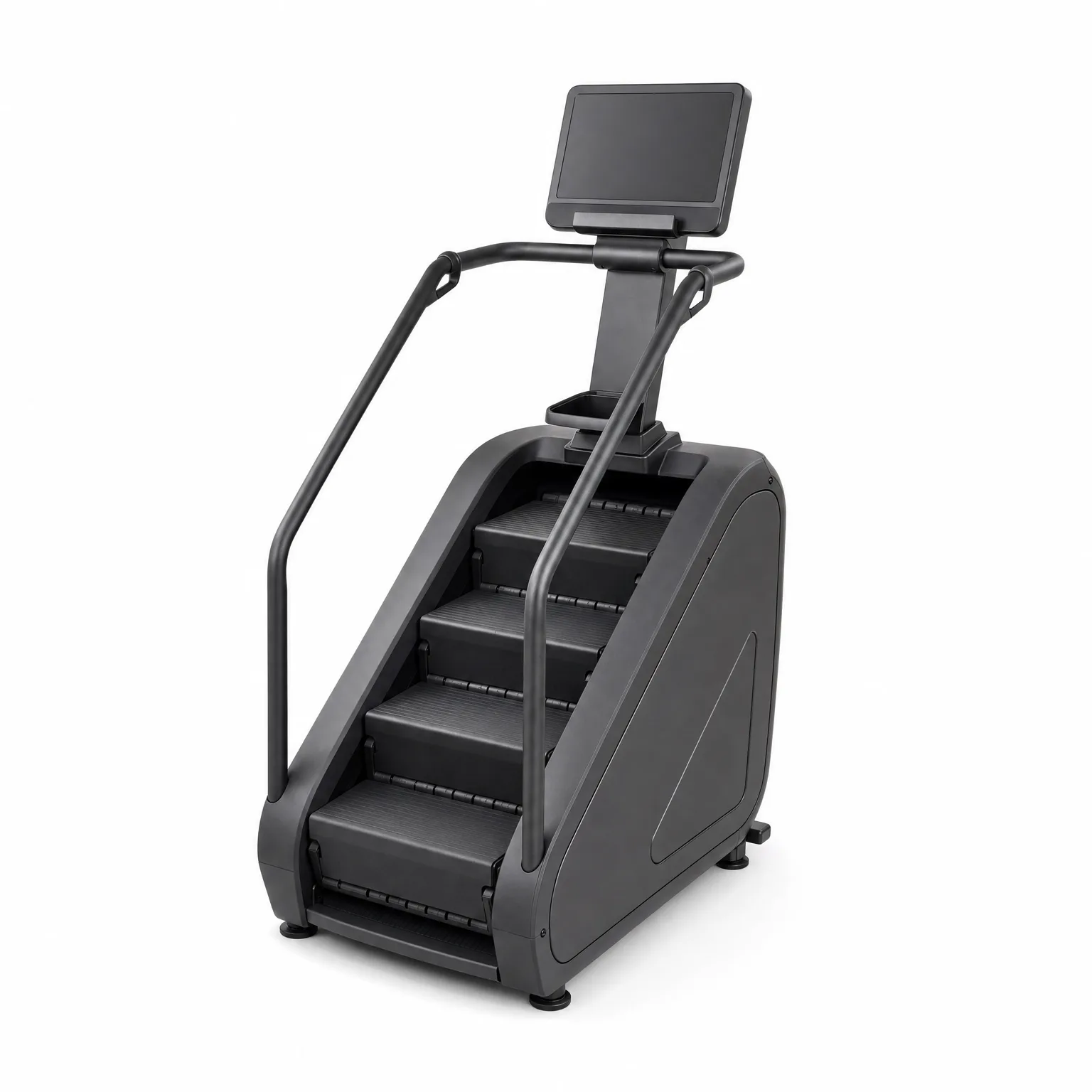
Stair climber
A gym machine that imitates climbing stairs, either with a revolving staircase or with two pedals. It works the glutes, quads and calves. -
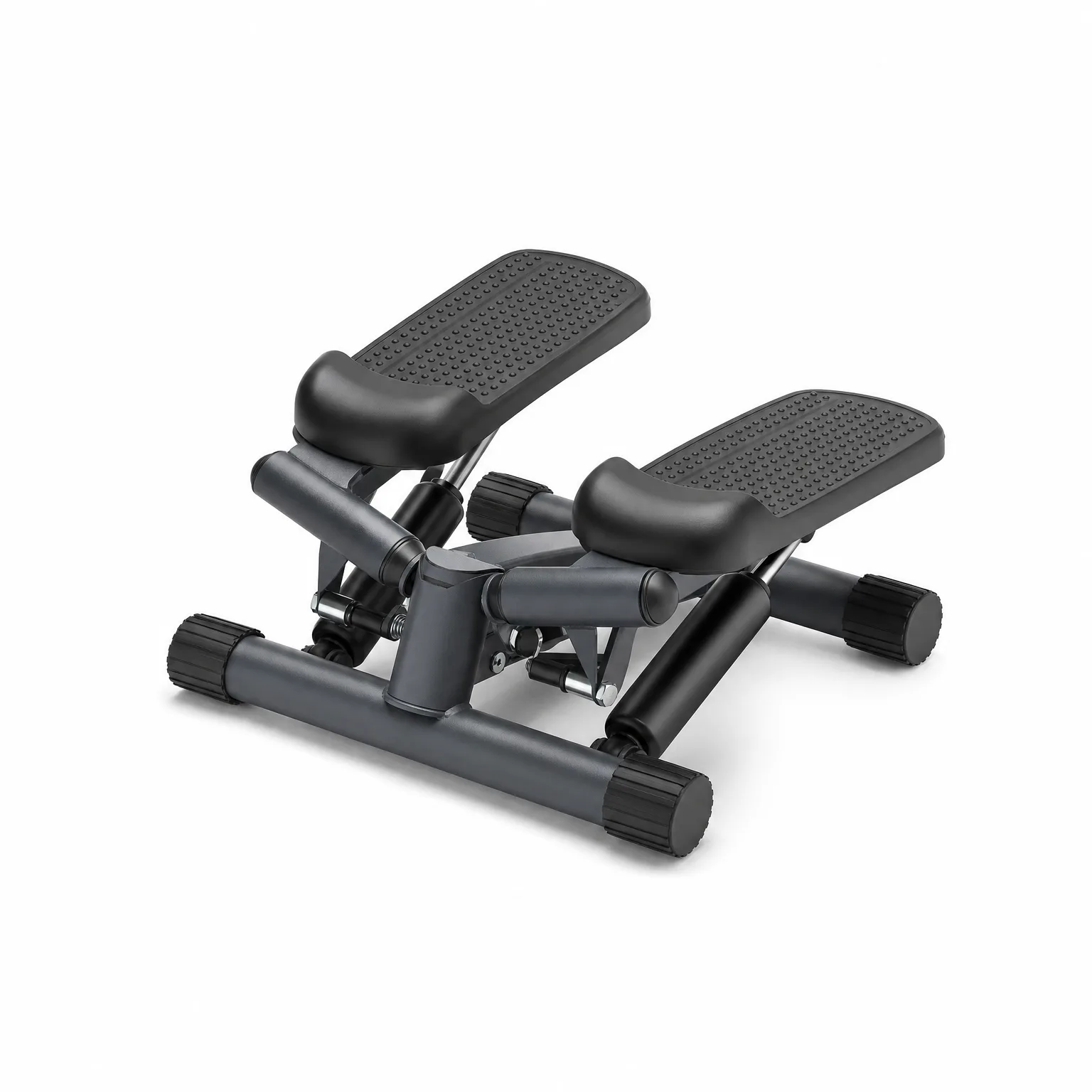
Mini stepper
A small home machine with two pedals on hydraulic cylinders. You step in place to train the legs and raise the heart rate.
Often used with
-
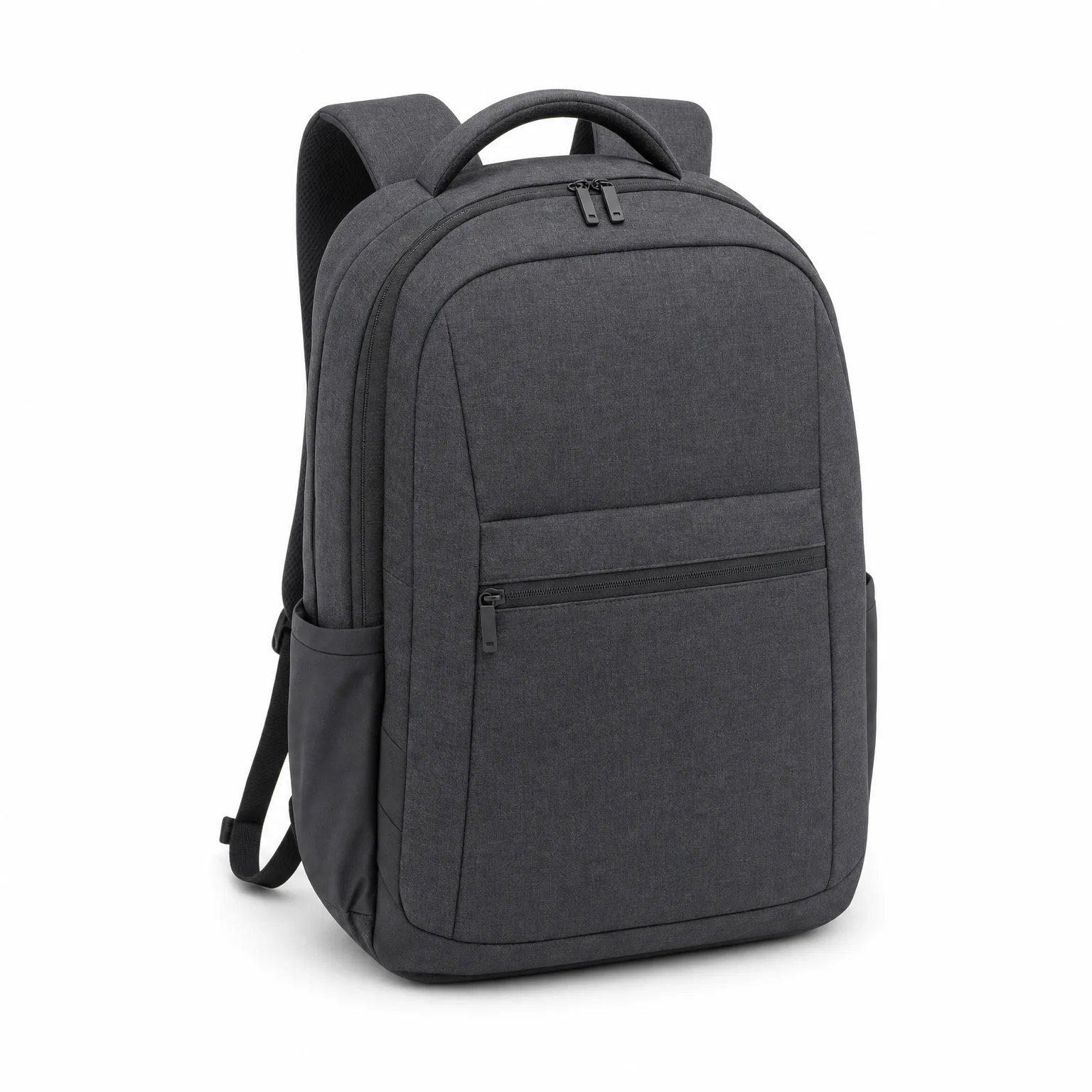
Loaded backpack
An ordinary backpack filled with books or water bottles works as an adjustable weight for squats, rows, push-ups and loaded walks. -

Dumbbells
A pair of short handles with a weight at each end. One pair trains every major muscle group, at home or in a gym. -
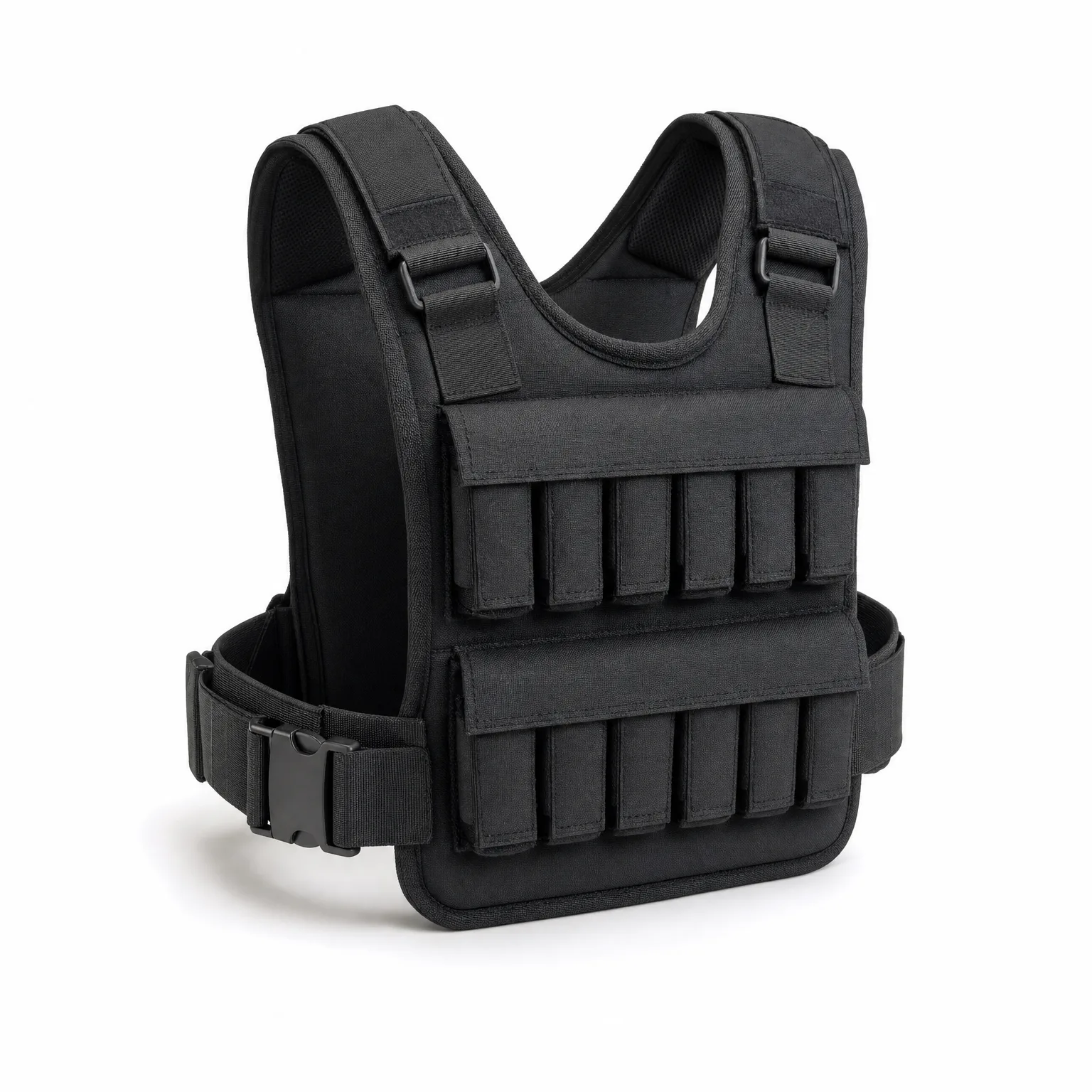
Weighted vest
A vest that carries extra weight on the torso. It makes push-ups, pull-ups, squats, walking and stair climbing harder with free hands. -
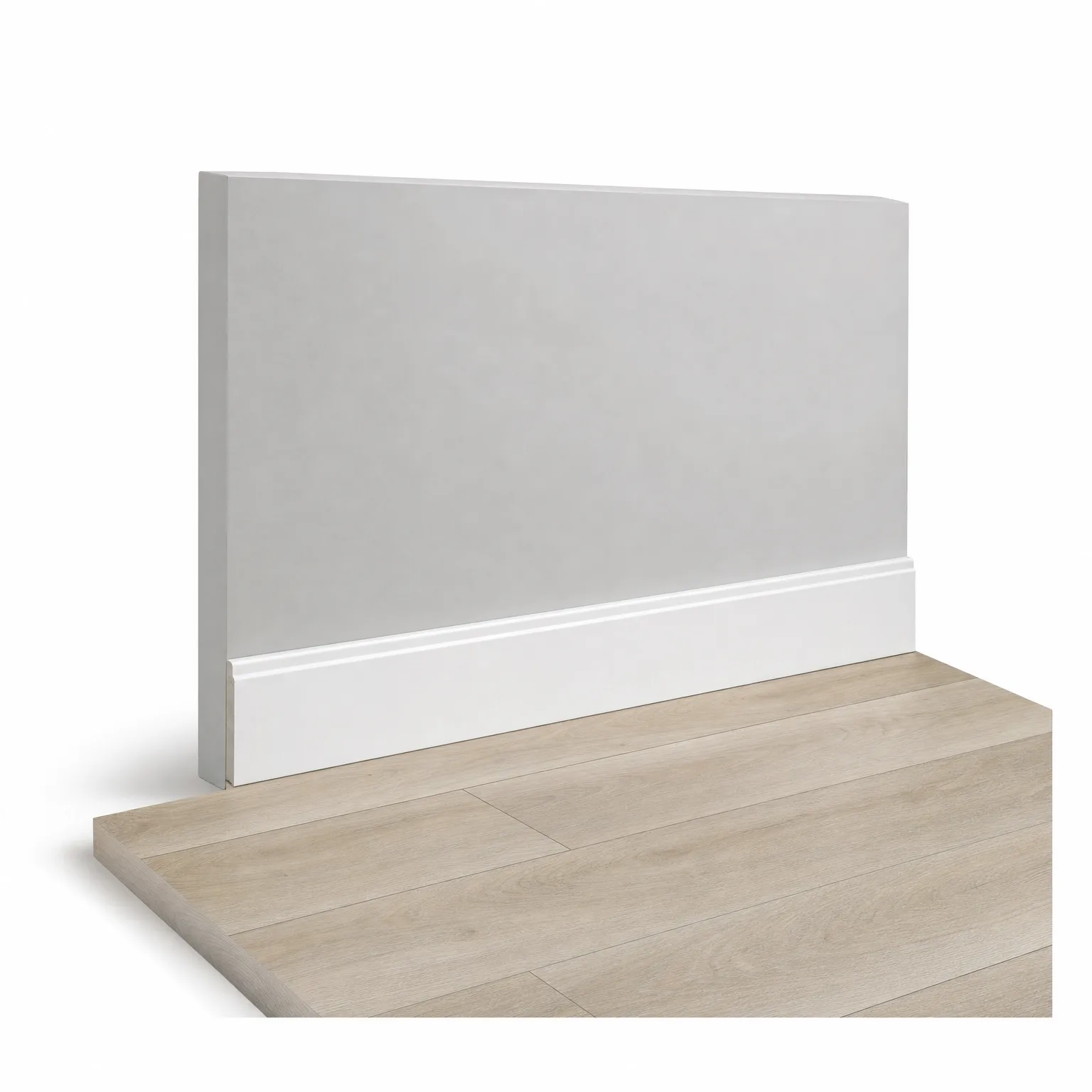
Wall
A clear stretch of solid wall works as support, a balance aid and a fixed surface to push against: wall sits, wall push-ups, stretches.
Questions about stairs
Is climbing stairs good exercise?
Yes. It is vigorous for most people because you lift your whole body weight with every step, so the heart rate rises fast and the thighs, glutes and calves all work. It needs no equipment and can be done in short bouts, which makes it easy to fit into a day.
What muscles does stair climbing work?
Mainly the quadriceps and the glutes, which straighten the knee and hip to lift you, and the calves, which push off. The hamstrings assist. Taking two steps at a time increases the bend at the hip and knee and asks more of the glutes.
Can I use stairs instead of a step platform?
For step-ups, calf raises, raised lunges and incline push-ups, yes: the bottom step works the same way. It is less suited to choreographed step aerobics, where you move around and over the platform from all sides, because a stair has a wall or riser behind it and a fixed height.
How long should a stair workout be?
For a beginner, 5–10 minutes of walking up and down at a steady pace is a solid start. Build toward 15–20 minutes, or switch to intervals: climb one or two flights briskly, walk down to recover, and repeat 6–10 times.
How can I make stair exercises harder?
Use a higher step, slow down the lowering phase, do step-ups on one leg without touching the other foot down, climb two steps at a time, or add load with a backpack or dumbbells. Add load only when you are steady without it, and keep a hand free for the rail.
Build programs around what your client has
This guide comes from OnlineFitness.app, the app online coaches run their clients in.
Free for life for the first 100 coachesNo card