Equipment Benches, racks and bars
Plyo box
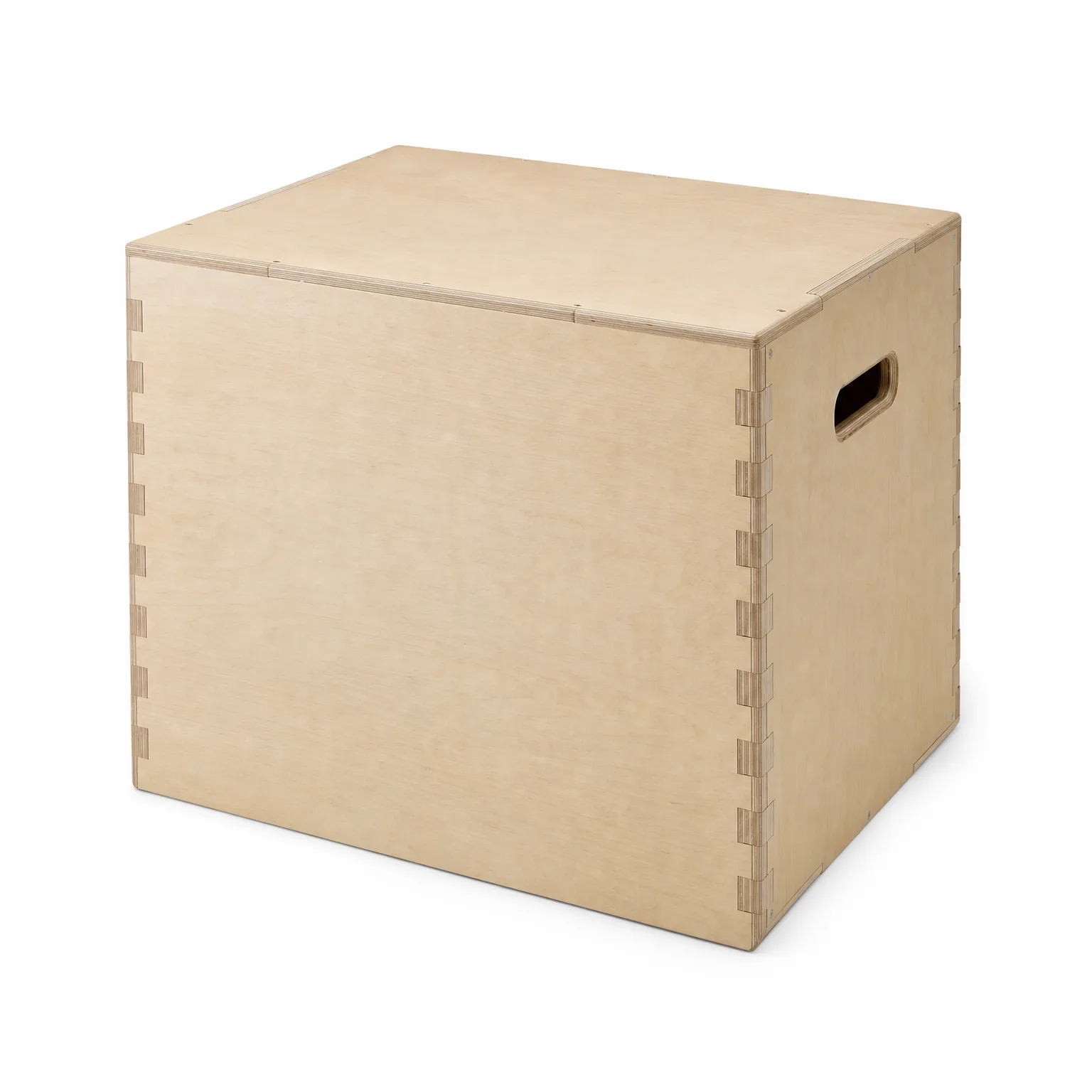
A sturdy box for jumping onto and stepping up on. Used for box jumps, step-ups, box squats and raised push-ups.
In short
A plyo box is a strong, stable box made to be jumped onto and stepped on. It is used for box jumps and other jump training that builds power in the legs, and just as often for slower strength work: step-ups, box squats, split squats with the back foot raised, and push-ups with hands or feet on the box.
Most boxes give three heights by turning them onto a different side. Step-ups and low heights suit beginners. Jumping onto higher boxes is for people who already land well and have a base of leg strength.
- Category
- Benches, racks and bars
- Where
- Home, Gym
- Level
- Beginner and up
- Space
- Needs a corner of a room
- Typical sizes
- Common 3‑in-1 box: about 50 × 60 × 75 cm (20 × 24 × 30 in); smaller version 40 × 50 × 60 cm (16 × 20 × 24 in)
- Also called
- plyometric box, jump box, box jump box, plyo jump box, 3‑in-1 plyo box, soft plyo box
Muscles it works
- Also works
- Hamstrings, Abs
What it is used for
- Box jumps and step-down landings for leg power
- Step-ups and lateral step-ups for the quads and glutes
- Box squats to a set depth
- Bulgarian split squats and hip thrusts using the box as support
- Incline or decline push-ups and dips on the edge
Types
Wooden 3‑in-1. A plywood box with three different side lengths, so one box gives three heights. Firm and stable. The hard edges punish a missed jump.
Soft foam. Dense foam with a vinyl cover, often in the same 3‑in-1 shape. Kinder to the shins when a jump falls short. Slightly less firm underfoot and can tip on the tallest side.
Steel frame. A welded, tapered stand with a rubber top at one fixed height. Very stable and stackable in sets. Each height is a separate box.
Stackable foam layers. Flat foam sections that fasten together to change height in small steps. Useful for progressing gradually. The stack takes more storage space.
How to choose
Pick the height for landing, not for show
A box is the right height when you land softly on it with the whole foot, knees bent about as much as in a quarter squat. For most people starting out that is 30–50 cm. If you have to tuck your knees to your chest to make it, the box is too high.
Wood or foam
Foam is the safer start for jumping, because a missed jump does not scrape the shins. Wood is firmer, cheaper and better for step-ups, box squats and weighted work.
Check that it stays put
The box should not slide or rock when you push its top edge sideways. A wide base, some weight and a non-slip surface matter. Light boxes on smooth floors need a rubber mat underneath.
Top surface and rating
The top needs enough area for both feet with room to spare and a surface that grips your shoes. Load ratings differ by manufacturer, so check the figure if you plan step-ups with weights.
How to start using it
- Start with step-ups. Put one whole foot on the box, press through it to stand up tall, and lower back down slowly with the same leg doing the work. Do all reps on one side, then switch. This builds the strength that jumps need.
- Jump from close, land quietly. Stand about half a step from the box. Swing the arms, jump, and land with both feet fully on the top at the same time, knees bent and in line with the toes. A quiet landing is a good one.
- Stand up, then step down. Finish each jump by standing upright on the box. Step down one foot at a time. Jumping back down adds a hard landing that most programs do not need.
- Keep sets short. Jumps train power, so do them fresh: sets of three to five reps with rest between. Stop the set when the landings get loud or uneven.
Common mistakes
Choosing a box that is too high
A high box mostly tests how far you can pull your knees up. It adds risk without adding training effect. Use a height you clear with room to spare and land in a shallow squat.
Jumping when tired
High-rep box jumps at the end of a hard session are where most missed jumps and scraped shins happen. Use step-ups for conditioning and keep jumps for the start of the workout.
Rebounding off the floor
Jumping down and bouncing straight back up puts a large, repeated load on the Achilles tendon and calves. Step down unless your program calls for rebounds and you have built up to them.
Landing on the edge
Landing with the toes only, or with heels hanging off, makes the box tip and the foot slip. Aim for the middle of the top with the whole foot.
What to use instead
A step platform with risers covers low step-ups and low jumps. A sturdy weight bench works for step-ups, box squats and split squats, though its narrow padded top is not a good landing for jumps. At home, the bottom one or two steps of a staircase are a ready-made low box, and a solid chair against a wall works for step-ups and squats to a seat.
-
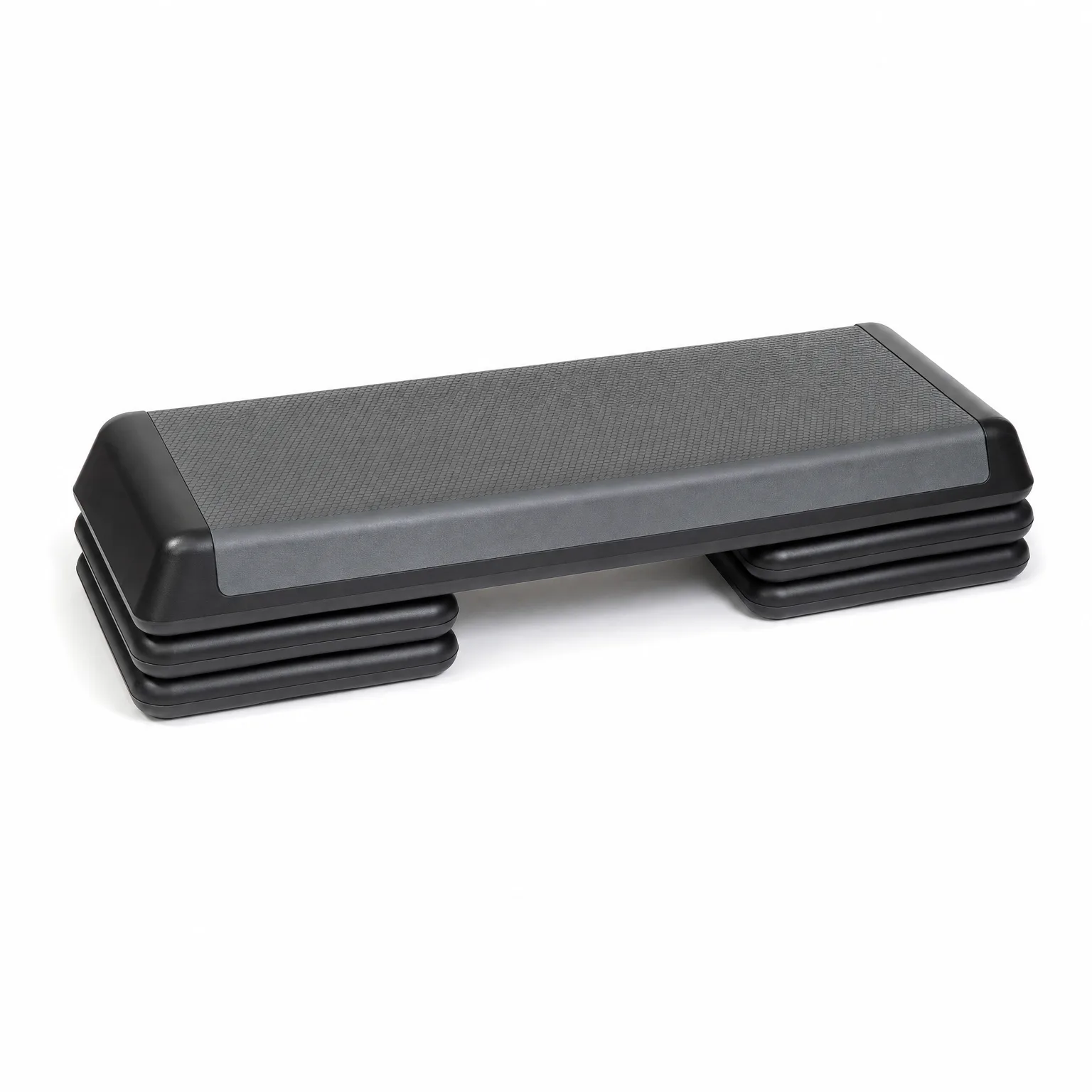
Step platform
A low, wide platform with removable risers. Used for step aerobics, step-ups, calf raises and as a low bench. -

Weight bench
A padded bench you lie, sit or lean on while lifting. It supports the body for presses, rows, hip thrusts and seated work. -
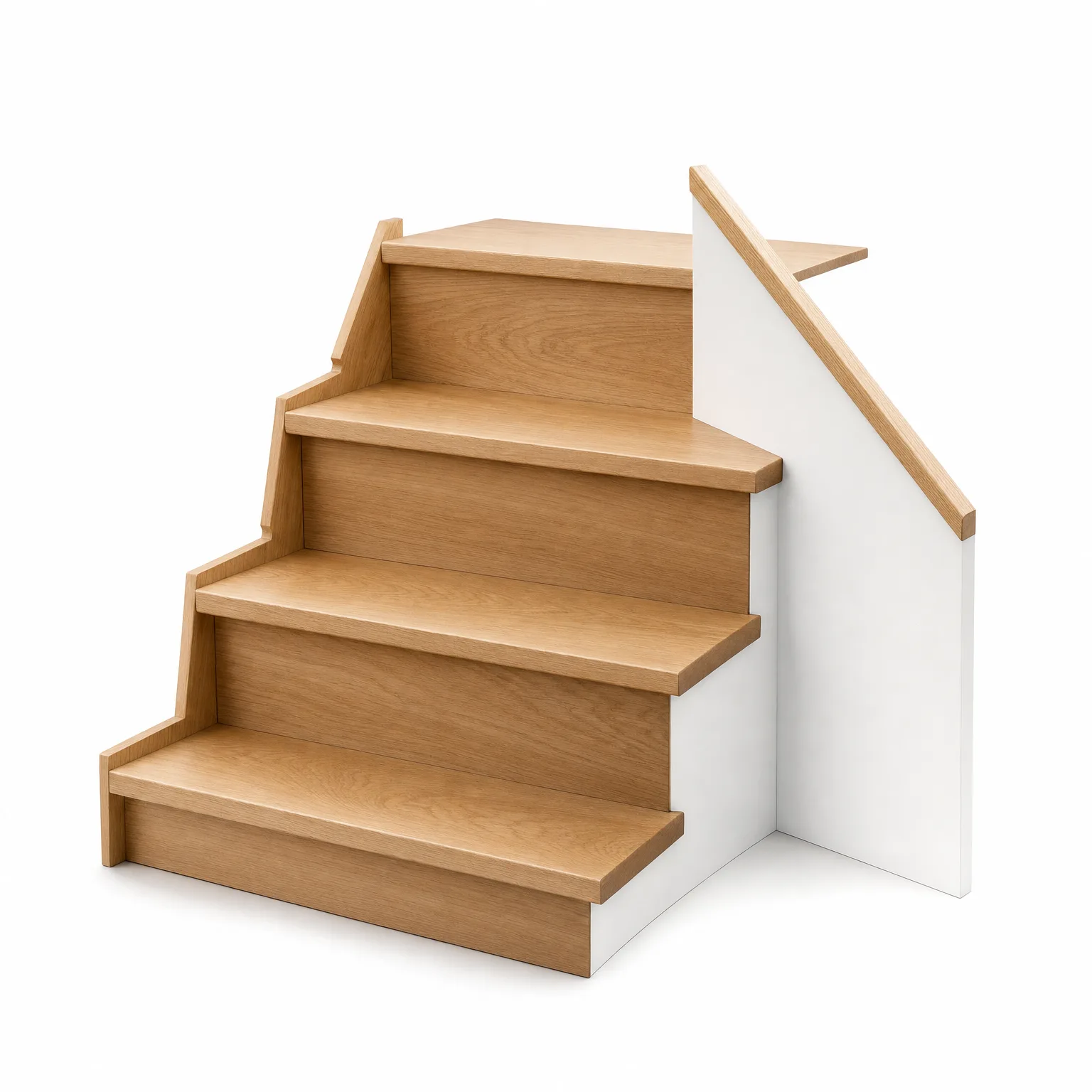
Stairs
A staircase or a single step replaces a step platform, a low plyo box and a stair climber: step-ups, calf raises and stair climbing. -
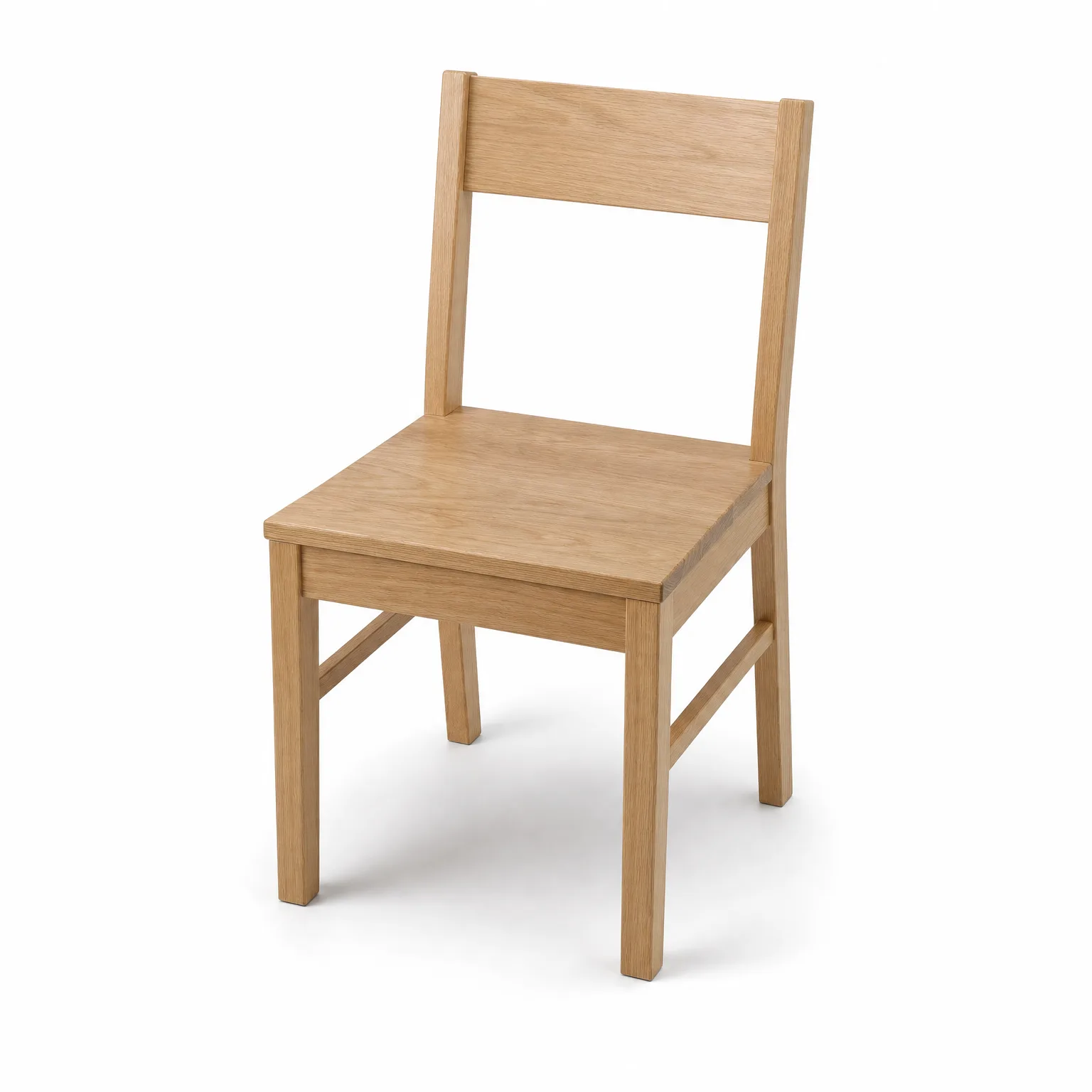
Chair
A sturdy household chair stands in for a bench, a low box or dip bars: sit-to-stands, step-ups, dips, split squats and incline push-ups.
Often used with
-

Dumbbells
A pair of short handles with a weight at each end. One pair trains every major muscle group, at home or in a gym. -
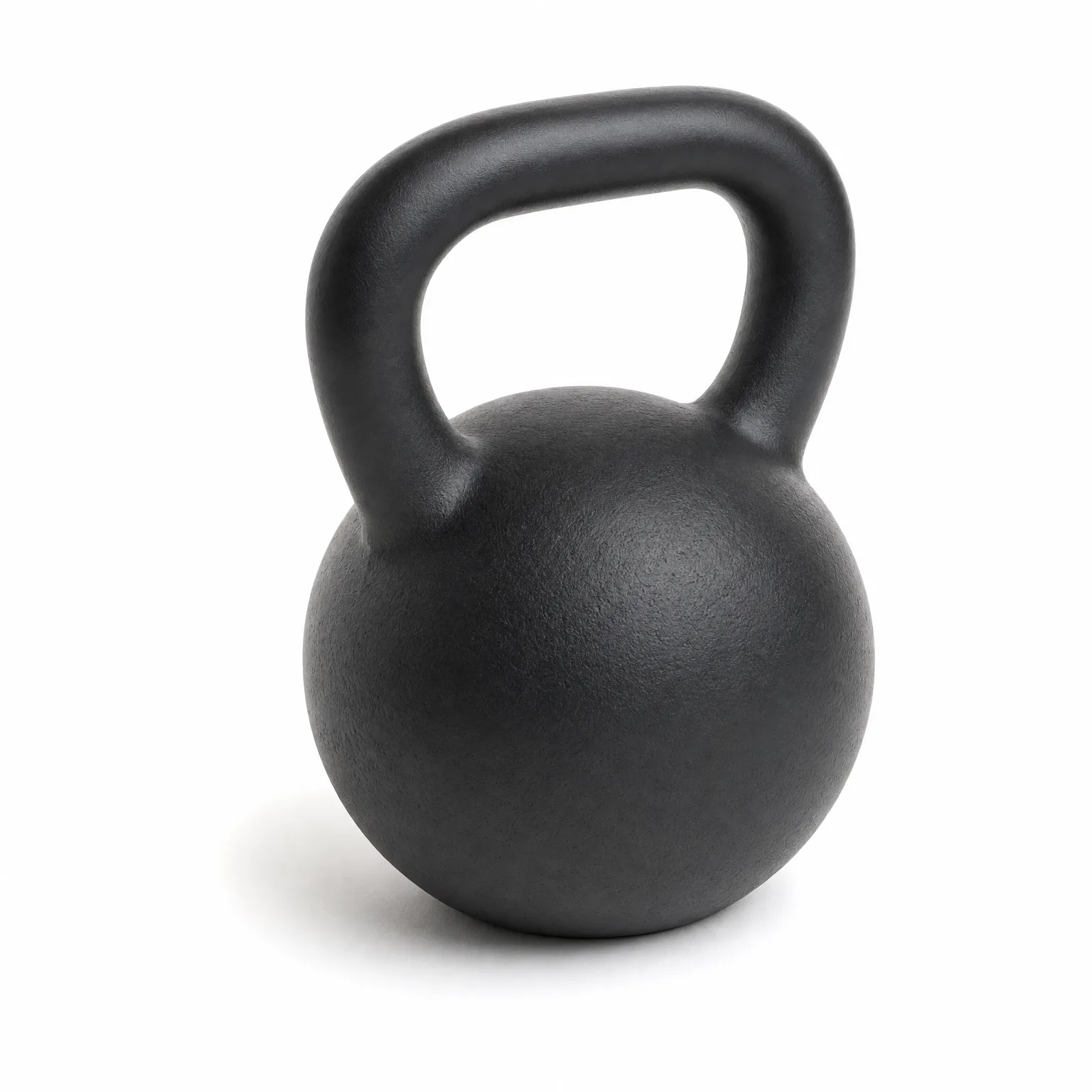
Kettlebell
A cast-iron or steel ball with a flat base and a handle on top. Built for swings, carries, squats and presses with one weight. -
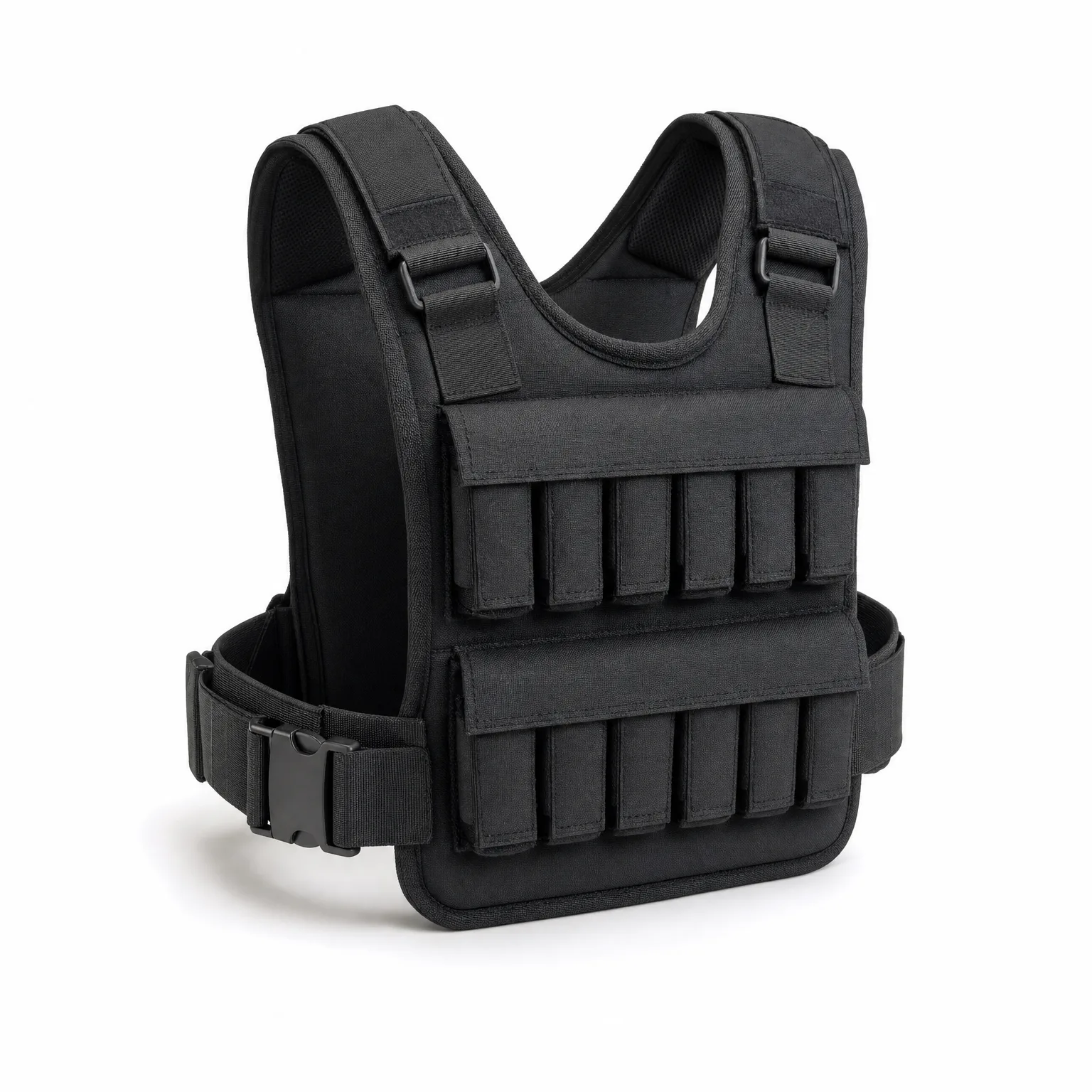
Weighted vest
A vest that carries extra weight on the torso. It makes push-ups, pull-ups, squats, walking and stair climbing harder with free hands. -
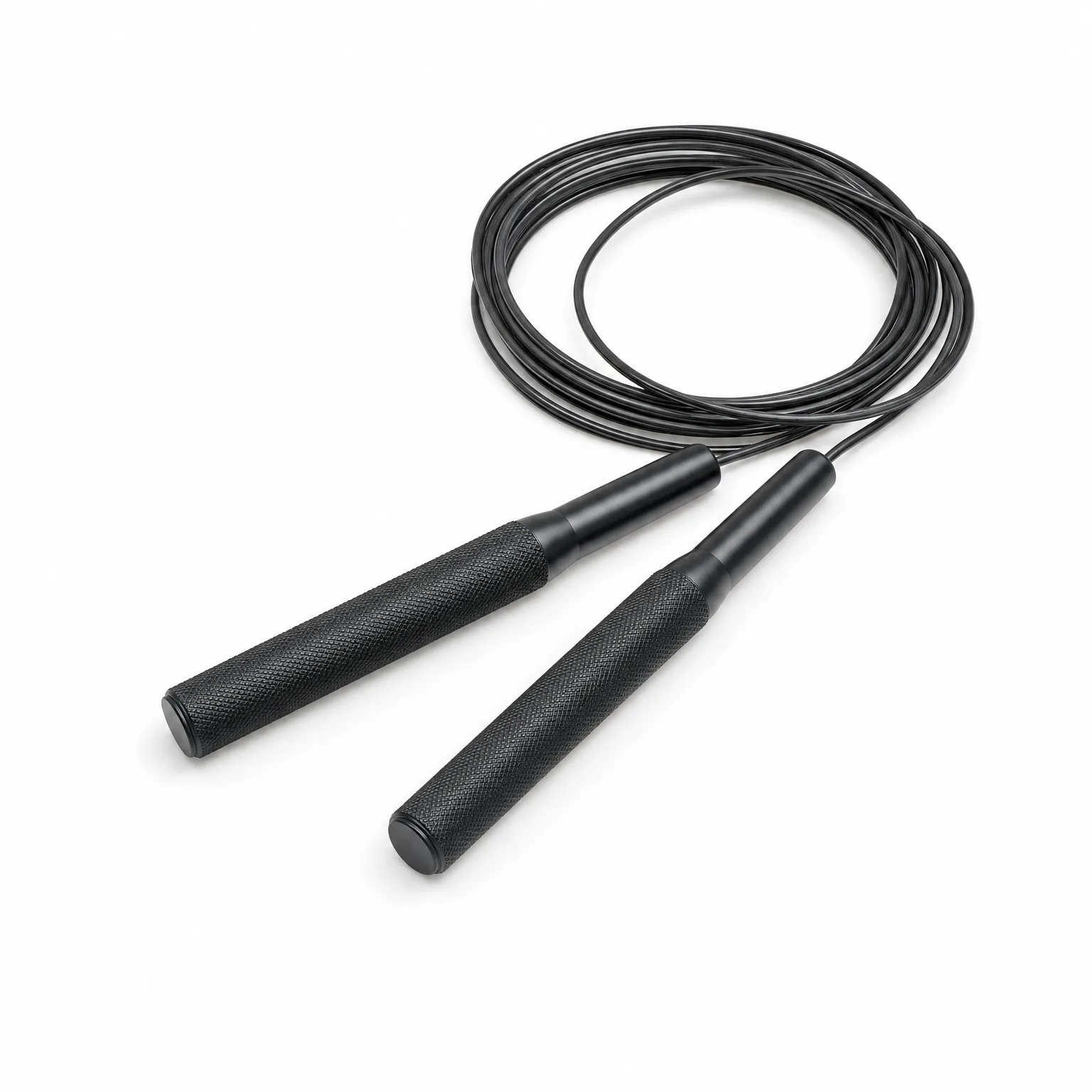
Jump rope
A rope with two handles that you swing over your head and jump. Hard cardio and footwork practice that fits in a pocket.
Questions about plyo box
What size plyo box should I get?
For most adults a 3‑in-1 box of 50 × 60 × 75 cm covers everything from step-ups to higher jumps. If you are shorter, new to jumping or mainly want step-ups, the 40 × 50 × 60 cm size is easier to use. Start on the lowest side.
Are box jumps good for beginners?
Low box jumps are fine for beginners who can squat and land comfortably. Start with step-ups and small jumps onto a low box or step, 30–50 cm or lower, and focus on soft landings. Height comes later and matters much less than landing quality.
Wood or foam plyo box?
Foam is more forgiving if you miss and is a good choice for jump training, especially at home. Wood is firmer and steadier for step-ups, box squats and exercises with weights. Many gyms keep both.
Do box jumps make you jump higher?
They are one useful part of jump training because they let you practice jumping hard with a gentle landing. Jump height also depends on leg strength, so squats, step-ups and similar work belong in the same program.
Build programs around what your client has
This guide comes from OnlineFitness.app, the app online coaches run their clients in.
Free for life for the first 100 coachesNo card