Weighted vest
A vest that carries extra weight on the torso. It makes push-ups, pull-ups, squats, walking and stair climbing harder with free hands.
In short
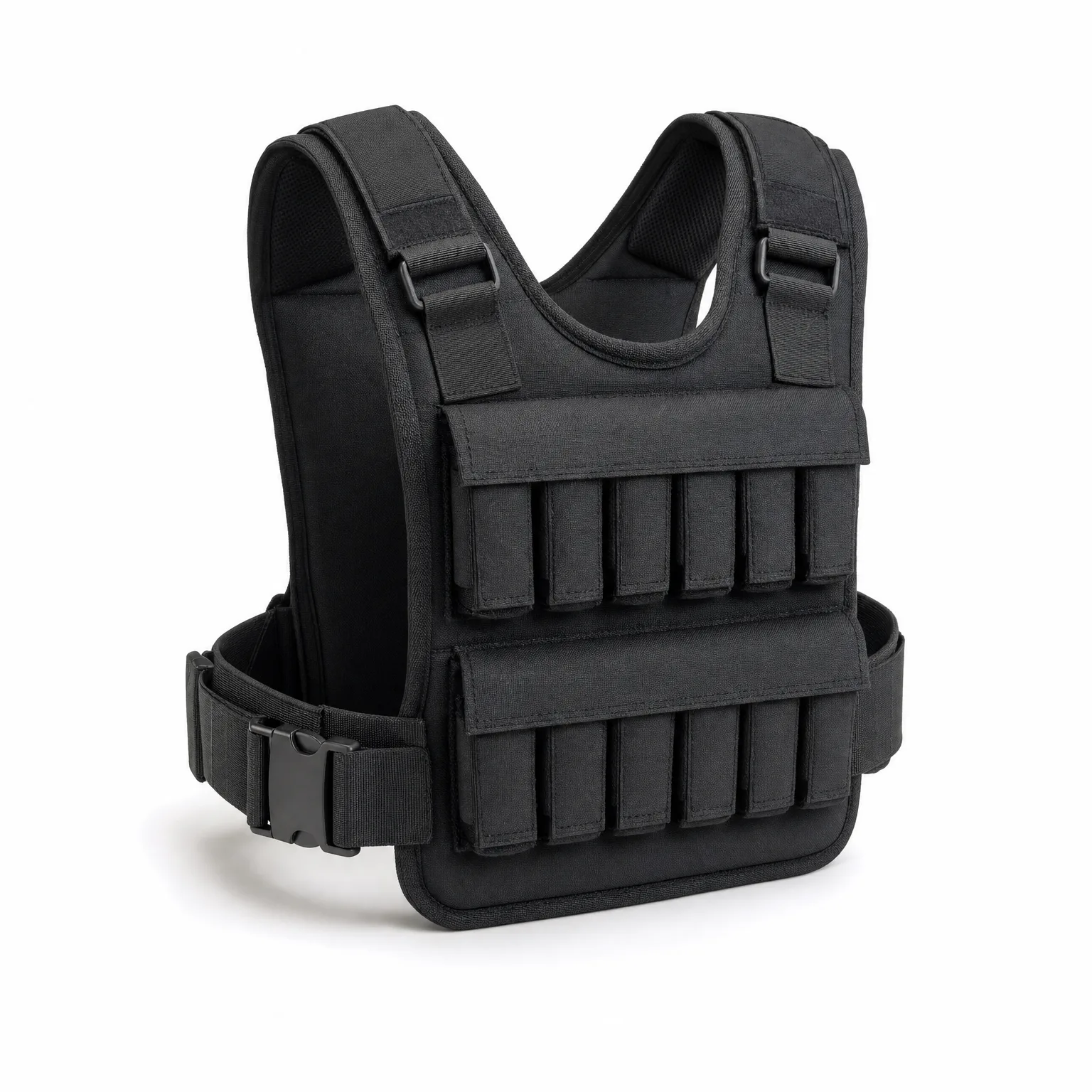
A weighted vest is a snug vest with weight built in or added in pockets, as small bars, sandbags or plates. It adds load to your body weight while leaving the hands free, so it makes bodyweight exercises heavier: push-ups, pull-ups, dips, squats, lunges and step-ups. People also wear it for walking, hiking and stair climbing.
It suits people who can already do bodyweight exercises well and need more resistance. If you cannot yet do 10–15 clean push-ups or a few pull-ups, train without the vest first.
- Category
- Free weights
- Where
- Home, Gym, Outdoors
- Level
- Intermediate and up
- Space
- Needs a corner of a room
- Typical sizes
- 2–20 kg (5–45 lb) in most ranges; many vests adjust in steps of about 0.5–2 kg (1–5 lb)
- Also called
- weight vest, weighted training vest, plate carrier vest, weight jacket, adjustable weighted vest, running weight vest
Muscles it works
- Also works
- Abs, Hamstrings, Biceps, Lower back
What it is used for
- Adding load to push-ups, pull-ups, chin-ups and dips
- Heavier squats, lunges and step-ups without holding weights
- Walking, hiking and stair climbing with extra load
- Loaded planks, crawls and other bodyweight core work
- Short conditioning circuits of bodyweight exercises
Types
Adjustable block vest. Rows of pockets hold small iron bars or sand packs. You add or remove them to change the weight. The most flexible type for strength work.
Plate carrier. A short vest that holds a flat plate front and back. Sits high and leaves the waist free. Popular for running and mixed circuits. Weight changes by swapping plates.
Fixed-weight slim vest. A soft, close-fitting vest with weight sewn in, usually 2–10 kg. Comfortable for walking. Cannot be made heavier.
Shoulder-holster style. Narrow straps over the shoulders with weight on the upper chest and back. Cooler to wear. Usually limited to light loads.
How to choose
Start with a small share of your body weight
A common starting point is about 5–10% of body weight. That is enough to change push-ups, pull-ups and walking noticeably. Add more only when the lighter load feels easy.
Pick adjustable for strength work
For pull-ups and dips you will want to add weight in small steps over months. A vest with removable blocks or swappable plates makes that possible. A fixed vest is fine for walking.
Fit comes first
The vest should sit tight on the torso and not bounce or slide when you jump or bend over. Check the strap range for your chest size. Short, high vests leave the hips free for squats and running.
Check weight distribution
Weight spread evenly front and back feels more balanced than weight on one side. Wide, padded shoulders spread the pressure.
Think about washing
The vest sits on a sweaty torso. Removable weights and a washable shell make it much easier to keep clean.
How to start using it
- Put it on and tighten it. Load the vest evenly front and back, put it on, and pull the straps until it does not move when you jump on the spot. You should still be able to take a full breath.
- Begin with exercises you know. Use the vest first for push-ups, squats, lunges and walking. Expect to do fewer reps than without it. Keep the same depth and tempo.
- Add it to pull-ups and dips. Once you can do about 8–10 clean reps with body weight, add a light vest and build back up to the same reps before adding more weight.
- Build up walking gradually. Start with 10–20 minutes on flat ground with a light load. Increase the time first, then the weight. Jumping and running add much more impact, so keep the load light for those.
- Take it off between hard sets. The vest keeps loading the shoulders and holding heat while you rest. In long sessions, unclip it or take it off between blocks.
Common mistakes
Too heavy, too soon
A heavy vest shortens the range of motion and changes how you move. If push-ups get shallower or the squat cuts off, reduce the load.
A loose vest
A vest that bounces rubs the shoulders and pulls you off balance on every step or jump. Tighten the straps or choose a smaller size.
Running in a heavy vest straight away
Each running step lands with more force than a walking step, and the vest adds to it. Walk with the load for a few weeks first and keep running loads light.
Wearing it all day to get fit
Hours of light load mostly make the shoulders and back tired. Planned sessions with a clear exercise and a suitable weight do more.
Uneven loading
Blocks only in the front or on one side tilt the torso. Fill the pockets symmetrically, starting close to the center.
What to use instead
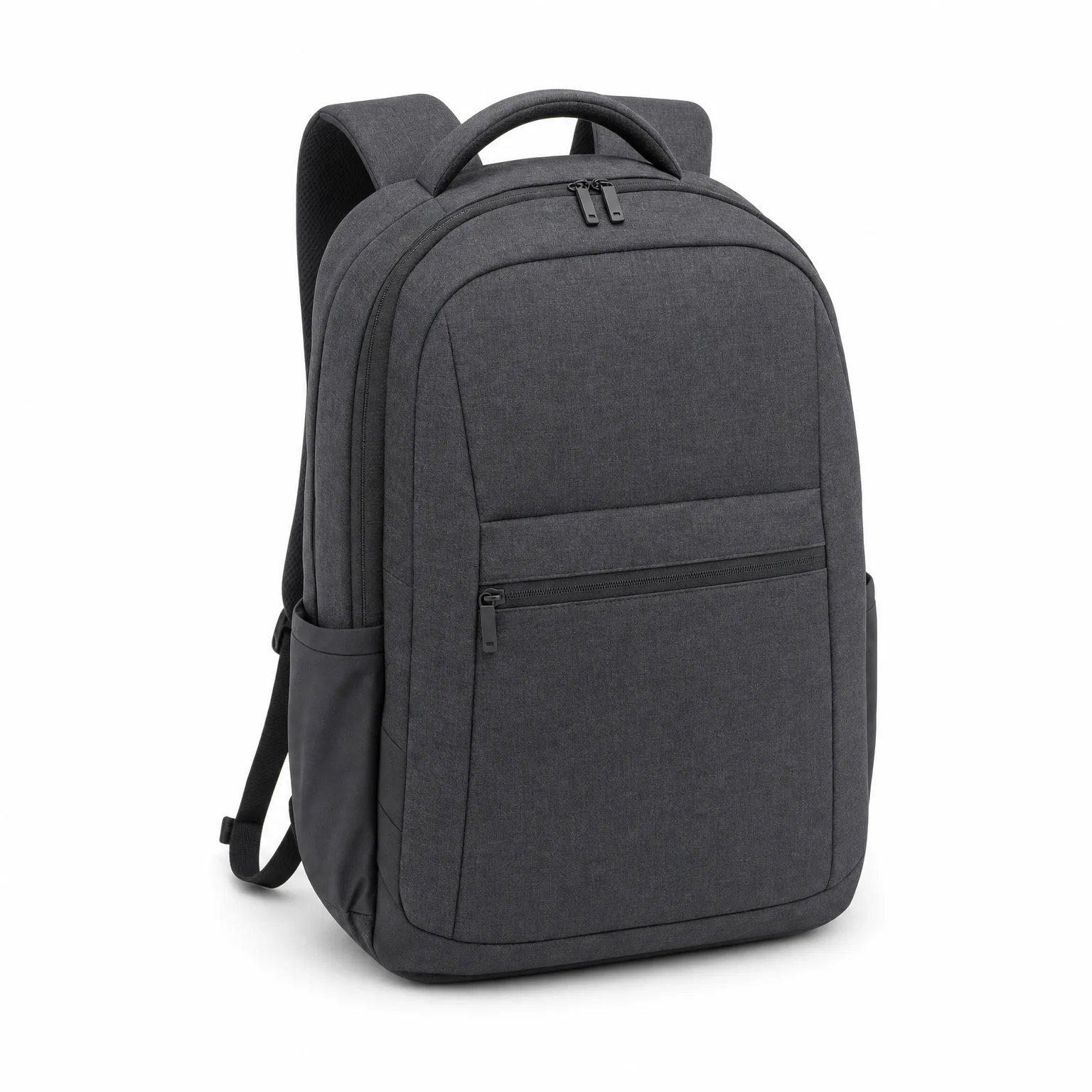
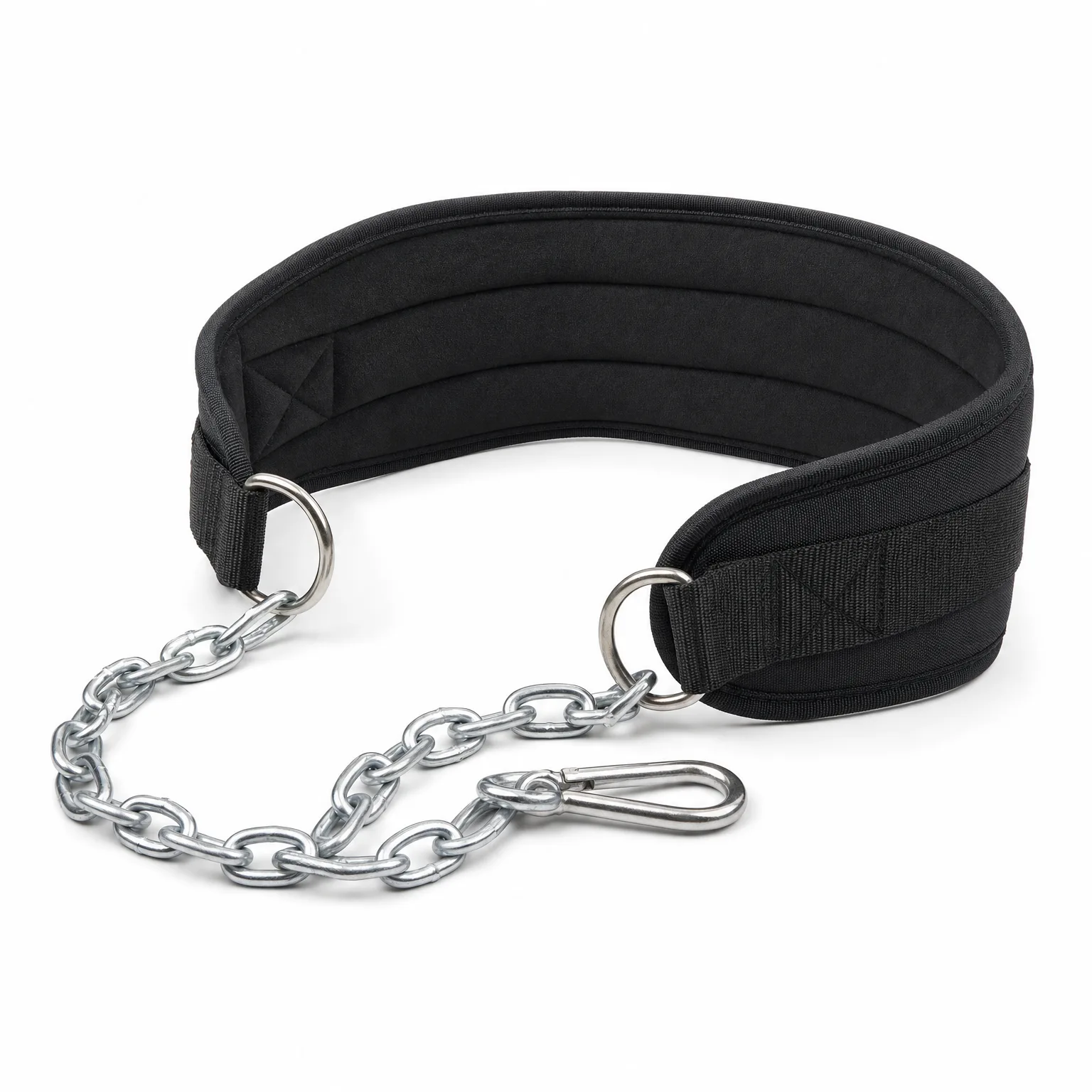
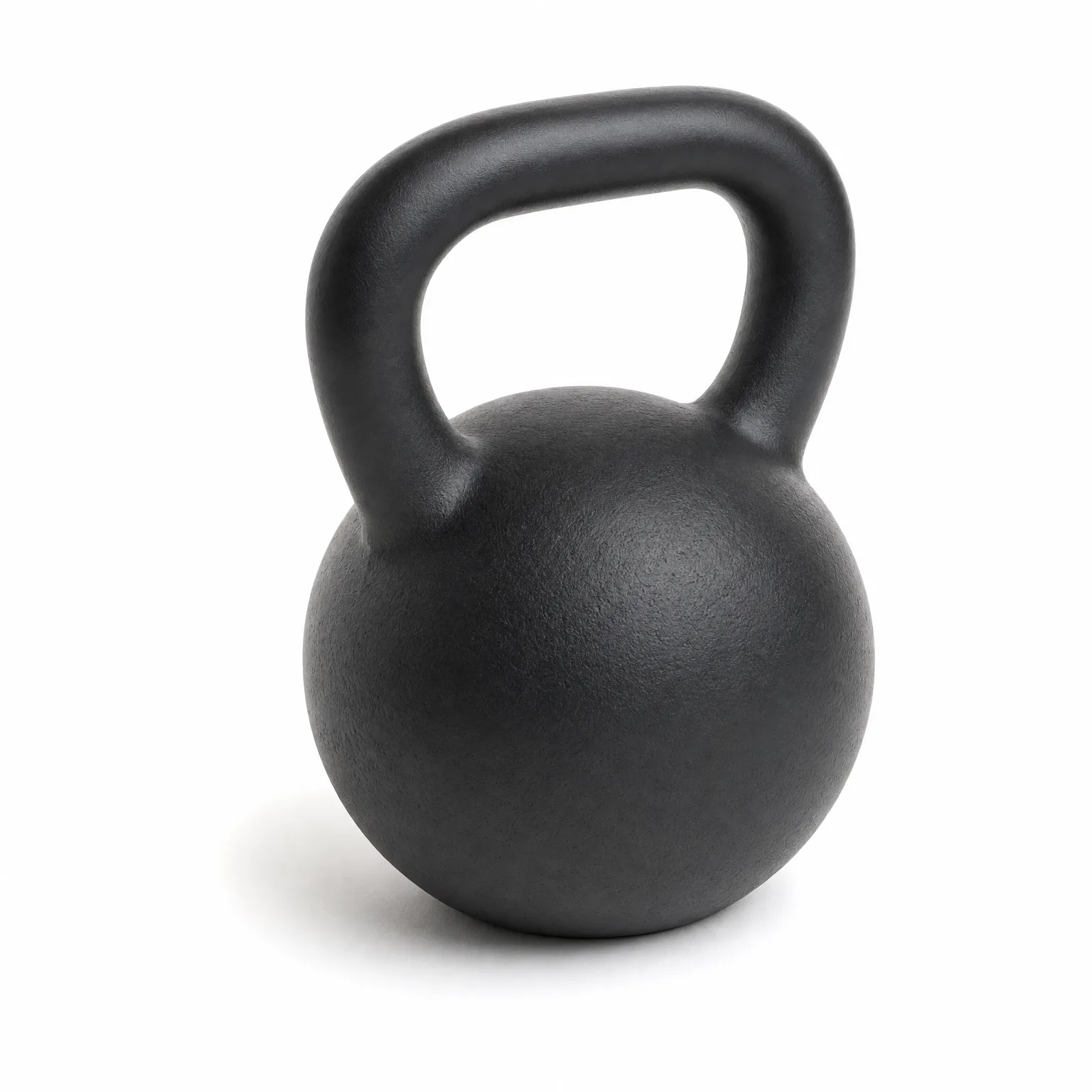
A backpack loaded with books or water bottles and worn tight is the usual stand-in for squats, lunges, step-ups, push-ups and walking. Tighten the straps and use a chest strap if it has one. For pull-ups and dips in a gym, a dumbbell held between the feet or a kettlebell or plate hung from a dip belt adds load the same way. For leg work, simply holding dumbbells or a kettlebell does the job.
-
Loaded backpack
An ordinary backpack filled with books or water bottles works as an adjustable weight for squats, rows, push-ups and loaded walks. -
Dip belt
A belt with a chain or strap that hangs weight plates from your hips, used to add load to dips, pull-ups and chin-ups. -

Dumbbells
A pair of short handles with a weight at each end. One pair trains every major muscle group, at home or in a gym. -
Kettlebell
A cast-iron or steel ball with a flat base and a handle on top. Built for swings, carries, squats and presses with one weight.
Often used with
-
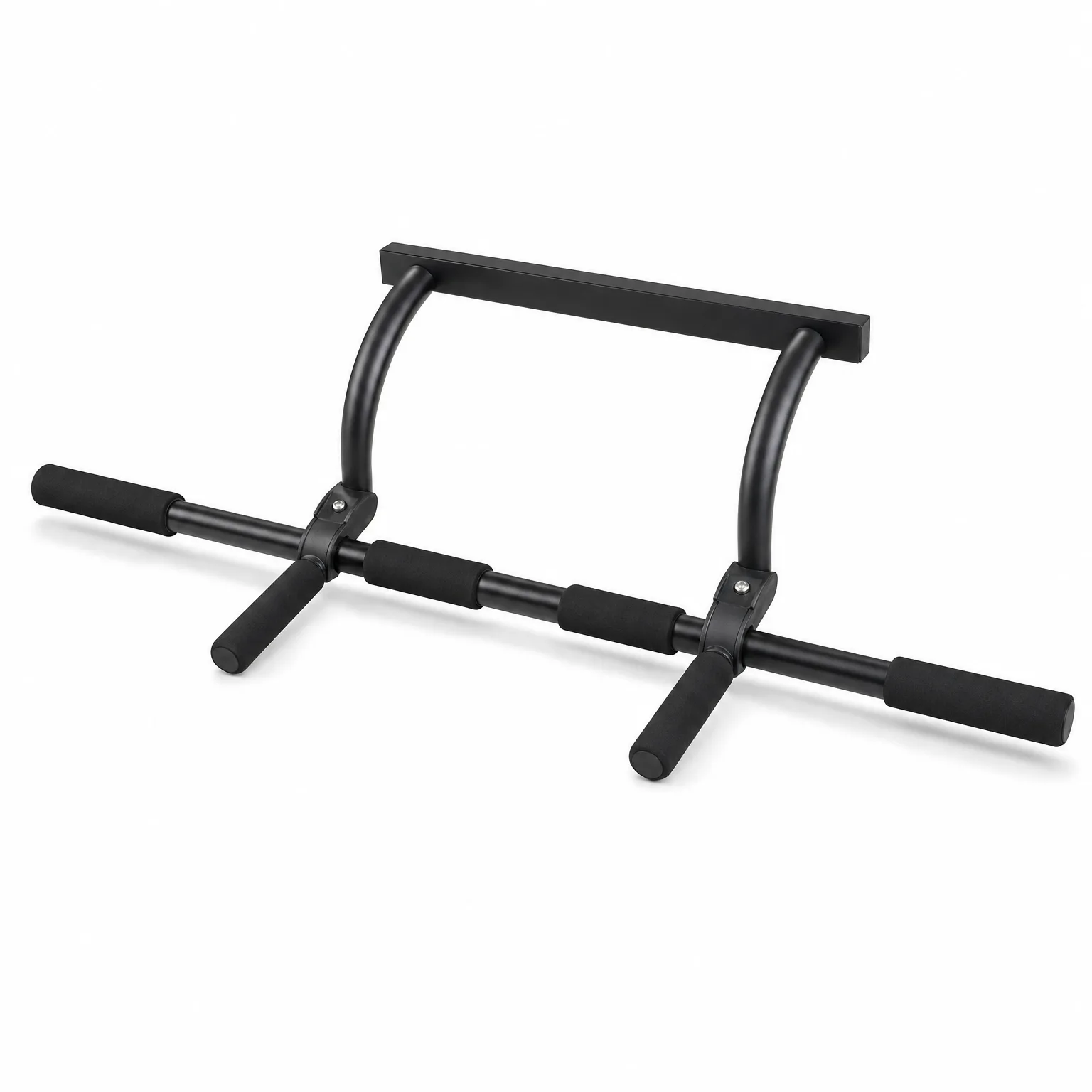
Pull-up bar
A fixed horizontal bar you hang from. Used for pull-ups, chin-ups, hangs and hanging leg raises, at home or outdoors. -
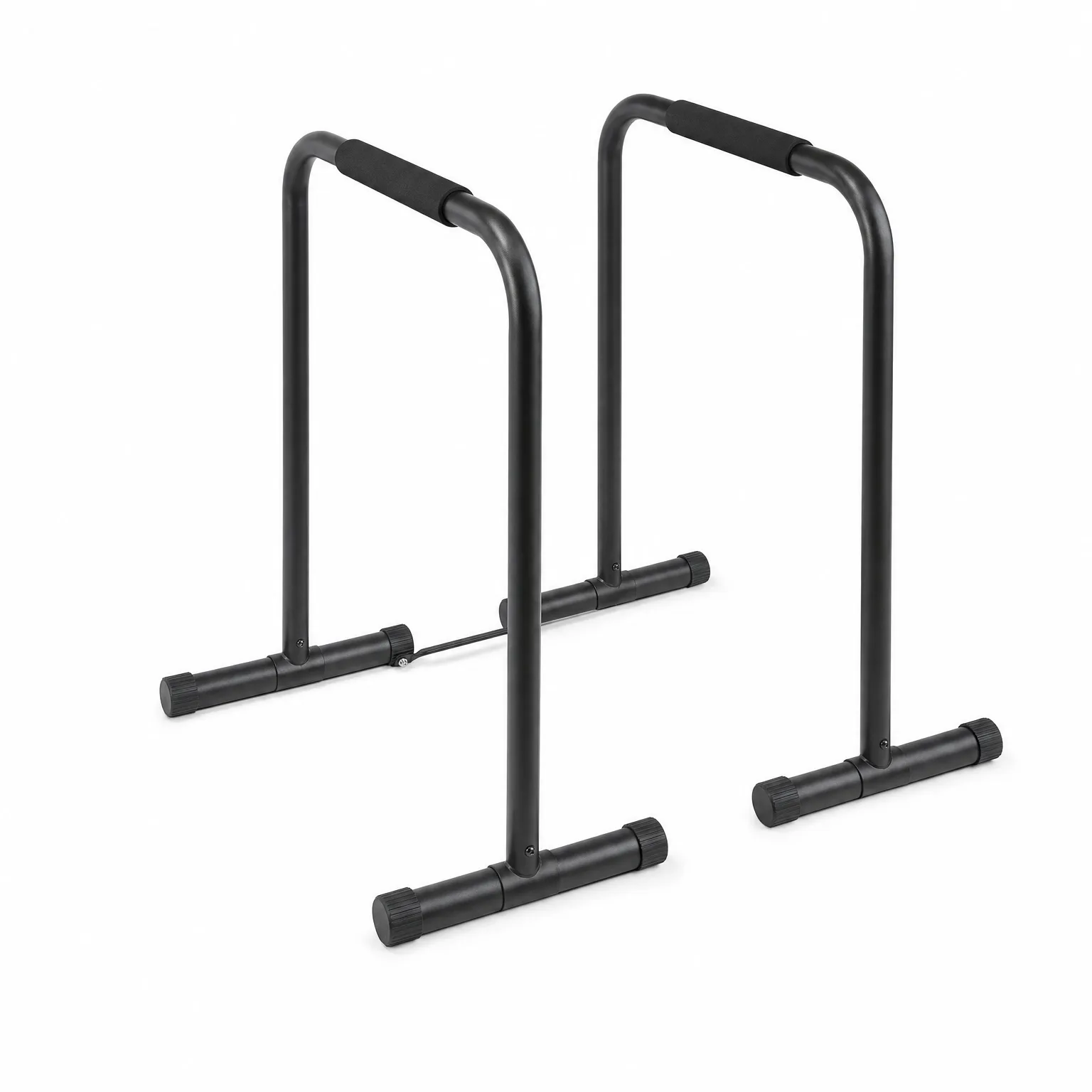
Dip bars
Two parallel bars at about waist height that you support yourself on. Used for dips, leg raises and bodyweight rows. -
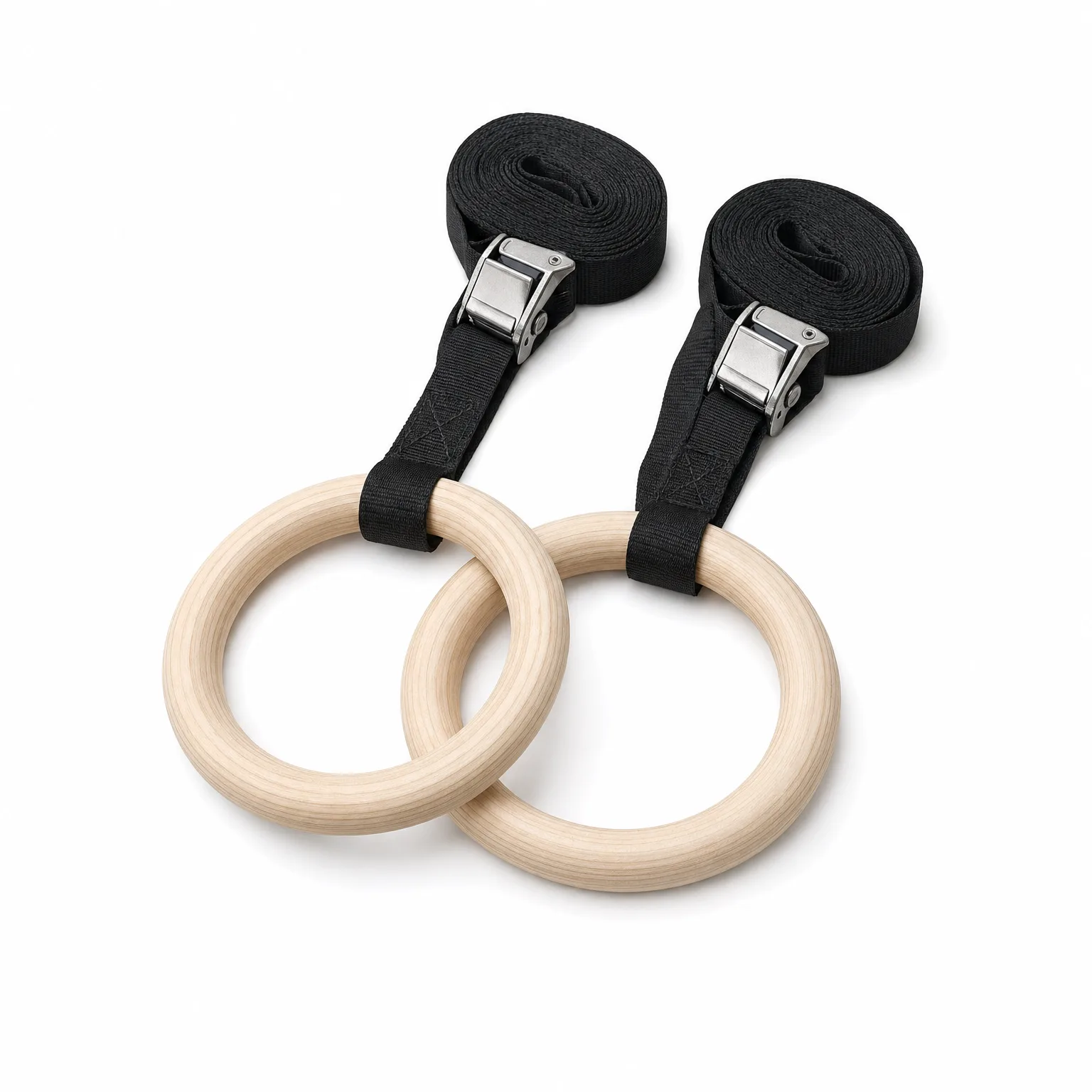
Gymnastic rings
Two rings on adjustable straps, hung from a bar or beam. Used for rows, pull-ups, dips, push-ups and support holds with body weight. -
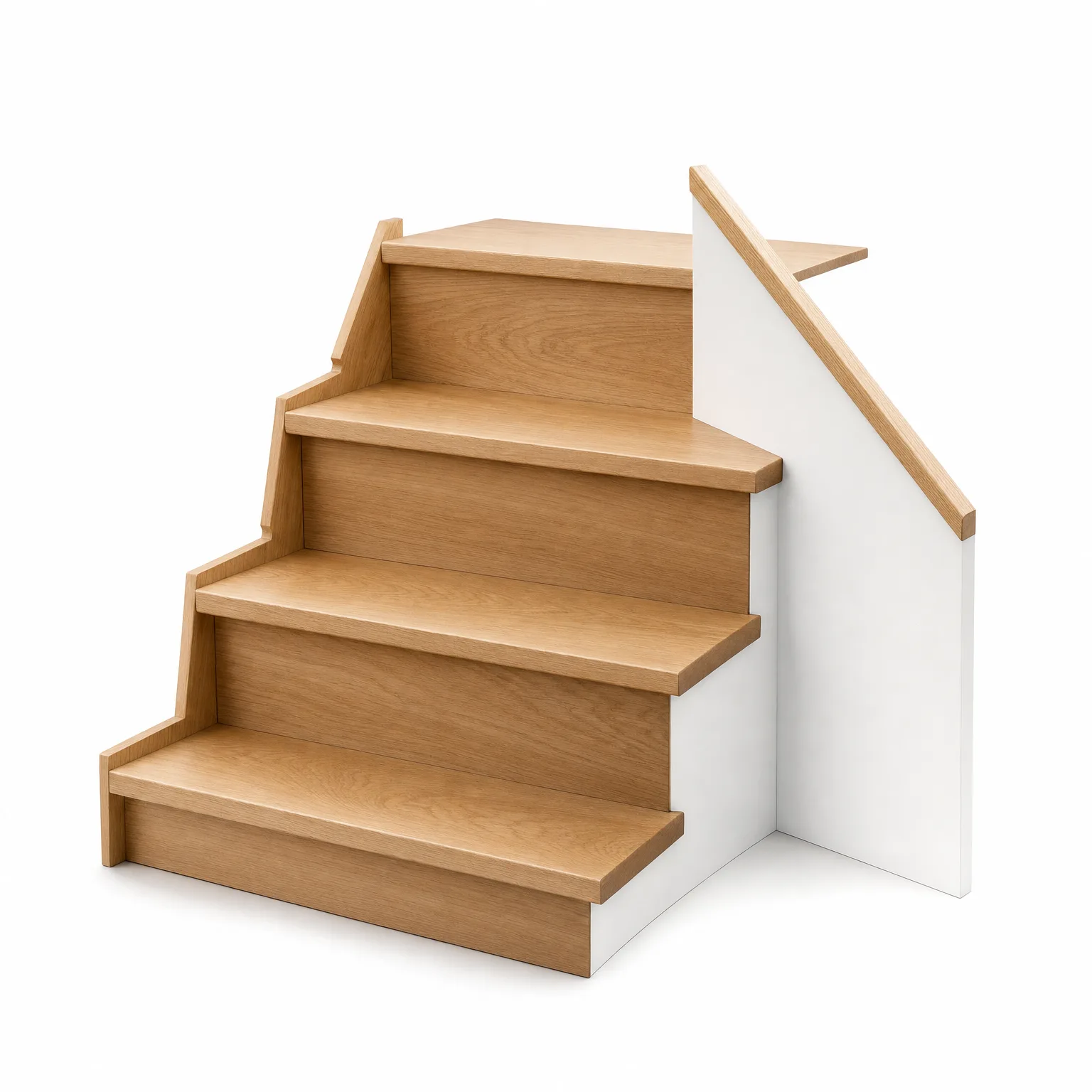
Stairs
A staircase or a single step replaces a step platform, a low plyo box and a stair climber: step-ups, calf raises and stair climbing.
Questions about weighted vest
How heavy should a weighted vest be?
Start with about 5–10% of your body weight: roughly 4–8 kg (9–18 lb) for someone who weighs 80 kg (176 lb). For walking, many people stay in that range. For push-ups, pull-ups and dips, add weight in small steps as your reps come back up.
What is a weighted vest good for?
Making bodyweight training heavier without holding anything. It is most useful for push-ups, pull-ups, dips, squats, lunges and step-ups once the unloaded versions are easy, and for making walks and hikes more demanding.
Is walking with a weighted vest worth it?
It makes the same walk harder for the legs, the trunk and the heart and lungs, which helps if you have limited time or flat routes. It does not replace strength training. Start light and build up time before weight.
Weighted vest or backpack?
A vest spreads the weight front and back and stays put during push-ups, pull-ups and jumps. A backpack is free and fine for walking, squats and step-ups, but it hangs behind you and shifts during fast movement. If you already own a backpack, start with that.
Can you run in a weighted vest?
Yes, with a light, tight-fitting vest and after you are used to walking in it. Keep the load small, usually well under 10% of body weight, and the runs short at first.
Build programs around what your client has
This guide comes from OnlineFitness.app, the app online coaches run their clients in.
Free for life for the first 100 coachesNo card