Dip belt
A belt with a chain or strap that hangs weight plates from your hips, used to add load to dips, pull-ups and chin-ups.
In short
A dip belt is a padded belt that sits on the hips, with a chain or strap at the front that threads through weight plates or a kettlebell handle. The load hangs between the legs. It lets you add weight to bodyweight exercises once your own weight is no longer enough of a challenge.
It is used mainly for weighted dips, pull-ups and chin-ups, and sometimes for belt squats and calf raises. It suits people who can already do around 10 or more clean bodyweight reps. Despite the name, it has nothing in common with a lifting belt: it carries weight and gives no support to the trunk.
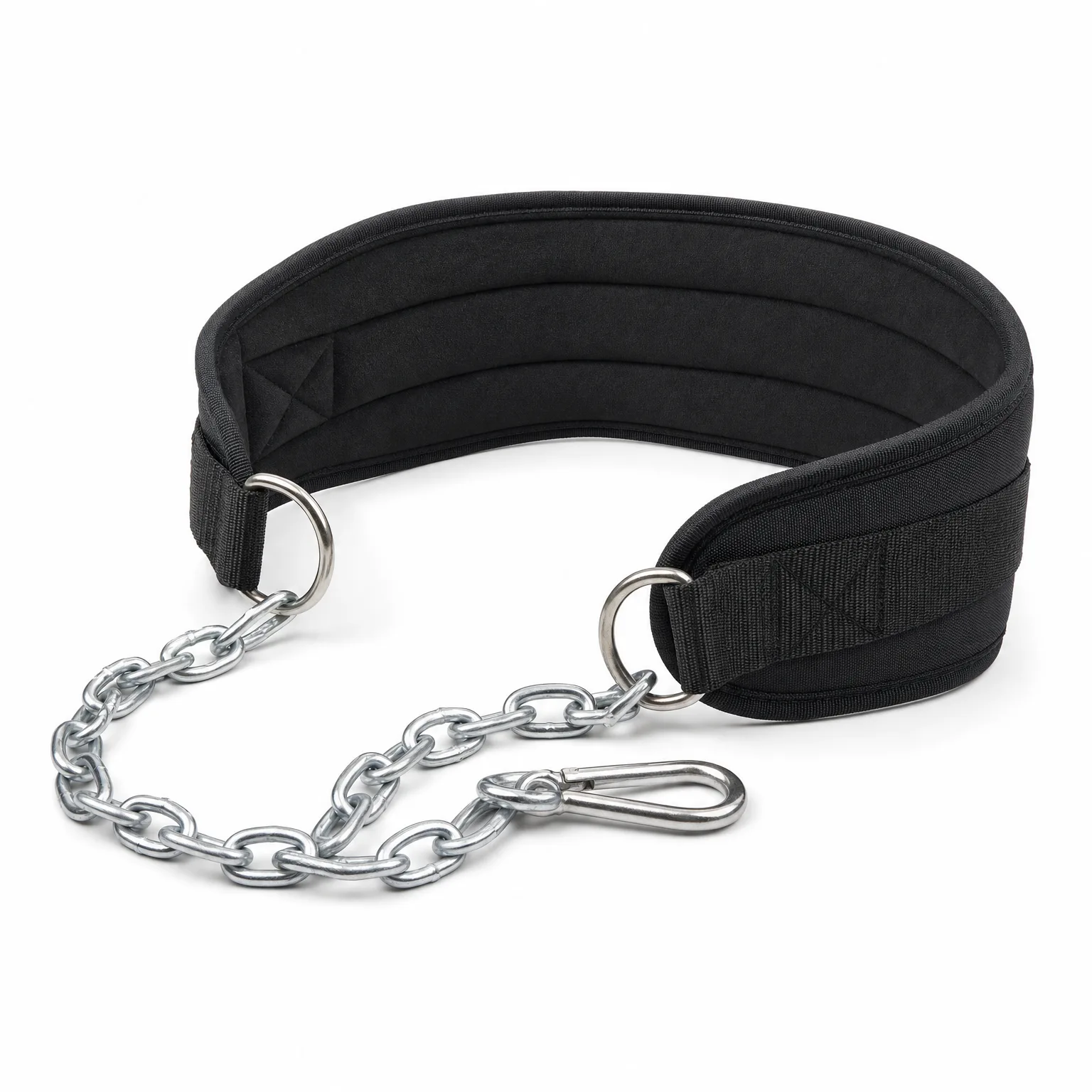
- Category
- Lifting accessories
- Where
- Gym, Home, Outdoors
- Level
- Intermediate and up
- Space
- Fits in a drawer or a bag
- Typical sizes
- One adjustable size; chain or strap about 75–100 cm (30–40 in) long; load capacity depends on the manufacturer's rating
- Also called
- weighted dip belt, pull-up belt, weight belt with chain, chain belt, weighted pull-up belt, dipping belt
Muscles it works
- Also works
- Biceps, Front delts
What it is used for
- Weighted dips on parallel bars
- Weighted pull-ups and chin-ups
- Belt squats, standing on two boxes with the weight hanging between them
- Weighted calf raises and muscle-ups for advanced trainees
Types
Chain dip belt. A steel chain with a carabiner at one or both ends. The classic type. Durable and easy to shorten link by link. The chain can pinch and is noisy.
Strap dip belt. A length of nylon webbing in place of the chain. Lighter, quieter and softer on the legs. Check the stitching and the rated load.
Leather belt. A stiff leather back panel. Hard-wearing and stable under heavy loads, less comfortable on the hip bones until broken in.
Padded nylon or neoprene belt. A wide, soft, contoured back panel. Comfortable from the first use and light to carry. The fabric wears faster than leather.
How to choose
Check the rated load
Makers state how much the belt, chain and carabiner are built to carry. Choose a rating well above what you plan to hang from it, and treat the carabiner as part of that rating.
Chain or strap
A chain is the long-lasting choice and adjusts in small steps. A strap is kinder to bare legs and easier to pack for outdoor sessions. Either works for the loads most people use.
Look at the back panel
A wider, contoured panel spreads the weight across the hips. A narrow or thin belt digs into the hip bones once the load gets heavy.
Check the chain length
The chain has to pass through the plates you own and still clip to the other side. A stack of several thin plates needs more length than a single thick one or a kettlebell.
How to start using it
- Wear it on the hips. Wrap the belt around the top of the hip bones, about where a trouser belt sits, with the padded panel across the back and the rings at the front.
- Thread and clip. Pass the chain through the hole of the plate, or through a kettlebell or dumbbell handle, and clip it to the ring on the other side. Shorten it so the weight hangs just below the hips, high between the thighs, not at the knees.
- Load up close to the bar. Stand the plate on a bench or box next to the dip or pull-up station, attach it there and step straight to the bars. Walking across the gym with a plate swinging between your legs is awkward.
- Start light and stay still. Begin with 2.5–5 kg (5–10 lb) and add in small steps. Squeeze the legs lightly together, or cross the ankles behind the plate, to keep it from swinging. Lower yourself under control.
- Get down before unloading. Step onto the foot pegs or a box at the end of the set. Do not drop from the bar with weight attached. Unclip the plate onto the bench.
Common mistakes
Adding weight too early
If bodyweight reps are short, kipped or stop above parallel, extra load makes them worse. Reach a solid set of full-range bodyweight reps first.
Letting the weight hang low
A long chain lets the plate swing like a pendulum, hit the knees and pull you off line. Shorten it so the load sits close to the body.
Wearing it around the waist
On the soft part of the waist the belt slides down under load and presses into the stomach. It should rest on the hip bones, which carry the weight.
Jumping off with the weight on
Landing with a plate hanging from the hips jolts the lower back and knees. Step down to a box or pegs and take the weight off first.
Ignoring a worn chain or strap
Check the carabiner gate, the rings and the stitching from time to time. Replace anything bent, cracked or frayed.
What to use instead
A weighted vest adds load to dips and pull-ups with nothing swinging, though a vest usually holds less weight than you can hang from a belt. A backpack with plates or books inside, worn tightly, works at home for moderate weights. For small loads, a dumbbell held between crossed ankles or behind the knees does the job, as long as you can keep hold of it for the whole set and have a safe way to set it down.
-
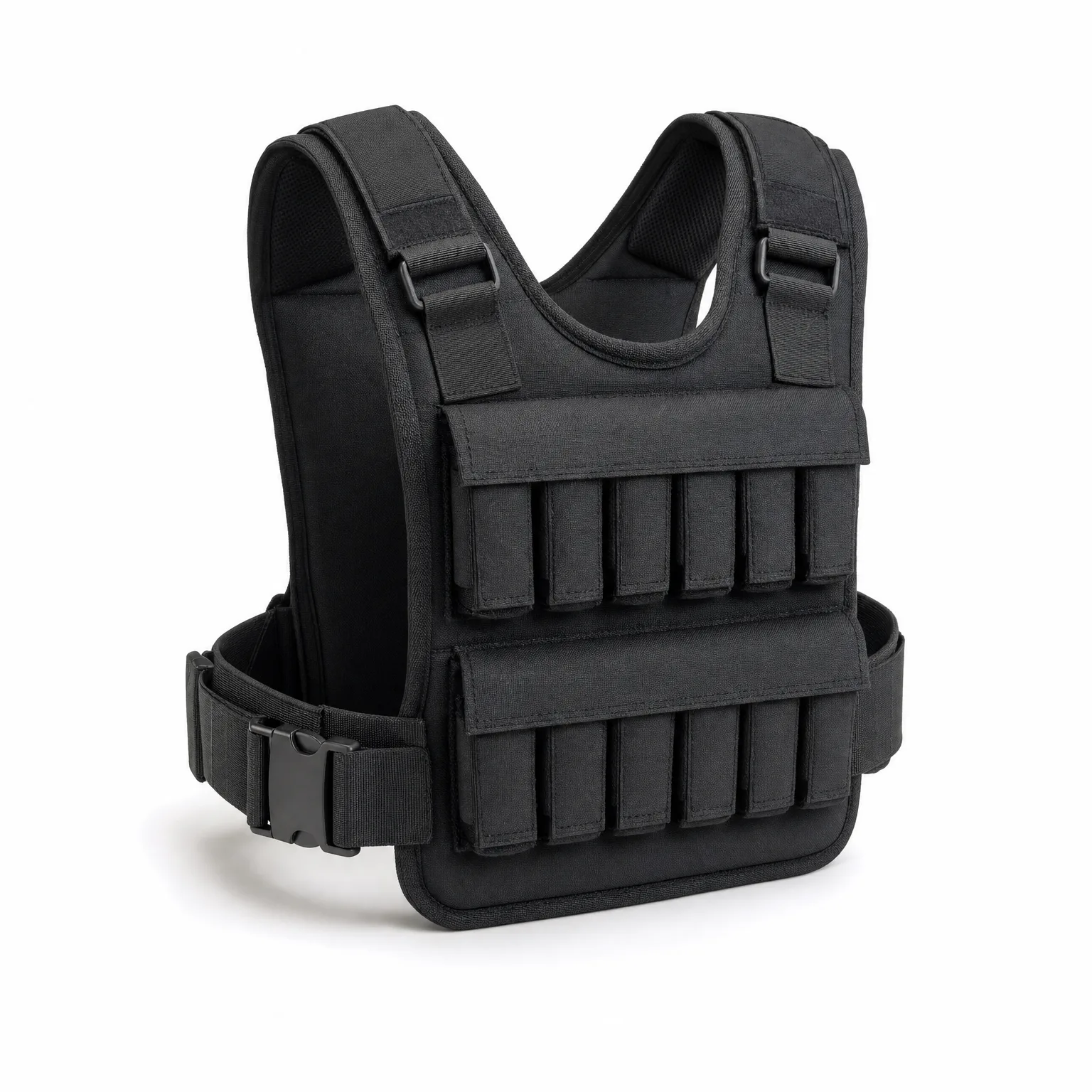
Weighted vest
A vest that carries extra weight on the torso. It makes push-ups, pull-ups, squats, walking and stair climbing harder with free hands. -
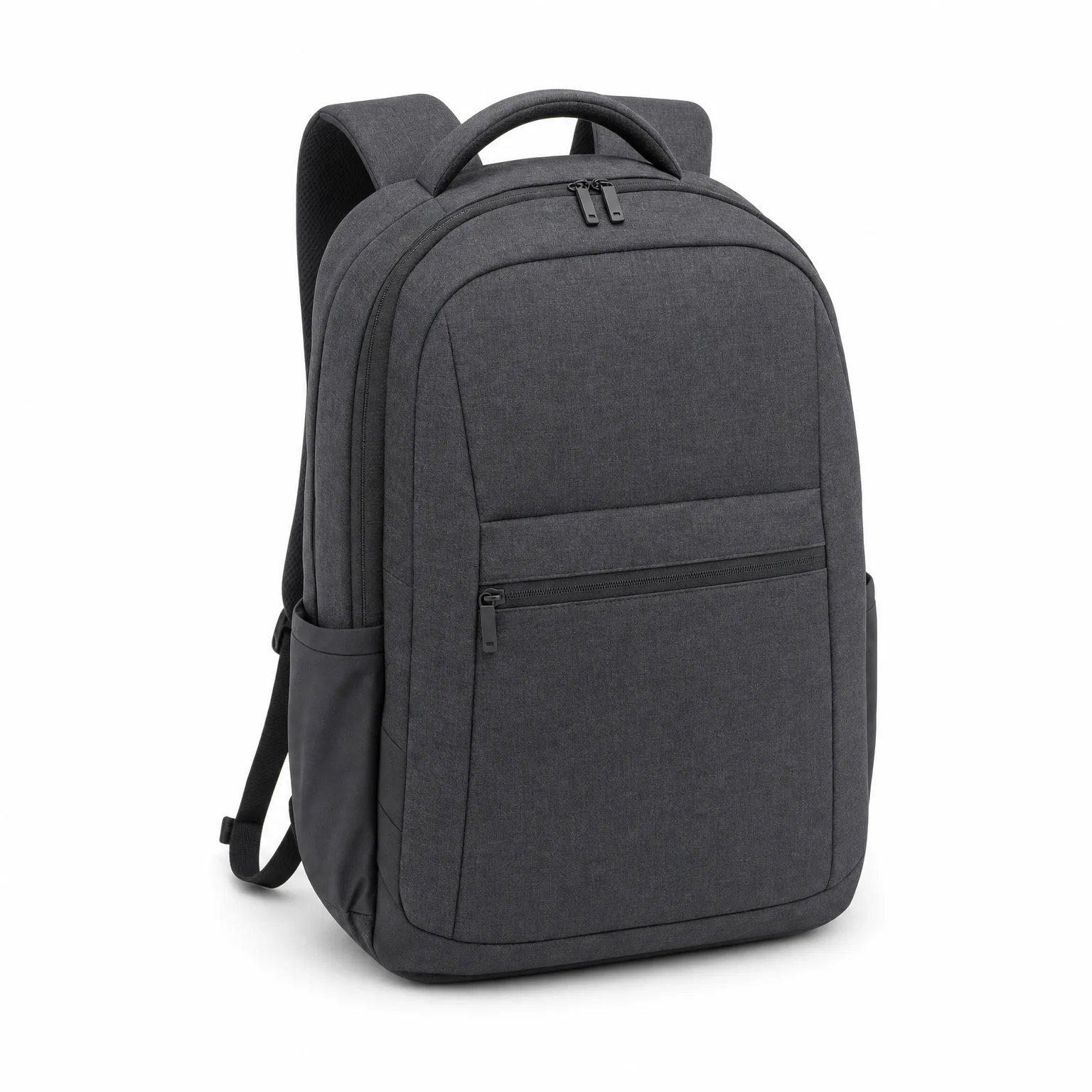
Loaded backpack
An ordinary backpack filled with books or water bottles works as an adjustable weight for squats, rows, push-ups and loaded walks. -

Dumbbells
A pair of short handles with a weight at each end. One pair trains every major muscle group, at home or in a gym.
Often used with
-
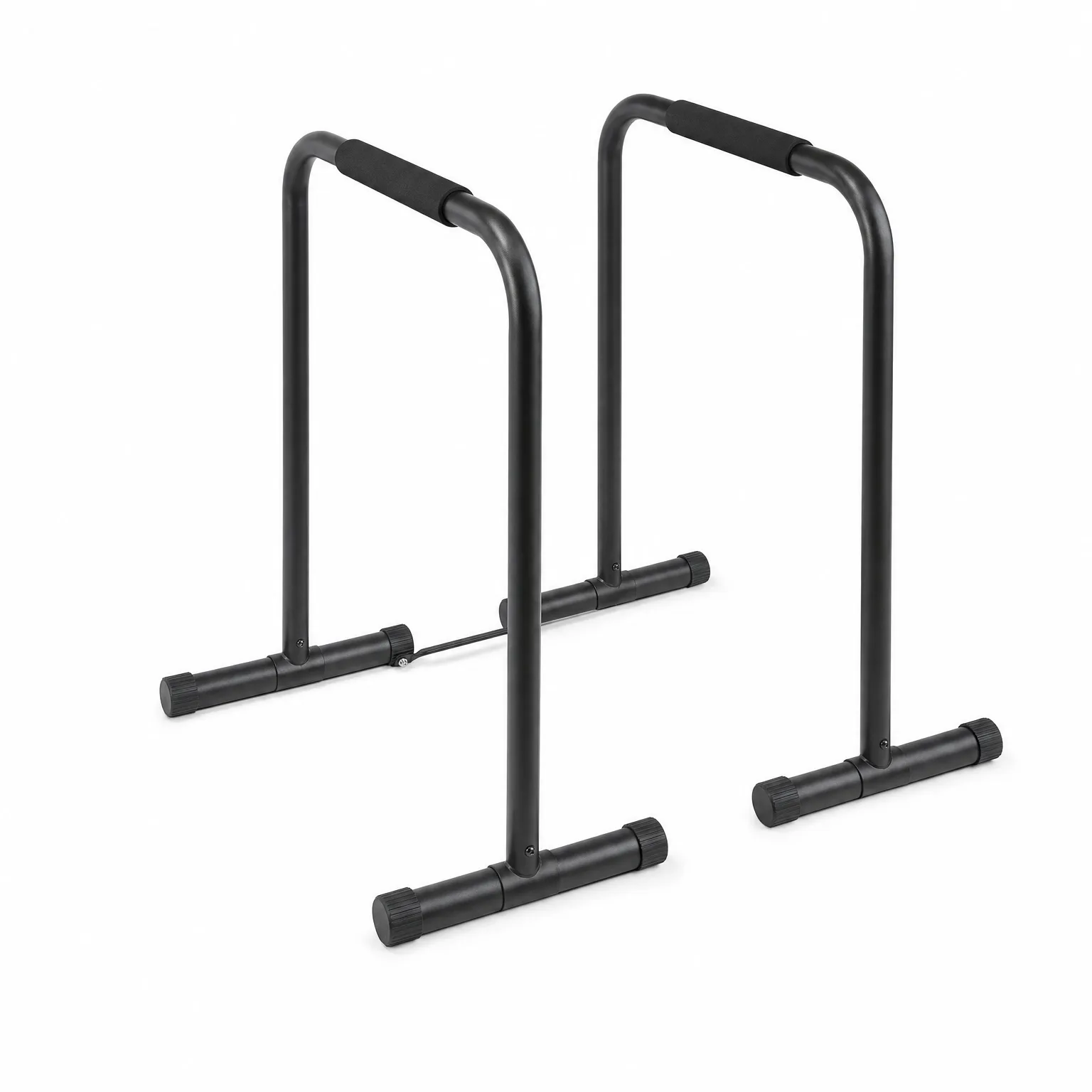
Dip bars
Two parallel bars at about waist height that you support yourself on. Used for dips, leg raises and bodyweight rows. -
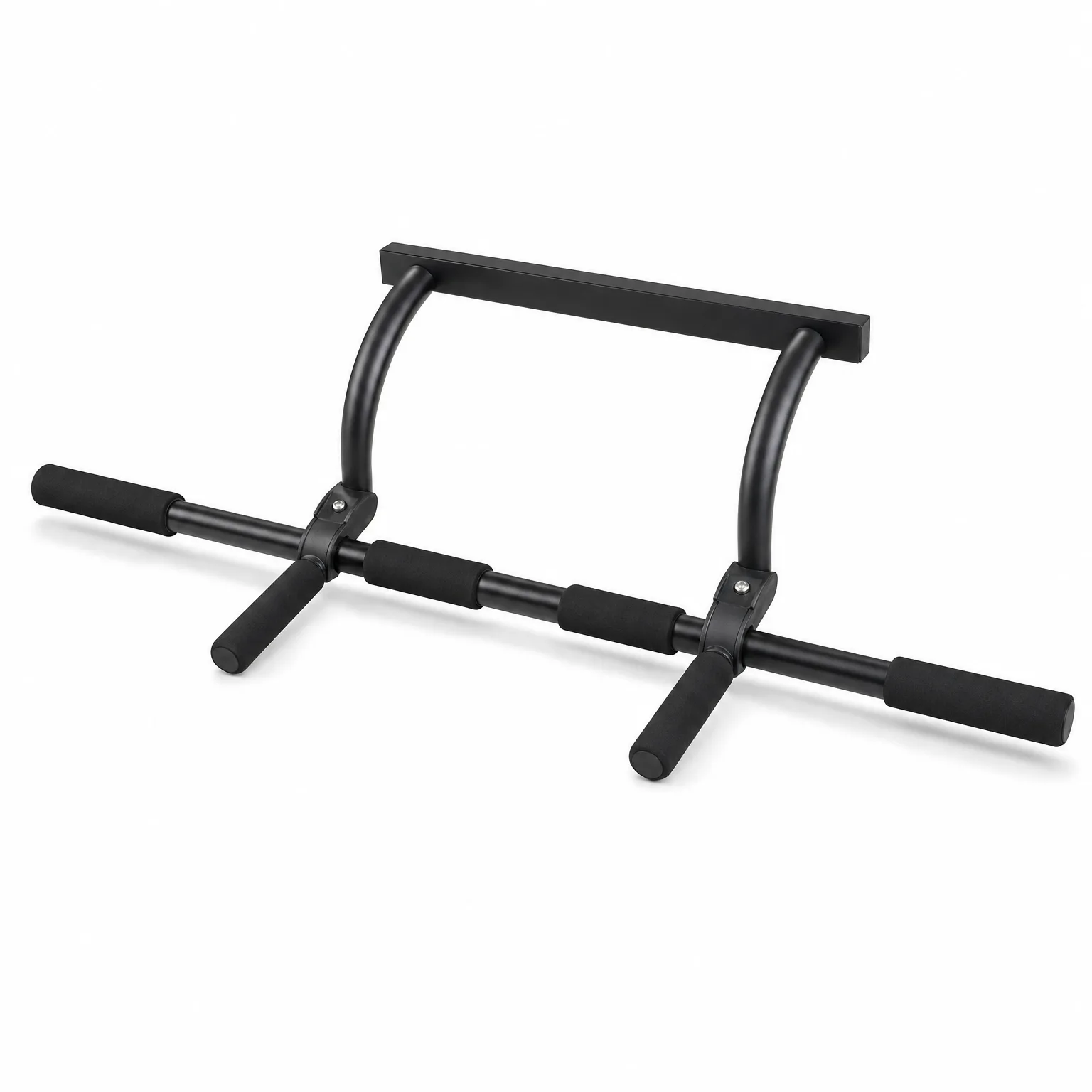
Pull-up bar
A fixed horizontal bar you hang from. Used for pull-ups, chin-ups, hangs and hanging leg raises, at home or outdoors. -
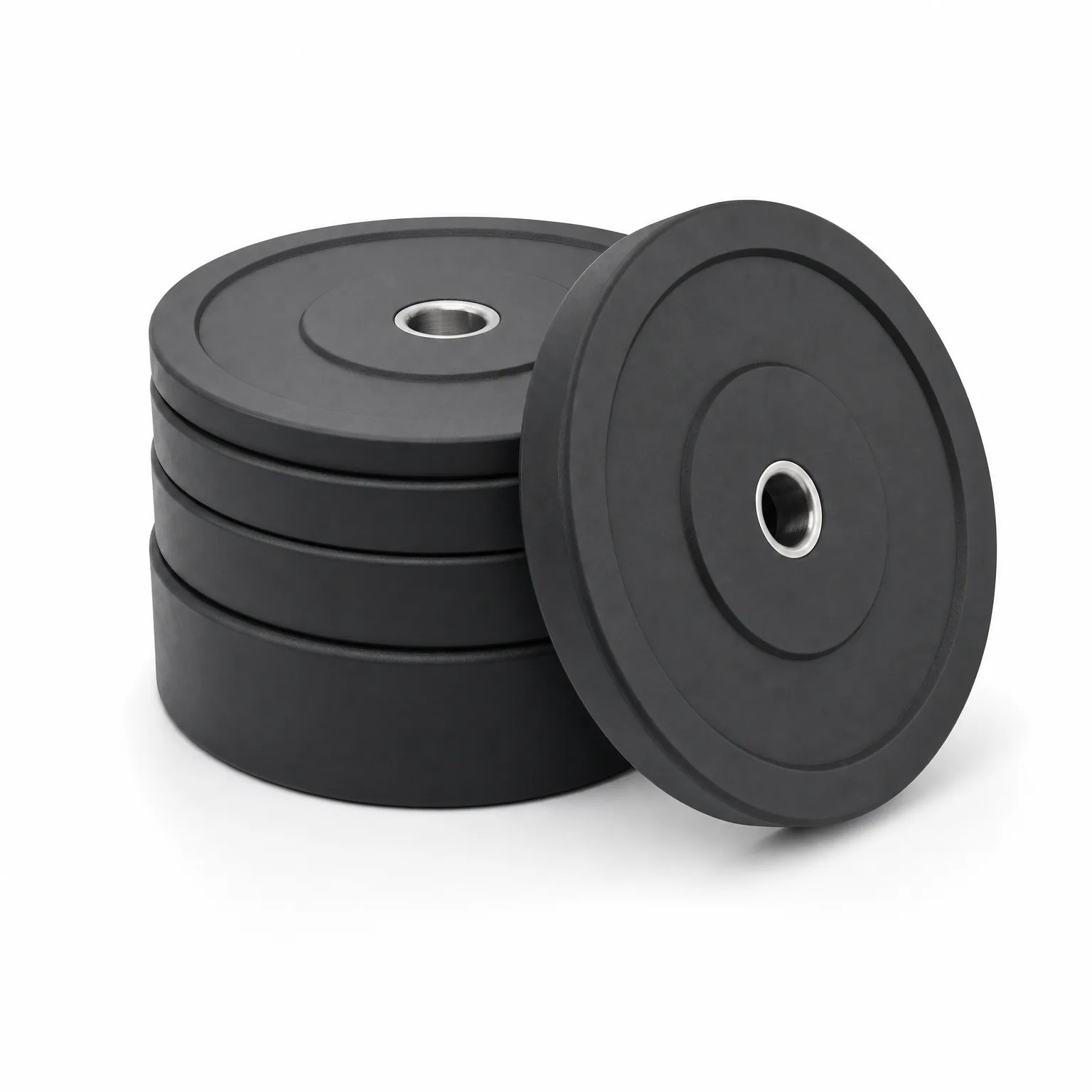
Weight plates
Flat discs that slide onto a barbell or machine to set the load. A single plate also works as a hand-held weight. -
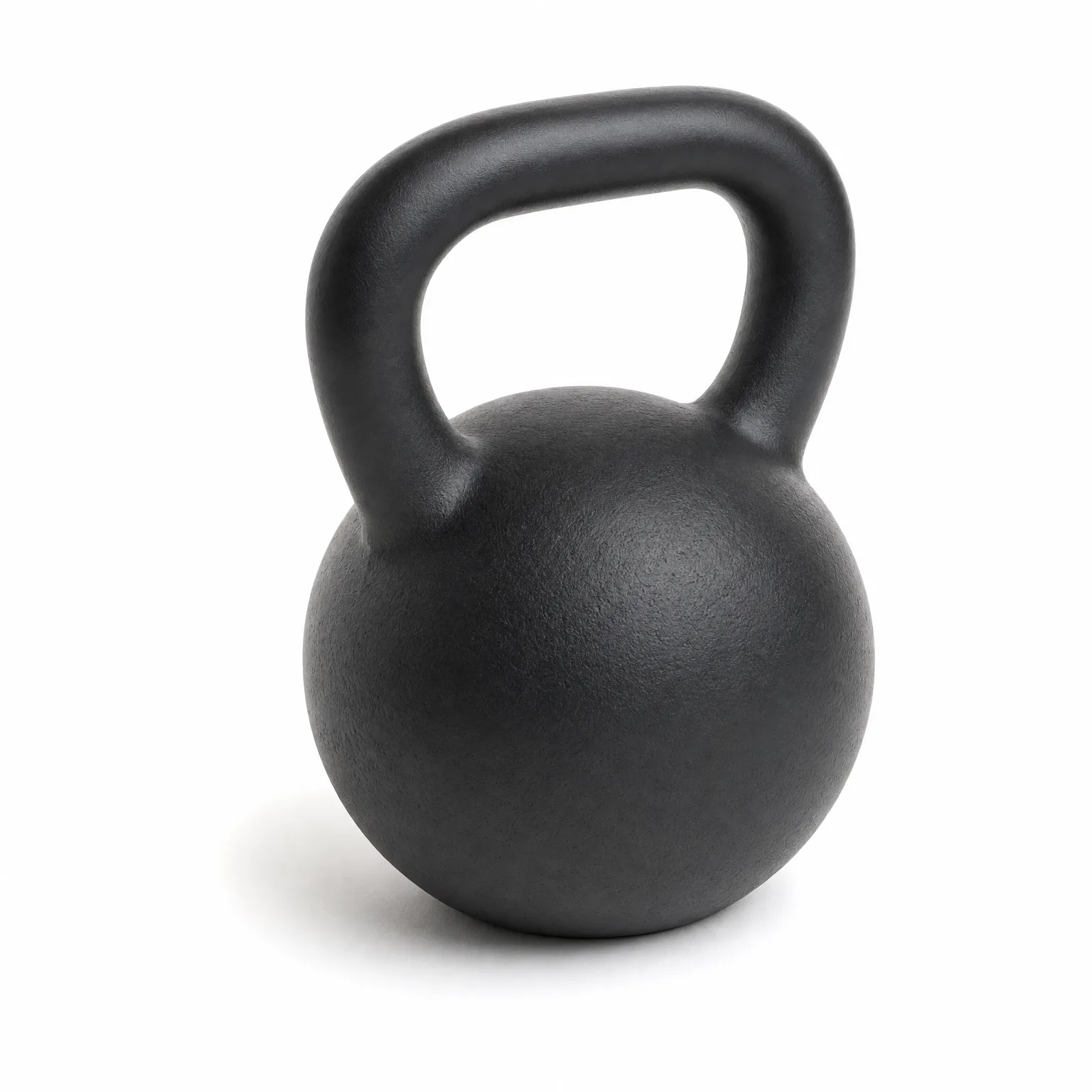
Kettlebell
A cast-iron or steel ball with a flat base and a handle on top. Built for swings, carries, squats and presses with one weight.
Questions about dip belt
What is a dip belt used for?
For adding weight to bodyweight exercises. Plates or a kettlebell hang from a chain at the front of the belt, so dips, pull-ups and chin-ups can be loaded progressively, the same way you would add weight to a barbell.
When should you start adding weight to dips and pull-ups?
A common guide is once you can do about 10–12 clean, full-range bodyweight reps. From there, a small added load with fewer reps per set is a straightforward way to keep progressing.
Dip belt or weighted vest?
A dip belt takes as many plates as its chain and rating allow and goes on and off in seconds between sets, which suits heavy dips and pull-ups. A vest spreads the weight over the torso and stays put, which suits push-ups, running and circuits, but the load is limited and changing it is slow.
Can you use a lifting belt as a dip belt?
It is not designed for it. A lifting belt has no rings for a chain and sits on the waist, not the hips. Looping a chain around it tends to slide and puts the load in the wrong place. A dip belt is inexpensive and built for the job.
How much weight can a dip belt hold?
It depends on the manufacturer's rating for the belt, the chain or strap and the carabiner. Check the stated figure and stay within it. For most trainees the loads used are far below what a sound belt is rated for.
Build programs around what your client has
This guide comes from OnlineFitness.app, the app online coaches run their clients in.
Free for life for the first 100 coachesNo card