Chest
The fan-shaped muscle across the front of the ribcage. It brings the arm forward and across the body in presses, push-ups and flyes.
In short
The pectoralis major is the large, fan-shaped muscle on the front of the chest. It starts on the collarbone, the breastbone and the upper ribs, and its fibers converge into one tendon on the front of the upper arm bone. It brings the arm forward and across the body, as in pushing a door, hugging or pressing a weight away from you.
Pressing exercises such as the bench press, push-ups and dips build it, and flyes add work in a stretched position. A thinner muscle, the pectoralis minor, lies underneath and moves the shoulder blade rather than the arm. The front delts and triceps help in every press, so chest training works them too.
- Anatomical name
- Pectoralis major
- Group
- Chest and shoulders
- Also called
- pecs, pectorals, chest muscles, pec major, upper chest
- Works with
- Front delts, Triceps, Mid back, Lats
What it does
- Brings the arm across the body (horizontal adduction): the hugging motion of a fly or the pec deck
- Pushes the arm forward from the chest together with the front delts and triceps: bench press, push-up
- Rotates the upper arm inward, as when you tuck a hand behind your back
- Pulls the arm down and in toward the body (lower fibers): dips, and pulling yourself up onto a ledge
- Lifts the arm forward and up (upper fibers): incline press, front raise
Parts of the muscle
Clavicular head (upper chest). Starts on the inner half of the collarbone. It helps lift the arm forward and up, so incline presses at a moderate angle give it a bit more of the work.
Sternocostal head (mid and lower chest). Starts on the breastbone and the upper rib cartilages and makes up most of the muscle. Flat presses, dips and flyes load it heavily.
Pectoralis minor. A small muscle under the pectoralis major, from the ribs to a point on the front of the shoulder blade. It pulls the shoulder blade forward and down, works in push-ups and dips, and needs no exercise of its own.
Exercises for the chest
Ordered from the most useful. Equipment links open its page in the equipment guide.
-
Bench press
Pull the shoulder blades back and down, feet planted. Lower the bar to the lower chest with the elbows angled about 45 to 70 degrees from the torso, then press up.
-
Incline dumbbell press
Set the bench to about 30 degrees. Lower the dumbbells to the sides of the upper chest for a deep stretch and press up and slightly in.
-
Push-up
Hands a little wider than the shoulders, body straight from head to heels. Lower until the chest is close to the floor and keep the elbows from flaring straight out.
Bodyweight
-
Dip
Lean the torso forward and let the elbows drift out a little to shift work to the chest. Lower until the shoulders are slightly below the elbows, as far as is comfortable.
-
Machine chest press
Set the seat so the handles line up with the middle of the chest. Keep the shoulder blades against the pad and control the return so the plates do not touch between reps.
-
Cable fly
Pulleys at shoulder height or a little higher, one foot forward. Keep a slight bend in the elbows and bring the hands together in front of the chest in a wide arc.
-
Dumbbell fly
Lie on a flat bench, elbows slightly bent and fixed. Open the arms until you feel a stretch across the chest, not in the shoulder, then squeeze the dumbbells back up.
-
Pec deck fly
Adjust the seat so the handles are at chest height. Bring the arms together without letting the shoulders roll forward, and return slowly to a full stretch.
How to train it
Build the plan around one or two presses
A flat press and an incline press cover most of the muscle and let you use heavy loads. Add one fly variation for extra work in the stretched position. Push-ups and dips are full alternatives when there is no bench.
Do 10 to 20 hard sets a week
Split them over two or three sessions. Beginners make good progress with about 8 to 12 sets. Count presses and flyes alike, and add sets only when progress stalls and recovery is fine.
Press heavy and fly lighter
Barbell and dumbbell presses work well for 5 to 12 reps. Flyes, machines and push-ups suit 10 to 20. Take most sets within one to three reps of failure.
Use the stretch at the bottom
In presses and flyes the bottom of the rep, with the arms open and the chest stretched, is the hardest part. Lower with control to a deep but comfortable bottom position instead of cutting the rep at half depth.
Progress load and reps in small steps
Add a rep to each set first, then a small amount of weight once every set reaches the top of the planned range. For push-ups, raise the feet, add a backpack or slow the lowering.
Common mistakes
Letting the shoulders roll forward
When the shoulder blades drift apart and the shoulders roll forward, the front delts take more of the press. Pull the blades back and down before you unrack and keep them there for the whole set.
Bouncing the bar off the chest
A bounce moves the weight with momentum at the exact point where the chest should work hardest. Touch lightly or stop just above the chest, then press.
Flyes so heavy they turn into presses
If the elbows bend more and more during the set, the load is too heavy. Choose a weight you can move in a wide arc with the elbows held at one angle.
Training only the flat bench
A program built on one lift leaves the upper chest and the stretched position underworked. Rotate in an incline press and a fly.
Equipment for these exercises
-

Barbell
A long steel bar loaded with plates at both ends. The standard tool for squats, deadlifts, presses and rows with heavy weight. -
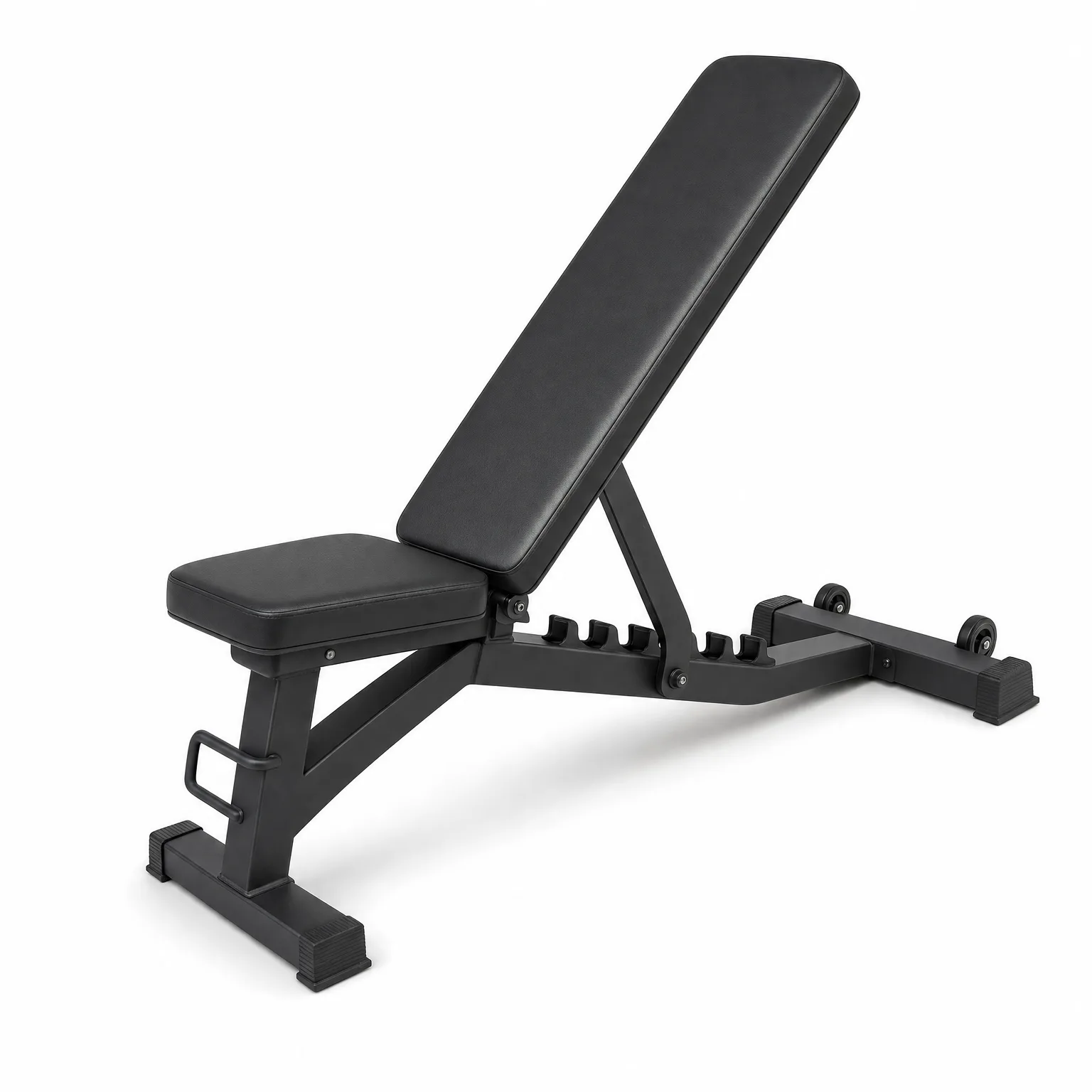
Weight bench
A padded bench you lie, sit or lean on while lifting. It supports the body for presses, rows, hip thrusts and seated work. -
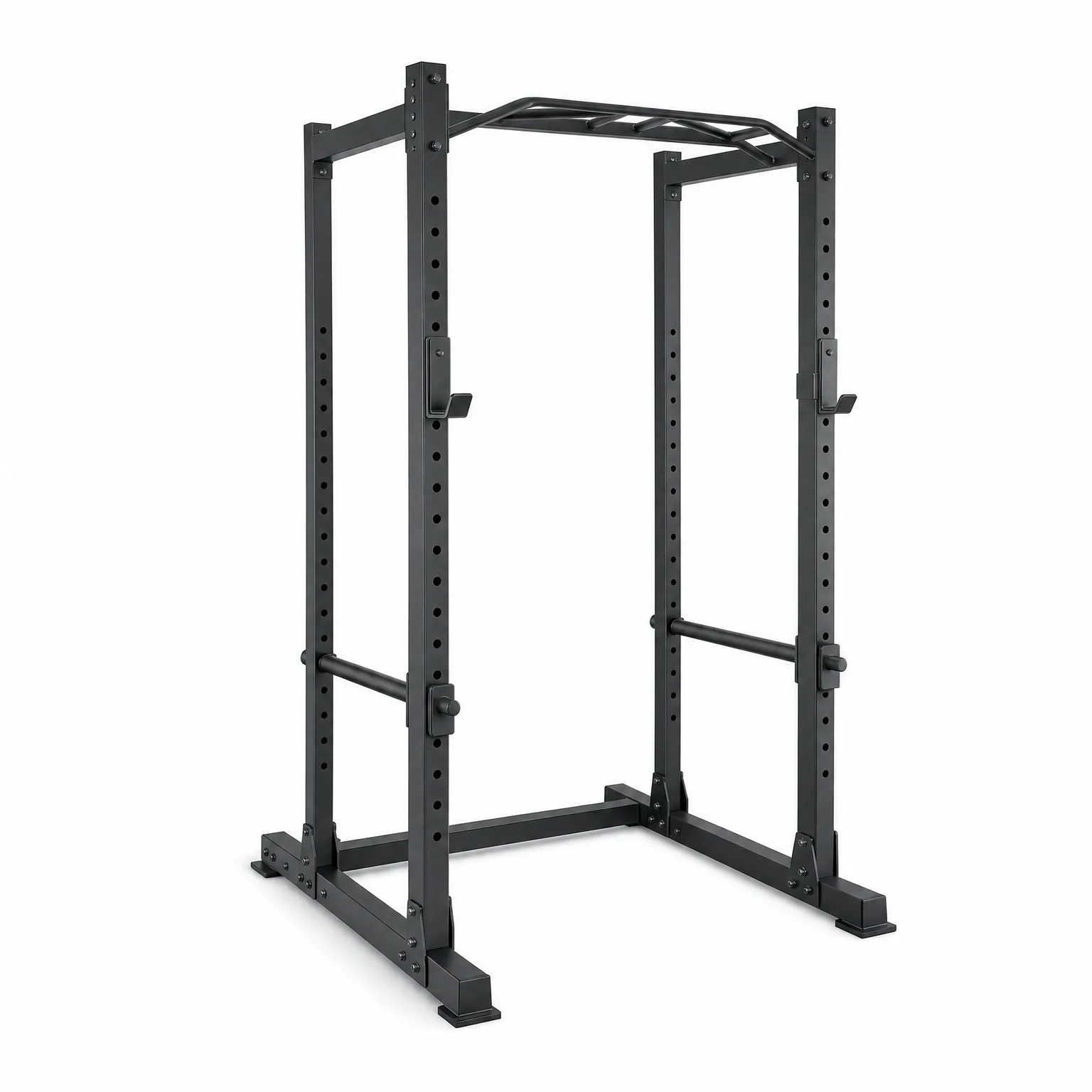
Squat rack
A steel frame that holds a barbell at the height you need and catches it if a rep fails. The base for squats and presses. -

Dumbbells
A pair of short handles with a weight at each end. One pair trains every major muscle group, at home or in a gym. -
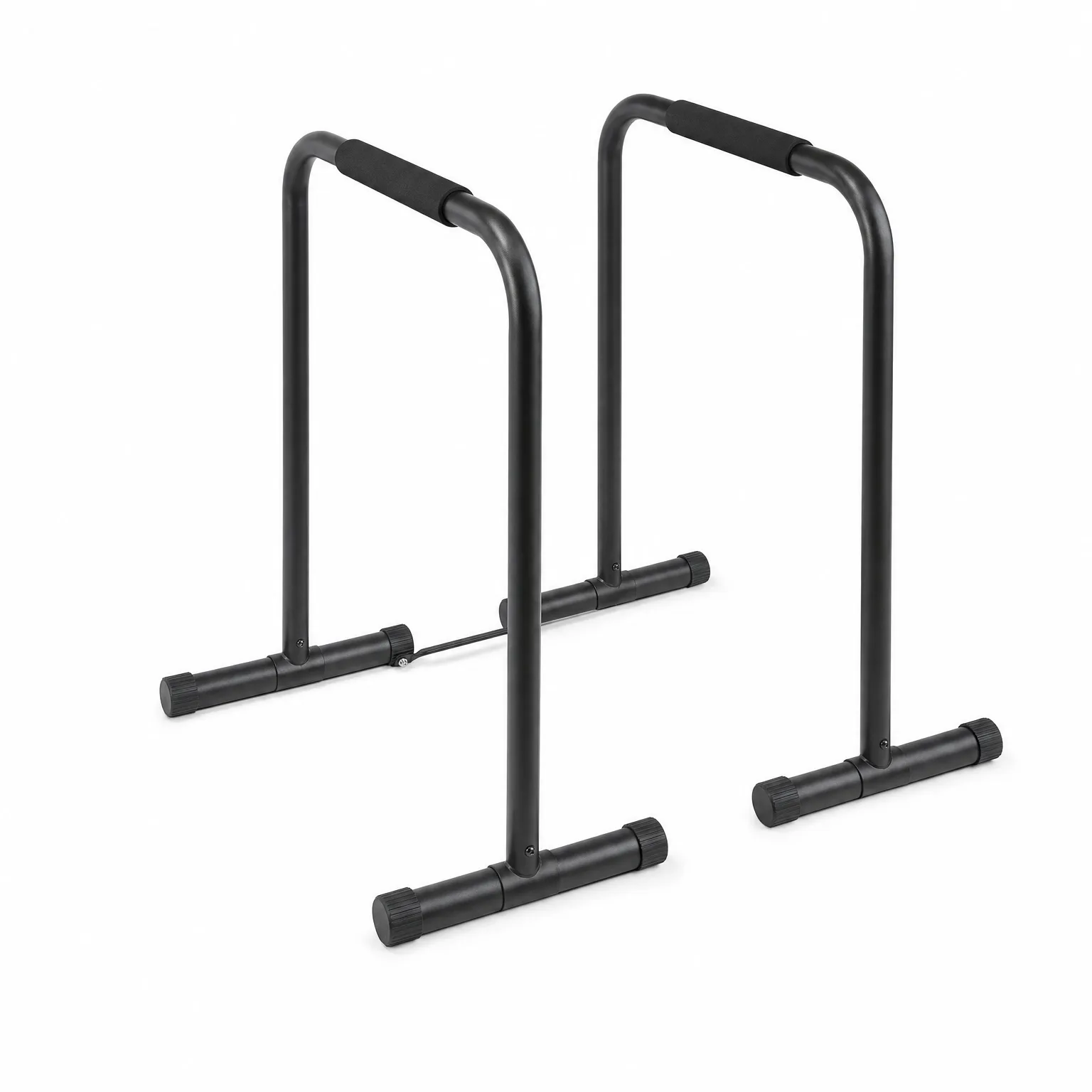
Dip bars
Two parallel bars at about waist height that you support yourself on. Used for dips, leg raises and bodyweight rows. -
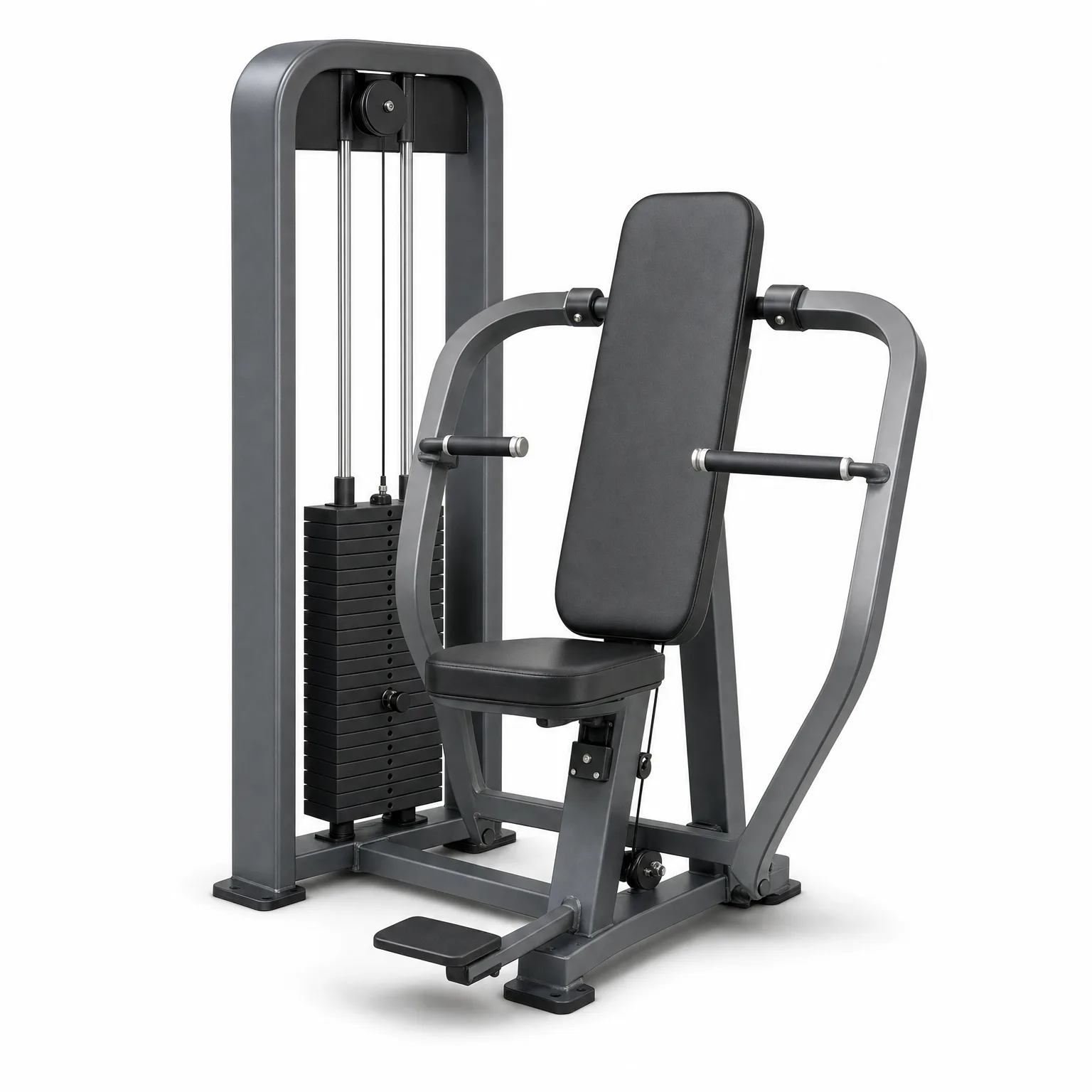
Chest press machine
A seat with handles you push forward against a weight stack or plates. It trains the chest, front shoulders and triceps. -
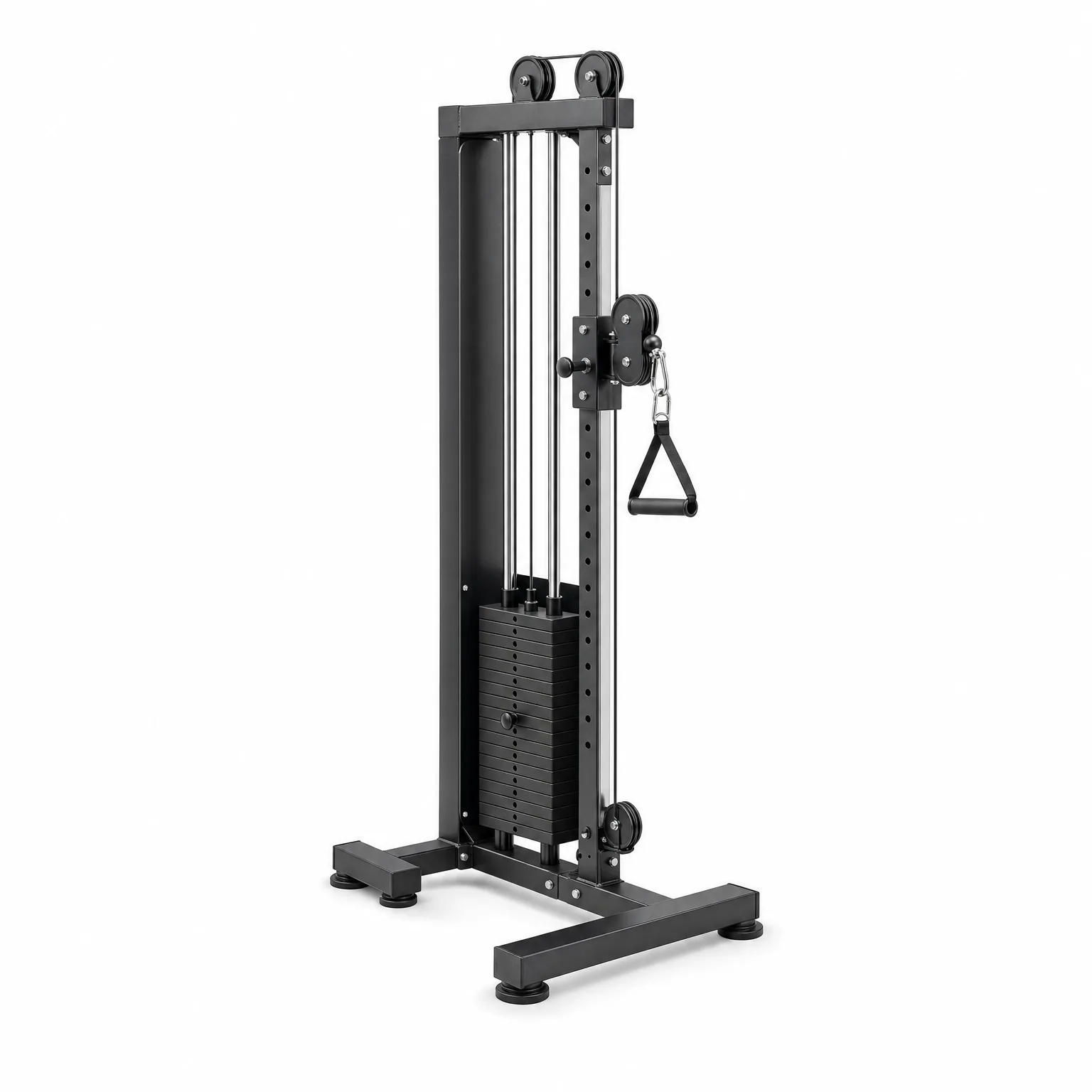
Cable machine
A weight stack on a pulley with a handle you can set at any height. It keeps tension on the muscle through the whole movement. -
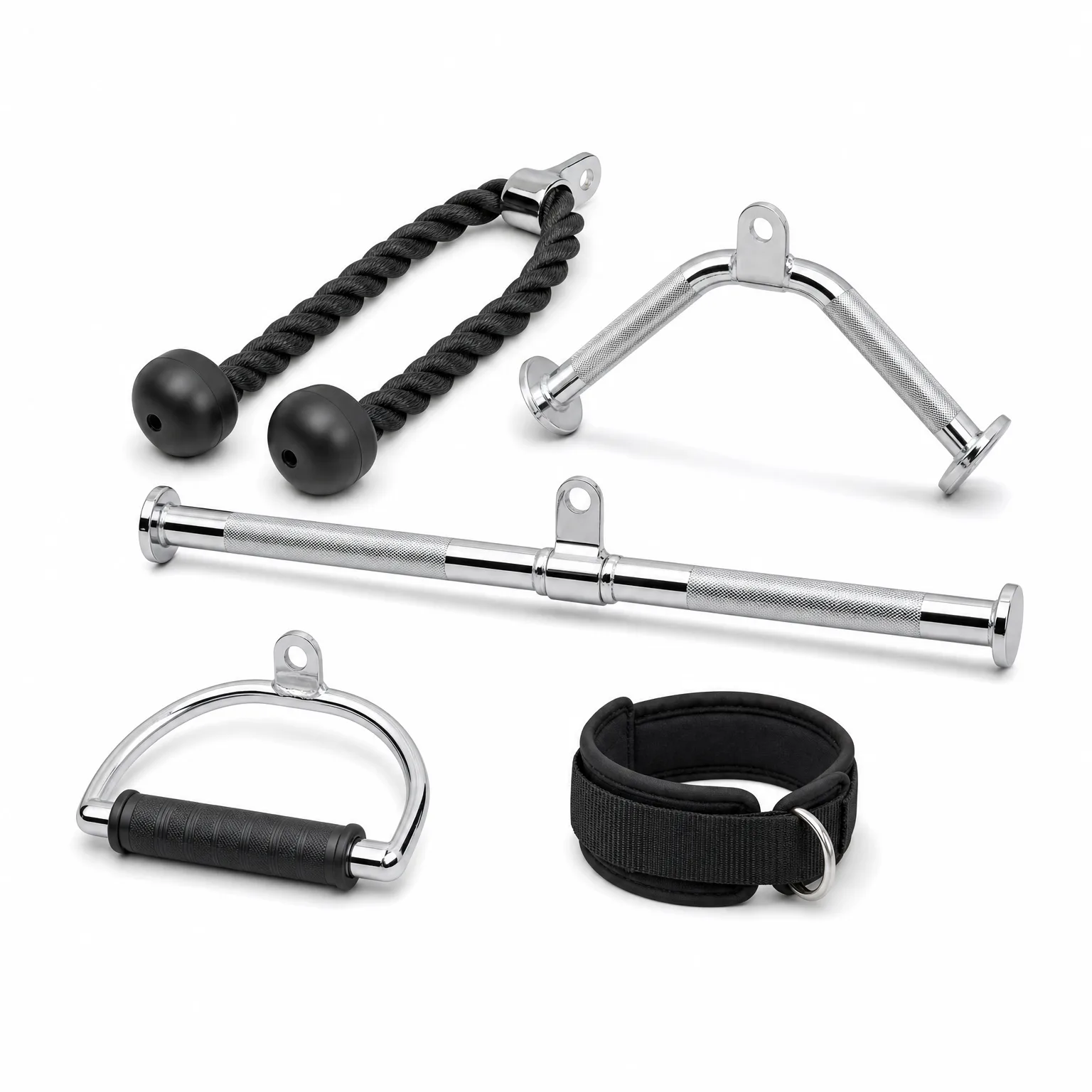
Cable attachments
The handles, bars, ropes and cuffs that clip onto a cable machine. Each one sets your grip and changes which exercises the cable can do.
Related muscles
-
Front delts
The front head of the shoulder muscle. It lifts the arm forward and overhead and helps in every press, from the bench press to the overhead press. -
Triceps
The three-headed muscle on the back of the upper arm. It straightens the elbow in presses, push-ups and dips. -
Mid back
The muscles on and between the shoulder blades. They pull the blades together, turn the arm outward and work in every row. -
Lats
The widest muscle of the back, from the lower spine and pelvis to the upper arm. It pulls the arm down and back in pull-ups, pulldowns and rows.
Questions about training the chest
What are the best chest exercises?
A flat press and an incline press, barbell or dumbbell, form the base. Dips and push-ups are close substitutes. A cable or dumbbell fly adds tension in the stretched position. Two or three of these done hard and progressed over time build the chest well.
Can you target the upper chest?
Partly. The upper fibers help lift the arm forward and up, so incline presses at a moderate angle, around 30 degrees, shift more work to them. Very steep inclines turn the exercise into a shoulder press. The whole muscle still works in every press.
Can I build my chest with push-ups only?
Yes, especially early on. Push-ups taken close to failure can build the chest about as well as the bench press at a similar effort. Once you can do more than about 25 to 30 reps, make them harder with raised feet, a slower tempo, a weighted backpack or push-up bars for extra depth.
How often should I train chest?
Two sessions a week work for most people, with two to three days between them. One long session can work too, but splitting the sets usually keeps their quality higher.
Why do I feel the bench press in my shoulders and not my chest?
Usually the shoulder blades are not pulled back, the elbows flare to 90 degrees, or the bar comes down too high, near the neck. Set the shoulder blades, tuck the elbows a little and lower the bar to the lower chest. A short range of motion also takes work away from the chest.
Write programs your clients can follow
This guide comes from OnlineFitness.app, the app online coaches run their clients in.
Free for life for the first 100 coachesNo card