Wall
A clear stretch of solid wall works as support, a balance aid and a fixed surface to push against: wall sits, wall push-ups, stretches.
In short
A solid wall with some clear space in front of it is free training equipment. It gives you something that will not move: you can lean your back on it, push your hands or feet against it, slide along it or touch it for balance. That covers wall sits, wall push-ups, calf and chest stretches, wall slides for the shoulders and supported balance work.
It is most useful to beginners, because leaning on a wall takes away part of your body weight and the fear of falling. It also serves advanced exercises, such as wall walks and handstand holds, and it is the surface for wall-based Pilates routines and medicine ball throws.
- Category
- Everyday items
- Where
- Home, Gym, Outdoors, Travel
- Level
- Beginner and up
- Space
- Needs a corner of a room
- Also called
- wall exercises, wall workout, wall sit, wall push-ups, wall pilates, wall stretches
Muscles it works
- Also works
- Glutes, Triceps, Front delts, Abs, Calves, Hamstrings
What it is used for
- Wall sits: holding a seated position with the back against the wall
- Wall push-ups as the easiest push-up variation
- Calf, chest, hip flexor and hamstring stretches against the wall
- Balance support for one-leg exercises, lunges and calf raises
- Wall slides for the shoulders, glute bridges with the feet on the wall, and handstand practice
How to choose
Pick a solid wall
Use a load-bearing or masonry wall, or a sturdy partition that does not flex when you lean on it. Avoid doors, glass, mirrors, thin panels and anything that can swing or give.
Clear the space
You need about an arm span of bare wall with no pictures, shelves, switches or radiators in the way, and about two meters (6–7 ft) of clear floor in front of it. Check for skirting boards and sockets where your feet or back will be.
Check the floor in front of it
The floor matters more than the wall. In a wall sit or wall push-up your feet push away from the wall, so they must not slide. Bare feet or shoes with grip on a dry hard floor work. Socks on smooth flooring do not.
Mind the wall surface
A smooth painted wall lets the back slide for wall sits and wall slides. Rough plaster or brick grips clothing and can scrape skin, which is fine for push-ups and stretches but less pleasant for sliding.
How to start using it
- Set up a wall sit. Stand with your back flat on the wall and walk the feet forward about two foot lengths, hip-width apart. Slide down until the thighs are between a half squat and parallel to the floor, knees over the ankles. Hold 20–30 seconds to start, then push through the feet to slide back up.
- Set up a wall push-up. Stand at arm's length from the wall, hands on it at shoulder height and slightly wider than the shoulders. Keep the body in one straight line from head to heels, bend the elbows until the nose nearly touches, and push back. Step the feet farther away to make it harder.
- Use it for balance with a light touch. For one-leg exercises, stand side-on at arm's length and rest two or three fingertips on the wall. Use as little support as you can, and work toward letting go.
- Stretch against it. For the calves, put both hands on the wall, step one foot back and press the heel down with the back knee straight. For the chest, place the forearm on the wall or a door frame with the elbow at shoulder height and turn the body gently away. Hold each for 20–30 seconds.
Common mistakes
Feet too close in a wall sit
If the feet are under the hips, the knees travel far past the toes and the heels lift. Walk the feet out until the shins are roughly vertical when you are at the bottom.
Slippery footing
Socks, a loose rug or a wet floor let the feet slide away from the wall, and you drop. Train barefoot or in shoes with grip, or stand on an exercise mat that does not move.
Sagging hips in wall push-ups
Letting the hips drop toward the wall or sticking them out takes the work off the chest and arms. Tighten the stomach and glutes and move the whole body as one plank.
Holding your breath in isometric holds
It is common to stop breathing during a wall sit. Keep a steady breath through the whole hold, and end the set when you can no longer hold the position, not when you collapse.
Kicking up to a handstand without preparation
Wall handstands need strong shoulders and a safe way to come down. Start with pike holds and wall walks to a low angle, with a clear floor around you.
What to use instead
The wall mostly stands in for support equipment. Wall bars give a fixed frame to hold for stretching, balance and hanging. A sturdy chair gives balance support and a surface for incline push-ups when no wall is clear. For the wall sit as a leg exercise, the gym equivalents are leg machines such as the leg press. A closed, locked door or a solid tree outdoors can serve for stretches and light support.
-
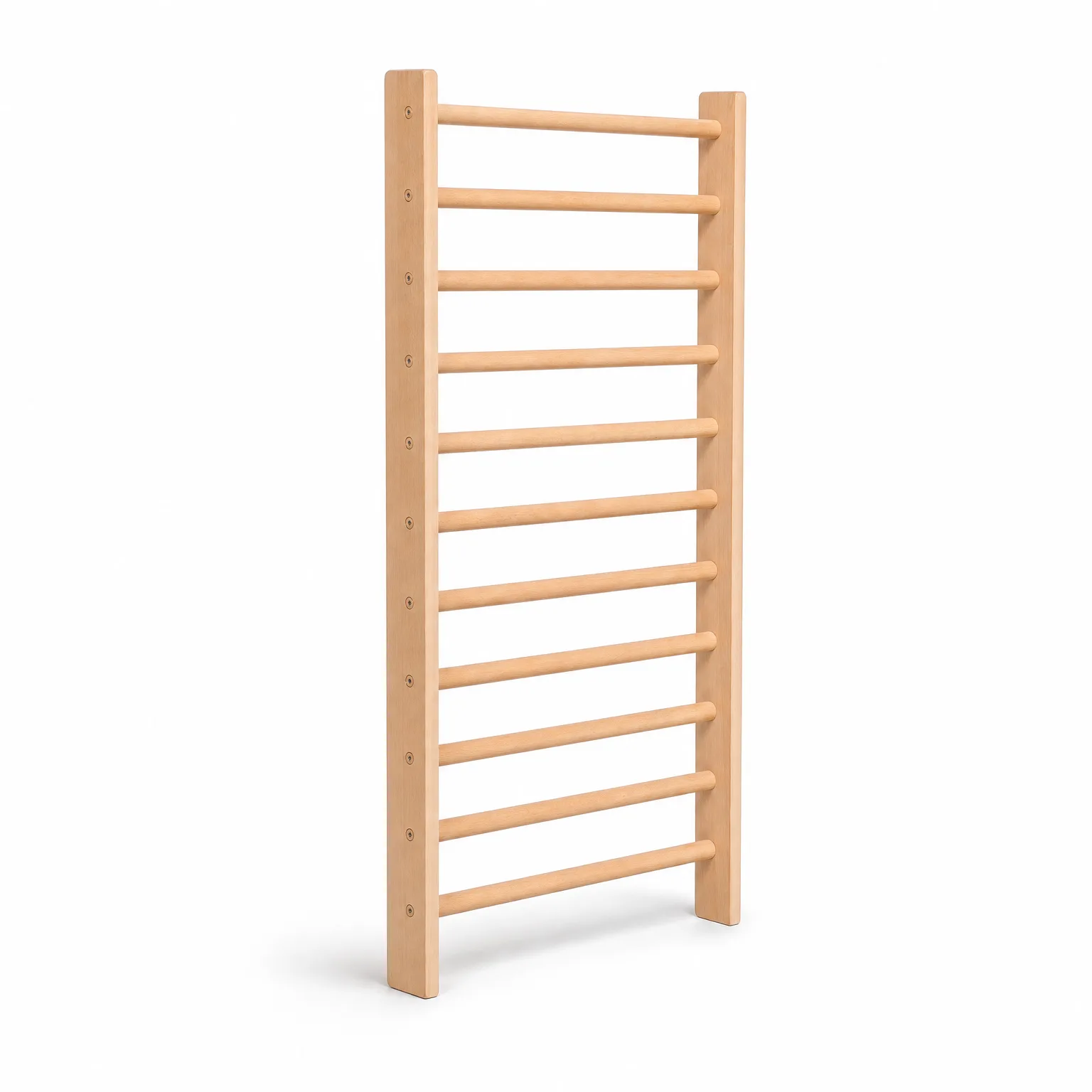
Wall bars
A ladder of horizontal wooden rungs fixed to a wall. Used for hanging leg raises, assisted stretching, pull-ups and band work. -
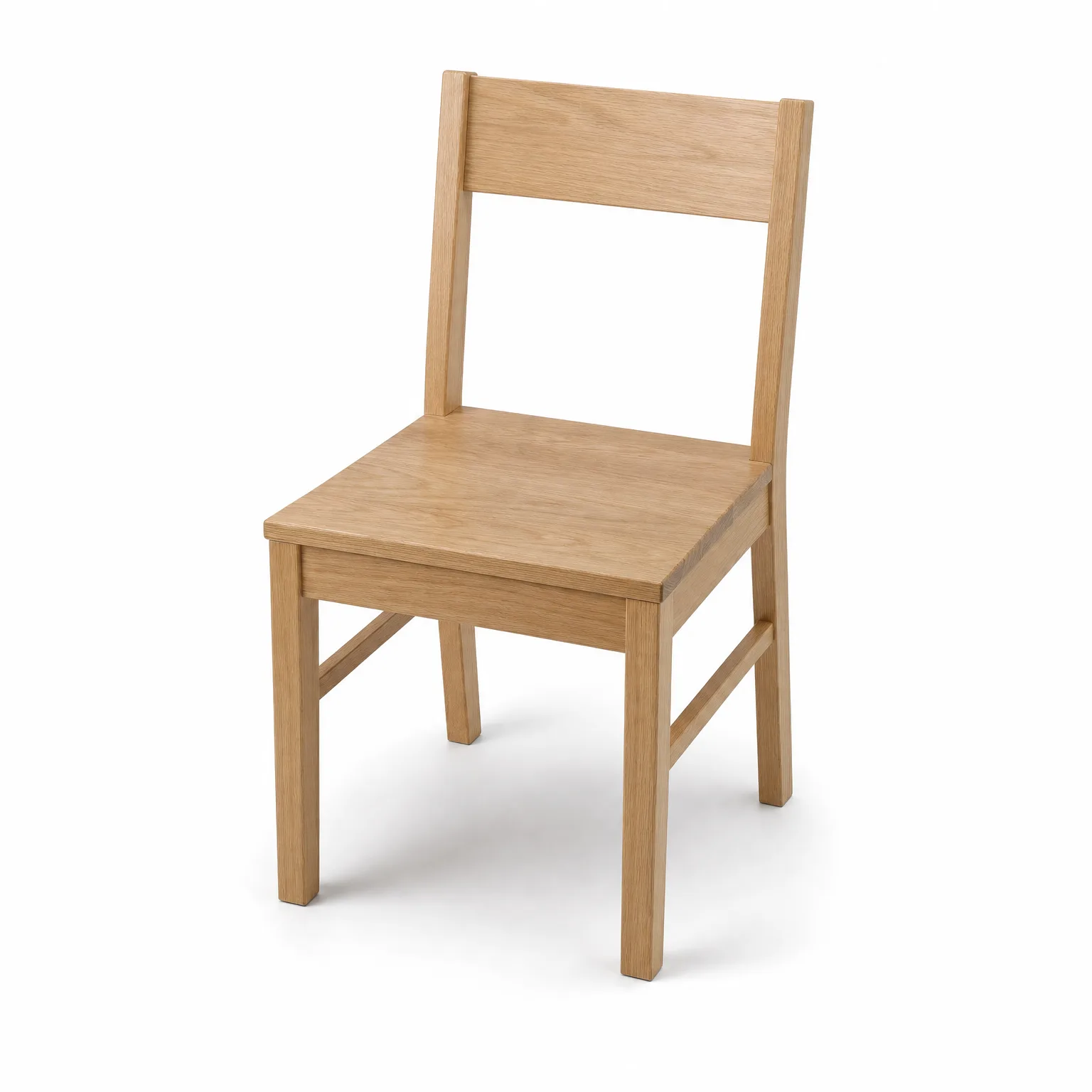
Chair
A sturdy household chair stands in for a bench, a low box or dip bars: sit-to-stands, step-ups, dips, split squats and incline push-ups.
Often used with
-

Exercise mat
A cushioned, non-slip surface for floor exercises, stretching and yoga. The first thing most people need to train at home. -
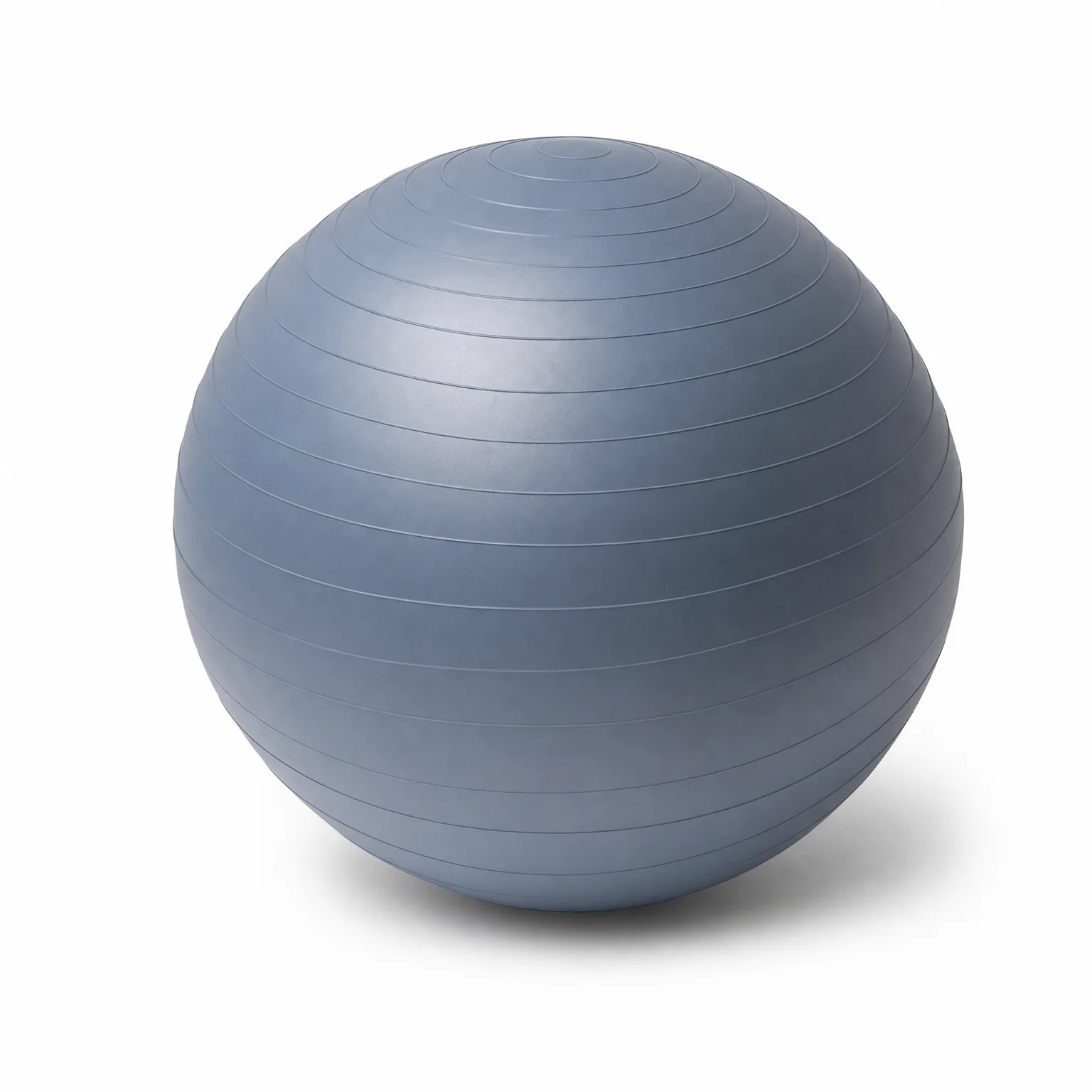
Stability ball
A large inflatable ball you sit, lie or lean on. The unstable surface is used for core exercises, hamstring curls and supported stretches. -
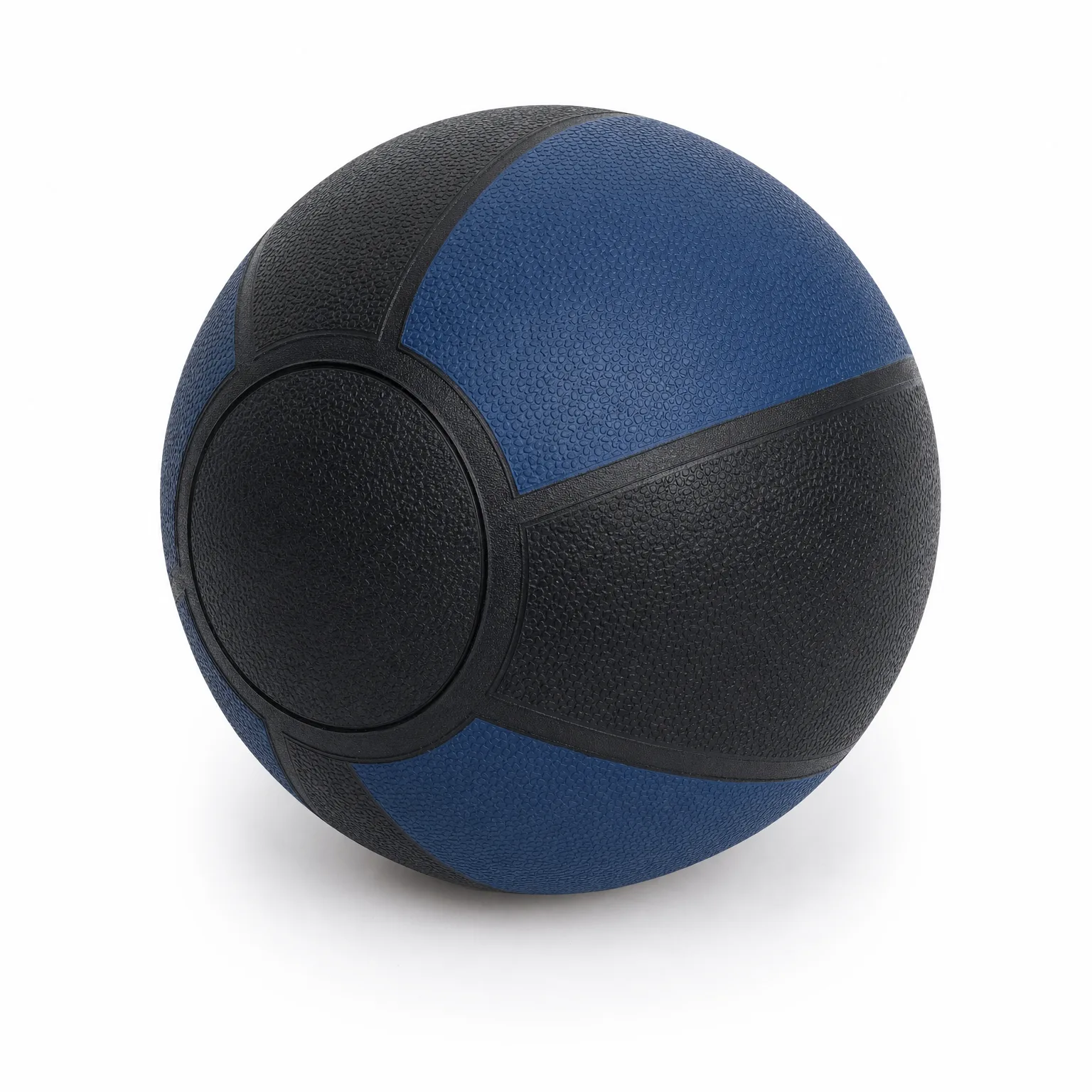
Medicine ball
A weighted ball you throw, catch and carry. Used for power throws, wall balls, partner drills and core exercises. -
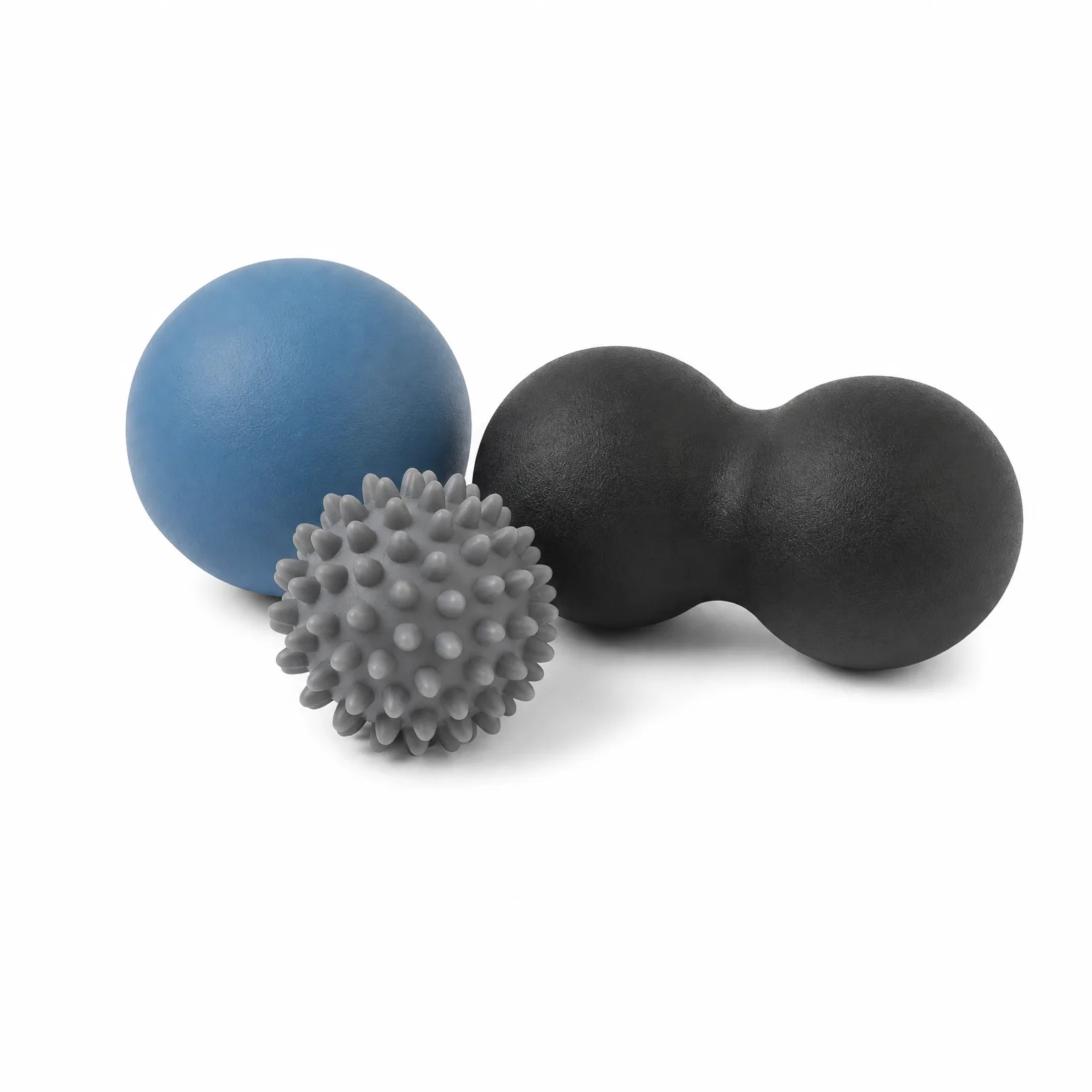
Massage balls
Small firm balls for pinpoint self-massage of the glutes, upper back, feet and other spots a foam roller cannot reach.
Questions about wall
What muscles does a wall sit work?
Mainly the quadriceps at the front of the thighs, which hold the position without moving. The glutes, calves and the muscles of the trunk assist. Because nothing moves, it builds strength mostly around the angle you hold, so it is best combined with squats or sit-to-stands through a full range.
How long should I hold a wall sit?
Start with 2–3 holds of 20–30 seconds at a depth you can maintain with a flat back and steady breathing. Add 5–10 seconds per week. When you can hold 60 seconds comfortably, go deeper, hold a weight on your thighs or try one leg at a time rather than holding ever longer.
Are wall push-ups effective?
For people who cannot yet do floor push-ups, yes: they train the chest, shoulders and triceps with a small share of body weight. They become too easy fairly quickly. Progress by stepping the feet farther from the wall, then move to push-ups with the hands on a table, a chair seat and finally the floor.
What is wall Pilates?
A style of Pilates mat work that uses a wall for feedback and resistance: feet on the wall for bridges and leg work, back on the wall for slides and posture drills, hands on the wall for push and plank variations. It needs only a mat and clear wall space, and the intensity is easy to scale.
Build programs around what your client has
This guide comes from OnlineFitness.app, the app online coaches run their clients in.
Free for life for the first 100 coachesNo card