Equipment Benches, racks and bars
Glute-ham developer
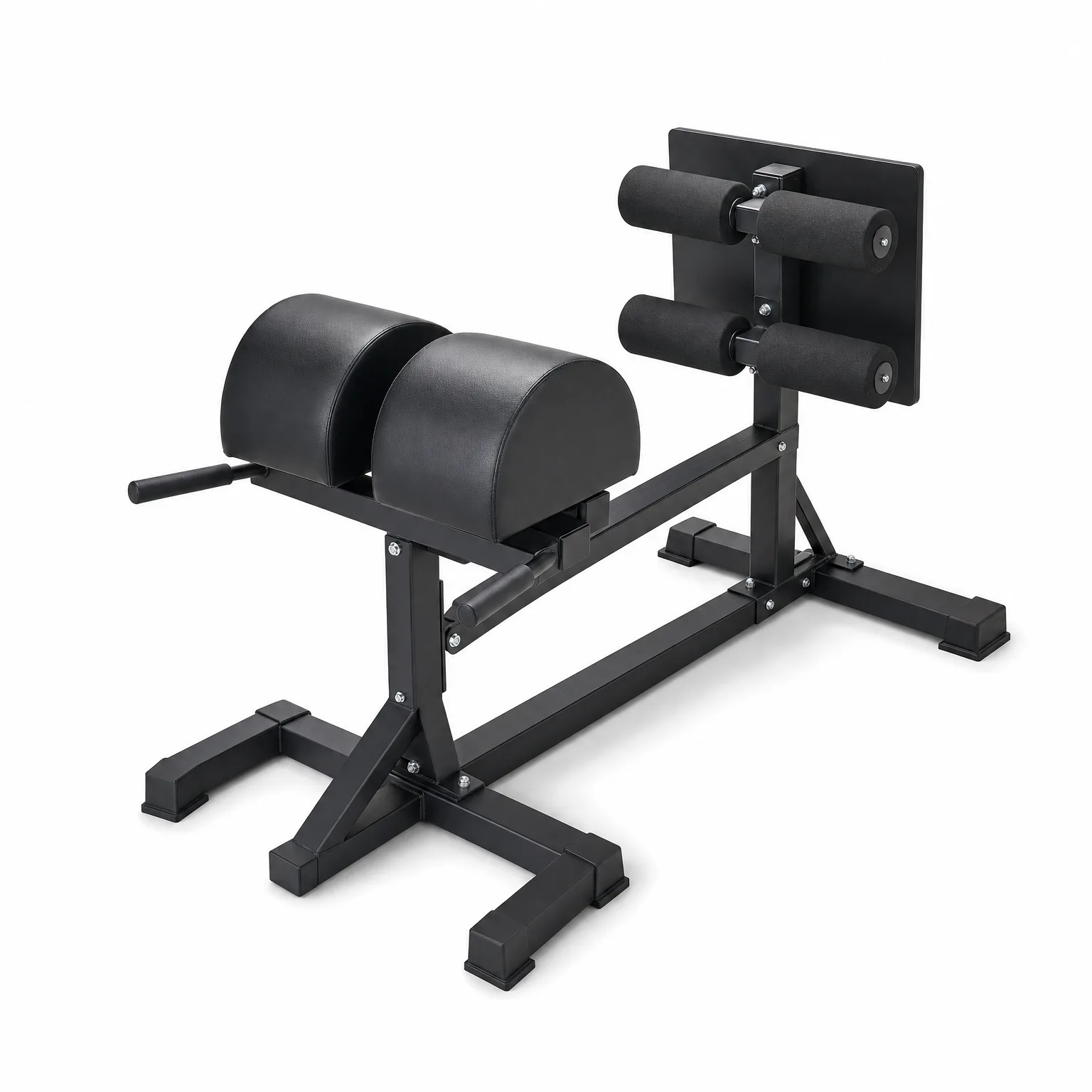
A bench with a rounded pad, foot rollers and a footplate, used for glute-ham raises, back and hip extensions and GHD sit-ups.
In short
A glute-ham developer, or GHD, is a frame with a large half-round pad for the thighs or hips and a pair of rollers with a footplate that lock the feet. With the body face down, the legs stay fixed while the torso moves: you can extend the hips, extend the back, or bend the knees to raise the whole body with the hamstrings. Face up, it is used for sit-ups with a very long range.
The glute-ham raise is what sets it apart from a back extension bench: the rounded pad and footplate let the knees bend under load, so the hamstrings work at both the hip and the knee. It suits trained people, as most of its exercises are hard at bodyweight.
- Category
- Benches, racks and bars
- Where
- Gym
- Level
- Intermediate and up
- Space
- Needs a dedicated area
- Typical sizes
- Footprint roughly 1.5–1.9 m by 0.9–1.1 m (5–6 ft by 3–3.5 ft); pad-to-footplate distance adjustable
- Also called
- ghd, ghd machine, glute ham raise machine, glute-ham raise bench, ghr, ghd bench, glute ham developer
Muscles it works
- Main
- Hamstrings, Glutes, Lower back, Abs
What it is used for
- Glute-ham raises for the hamstrings
- Hip extensions for the glutes and hamstrings
- Back extensions for the muscles along the spine
- GHD sit-ups for the abs and hip flexors
- Static holds, face up or face down, for the trunk
Types
Full-size GHD. A long steel frame with a split or single half-round pad and a footplate that slides forward and back, sometimes up and down.
Compact or floor glute-ham raise. A low pad with a foot roller for the glute-ham raise only. Fits a home gym, with no room for sit-ups or extensions.
Combo with back extension. A smaller bench with a flatter pad that tilts between 45 degrees and horizontal. Good for extensions, less so for true glute-ham raises.
How to choose
Set the footplate for the exercise
For glute-ham raises, slide the footplate in so the knees sit on or just behind the lower part of the pad. For hip extensions and sit-ups, slide it out so the hips are clear of the pad and free to bend.
Check the roller height
The ankles should be clamped snugly between the rollers with the soles flat on the plate. If the heels lift or the feet slide, adjust before loading the movement.
Pick the exercise by your level
Back and hip extensions are the entry point. Glute-ham raises come next, often with a band for help. Full-range GHD sit-ups are an advanced exercise.
How to start using it
- Hip extension first. Set the pad under the upper thighs so the hips can hinge. Cross the arms, keep the back flat, fold at the hips until the torso points down, then squeeze the glutes to return to a straight line. Do not go higher than level.
- Glute-ham raise. Move the footplate in. Start kneeling upright with knees on the pad, body straight from knee to head. Lower forward by straightening the knees until you are horizontal, then pull back up with the hamstrings, pushing the toes into the plate.
- Use help to learn the raise. Loop a band from the frame around the chest, push off a box with the hands at the bottom, or do only the lowering phase for three to five seconds. Add full reps as they come.
- Introduce sit-ups carefully. Sit with the hips just past the pad and the legs slightly bent. Lean back only to horizontal at first, then sit up by straightening the legs hard. Start with a few sets of 5–8 and add range and reps over weeks.
Common mistakes
Too many sit-ups on day one
GHD sit-ups load the abs and hip flexors at long length, which often causes unusually strong soreness in new users. Case reports have linked very high volumes in a first session to serious muscle damage. Build up slowly.
Breaking at the hips in the glute-ham raise
Sticking the hips back on the way up makes the rep easier and takes the hamstrings out at the knee. Keep a straight line from knees to shoulders, and use assistance if you cannot.
Overarching at the top
Swinging above horizontal in back or hip extensions puts the load on an arched lower back and adds nothing for the glutes. Stop when the body is in a straight line.
Wrong pad position
In hip extensions, a pad under the hip bones blocks the hinge, so the back bends instead. In glute-ham raises, a pad too close to the kneecaps puts pressure on them. Reset the footplate for each exercise.
Dropping into the bottom of a sit-up
Flinging the torso back and bouncing out uses the spine as a spring. Lower with control and reach back only as far as you can hold tension.
What to use instead
A back extension bench covers the back and hip extensions, though not the glute-ham raise. For the hamstrings at the knee, use a leg curl machine, or do leg curls lying on the floor with the heels on sliders or a fitball. A partner or a loaded bar holding the ankles lets you do Nordic curls on a mat, the closest floor version of the glute-ham raise.
-
Back extension bench
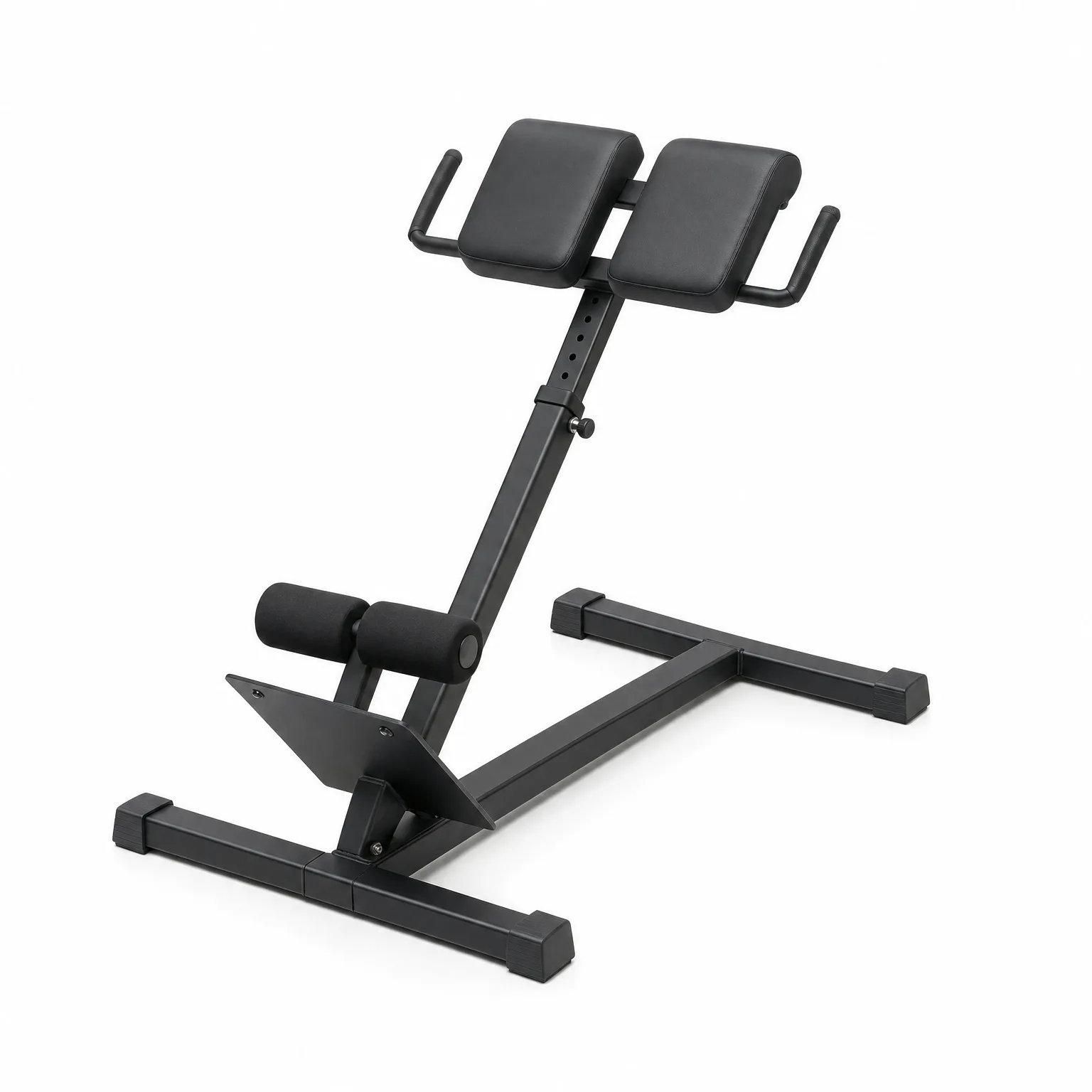
A padded hip support with ankle rollers. You hinge forward and lift the torso to train the lower back, glutes and hamstrings. -
Leg curl machine
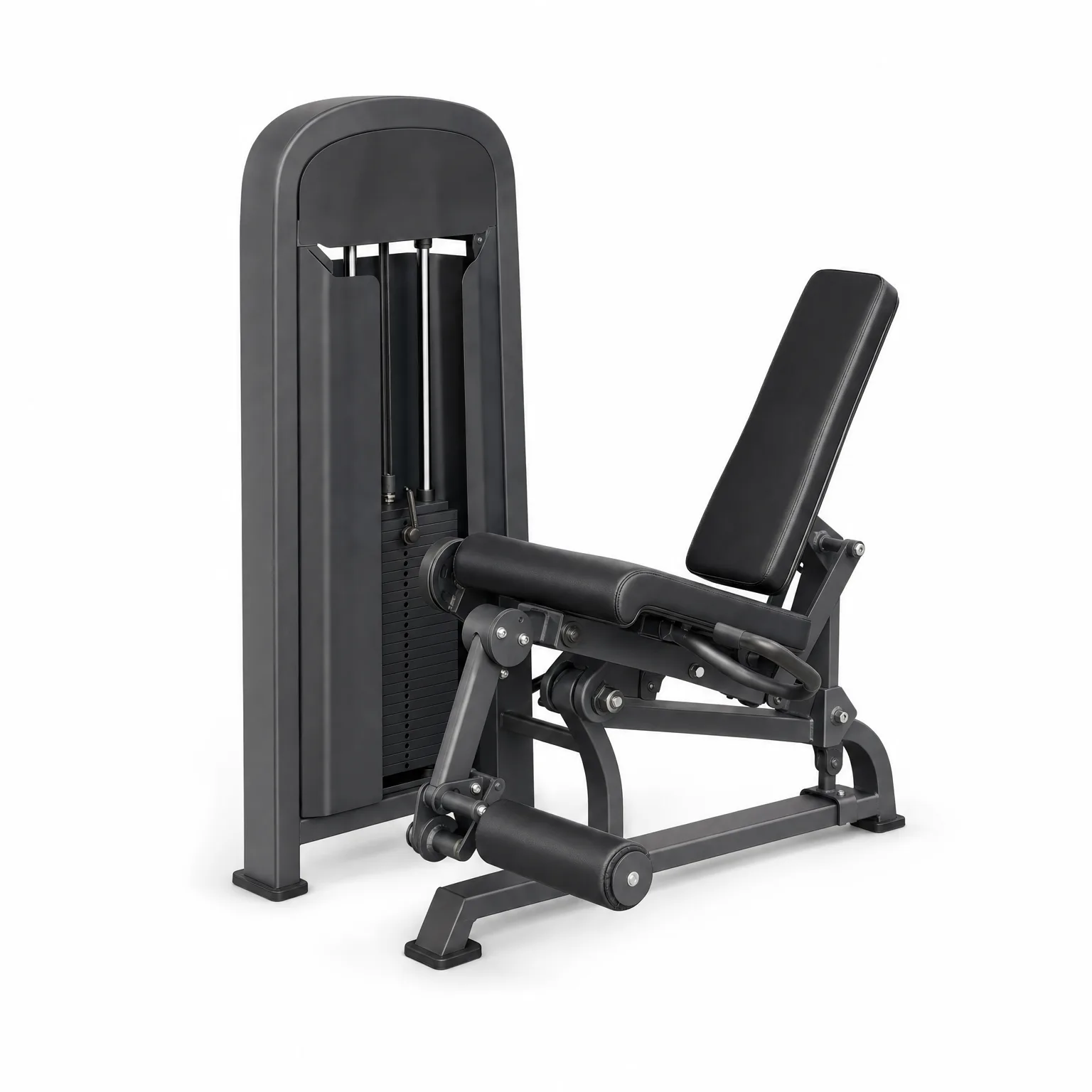
A machine with a padded roller behind the ankles. You bend the knees against the load to isolate the hamstrings. -
Stability ball
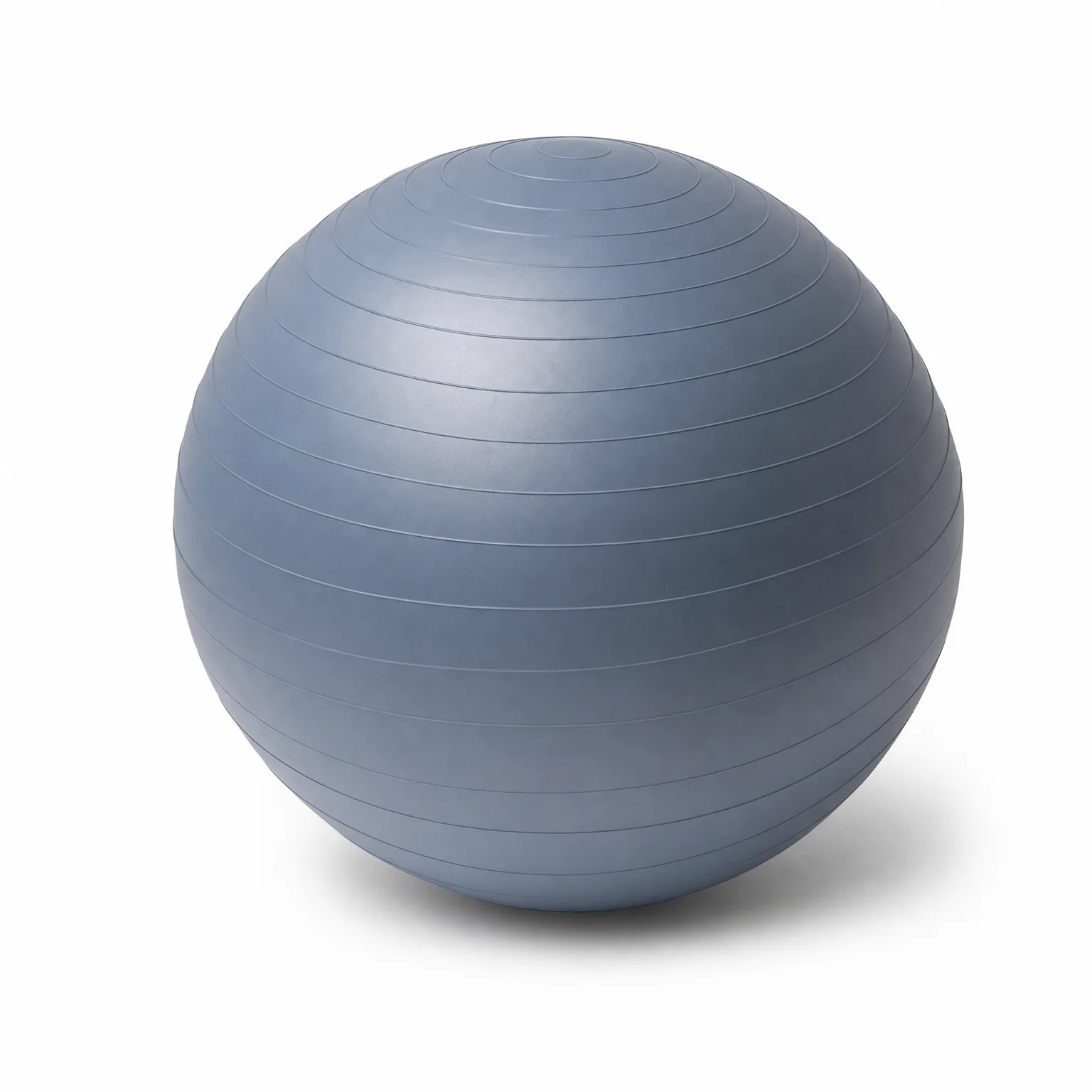
A large inflatable ball you sit, lie or lean on. The unstable surface is used for core exercises, hamstring curls and supported stretches. -
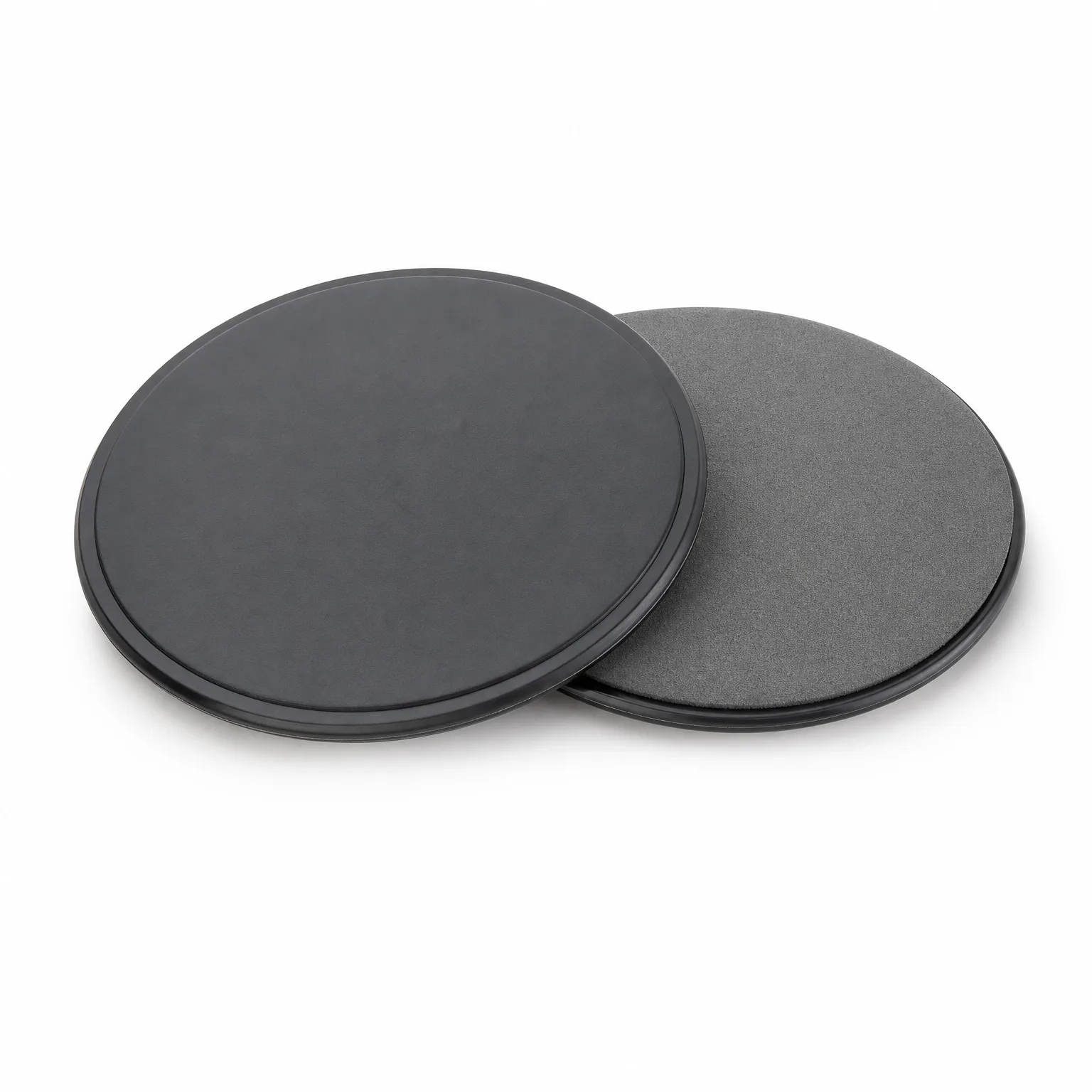
Core sliders
Two flat discs that slide under your hands or feet. They add a gliding element to lunges, planks and hamstring curls on any floor.
Often used with
-
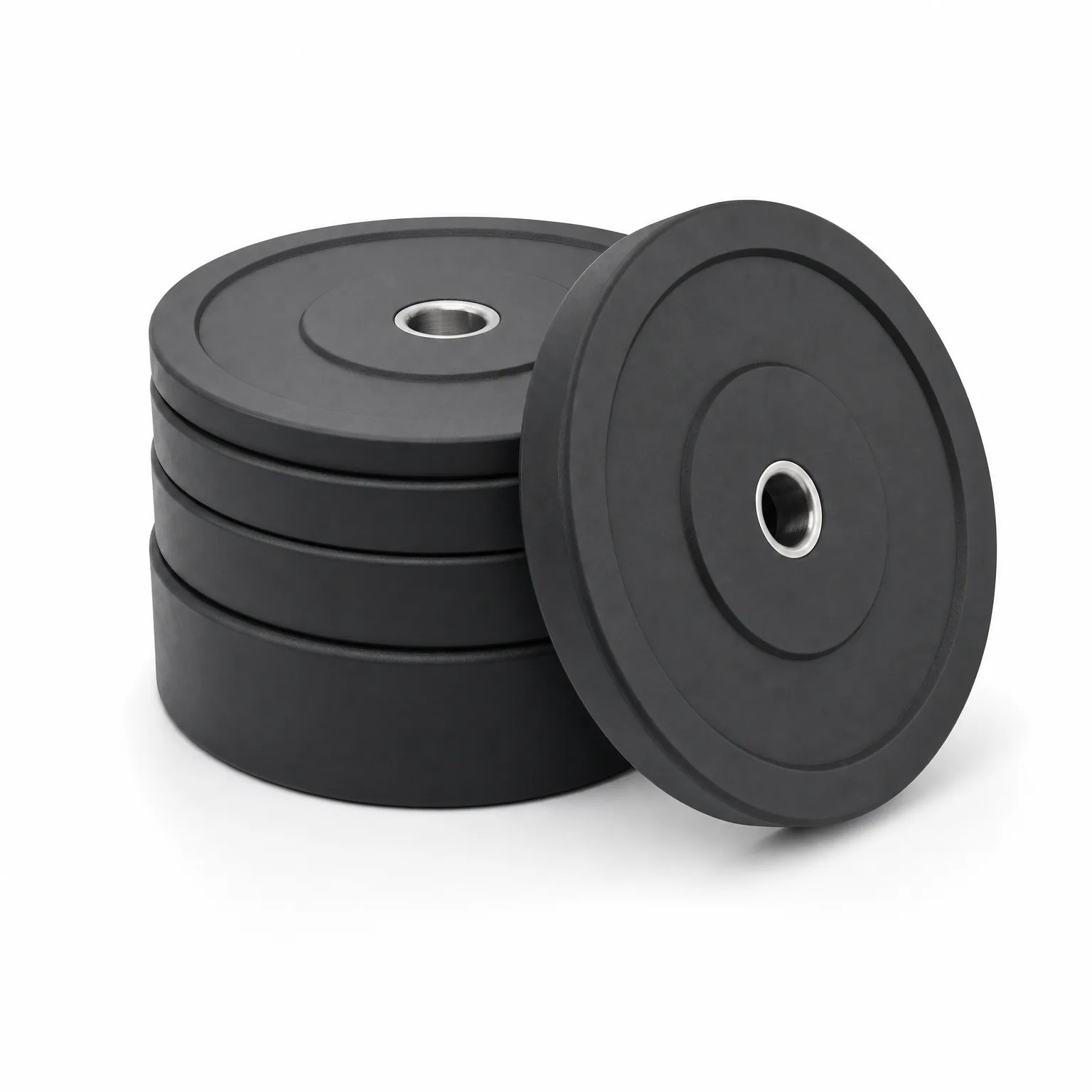
Weight plates
Flat discs that slide onto a barbell or machine to set the load. A single plate also works as a hand-held weight. -
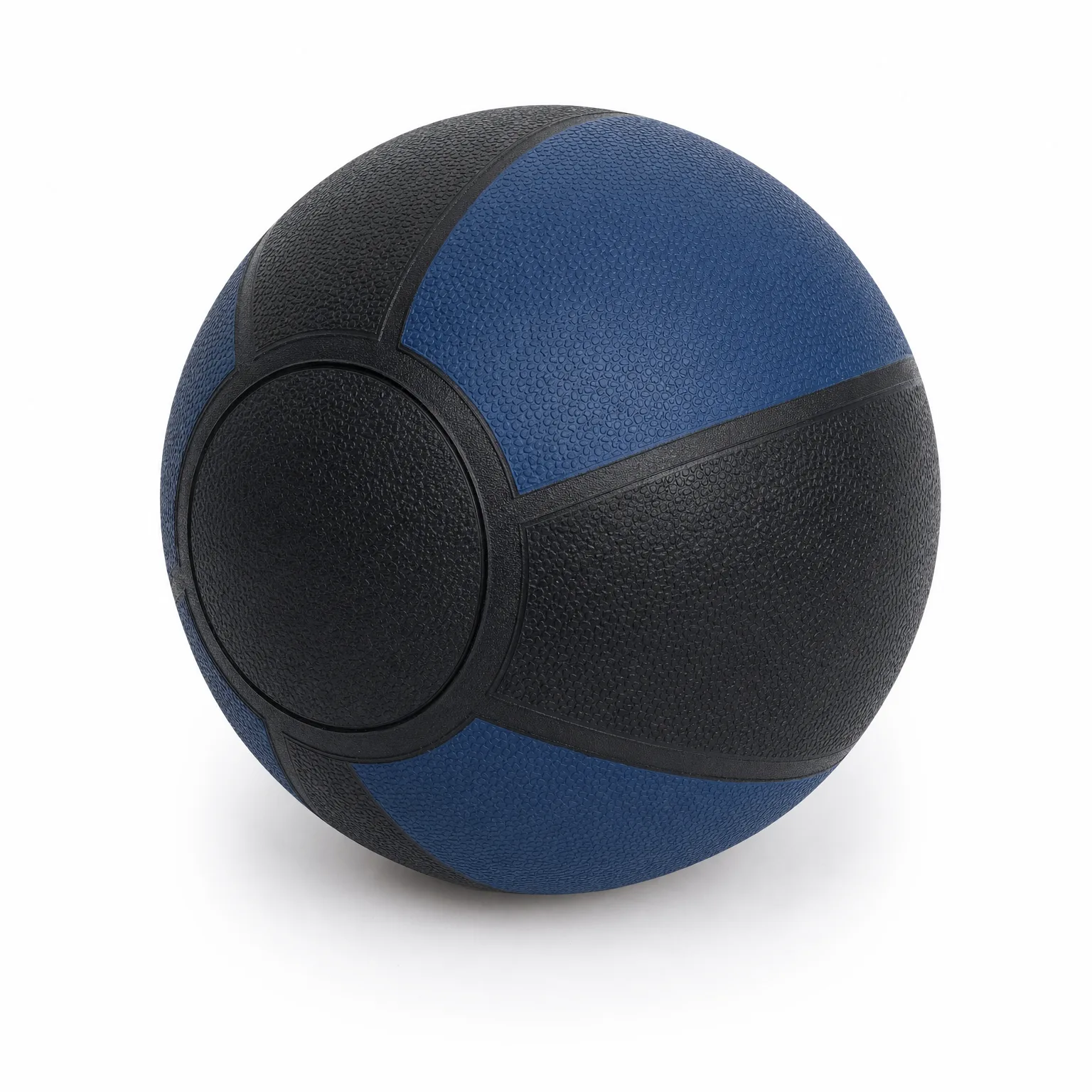
Medicine ball
A weighted ball you throw, catch and carry. Used for power throws, wall balls, partner drills and core exercises. -
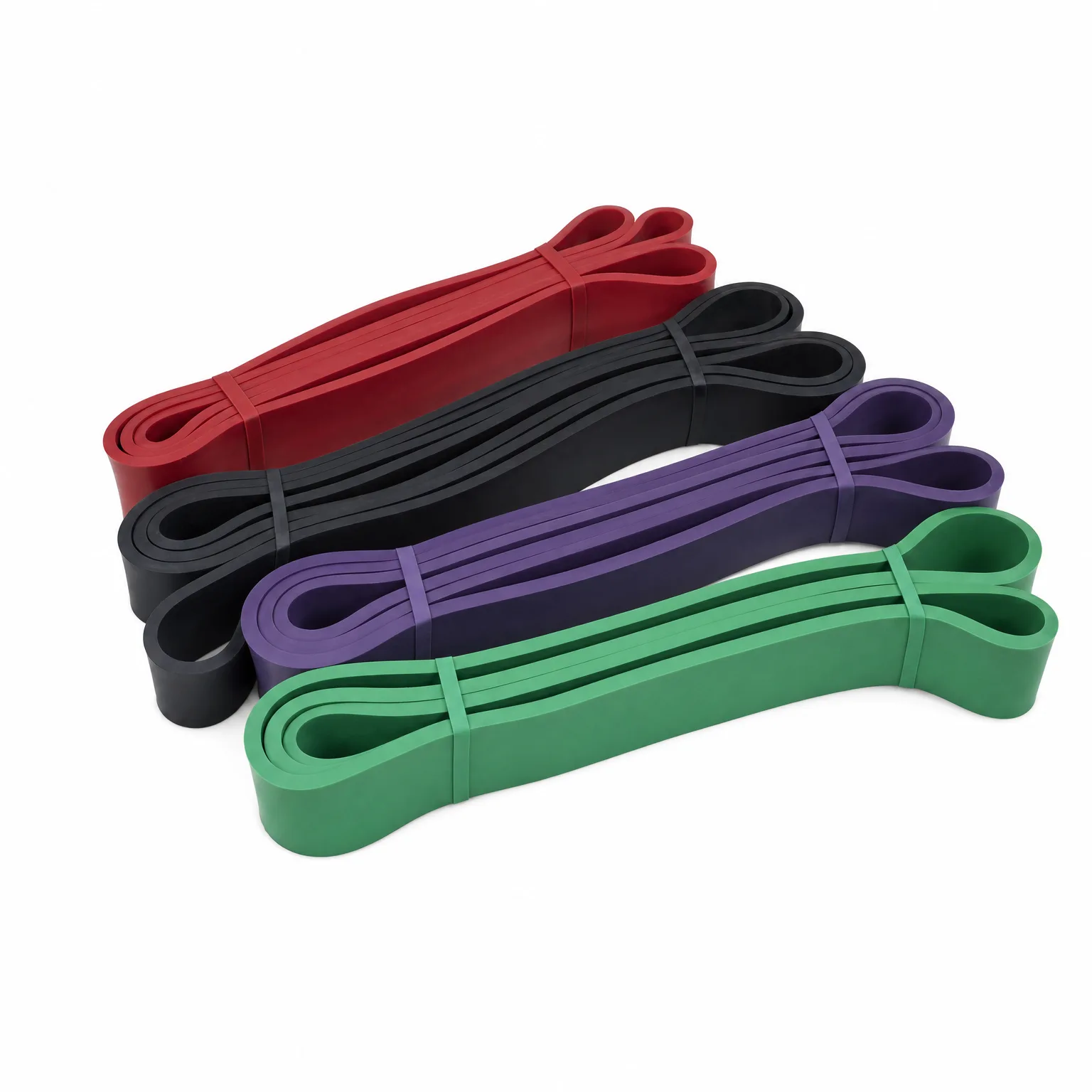
Resistance bands
Long closed loops of thick rubber. They add resistance to rows, presses and squats, or take weight off in pull-ups and dips. -

Exercise mat
A cushioned, non-slip surface for floor exercises, stretching and yoga. The first thing most people need to train at home.
Questions about glute-ham developer
What is a GHD machine used for?
Four main exercises: the glute-ham raise for the hamstrings, hip extensions for the glutes and hamstrings, back extensions for the lower back, and GHD sit-ups for the abs and hip flexors. All use the same idea of locked feet and a pad as the pivot.
GHD vs back extension bench: what is the difference?
A back extension bench, at 45 or 90 degrees, supports the hips and lets the torso hinge. A GHD has a rounded pad and an adjustable footplate, so you can also bend the knees under load for glute-ham raises and lie face up for sit-ups. A GHD does everything the back extension bench does and more, in a bigger frame.
Are GHD sit-ups safe for beginners?
They are an advanced exercise. The range is far longer than a floor sit-up and the load on the abs and hip flexors is high. Beginners should start with a shortened range, a few low-rep sets, and several weeks of gradual progress before doing full reps or high volume.
Glute-ham raise vs Nordic curl: which is harder?
For most people the Nordic curl is harder, because you kneel on the floor, the knees are the only pivot and the hips stay straight. On a GHD the rounded pad and footplate give some help from the calves and a better line of pull, so more people can do full reps.
Build programs around what your client has
This guide comes from OnlineFitness.app, the app online coaches run their clients in.
Free for life for the first 100 coachesNo card