Rowing machine
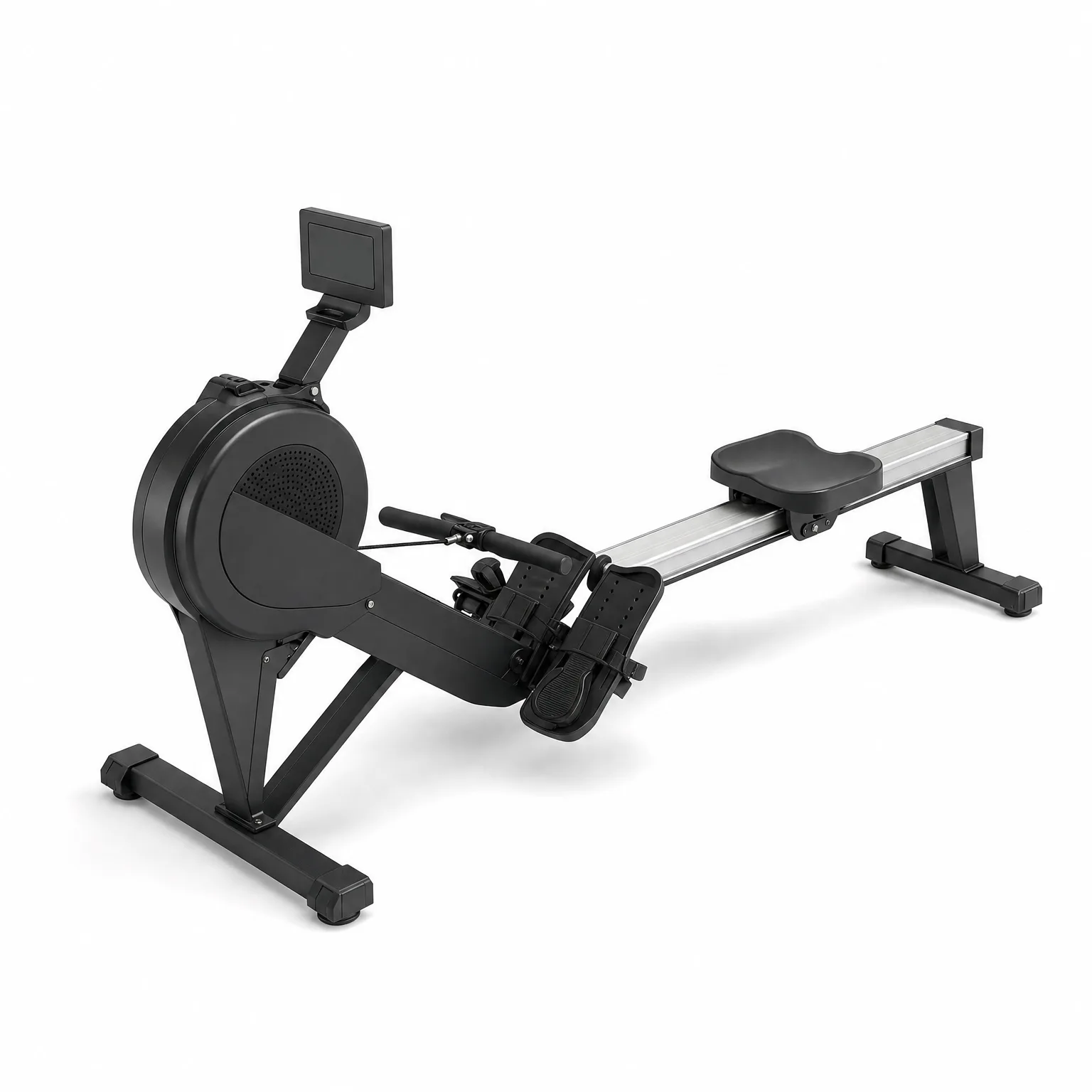
A sliding seat, a handle and a resistance unit that imitate rowing a boat. Each stroke works the legs, back and arms in one movement.
In short
A rowing machine imitates the stroke of rowing a boat: you sit on a sliding seat, push with your legs and pull a handle toward your body against air, water or magnetic resistance. Each stroke uses the quads and glutes for the push and the lats, mid back and arms for the pull, so it trains much of the body in a single seated movement.
It is used for steady cardio, intervals and warm-ups. It suits beginners and experienced athletes alike, but it rewards technique: ten minutes spent learning the stroke order pays off in every later session.
- Category
- Cardio
- Where
- Home, Gym
- Level
- Beginner and up
- Space
- Needs a dedicated area
- Typical sizes
- About 200–245 cm (79–96 in) long and 50–60 cm (20–24 in) wide; many models stand upright or split for storage
- Also called
- rower, indoor rower, rowing erg, ergometer, erg, air rower, water rower, magnetic rower
Muscles it works
- Also works
- Hamstrings, Biceps, Forearms, Lower back, Abs, Calves
What it is used for
- Steady rowing of 20–40 minutes at a conversational effort
- Intervals by distance or time, such as 500 m repeats
- A full-body warm-up before strength training
- Conditioning circuits paired with kettlebell or bodyweight work
- Benchmark tests over set distances such as 2,000 m
Types
Air rower. A fan flywheel: the harder you pull, the more resistance you get. A damper lever changes how heavy the stroke feels. The gym standard, and noisy.
Water rower. Paddles turn in a tank of water. Resistance also rises with effort, the sound is a soft swoosh and the frame is often wooden.
Magnetic rower. A magnetic brake with set levels. The quietest type and common at home. Resistance does not rise with stroke speed the way air and water do.
Hydraulic rower. Short arms on pistons in place of a chain and handle. Small and cheap, but the stroke is shorter and less like real rowing.
How to choose
Pick the resistance type for your home
Air is what most gyms and rowing clubs use, so its feel and numbers are the familiar ones, but it is loud. Water is quieter and smooth. Magnetic is the quietest and suits apartments and early mornings.
Check the rail length
Tall users need a long rail to straighten their legs fully. If you are very tall, roughly 195 cm (6 ft 5 in) or more, check the maximum inseam or user height the manufacturer gives.
Measure in-use and storage space
You need the machine's length plus room behind it for your shoulders at the finish, roughly 2.7 m x 1.2 m (9 x 4 ft). If floor space is tight, pick a model that stands on end or folds.
Look at the monitor
A useful monitor shows pace per 500 m, stroke rate, distance and time. Pace per 500 m is the number rowers train by, and it lets you compare sessions.
Try the seat and handle
The seat height matters for getting on and off, and the seat shape for long sessions. The rated user weight is set by the manufacturer and differs between models.
How to start using it
- Strap in and set the damper. Adjust the footplates so the strap crosses the widest part of your foot, and pull it snug. On an air rower set the damper lever in the low-middle range, around 3–5 on a 1–10 scale. The damper is not an intensity dial: effort comes from how hard you push.
- Learn the drive: legs, body, arms. Start with shins near vertical, arms straight and torso leaning slightly forward from the hips. Push with the legs first. When the legs are nearly straight, swing the torso back a little, then pull the handle to the lower ribs.
- Learn the recovery: arms, body, legs. Reverse the order. Straighten the arms, tip the torso forward from the hips, and only then bend the knees and slide forward. The handle should pass over the knees before they rise.
- Keep the rhythm slow. Aim for 18–24 strokes per minute for steady rowing. The drive is quick and strong, the recovery takes about twice as long. Speed comes from pushing harder, not from rushing up and down the rail.
- Start short. Begin with 3–4 blocks of 3–5 minutes with a minute of rest between, and focus on the stroke order. Add time before you add intensity.
Common mistakes
Pulling with the arms first
Bending the arms before the legs have pushed throws away most of the power, because the legs are the strongest part of the stroke. Keep the arms straight like cables until the legs are almost down.
Bending the knees too early on the way back
If the knees come up before the hands have passed them, the handle has to lift over the knees in an arc. Arms away first, then the body, then the legs.
Rounding the back at the front
Collapsing forward to reach further loads a rounded lower back at the moment you push hardest. Sit tall, hinge from the hips and stop reaching when the shins are vertical.
Leaning far back at the finish
Lying back past a slight lean adds no speed and strains the trunk. Finish with the torso just behind upright, around the 11 o'clock position.
Setting the damper to 10
A high damper makes each stroke heavy and slow and tires the back and arms early. It does not make the workout better. Most people row best in the low-middle range.
What to use instead
A ski machine gives a similar air-resisted, full-body effort with the pull directed downward, and an air bike or an elliptical with moving handles covers arms and legs together. For the pulling part alone, seated rows with a resistance band anchored at foot level train the same back muscles. Pair them with squats or kettlebell swings to cover the leg drive.
-
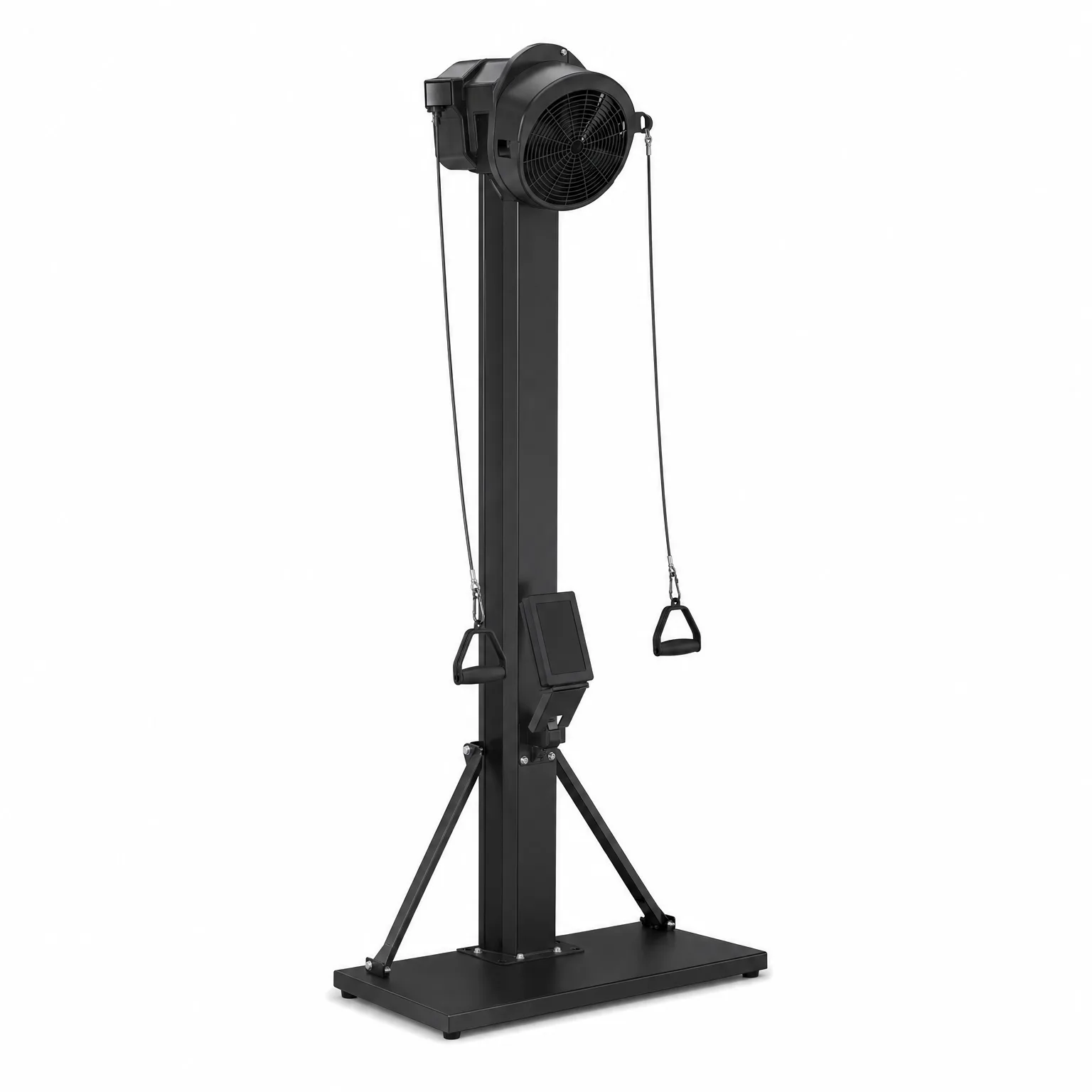
Ski machine
An upright air-resistance machine with two handles on cords. You pull them down in a double-pole motion, as in cross-country skiing. -
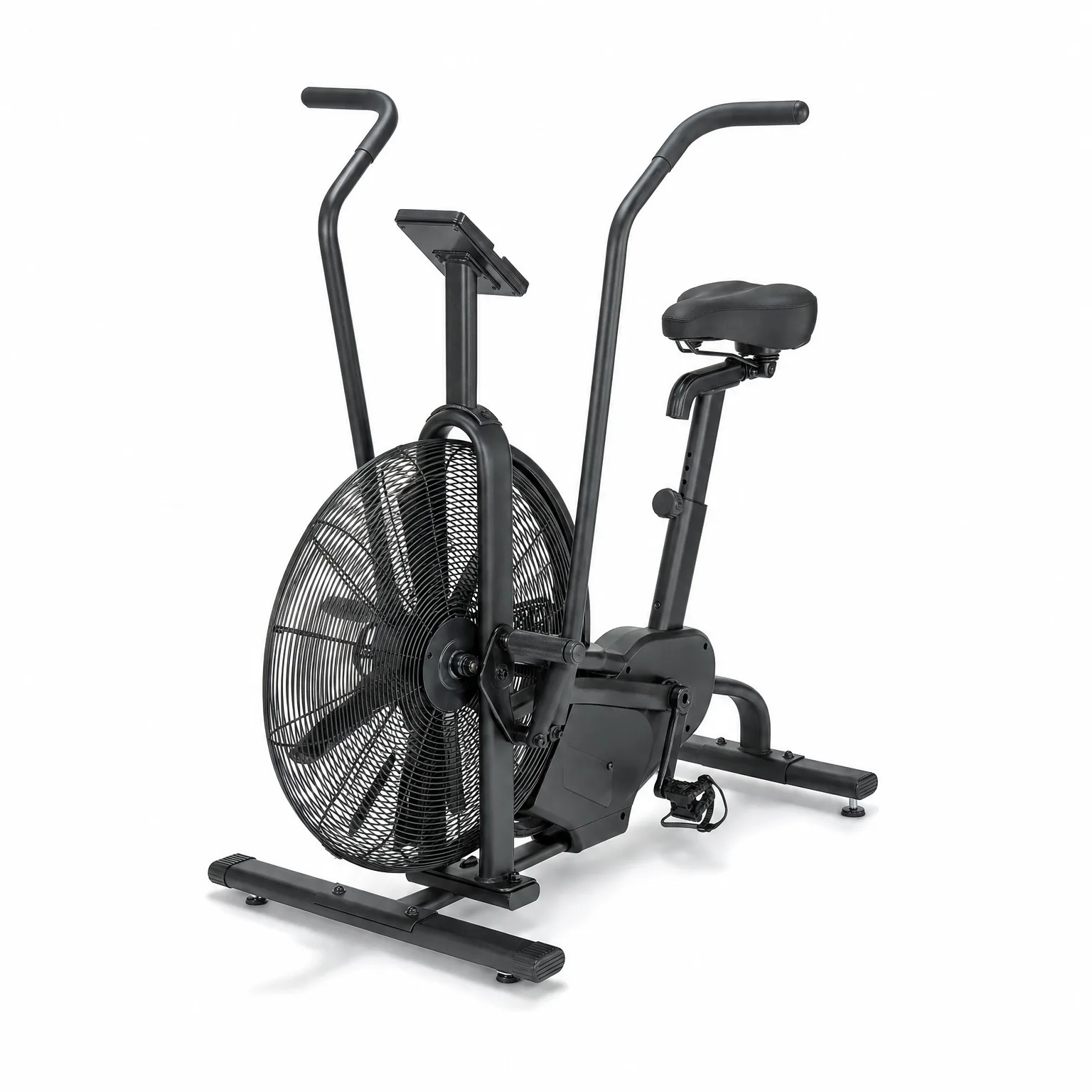
Air bike
A stationary bike with a large fan and moving handles. Arms and legs work together, and the harder you push, the harder it gets. -
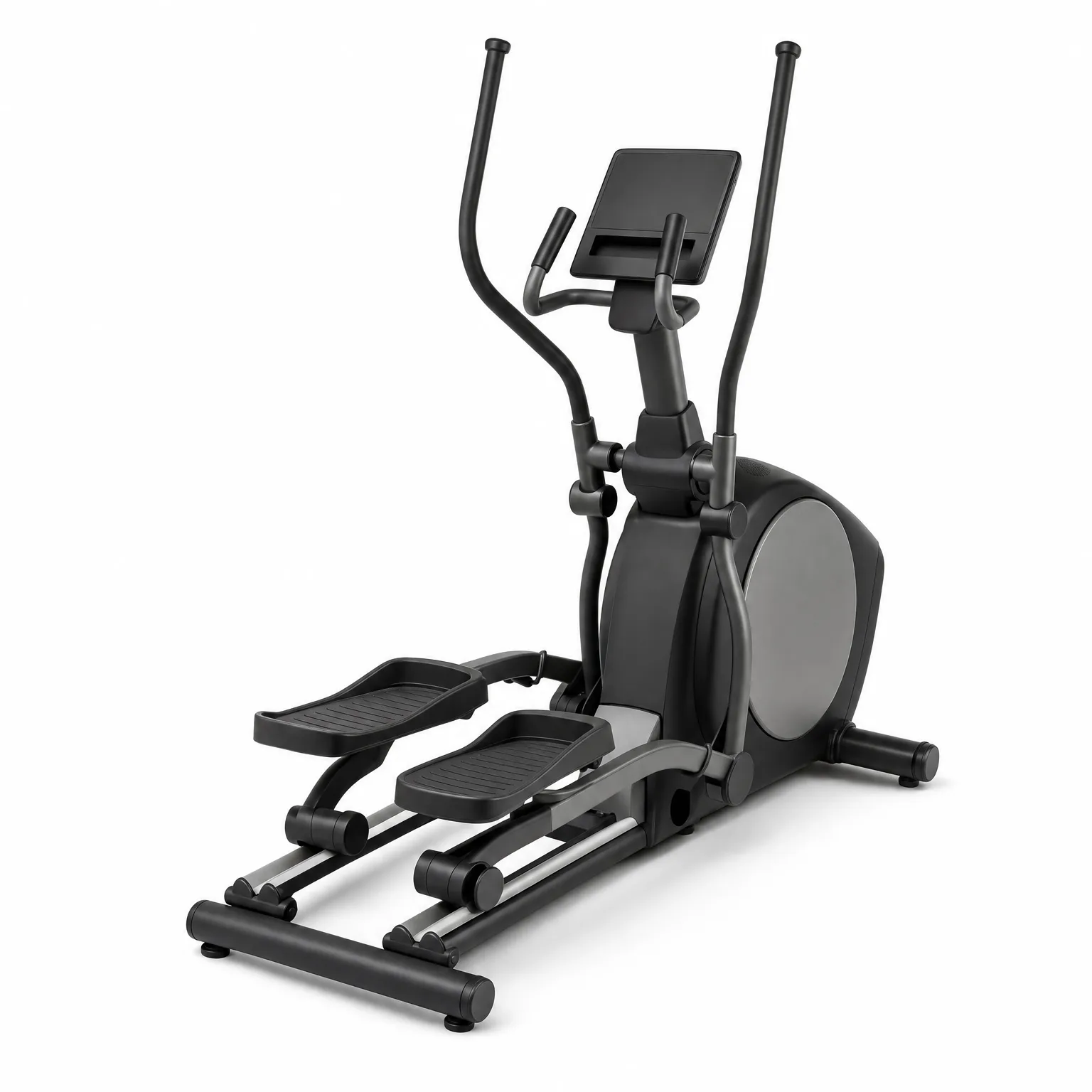
Elliptical
A standing cardio machine with two pedals that travel in an oval path and handles that move with them. Your feet never leave the pedals. -
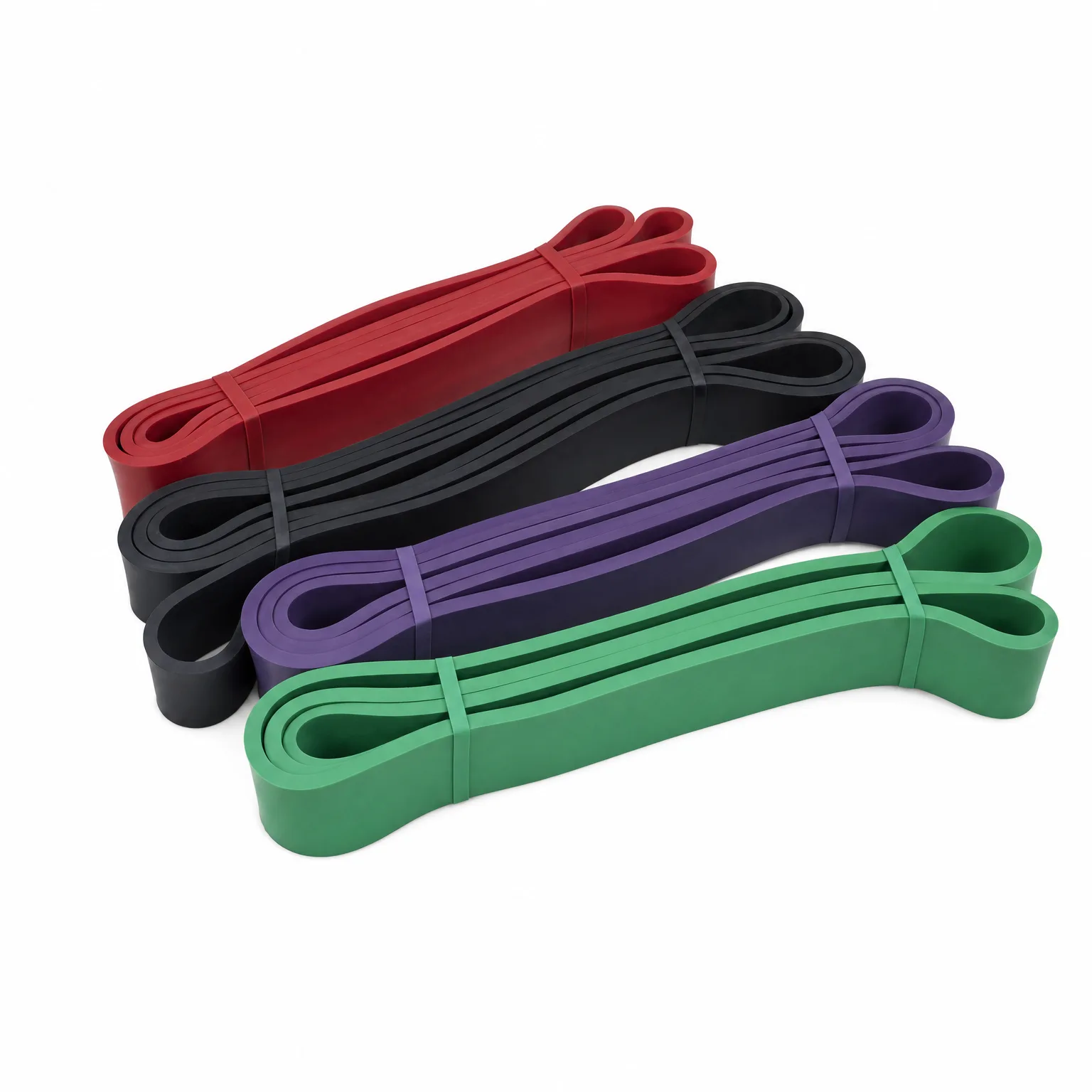
Resistance bands
Long closed loops of thick rubber. They add resistance to rows, presses and squats, or take weight off in pull-ups and dips.
Often used with
-
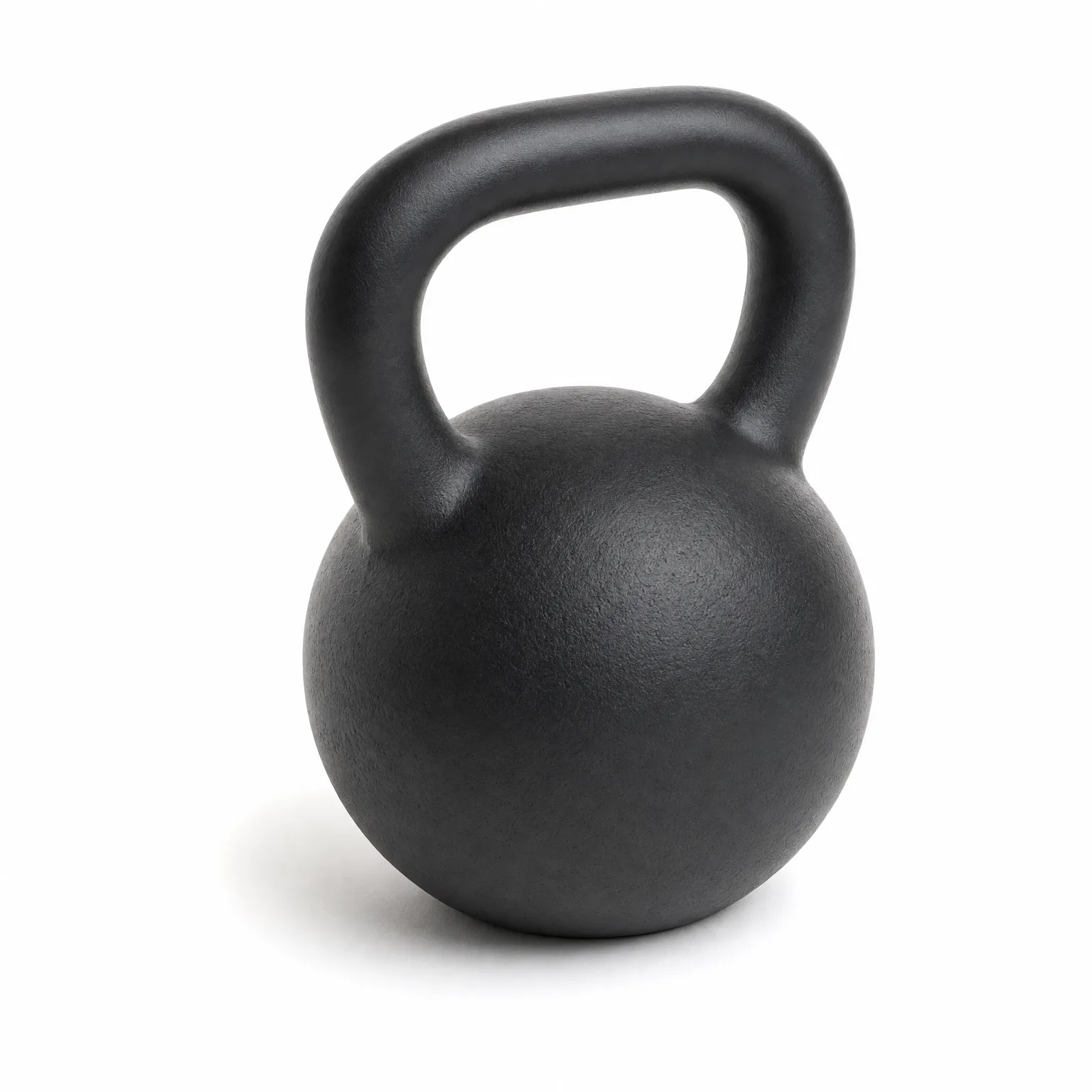
Kettlebell
A cast-iron or steel ball with a flat base and a handle on top. Built for swings, carries, squats and presses with one weight. -

Exercise mat
A cushioned, non-slip surface for floor exercises, stretching and yoga. The first thing most people need to train at home. -
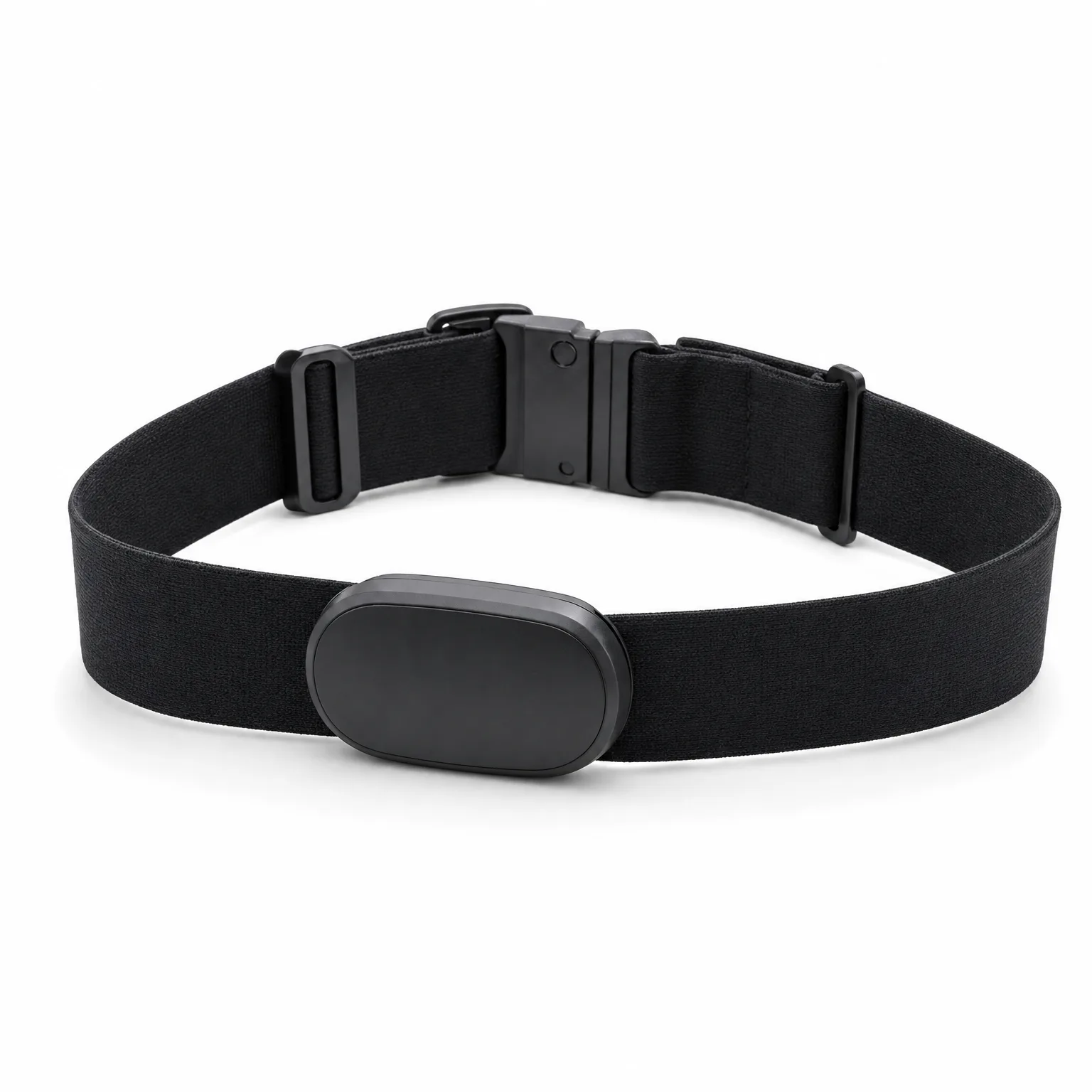
Heart rate monitor
A chest strap or armband that measures heart rate during exercise and sends it to a watch, phone or cardio machine in real time.
Questions about rowing machine
What muscles does a rowing machine work?
The push uses the quads and glutes, with the hamstrings and calves helping. The pull uses the lats, the mid back and the biceps, and the forearms hold the handle. The abs and lower back keep the torso firm and pass the force from legs to handle. In terms of effort, the legs do the largest share.
What damper setting should I use on a rowing machine?
On an air rower, 3–5 on a 1–10 lever suits most people. A higher number lets more air into the fan and makes each stroke feel heavier, like a bigger, slower boat. It does not set the intensity. You work harder by pushing harder and holding a faster pace per 500 m.
Is 20 minutes of rowing enough?
Yes, 20 minutes at a steady effort is a full cardio session for most people, and beginners can start with less. Three or four such sessions a week build fitness steadily. Add time or a few harder intervals as the stroke starts to feel natural.
Air, water or magnetic rower: which is best for home?
Magnetic is the quietest and suits shared walls. Water is quiet enough for most homes and feels smooth. Air gives the feel and the performance numbers used in gyms and competitions, but the fan is loud. All three train the same muscles.
What is a good stroke rate for a beginner?
Between 18 and 24 strokes per minute. A low rate gives you time to keep the order of legs, body and arms. Higher rates of 26–32 are for short, hard pieces once the technique holds.
Build programs around what your client has
This guide comes from OnlineFitness.app, the app online coaches run their clients in.
Free for life for the first 100 coachesNo card