Ski machine
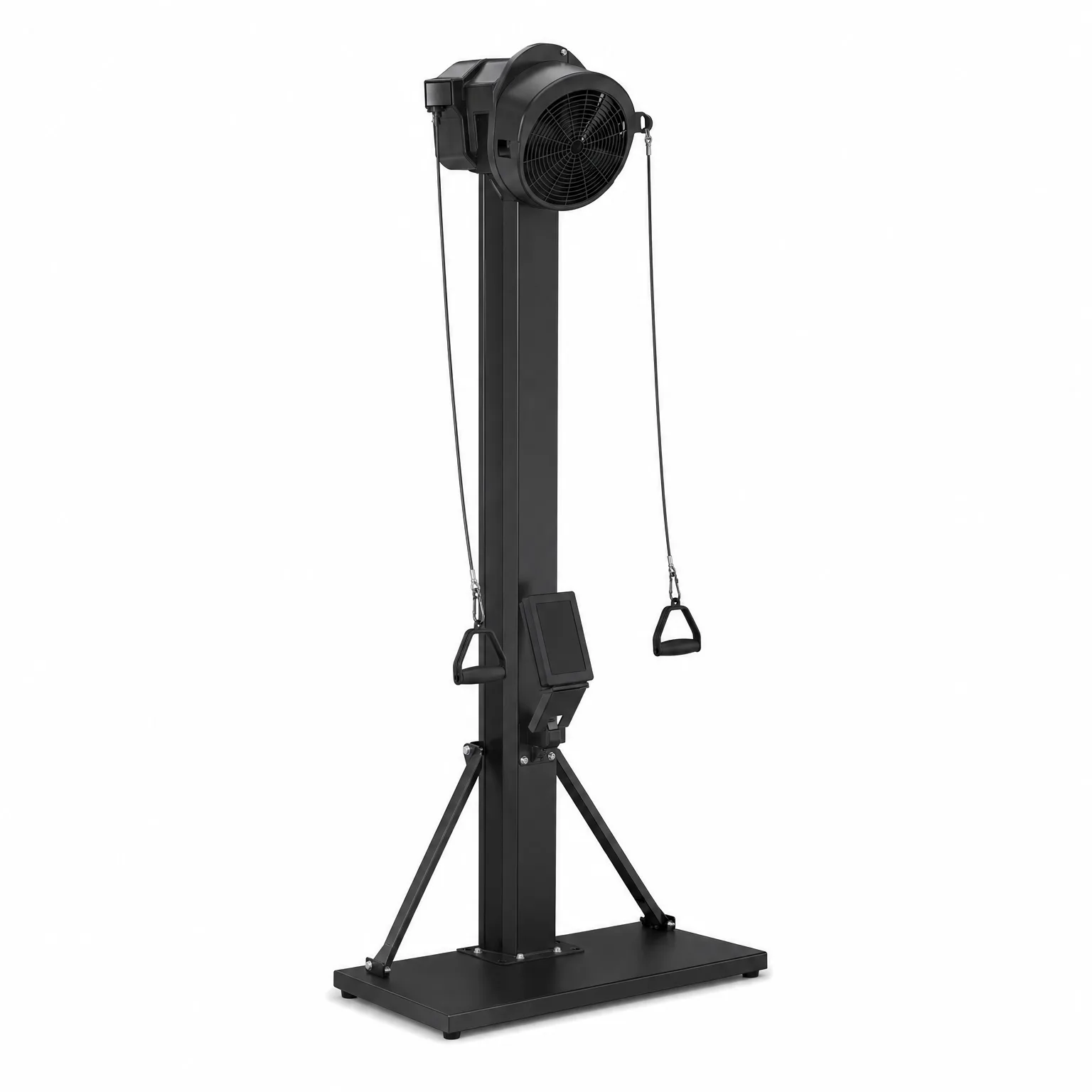
An upright air-resistance machine with two handles on cords. You pull them down in a double-pole motion, as in cross-country skiing.
In short
A ski machine, or ski ergometer, is an upright cardio machine that imitates the poling motion of cross-country skiing. You stand facing it, reach up to two handles on cords and pull them down past your hips against a fan flywheel. The harder you pull, the more the air resists.
It is used for intervals and steady cardio that put the upper body first: the lats, triceps and abs drive the pull, and the hips and legs add power as you hinge and bend. It is common in conditioning workouts and suits anyone who wants hard cardio while standing in one place.
- Category
- Cardio
- Where
- Home, Gym
- Level
- Beginner and up
- Space
- Needs a corner of a room
- Typical sizes
- About 210–215 cm (83–85 in) tall; wall-mounted, or on a floor stand with a footprint near 60 x 130 cm (24 x 51 in)
- Also called
- ski ergometer, ski erg, skierg, ski trainer, ski erg machine
Muscles it works
- Also works
- Rear delts, Glutes, Hamstrings, Quads, Obliques, Lower back
What it is used for
- Intervals by distance or time, paced off the monitor
- Steady sessions of 10–30 minutes
- Upper-body cardio on days when the legs need a rest
- Conditioning circuits alongside a rower, bike or sled
- Seated or kneeling pulls that take the legs out
Types
Wall-mounted. The unit bolts to a wall and takes almost no floor space. Needs a solid wall and proper fixings.
On a floor stand. The same unit on a base with a platform to stand on. Can be moved on wheels, and needs more floor area.
Magnetic or combined resistance. Some models use a magnetic brake, alone or with a fan. Quieter, with set levels in place of purely effort-based resistance.
How to choose
Wall or stand
Mount it on the wall if you have a solid one and want to save space. Choose the floor stand if you rent, have hollow walls or want to move the machine.
Check the ceiling height
The machine itself is over 2.1 m (7 ft) tall, and on a stand you are raised a few centimeters. Tall users also reach above head height at the start of each pull.
Look at the monitor
A good monitor shows pace per 500 m, stroke rate, distance and time, and stores intervals. Those numbers let you repeat and compare sessions.
Consider the noise
A fan flywheel is loud at hard efforts. For shared walls or early sessions, a magnetic model is quieter.
How to start using it
- Set the damper low to middle. On a fan model start around 3–5 on a 1–10 lever. As on a rower, the damper changes how heavy each pull feels, not how hard the workout is.
- Take the starting position. Stand about a forearm's length from the machine with feet hip-width apart. Hold the handles a little above head height with the elbows bent and the hands shoulder-width apart.
- Pull with the trunk first. Start each pull by tightening the abs and folding forward from the hips, as if doing a standing crunch. Let the arms follow, driving the handles down past the thighs. The knees bend a little as the body drops.
- Return tall. Stand back up, let the arms rise and reach high again with the hips forward. The return is relaxed and takes longer than the pull.
- Start with short pieces. Try 5 rounds of 1 minute of easy pulling with 1 minute of rest, at 30–40 pulls per minute. Lengthen the work before you increase the effort.
Common mistakes
Pulling with the arms only
Standing straight and pressing the handles down with the triceps tires the arms within a minute. The body weight dropping through the trunk and hips should start the pull.
Turning it into a squat
Sitting deep with the knees while the torso stays upright wastes energy in the legs. It is a hip hinge with a small knee bend.
Cutting the pull short
Stopping the hands at the waist loses the last, strong part of the movement. Finish with the hands past the thighs.
Not reaching up on the return
Starting each pull with the hands at face height shortens the stroke. Stand fully tall with the hands high before the next pull.
Damper at maximum
A heavy setting slows the pull and overloads the arms and shoulders early. A lower setting with a quicker, full-body pull gives a better pace.
What to use instead
A rowing machine is the closest replacement: the same kind of air-resisted, full-body effort, with a horizontal pull. An air bike covers hard intervals for arms and legs. Battle rope slams and waves give standing upper-body cardio without a machine. For the movement itself, anchor a long resistance band above head height and pull both ends down past the hips.
-
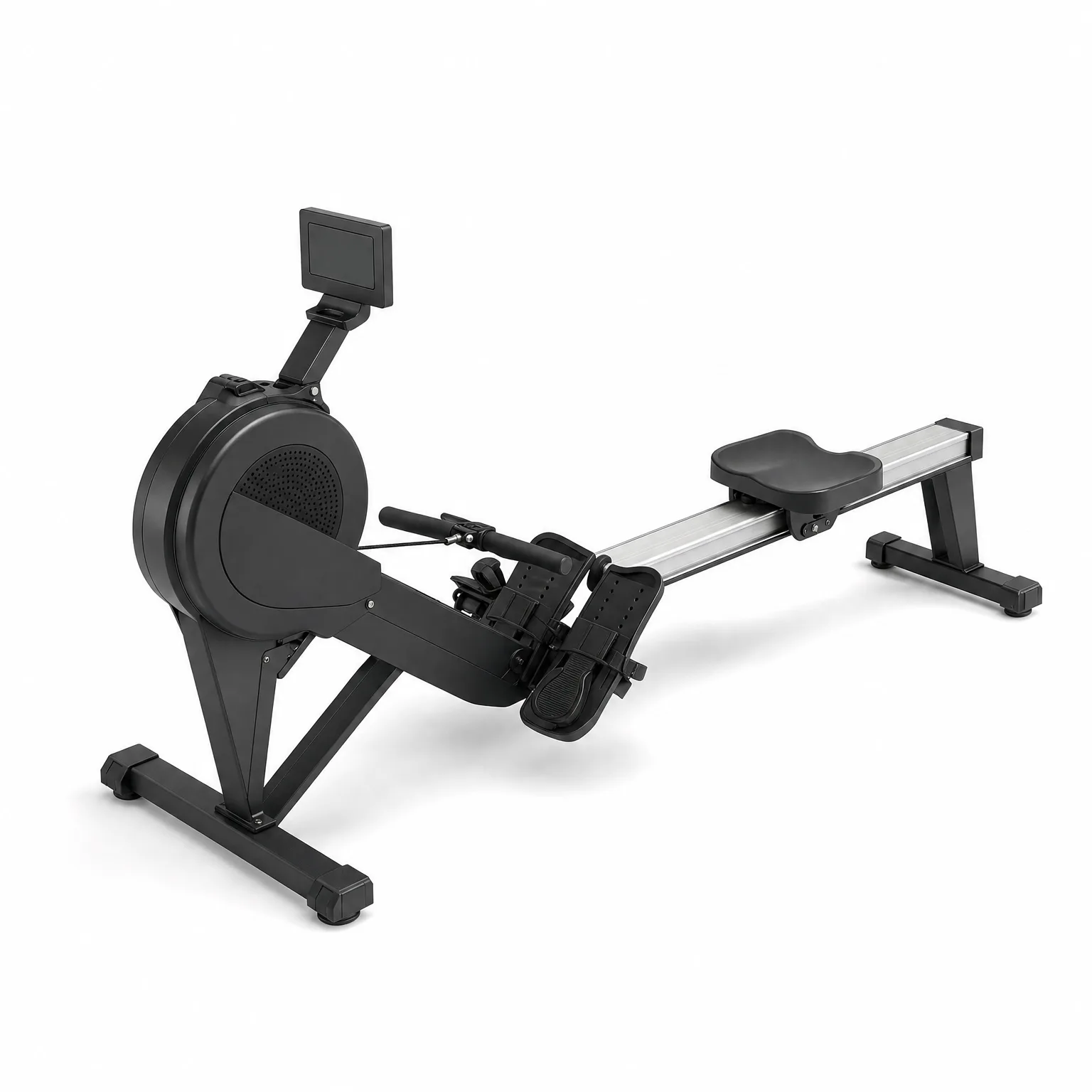
Rowing machine
A sliding seat, a handle and a resistance unit that imitate rowing a boat. Each stroke works the legs, back and arms in one movement. -
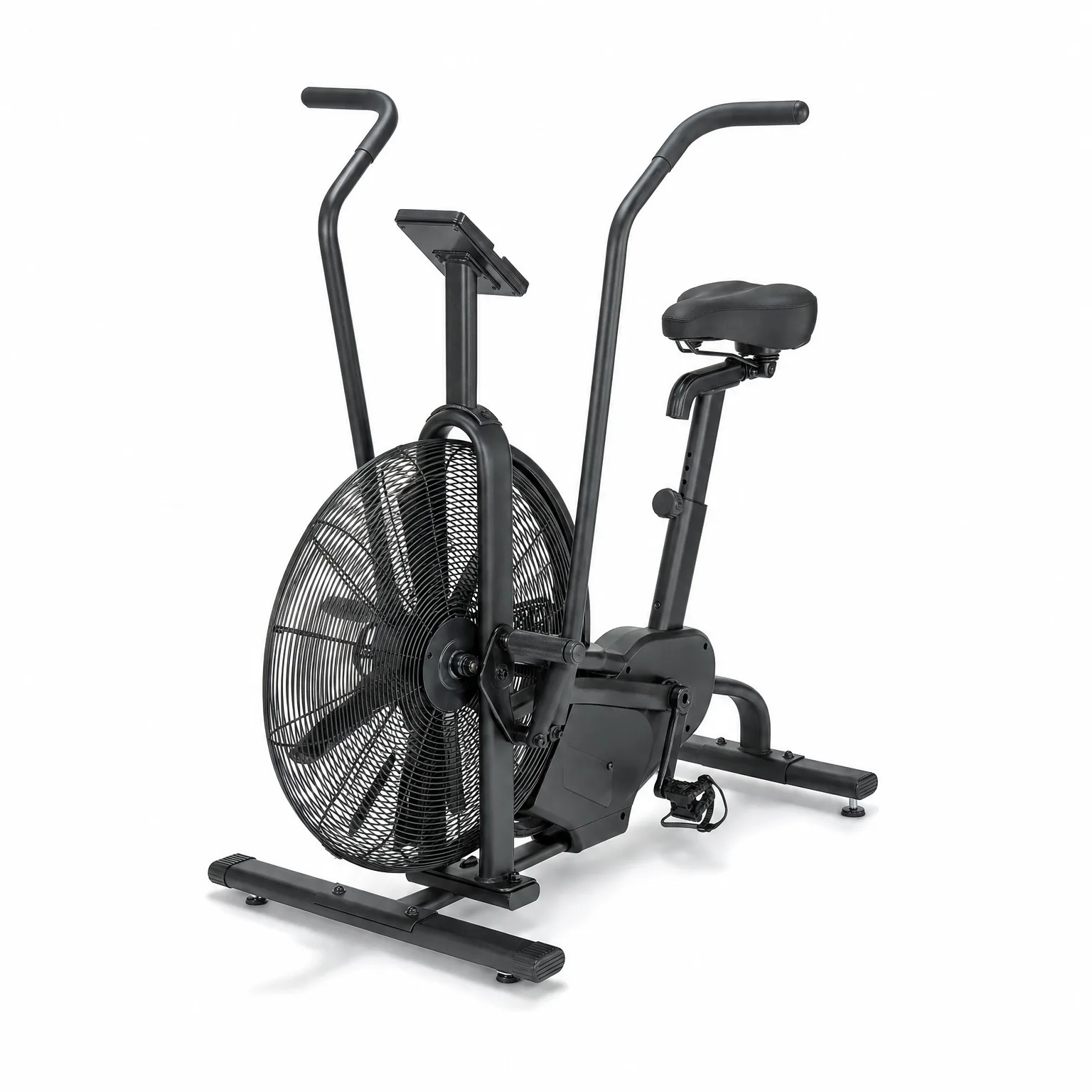
Air bike
A stationary bike with a large fan and moving handles. Arms and legs work together, and the harder you push, the harder it gets. -
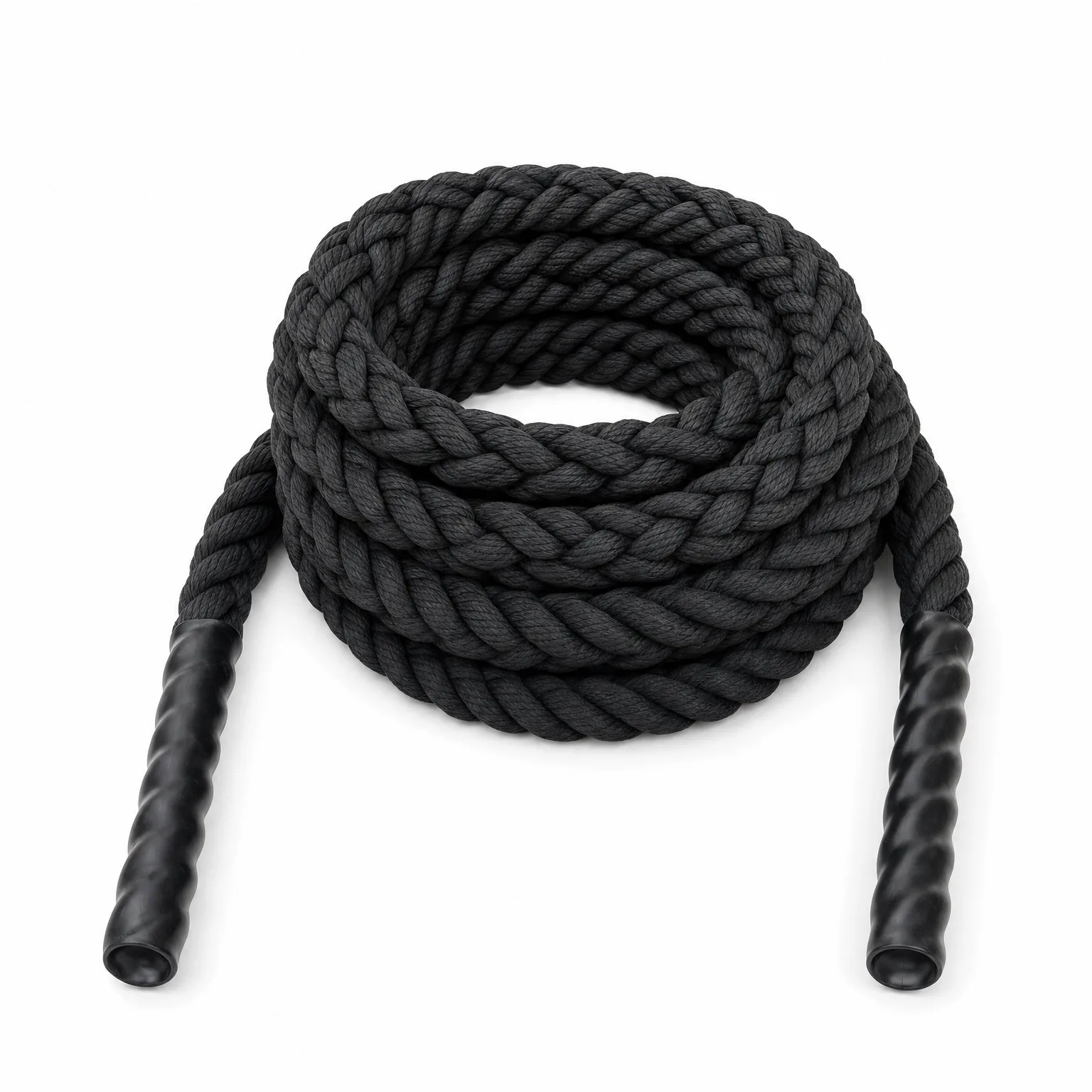
Battle ropes
A long, thick rope anchored in the middle. You hold both ends and make waves or slams for hard conditioning work with low impact on the legs. -
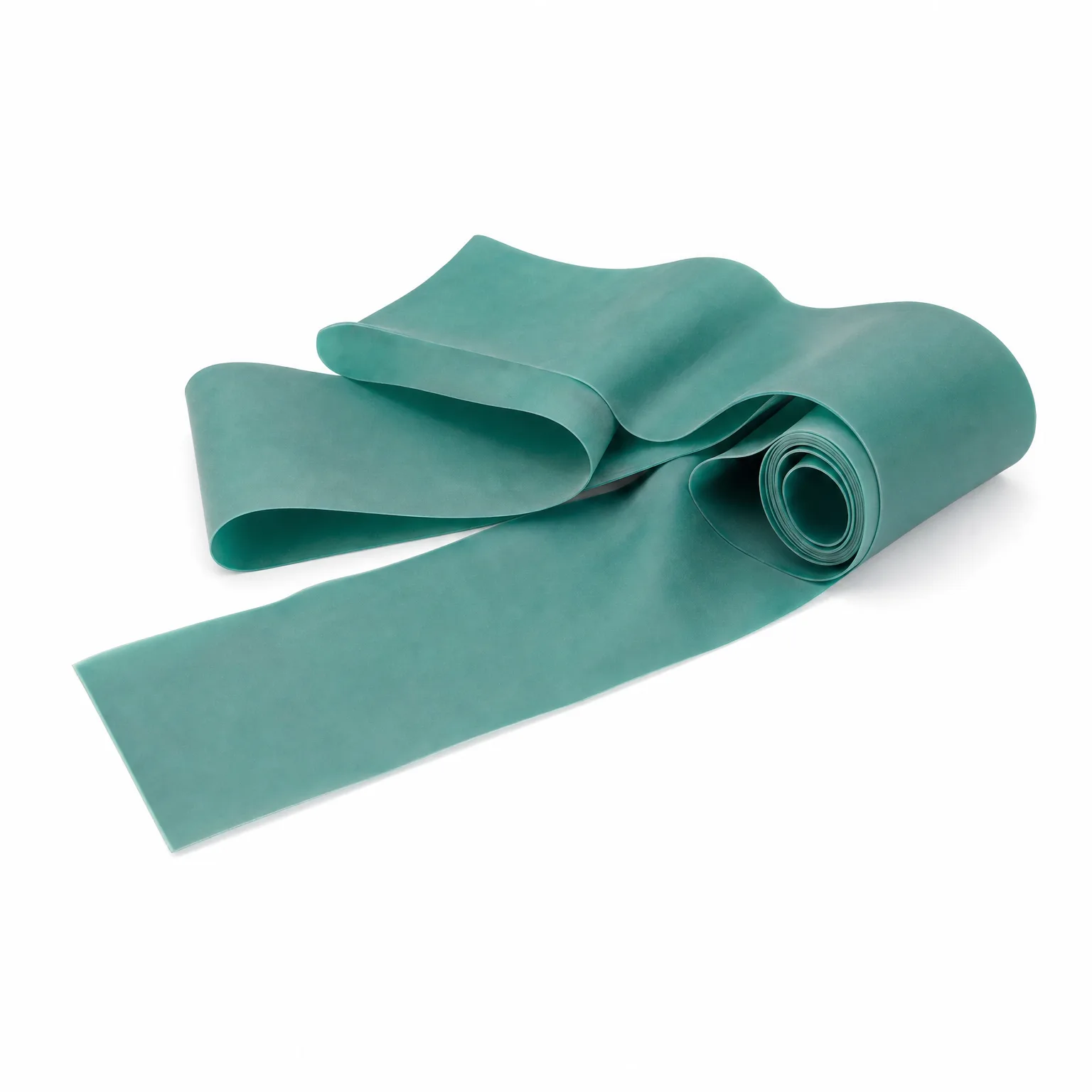
Flat resistance band
A long, thin, flat strip of elastic with open ends. Used for light strength exercises, Pilates, warm-ups and stretching.
Often used with
-
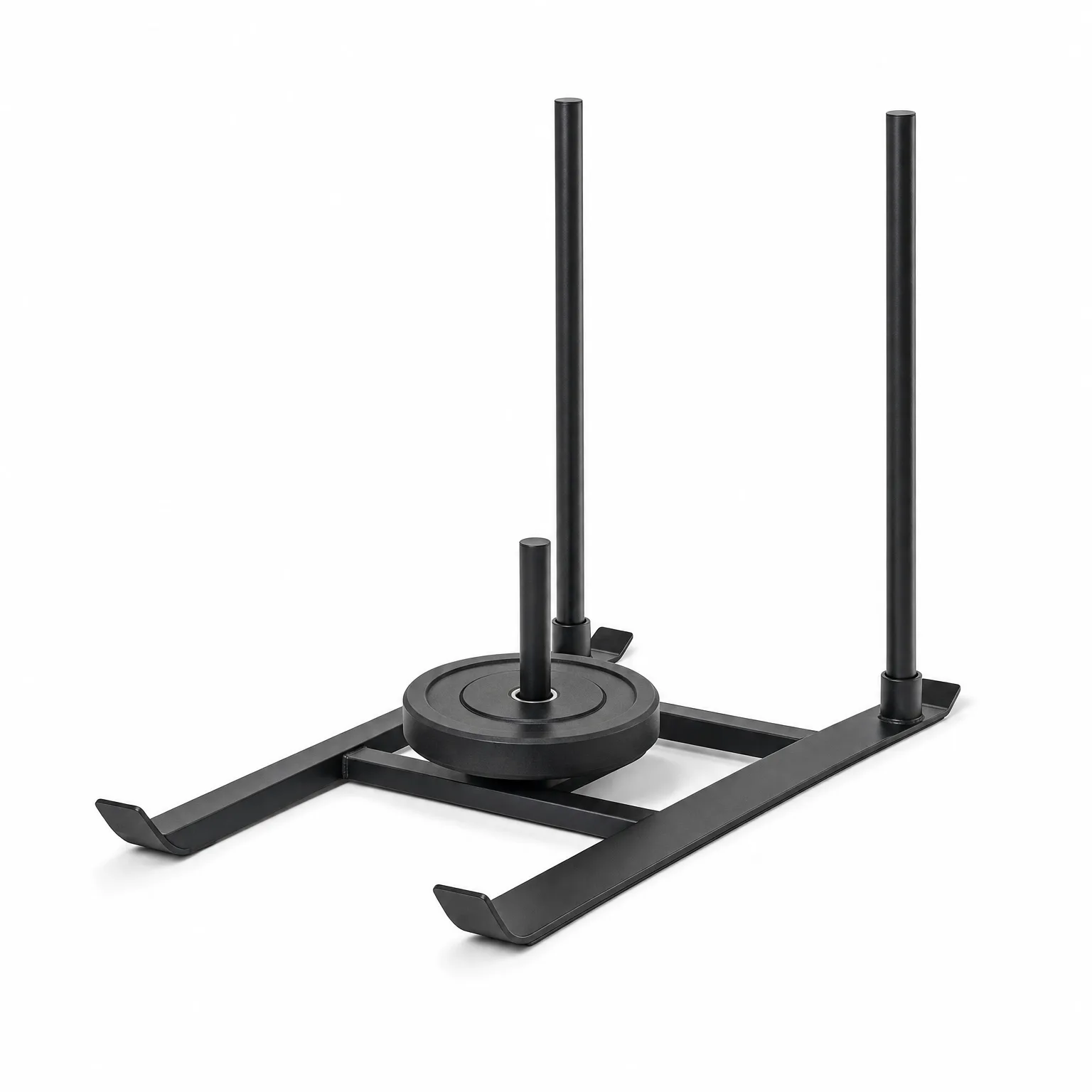
Weight sled
A low frame loaded with weight plates that you push or drag across turf or pavement. Trains the legs and conditioning with no lowering phase. -
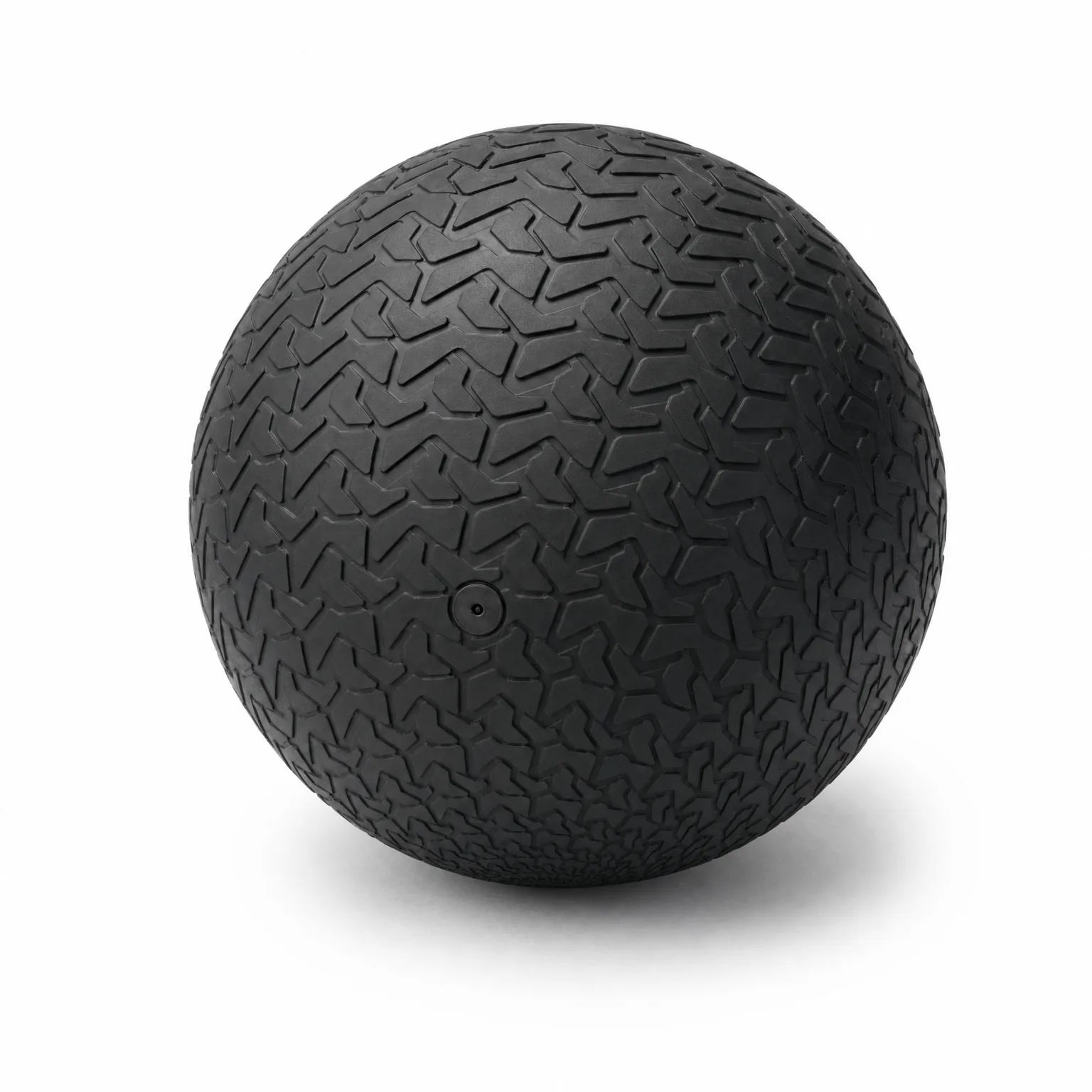
Slam ball
A sand-filled ball with a thick shell that does not bounce. Made to be lifted overhead and thrown at the floor at full force. -
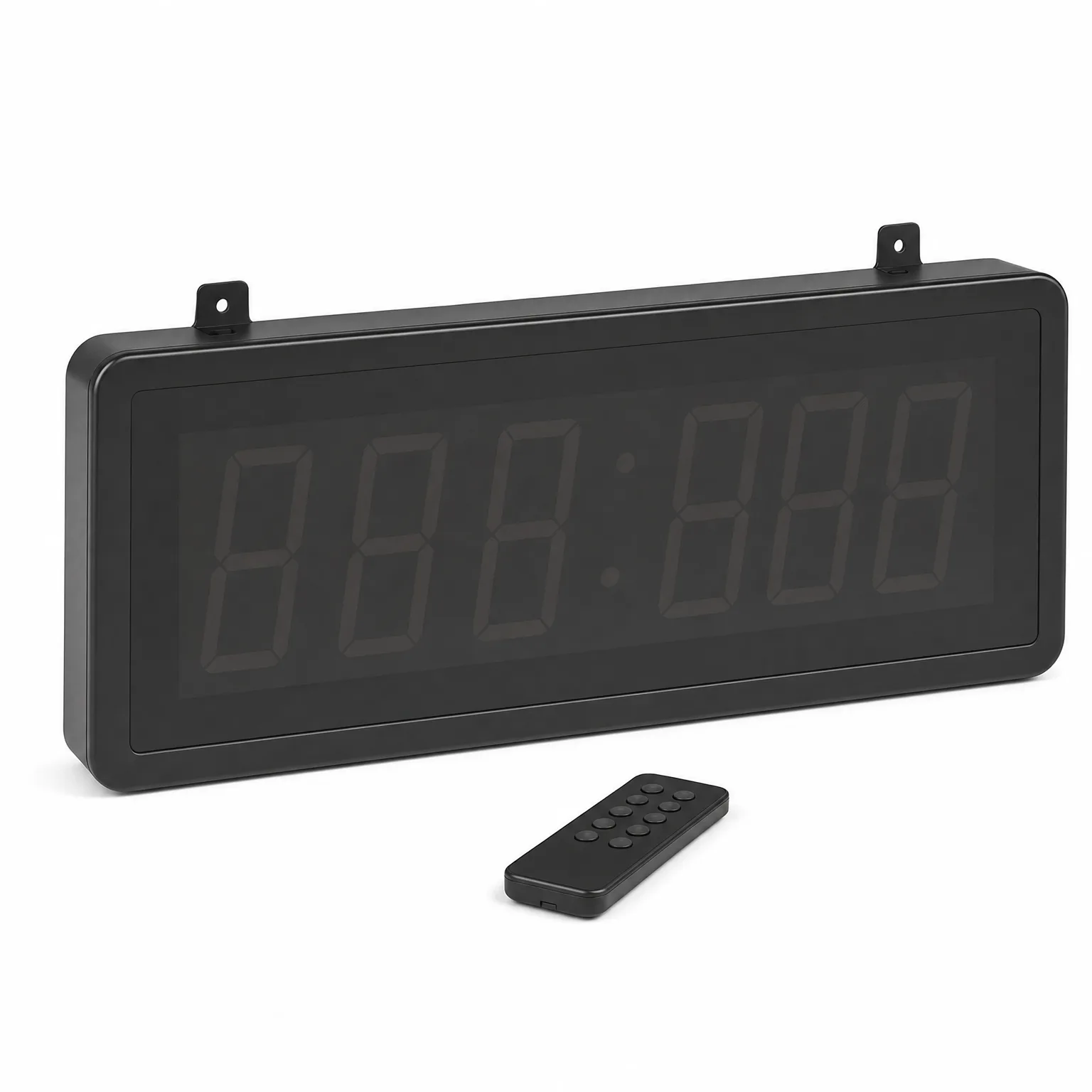
Interval timer
A wall clock or phone app that counts work and rest periods and signals each change, for tabata, EMOM, AMRAP, rounds and timed rests.
Questions about ski machine
What muscles does a ski machine work?
The lats, triceps and abs do most of the pulling. The rear delts and obliques help, and the glutes, hamstrings and quads add power as you hinge and stand back up. The lower back works to control the forward fold.
Ski machine vs rowing machine: which should I use?
Both give air-resisted, full-body cardio. The rower is driven mostly by the legs and done seated. The ski machine is done standing and puts more of the load on the lats, triceps and trunk. They complement each other, and many programs alternate them.
Is a ski machine good for beginners?
Yes. The movement is simple, you stand on the floor and the resistance matches your effort. Expect the arms and trunk to tire quickly at first, so start with short intervals and rest between them.
What damper setting should I use on a ski machine?
Most people do well at about 3–5 on a 1–10 lever. Lower settings favor a quick, light pull, and higher ones feel heavy and slow. Pick the setting at which you can hold the best pace per 500 m with a full range of motion.
Can you use a ski machine sitting down?
Yes. Pulling from a bench, a box or a kneeling position takes the legs out and leaves the arms, back and trunk. The range is shorter, so lower the damper slightly and keep the pulls smooth.
Build programs around what your client has
This guide comes from OnlineFitness.app, the app online coaches run their clients in.
Free for life for the first 100 coachesNo card