Slam ball
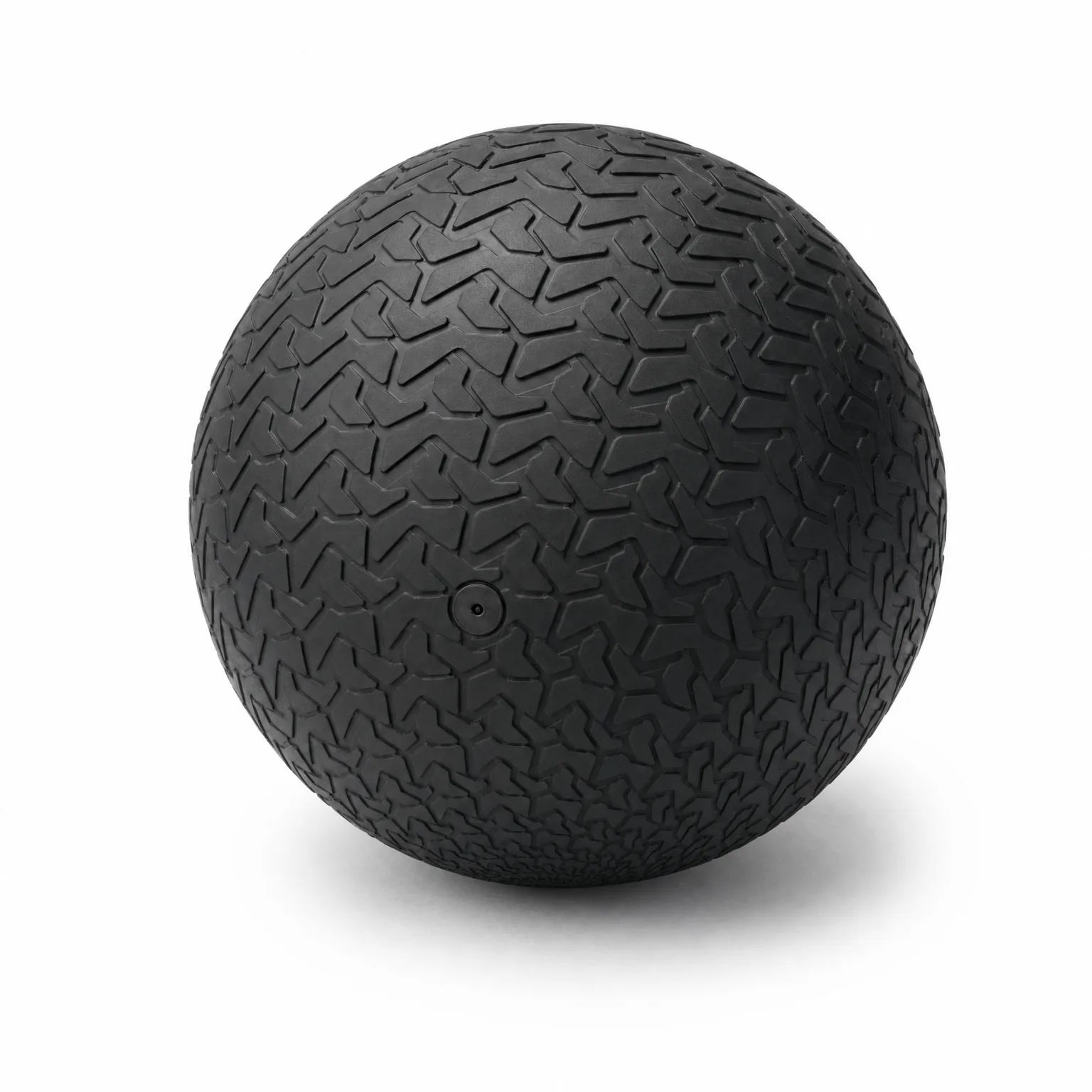
A sand-filled ball with a thick shell that does not bounce. Made to be lifted overhead and thrown at the floor at full force.
In short
A slam ball is a weighted ball with a thick rubber or PVC shell and a filling of sand or gel. It lands dead: it flattens slightly and stays where it falls. That lets you lift it overhead and throw it at the floor as hard as you can, over and over. Slams train power through the trunk, lats and hips and raise the heart rate quickly.
It differs from a medicine ball, which is lighter in build, usually bounces, and is meant for throwing and catching. A slam ball also works as an awkward, shifting load for squats, carries and lifts to the shoulder.
- Category
- Free weights
- Where
- Gym, Home, Outdoors
- Level
- Beginner and up
- Space
- Needs a corner of a room
- Typical sizes
- 2–30 kg (5–65 lb) in most ranges, with heavier balls for lifting and carrying
- Also called
- dead ball, no-bounce ball, slam balls, sand ball, dead bounce ball
Muscles it works
- Main
- Abs, Lats, Front delts, Quads, Glutes
- Also works
- Obliques, Triceps, Hamstrings, Lower back, Forearms
What it is used for
- Overhead slams and rotational slams for power and conditioning
- Ground-to-shoulder lifts and over-the-shoulder throws
- Squats, lunges and carries with the ball hugged to the chest
- Chest passes and throws for distance outdoors
- Core exercises: twists and weighted sit-ups
Types
Standard slam ball. A textured rubber shell with sand inside, in weights from about 2 to 30 kg. The size grows a little with the weight.
Heavy dead ball. Large, heavy balls from about 30 kg up, used for lifts to the shoulder and carries more than slams. Common in strongman-style training.
Soft-shell slam ball. A softer shell that spreads more on landing. Quieter and easier on floors, and easier to pick up.
How to choose
Choose a weight you can throw fast
For slams, speed matters more than load. Many adults start with 4–6 kg (9–13 lb) and move to 8–12 kg (18–26 lb). If you cannot get the ball overhead and down in one fast, smooth movement, it is too heavy.
Go heavier for lifts and carries
For ground-to-shoulder lifts and bear-hug carries you need a ball that is hard to pick up. That is usually a separate, much heavier ball than your slam weight.
Check the shell and valve
The shell takes all the abuse. Look for thick rubber, a textured surface for grip, and a well-sealed plug. Thin shells split at the seam and leak sand.
Think about the floor and the noise
Slams are loud and hard on floors. Rubber gym flooring, a lifting platform or grass works. Tiles, laminate and an upstairs room do not.
How to start using it
- Set up over the ball. Stand with feet shoulder-width apart and the ball between them. Squat down with a flat back and pick it up with both hands under its sides.
- Reach tall. Lift the ball overhead and rise onto the balls of the feet with arms nearly straight. Keep the ribs down and do not lean back.
- Throw it down. Pull the ball down hard and throw it at the floor just in front of your feet. Fold at the hips and bend the knees as you throw, so the whole body follows the ball.
- Pick up with the legs. The ball stays where it lands. Squat to it with a flat back each time. Do not round over to grab it.
- Keep sets short and sharp. For power, do 5–10 hard slams and rest. For conditioning, work in intervals such as 20–30 seconds, and stop when the slams turn slow.
Common mistakes
Using the arms only
Throwing from the shoulders without folding at the hips makes the slam weak and tires the arms. Drive down with the lats and trunk and let the hips drop.
Rounding the back to pick up
Fatigue turns each pick-up into a bent-over grab. Squat to the ball every rep, and end the set when you can no longer do that.
Choosing a ball that is too heavy
A heavy ball turns the slam into a slow drop. Use a lighter ball you can throw with real speed.
Slamming on the wrong surface
Hard tiles crack and rough concrete wears through the shell. Slam on rubber flooring, a platform or grass.
Slamming a ball that bounces
A rubber medicine ball looks similar and rebounds into the face. Check that the ball is a no-bounce type before the first hard throw.
What to use instead
A medicine ball replaces a slam ball for carries, twists and partner passes, but only a low-bounce one should be thrown at the floor, and gently. A sandbag is the closest match for a dead, shifting load. It works for ground-to-shoulder lifts, carries and even slams if the bag is built for it. For the same kind of short, hard conditioning without throwing anything, battle rope slams are the usual swap.
-
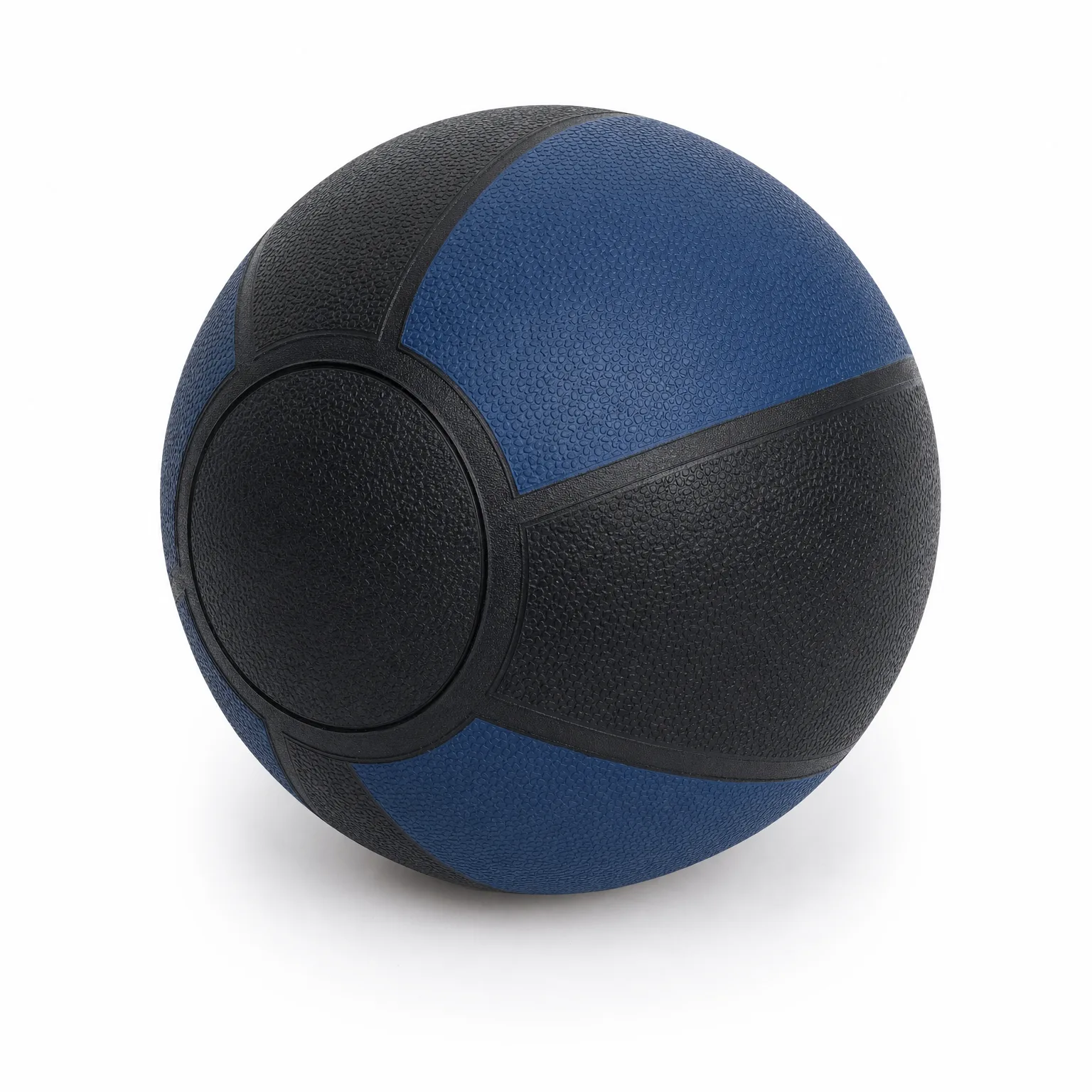
Medicine ball
A weighted ball you throw, catch and carry. Used for power throws, wall balls, partner drills and core exercises. -
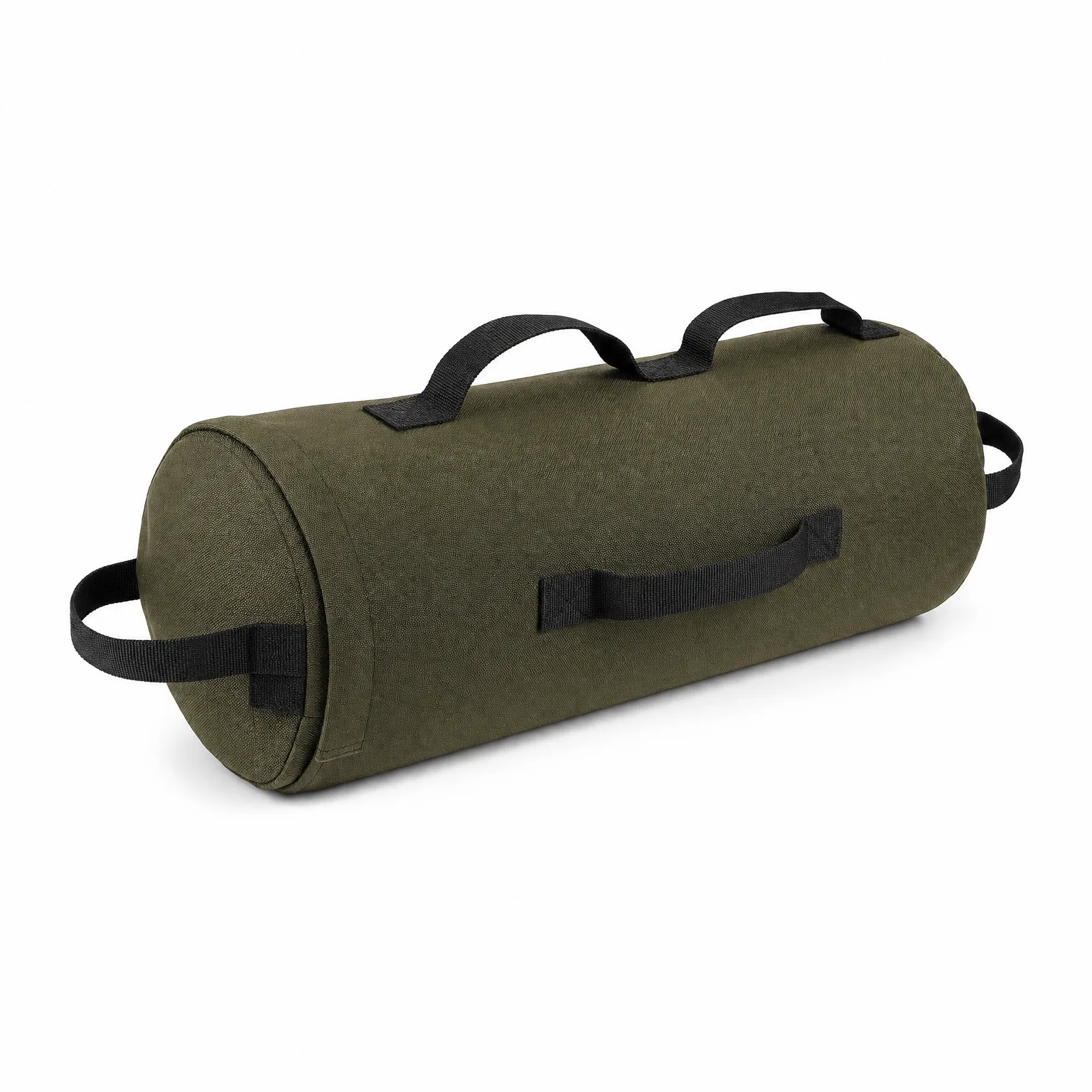
Sandbag
A tough fabric bag filled with sand, with or without handles. The load shifts as you lift, carry, squat and throw it. -
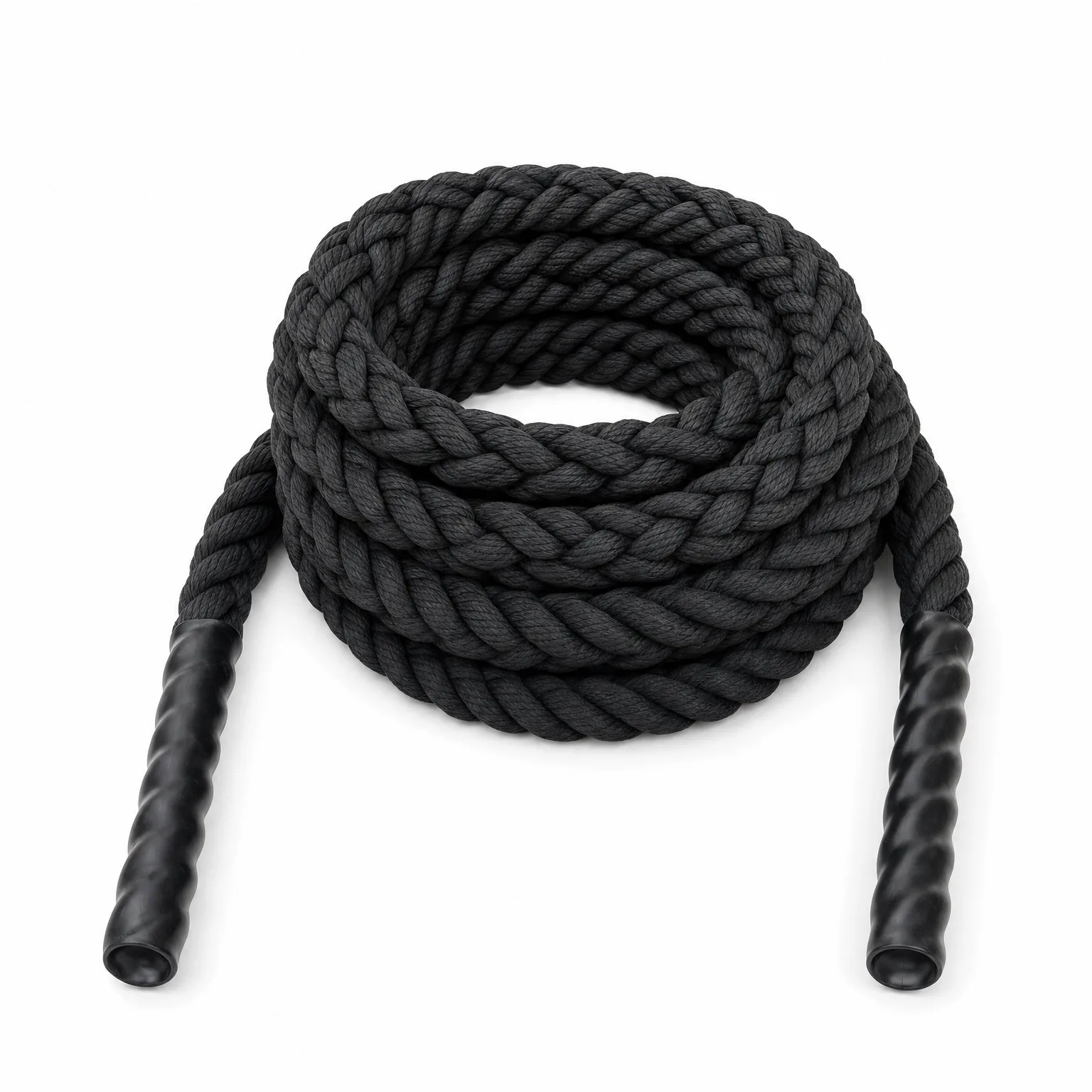
Battle ropes
A long, thick rope anchored in the middle. You hold both ends and make waves or slams for hard conditioning work with low impact on the legs.
Often used with
-
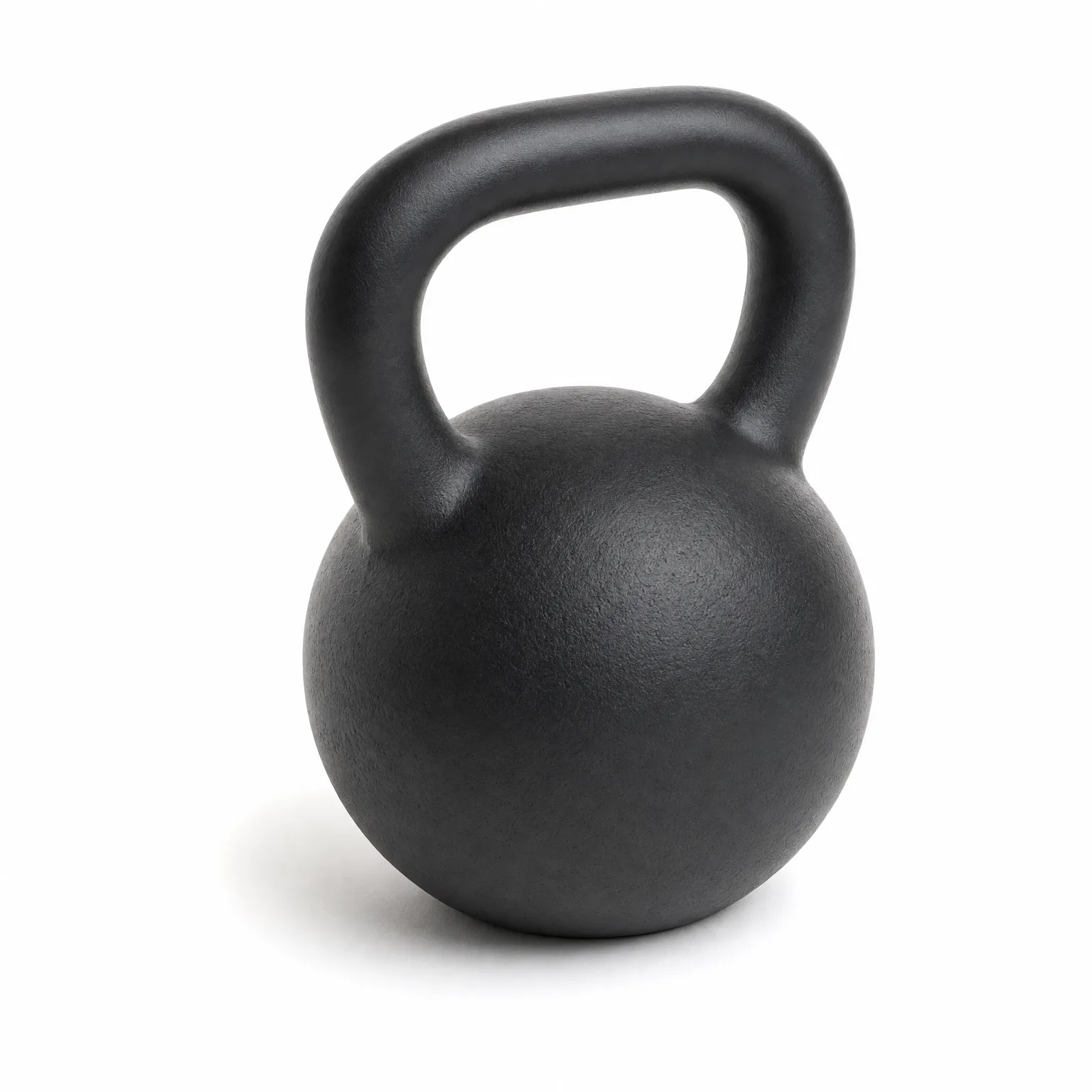
Kettlebell
A cast-iron or steel ball with a flat base and a handle on top. Built for swings, carries, squats and presses with one weight. -
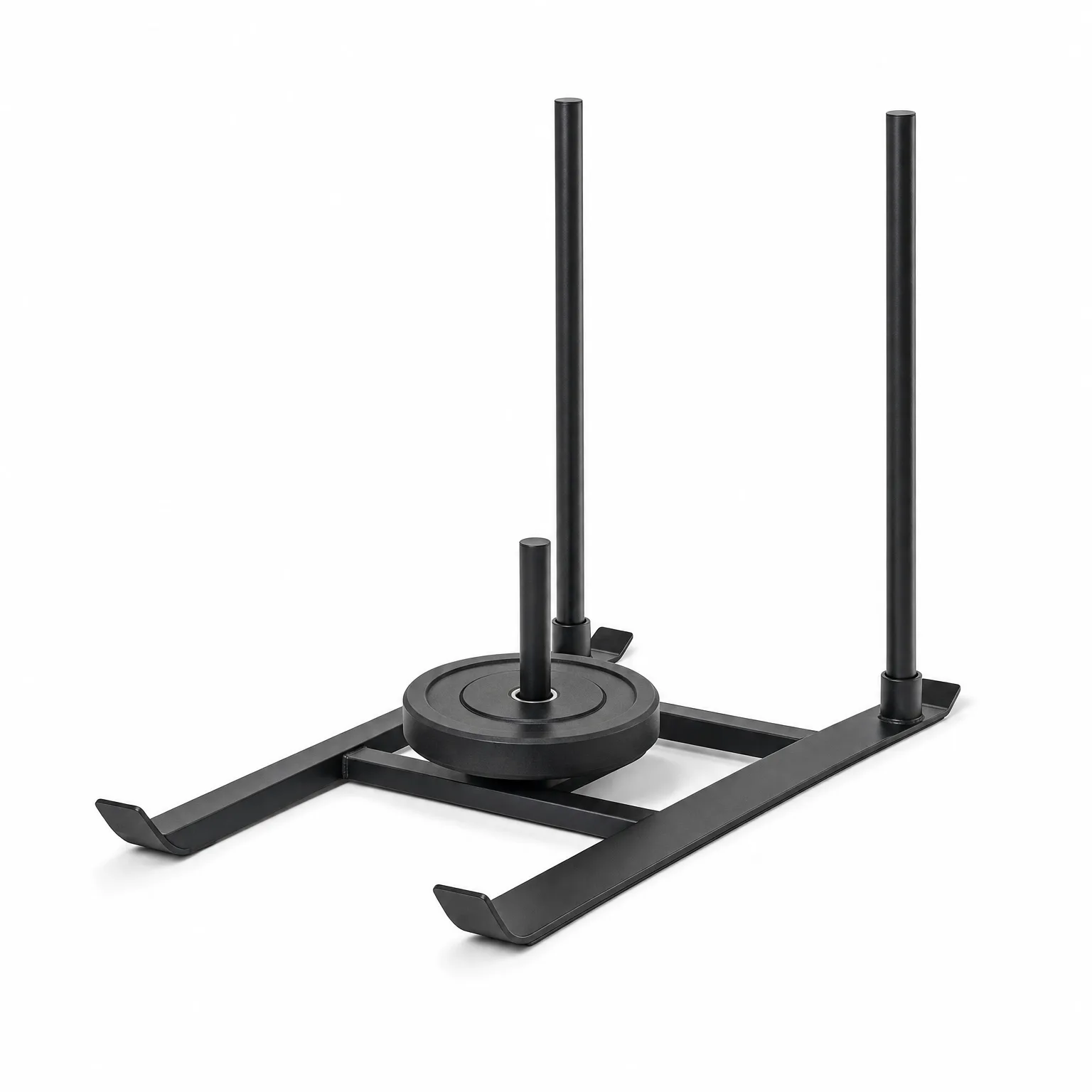
Weight sled
A low frame loaded with weight plates that you push or drag across turf or pavement. Trains the legs and conditioning with no lowering phase. -
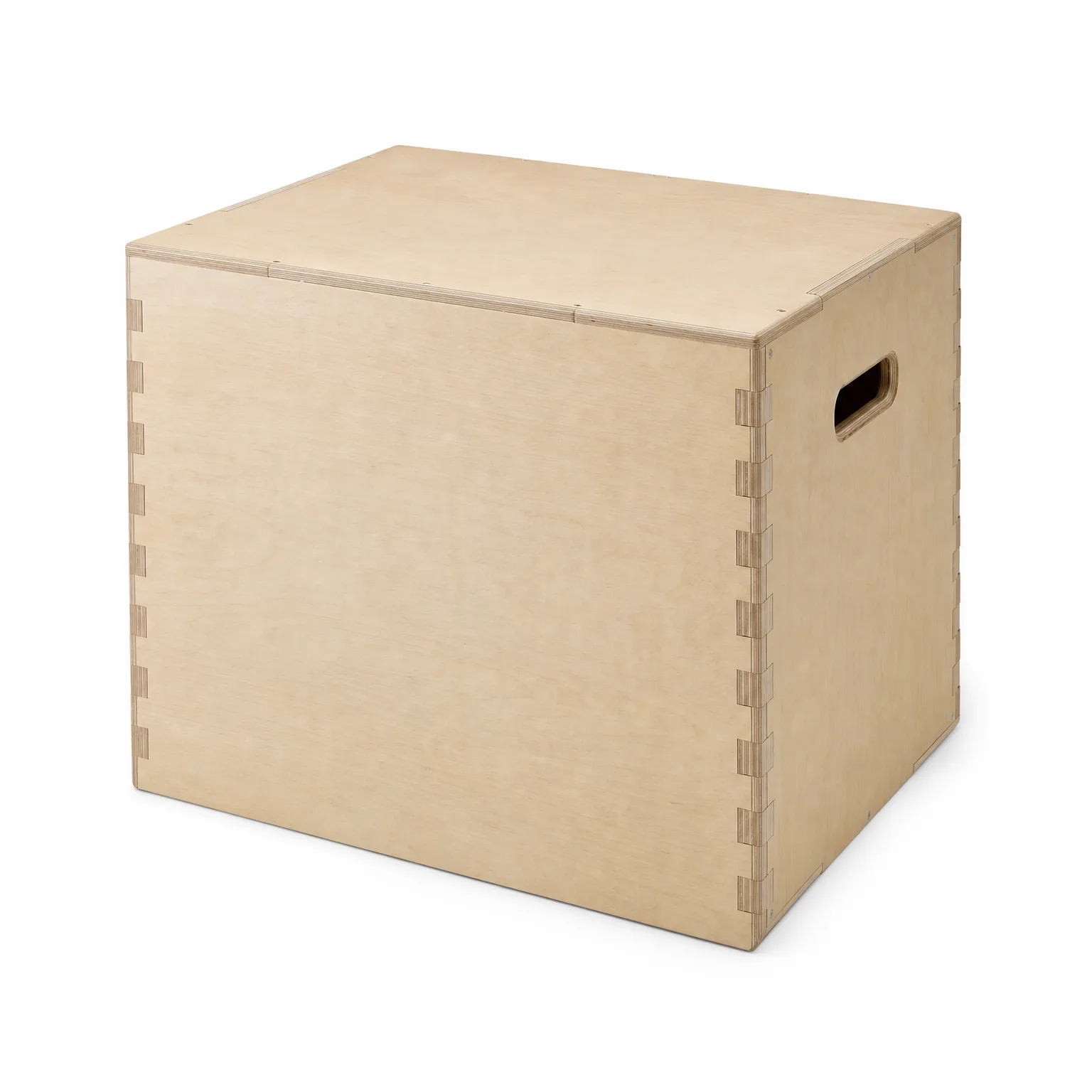
Plyo box
A sturdy box for jumping onto and stepping up on. Used for box jumps, step-ups, box squats and raised push-ups.
Questions about slam ball
What is the difference between a slam ball and a medicine ball?
A slam ball has a thick shell and a sand or gel filling, so it does not bounce and survives being thrown at the floor. A medicine ball is made for throwing and catching, usually bounces, and has a thinner shell. Use the slam ball for slams and heavy lifts, and the medicine ball for wall throws, partner passes and wall balls.
What weight slam ball should I get?
For slams, most adults do well with 4–10 kg (9–22 lb): the lighter end if you are new to it, the heavier end if you are strong and want conditioning. Pick the weight you can slam fast for 10 reps. Buy heavier only for lifts and carries.
What muscles do ball slams work?
The lats, abs and shoulders pull the ball down. The hips and legs fold into the throw and lift the ball again. The forearms and upper back work on every pick-up. It is a whole-body power and conditioning exercise.
Do slam balls bounce?
A true slam ball barely leaves the floor. Some lighter models have a small bounce on hard surfaces, so make the first throw at half force and see how it behaves.
Can you do ball slams at home?
Yes, if you have a ground-floor space with rubber flooring, a garage or a yard. Slams are loud and send a shock through the floor, so they are a poor fit for an apartment with neighbors below.
Build programs around what your client has
This guide comes from OnlineFitness.app, the app online coaches run their clients in.
Free for life for the first 100 coachesNo card