Equipment Benches, racks and bars
Parallettes
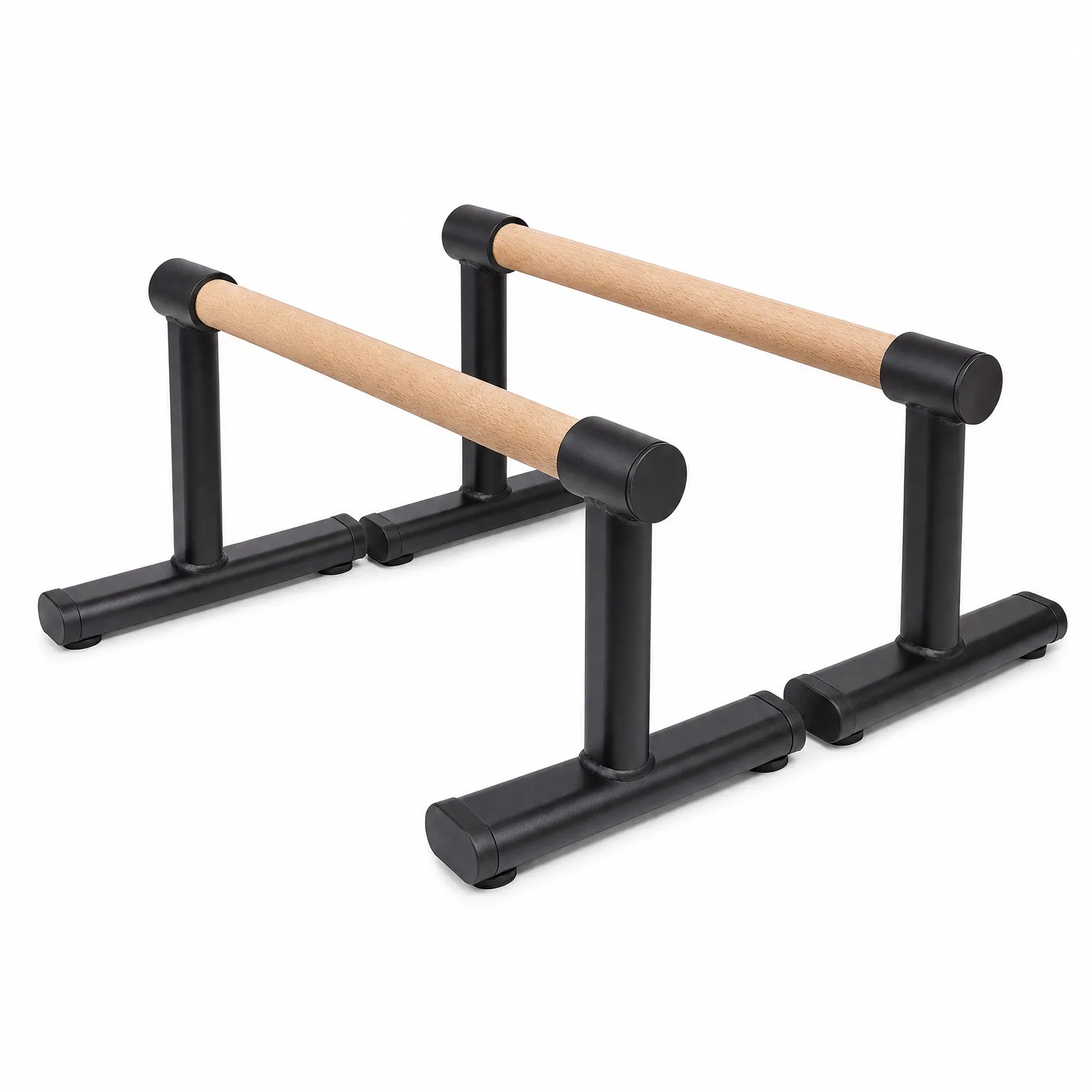
A pair of low parallel bars on stable feet. Used for L-sits, deep push-ups, handstands and other gymnastic strength work.
In short
Parallettes are two short, separate bars on wide feet, a small version of gymnastic parallel bars. You grip them with straight wrists and support your whole body on your hands. The height lifts you off the floor, so the legs can pass through or hang below the hands.
They are used for L-sits, tuck and straddle holds, deep push-ups, handstands and planche progressions. Push-up bars are a smaller relative made for push-ups only: parallettes are longer, steadier and tall enough for holds where the legs swing through, which is what you pay the extra space for.
- Category
- Benches, racks and bars
- Where
- Home, Gym, Outdoors, Travel
- Level
- Beginner and up
- Space
- Needs a corner of a room
- Typical sizes
- Low 10–15 cm (4–6 in), medium 20–30 cm (8–12 in), high 40 cm or more (16 in+); bars 30–60 cm (12–24 in) long
- Also called
- parallette bars, mini parallel bars, p-bars, low parallel bars, calisthenics bars, wooden parallettes
What it is used for
- L-sits, tuck sits and straddle holds
- Deep and pike push-ups with a neutral wrist
- Handstands and handstand push-ups
- Planche leans and tuck planche progressions
- Shoot-throughs and swing-throughs between the bars
Types
Low. About 10–15 cm high. The most stable, easy to carry, and enough for push-ups, L-sits and handstands.
Medium. About 20–30 cm high. Room for the legs to pass under in swing-throughs and for deeper push-ups.
High. 40 cm and up, close to small dip bars. Allows bent-knee dips and more dynamic work, with a larger base.
Wood or metal bars. Wooden bars absorb sweat and grip well without chalk. Steel bars are thinner and tougher, and slippery with wet hands.
How to choose
Pick the height by what you will practice
Low bars suit handstands, push-ups and learning the L-sit. Medium bars are the all-round choice if you want swing-throughs. Go high only if you also want dips.
Check the bar diameter
A bar of about 35–40 mm (1.4–1.6 in) fills the hand and spreads the pressure. Thin bars dig into the palm on long holds.
Look for a wide, grippy base
The feet should be wider than the bar is tall and have rubber pads. Press down on one end of a bar with your hand and lean on it: it should not tip or slide.
Length matters for handstands
Longer bars, 45 cm and more, give room to shift the hands and correct balance. Very short ones work for push-ups only.
How to start using it
- Set them shoulder-width apart. Place the bars parallel on a flat, non-slip floor, about as wide as your shoulders. For push-ups you can turn them slightly outward if that is more comfortable.
- Grip with straight wrists. Hold the middle of each bar with the bar across the base of the palm and the wrist in line with the forearm. Squeeze the bar: a loose hand lets the wrist fold.
- Learn the support hold first. Sit between the bars, straighten the arms and press the shoulders down away from the ears so the hips lift. Keep the feet on the floor and hold 10–20 seconds.
- Progress the L-sit in steps. Lift one foot, then both knees in a tuck, then extend one leg, then both. Move on when you can hold a step for about 15–20 seconds for several sets.
Common mistakes
Sinking into the shoulders
Letting the shoulders rise toward the ears in a support or L-sit shortens the arms and drops the hips. Push the bars down and keep the neck long.
Bent elbows in holds
A soft elbow makes the hold easier and trains less. Lock the arms in supports, L-sits and planche leans.
Using them on a slippery floor
On polished tile or a loose rug the bars can slide apart under a handstand or push-up. Use a firm mat or a rubber floor.
Skipping steps
Going straight for a full L-sit or planche before the tuck is solid leads to short, shaky holds. Longer holds of an easier step build strength faster.
What to use instead
Push-up bars do the push-up and short tuck holds, though they are less steady. Dip bars cover L-sits, supports and swing work at a greater height. A pair of firm yoga blocks under the hands gives the height for an L-sit, and two sturdy chairs work for supports and tuck holds. On the floor, the same holds are possible but harder, with the wrists bent back.
-
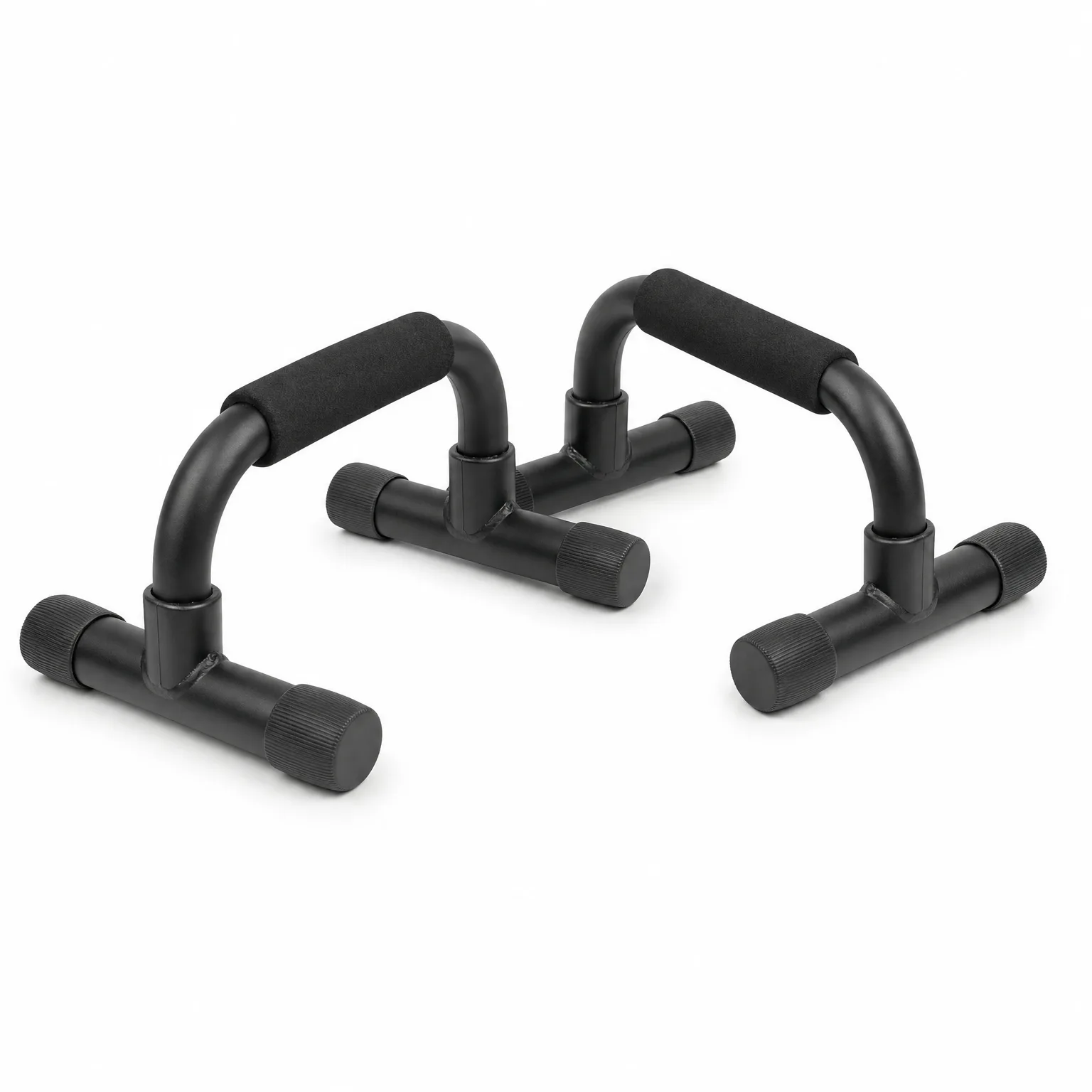
Push-up bars
A pair of low handles for the floor. They keep the wrists straight in push-ups and let the chest go lower than the hands. -
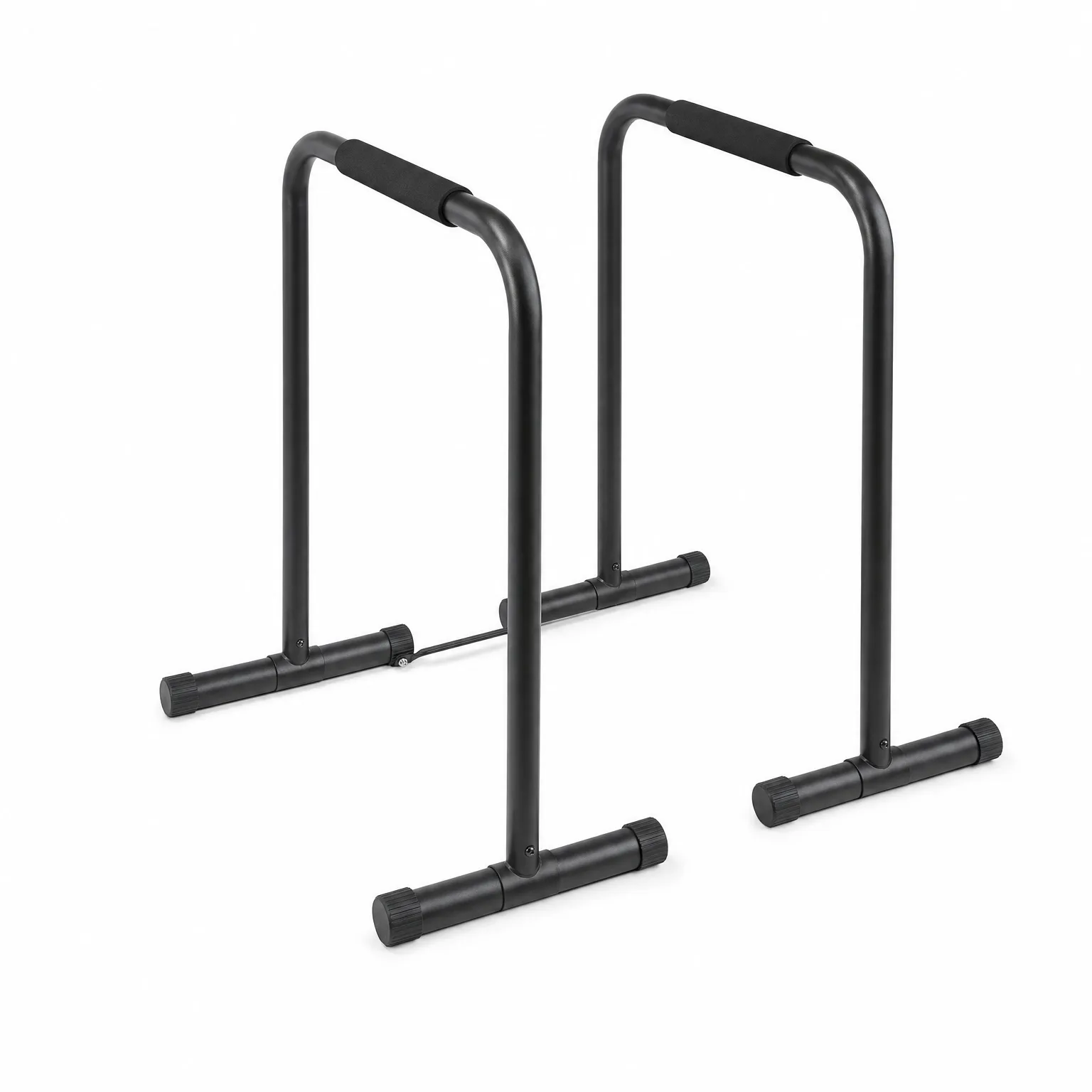
Dip bars
Two parallel bars at about waist height that you support yourself on. Used for dips, leg raises and bodyweight rows. -
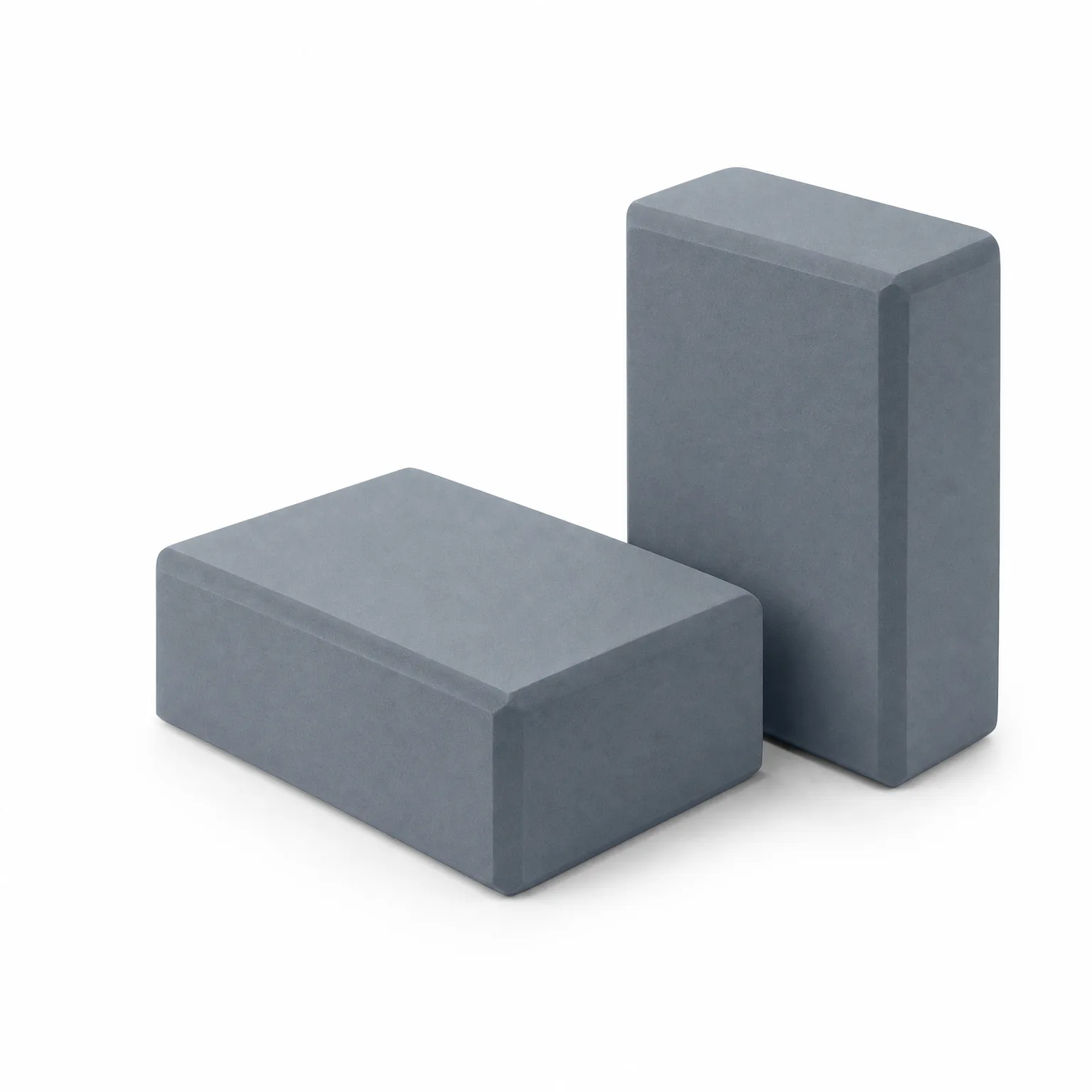
Yoga blocks
Firm rectangular blocks of foam, cork or wood that raise the floor to your hands or support the body in stretches and yoga poses. -
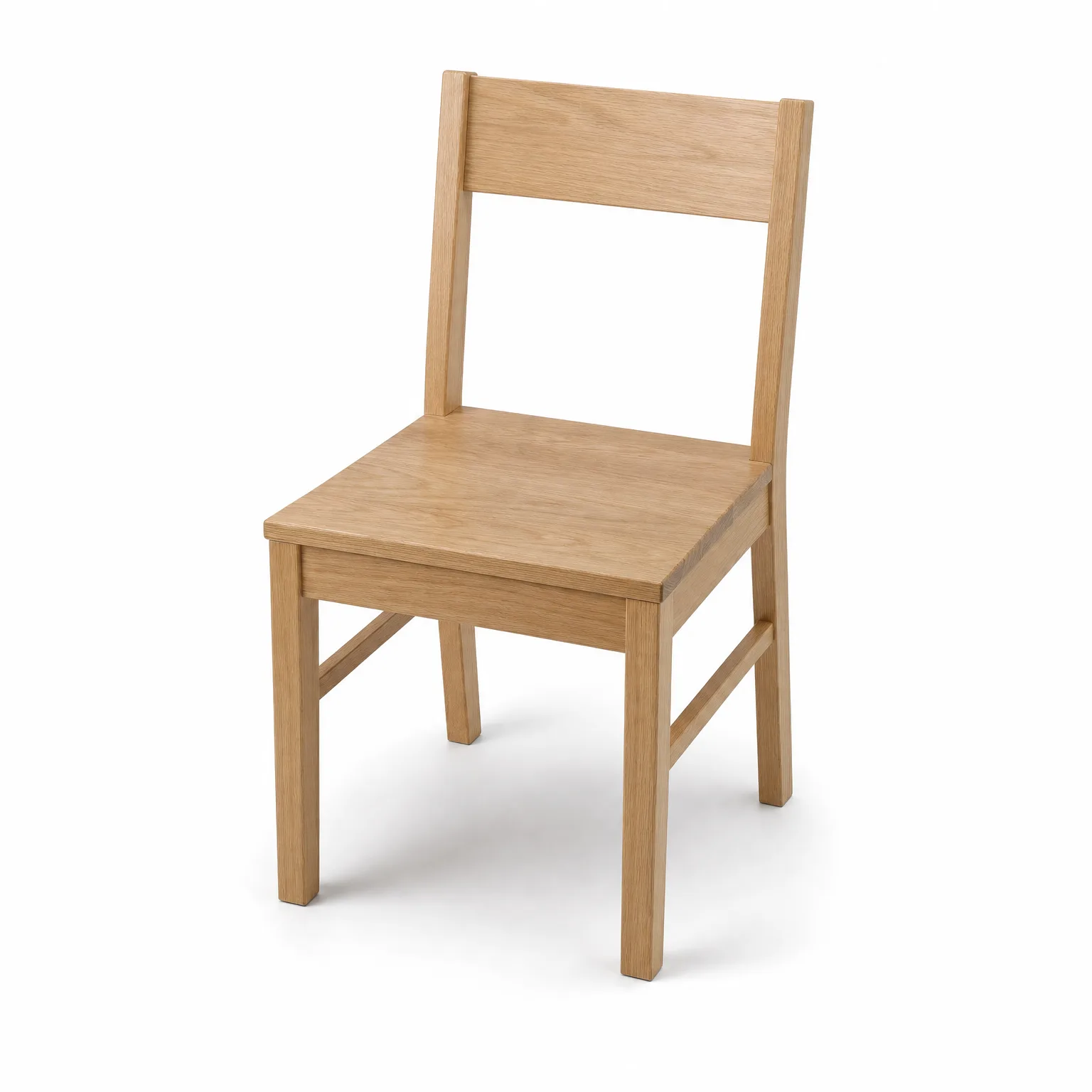
Chair
A sturdy household chair stands in for a bench, a low box or dip bars: sit-to-stands, step-ups, dips, split squats and incline push-ups.
Often used with
-

Exercise mat
A cushioned, non-slip surface for floor exercises, stretching and yoga. The first thing most people need to train at home. -
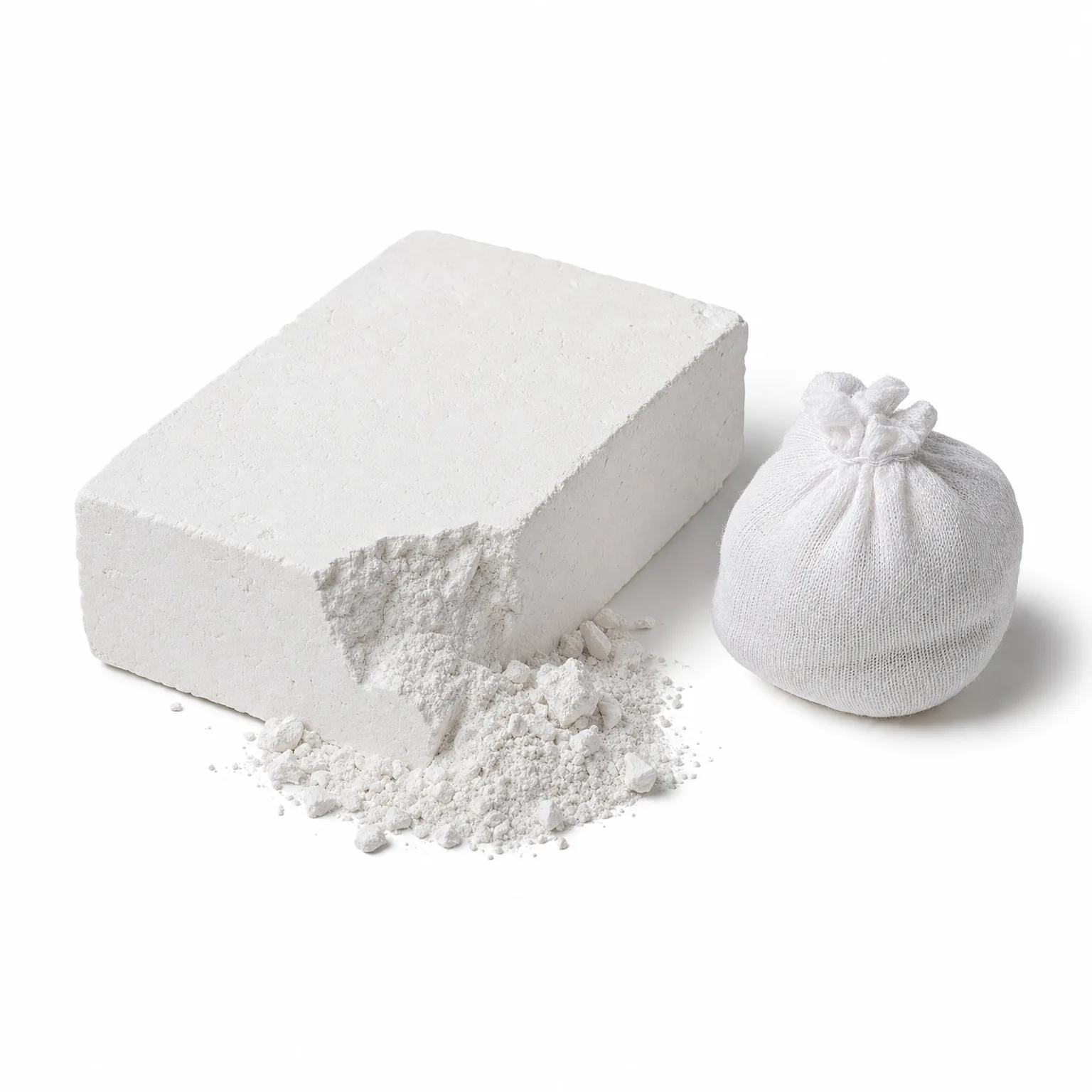
Gym chalk
Magnesium carbonate powder that dries sweaty hands so a bar, kettlebell or rings do not slip. Sold as a block, a ball or a liquid. -
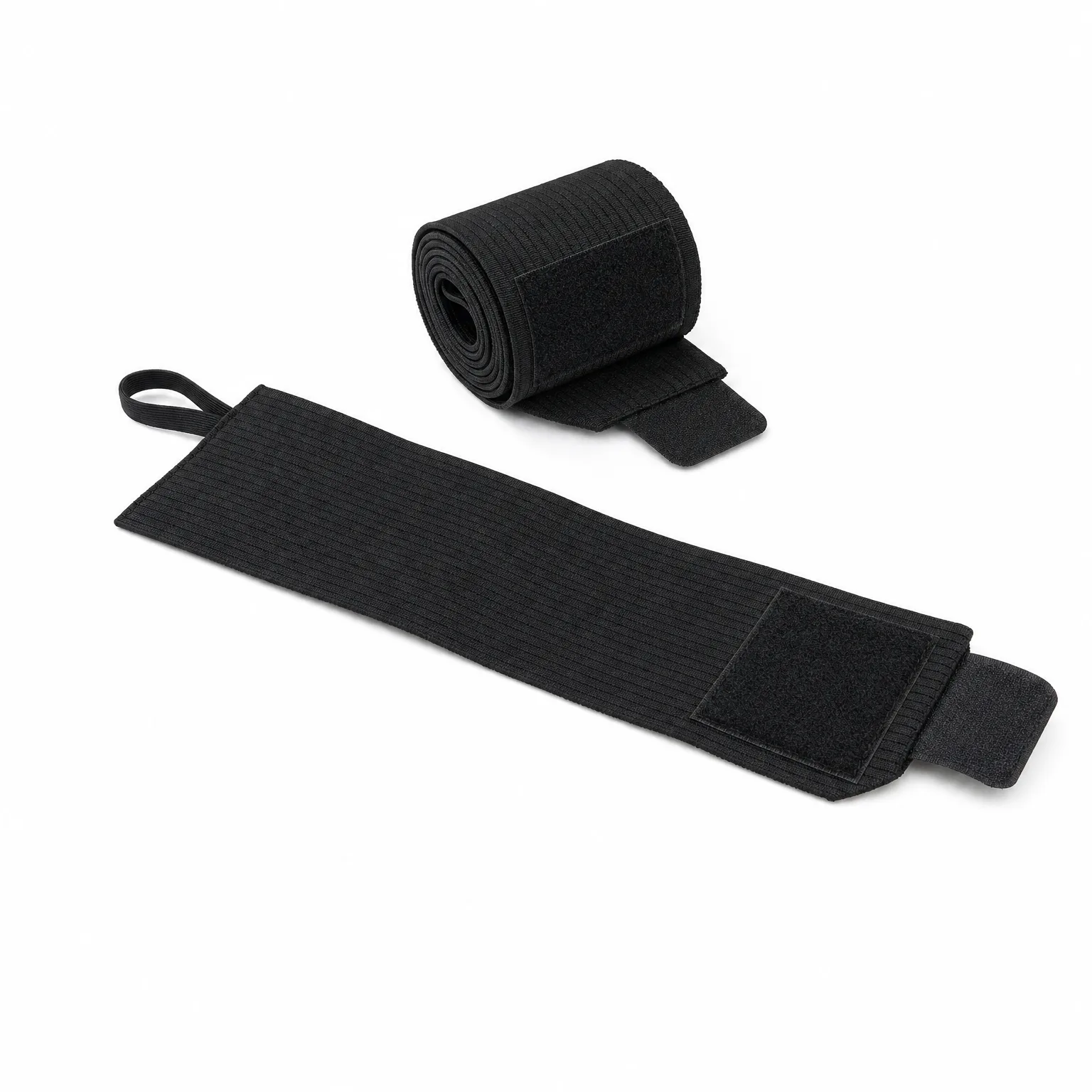
Wrist wraps
Elastic bandages wound tightly around the wrist joint to keep it from bending back under heavy presses and overhead lifts. -
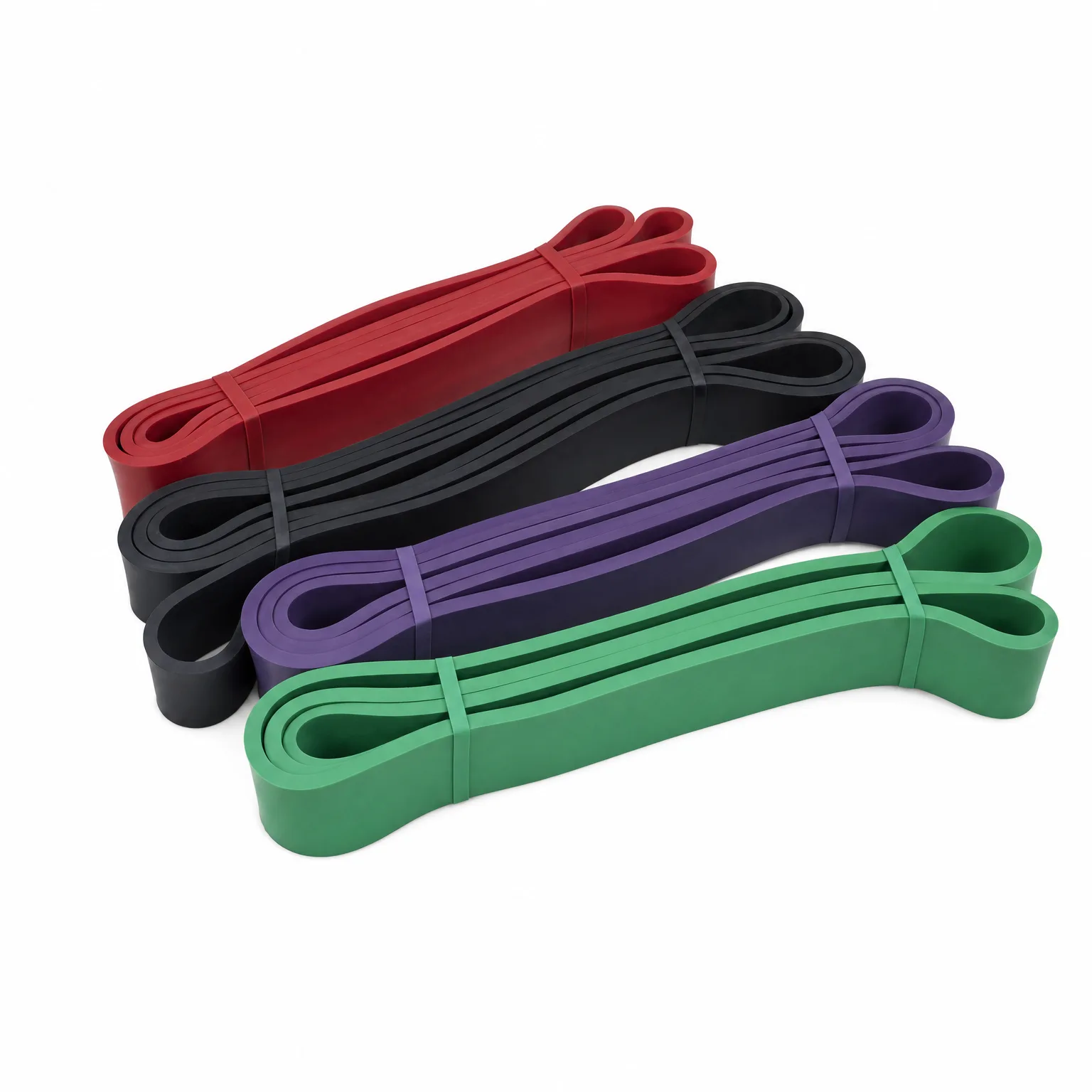
Resistance bands
Long closed loops of thick rubber. They add resistance to rows, presses and squats, or take weight off in pull-ups and dips.
Questions about parallettes
What are parallettes used for?
Supporting the body on the hands: L-sits and tuck holds, deep push-ups, pike and handstand push-ups, handstands, and planche progressions. The height gives the legs room and the grip keeps the wrists straight.
Parallettes vs push-up bars: what is the difference?
Push-up bars are small single handles made for push-ups. Parallettes are longer, usually taller and have a wider base, so they stay put during L-sits, handstands and swing-throughs. If you only want push-ups, push-up bars are enough. For gymnastic holds, choose parallettes.
What height parallettes should a beginner get?
Low or medium. Low bars of 10–15 cm are the steadiest and fine for push-ups, L-sits and handstands. Medium bars of 20–30 cm add room for swing-throughs. Tall bars are less stable and only needed for dips.
Are wooden or metal parallettes better?
Wooden bars are thicker, warmer and grip well even with some sweat, which is why most people prefer them for holds. Metal bars are more durable outdoors and often cheaper, and usually need chalk.
Build programs around what your client has
This guide comes from OnlineFitness.app, the app online coaches run their clients in.
Free for life for the first 100 coachesNo card