Equipment Mobility and recovery
Yoga blocks
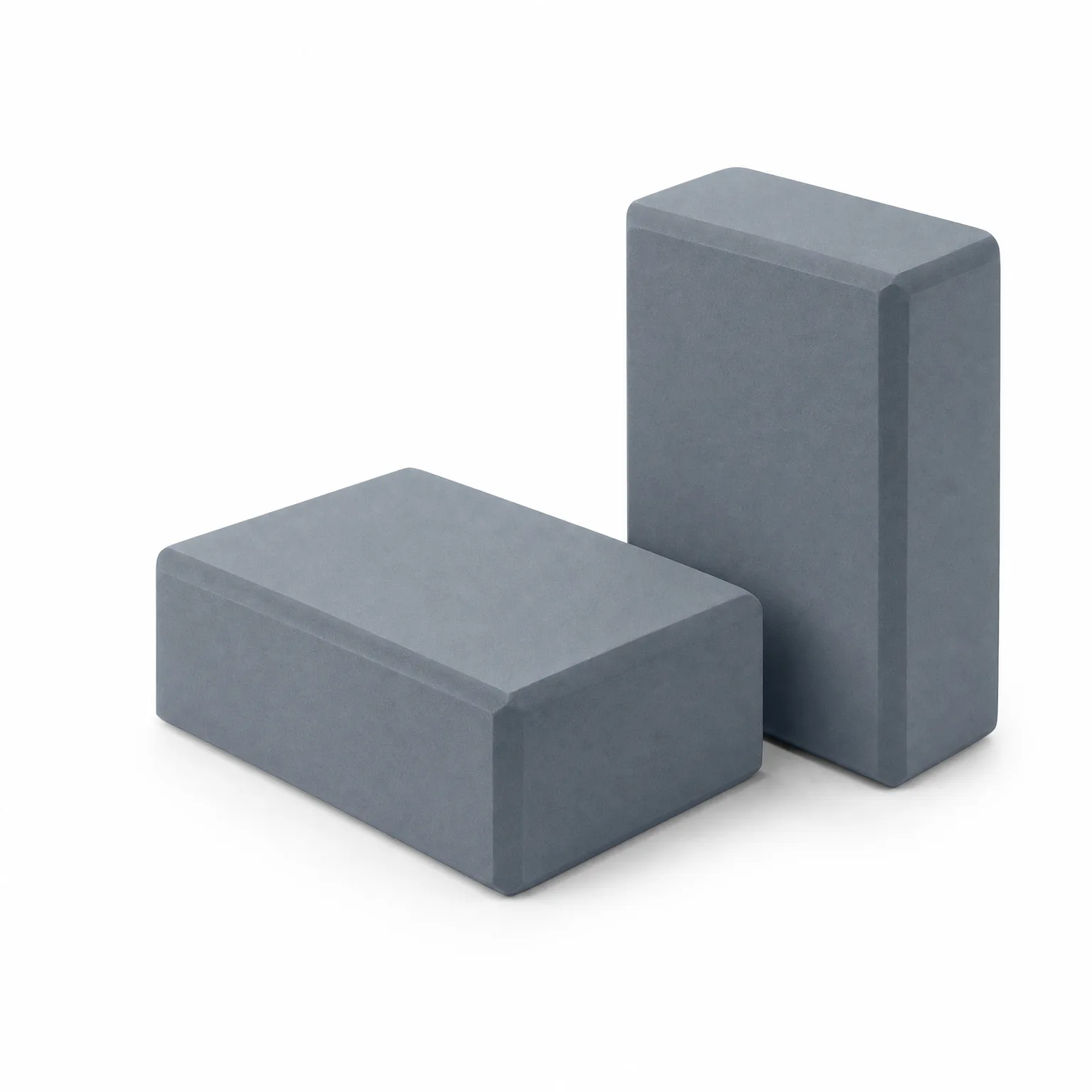
Firm rectangular blocks of foam, cork or wood that raise the floor to your hands or support the body in stretches and yoga poses.
In short
Yoga blocks are firm, brick-shaped props made of foam, cork or wood. You put them under your hands, hips, back or head to shorten the distance to the floor or to support part of your body weight. This lets you hold a pose or a stretch in good alignment when your flexibility does not yet reach the floor.
They are used in yoga, Pilates, stretching and mobility work, and sometimes in strength training as a raised surface or a target for depth. Blocks are useful at every level: beginners use them to reach, experienced people use them to support longer holds or to make a pose harder.
- Category
- Mobility and recovery
- Where
- Home, Gym, Travel
- Level
- Beginner and up
- Space
- Fits in a drawer or a bag
- Typical sizes
- About 23 x 15 x 10 cm (9 x 6 x 4 in); slimmer blocks are 7.5 cm (3 in) thick
- Also called
- yoga block, yoga bricks, yoga brick, foam blocks, cork blocks, stretching blocks
What it is used for
- Under the hands in forward folds, lunges and triangle pose when the floor is out of reach
- Under the hips to sit upright in cross-legged or kneeling positions
- Under the back, hips or head for supported, relaxed stretches
- Squeezed between the thighs or hands to add muscle work to bridges and squats
- A raised surface for the heels or hands in mobility and strength drills
Types
Foam. Light, slightly soft and the cheapest. Comfortable under the back and head. Can compress and wobble a little under full body weight.
Cork. Heavier, firm and grippy even with sweaty hands. More stable to lean on. Harder edges make it less comfortable to lie on.
Wood or bamboo. The firmest and most durable. Very stable under the hands, slippery when wet and hard under the body.
Half or slim block. A thinner block, about 5–7.5 cm, for small height changes, under the heels or for smaller hands.
How to choose
Buy two
Most uses need a matched pair: one under each hand in a forward fold, or two stacked for extra height. A single block limits what you can do.
Foam for comfort, cork for stability
If you will mostly lie or sit on the blocks, foam is kinder. If you will put weight through your hands in standing poses, cork or wood stays firmer and does not tip as easily.
Standard size suits most people
The common 23 x 15 x 10 cm block gives three useful heights. People with small hands, or who want a lower step, may prefer the 7.5 cm (3 in) version.
Check the edges and surface
Slightly rounded edges are more comfortable to hold and to lie on. The surface should not be slick. Very cheap foam blocks can be too soft to bear weight.
How to start using it
- Use the three heights. A block can lie flat, stand on its long edge or stand on end. Flat is the lowest and most stable, on end is the tallest and least stable. Start with the height that lets you keep a long spine, and lower it as you gain range.
- Put the block where your hand lands. In a forward fold or a lunge, place the blocks directly under the shoulders, spread your fingers over the top and press down. Your arms should support you without the shoulders hunching.
- Sit on a block to free the hips. If your knees sit higher than your hips when you sit cross-legged, sit on the edge of a flat block. Raising the hips lets the pelvis tilt forward and the back stay tall with less effort.
- Squeeze it for extra muscle work. Hold a block between the thighs during a glute bridge or a wall sit, or between the palms with straight arms. Squeezing adds work for the inner thighs or chest without any weight.
Common mistakes
Treating blocks as a beginner crutch
Skipping the blocks and rounding the back to touch the floor gives a worse position than using them. Blocks are a tool for doing the pose well, at any level.
Putting full weight on the tallest setting
A block standing on end has a small base and tips easily, especially a light foam one on a soft mat. Use the tall setting only for light support and switch to a lower height when you need to lean on it.
Placing the block on an unstable surface
A block on a bunched-up mat, a thick carpet or a slippery floor can slide out from under you. Set it on a flat, firm surface and test it with a little weight first.
Hard edge under the spine
For supported backbends, the block goes across the upper back at the shoulder blades or under the pelvis, on a flat side. A narrow edge pressing into the lower back or spine is uncomfortable and unstable.
What to use instead
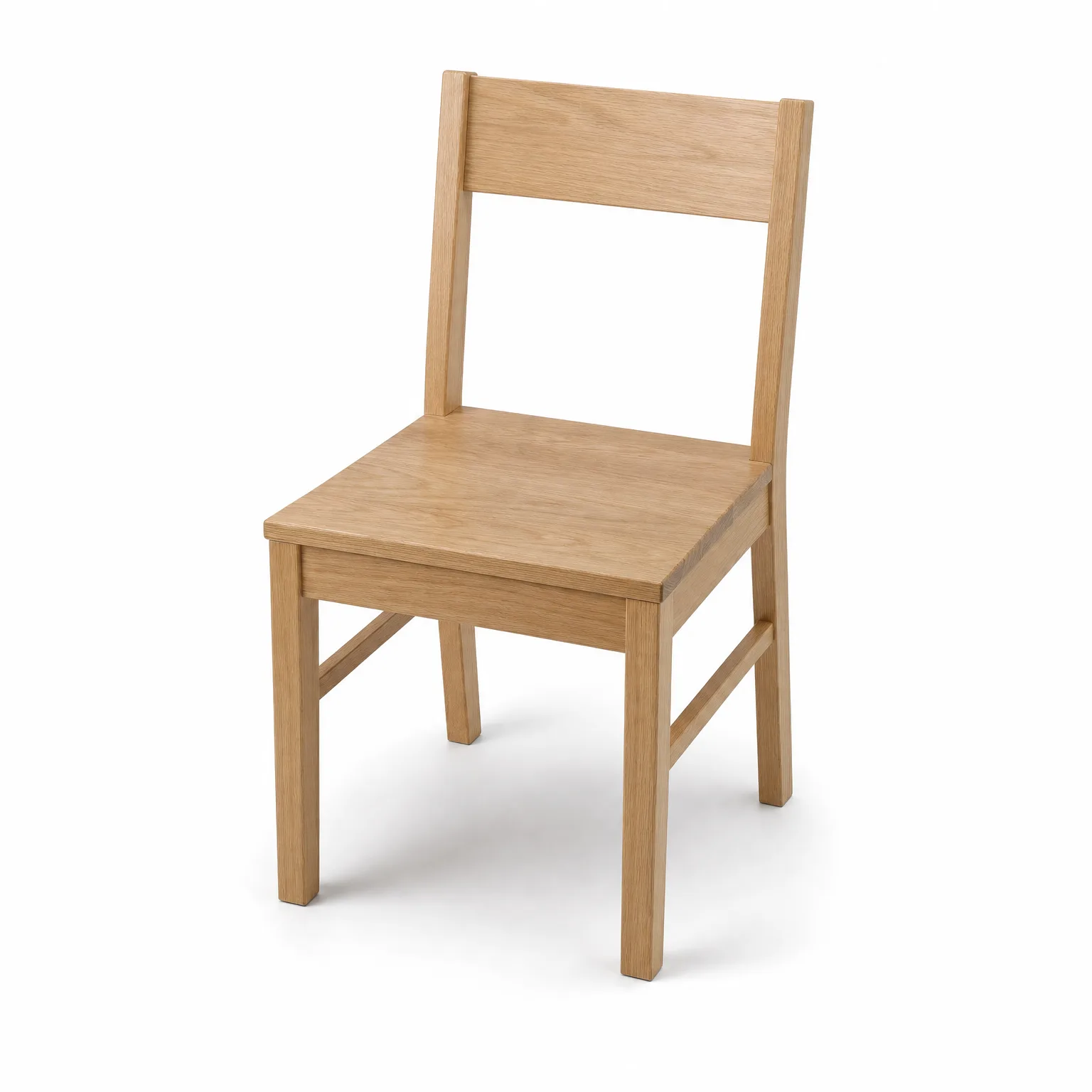
A stack of thick hardback books, taped or tied together, matches a block for height under the hands. A firm cushion or folded blanket works for sitting on. For forward folds and lunges, the seat of a sturdy chair gives a higher, very stable support for the hands. None of these grips as well as a real block, so test for sliding before you lean on them.
Often used with
-

Exercise mat
A cushioned, non-slip surface for floor exercises, stretching and yoga. The first thing most people need to train at home. -
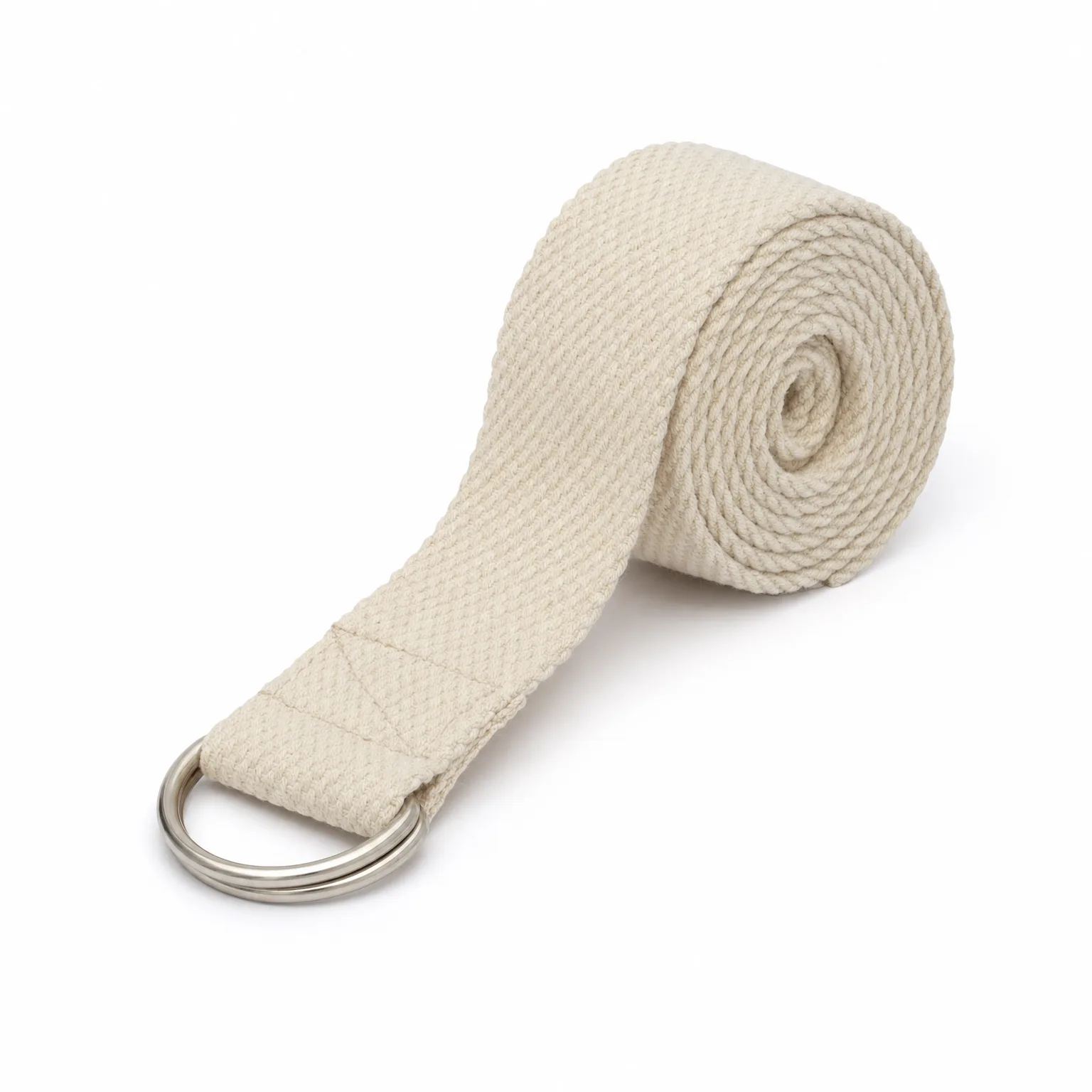
Yoga strap
A long, non-stretch cotton or nylon strap with a buckle that extends your reach in stretches, most often for the hamstrings. -
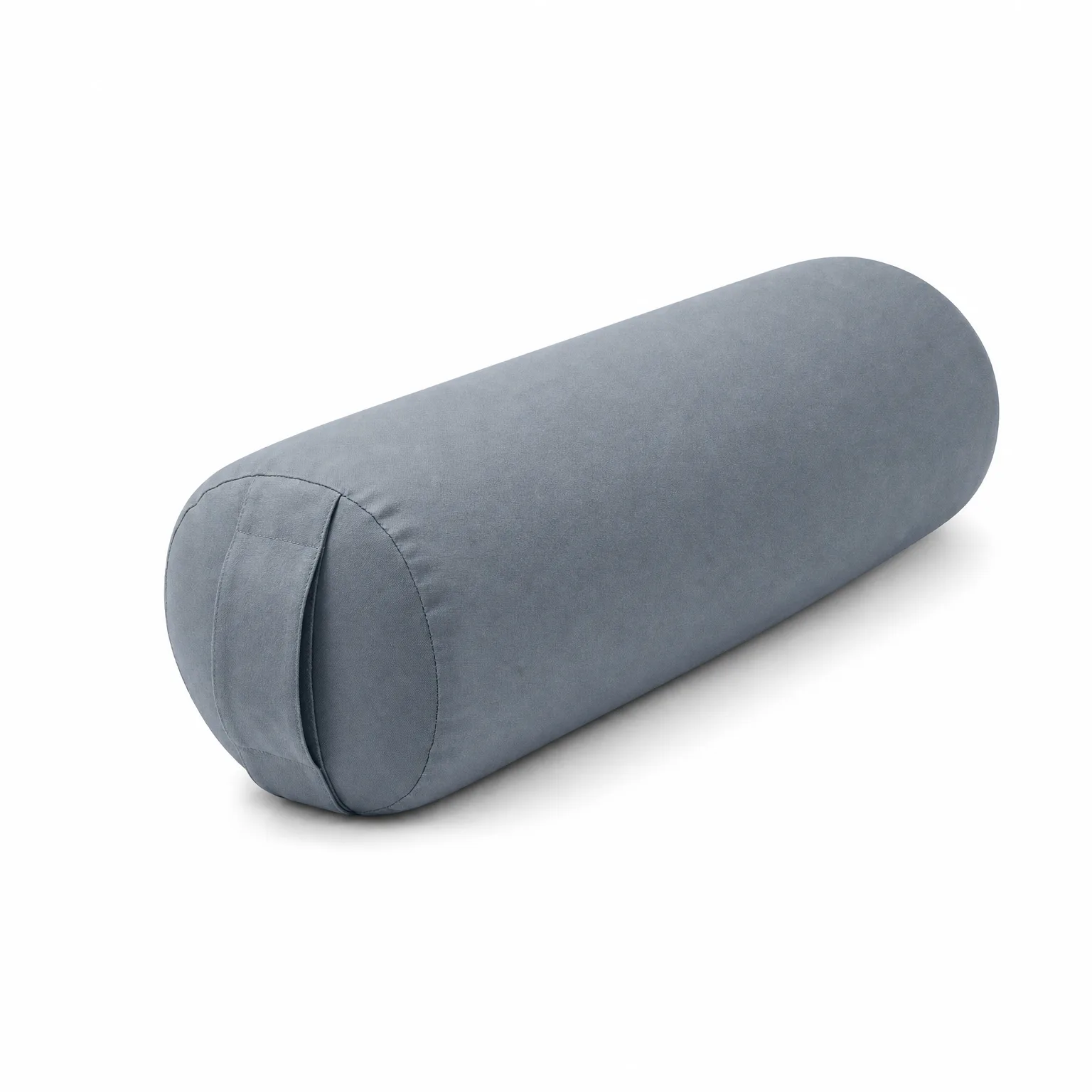
Yoga bolster
A long, dense cushion that supports the back, hips or knees so you can rest in a yoga pose or sit comfortably for a long hold.
Questions about yoga blocks
What are yoga blocks used for?
They bring the floor closer or hold part of your weight. The most common uses are under the hands when you cannot reach the floor comfortably, under the hips when sitting, and under the back or pelvis for supported, relaxed stretches. They are also squeezed between the thighs or hands to add muscle work.
Do I need one yoga block or two?
Two. Many poses need a block under each hand, and two blocks can be stacked or used at different heights. One block is enough only for sitting on or for one-sided poses.
Foam or cork yoga blocks?
Foam is lighter, softer and cheaper, and more comfortable to lie on. Cork is heavier, firmer and less likely to slip or tip when you lean on it. For general home use and restorative stretching, foam is fine. For standing poses with weight through the hands, cork feels more secure.
What size yoga block should I get?
The standard 23 x 15 x 10 cm (9 x 6 x 4 in) block suits most adults. Choose the 7.5 cm (3 in) thickness if you have small hands or find the standard block too wide to grip.
Build programs around what your client has
This guide comes from OnlineFitness.app, the app online coaches run their clients in.
Free for life for the first 100 coachesNo card