Equipment Mobility and recovery
Yoga bolster
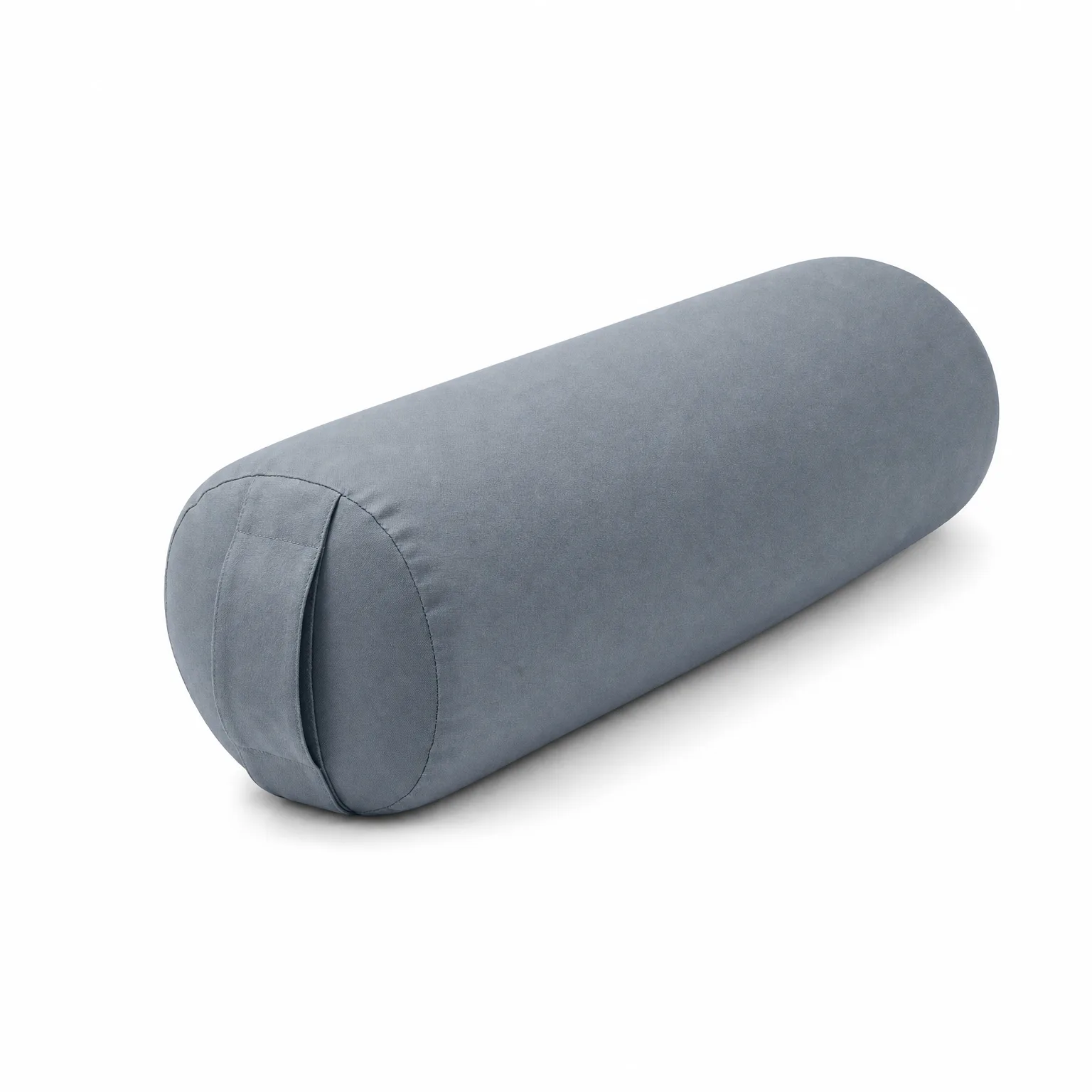
A long, dense cushion that supports the back, hips or knees so you can rest in a yoga pose or sit comfortably for a long hold.
In short
A yoga bolster is a firm, heavy cushion, round or rectangular, about the length of a torso. You lie over it, sit on it or place it under the knees or hips so the body is held up in a position instead of having to hold itself. It is the main prop in restorative and yin yoga, where poses are held for several minutes with the muscles relaxed.
It does not train any muscle. Its job is support and comfort: raising the hips for sitting, propping the chest in a reclined pose, or letting the lower back and knees rest when lying down. It is useful at any level, and especially for people who find the floor uncomfortable in long holds.
- Category
- Mobility and recovery
- Where
- Home, Gym
- Level
- Beginner and up
- Space
- Needs a corner of a room
- Typical sizes
- Round: about 60–70 cm long, 20–25 cm across (24–28 x 8–10 in). Rectangular: about 60–65 x 25–30 x 12–15 cm (24–26 x 10–12 x 5–6 in)
- Also called
- bolster, bolster pillow, yoga cushion, restorative yoga bolster, round bolster, rectangular bolster, meditation bolster
What it is used for
- Under the spine in reclined poses, to lift and open the chest
- Under the knees when lying on the back, or under the shins when lying face down
- As a seat for cross-legged sitting, breathing practice and meditation
- Under the torso in child's pose and seated forward folds, so you can rest on it
- Under the hips for supported bridge and legs-up-the-wall positions
Types
Round. A cylinder. Higher at the center, so it gives a stronger lift under the spine or knees. Rolls if it is not placed carefully.
Rectangular. A flat-topped block with rounded edges. Lower, wider and more stable. Easier to stack and to sit on, and the common choice for a first bolster.
Pranayama bolster. A long, narrow, lower cushion made to lie along the spine for breathing practice. Also used under the knees or ankles.
Buckwheat or cotton filled. Cotton batting is firm and keeps a fixed shape. Buckwheat hulls are heavier and mold to the body. Some covers have a zip so filling can be added or removed.
How to choose
Rectangular for most people
A rectangular bolster lies flat, does not roll and works as a seat. A round one gives more height in chest-opening poses. If you are buying one, rectangular is the more versatile shape.
Check the firmness
A bolster should hold its shape when you lie on it. Press down with your hand: it should give only a little. A soft bolster flattens under the body and stops supporting you after a minute.
Match the height to your flexibility
Less flexible people usually need more height under the hips for sitting and under the torso for forward folds. A thicker bolster, or a bolster plus a folded blanket, covers that.
Choose a removable cover
You lie on it with bare skin and rest your face on it. A zip-off cotton cover that goes in the wash is practical. A carry handle at one end helps, since a firm bolster often weighs 2–3 kg (4–7 lb), and more with buckwheat filling.
How to start using it
- Sit on the front edge. For cross-legged sitting, sit on the front third of the bolster so the hips are higher than the knees and the pelvis tips slightly forward. The knees should drop toward the floor without the lower back rounding.
- Lie back over it for a supported recline. Place the bolster lengthwise behind you with its short end touching the base of your spine. Lie back so it supports the whole back and head. Add a folded towel under the head if the chin tips up. Rest the arms out to the sides.
- Put it under the knees when lying flat. Lying on your back, slide the bolster under both knees so the legs rest slightly bent. Many people find this more comfortable for the lower back in a final relaxation.
- Rest your weight fully. Adjust the position until nothing has to work to hold you there, then stay for 2–5 minutes with slow, normal breathing. If you feel a pinch or strain, add height, lower it or come out.
Common mistakes
Using a bolster that is too soft
A bed pillow or a worn-out bolster sinks and leaves you hanging in the position it was meant to support. If it compresses to half its height under your hand, it is too soft.
Too much height too soon
A high round bolster under the mid-back is a strong backbend if you are stiff. Start with a lower setup, such as a rectangular bolster laid flat, and build up.
Leaving the head and neck unsupported
In a recline, a head hanging off the end or tipped back is uncomfortable for the neck. The bolster should reach past the head, or a folded towel should fill the gap.
Staying in a position that hurts
Supported poses should feel restful. Numbness, tingling or sharp discomfort means the setup does not suit you. Change the height or the placement instead of waiting it out.
What to use instead
Two or three firm blankets or bath towels, folded into a long rectangle or rolled tightly and tied, make a workable bolster of adjustable height. Firm sofa cushions or a couple of stacked bed pillows do the job for sitting and for under the knees, though they compress more. Yoga blocks give height under the hips or back when you need a firm, narrow support, and a block under each end of a rolled blanket raises it further.
-
Towel
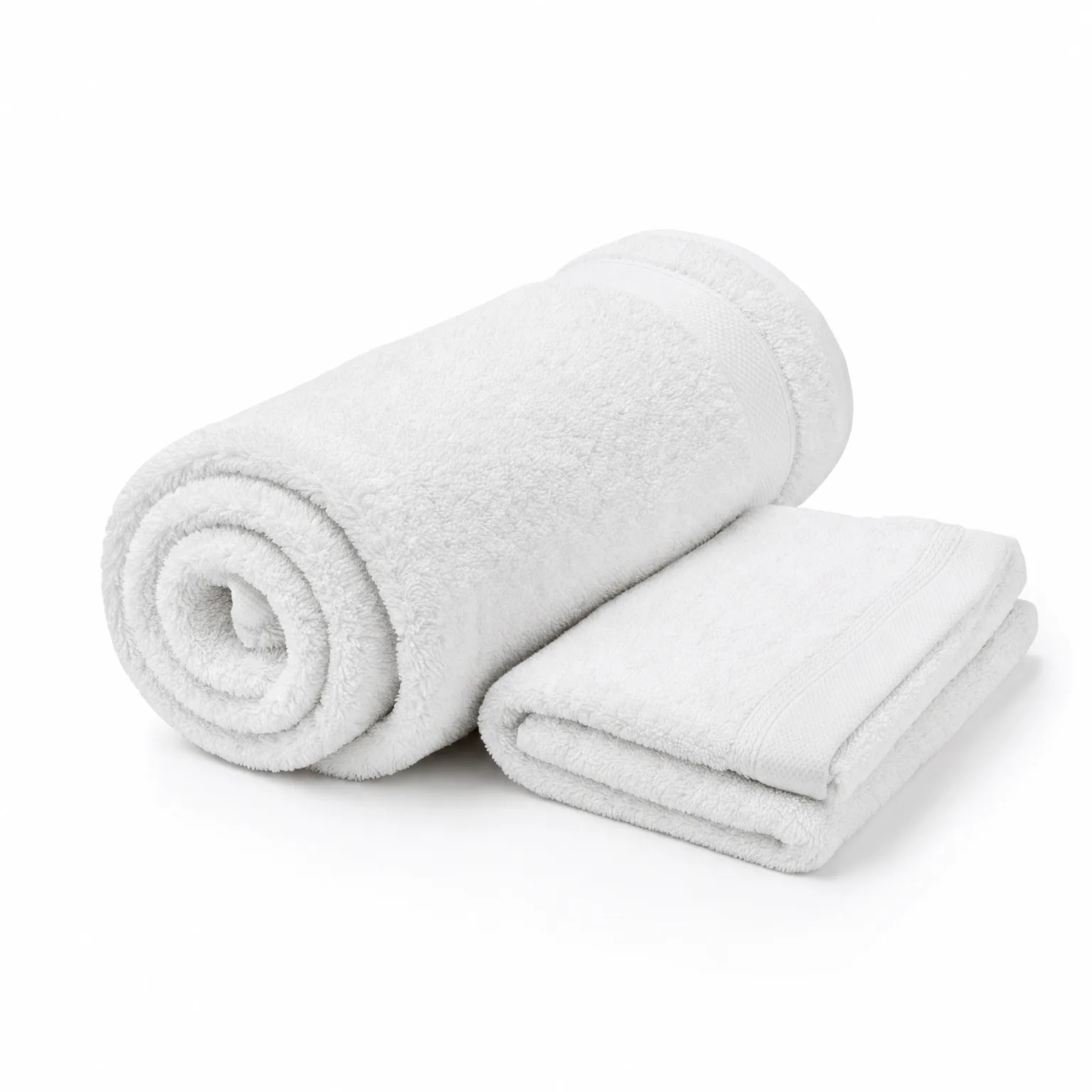
A towel doubles as sliders on a smooth floor, a stretching strap, a pulling tool for isometric exercises and padding for the knees. -
Yoga blocks
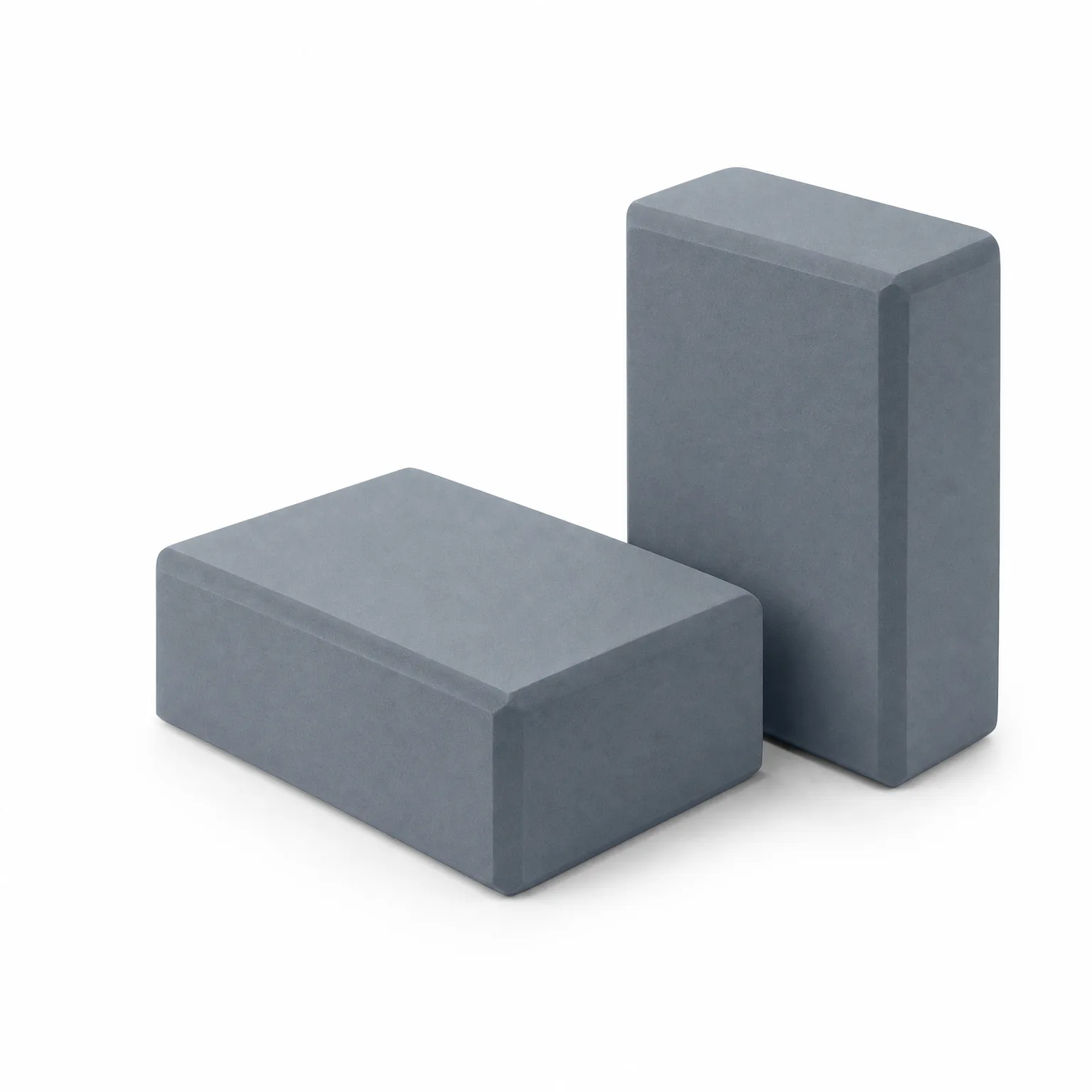
Firm rectangular blocks of foam, cork or wood that raise the floor to your hands or support the body in stretches and yoga poses. -
Sofa
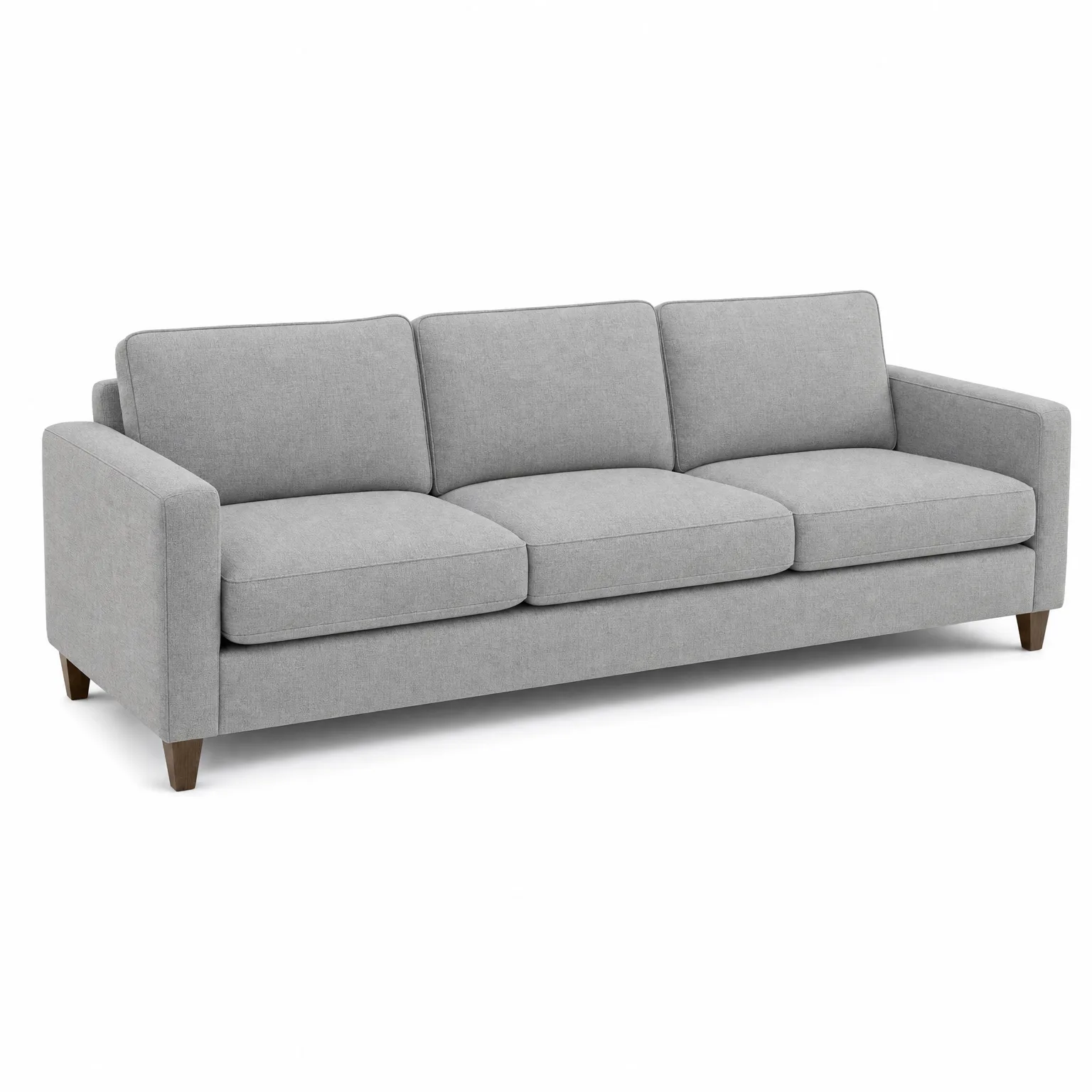
A sofa is a heavy, padded, knee-high platform: good for hip thrusts, split squats, incline push-ups and anchoring the feet for ab work.
Often used with
-

Exercise mat
A cushioned, non-slip surface for floor exercises, stretching and yoga. The first thing most people need to train at home. -
Yoga blocks
Firm rectangular blocks of foam, cork or wood that raise the floor to your hands or support the body in stretches and yoga poses. -
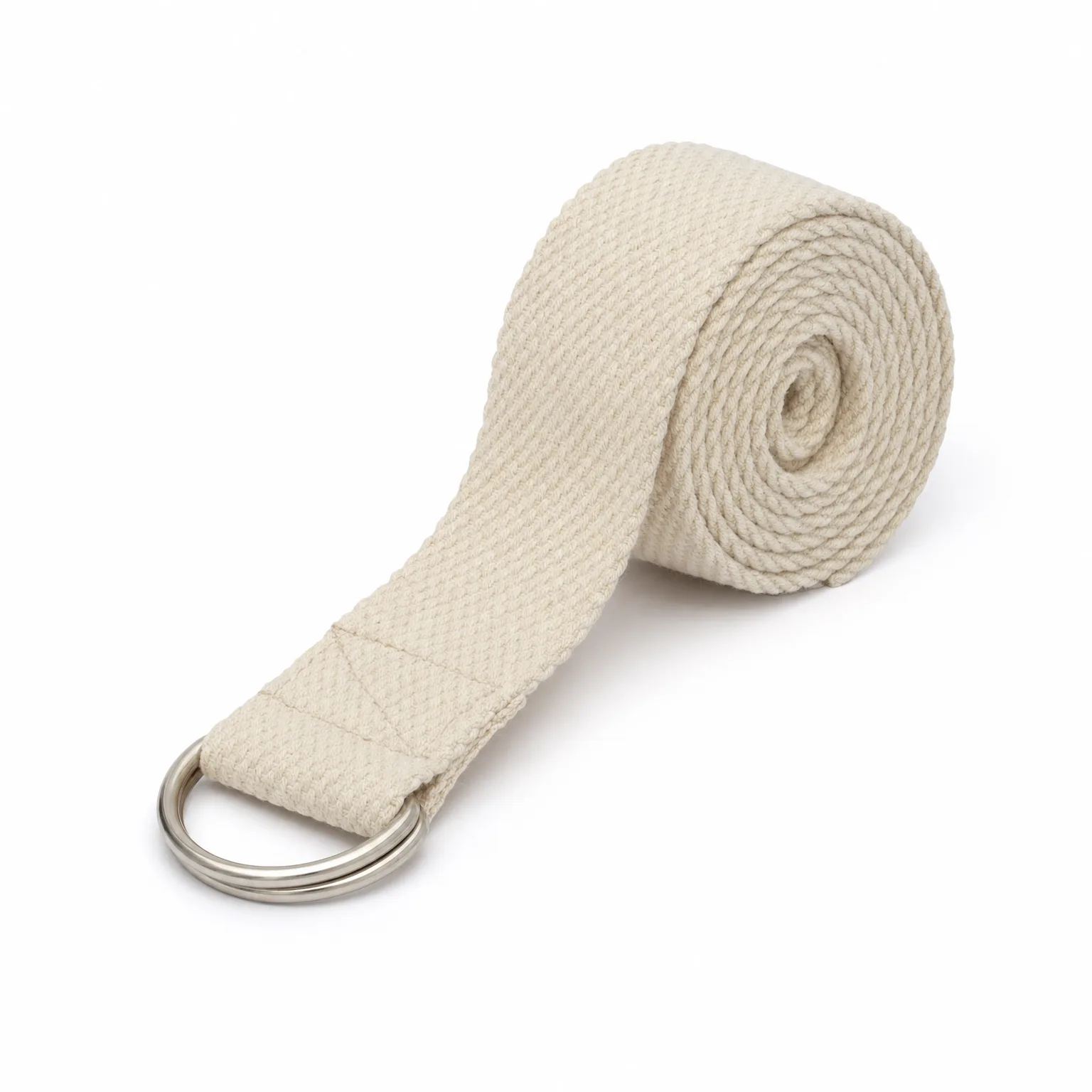
Yoga strap
A long, non-stretch cotton or nylon strap with a buckle that extends your reach in stretches, most often for the hamstrings.
Questions about yoga bolster
What is a yoga bolster used for?
To support the body so it can relax in a position. It goes under the spine in reclined poses, under the knees or hips when lying down, under the torso in forward folds, or under you as a seat. It is central to restorative and yin yoga and is also used for meditation and breathing practice.
Round or rectangular yoga bolster?
Rectangular is flatter, more stable and easier to sit on, which suits most uses and most beginners. Round is taller at the center and gives a deeper chest opening when you lie over it. Studios often keep both. For one bolster at home, rectangular is the safer pick.
Can I use a pillow instead of a yoga bolster?
For light support under the knees or head, yes. For lying over or sitting on, a bed pillow is usually too soft and flattens under your weight. Folded blankets or firm sofa cushions are closer to a bolster than a pillow is.
What size yoga bolster do I need?
A standard bolster about 60–70 cm (24–28 in) long supports the spine from the pelvis to the head for most adults. If you are taller than about 185 cm (6 ft 1 in), put a folded towel under the head or look for a longer model. Smaller junior or travel bolsters are meant for under the knees and for sitting.
Build programs around what your client has
This guide comes from OnlineFitness.app, the app online coaches run their clients in.
Free for life for the first 100 coachesNo card