Sofa
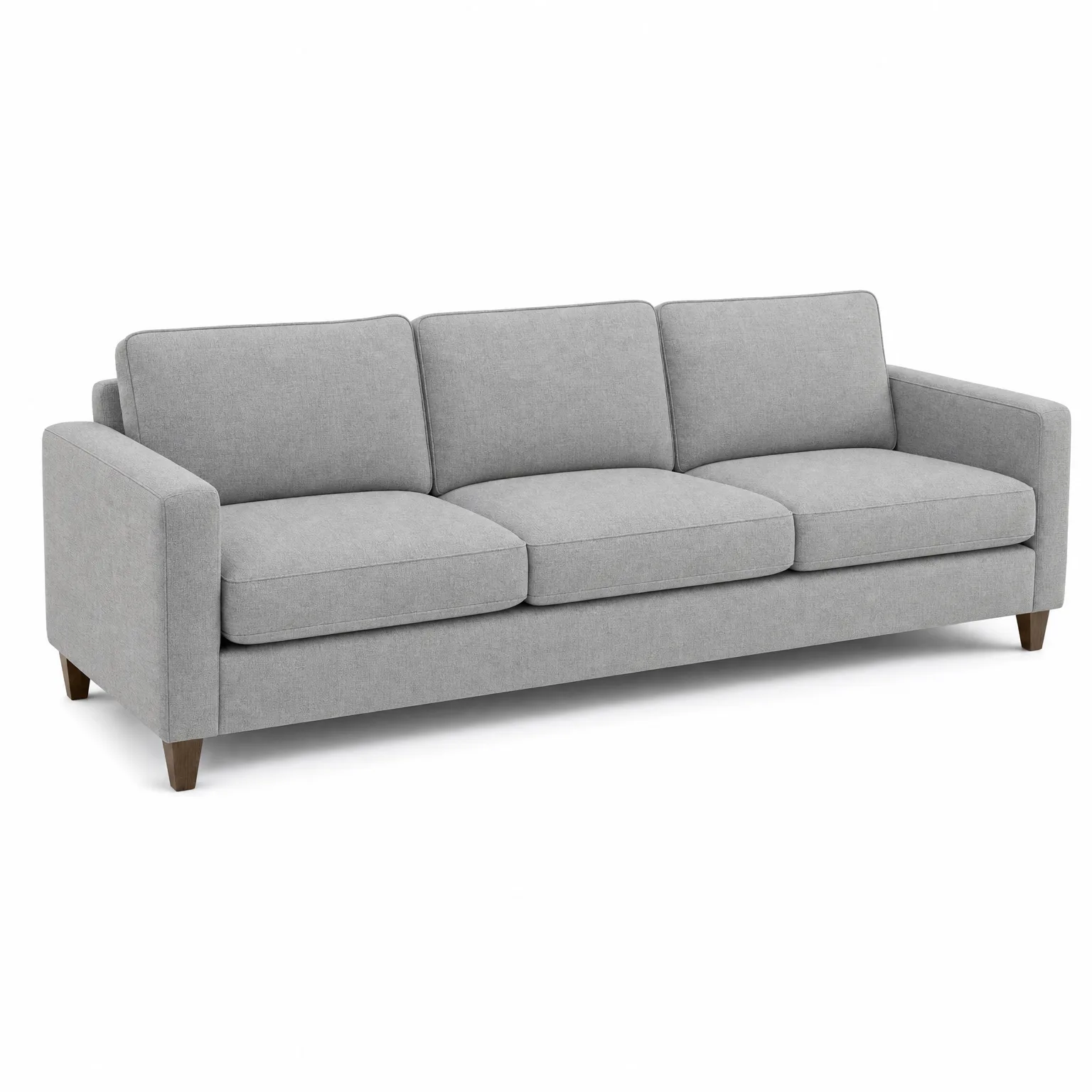
A sofa is a heavy, padded, knee-high platform: good for hip thrusts, split squats, incline push-ups and anchoring the feet for ab work.
In short
A sofa is the heaviest piece of furniture in most living rooms, which is what makes it useful for training. It is far less likely to slide or tip than a chair. The front edge of the seat is a padded platform about knee high, the right height to rest the upper back on for hip thrusts or the back foot on for split squats. The gap under the frame holds the feet down for sit-ups.
It suits beginners and anyone training at home without equipment. Compared with a chair, it is more stable and kinder to the back and shins, but softer and lower, so it is worse for step-ups and dips. Think of it as a home stand-in for a hip thrust bench and a low bench.
- Category
- Everyday items
- Where
- Home
- Level
- Beginner and up
- Space
- Needs a corner of a room
- Typical sizes
- Seat height about 40–50 cm (16–20 in); seat depth 50–60 cm (20–24 in)
- Also called
- couch, couch workout, sofa exercises, couch exercises, sofa workout, settee, living room workout
Muscles it works
- Also works
- Hamstrings, Chest, Front delts, Adductors
What it is used for
- Hip thrusts and glute bridges with the upper back against the seat edge
- Rear-foot-elevated split squats with the back foot on the cushion
- Incline push-ups with hands on the seat or armrest, decline push-ups with feet on it
- Sit-ups with the feet hooked under the frame, or leg raises holding the base
- Sit-to-stands, feet-elevated glute bridges and the couch stretch for the hip flexors
How to choose
Use the firmest edge
The front rail of the frame under the cushion is the solid part. A sofa with a firm seat and a clear front edge works best. If the cushions are deep and soft, take them off and use the base, or pick a firmer spot such as the armrest.
Check that it stays put
A full-size sofa on carpet rarely moves. A light two-seater or a sofa on smooth wood or tile can slide when you push against it. Back it against a wall, and avoid sofas on wheels or with a recliner mechanism under the spot you load.
Match the height to the exercise
For hip thrusts, the seat edge should meet your back just below the shoulder blades when you sit on the floor. If the sofa is too high, sit on a folded mat or cushion. For split squats, a lower surface is easier, so the seat without its cushion can work better.
Look under the frame
To anchor the feet for sit-ups you need a gap of a few centimeters under the front rail and a frame heavy enough not to lift. Check for sharp staples or rough wood before putting bare feet under it.
How to start using it
- Set up a hip thrust. Sit on the floor with your back against the front of the sofa and the seat edge just under your shoulder blades. Plant the feet hip-width apart so the shins are vertical at the top. Push through the heels and lift the hips until the trunk is level, with the chin slightly tucked. Pause, then lower under control.
- Split squat with the rear foot up. Stand about two foot-lengths in front of the sofa, facing away. Rest the top of the back foot on the seat. Lower straight down until the front thigh is about parallel to the floor, keeping most of the weight on the front leg, then stand up. Hold a wall or chair for balance at first.
- Push-ups on the seat edge. Place the hands on the firm front edge or on an armrest, a little wider than the shoulders, and walk the feet back until the body is straight. Lower the chest toward the edge and press up. A soft cushion under the hands bends the wrists, so press on the firm part.
- Add load when body weight is easy. For hip thrusts, lay a loaded backpack or a dumbbell across the hips. For split squats, hold a weight in each hand or wear the backpack. A mini band above the knees adds work for the outer hips.
Common mistakes
Sinking into soft cushions
A deep cushion lets the back, hand or foot sink and wobble, which shortens the range and makes balance harder. Work from the firm edge or remove the cushion.
Arching the lower back in the hip thrust
Pushing the ribs up and leaning the head back shifts the effort from the glutes to the lower back. Keep the ribs down and the chin tucked, and stop the lift when the hips are level with the shoulders and knees.
A sliding sofa
On a smooth floor, a hip thrust pushes the sofa backward a little with every rep until you lose your position. Put it against a wall before the first set.
Dips on a soft, low seat
The edge is low and gives under the hands, which puts the wrists and shoulders in an awkward position. For dips, a sturdy chair is the better choice. On the sofa, use close-grip incline push-ups for the triceps.
Stepping or jumping onto the cushions
A cushion is an unstable surface for a loaded foot, and the frame under it is not built for landings. Use stairs, a step platform or a plyo box for step-ups and jumps.
What to use instead
The sofa is the household stand-in for a hip thrust bench and for a low weight bench. Those are firmer, have a set height and are rated for load, which matters once the weight across your hips gets heavy. A sturdy chair braced against a wall does most of the same jobs and is better for dips and step-ups. A low plyo box or a bed frame can also hold the back foot for split squats.
-
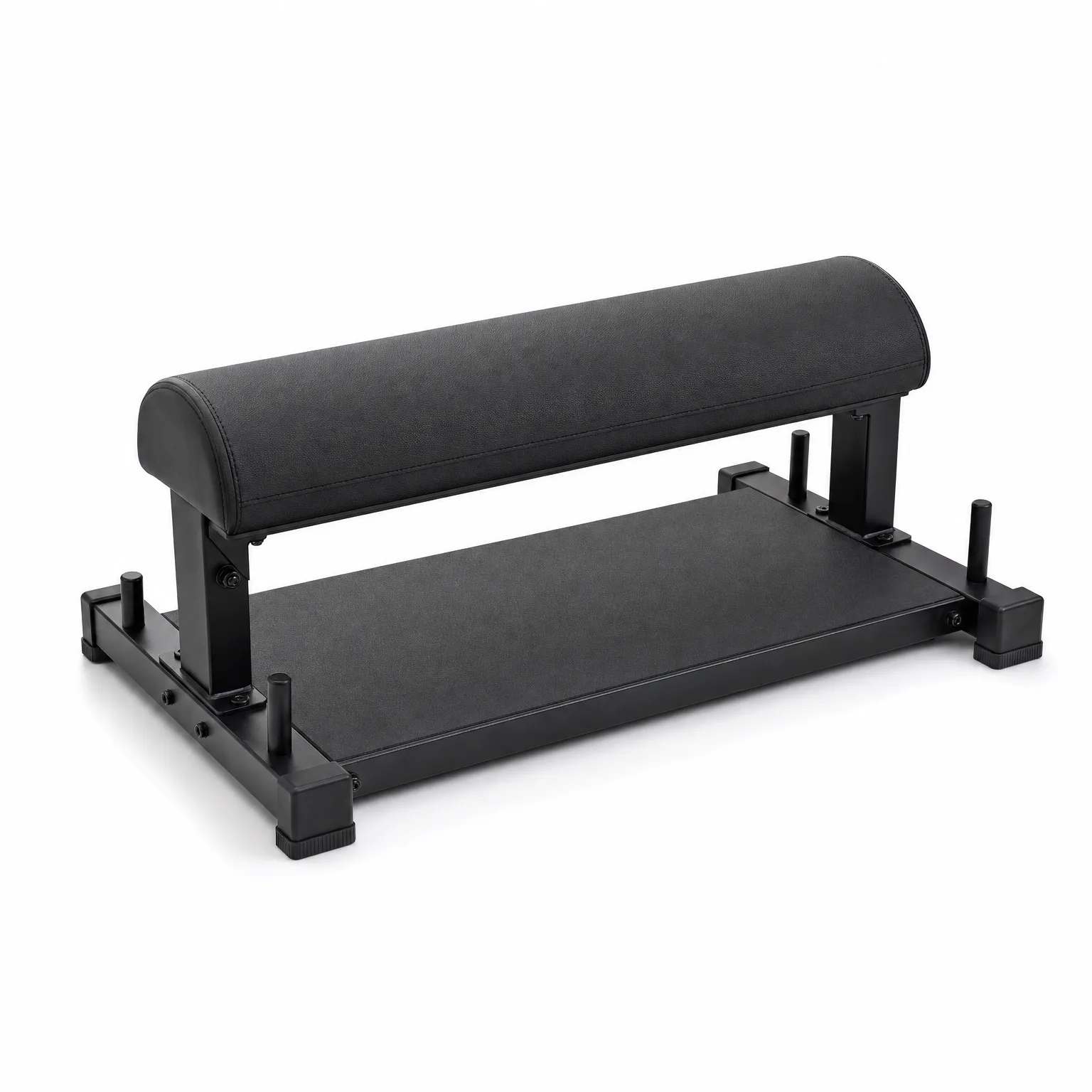
Hip thrust bench
A low padded bench at the right height for barbell hip thrusts, often on a platform with band pegs. Trains the glutes. -
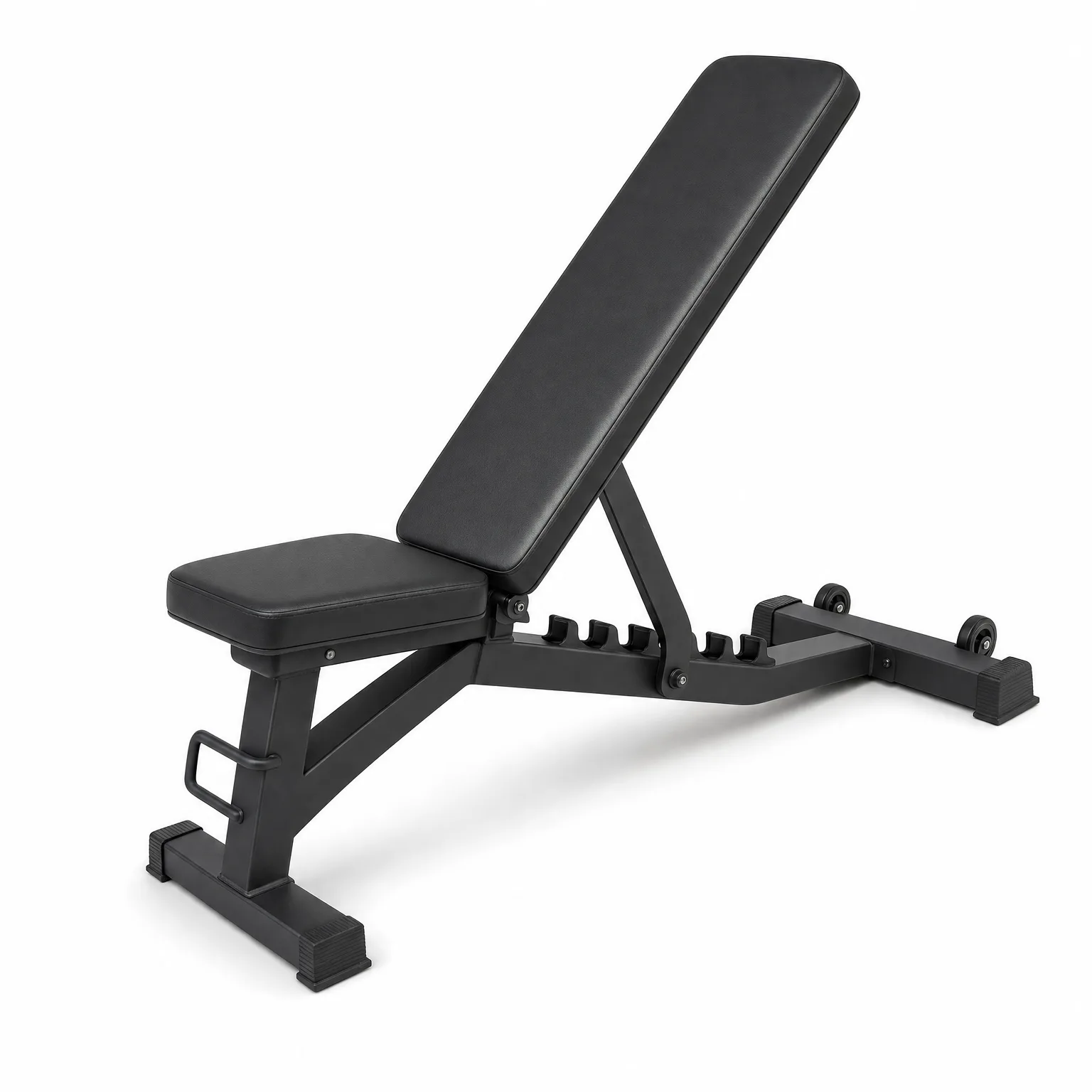
Weight bench
A padded bench you lie, sit or lean on while lifting. It supports the body for presses, rows, hip thrusts and seated work. -
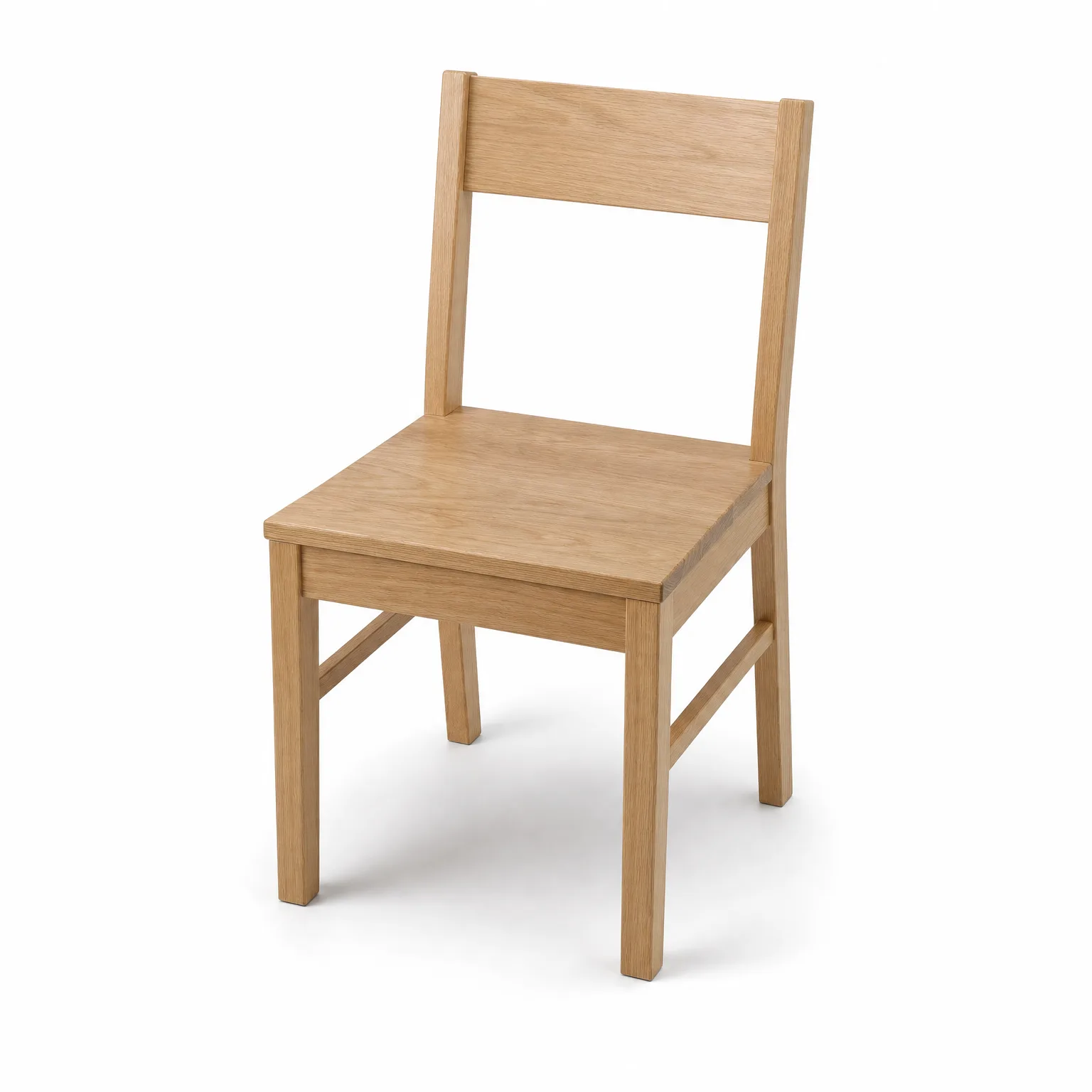
Chair
A sturdy household chair stands in for a bench, a low box or dip bars: sit-to-stands, step-ups, dips, split squats and incline push-ups. -
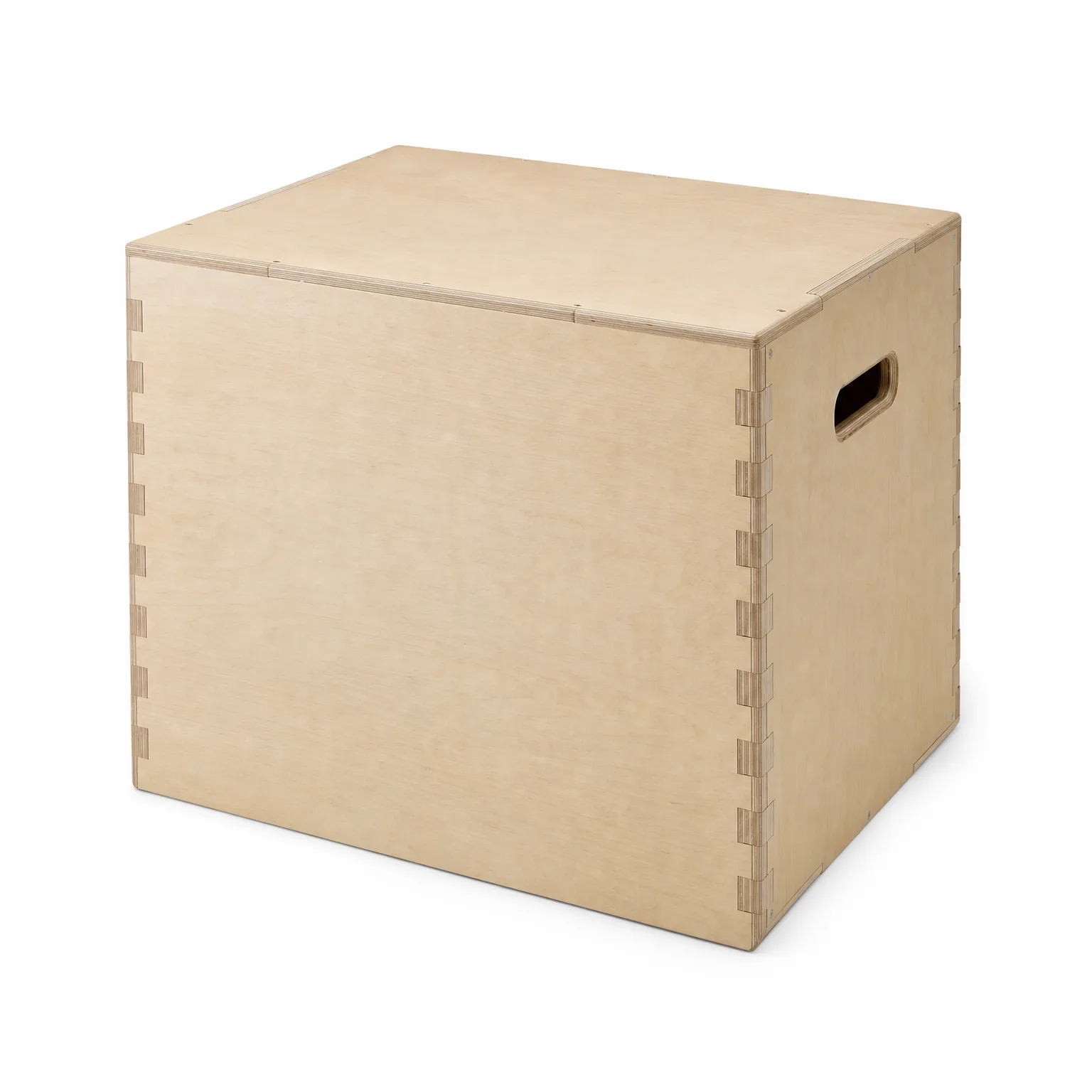
Plyo box
A sturdy box for jumping onto and stepping up on. Used for box jumps, step-ups, box squats and raised push-ups.
Often used with
-

Exercise mat
A cushioned, non-slip surface for floor exercises, stretching and yoga. The first thing most people need to train at home. -
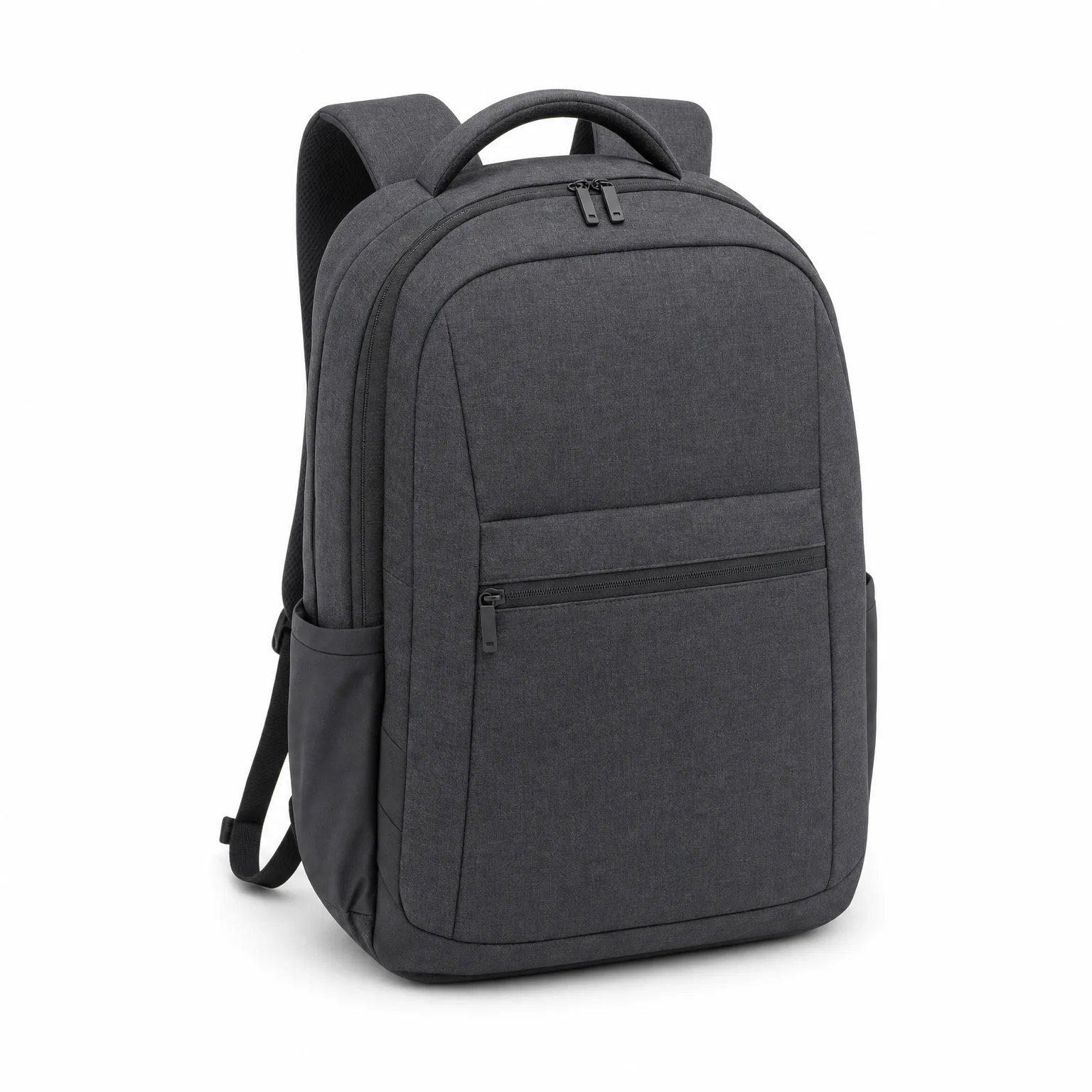
Loaded backpack
An ordinary backpack filled with books or water bottles works as an adjustable weight for squats, rows, push-ups and loaded walks. -

Dumbbells
A pair of short handles with a weight at each end. One pair trains every major muscle group, at home or in a gym. -
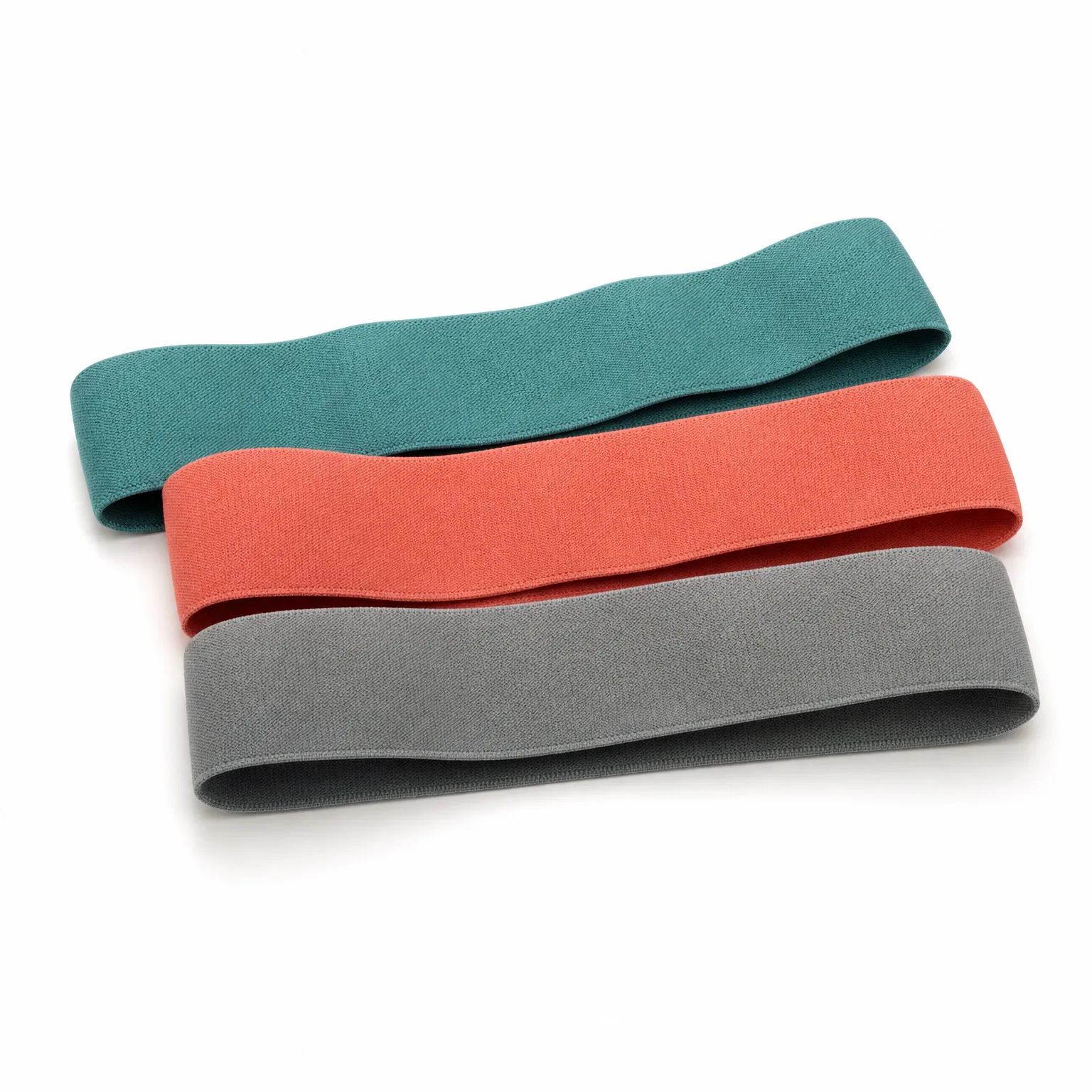
Mini bands
Short elastic loops worn around the thighs, knees or ankles. Used for glute and hip exercises and for warm-ups.
Questions about sofa
Can I do hip thrusts on a sofa?
Yes, it is one of the best uses of a sofa. Sit on the floor with the seat edge just below your shoulder blades, feet flat, and lift the hips until the trunk is level. Make sure the sofa is against a wall or heavy enough not to slide. If it is too high for you, sit on a folded mat or cushion to raise your starting position.
What exercises can I do with a couch?
Hip thrusts, single-leg hip thrusts, rear-foot-elevated split squats, sit-to-stands, incline and decline push-ups, feet-elevated glute bridges, sit-ups with the feet anchored under the frame, and the couch stretch for the front of the hips. With a loaded backpack, these cover legs, glutes, chest, triceps and abs.
Is a sofa or a chair better for home workouts?
They complement each other. A sofa is heavier and more stable, and its padded edge is comfortable for hip thrusts and split squats. A chair is firmer and higher, which is better for step-ups, dips and seated exercises. Use the sofa where your back or foot rests on it, and the chair where your hands or whole body weight press on it.
What is the couch stretch?
A stretch for the hip flexors and the front of the thigh. Kneel in front of the sofa, facing away, with one shin resting up against the front of the seat and the knee on a mat. Step the other foot forward into a lunge and bring the trunk upright. Hold for 30–60 seconds per side. Ease off if the knee is uncomfortable.
Build programs around what your client has
This guide comes from OnlineFitness.app, the app online coaches run their clients in.
Free for life for the first 100 coachesNo card