Wrist wraps
Elastic bandages wound tightly around the wrist joint to keep it from bending back under heavy presses and overhead lifts.
In short
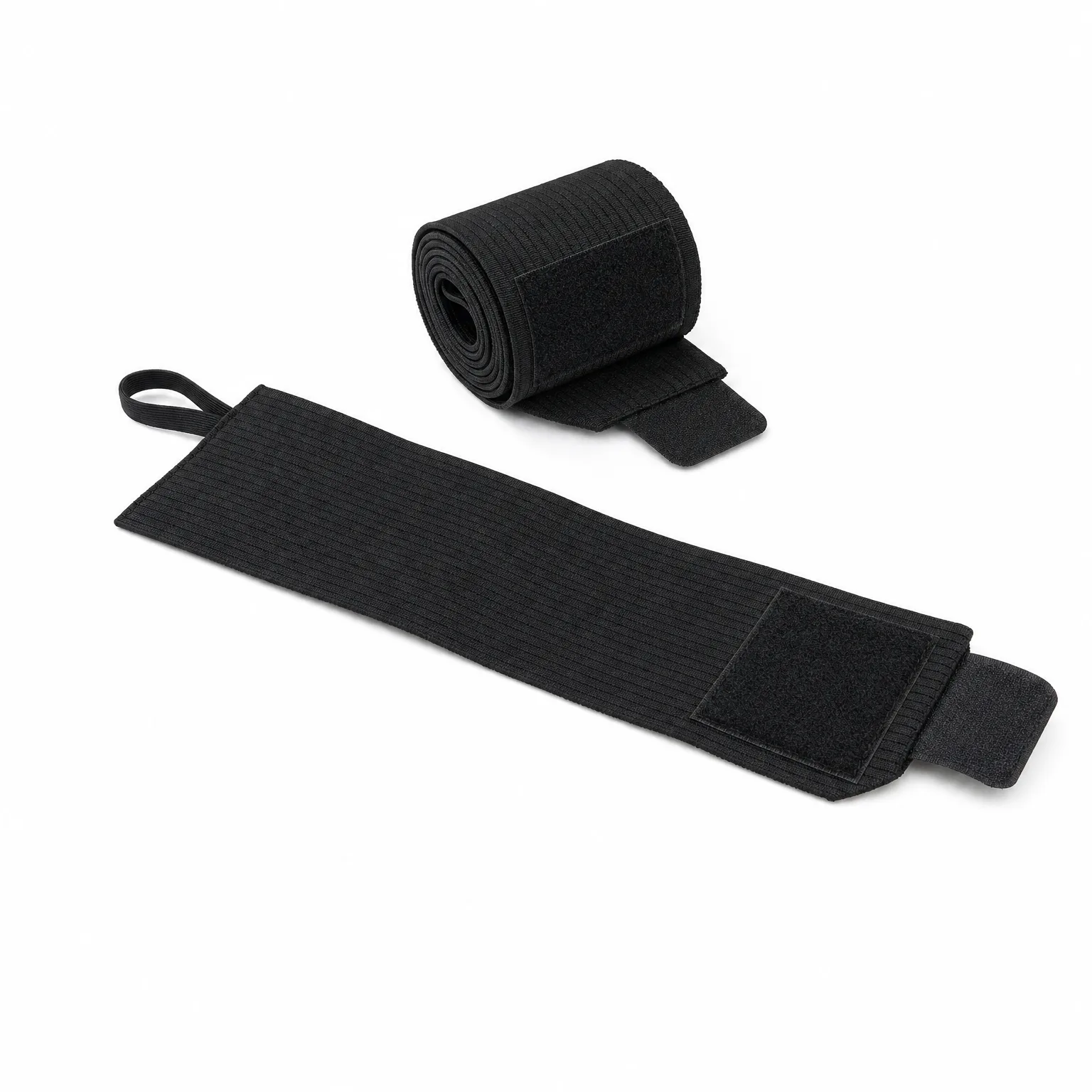
Wrist wraps are strips of elastic or cloth, usually with a thumb loop and a hook-and-loop closure, wound tightly around the wrist. They limit how far the wrist can bend backward, so the hand stays stacked over the forearm when a heavy bar or dumbbell presses down on it.
They are used on bench presses, overhead presses, dips, low-bar squats and front-rack positions. They suit people pressing heavy enough that the wrists fold or tire before the chest and shoulders. They do not attach to the bar: that is the job of lifting straps. A wrap is a support for hard sets, not a treatment for a sore wrist.
- Category
- Lifting accessories
- Where
- Gym, Home
- Level
- Intermediate and up
- Space
- Fits in a drawer or a bag
- Typical sizes
- 30–90 cm (12–36 in) long, about 8 cm (3 in) wide; 45–60 cm (18–24 in) suits most gym use
- Also called
- wrist supports, wrist wraps for lifting, bench press wrist wraps, gym wrist wraps, powerlifting wrist wraps, weightlifting wrist wraps
What it is used for
- Heavy bench presses and overhead presses, where the wrist tends to bend back
- Dips, push-ups on the palms and handstand work
- Low-bar squats, where the wrists are bent back under the bar
- Front squats and cleans, with a flexible wrap that still lets the wrist bend
Types
Elastic hook-and-loop wraps. A stretchy band with a thumb loop and a closure strip. The standard gym and powerlifting type. Stiffness varies from soft to almost rigid.
Stiff wraps. Thick, low-stretch elastic that works like a cast when pulled tight. Used for maximal bench presses. Uncomfortable to keep on between sets.
Cloth tie wraps. A strip of cotton with a string. Wind it around the wrist and twist to tighten or loosen in a second. Lighter support that suits Olympic lifts and gymnastics-style training.
How to choose
Pick the length by how much support you need
Wraps of 30–45 cm (12–18 in) go around the wrist two or three times and leave some movement. Wraps of 60 cm (24 in) and longer build a thicker, stiffer cast for heavy presses and take longer to put on.
Choose stiffness by the lift
Flexible wraps suit cleans, front squats and general training, where the wrist must still bend. Stiff wraps suit bench and overhead presses, where you want the wrist held straight.
Look for a wide closure strip
The closure holds all the tension. A long, wide hook-and-loop strip keeps the wrap from peeling open mid-set and lets you fine-tune the tightness.
Check the rules if you compete
Federations limit wrap length and sometimes approve only certain models. If you plan to compete, read your federation's equipment list before buying.
How to start using it
- Start the wrap over the joint. Hook the loop over the thumb and lay the wrap across the back of the hand's base, so about half of its width sits above the wrist crease and half below. A wrap that sits only on the forearm supports nothing.
- Wind it with tension. Pull the wrap as you go and work around the joint, overlapping each turn. Finish on the forearm side and press the closure down. The wrist should feel firmly held and hard to bend back.
- Release the thumb loop. The loop is only there to anchor the first turn. Slip it off the thumb once the wrap is closed so it does not pull on the thumb during the lift.
- Loosen it between sets. A tight wrap restricts blood flow to the hand. Undo it or loosen it as soon as the set ends and rewrap before the next one.
Common mistakes
Wrapping below the wrist
A wrap worn like a bracelet on the forearm leaves the joint free to fold. It has to cross the wrist crease and cover the base of the hand to do anything.
Using wraps to hide a poor bar position
If the bar sits high in the fingers, the wrist is levered back no matter how tight the wrap is. Set the bar low on the heel of the palm, over the forearm bones, and use the wrap on top of that.
Wearing them for the whole workout
Wrapping for every set, including light ones and pulling exercises, is uncomfortable and unnecessary. Keep them for the heavy pressing sets.
Wrapping around pain
A wrap makes the wrist stiffer. It does not deal with the cause of pain. If a wrist hurts in daily life or on light loads, get it checked instead of wrapping tighter.
What to use instead
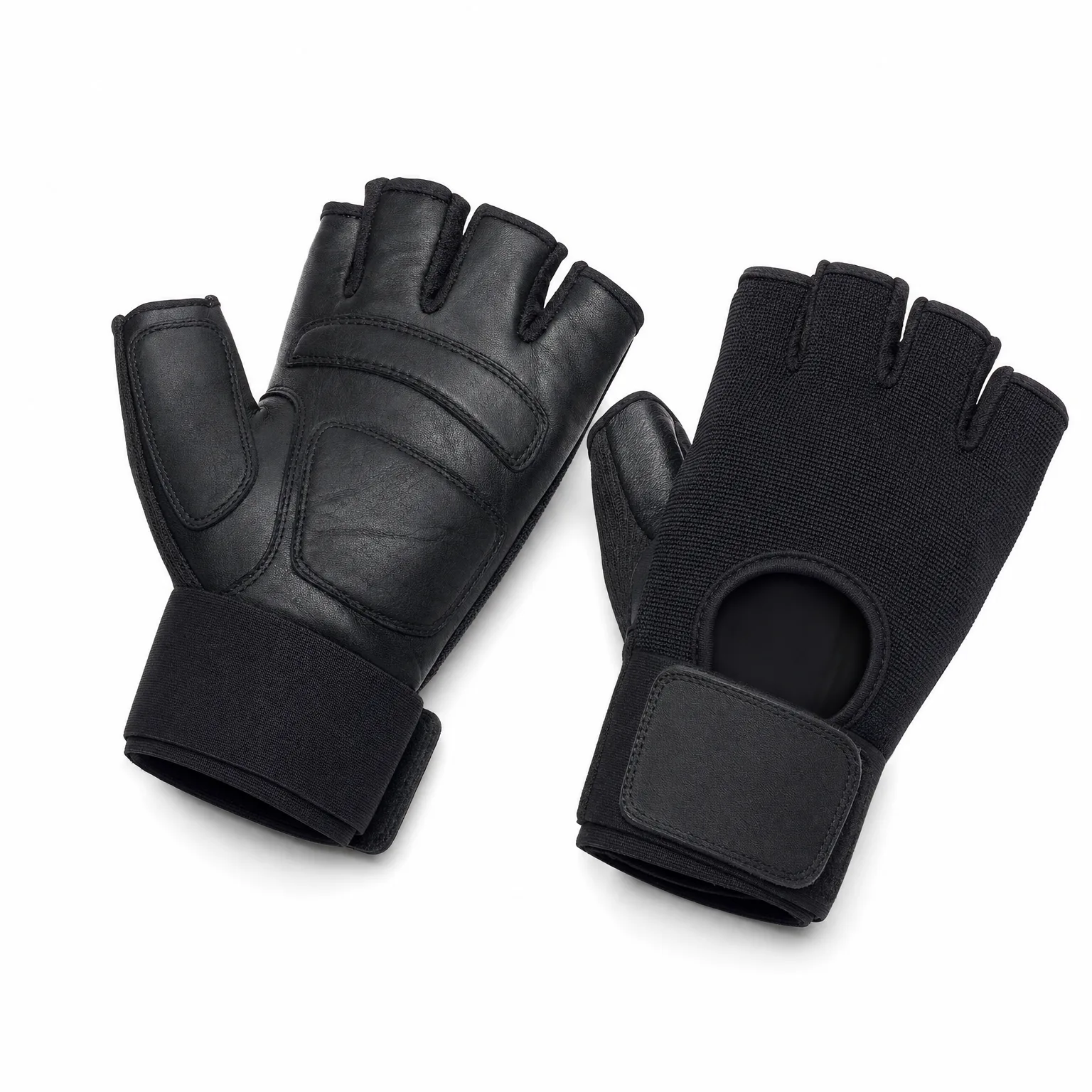
There is no close stand-in at home. Some gym gloves have a built-in wrist strap that gives light support, enough for moderate dumbbell work. Otherwise the alternative is technique and load: keep the bar or handle low on the heel of the palm with the knuckles pointing at the ceiling, choose a weight that the wrists can hold straight, and use neutral-grip handles or push-up bars for exercises where a bent-back wrist is the problem.
Often used with
-
Barbell
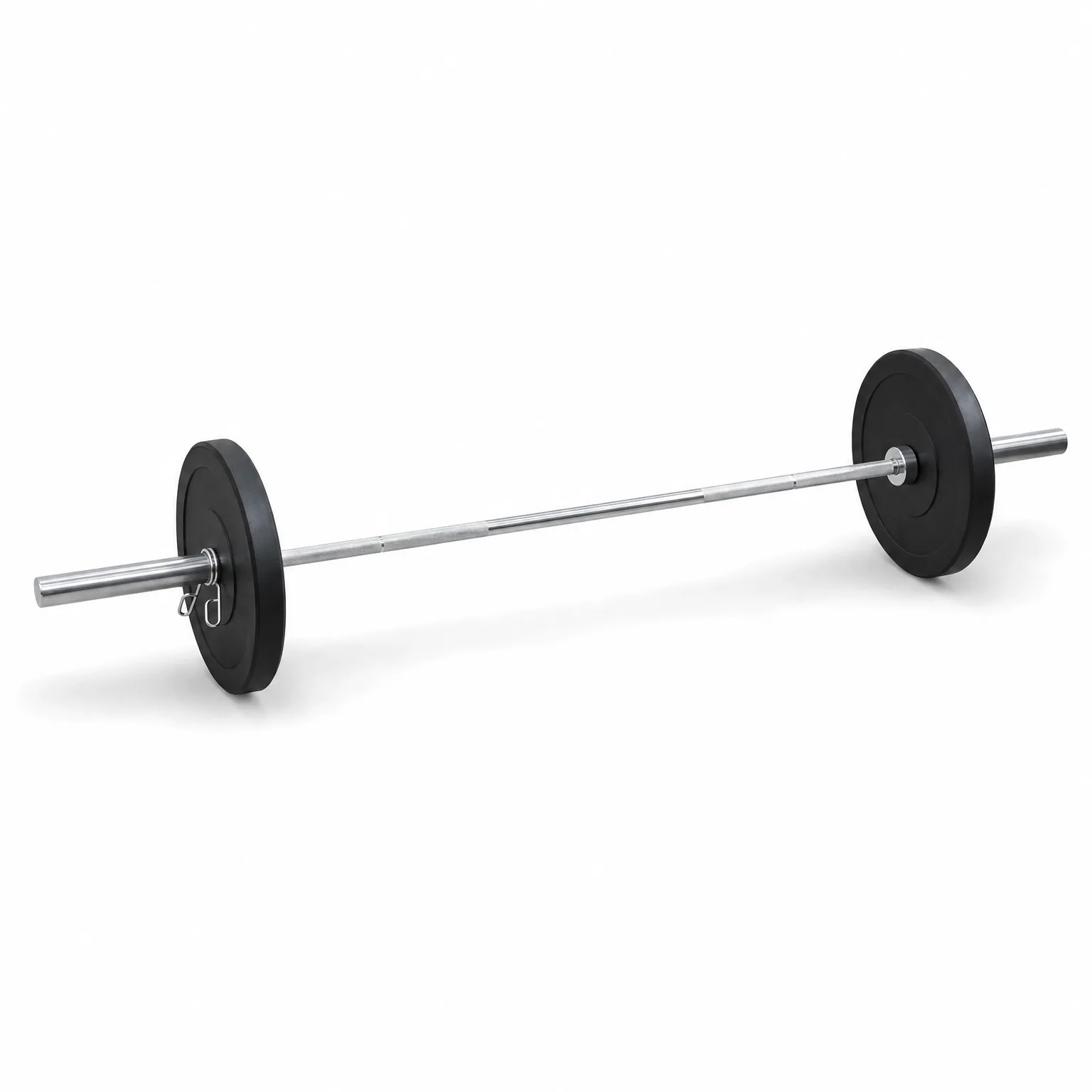
A long steel bar loaded with plates at both ends. The standard tool for squats, deadlifts, presses and rows with heavy weight. -

Weight bench
A padded bench you lie, sit or lean on while lifting. It supports the body for presses, rows, hip thrusts and seated work. -

Dumbbells
A pair of short handles with a weight at each end. One pair trains every major muscle group, at home or in a gym. -
Gym chalk
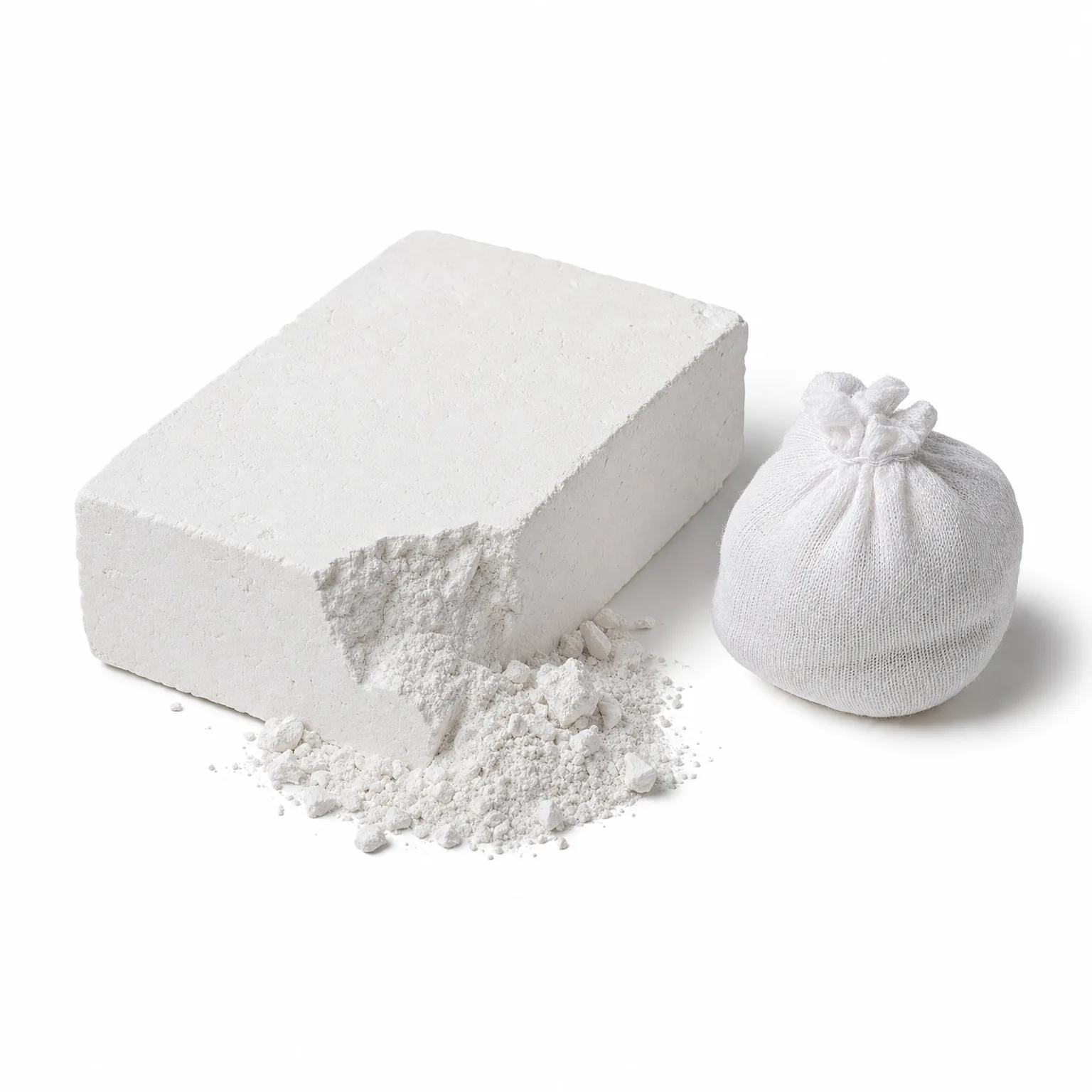
Magnesium carbonate powder that dries sweaty hands so a bar, kettlebell or rings do not slip. Sold as a block, a ball or a liquid.
Questions about wrist wraps
What do wrist wraps do?
They limit how far the wrist can bend backward. Under a heavy press the bar tries to fold the hand back. A tight wrap resists that, so the hand stays in line with the forearm and force goes straight into the bar. Many lifters find heavy presses feel more stable with them.
Wrist wraps or lifting straps: what is the difference?
Wrist wraps go around the wrist joint only and stiffen it for pushing exercises. Lifting straps loop around the wrist and the bar and help you hold on during pulling exercises. Wraps do nothing for grip, and straps do nothing for wrist stability.
Should beginners use wrist wraps?
Usually not yet. At beginner loads the wrists can be held straight with a good bar position, and they adapt along with the rest of the body. Wraps become useful when pressing loads are heavy enough that wrist position starts to limit the set.
How tight should wrist wraps be?
Tight enough that bending the wrist back takes real effort, and not so tight that the hand tingles or changes color during the set. You should want to loosen them when the set is over. If you could leave them on comfortably for ten minutes, they are doing very little.
Do wrist wraps weaken your wrists?
There is little evidence either way. Used for the heaviest pressing sets only, they leave the wrists and forearms plenty of unsupported work in warm-ups and other exercises.
Build programs around what your client has
This guide comes from OnlineFitness.app, the app online coaches run their clients in.
Free for life for the first 100 coachesNo card