Gym gloves
Padded, usually fingerless gloves that put a layer between your palms and the bar to cut down on calluses and slipping from sweat.
In short
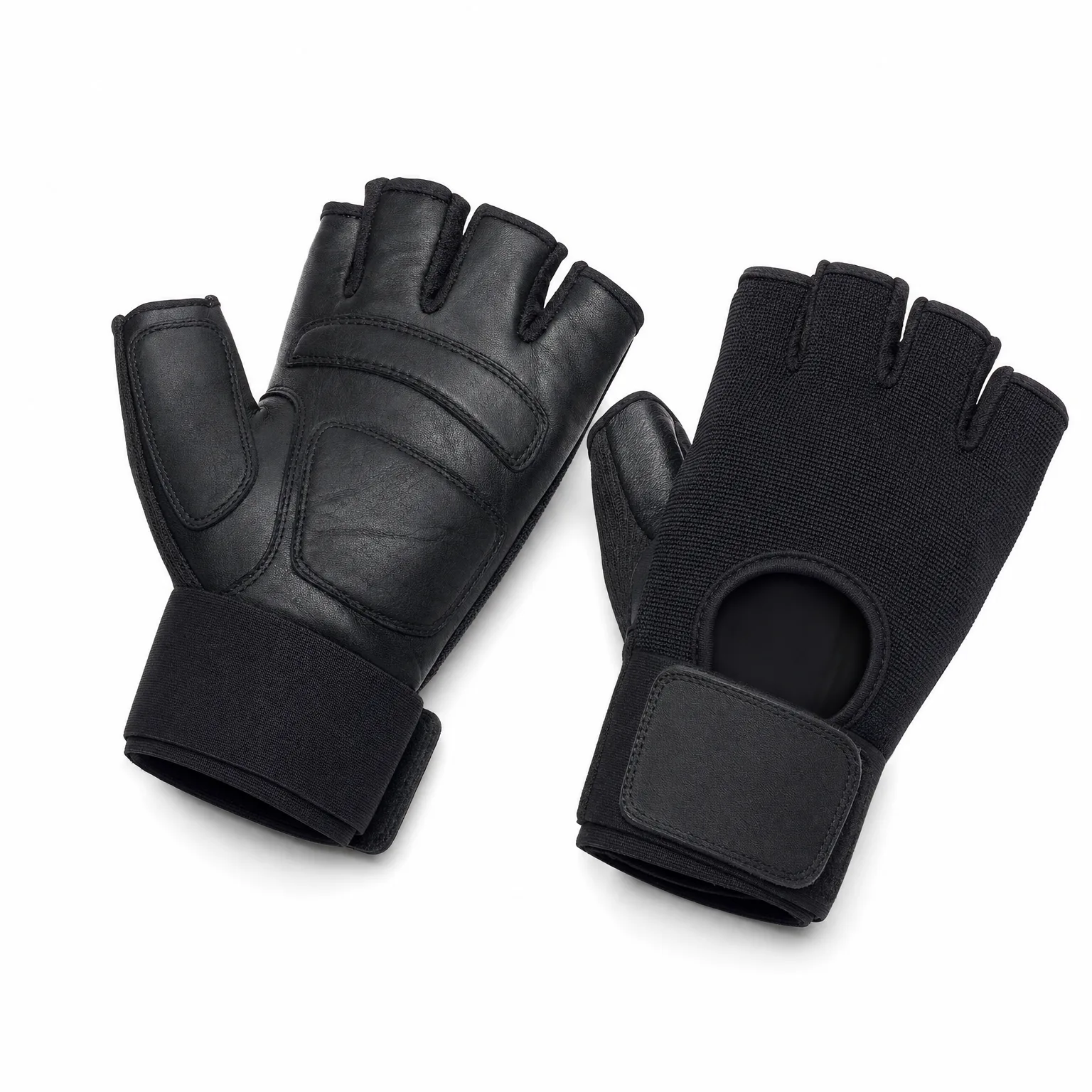
Gym gloves are thin gloves with a padded or grippy palm, most often with the fingers cut short. They put a layer between the skin and a bar, dumbbell or machine handle. That spreads pressure over the palm, reduces rubbing and keeps sweat off the handle.
People wear them to limit calluses and blisters, because rough knurling is uncomfortable, or for hygiene on shared equipment. They suit general gym training with dumbbells, machines and cables. For very heavy pulling, the extra thickness makes the bar harder to hold, which is why many lifters prefer bare hands with chalk.
- Category
- Lifting accessories
- Where
- Gym, Home, Outdoors
- Level
- Beginner and up
- Space
- Fits in a drawer or a bag
- Typical sizes
- Sizes XS–XL by palm circumference, about 16–25 cm (6.5–10 in), measured around the knuckles without the thumb
- Also called
- workout gloves, weightlifting gloves, lifting gloves, training gloves, fingerless gym gloves, grip pads, fitness gloves
What it is used for
- Dumbbell, machine and cable work, where handles rub the palms
- Pull-ups and hanging exercises on rough or outdoor bars
- Keeping sweaty hands from slipping on smooth handles
- A barrier on shared equipment
- Outdoor training on cold metal bars
Types
Fingerless gloves. The usual type: a padded palm, open fingertips and a hook-and-loop wrist tab. Good feel on the handle and easy to take off.
Full-finger gloves. Cover the whole hand. Warmer, used for outdoor training, rope work and conditioning sessions with mixed equipment.
Gloves with a wrist wrap. A fingerless glove with a long elastic strap wound around the wrist. Adds light wrist support for presses, less than a separate wrist wrap.
Grip pads. A palm-only pad of rubber or leather held on by finger loops or a wrist strap. Covers the contact area and leaves the back of the hand open.
How to choose
Get the size right
Measure around the widest part of the palm, across the knuckles, and use the maker's chart. A glove should fit like a second skin. Loose material bunches under the bar and causes the blisters it was meant to stop.
Prefer thin padding
Thick gel or foam feels soft in the shop but makes every handle fatter and less stable in the hand. A thin leather or synthetic palm with a grippy surface protects the skin and keeps the feel of the bar.
Choose the palm material
Leather lasts and molds to the hand but dries slowly. Synthetic and mesh gloves are lighter, breathe better and can usually be machine washed. Silicone print adds grip on smooth handles.
Decide if you want wrist support
A built-in wrist wrap is convenient for moderate pressing. If you press heavy, separate wrist wraps give more support and let you choose gloves purely for fit.
How to start using it
- Put them on snug and flat. Pull the glove fully down between the fingers and close the wrist tab so nothing can slide. Smooth out any fold in the palm before you take hold of a handle.
- Grip the bar the same way as without gloves. Set the bar at the base of the fingers for pulls and on the heel of the palm for presses, then close the hand. Do not let the padding push the bar up into the fingers.
- Take them off for heavy barbell pulls. On heavy deadlifts and rows, try bare hands with chalk or lifting straps. The thinner the layer between hand and bar, the easier the bar is to hold.
- Wash and dry them. Gloves soak up sweat. Air them after every session and wash them as the label says, often by hand in cool water. Do not leave them balled up in a gym bag.
Common mistakes
Choosing the thickest padding
Heavy padding turns a normal bar into a thick bar. The forearms tire sooner and the handle can roll in the hand. Thin and tight beats thick and soft.
Expecting gloves to add grip strength
A glove changes friction and comfort. It does not tie the hand to the bar. If your grip gives out on heavy pulls, lifting straps or grip training address that, gloves do not.
Wearing a loose pair
A glove that slides against the skin moves the rubbing from the bar to the inside of the glove. If you can pinch spare fabric in the palm, go down a size.
Never washing them
Damp gloves kept in a closed bag smell and can irritate the skin. Dry them in open air and wash them regularly.
What to use instead
Chalk is the usual alternative: it dries the hands and improves hold without adding thickness, though it does not stop calluses forming. Lifting straps take the load off the fingers on heavy pulls. For comfort alone, a small towel wrapped around a rough handle works for a few sets. Looking after the skin does much of what gloves do: file thick calluses flat, moisturize after training and hold the bar at the base of the fingers so the skin does not fold under it.
-
Gym chalk
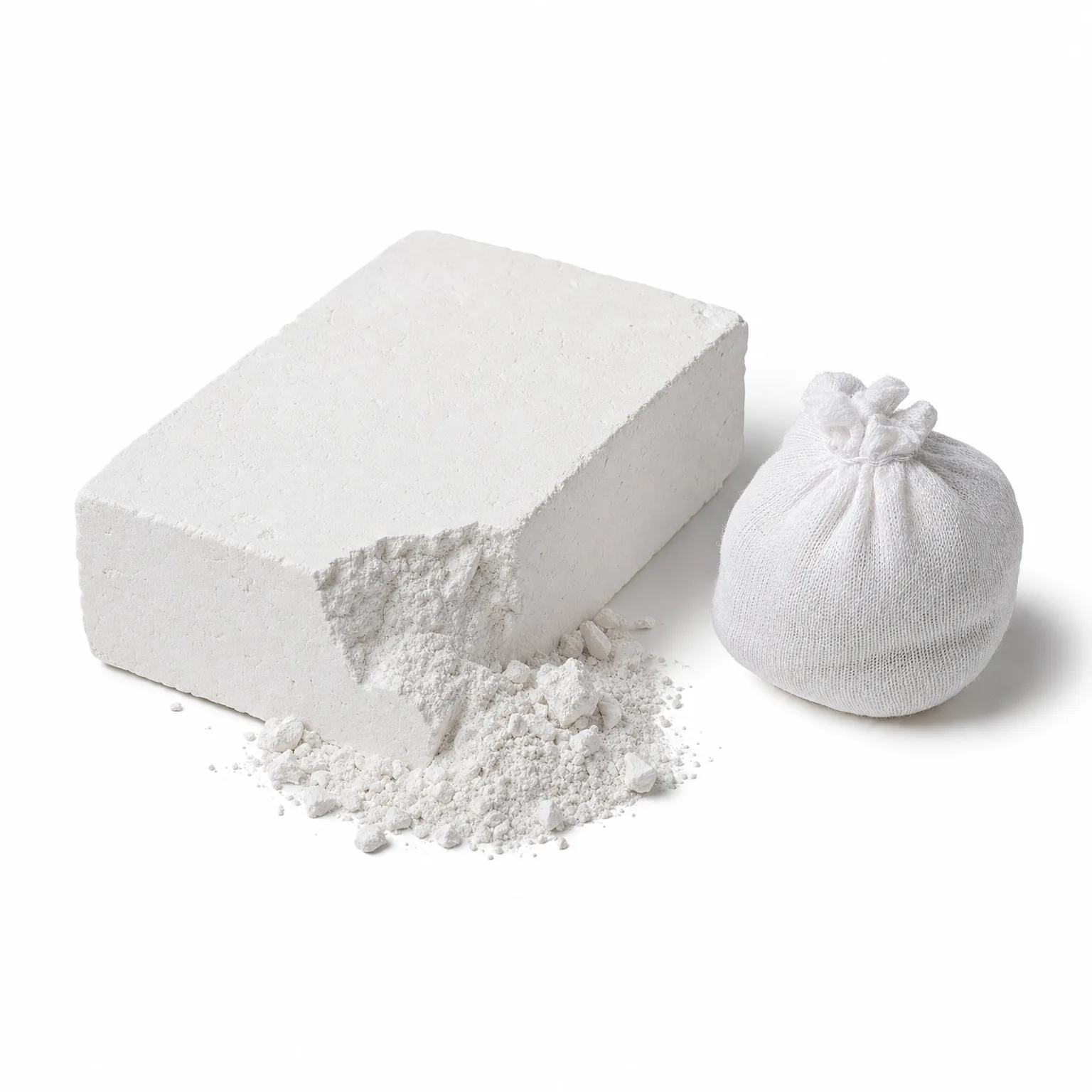
Magnesium carbonate powder that dries sweaty hands so a bar, kettlebell or rings do not slip. Sold as a block, a ball or a liquid. -
Lifting straps
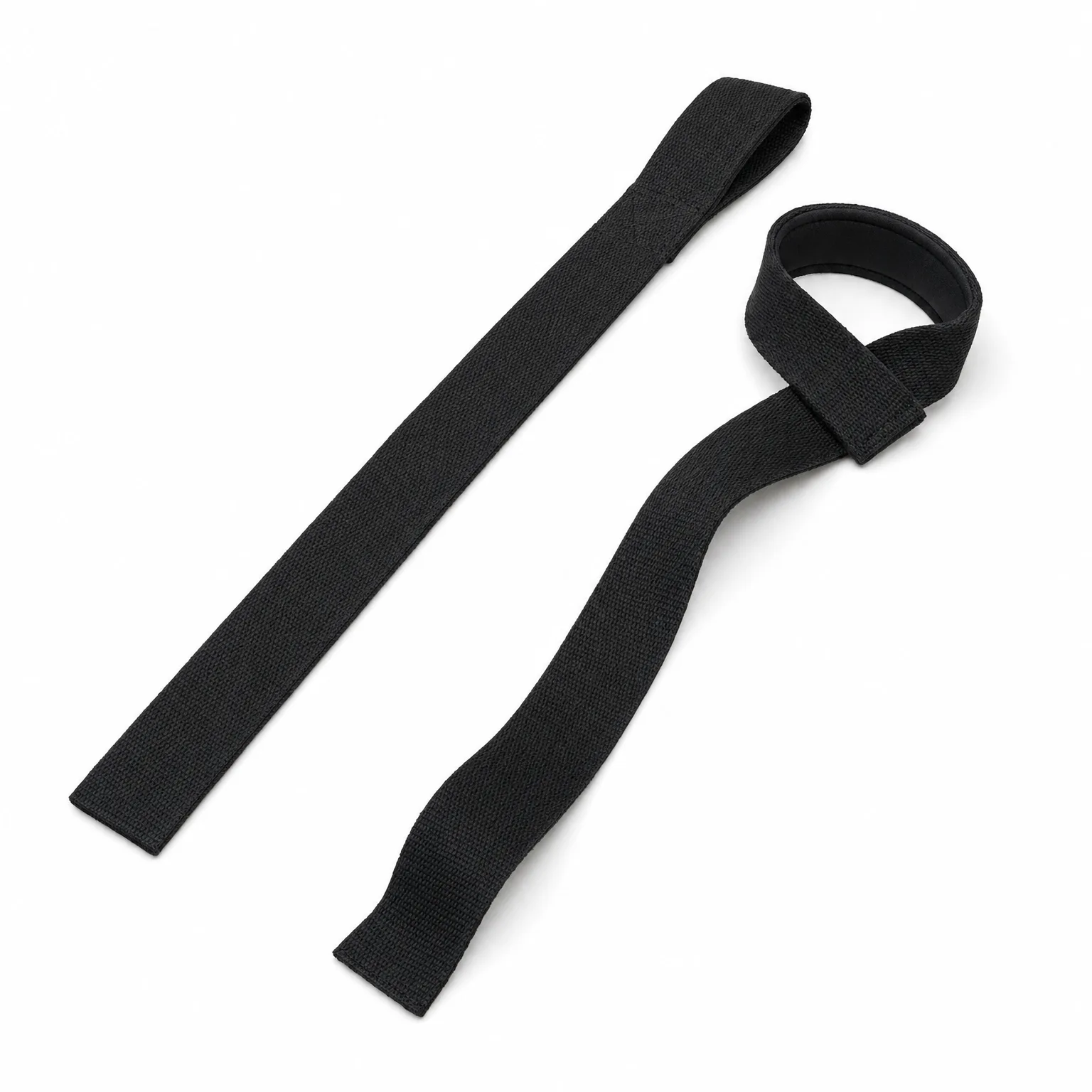
Fabric loops that tie your wrists to the bar so grip strength does not end a set of deadlifts, rows or pull-ups early. -
Towel
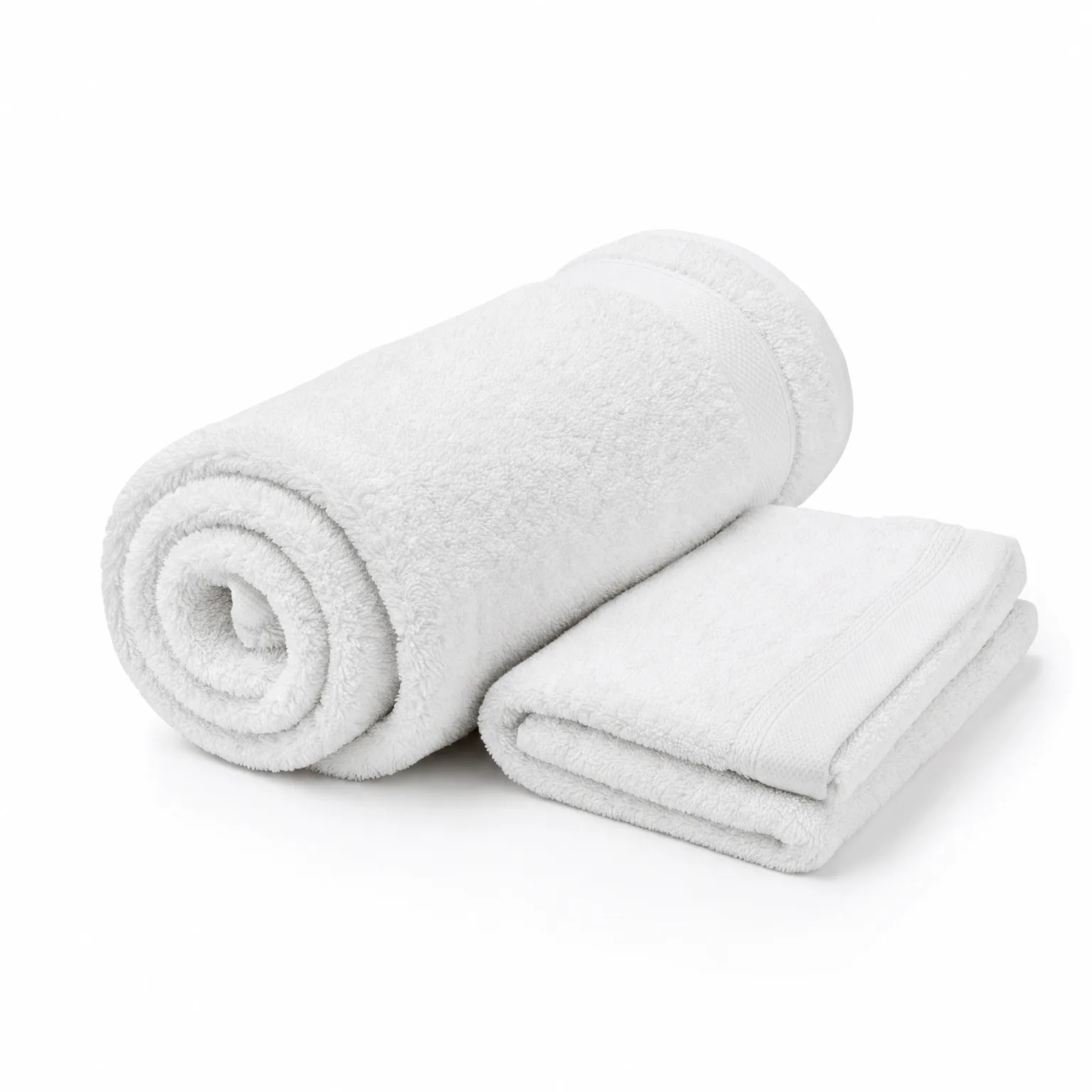
A towel doubles as sliders on a smooth floor, a stretching strap, a pulling tool for isometric exercises and padding for the knees.
Often used with
-

Dumbbells
A pair of short handles with a weight at each end. One pair trains every major muscle group, at home or in a gym. -
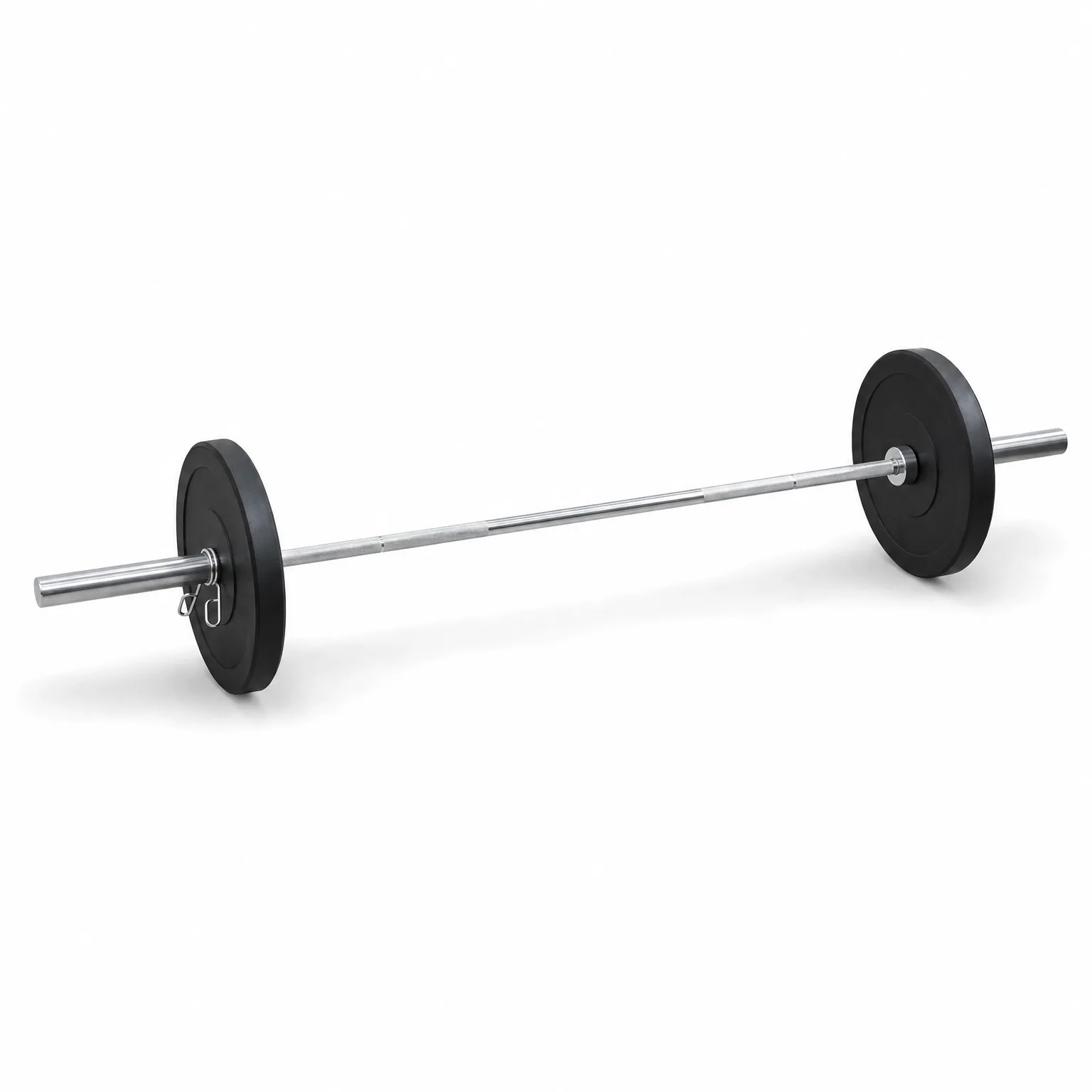
Barbell
A long steel bar loaded with plates at both ends. The standard tool for squats, deadlifts, presses and rows with heavy weight. -
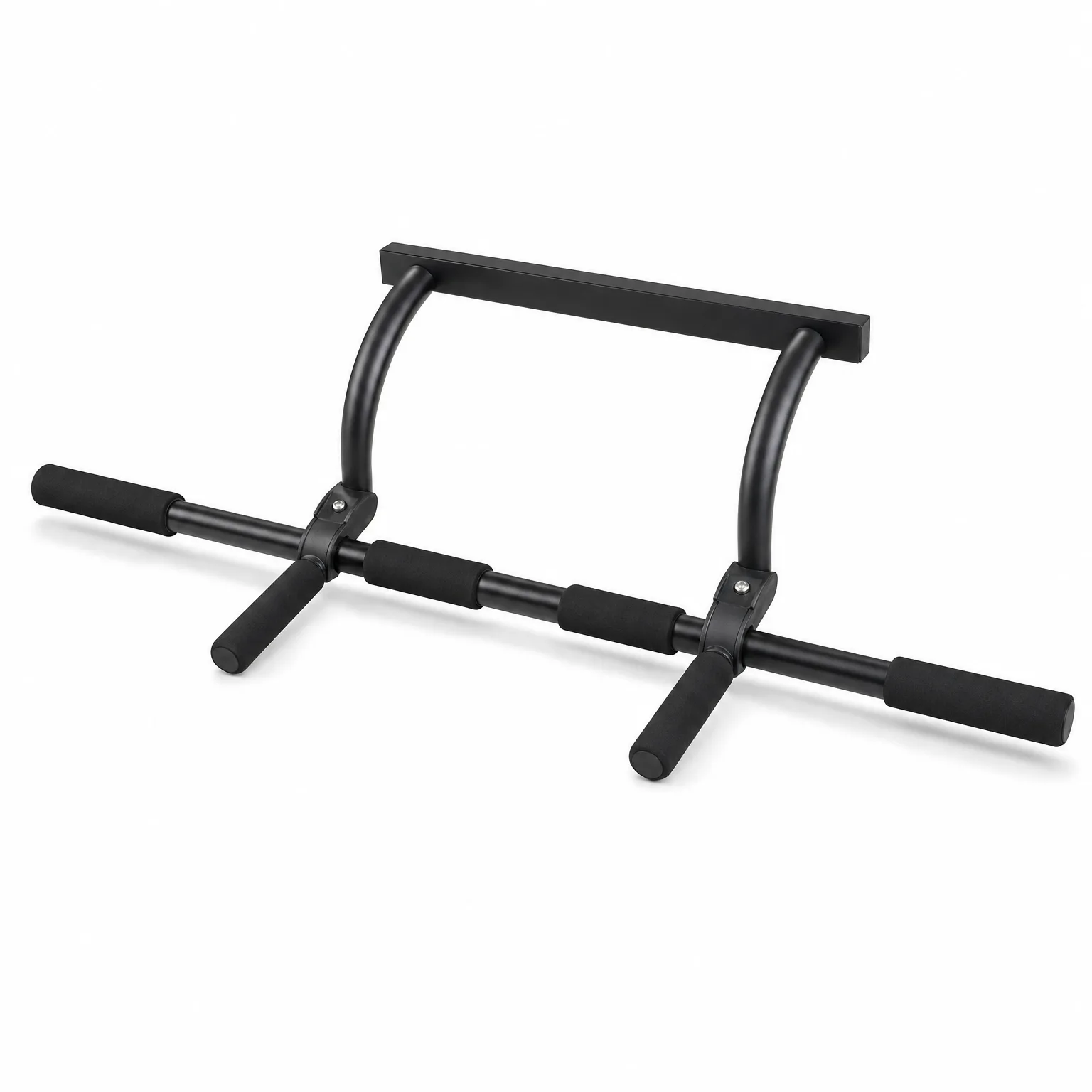
Pull-up bar
A fixed horizontal bar you hang from. Used for pull-ups, chin-ups, hangs and hanging leg raises, at home or outdoors. -
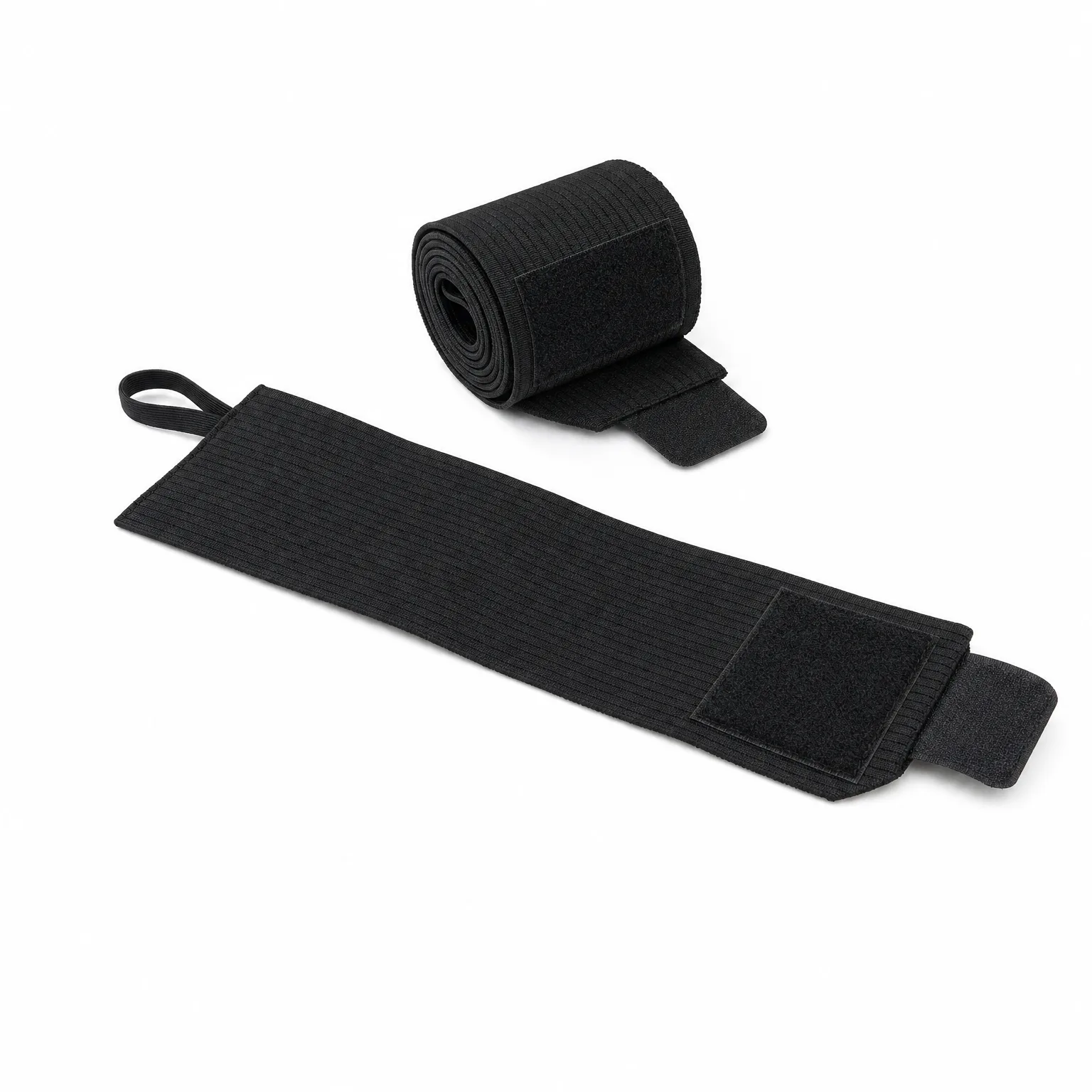
Wrist wraps
Elastic bandages wound tightly around the wrist joint to keep it from bending back under heavy presses and overhead lifts.
Questions about gym gloves
Are gym gloves worth it?
They are if rough handles, calluses or sweaty palms put you off training, or you want a barrier on shared equipment. They are not needed for results. Many experienced lifters train bare-handed because it gives the most direct hold on the bar.
Do gym gloves stop calluses?
They reduce rubbing, so calluses form more slowly and are usually thinner. They do not stop them completely, and a loose glove can cause blisters of its own. Holding the bar at the base of the fingers instead of mid-palm helps as much as the glove does.
Gym gloves or chalk?
Gloves protect the skin and keep handles clean, which suits machines, dumbbells and cables. Chalk dries the hands and gives the firmest hold on a barbell or pull-up bar but offers no padding. Some people use gloves for most of the session and chalk for heavy pulls.
Do gloves make lifting easier or harder?
Both, depending on the exercise. On presses and machine work they make the handle more comfortable. On heavy deadlifts, rows and pull-ups the added thickness means the fingers close less far around the bar, so the grip tires sooner.
How do you wash gym gloves?
Follow the label. Most synthetic gloves can be hand washed in cool water with mild soap, or machine washed in a mesh bag with the hook-and-loop tabs closed. Leather gloves should be wiped and aired, not soaked. Always air dry, away from direct heat.
Build programs around what your client has
This guide comes from OnlineFitness.app, the app online coaches run their clients in.
Free for life for the first 100 coachesNo card