Gym chalk
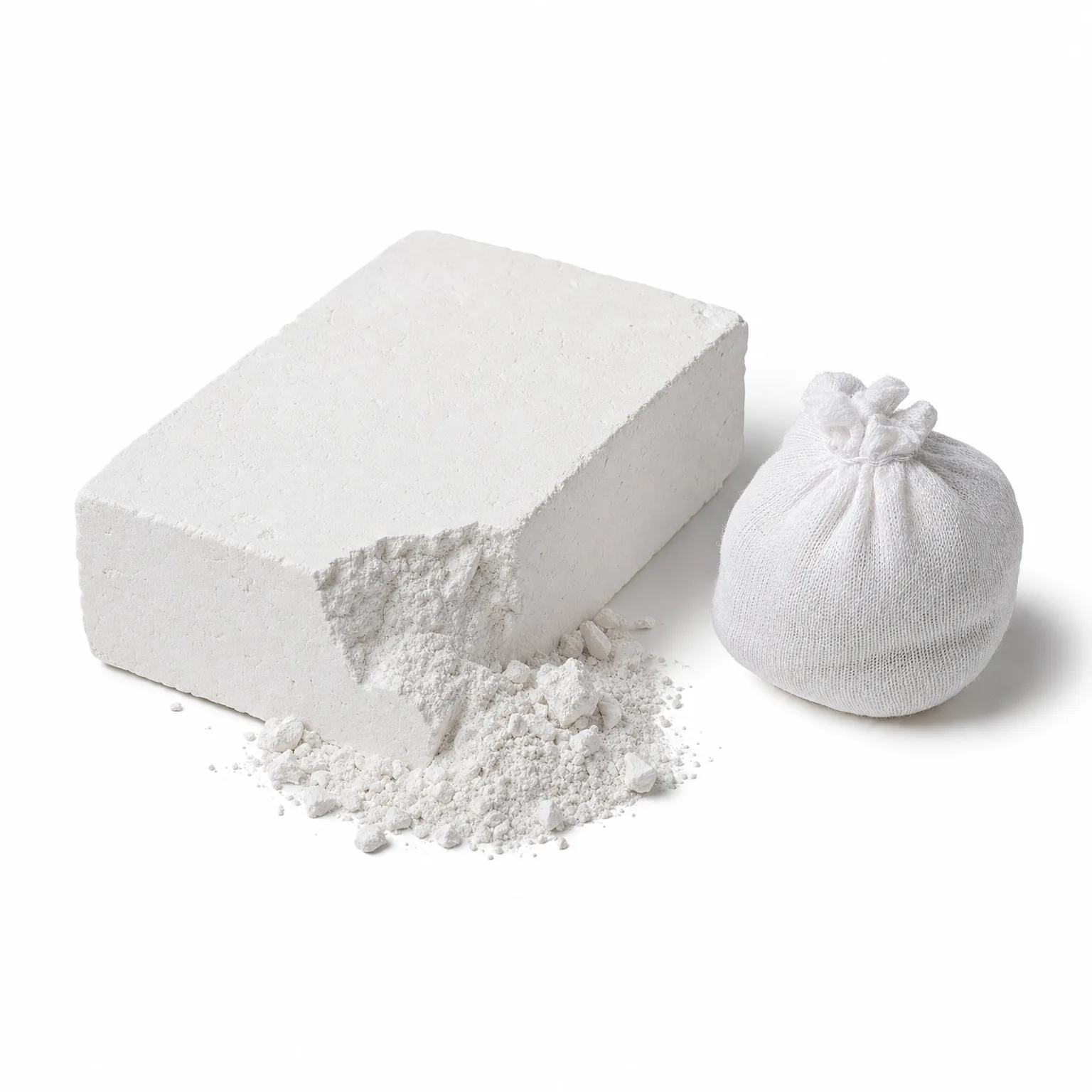
Magnesium carbonate powder that dries sweaty hands so a bar, kettlebell or rings do not slip. Sold as a block, a ball or a liquid.
In short
Gym chalk is magnesium carbonate, a white mineral powder that soaks up sweat and oil from the skin. Dry hands have more friction against steel, wood and rubber, so a bar or handle stays where you put it and slides less inside the grip.
It is used for deadlifts, pull-ups, kettlebell work, Olympic lifts, gymnastics rings and climbing. Anyone whose hands sweat can use it from the first day. It comes as a solid block, as loose powder in a fabric ball, and as a liquid that dries on the hands. It is not the same as blackboard chalk or talc, which do not grip.
- Category
- Lifting accessories
- Where
- Gym, Home, Outdoors
- Level
- Beginner and up
- Space
- Fits in a drawer or a bag
- Typical sizes
- Blocks of about 56 g (2 oz); chalk balls 50–70 g (2–2.5 oz); liquid chalk in 50–250 ml (1.7–8.5 fl oz) bottles
- Also called
- lifting chalk, liquid chalk, chalk ball, chalk block, magnesium carbonate, weightlifting chalk, gymnastics chalk, hand chalk
What it is used for
- Deadlifts, rows and other heavy pulls where the bar slips in sweaty hands
- Pull-ups, hangs and work on rings or bars
- Kettlebell swings, snatches and cleans, where the handle moves in the hand
- Olympic lifts and gymnastics
- On the upper back or shoulders to keep a bar from sliding in squats
Types
Block chalk. A pressed brick you rub on the hands or crumble into a bowl. The cheapest form and the best coverage. Also the messiest: it leaves dust on bars and floors.
Chalk ball. Loose powder inside a porous fabric sock. Squeeze it and a thin layer comes through. Much less dust than a block, easy to carry in a bag.
Liquid chalk. Chalk suspended in alcohol. Rub a small amount in, wait about 20 seconds and it dries to a thin, even layer. Almost no dust, lasts longer, allowed in many gyms that ban dry chalk.
Loose powder. Crushed chalk sold in a bag or tub for a chalk bowl or bucket. Used in lifting clubs and gymnastics halls, not practical for commercial gyms.
How to choose
Ask what your gym allows
Many commercial gyms ban blocks and loose powder because of the dust and permit liquid chalk only. Check the rules before buying. Lifting and climbing gyms usually allow every form.
Liquid for clean, dry for cheap
Liquid chalk suits commercial gyms, home rooms with carpet and outdoor sessions on a windy day. A block or ball costs less per use and is quicker to reapply between sets.
Check the ingredients of liquid chalk
The basics are magnesium carbonate and alcohol. Some products add rosin for extra tack, which grips harder and is more difficult to wash off bars and hands. Alcohol dries the skin, which matters if yours cracks easily.
Keep it in a sealed container
A block or ball in a zip bag or lidded tub stays dry and does not coat the rest of your gym bag.
How to start using it
- Start with dry hands. Wipe sweat off with a towel first. Chalk on wet hands turns into paste and slides.
- Use a thin layer. Rub chalk over the fingers and the top of the palm, where the bar sits, then clap or blow off the excess over the bowl. The skin should look lightly dusted, not caked white.
- Let liquid chalk dry. Squeeze out a coin-sized drop, spread it over both hands and wait until the alcohol has evaporated and the hands look matte white. Gripping the bar before that leaves a slippery film.
- Reapply when the grip changes. Top up when the hands feel damp again, usually every few sets. One coat of liquid chalk often lasts longer than dry chalk.
- Clean up afterwards. Brush chalk out of the bar's knurling with a stiff nylon brush and wipe the floor and equipment. Wash your hands and use a moisturizer if the skin dries out.
Common mistakes
Using too much
A thick layer of chalk acts like a layer of fine ball bearings between the skin and the bar, and it clogs the knurling. More chalk gives less grip, not more.
Chalking over sweat
Without drying the hands first, chalk clumps and wipes off on the first rep. Towel off, then chalk.
Leaving a mess
Clouds of dust and white handprints on every machine are the reason gyms ban chalk. Chalk up over the bowl or bag and brush the bar when you finish.
Relying on chalk to save torn hands
Chalk dries the skin, and thick, dry calluses tear more easily. File calluses down and moisturize after training.
What to use instead
If chalk is not allowed or not at hand, start by drying your hands and the bar with a towel between sets, which already removes most of the slip. Lifting straps take over when grip is the limit on heavy pulls. Gym gloves keep sweat off the bar and suit machines and dumbbells, though they make a thick bar harder to hold. Blackboard chalk and baby powder are not substitutes: one is a different mineral and the other makes hands more slippery.
-
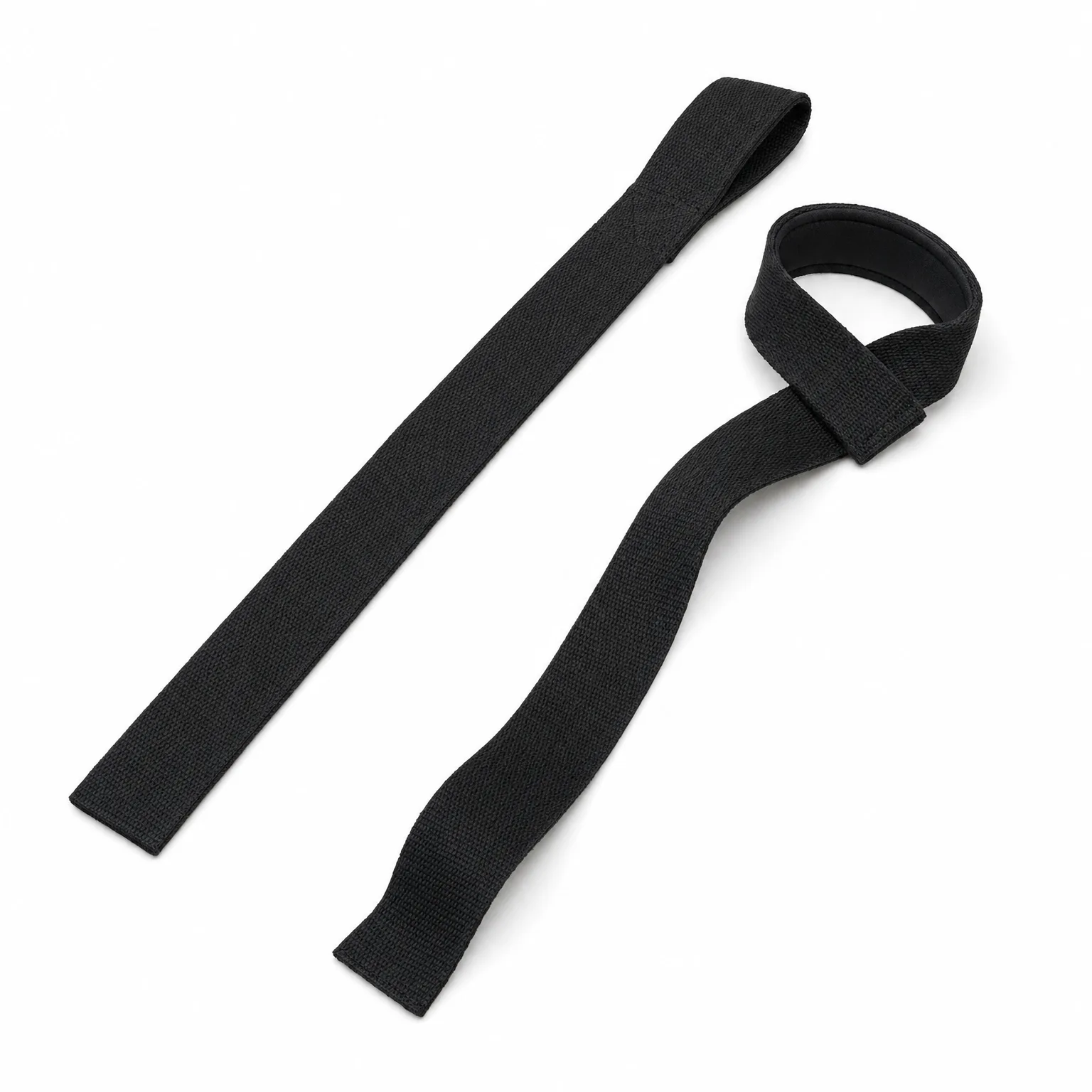
Lifting straps
Fabric loops that tie your wrists to the bar so grip strength does not end a set of deadlifts, rows or pull-ups early. -
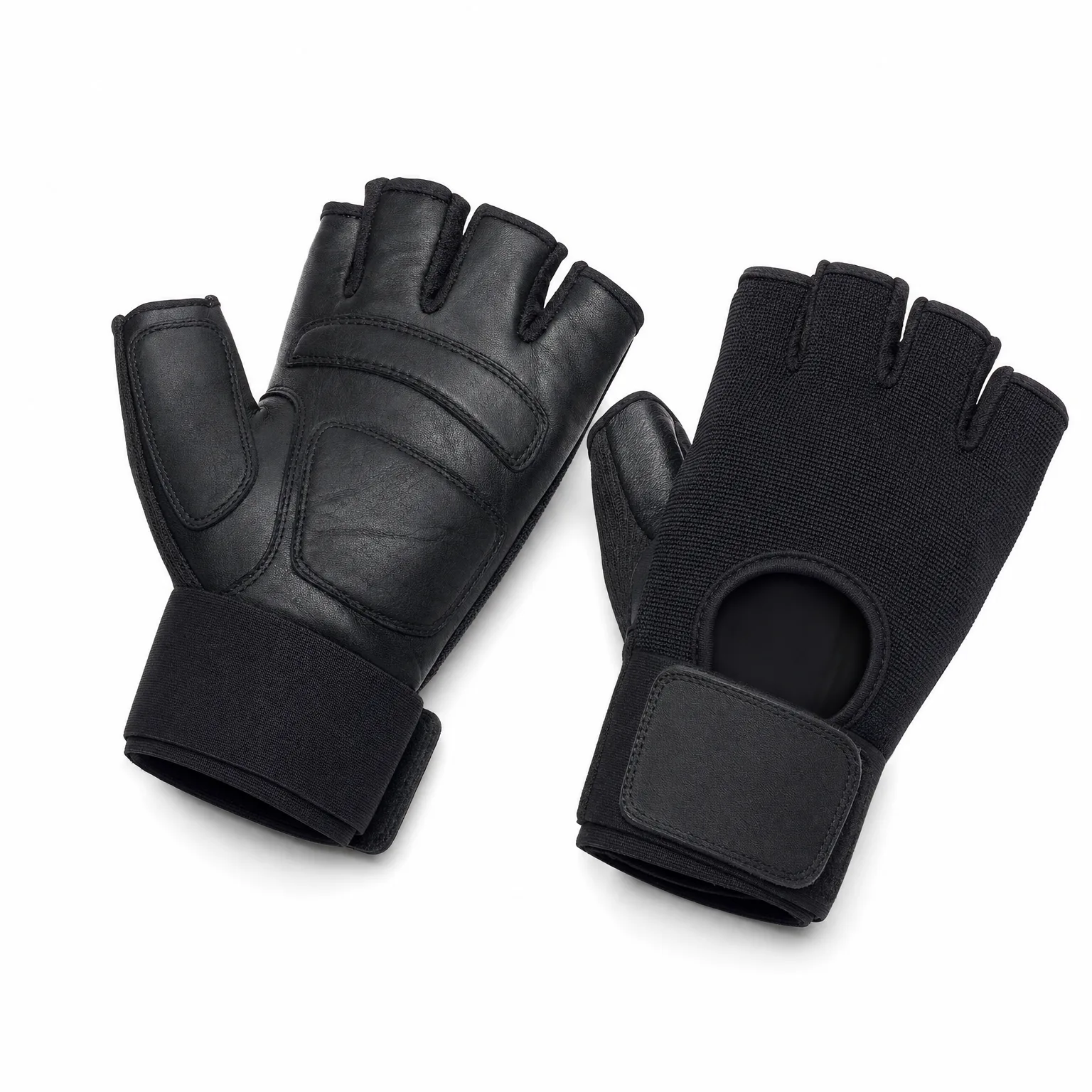
Gym gloves
Padded, usually fingerless gloves that put a layer between your palms and the bar to cut down on calluses and slipping from sweat. -
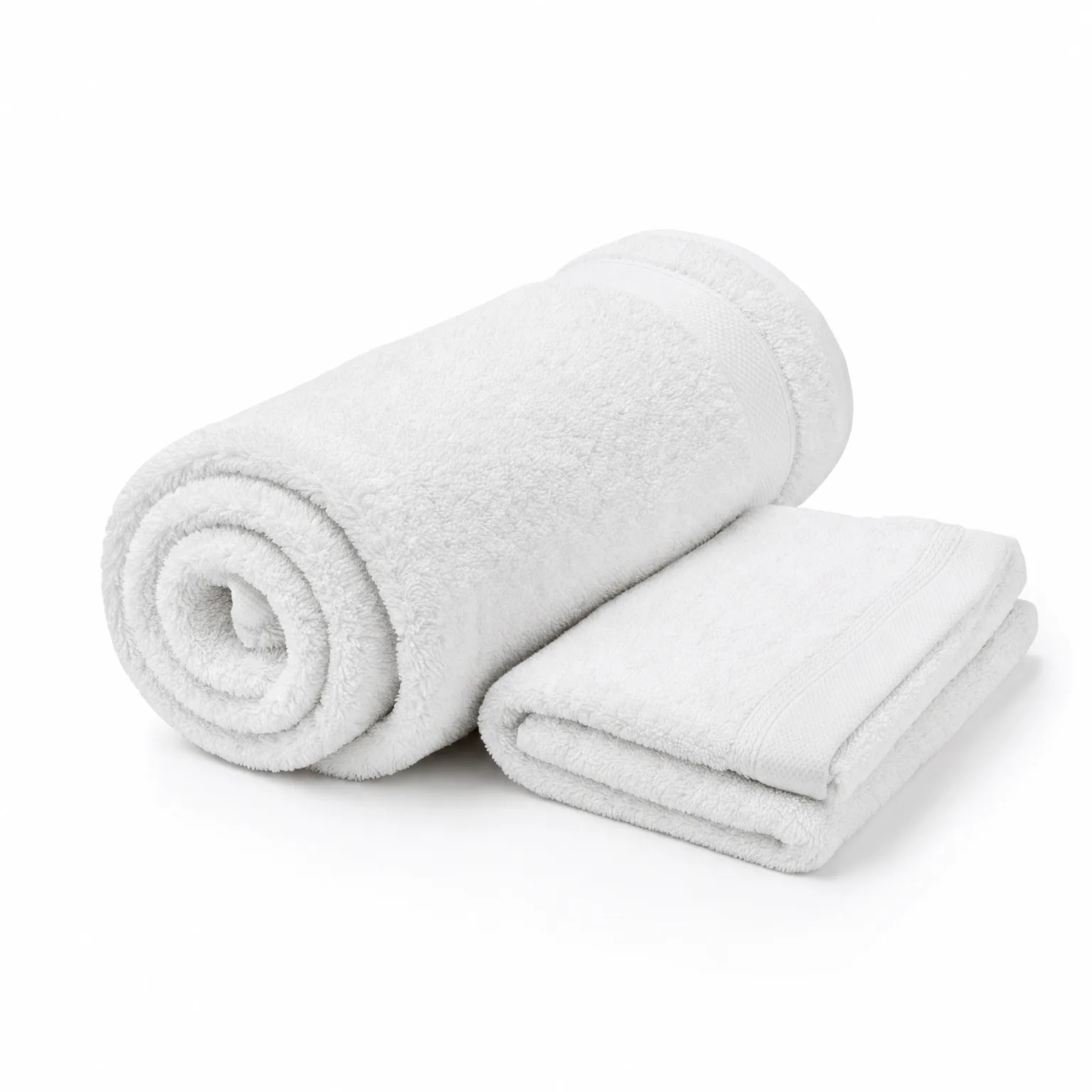
Towel
A towel doubles as sliders on a smooth floor, a stretching strap, a pulling tool for isometric exercises and padding for the knees.
Often used with
-

Barbell
A long steel bar loaded with plates at both ends. The standard tool for squats, deadlifts, presses and rows with heavy weight. -
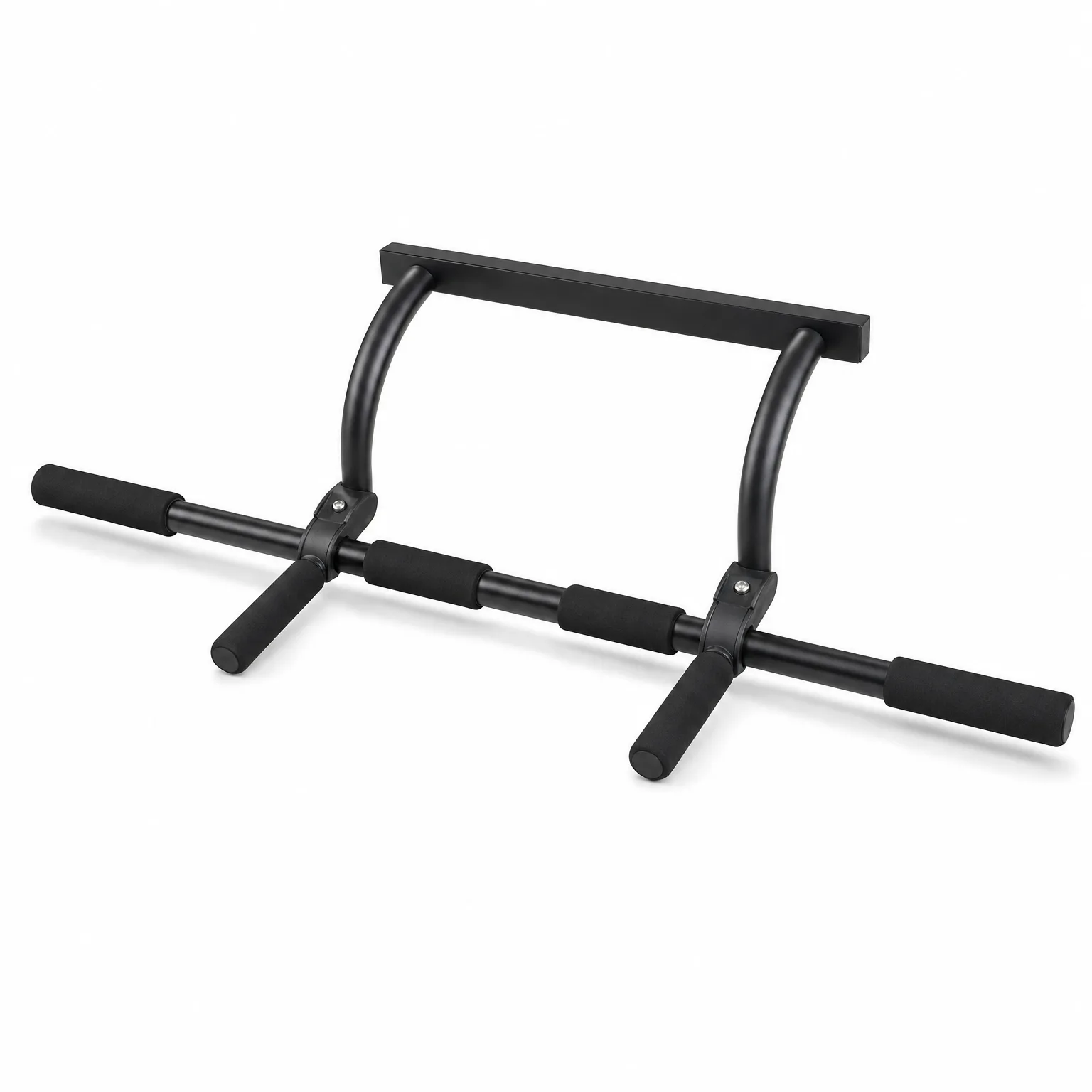
Pull-up bar
A fixed horizontal bar you hang from. Used for pull-ups, chin-ups, hangs and hanging leg raises, at home or outdoors. -
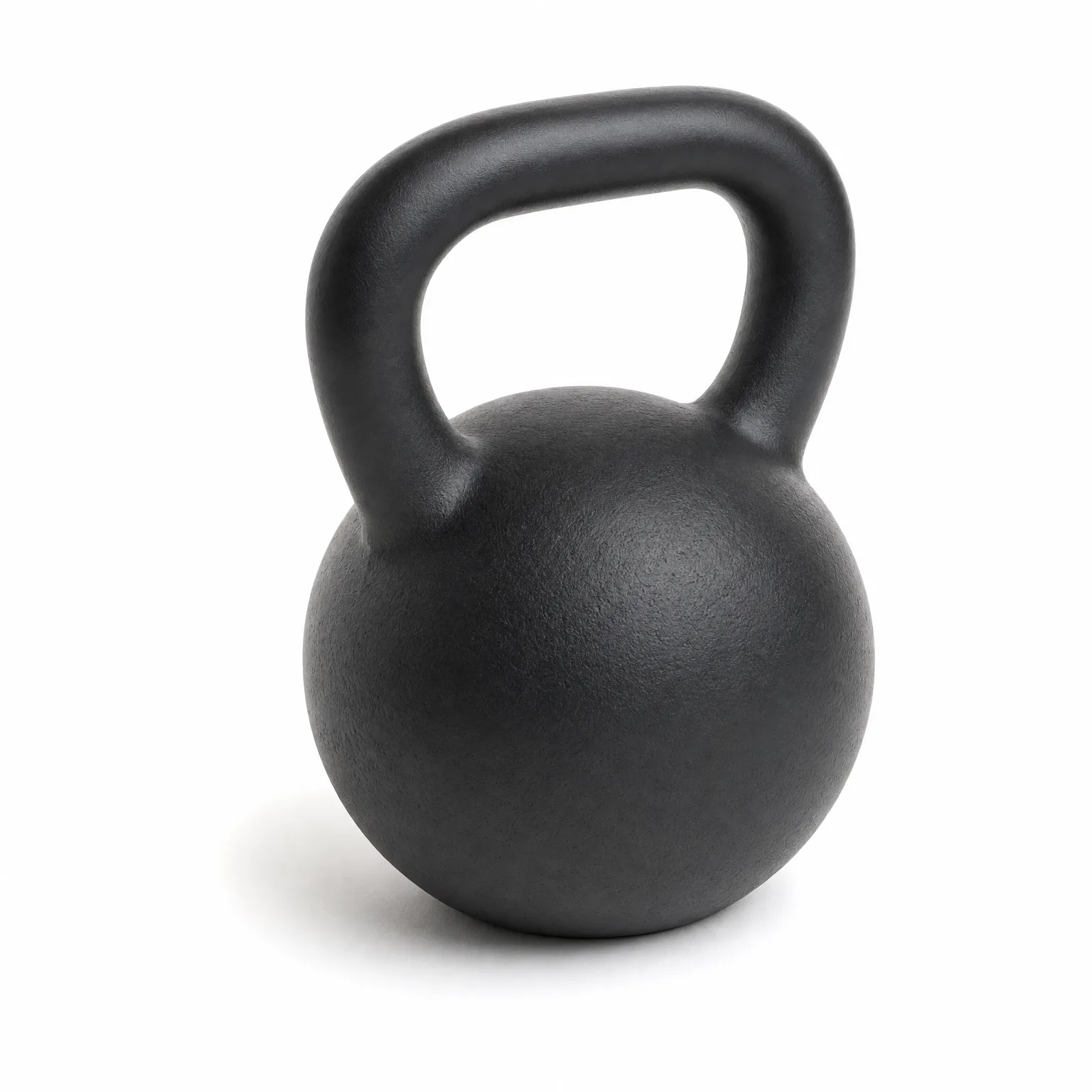
Kettlebell
A cast-iron or steel ball with a flat base and a handle on top. Built for swings, carries, squats and presses with one weight. -
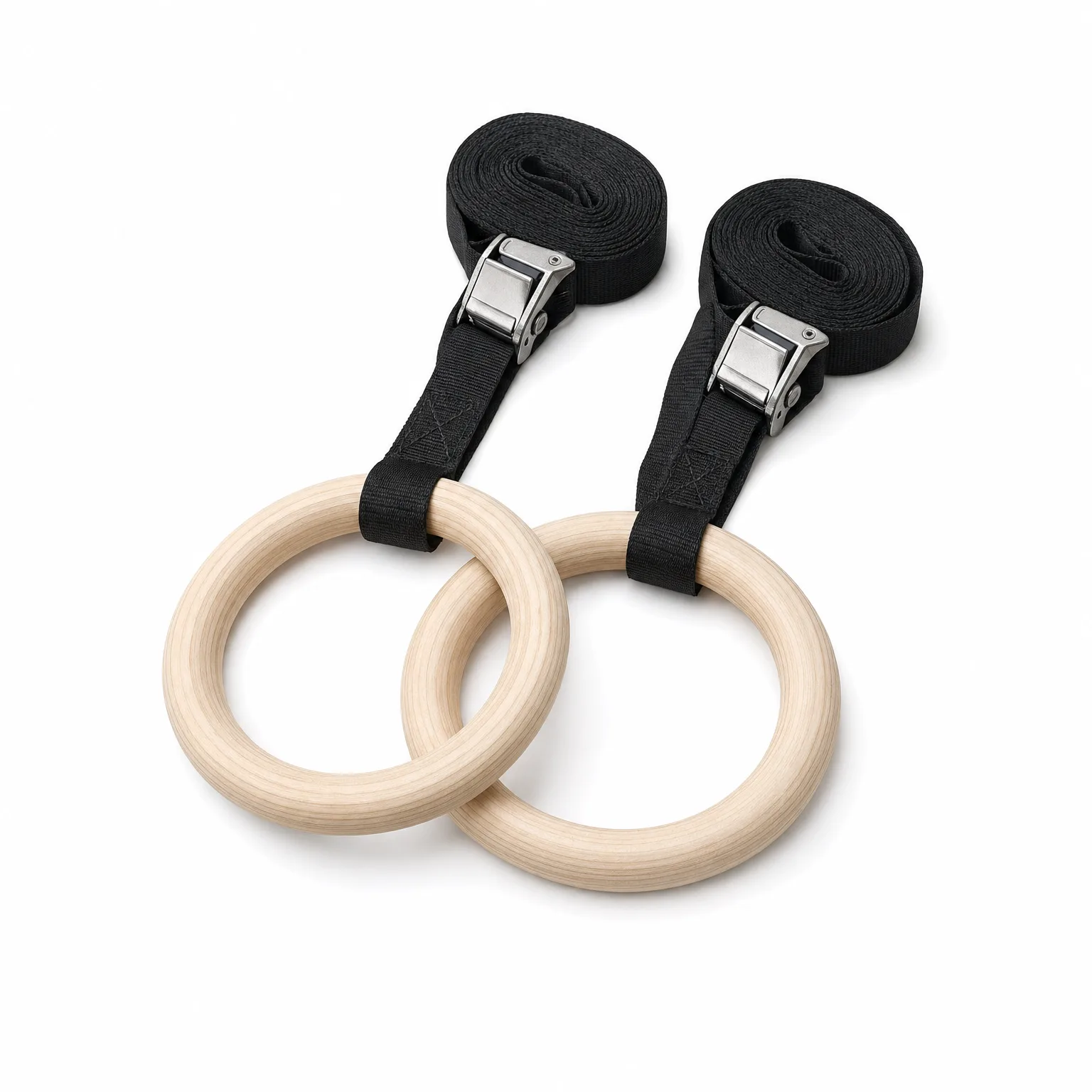
Gymnastic rings
Two rings on adjustable straps, hung from a bar or beam. Used for rows, pull-ups, dips, push-ups and support holds with body weight.
Questions about gym chalk
What is gym chalk made of?
Magnesium carbonate, a mineral that absorbs moisture. It is not blackboard chalk, which is usually calcium carbonate or gypsum and does not improve grip the same way. Liquid chalk is the same powder mixed with alcohol, sometimes with a little rosin or thickener.
Liquid chalk or block chalk?
Liquid chalk leaves almost no dust, stays on longer and is accepted in many gyms, but needs about 20 seconds to dry and costs more. Block chalk is cheap, instant and easy to top up between sets, but it is messy. In a commercial gym liquid is often the only option.
Does chalk really improve grip?
For sweaty hands, yes. Sweat lowers friction between skin and a metal bar, and chalk absorbs it. People often hold a heavy deadlift or a set of pull-ups for longer with chalk than without. If your hands are already dry, the difference is smaller.
Is chalk better than gloves?
For holding a barbell or pull-up bar, chalk usually works better because nothing is added between the hand and the bar. Gloves add thickness, which makes the grip harder on heavy pulls. Gloves are the cleaner choice if you mainly want to reduce calluses or dislike the feel of bare steel.
Is gym chalk bad for your skin?
It dries the skin, and liquid chalk adds alcohol, which dries it further. Most people have no problem if they wash their hands after training and use a hand cream. If your skin cracks or reacts, use less, switch to plain dry chalk or stop.
Build programs around what your client has
This guide comes from OnlineFitness.app, the app online coaches run their clients in.
Free for life for the first 100 coachesNo card