Lifting straps
Fabric loops that tie your wrists to the bar so grip strength does not end a set of deadlifts, rows or pull-ups early.
In short
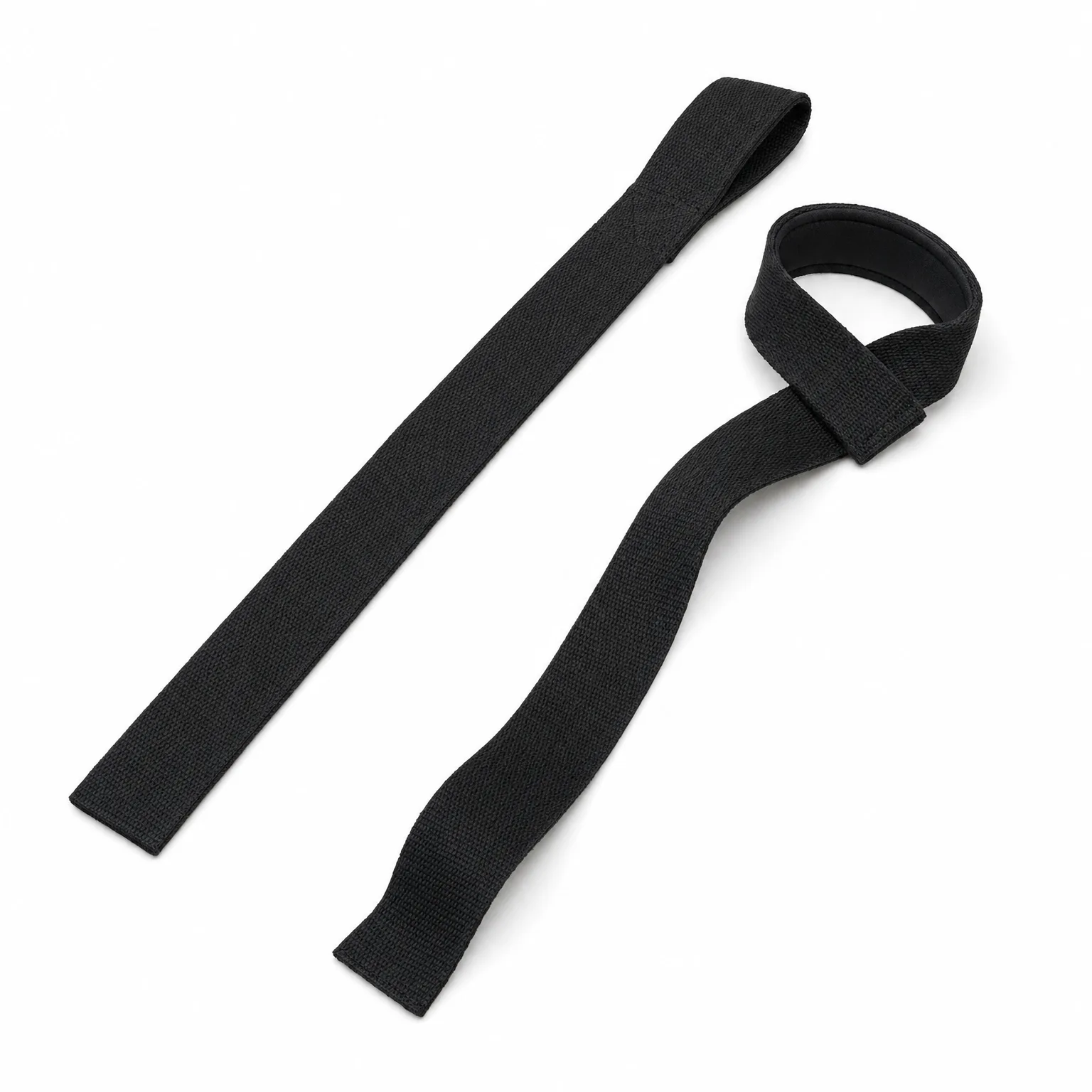
Lifting straps are strips of cotton, nylon or leather that loop around the wrist and wrap around a bar or handle. They pass part of the load from the fingers to the wrist, so the set ends when the back or legs are tired, not when the hands open.
They are used on heavy or high-rep pulling: deadlifts, Romanian deadlifts, rows, shrugs, pull-ups and pulldowns. They suit people whose grip gives out before the target muscles do. They are different from wrist wraps, which stiffen the wrist for pressing and do not attach to the bar.
- Category
- Lifting accessories
- Where
- Gym, Home
- Level
- Intermediate and up
- Space
- Fits in a drawer or a bag
- Typical sizes
- About 50–60 cm (20–24 in) long and 3.8 cm (1.5 in) wide; one size fits most wrists
- Also called
- wrist straps, weightlifting straps, deadlift straps, figure 8 straps, lasso straps, gym straps, pulling straps
What it is used for
- Heavy deadlifts, rack pulls and shrugs where the bar slips before the back is tired
- High-rep Romanian deadlifts and rows
- Pull-ups, pulldowns and hangs when the forearms tire first
- Holding heavy dumbbells for lunges, split squats and carries
- Training around torn calluses or sore hands
Types
Lasso straps. A strap with a loop at one end. The tail threads through the loop to form a cuff, then wraps around the bar. The common all-round type, adjustable and quick to release.
Closed-loop straps. A simple sewn loop with no tail to wrap. Less secure but lets go of the bar instantly, which is why Olympic weightlifters use it in training for snatches and pulls.
Figure-8 straps. Two joined loops. The hand goes through one, under the bar and through the other. The most secure hold, used for maximal deadlifts. You cannot drop the bar quickly.
Hook straps. A wrist cuff with a metal hook that sits under the bar. Fast to set up, but the hook fits only some bar diameters and feels less secure.
How to choose
Start with lasso straps
They work on barbells, dumbbells, pull-up bars and cable handles and are easy to bail out of. Choose figure-8 straps only if heavy deadlifts are the main reason you want straps.
Pick the material
Cotton is soft, grips the bar well and absorbs sweat, but wears out sooner. Nylon is strong and slippery until broken in. Leather is durable and stiff and takes longer to set up.
Decide on padding
A neoprene pad around the wrist is more comfortable on high-rep sets. Unpadded straps are thinner and sit closer to the bar, which most people prefer for heavy work.
Check the stitching
The loop seam carries the load. Look for several rows of tight stitching and replace straps once the fabric frays or the seam starts to open. How much they hold depends on the manufacturer's rating.
How to start using it
- Make a left and a right strap. Thread the tail through the loop to form a cuff. Put your hand through so the tail lies across the palm and points the same way as your thumb. The two straps end up as mirror images of each other.
- Wrap under, then over. Place your hand on the bar, pass the tail under the bar and bring it back over the top toward you. One or one and a half turns is enough. Lay each turn next to the last one, not on top of it.
- Tighten by rolling the bar. Close your hand over the wrapped strap and roll the bar toward you, like twisting a motorcycle throttle, until the slack is gone and the bar sits tight against the base of the fingers.
- Still grip the bar. Hold the bar with your fingers as you normally would. The strap takes over only what the fingers cannot hold. To release, simply open your hands and the wrap unwinds.
Common mistakes
Using straps on every set
If the straps go on from the first warm-up, the grip never gets trained. Do warm-ups and lighter sets with bare hands or chalk and save the straps for the sets where grip would cut the work short.
Wrapping the wrong way
If the tail goes over the bar first, the strap loosens as the bar pulls down. It should go under the bar and come back over, so the load tightens it.
Wearing the cuff too high on the forearm
A cuff that sits on the forearm, above the wrist bones, slides and pulls across the joint under load. Set it low, around the base of the hand, so the strap runs straight from the hand to the bar.
Strapping in where you may need to let go
Do not strap in for cleans or jerks: when the bar is caught on the shoulders, a strapped wrist cannot turn over or let go. Keep figure-8 and tightly wrapped straps for deadlifts and other pulls. Weightlifters who use straps for snatches and pulls choose quick-release closed loops.
What to use instead
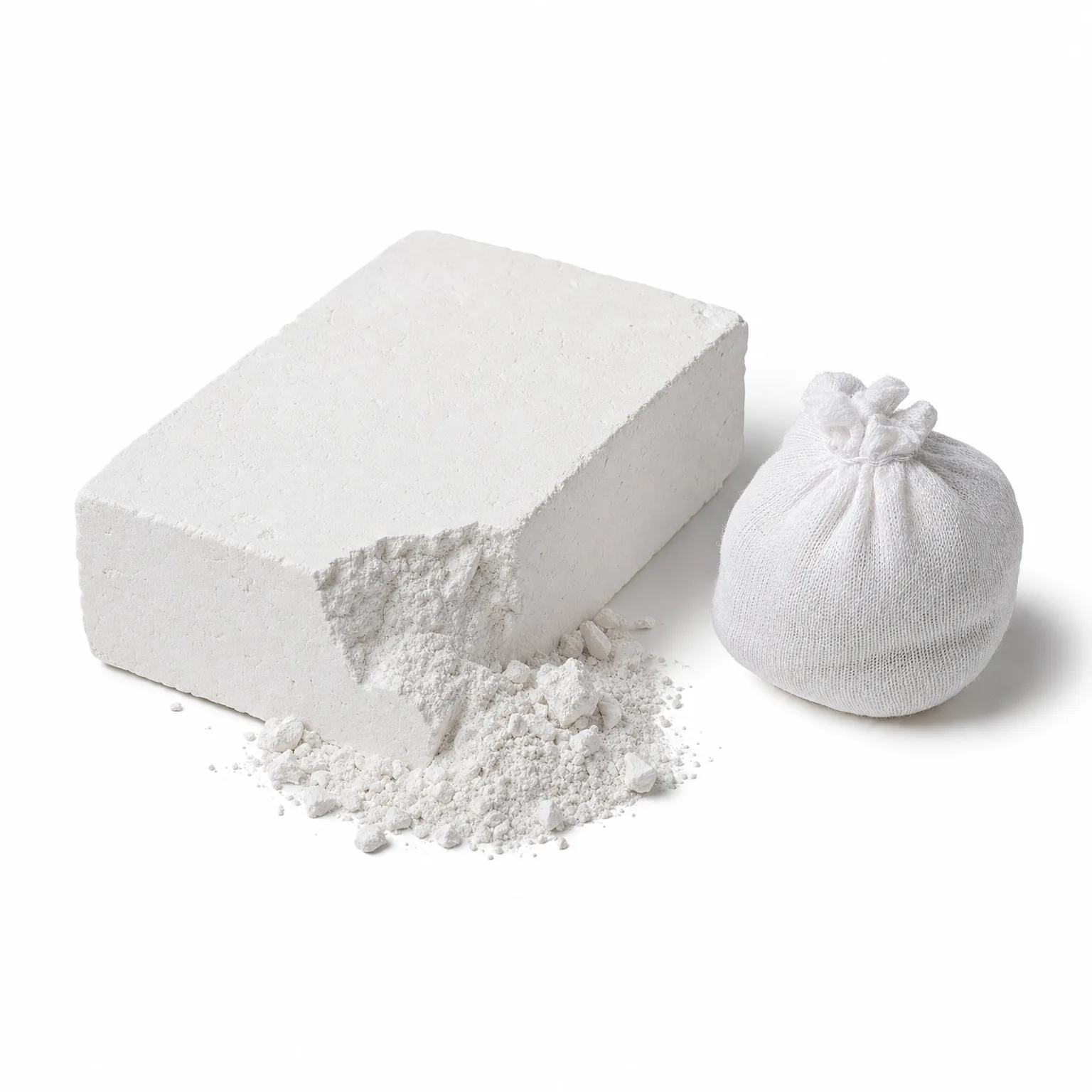
Chalk is the first thing to try: dry hands hold noticeably more before the bar slips. A mixed grip or a hook grip on the deadlift also keeps the bar in the hands without straps. For pulling exercises, lowering the weight a little and adding direct grip work, such as hangs and carries, closes the gap over time. Gloves do not replace straps, because they pad the hand without tying it to the bar.
Often used with
-

Barbell
A long steel bar loaded with plates at both ends. The standard tool for squats, deadlifts, presses and rows with heavy weight. -
Trap bar
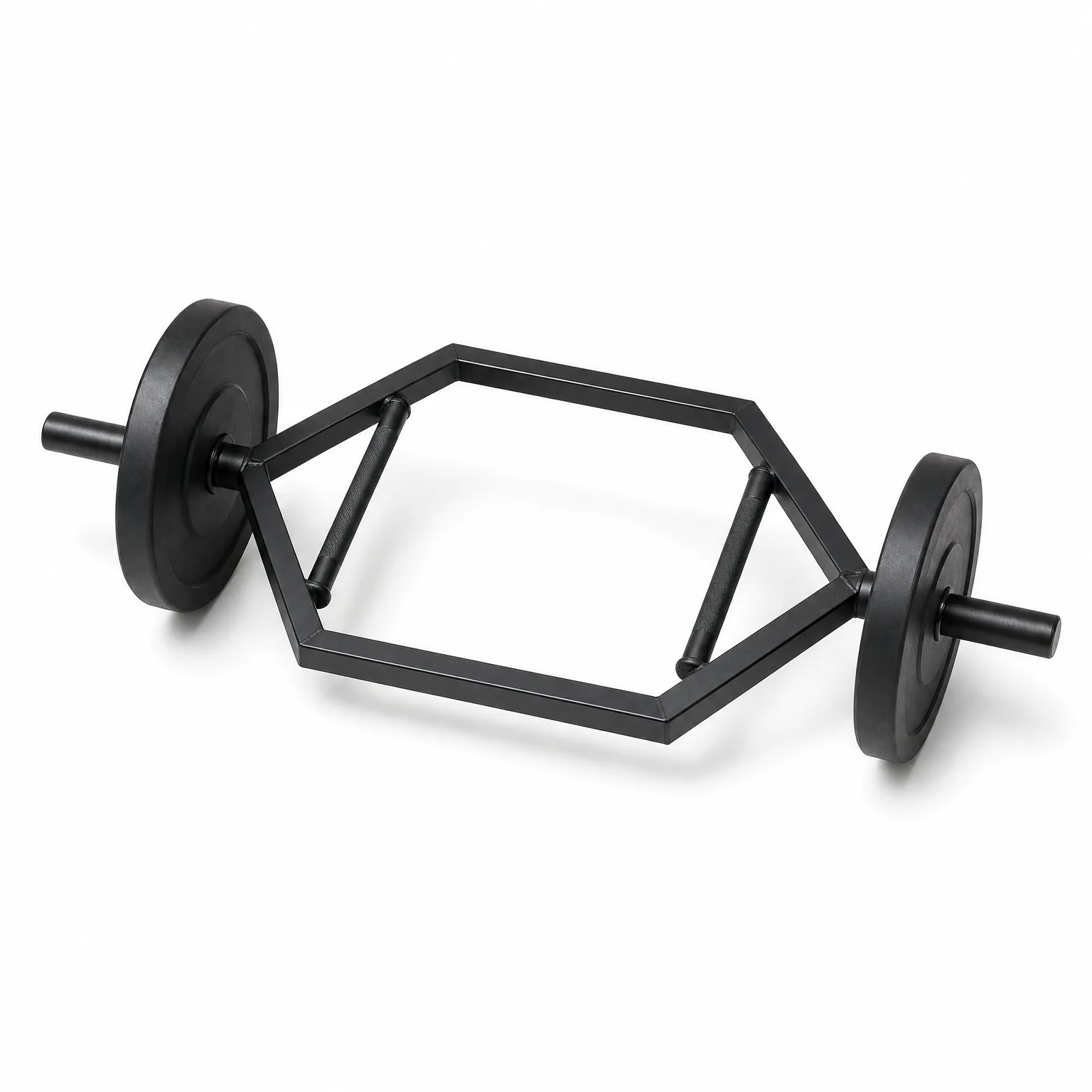
A hexagonal bar you stand inside and lift by two side handles. Used for deadlifts, carries, shrugs and jumps. -
Pull-up bar
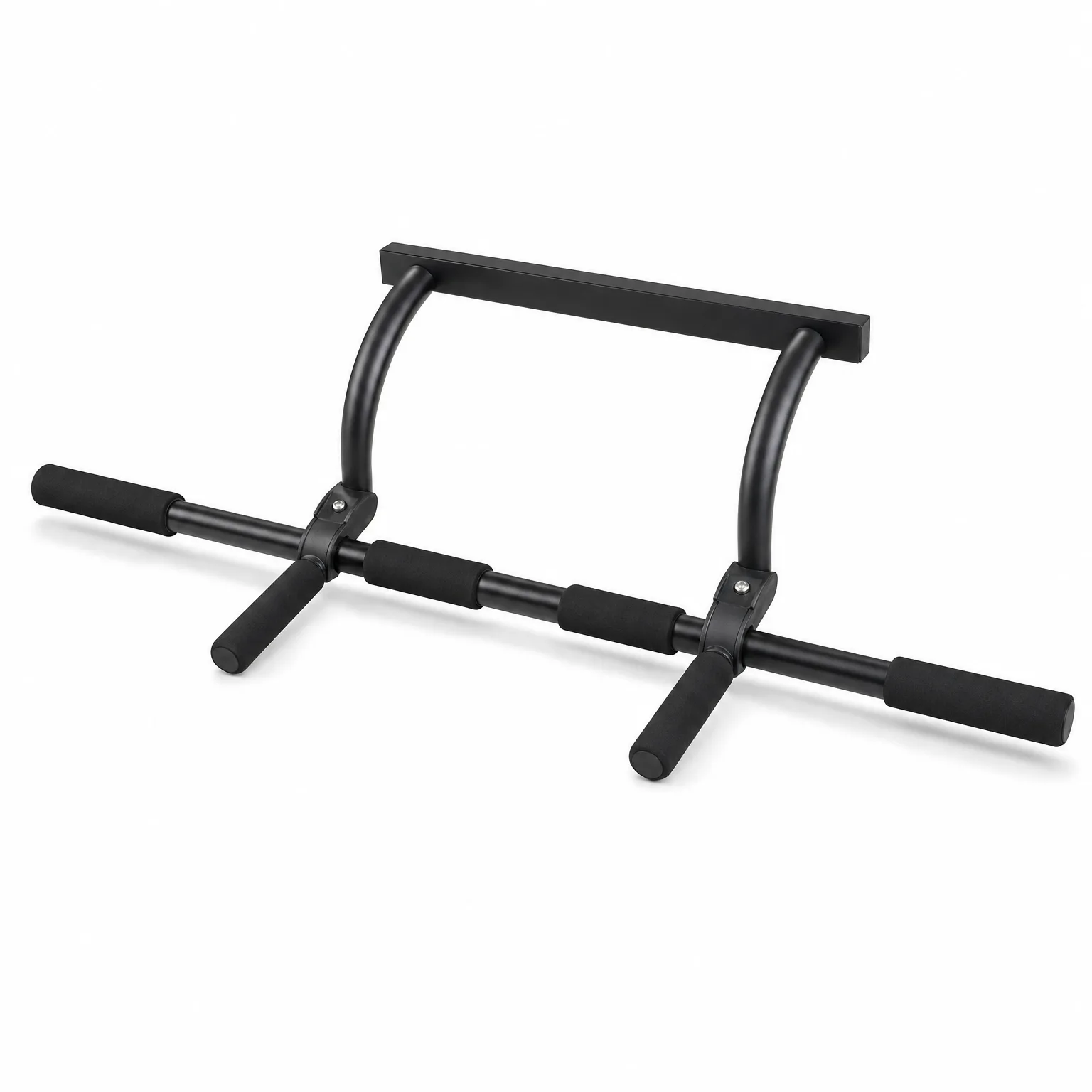
A fixed horizontal bar you hang from. Used for pull-ups, chin-ups, hangs and hanging leg raises, at home or outdoors. -
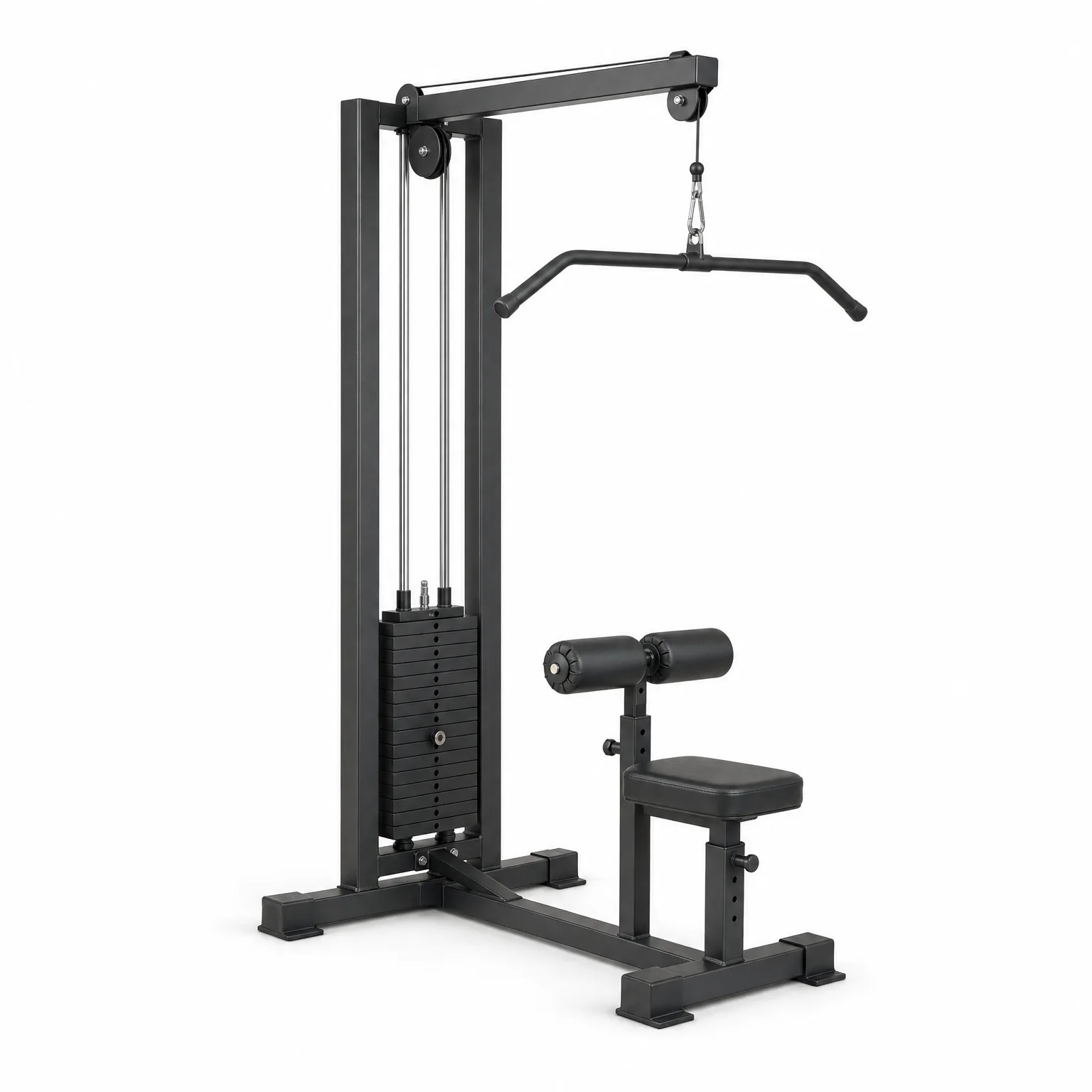
Lat pulldown machine
A seat with thigh pads under a high pulley and a wide bar. You pull the bar to your chest to train the lats and upper back.
Questions about lifting straps
What are lifting straps used for?
To keep hold of a bar or handle when your grip is the weak link. On deadlifts, rows, shrugs and pull-ups the hands often tire before the back and legs. Straps pass part of the load to the wrists so those larger muscles can be worked fully.
Lifting straps or wrist wraps?
They do different jobs. Straps attach your hand to the bar and help on pulling exercises. Wrist wraps are elastic bandages that stiffen the wrist joint on presses and do not touch the bar. Many lifters own both and never use them on the same exercise.
Do lifting straps weaken your grip?
Only if they replace all gripping. Used on the heaviest or longest sets, with the rest of the work done bare-handed, they let you train the back harder without taking grip training away. Add hangs or carries if grip is a priority.
Are lifting straps allowed in competition?
Not in powerlifting or Olympic weightlifting competition, where the lifts are done without straps. They are allowed in many strongman events, deadlifts included. If you plan to compete in powerlifting, train your deadlift grip without straps for most sets.
Build programs around what your client has
This guide comes from OnlineFitness.app, the app online coaches run their clients in.
Free for life for the first 100 coachesNo card