Equipment Benches, racks and bars
Push-up bars
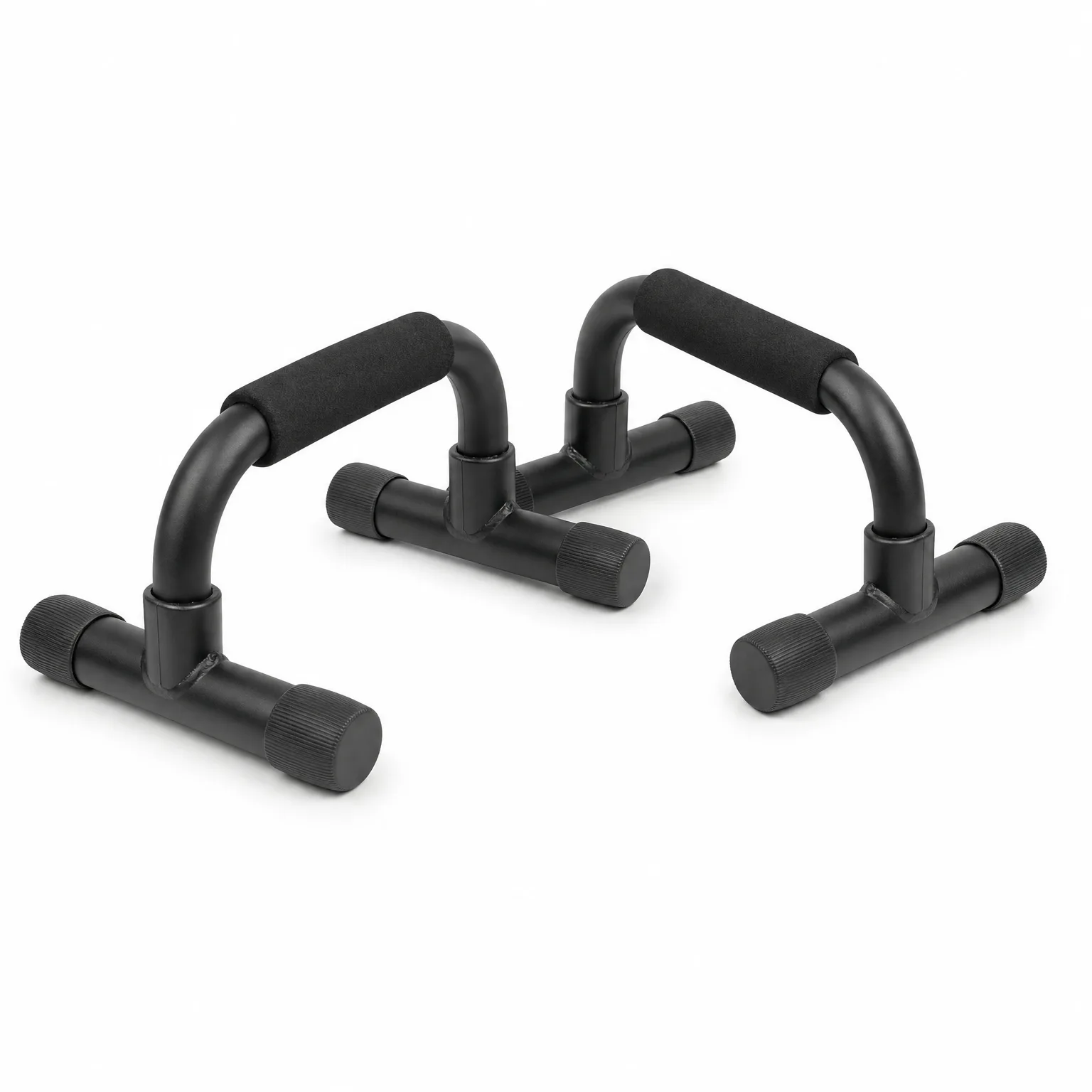
A pair of low handles for the floor. They keep the wrists straight in push-ups and let the chest go lower than the hands.
In short
Push-up bars are two low handles that stand on the floor. You grip them instead of placing your palms flat, which keeps the wrists in a straight line and raises the hands so the chest can travel lower than in a normal push-up. They train the chest, triceps and front of the shoulders.
Longer, steadier bars of the same kind are called parallettes. They are built for L-sits, handstands and other holds and are covered separately. Push-up bars suit beginners who find flat-palm push-ups uncomfortable for the wrists, and anyone who wants more range from a bodyweight exercise.
- Category
- Benches, racks and bars
- Where
- Home, Gym, Outdoors, Travel
- Level
- Beginner and up
- Space
- Fits in a drawer or a bag
- Typical sizes
- Handles about 10–15 cm (4–6 in) high, with a grip roughly 30–40 mm (1.2–1.6 in) thick
- Also called
- push-up handles, push-up stands, pushup bars, push-up grips, press-up bars, rotating push-up handles
Muscles it works
- Main
- Chest, Triceps, Front delts
What it is used for
- Push-ups with straight wrists and a deeper bottom position
- Pike push-ups for the shoulders
- Knee, incline and feet-raised push-ups with the same grip
- Short tuck holds and L-sit practice on steadier pairs
Types
Fixed push-up handles. Small S-shaped or arched stands of plastic or steel with a foam or rubber grip. Light, cheap and easy to pack.
Rotating handles. Handles on a turning base, so the hands rotate as you lower and press. Some people find this more comfortable for the wrists and shoulders. Less steady for holds.
Bar-style handles. A short straight bar of wood or steel on two feet. Steadier than small arched stands. Longer and taller versions are parallettes, made for holds and handstands.
How to choose
Handles or parallettes
If you only want push-ups, small handles are enough. If you plan to hold L-sits, practice handstands or learn calisthenics skills, choose parallettes: the longer bar and wider feet are far steadier.
Grip thickness and material
A grip around 30–40 mm thick fills the hand without forcing it open. Wood absorbs sweat and stays grippy. Foam is soft but wears. Bare painted steel can be slippery with sweaty hands.
A base that does not slide
Look for rubber feet and a wide base. Press down and sideways on the handle on your own floor. Bars that slide on smooth tiles or tip on carpet are the main cause of falls.
Height for what you do
Low handles are the steadiest and are all that push-ups need. Extra height only matters for passing the legs through or for dips, which is parallettes territory. Check the manufacturer's rating if you add a weighted vest.
How to start using it
- Place them under the shoulders. Set the bars about shoulder width apart, parallel or turned slightly outward, on a non-slip surface. In the top position your hands should be below your shoulders with straight arms.
- Grip with a straight wrist. Hold the handle in the middle with a firm grip, the bar across the base of the palm and the forearm stacked straight over the hand. The wrist should not bend back or sag sideways.
- Use the extra depth gradually. Lower until the chest is level with your hands, pause, and press up. Go slightly deeper over the following weeks only if the shoulders stay comfortable. Keep the body in one line from head to heels.
- Scale the exercise. If full push-ups are too hard, do them from the knees with the same grip. To make them harder, raise the feet on a chair, slow the lowering, or add a weighted vest.
Common mistakes
Bars set too wide
Hands far outside the shoulders with elbows flared straight out puts the shoulders in a weak position at the bottom. Keep the bars near shoulder width and the elbows about 45 degrees from the body.
Dropping into the deepest position
The extra range is new for the shoulders. Bouncing into the bottom on day one is a common way to end up sore. Lower slowly and add depth over weeks.
Sagging hips
Letting the hips drop or the lower back arch turns the push-up into a half rep for the chest. Tighten the abs and glutes before each set.
Using them on a slippery floor
Handles on polished tiles or a loose rug can shoot outward under load. Put them on a mat or a rough surface and test them first.
What to use instead
A pair of hex dumbbells standing on their flat sides works as push-up handles and gives the same straight wrist. For extra depth without handles, put each hand on a thick book or yoga block of equal height. Parallettes do everything push-up bars do and add steady holds. Low dip bars also cover deep push-ups. For L-sit practice, two sturdy chairs of equal height work if they do not slide.
-
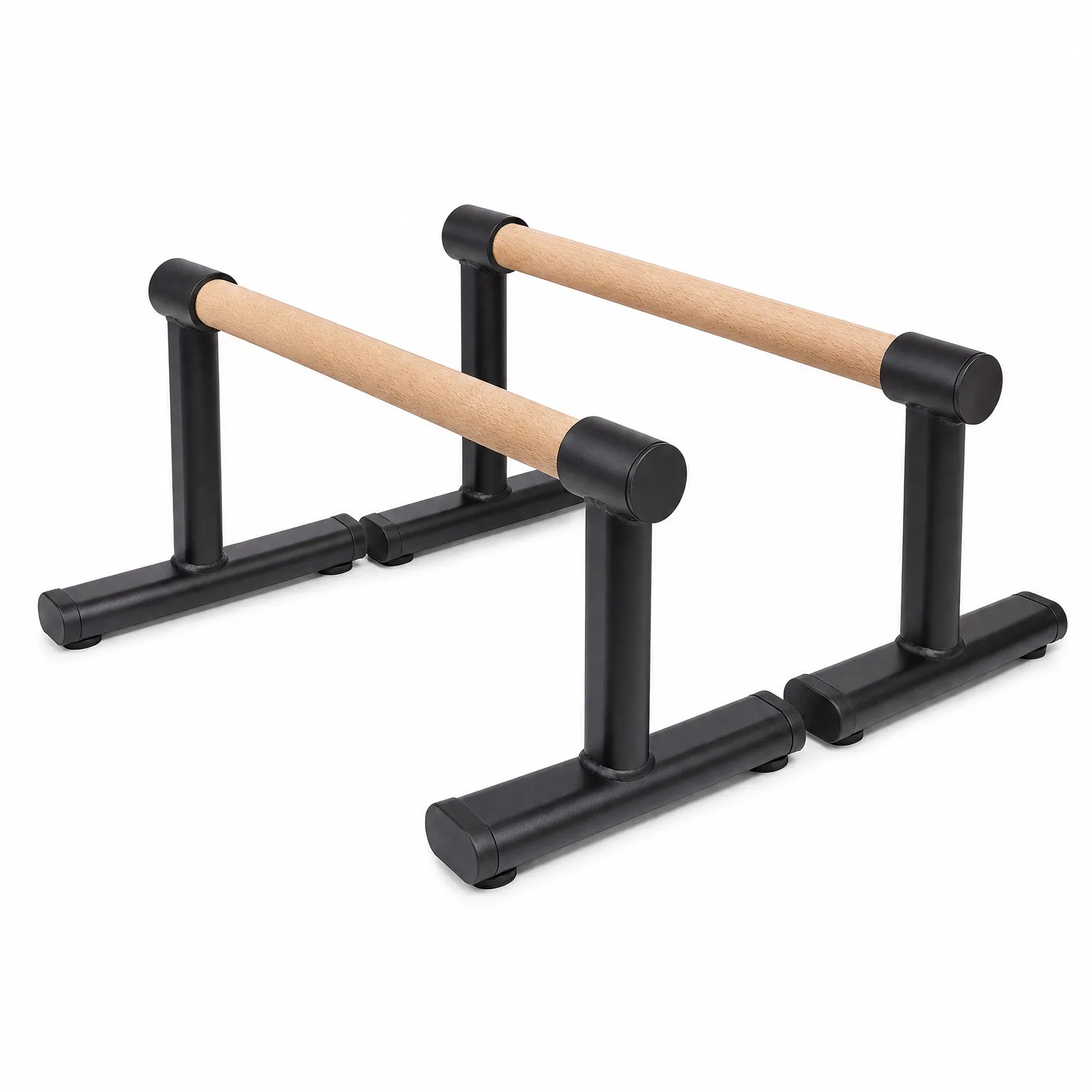
Parallettes
A pair of low parallel bars on stable feet. Used for L-sits, deep push-ups, handstands and other gymnastic strength work. -

Dumbbells
A pair of short handles with a weight at each end. One pair trains every major muscle group, at home or in a gym. -
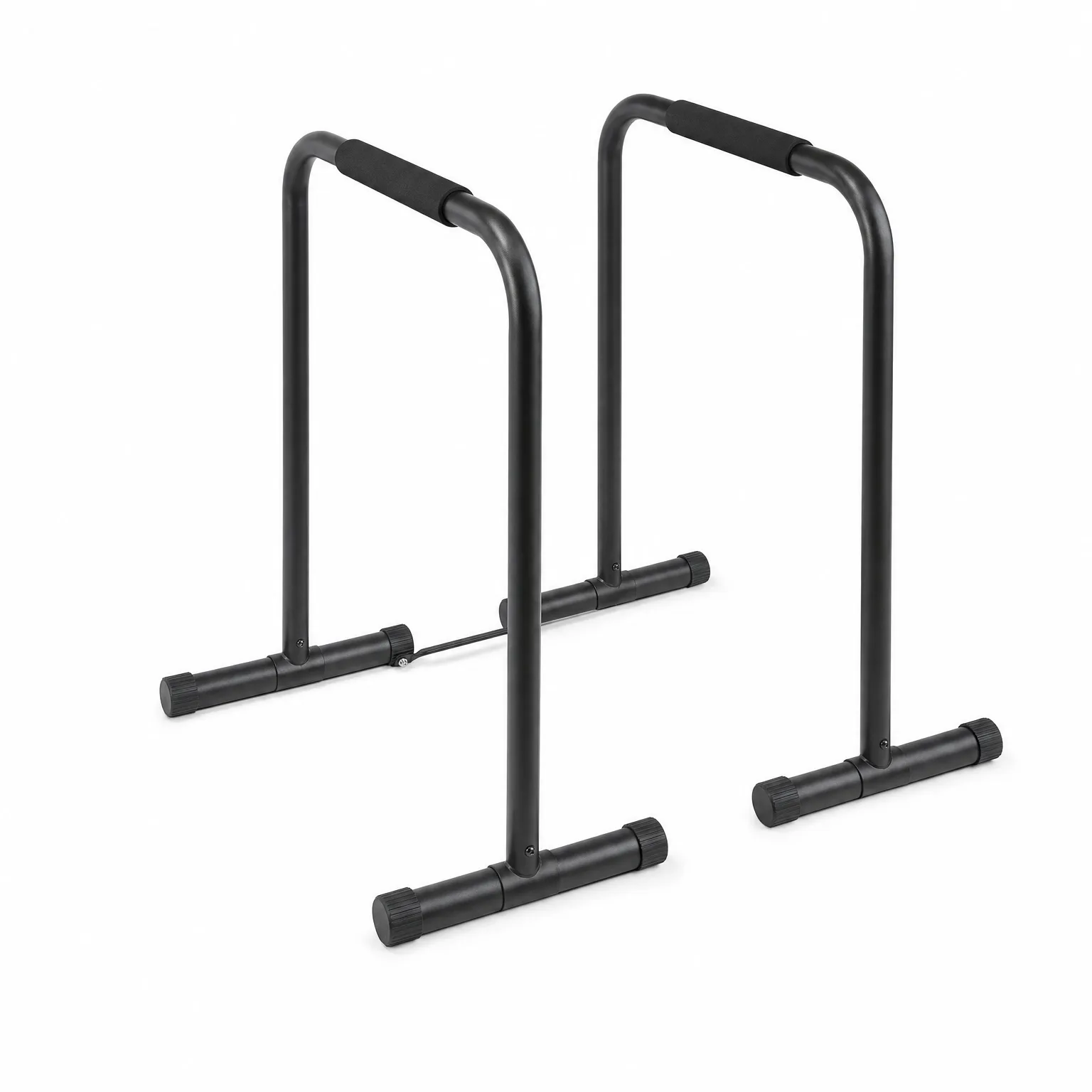
Dip bars
Two parallel bars at about waist height that you support yourself on. Used for dips, leg raises and bodyweight rows. -
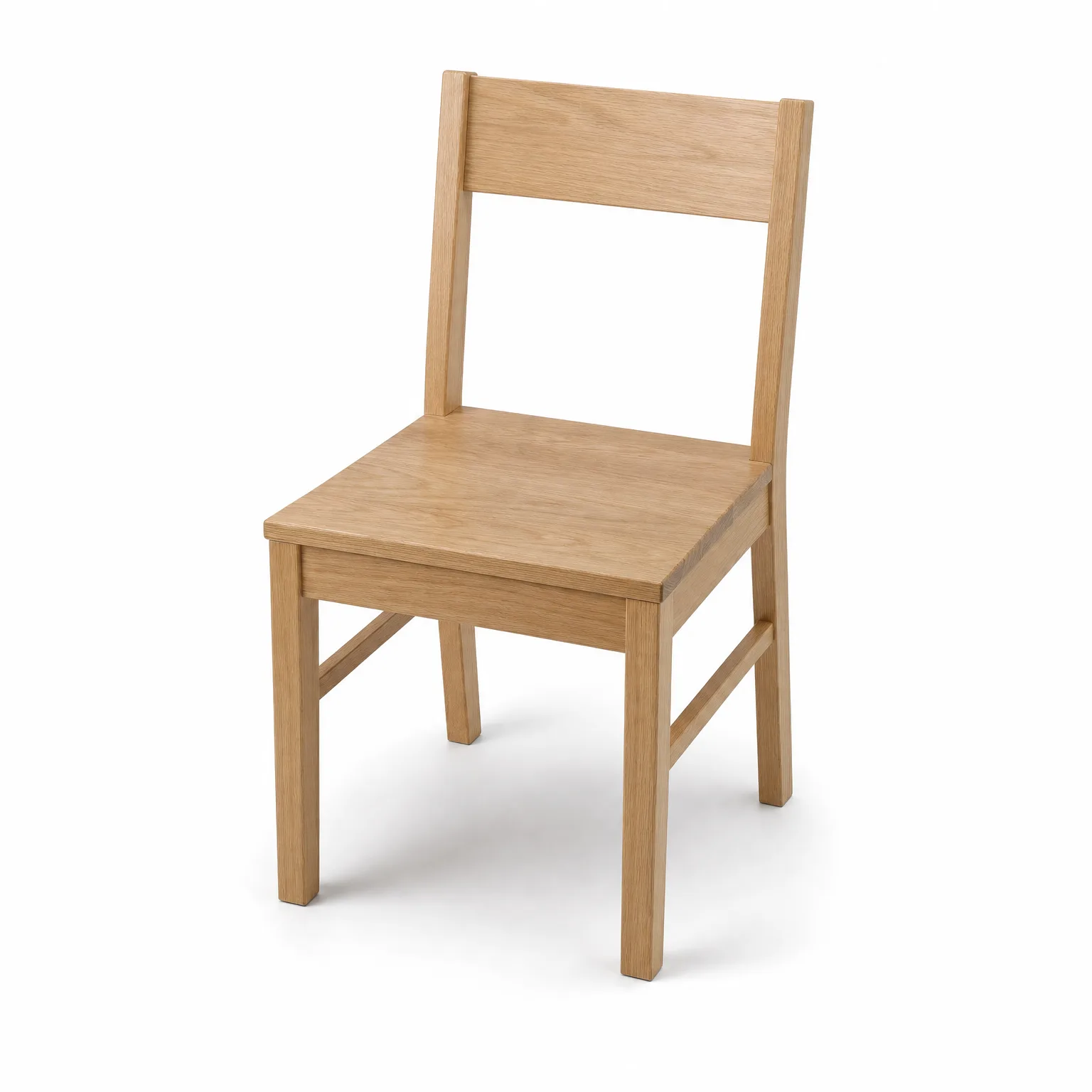
Chair
A sturdy household chair stands in for a bench, a low box or dip bars: sit-to-stands, step-ups, dips, split squats and incline push-ups.
Often used with
-

Exercise mat
A cushioned, non-slip surface for floor exercises, stretching and yoga. The first thing most people need to train at home. -
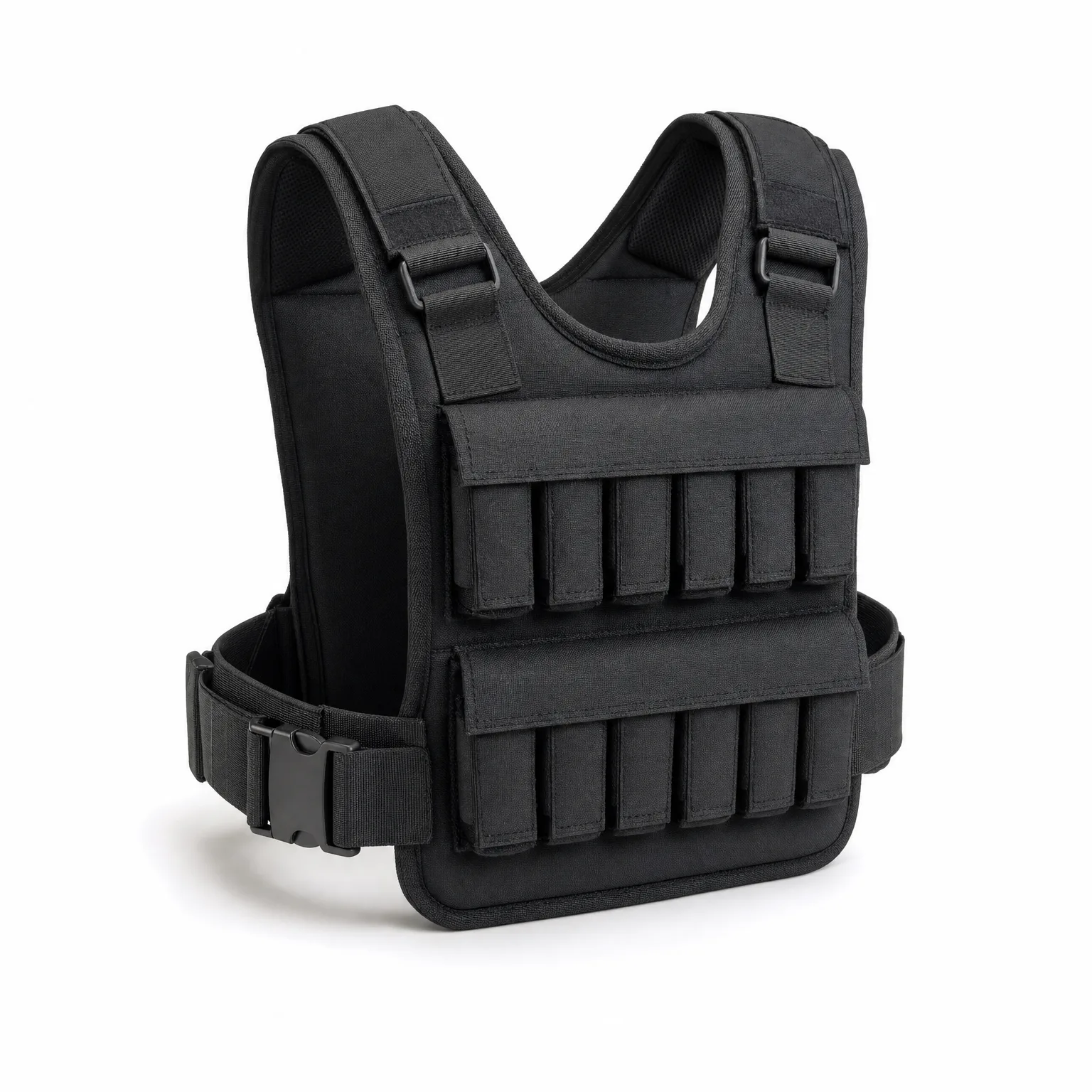
Weighted vest
A vest that carries extra weight on the torso. It makes push-ups, pull-ups, squats, walking and stair climbing harder with free hands. -
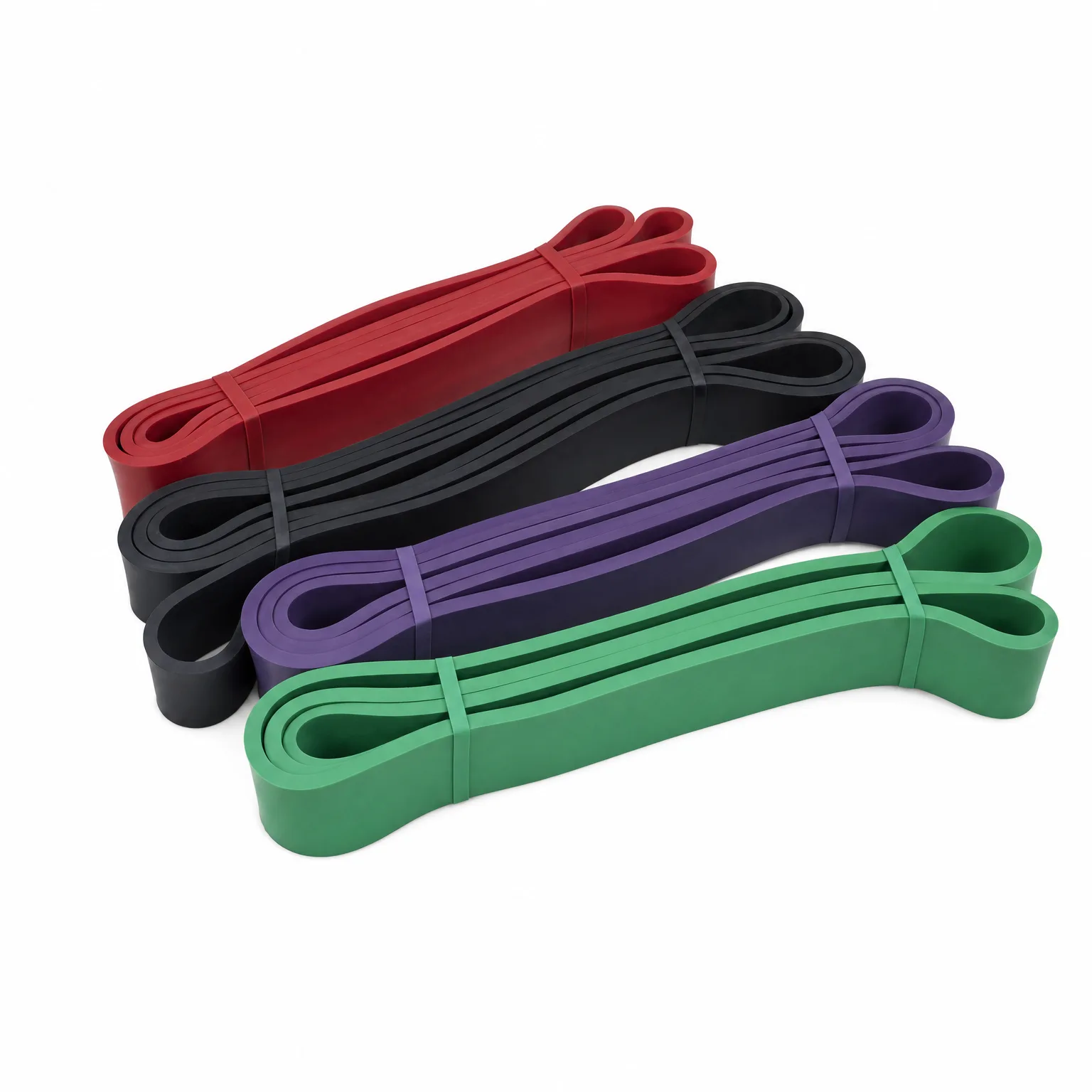
Resistance bands
Long closed loops of thick rubber. They add resistance to rows, presses and squats, or take weight off in pull-ups and dips.
Questions about push-up bars
Are push-up bars worth it?
They are a small, low-cost tool with two real benefits: a straight wrist position and a deeper range. If flat-palm push-ups bother your wrists or have become easy, they are worth having. They do not make push-ups work different muscles.
Push-up bars vs parallettes: what is the difference?
Push-up bars are short handles made mainly for push-ups. Parallettes are longer bars on wider feet, often taller, built to stay steady in L-sits, leans and handstands. You can do push-ups on both. For skills beyond push-ups, choose parallettes.
Do push-up bars build more chest?
They let the chest stretch further at the bottom, and a longer range under load is useful for muscle growth. The difference is modest. Doing hard sets close to your limit and adding difficulty over time matters more than the handles.
Do push-up bars help with wrist discomfort in push-ups?
Many people find the neutral, straight wrist position more comfortable than a bent wrist on the floor. They change the position and do not treat any condition. If your wrist hurts in daily life, have it checked before loading it.
Build programs around what your client has
This guide comes from OnlineFitness.app, the app online coaches run their clients in.
Free for life for the first 100 coachesNo card