Equipment Bands and bodyweight tools
Hand grippers
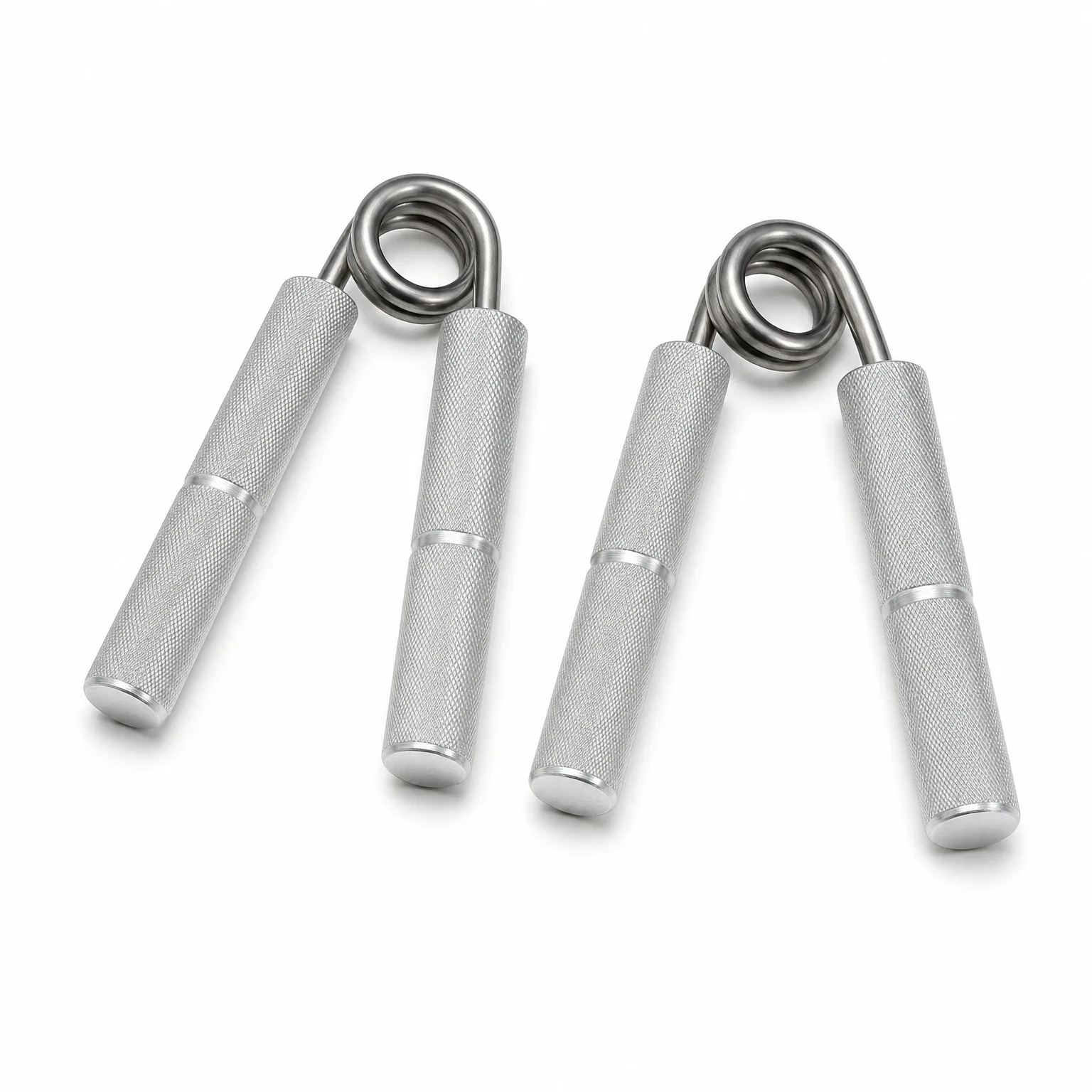
A spring-loaded pair of handles you squeeze with one hand. Trains the crushing grip and the forearm muscles that close the fingers.
In short
A hand gripper is two handles joined by a spring. You squeeze the handles together with one hand and let them open under control. It trains the crushing grip: the finger flexors and the forearm muscles that close the hand around a bar, a handle or a rope.
Grippers are small enough for a pocket and come in resistance levels from very light to ones that few people can close. They suit lifters whose grip gives out before the back or legs do, climbers and racket players adding hand strength, and anyone who wants a simple way to train the forearms.
- Category
- Bands and bodyweight tools
- Where
- Home, Gym, Travel
- Level
- Beginner and up
- Space
- Fits in a drawer or a bag
- Typical sizes
- Adjustable models span roughly 5–60 kg (10–130 lb); fixed-spring grippers start around 27 kg (60 lb) and go far higher
- Also called
- hand gripper, grip strengthener, grip trainer, hand strengthener, forearm gripper, grip strength trainer
Muscles it works
- Main
- Forearms
What it is used for
- Building crushing grip strength with low-rep closes
- Training the forearm flexors with higher-rep sets
- Timed holds with the handles closed, for grip endurance
- Warming up the hands before heavy pulling or climbing
Types
Adjustable. A dial or sliding spring changes the resistance. One gripper covers a wide range, which makes it the practical choice for most people.
Fixed torsion spring. Metal knurled handles and a coiled spring with one resistance. Sold in graded levels. The standard tool for serious grip training.
Finger trainer. A separate spring-loaded button for each finger. Used by musicians and climbers to work fingers one at a time. Light resistance.
Ring or egg. A silicone ring or squeeze ball. Soft, quiet and light. Useful for easy high-rep work, limited for strength.
How to choose
Start with a resistance you can close
You should be able to close the gripper fully for 8–12 reps. If you cannot touch the handles together, it is too heavy to train with. Ratings are not comparable between makers, so treat the number as a rough guide.
Adjustable for one tool, fixed for progress
An adjustable gripper is enough for general forearm training. If grip strength is a goal in itself, a set of two or three fixed grippers gives a clearer path: one for warm-up, one for work sets, one as a target.
Check the handle spread
With the gripper open, your fingers should wrap around the far handle comfortably. Wide-opening grippers are hard to set in small hands. Some models have a narrower spread or adjustable handles.
Knurling and comfort
Metal knurled handles do not slip and suit heavy work, but are rough on the skin. Rubber or foam handles are more comfortable for light, frequent use.
How to start using it
- Set the gripper in the hand. Place one handle against the base of the thumb, in the palm, with the spring pointing up. Use the other hand to position the second handle under the fingers, with the little finger on the handle and not hanging off the end.
- Close fully, open slowly. Squeeze until the handles touch or come as close as the design allows, hold for a second, then open under control over about two seconds. Partial closes on a gripper that is too heavy train much less.
- Train it like any other muscle. For strength, do 3–5 sets of 3–8 hard closes per hand. For forearm size and endurance, do 2–3 sets of 10–20. Rest a minute or two between sets.
- Give the hands rest days. Two or three sessions a week is enough. The tendons of the fingers and elbow adapt more slowly than muscle, so daily maximal squeezing tends to cause sore elbows and stalled progress.
Common mistakes
Choosing a gripper that is too strong
A gripper you can only half close gives almost no full-range training. Drop to a level you can shut for reps and move up when 10–12 closes are clean.
Squeezing all day, every day
Keeping a gripper on the desk and squeezing it by the hundred is a common route to aching elbows and forearms. Treat it as training with sets, reps and rest days.
Training only the squeeze
Grippers work the muscles that close the hand. Add finger extension work, such as opening the fingers against a rubber band, and some wrist extension, so the muscles that open the hand are trained too.
Expecting grippers to fix every grip problem
Holding a heavy bar is a support grip and holding plates is a pinch grip. A gripper helps, but hangs, carries and holds train those more directly.
What to use instead
Wringing out a thick wet towel, or hanging from a towel looped over a bar, works the same closing muscles. Dead hangs from a pull-up bar build support grip. Farmer's carries and long holds with heavy dumbbells or kettlebells train the grip hard with no extra equipment, and so does simply avoiding lifting straps on your pulling exercises.
-
Towel
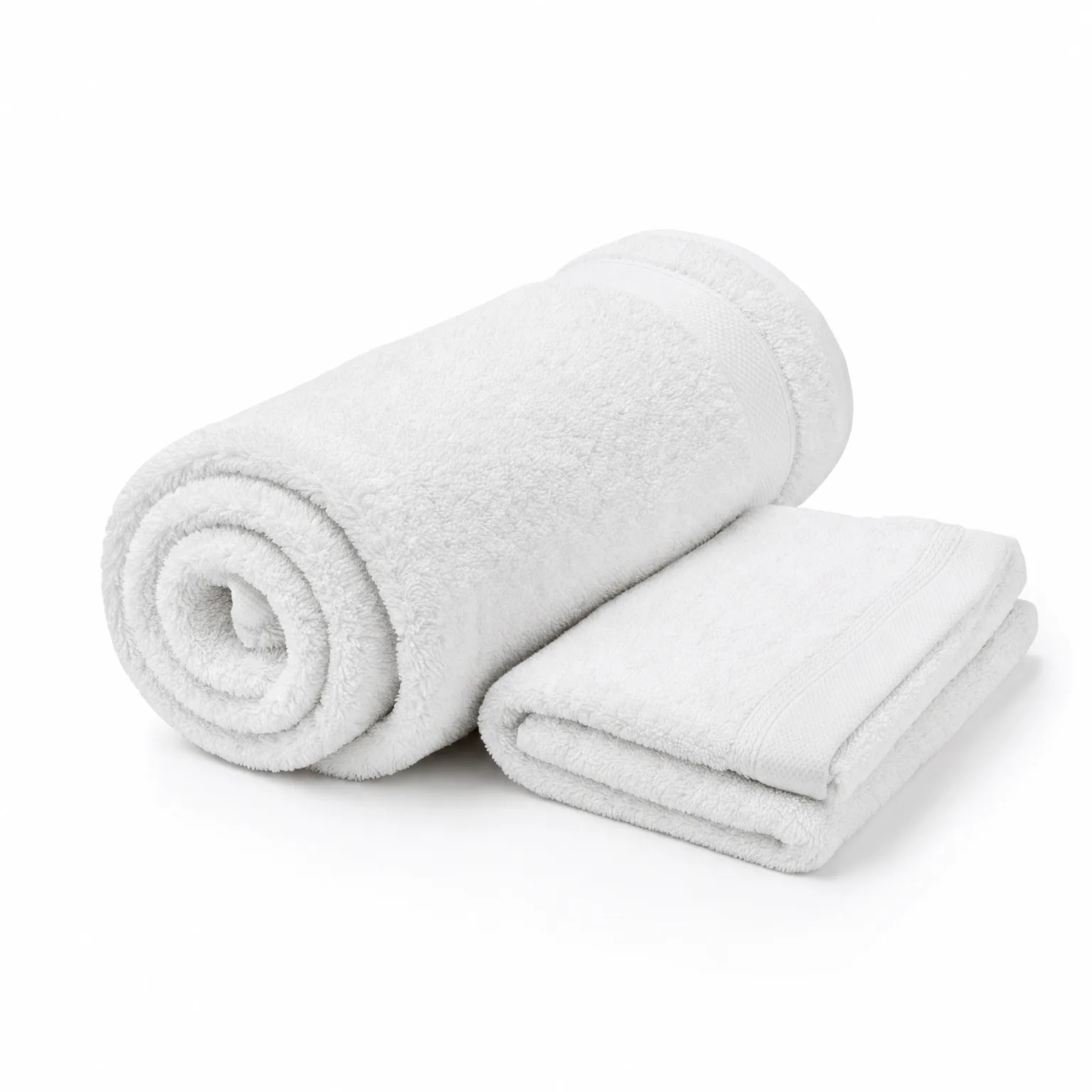
A towel doubles as sliders on a smooth floor, a stretching strap, a pulling tool for isometric exercises and padding for the knees. -
Pull-up bar
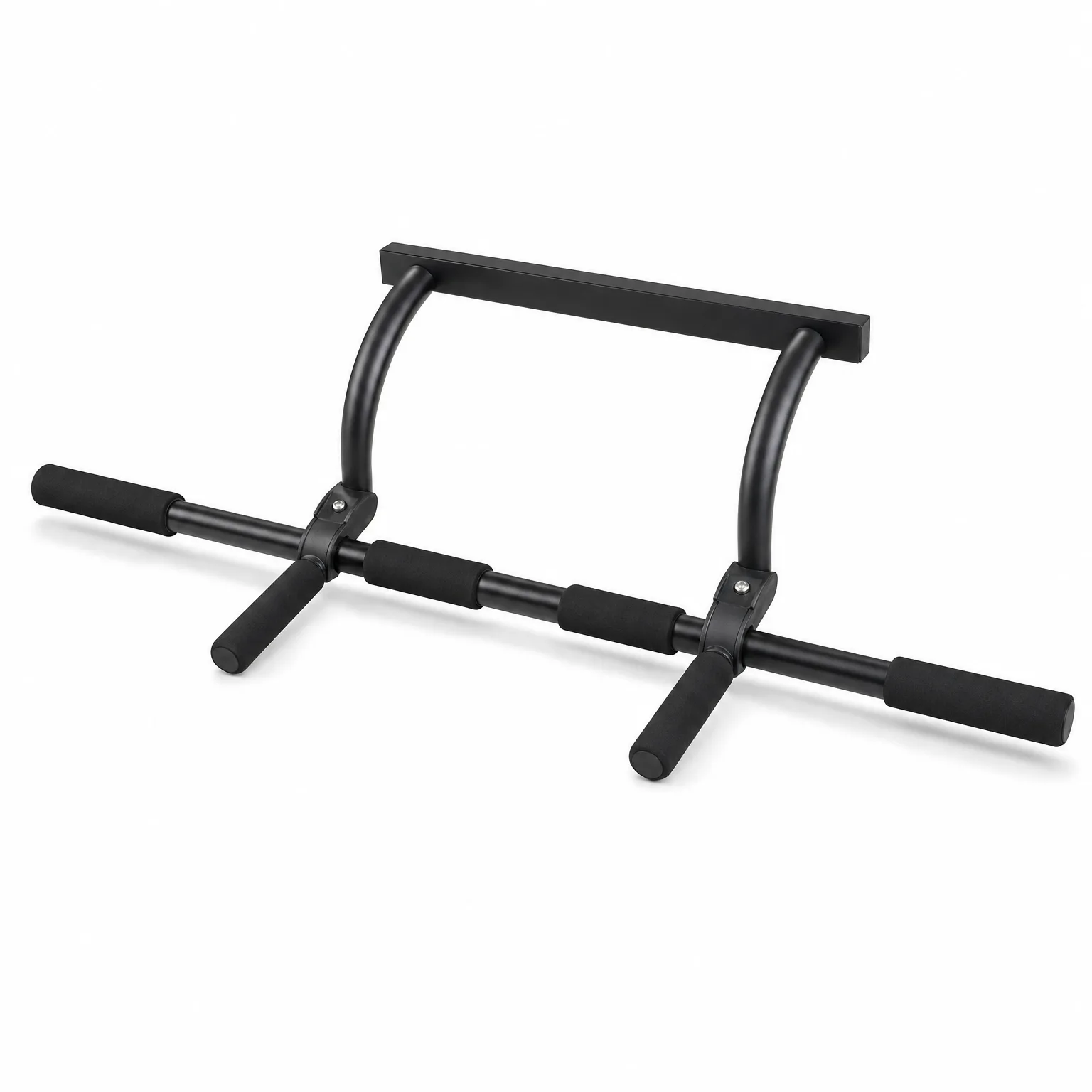
A fixed horizontal bar you hang from. Used for pull-ups, chin-ups, hangs and hanging leg raises, at home or outdoors. -

Dumbbells
A pair of short handles with a weight at each end. One pair trains every major muscle group, at home or in a gym. -
Kettlebell
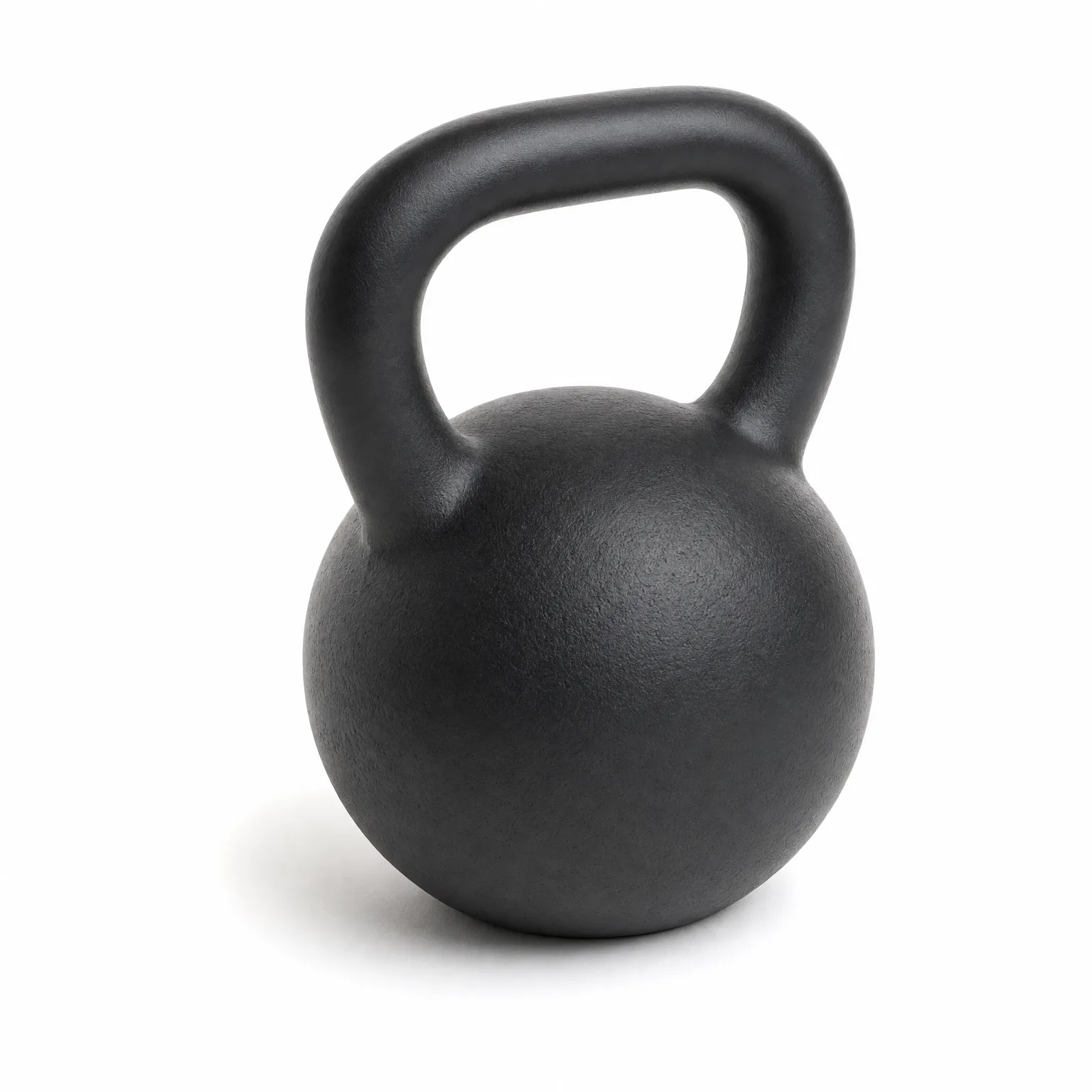
A cast-iron or steel ball with a flat base and a handle on top. Built for swings, carries, squats and presses with one weight.
Often used with

Questions about hand grippers
Do hand grippers build forearms?
They train the flexor muscles on the inner side of the forearm, and these grow with hard sets taken close to failure, like any other muscle. For complete forearm development, add wrist curls, reverse curls and extensor work, because grippers do little for the top of the forearm.
What resistance hand gripper should I start with?
One you can close completely for about 8–12 reps. For most adults new to grip training, that is found on an adjustable gripper set somewhere in the lower to middle part of its range. Test it and adjust, since the printed numbers differ between manufacturers.
How often should I use hand grippers?
Two or three times a week on non-consecutive days is enough for steady progress. If you also do heavy deadlifts, pull-ups or climbing, count those as grip work and place gripper sessions after them or on the same day.
Do hand grippers help with deadlifts and pull-ups?
They can help a little, since a stronger hand closes harder on the bar. But holding a bar is mostly a support grip, so timed bar holds, dead hangs and carries transfer more directly. Use grippers as an addition, not a replacement.
Adjustable or fixed hand grippers?
An adjustable gripper is cheaper overall and lets you change the load in small steps, which suits general training. Fixed grippers are sturdier, have a more consistent feel and go much heavier, which suits people who train grip as a goal.
Build programs around what your client has
This guide comes from OnlineFitness.app, the app online coaches run their clients in.
Free for life for the first 100 coachesNo card