Equipment Benches, racks and bars
Preacher curl bench
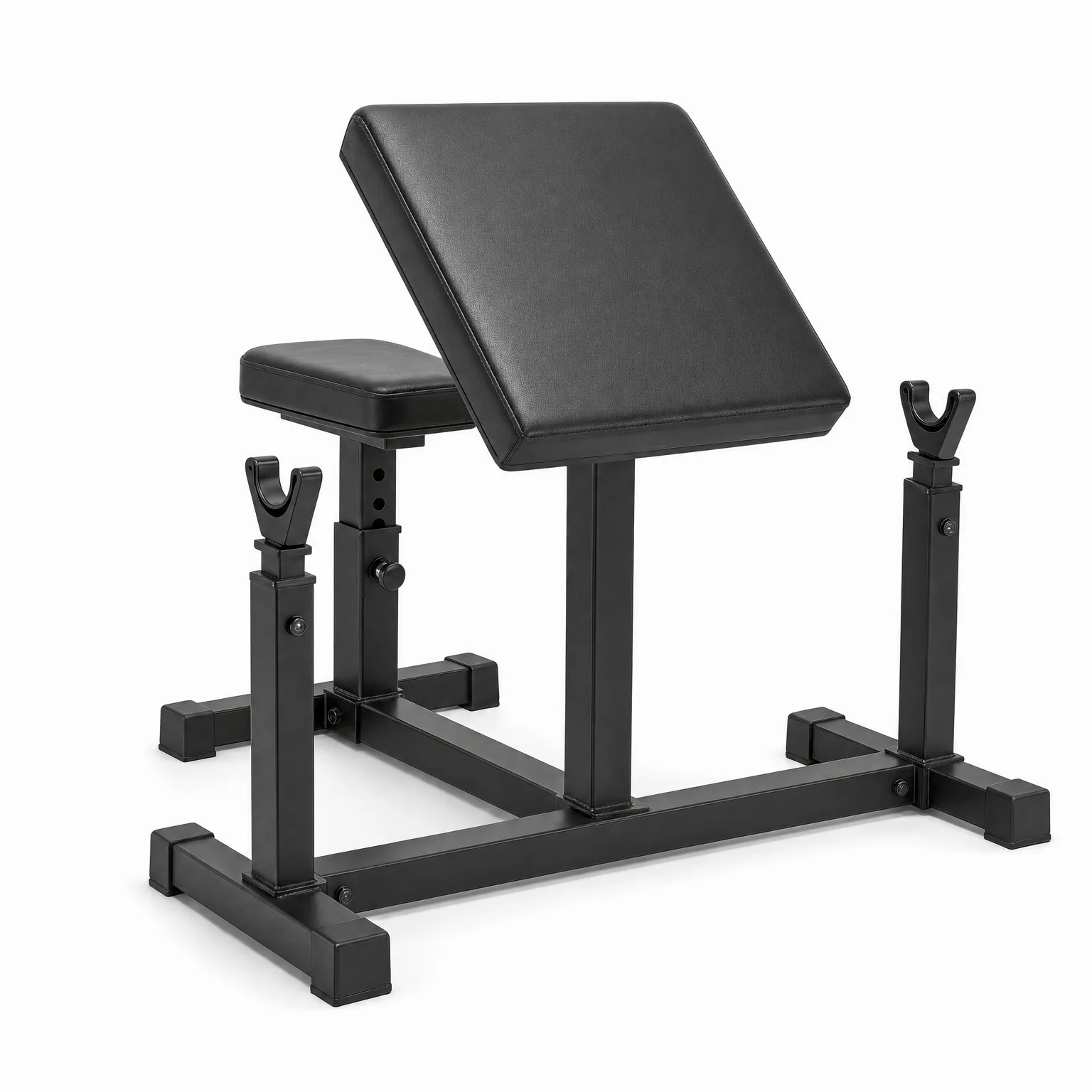
A seat with a sloped arm pad that fixes the upper arms in front of the body, so curls are done by the biceps without swinging.
In short
A preacher curl bench is a small seat with an angled pad in front of it and usually a bar rest below the pad. You sit, lay the backs of your upper arms on the pad and curl a bar or dumbbell. The pad stops the elbows moving and the torso from leaning back, so the elbow flexors do all of the work.
The hardest point is near the bottom, where the forearm is close to horizontal and the biceps is stretched. It suits anyone who wants strict biceps work, from beginners learning to curl without swinging to experienced lifters adding volume for the arms.
- Category
- Benches, racks and bars
- Where
- Gym, Home
- Level
- Beginner and up
- Space
- Needs a corner of a room
- Typical sizes
- Pad angle usually 45–60 degrees; footprint about 1 m by 0.8 m (3.3 ft by 2.6 ft); seat height adjustable on most
- Also called
- preacher bench, scott bench, preacher curl station, curl bench, arm curl bench, preacher pad
What it is used for
- Preacher curls with an EZ bar or straight bar
- One-arm dumbbell preacher curls
- Hammer and reverse-grip curls for the forearms
- Spider curls on the steep side of the pad, on benches that allow it
Types
Seated bench with bar rest. The standard gym unit: adjustable seat, sloped pad and a cradle that holds the bar at the bottom.
Standing preacher pad. A pad on a post with no seat. Takes less room and suits one-arm dumbbell work.
Bench attachment. A pad that slots into the front of an adjustable bench or a rack. Common in home gyms.
Plate-loaded or selectorized. A preacher pad built into a machine with a fixed lever arm. That is covered under the biceps curl machine.
How to choose
Set the seat so the armpits meet the pad
The top edge of the pad should sit just under the armpits with your chest against it and feet flat. Too low a seat and only the elbows touch. Too high and you hunch over the pad.
Pick the bar for your wrists
An EZ bar is the usual choice: many people find the angled grips more comfortable for the wrists than a straight bar. Dumbbells let you work one arm at a time and turn the hand freely.
For home, check the pad and rest
A wide, firm pad that does not rock, a seat that adjusts, and a bar rest you can reach without leaning forward are the three things that matter.
How to start using it
- Take the bar from the rest. Sit down, press the chest and upper arms into the pad and grip the bar at about shoulder width. Have someone hand it to you, or stand up to lift it, if the rest is too low to reach with bent arms.
- Lower slowly to a soft elbow. Lower for two to three seconds until the arms are almost straight. Stop just short of locking out, keep tension in the biceps and do not let the bar drop into the bottom.
- Curl without lifting the elbows. Bring the bar up until the forearms are about vertical. Going further takes the load off. Upper arms and armpits stay on the pad the whole time.
- Start light. Expect to use clearly less than in a standing curl. Begin with the empty bar or light dumbbells and work in sets of 8–15 clean reps.
Common mistakes
Dropping into the bottom
Letting a heavy bar fall to straight arms loads the elbow and the lower biceps tendon in their most stretched position. Control the last part of the way down and use a weight you can stop.
Lifting off the pad
Rising from the seat or pulling the elbows up to finish a rep brings the shoulders and body weight in. If the arms leave the pad, the weight is too heavy.
Half reps at the top
Working only the upper part skips the range where this bench is most useful. Use a lighter weight and go nearly to straight arms.
Bent wrists
Curling the wrists toward you shifts work to the forearms and can irritate them. Keep the wrists straight or very slightly extended.
What to use instead
A biceps curl machine gives the same supported position with a fixed path. Without a preacher bench, set an adjustable bench to a steep incline, stand behind it and curl a dumbbell with the upper arm resting on the backrest. A fitball works the same way with you kneeling behind it. A low cable with the elbow braced against the inner thigh, as in a concentration curl, also keeps the upper arm still.
-
Biceps curl machine
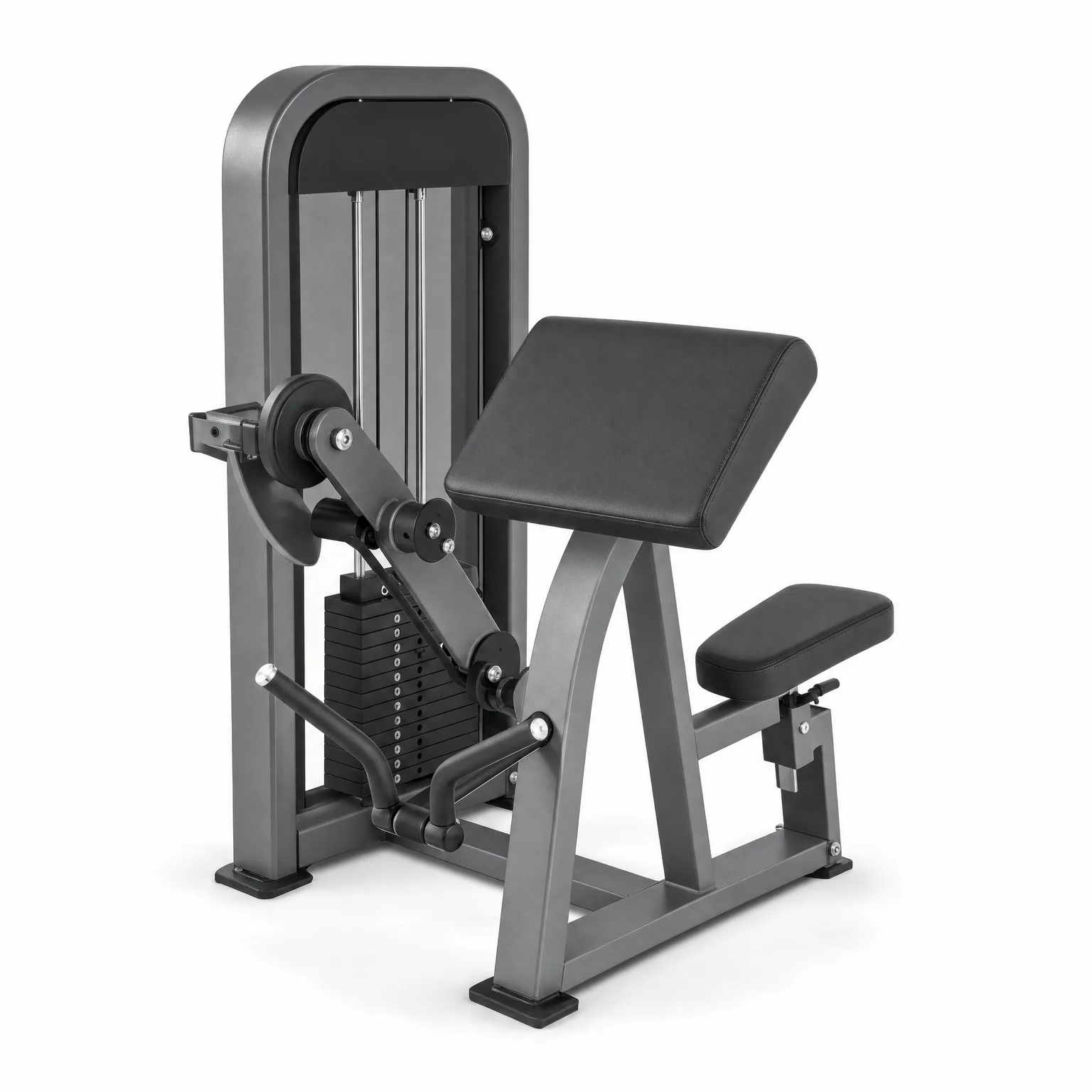
A seated machine with an arm pad and handles that curl up in a fixed arc. It isolates the biceps and stops the body from swinging. -

Weight bench
A padded bench you lie, sit or lean on while lifting. It supports the body for presses, rows, hip thrusts and seated work. -
Stability ball
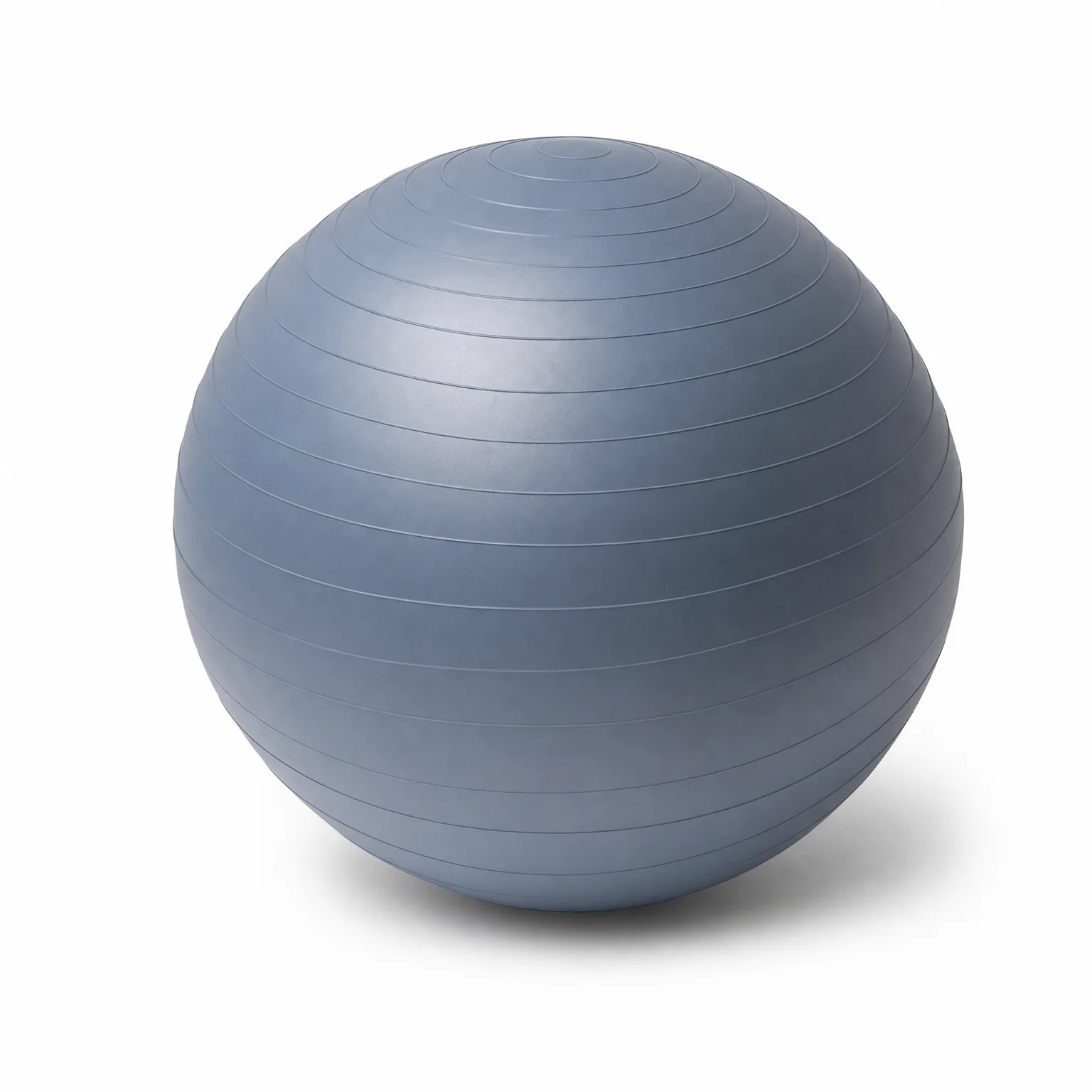
A large inflatable ball you sit, lie or lean on. The unstable surface is used for core exercises, hamstring curls and supported stretches. -
Cable machine
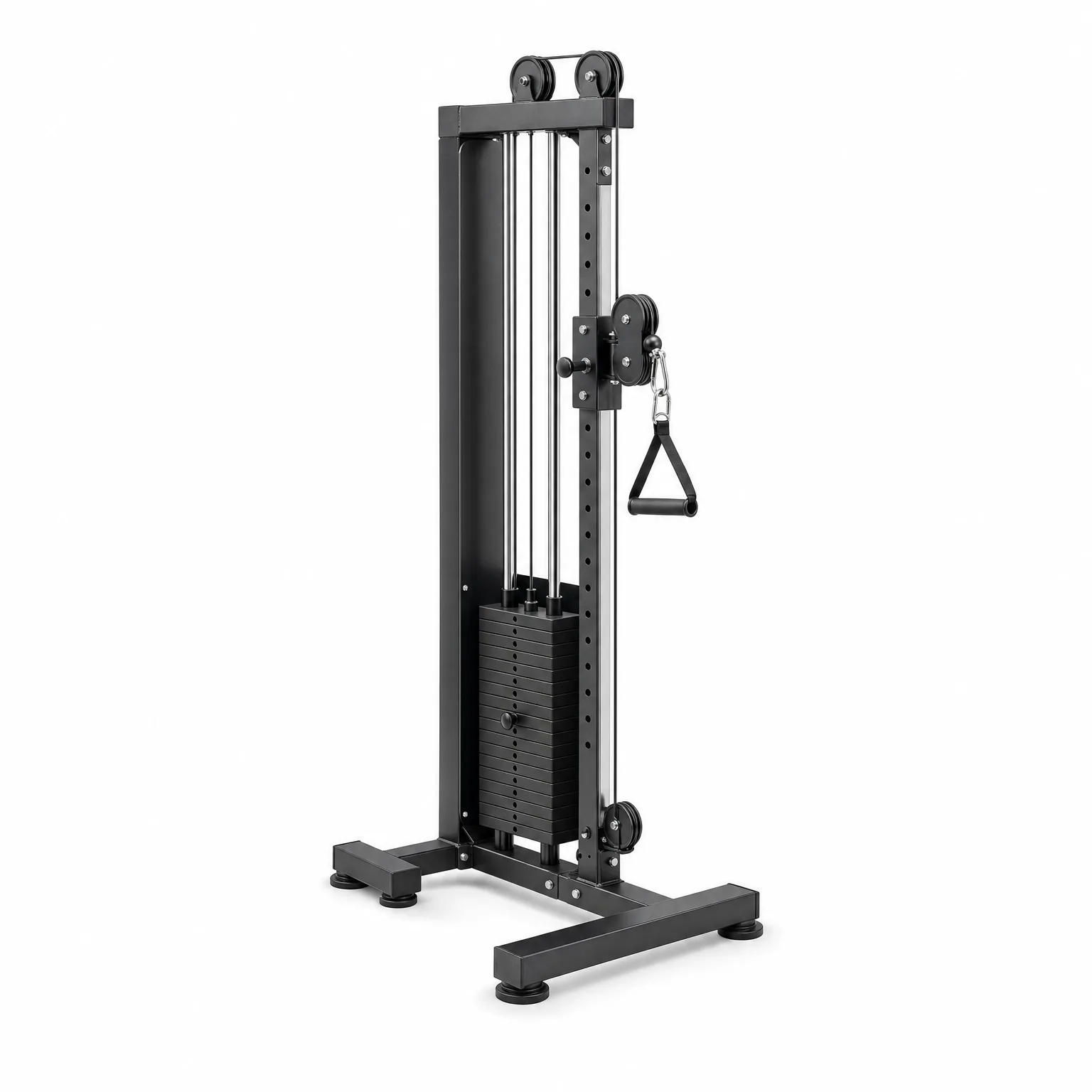
A weight stack on a pulley with a handle you can set at any height. It keeps tension on the muscle through the whole movement.
Often used with
-
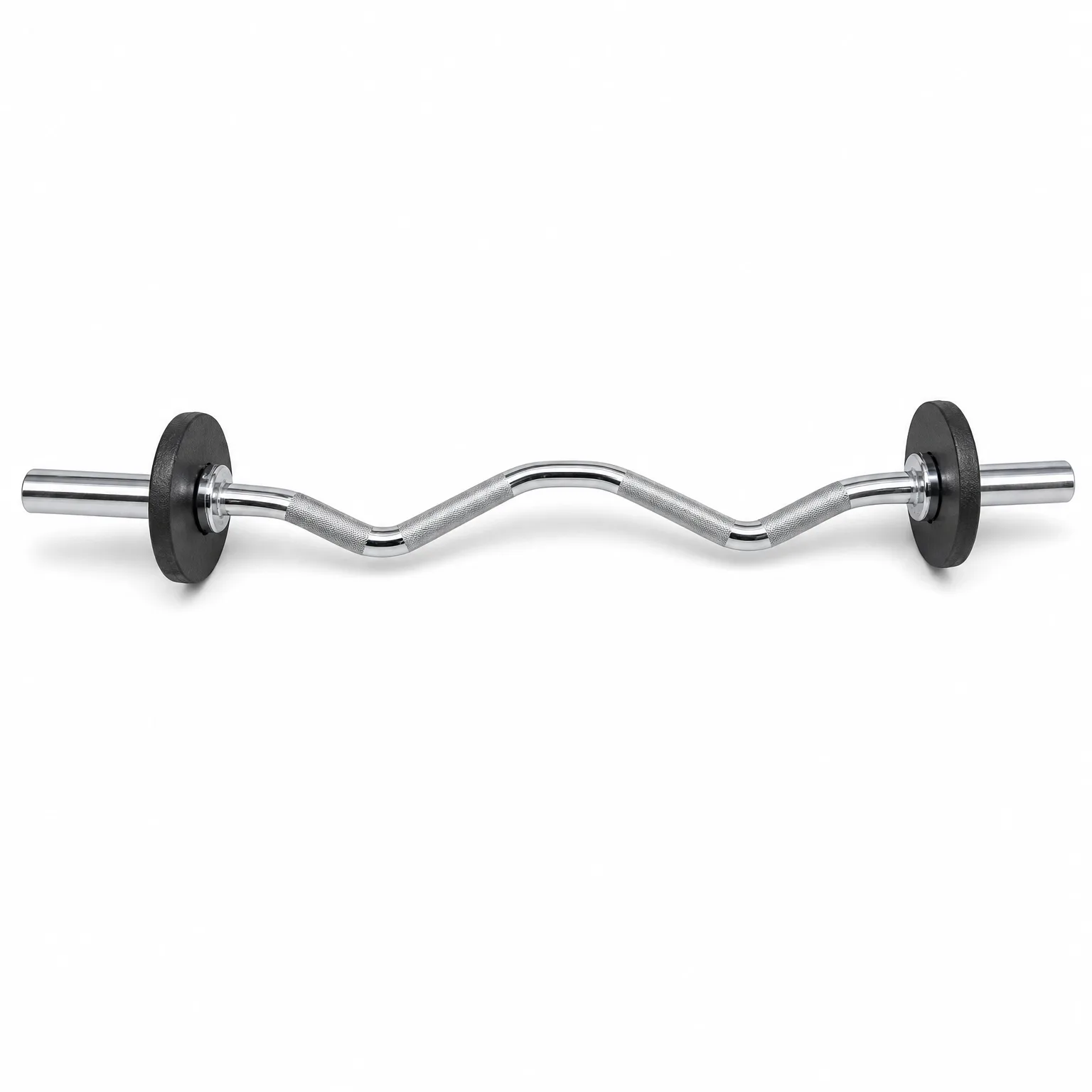
EZ curl bar
A short barbell with a zigzag grip section. The angled handles turn the wrists slightly inward for curls and triceps extensions. -

Dumbbells
A pair of short handles with a weight at each end. One pair trains every major muscle group, at home or in a gym. -
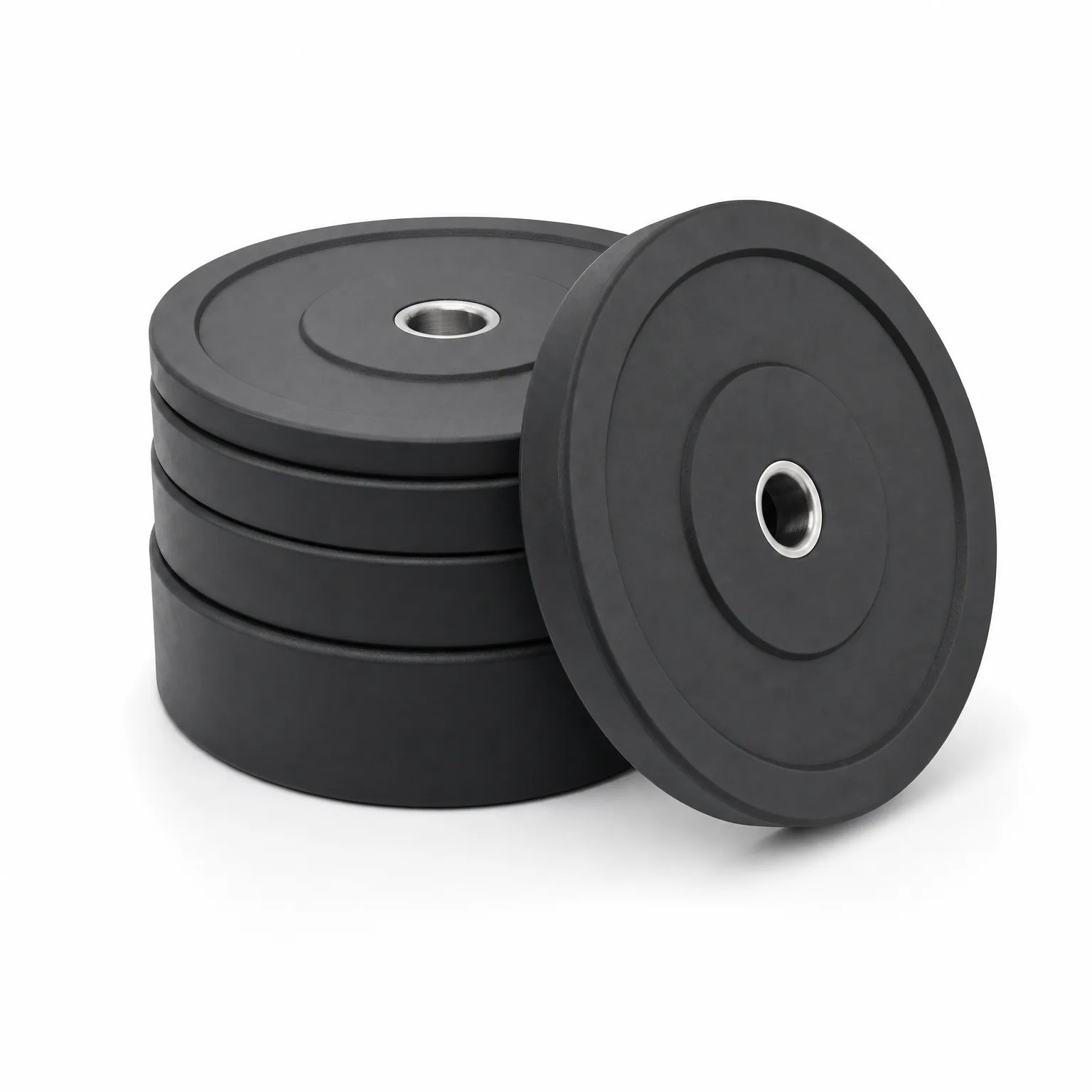
Weight plates
Flat discs that slide onto a barbell or machine to set the load. A single plate also works as a hand-held weight. -
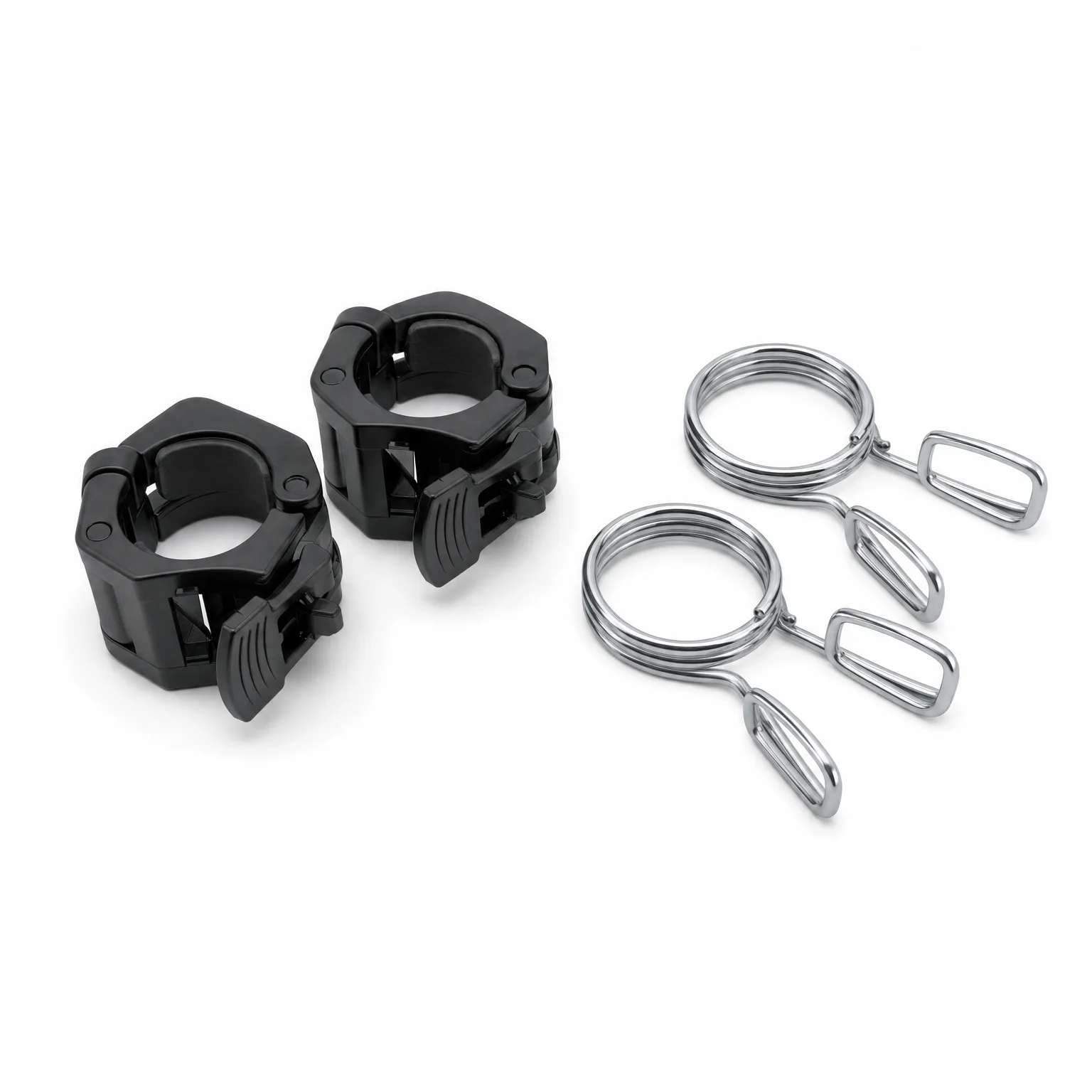
Barbell collars
Clips or clamps that slide onto the ends of a barbell and hold the weight plates in place so they cannot shift or slide off.
Questions about preacher curl bench
What muscles does the preacher curl work?
The elbow flexors: the biceps, the brachialis underneath it and the brachioradialis in the forearm. Because the upper arms are fixed in front of the body, the shoulders and back cannot help.
Preacher curl vs regular curl: what is the difference?
In a standing curl the hardest point is mid-range and you can lean back to help. On a preacher bench the pad removes the swing and moves the hardest point toward the bottom, where the biceps is longer. Most people use less weight on the preacher bench.
Should I use an EZ bar or dumbbells on a preacher bench?
Both work. An EZ bar is quicker to load and lets you use more weight. Dumbbells train one arm at a time, which shows up a weaker side and lets the hand rotate. Many programs use the bar for the main sets and a dumbbell for lighter one-arm work.
Is the preacher curl hard on the elbows?
The bottom position is demanding, because the resistance peaks low in the curl, when the biceps is stretched. Use a weight you can lower slowly, stop just short of full lockout and avoid bouncing. If the bottom is painful, shorten the range and get it checked by a professional.
Build programs around what your client has
This guide comes from OnlineFitness.app, the app online coaches run their clients in.
Free for life for the first 100 coachesNo card