Barbell collars
Clips or clamps that slide onto the ends of a barbell and hold the weight plates in place so they cannot shift or slide off.
In short
Barbell collars are clamps that fit on the sleeves of a bar, outside the plates. They stop the plates from sliding outward during a lift. Without them, a bar that tilts slightly lets plates creep toward the end. The load becomes uneven, and in the worst case plates fall off one side and the bar flips the other way.
Anyone who loads a barbell, EZ bar or trap bar uses them, from the first session. They come as spring clips, lever clamps, screw-on collars for threaded bars and heavy competition collars. The right one depends on the sleeve diameter of your bar.
- Category
- Lifting accessories
- Where
- Gym, Home
- Level
- Beginner and up
- Space
- Fits in a drawer or a bag
- Typical sizes
- 50 mm (2 in) for Olympic bars, 25 mm (1 in) for standard bars; competition collars weigh 2.5 kg (5.5 lb) each
- Also called
- bar clips, barbell clamps, spring collars, barbell clips, weight clips, bar locks, olympic collars, quick release collars
What it is used for
- Keeping plates tight on a barbell during squats, presses, deadlifts and rows
- Holding plates on EZ bars, trap bars and plate-loaded dumbbell handles
- Securing plates on a landmine or on the loading pins of plate-loaded machines
- Holding bumper plates together when the bar is dropped in Olympic lifts
Types
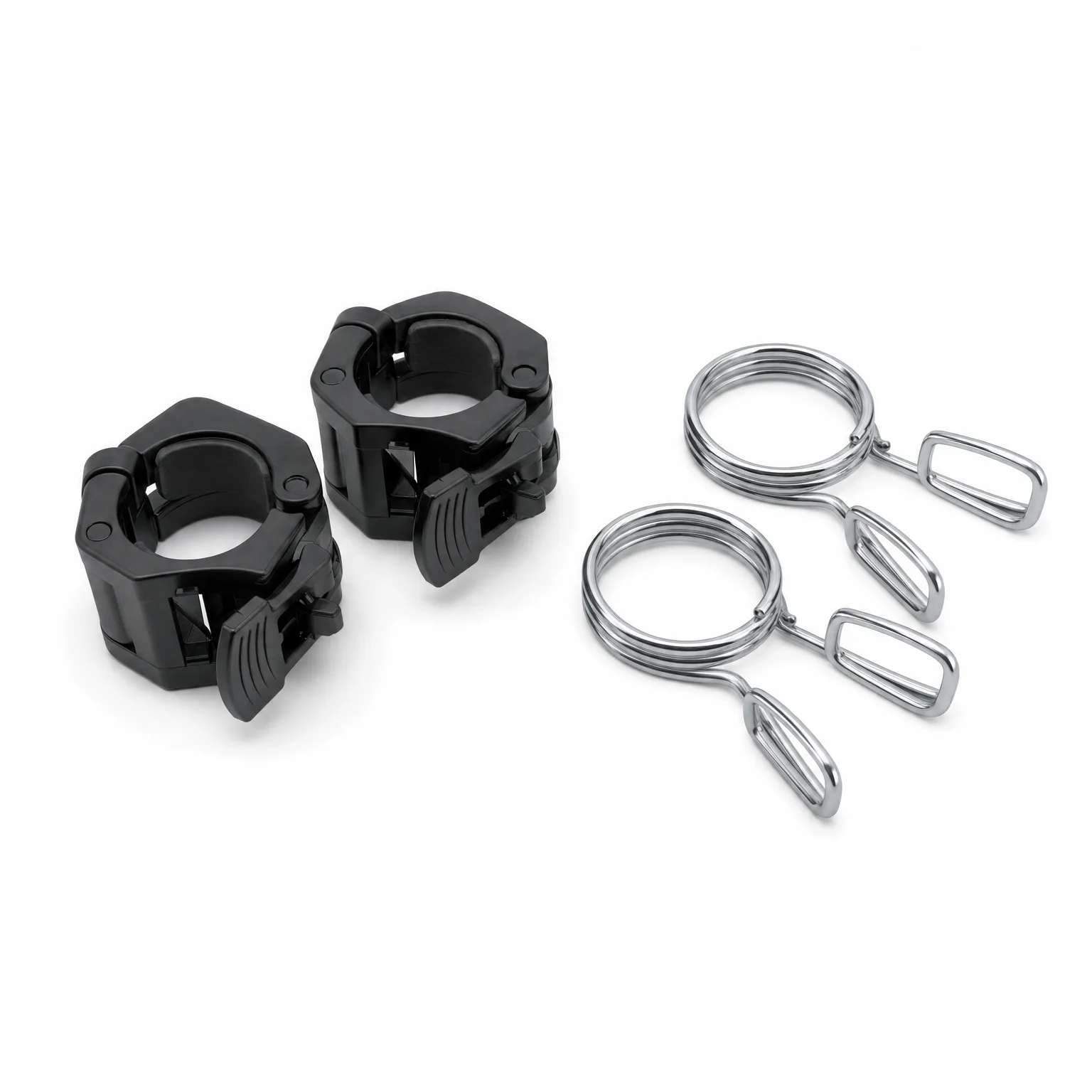
Spring clips. A coil of spring steel with two handles. Squeeze to open, release to grip. Cheap and found in every gym. They loosen with age and can slide under heavy or dropped loads.
Lever clamp collars. A plastic or aluminum ring with a hinged lever and a rubber lining. Slide on, close the lever. Quick with one hand and a firmer hold than spring clips.
Spin-lock collars. Star-shaped nuts that screw onto threaded 25 mm (1 in) bars and dumbbell handles. Secure but slow, and they can work loose as the plates turn.
Competition collars. Heavy steel collars of 2.5 kg (5.5 lb) each with a screw clamp. Used in weightlifting and powerlifting meets. They count toward the weight on the bar.
Screw clamp collars. A steel ring with a bolt that tightens against the sleeve. Very secure and slow to change. Common on older bars and on standard 25 mm (1 in) bars.
How to choose
Match the sleeve diameter
Olympic bars have 50 mm (2 in) sleeves and standard bars have 25 mm (1 in) ends. Collars do not swap between them. Some specialty bars and older bars have slightly different sleeves, so test the fit.
Choose by how you lift
Spring clips are enough for moderate loads that are not dropped. Lever clamps are better for heavy work and frequent plate changes. If you drop the bar from overhead, use lever clamps or competition-style collars that hold bumper plates together.
Check the grip on your bar
A collar should not slide when you push it by hand along the sleeve. Smooth chrome sleeves hold less than grooved ones, so a rubber-lined clamp works better there.
Count collar weight if it matters
Spring clips and light clamps weigh so little they are ignored. Competition collars add 5 kg (11 lb) per pair, which belongs in your training log.
How to start using it
- Push the plates in first. Slide every plate fully against the bar's shoulder and against each other. A collar closed over a gap leaves room for the plates to move.
- Fit the collar tight against the last plate. Open the collar, slide it up until it touches the outer plate and close it. Do the same on the other side. Give each collar a tug to confirm it holds.
- Recheck between sets. Collars creep, especially spring clips and especially after a bar has been set down hard. Look at both ends before every set and push the plates back in if a gap has opened.
- Unload evenly. On a rack, take the collar and plates off one side only partly before doing the other. A bar stripped on one side and still loaded on the other can tip off the hooks.
Common mistakes
Lifting without collars
A small tilt in a squat or press is enough to send plates sliding. Once one side sheds weight, the bar whips toward the other. Use collars as the default on every loaded bar.
Trusting worn spring clips
Old clips that slide on with no effort hold almost nothing. If you can push a closed clip along the sleeve with a finger, swap it for a tighter one.
Leaving a gap
A collar set a few centimeters from the plates lets them rattle and shift on every rep, which changes the balance of the bar. Close it flush against the plate.
Leaving collars off as a safety plan
Some people who bench press alone skip collars so they can tip the plates off if a rep fails. It is unpredictable and can injure you or others. Safety bars in a rack or a spotter are the reliable answer.
What to use instead
There is no good stand-in for a collar, and they cost little, so it is worth owning a pair. In a gym with none free, the practical options are to wait for a pair or to do the exercise with fixed-weight dumbbells or a machine instead. Improvised fixes such as tape or a band wound around the sleeve do not hold plates reliably and should not be used under load.
Often used with
-

Barbell
A long steel bar loaded with plates at both ends. The standard tool for squats, deadlifts, presses and rows with heavy weight. -
Weight plates
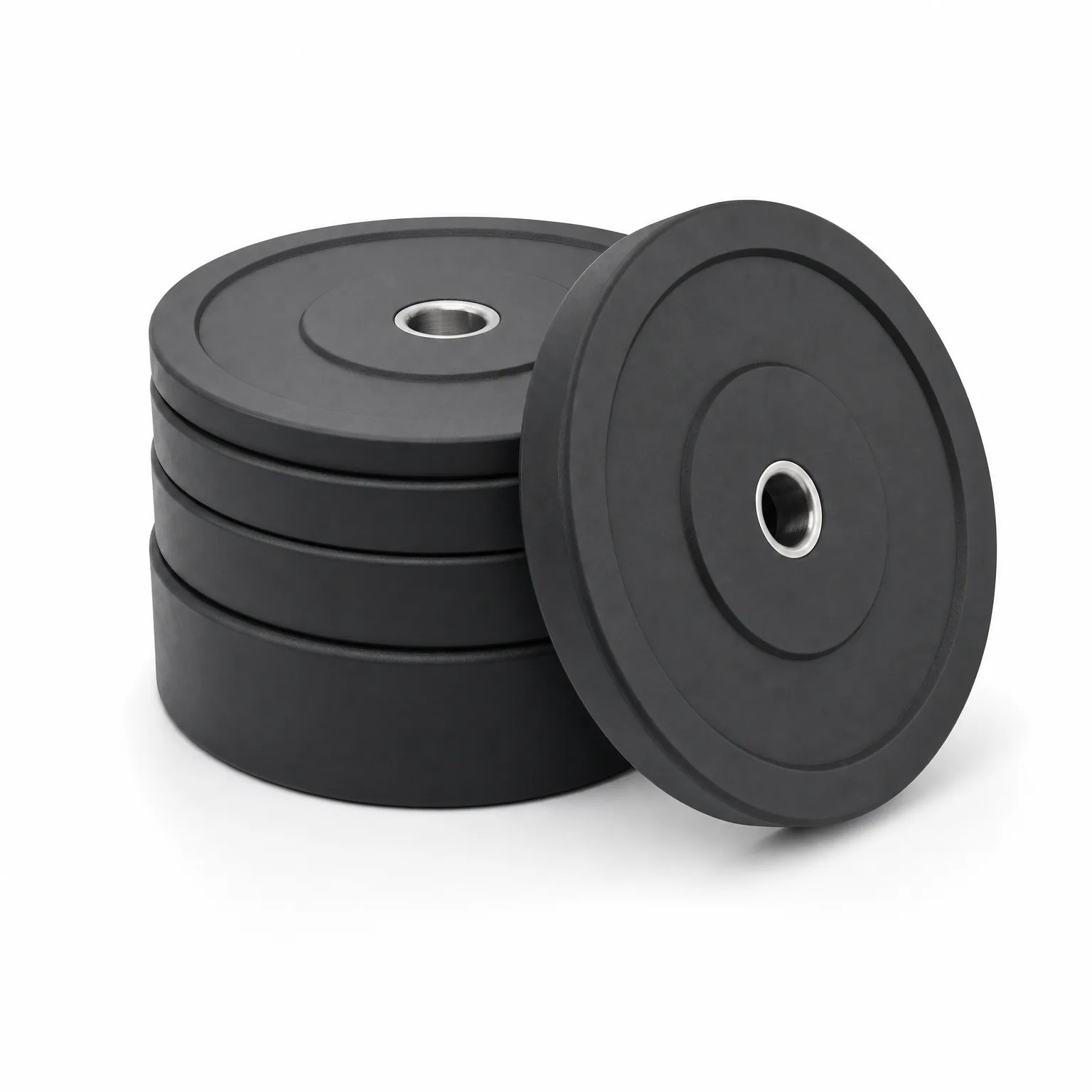
Flat discs that slide onto a barbell or machine to set the load. A single plate also works as a hand-held weight. -
EZ curl bar
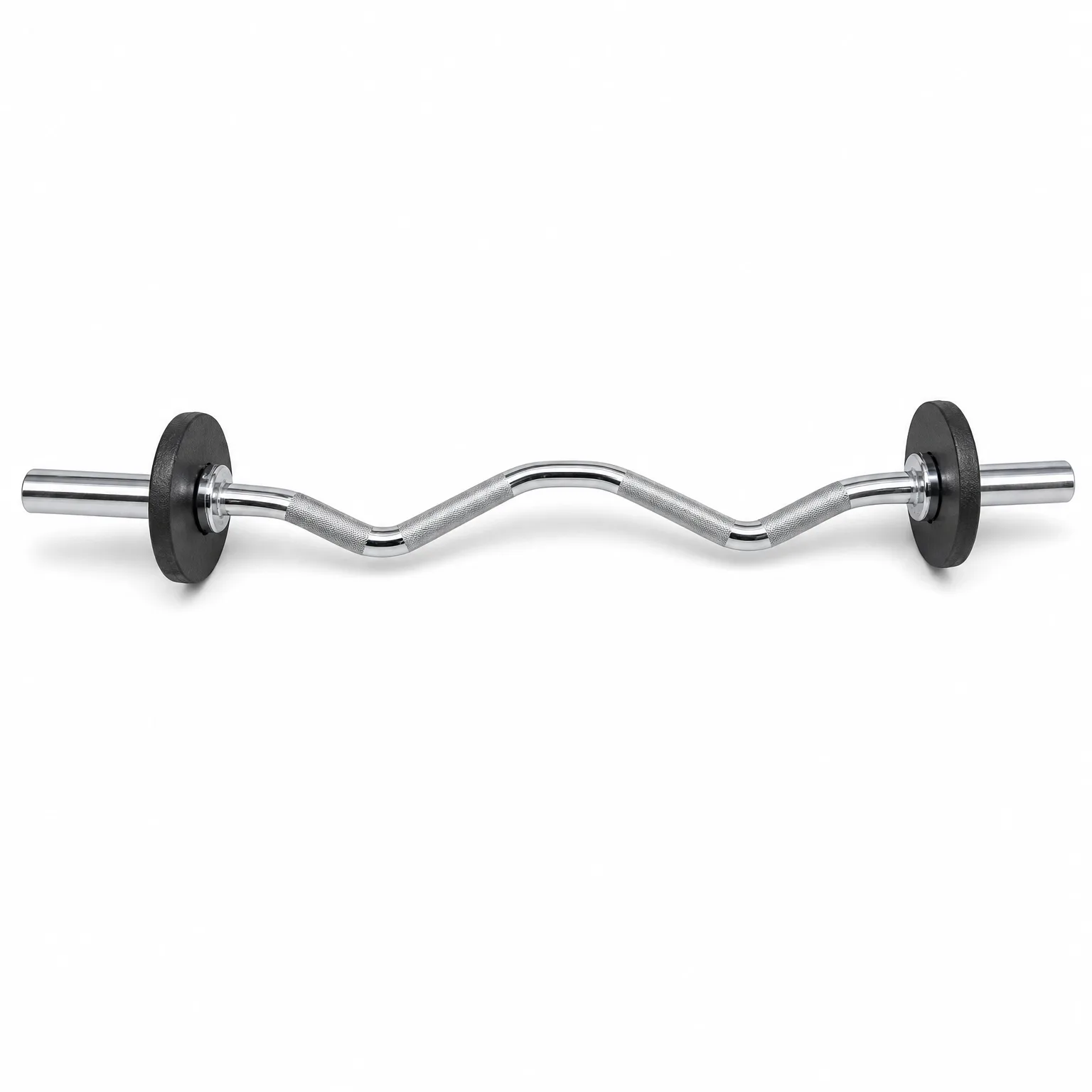
A short barbell with a zigzag grip section. The angled handles turn the wrists slightly inward for curls and triceps extensions. -
Trap bar
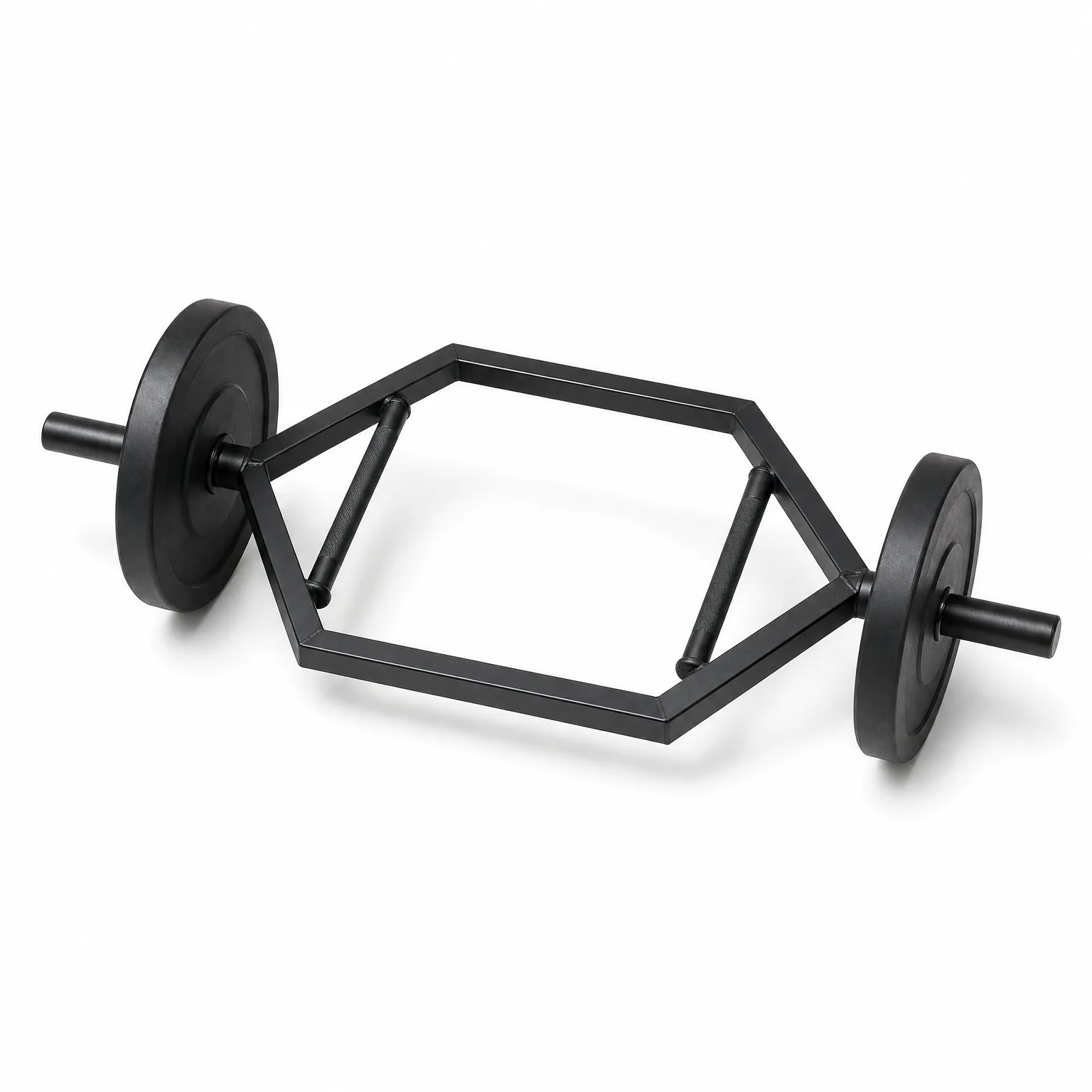
A hexagonal bar you stand inside and lift by two side handles. Used for deadlifts, carries, shrugs and jumps.
Questions about barbell collars
Do you need collars on a barbell?
Yes, as a rule. Bars rarely stay perfectly level, and plates slide on a tilted sleeve. Collars keep the load balanced and stop plates from falling. It takes a few seconds and removes an avoidable cause of gym accidents.
What size collars do I need?
Measure the end of the bar where the plates go. A 50 mm (2 in) sleeve is an Olympic bar and needs Olympic collars. A 25 mm (1 in) end is a standard bar and needs standard collars, or spin-lock nuts if the end is threaded.
Spring clips or clamp collars?
Spring clips are cheap and adequate for moderate, controlled lifts. Lever clamp collars grip harder, go on and off with one hand and keep their hold for years. If you lift heavy, deadlift from the floor or drop the bar, clamps are the better choice.
Do barbell collars count toward the weight?
Spring clips and light plastic clamps weigh so little that nobody counts them. Competition collars weigh 2.5 kg (5.5 lb) each, so a pair adds 5 kg (11 lb) and is always included in the total.
Should you bench press without collars when alone?
It is a common piece of gym advice, but it is not a dependable safety method: plates can slide off unevenly and the bar can swing. A better setup is a rack with safety bars set just below chest height, or a spotter.
Build programs around what your client has
This guide comes from OnlineFitness.app, the app online coaches run their clients in.
Free for life for the first 100 coachesNo card