Lateral raise machine
A seated machine with arm pads you lift out to the sides. It targets the side delts and keeps the load even through the whole raise.
In short
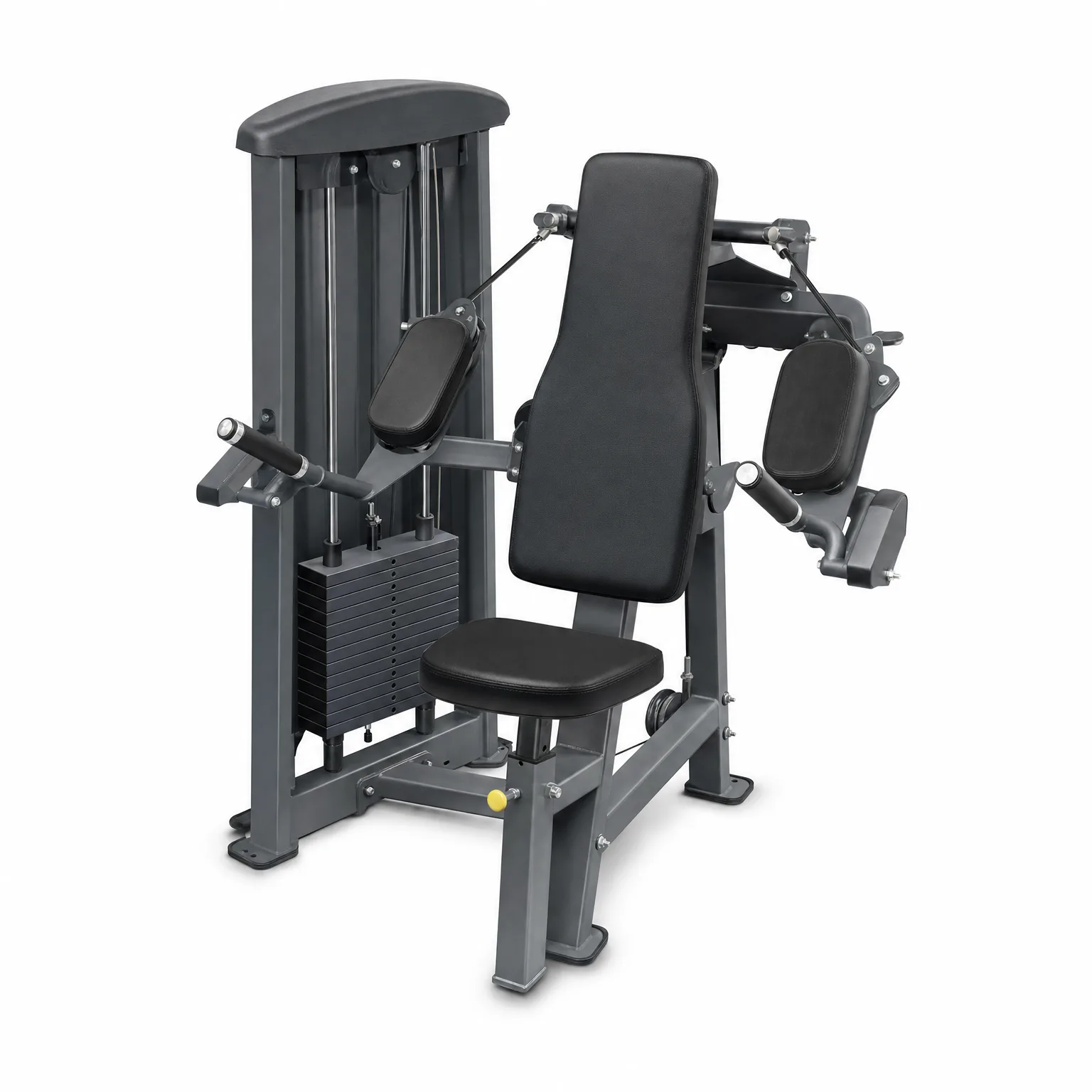
A lateral raise machine is a seat with two lever arms that end in pads or handles. You sit, place your upper arms or forearms against the pads and lift them out to the sides until they reach shoulder height. It trains the middle part of the deltoid, the muscle that gives the shoulder its width.
With dumbbells, a lateral raise is almost weightless at the bottom and heaviest at the top. The machine's cam spreads the resistance over the whole arc, and the load sits on the arm near the elbow, so the grip and wrists are not a limit. It suits beginners and lifters adding shoulder volume.
- Category
- Gym machines
- Where
- Gym
- Level
- Beginner and up
- Space
- Needs a dedicated area
- Typical sizes
- Footprint about 1.0–1.3 m x 1.0–1.3 m (3.3–4.3 x 3.3–4.3 ft); stack or plate load varies by model
- Also called
- side raise machine, lateral raise, machine lateral raise, deltoid raise machine, side lateral machine, shoulder raise machine, deltoid fly machine
Muscles it works
- Main
- Side delts
- Also works
- Traps, Front delts
What it is used for
- Strict side raises for the middle delts with no swing
- Higher-rep shoulder work after overhead pressing
- One-arm raises on machines with independent arms
- Drop sets, which take seconds with a pin
Types
Seated with arm pads. Pads rest on the outside of the arms just above the elbows, with small handles to hold. The most common type.
Standing. You stand and lean into a chest pad or stand upright between the arms. Takes less floor space and needs more control of the torso.
Plate-loaded. Lever arms loaded with plates, usually independent for left and right.
Chest-facing seat. You sit facing the pad with the chest supported. This stops leaning back and keeps the raise slightly in front of the body.
How to choose
Set the seat height
Adjust the seat so your shoulder joints are level with the pivots of the lever arms, which are usually marked on the frame. If they are not level, the pads slide along your arms as you lift, or you have to shrug or slouch to fit them.
Place the pads above the elbows
The pads should press on the outside of the upper arm just above the elbow, or on the forearm near the elbow, depending on the model. Hold the handles loosely. The arms push the pads, the hands only guide.
Start at the top of the stack
The side delts are small muscles. Begin with one of the lightest settings and do 12–15 reps. Add load only when you can lift to shoulder height without the shoulders rising toward the ears.
Check for a half-step weight
One full plate can be a large jump on this machine. Many stacks have a small add-on weight on top for half steps. Use it.
How to start using it
- Sit tall against the pad. Sit with your back or chest against the support, feet flat on the floor or footrests. Place the arms under or inside the pads with the elbows bent to about 90 degrees, as the machine dictates.
- Lead with the elbows. Lift the arms out to the sides by pushing the elbows up and away from the body. Stop when the upper arms are level with the shoulders. Keep the shoulders down and the neck long.
- Pause, then lower slowly. Hold the top for a moment, then lower over two to three seconds. Stop just before the stack touches down so the muscle stays loaded.
- Keep the torso still. The body should not rock to the sides or lean back. If it does, the weight is too heavy for the side delts and other muscles are taking over.
Common mistakes
Shrugging the weight up
Raising the shoulders toward the ears moves the work to the upper traps. Lower the load and think of pushing the elbows out wide, not up.
Lifting far above shoulder height
Past the level of the shoulders the traps take over, and some people feel pinching at the top of the shoulder. Stop at about parallel to the floor.
Throwing the pads up
Jerking out of the bottom uses momentum for the hardest part and leaves little for the muscle. Start each rep from a near stop.
Pushing with the hands
Gripping hard and pressing through the handles bends the wrists and brings the forearms in. Let the pads carry the load on the arms.
Too much weight
This is the most common error on this machine. The side delts respond well to moderate loads and higher reps done strictly.
What to use instead
Dumbbell lateral raises train the same muscle, with the load heaviest at the top. A cable set at the lowest position, pulled across the body with one arm, keeps tension through the whole raise and is the closest match to the machine. At home, a resistance band under the foot works, and for a beginner a pair of filled water bottles is enough load to start.
-

Dumbbells
A pair of short handles with a weight at each end. One pair trains every major muscle group, at home or in a gym. -
Cable machine
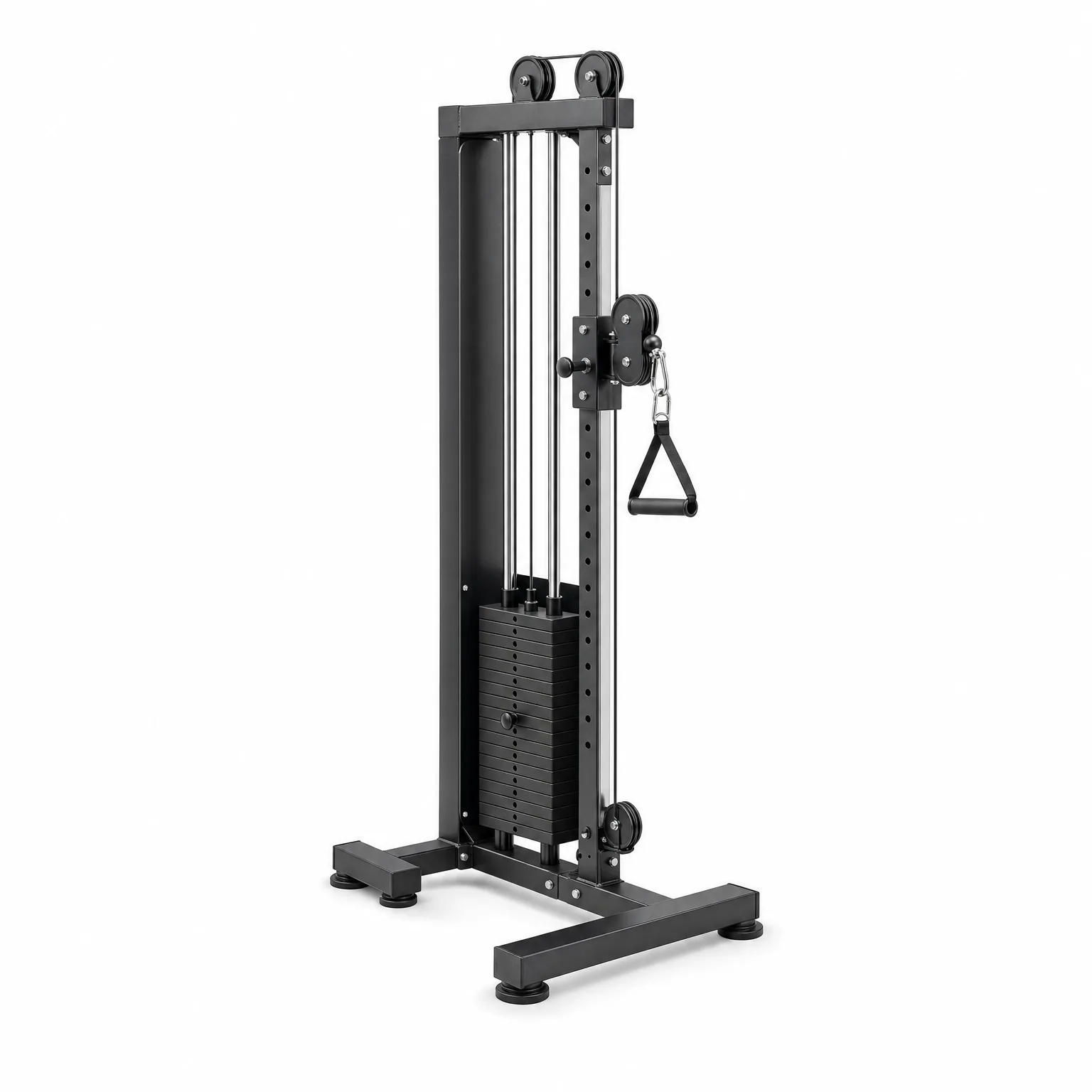
A weight stack on a pulley with a handle you can set at any height. It keeps tension on the muscle through the whole movement. -
Resistance bands
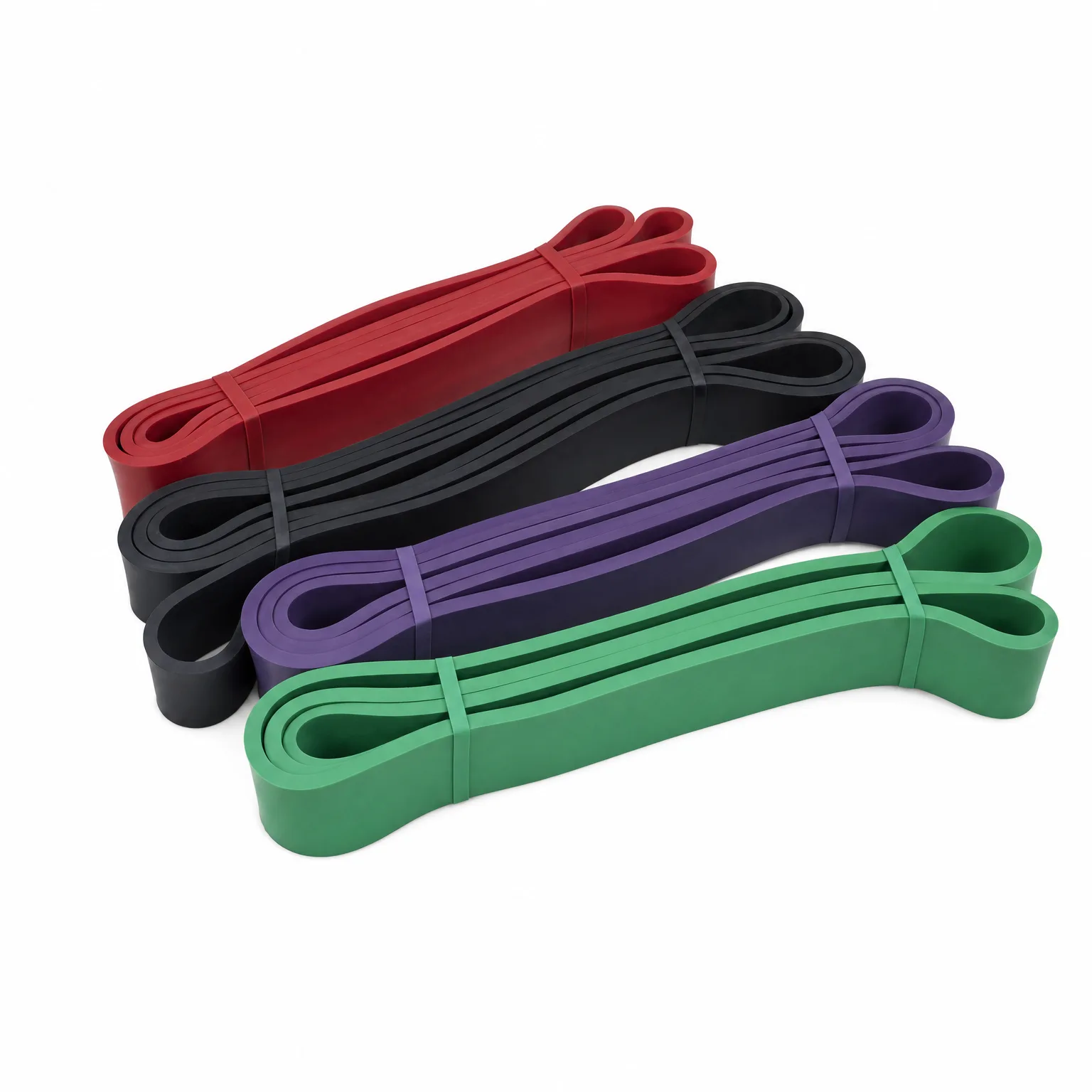
Long closed loops of thick rubber. They add resistance to rows, presses and squats, or take weight off in pull-ups and dips. -
Water bottles and jugs
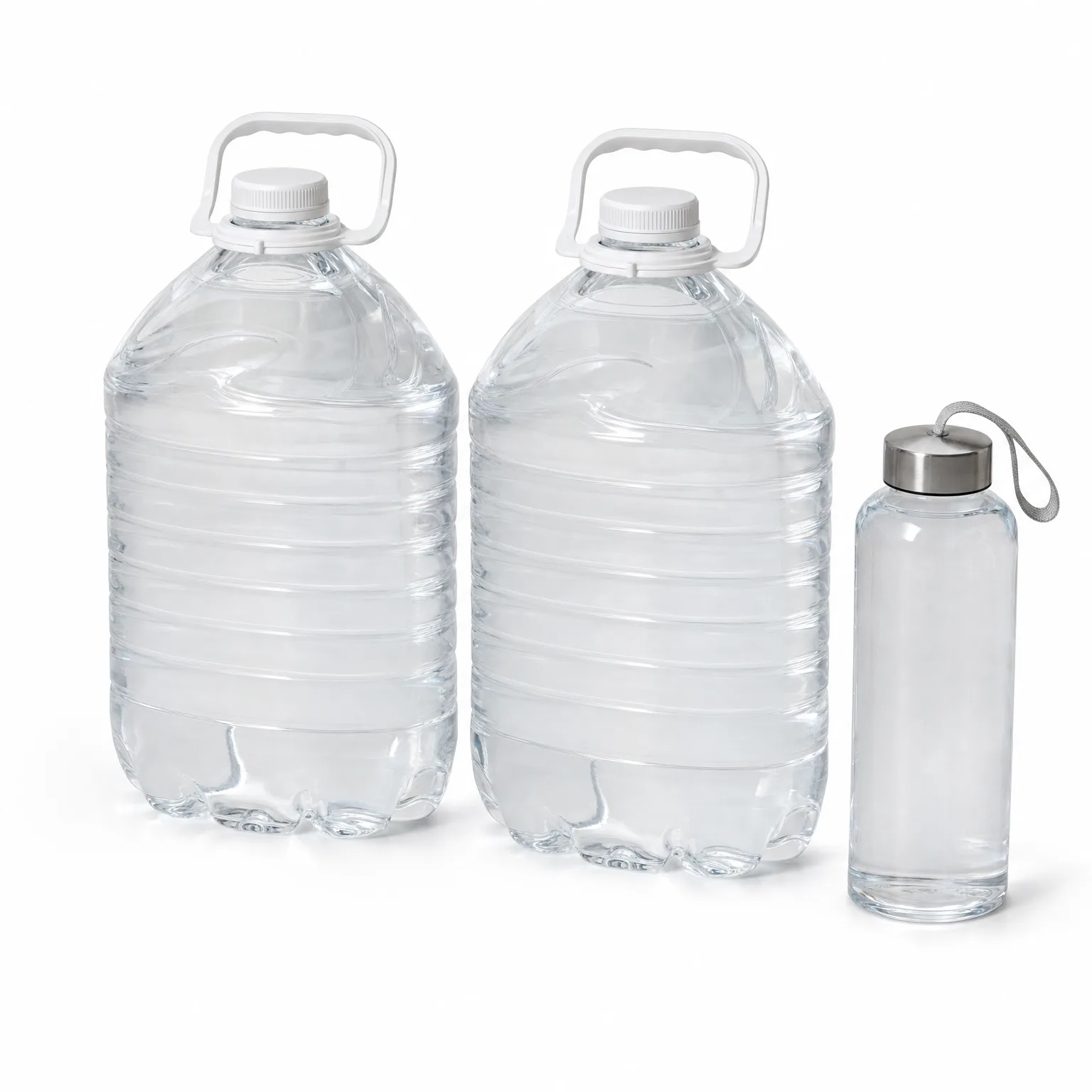
Filled water bottles and jugs work as light improvised dumbbells. A liter of water weighs one kilogram, so the load is easy to set.
Often used with
-
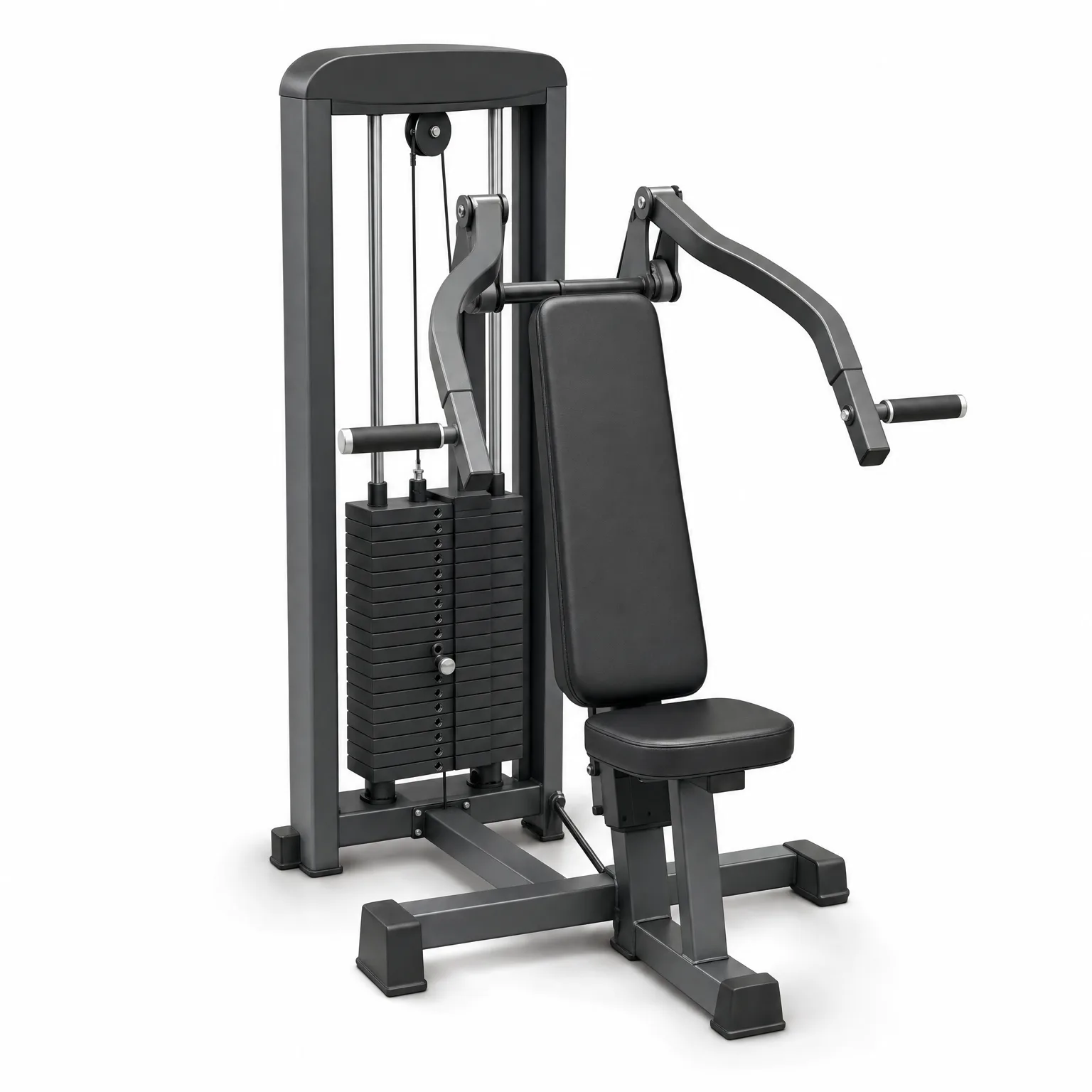
Shoulder press machine
A seat with handles you press overhead along a fixed path. It trains the front and side of the shoulders and the triceps. -
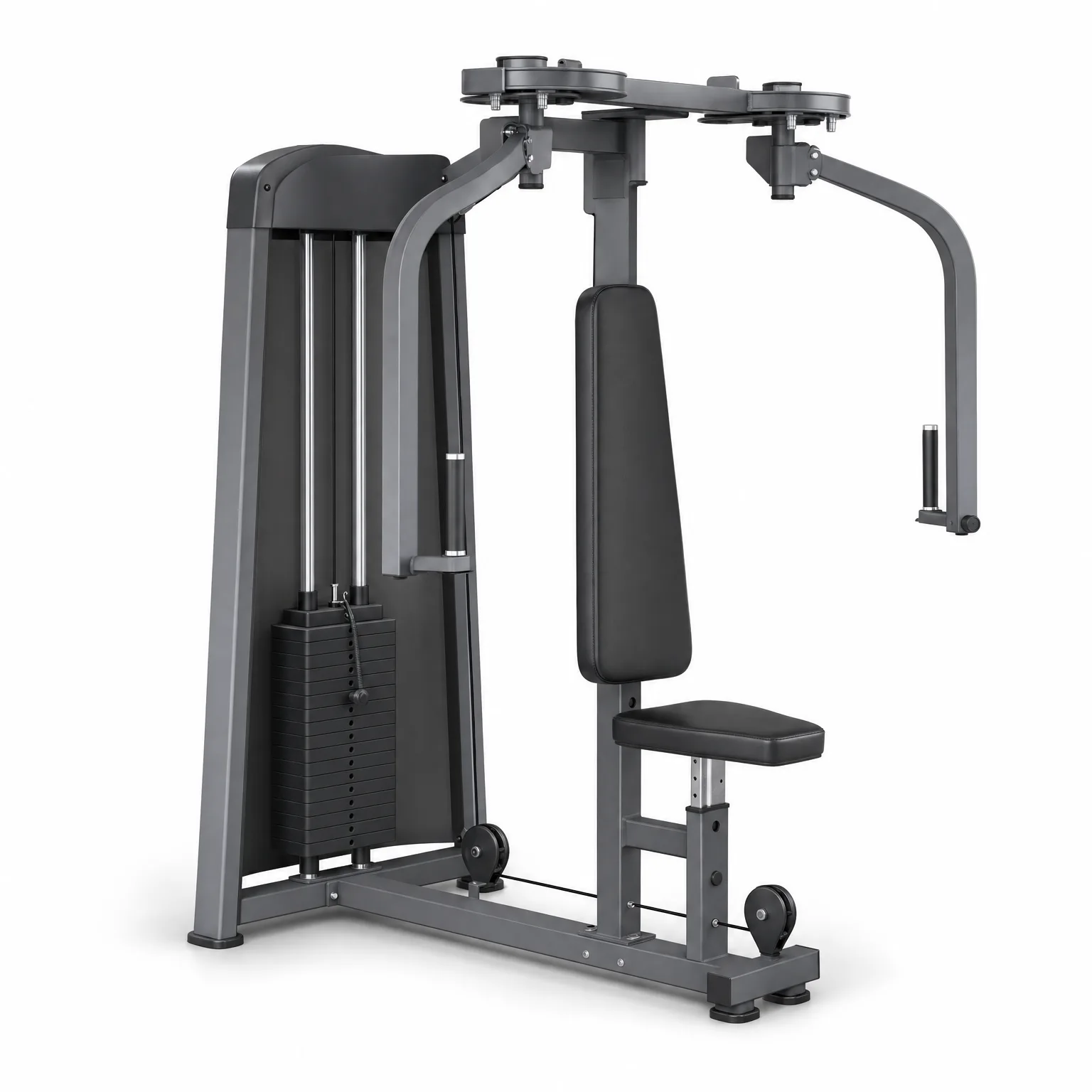
Pec deck machine
A seat with two arms that swing together in front of the chest. It isolates the chest, and facing the pad trains the rear delts. -
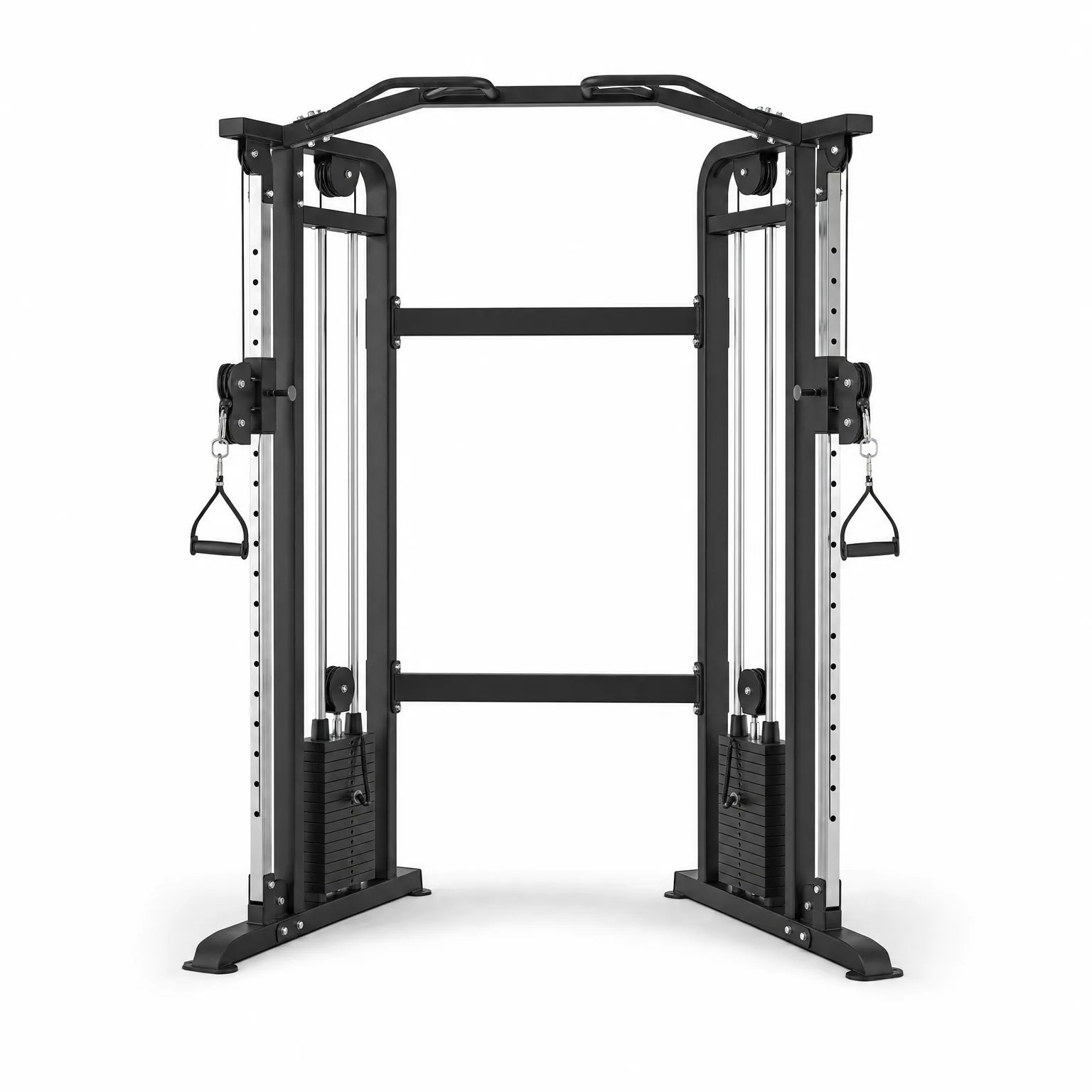
Functional trainer
Two adjustable cable columns in one frame, usually each with its own weight stack. Lets you train both sides at once from any height.
Questions about lateral raise machine
What muscles does the lateral raise machine work?
Mainly the middle (side) deltoid. The front delt and the upper traps assist, and a small rotator cuff muscle helps start the lift. If you feel it mostly in the neck and traps, the load is too heavy or you are lifting too high.
Lateral raise machine vs dumbbells: which is better?
Both build the side delts. The machine keeps resistance on the muscle from bottom to top and removes the grip and most of the cheating. Dumbbells need no setup, let each arm find its own path and are available everywhere. Pick the one you can do strictly, or use both.
How heavy should I go on the lateral raise machine?
Lighter than you expect. Choose a setting you can lift to shoulder height for 12–15 reps with the shoulders down and the torso still. The number on the stack differs between machines, so judge by form, not by the figure.
How do I set the seat on a lateral raise machine?
Set it so your shoulder joints are level with the pivot points of the two lever arms. Sit down and check that the pads stay in the same place on your arms as you lift. If they slide, move the seat one notch and try again.
Build programs around what your client has
This guide comes from OnlineFitness.app, the app online coaches run their clients in.
Free for life for the first 100 coachesNo card