Water bottles and jugs
Filled water bottles and jugs work as light improvised dumbbells. A liter of water weighs one kilogram, so the load is easy to set.
In short
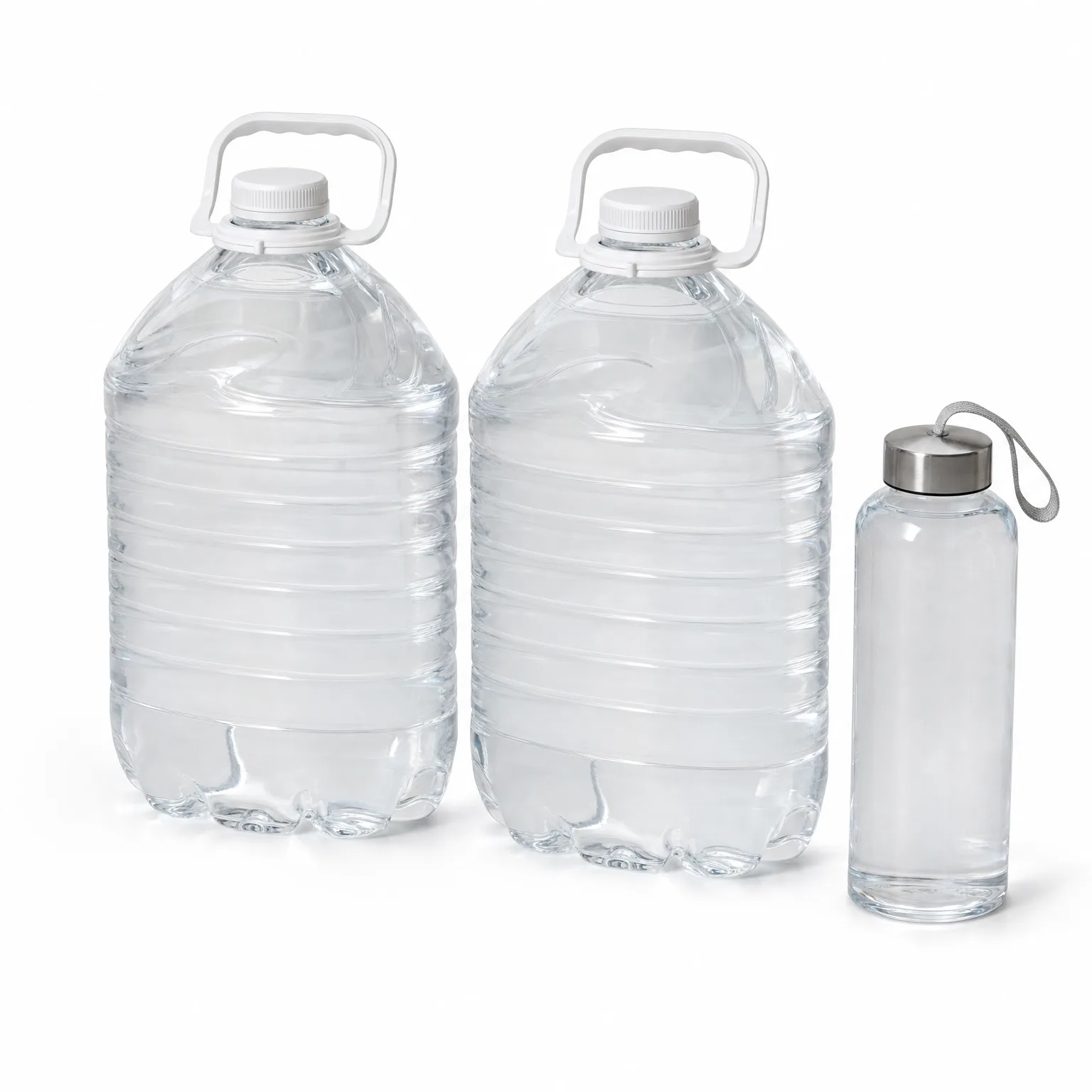
Plastic bottles and jugs filled with water are the quickest improvised weights in any home. A liter of water weighs one kilogram (2.2 lb), so a 1.5‑liter bottle is a 1.5 kg hand weight and a 5‑liter jug with a handle is a 5 kg one. Small bottles are held around the body like light dumbbells. Large jugs are held by the handle like a kettlebell.
They suit beginners, people starting again after a break and anyone traveling or waiting to buy real weights. The loads are right for shoulder raises, curls, triceps work and light rows. They are too light for most leg and back training on their own. For that, a backpack full of bottles is the next step.
- Category
- Everyday items
- Where
- Home, Outdoors, Travel
- Level
- Beginner and up
- Space
- Fits in a drawer or a bag
- Typical sizes
- 0.5 L = 0.5 kg (1.1 lb), 1.5 L = 1.5 kg (3.3 lb), 5 L = 5 kg (11 lb); a US gallon is about 3.8 kg (8.3 lb)
- Also called
- water bottle weights, water jugs, milk jug weights, diy dumbbells, homemade weights, bottle dumbbells, gallon jug, household weights
Muscles it works
- Main
- Side delts, Front delts, Biceps, Triceps, Rear delts
What it is used for
- Lateral, front and rear raises for the shoulders with one small bottle in each hand
- Curls, overhead triceps extensions and kickbacks
- Bent-over rows, goblet squats and deadlifts with a large jug
- Suitcase carries with a jug in one hand, or one in each
- Loading a backpack: bottles make a dense filling that is easy to count
Types
Small bottles, 0.5–1 L. Easy to wrap a hand around. Suited to shoulder raises, light presses and adding a little load to arm movements in cardio routines.
Large bottles, 1.5–2 L. The typical soft-drink or water bottle. Good for curls, presses and triceps work. The wide body is harder to grip, so choose a shape with a waist.
Jugs with a handle, 4–6 L. Milk, detergent or water jugs with a molded handle. Held like a kettlebell for rows, goblet squats, deadlifts and carries.
Filled with sand. Dry sand weighs roughly one and a half times as much as water for the same volume, and it does not slosh. A way to get more from the same bottle.
How to choose
Pick a bottle your hand can close around
For raises and curls, you need to hold the bottle securely with a relaxed wrist. Bottles with a narrow waist or ribbed grip are easiest. If your fingers cannot wrap most of the way around, use a smaller bottle or a jug with a handle.
Sturdy plastic and a tight cap
Thick-walled bottles with screw caps hold up to repeated use. Thin, crinkly bottles collapse in the hand, and snap-on lids can pop off. Detergent and juice jugs tend to have the strongest handles. Never use glass.
Match pairs
For two-handed exercises, use two bottles of the same size and shape, filled to the same level. Different shapes sit differently in the hand even at equal weight.
Know the weight
Count liters for water, or put the filled bottle on a kitchen scale, which is the only reliable way for sand. Write the weight on the bottle with a marker so you can progress in known steps.
How to start using it
- Fill to the top and close firmly. A completely full bottle does not slosh, so the weight stays steady in the hand. Screw the cap down hard and wipe the outside dry. A wet bottle slips.
- Start with the small muscles. Bottles are best where light loads are enough: lateral raises, front raises, rear-delt raises, curls and triceps extensions. Aim for 12–20 controlled reps, lowering for about two seconds.
- Hold a jug like a kettlebell. Grip the handle with the jug hanging below the hand for rows, deadlifts and carries. For goblet squats, hug the jug against the chest with both hands under its base.
- Make a light load harder. When you cannot add weight, slow the lowering phase to three or four seconds, pause at the hardest point, add reps, shorten the rest, or work one arm at a time. These keep small bottles useful for longer.
- Move on when the bottles are too light. Once 20 clean reps are easy even with a slow tempo, the load is no longer doing much. Switch to sand, put the bottles in a backpack for leg and back work, or get dumbbells or bands.
Common mistakes
Half-filled bottles by accident
Water sloshing in a half-empty bottle shifts the weight around with every rep and makes the load hard to judge. Fill fully, unless you want the instability on purpose for slow, light drills.
A loose cap overhead
A cap that opens during a press or triceps extension empties the bottle on you and the floor, which then becomes slippery. Check the caps before each session.
Swinging a jug by a weak handle
Thin molded handles on milk and water jugs are made for pouring. They can tear under fast swings or drops. Keep jug work slow and controlled, and do not swing a jug overhead.
Expecting them to train the legs
A pair of 2 kg bottles adds almost nothing to a squat. For the lower body, use harder bodyweight versions such as split squats and single-leg work, or carry far more weight in a backpack.
Gripping so hard the forearm takes over
A wide bottle forces a strong squeeze, and the forearm tires before the shoulder or biceps. A narrower bottle or a handle fixes this.
What to use instead
The equipment that bottles stand in for is a pair of light dumbbells, which are easier to grip and come in small, exact steps. A kettlebell replaces the large jug for rows, squats and carries. Resistance bands cover the same arm and shoulder exercises with more resistance in a smaller package. Around the house, a loaded backpack takes over where bottles run out, and food cans work as very light hand weights.
-

Dumbbells
A pair of short handles with a weight at each end. One pair trains every major muscle group, at home or in a gym. -
Kettlebell
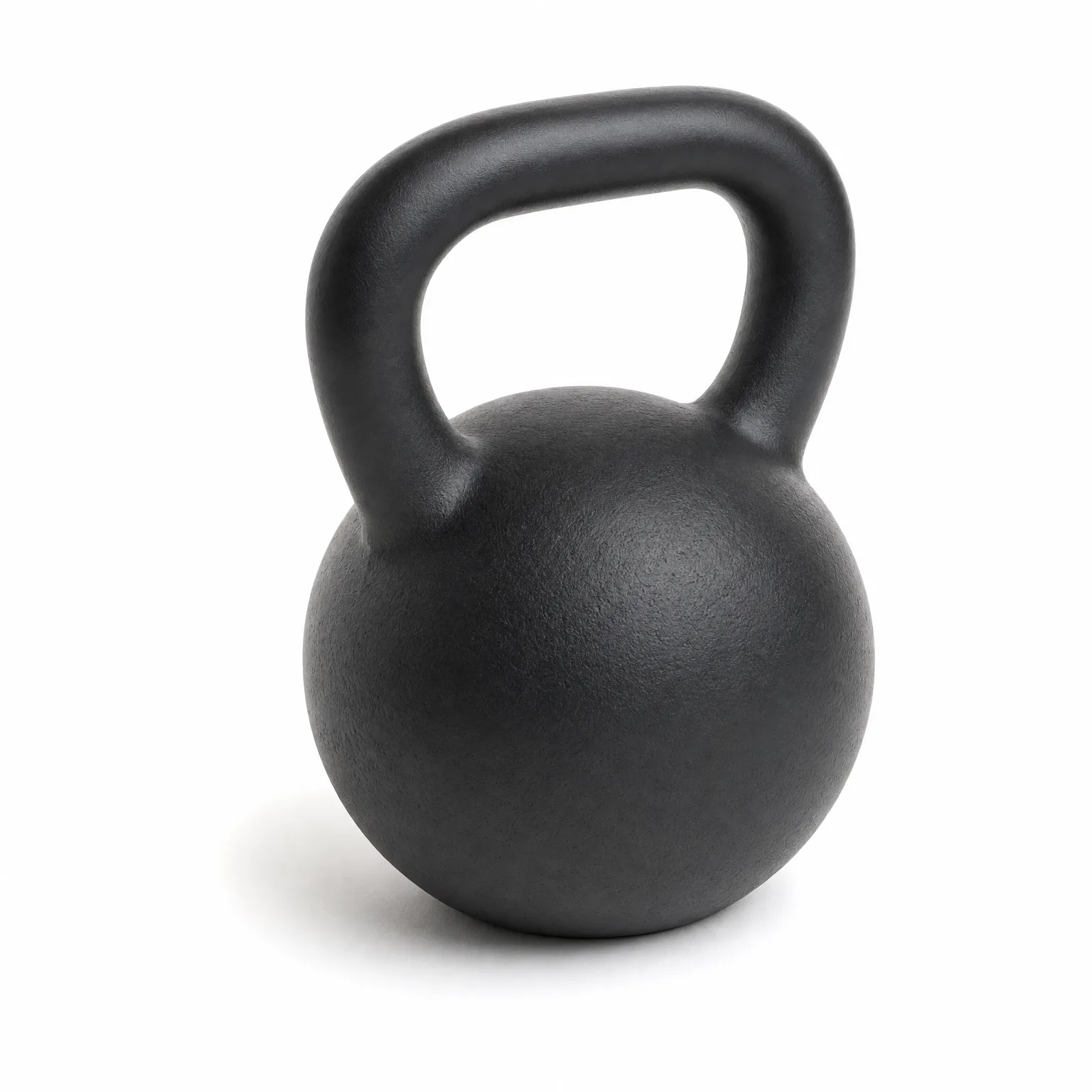
A cast-iron or steel ball with a flat base and a handle on top. Built for swings, carries, squats and presses with one weight. -
Loaded backpack
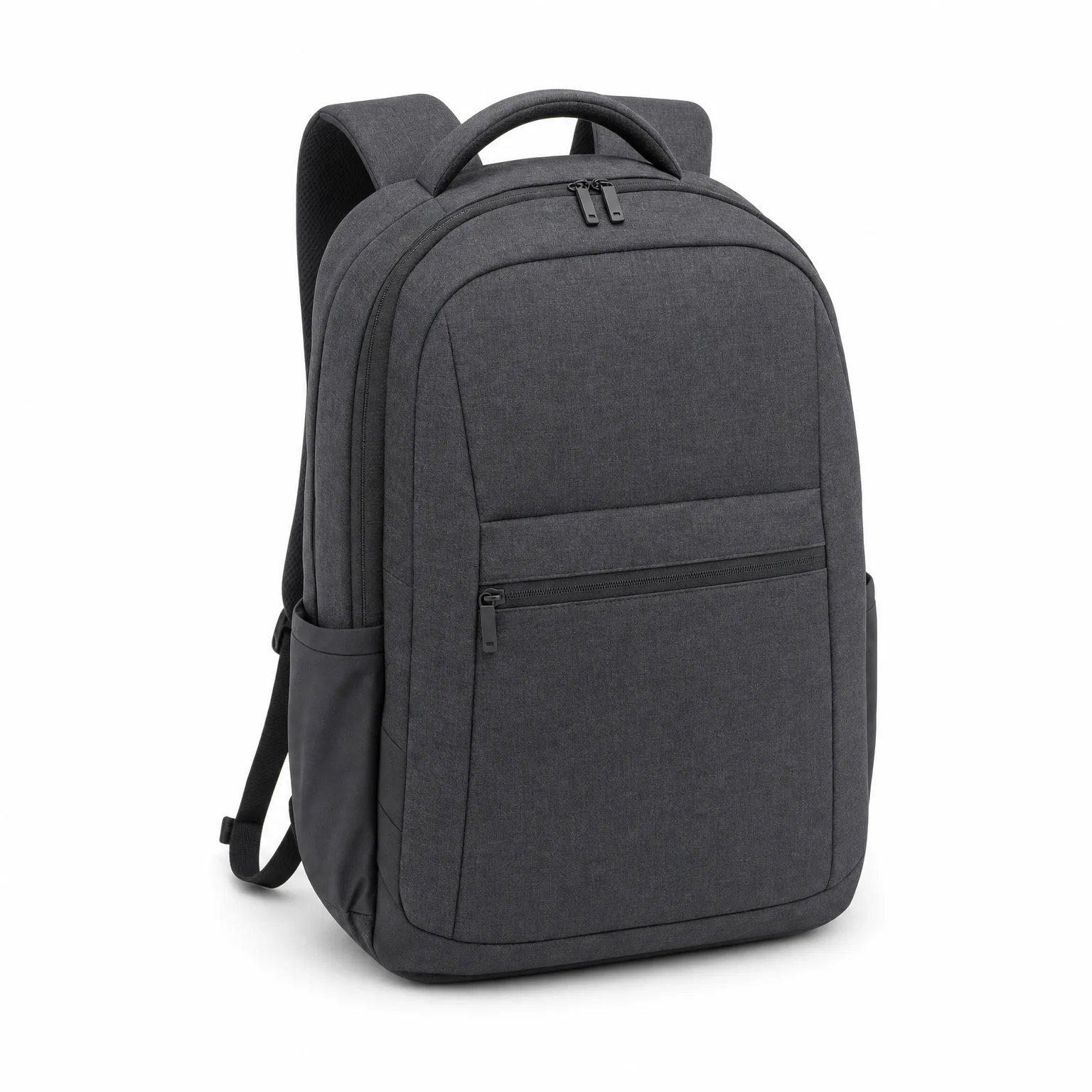
An ordinary backpack filled with books or water bottles works as an adjustable weight for squats, rows, push-ups and loaded walks. -
Resistance bands
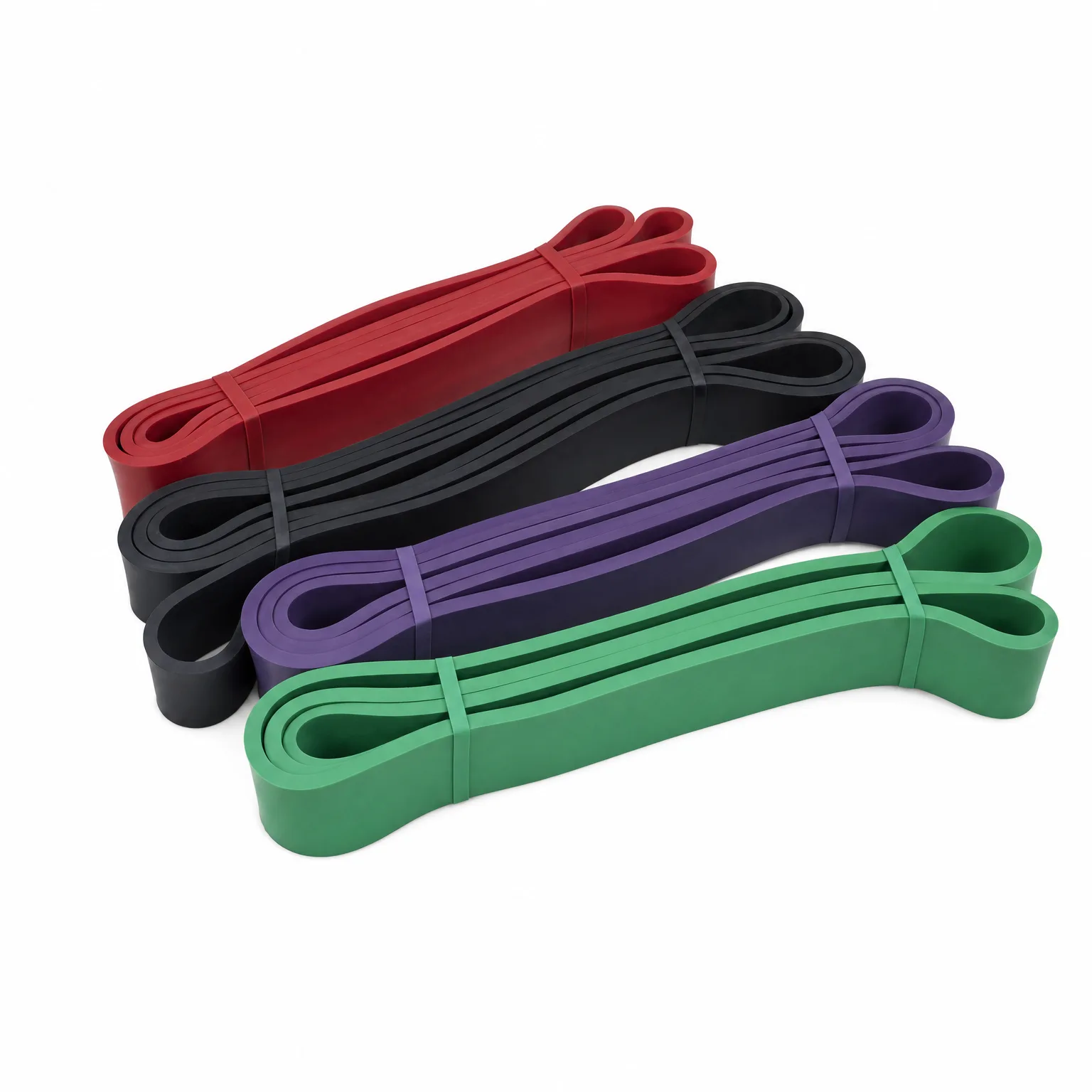
Long closed loops of thick rubber. They add resistance to rows, presses and squats, or take weight off in pull-ups and dips.
Often used with
-
Chair
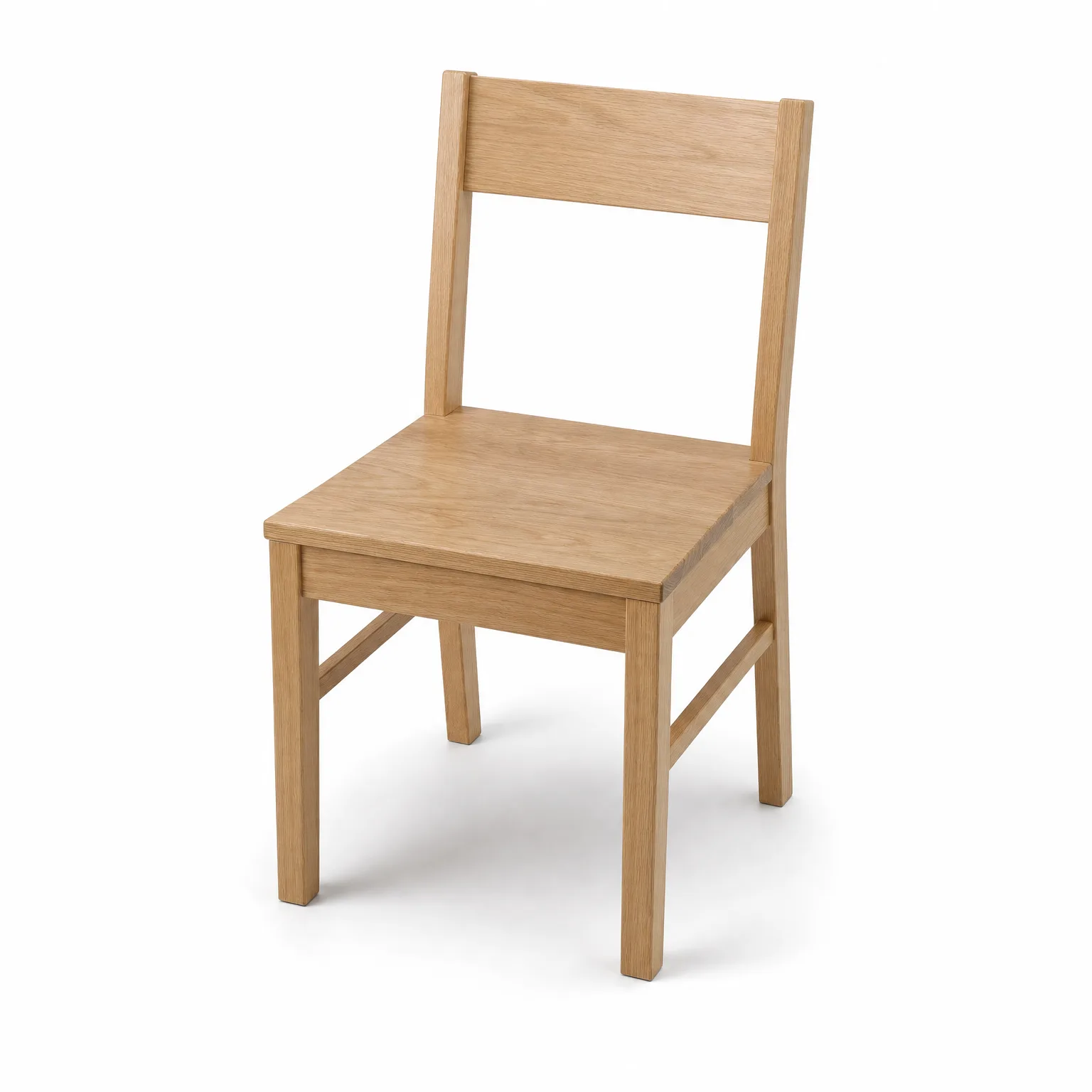
A sturdy household chair stands in for a bench, a low box or dip bars: sit-to-stands, step-ups, dips, split squats and incline push-ups. -

Exercise mat
A cushioned, non-slip surface for floor exercises, stretching and yoga. The first thing most people need to train at home. -
Towel
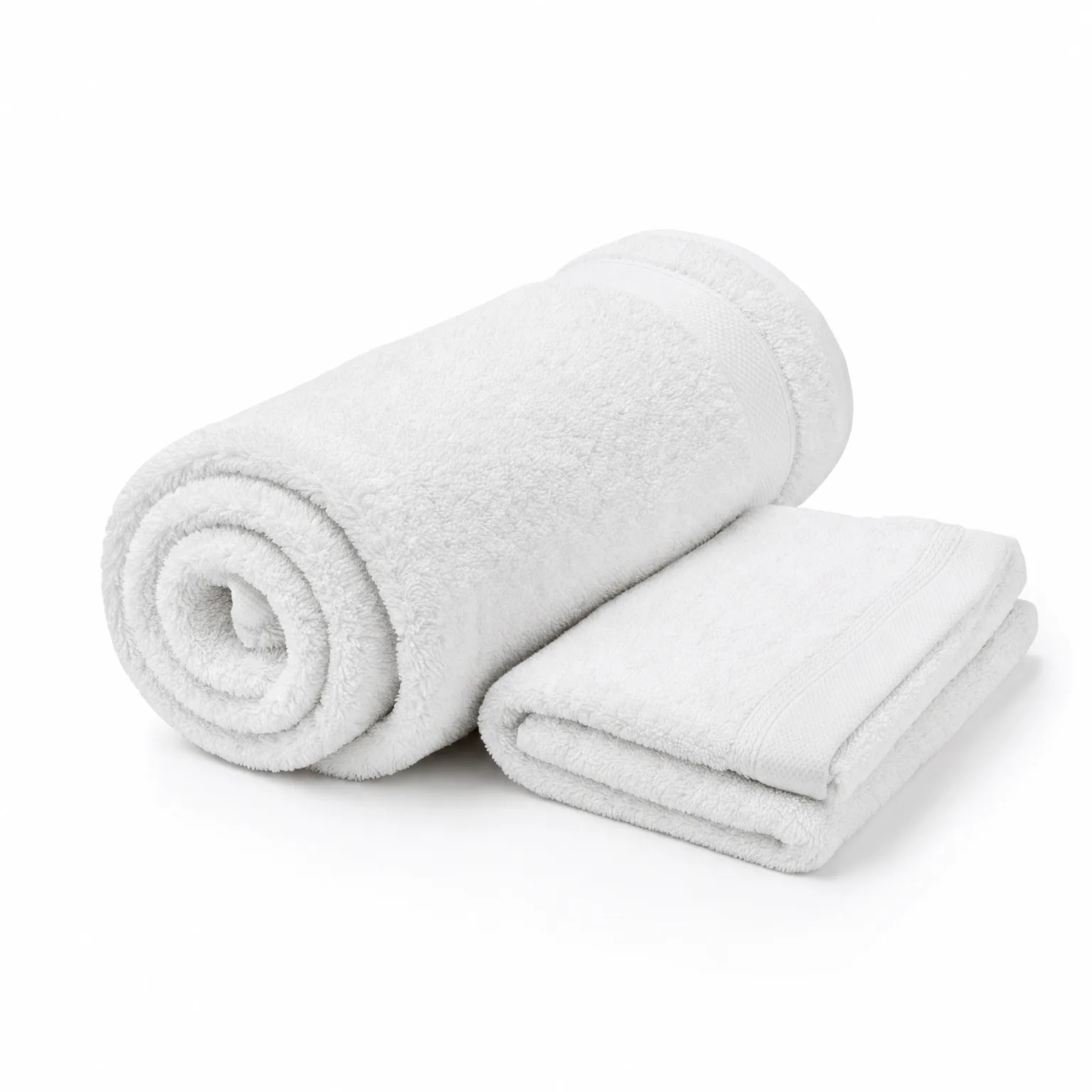
A towel doubles as sliders on a smooth floor, a stretching strap, a pulling tool for isometric exercises and padding for the knees.
Questions about water bottles and jugs
How much does a water bottle weigh as a dumbbell?
A liter of water weighs 1 kg (2.2 lb), plus a few tens of grams for the bottle. So a 0.5 L bottle is about 0.5 kg (1.1 lb), a 1.5 L bottle about 1.5 kg (3.3 lb), a 2 L bottle about 2 kg (4.4 lb) and a 5 L jug about 5 kg (11 lb). A US gallon of water weighs about 3.8 kg (8.3 lb).
Can you build muscle with water bottles?
Beginners can, for a while, in the smaller muscles: shoulders, biceps and triceps respond to light loads when sets are taken close to fatigue. Legs, back and chest need more resistance than bottles give. Expect to outgrow them within weeks to a few months and plan the next step.
Is sand heavier than water in a bottle?
Yes. Dry sand weighs roughly 1.4 to 1.7 kg per liter, depending on the grain and how tightly it is packed, so the same bottle becomes about one and a half times heavier. Wetting the sand adds more. Weigh the result on a kitchen scale, because the exact figure depends on the sand.
What exercises can I do with water bottles?
With small bottles: lateral, front and rear raises, overhead presses, curls, triceps extensions and kickbacks. With a large jug: bent-over rows, goblet squats, deadlifts, suitcase carries and Russian twists. Bottles packed in a backpack add load to squats, lunges and push-ups.
Are water bottles as good as dumbbells?
For the same weight, the muscle does not know the difference. Dumbbells win on grip, balance, durability and above all range: they keep going long after the largest bottle is too light. Bottles are a good start and a good travel option.
Build programs around what your client has
This guide comes from OnlineFitness.app, the app online coaches run their clients in.
Free for life for the first 100 coachesNo card