Lifting belt
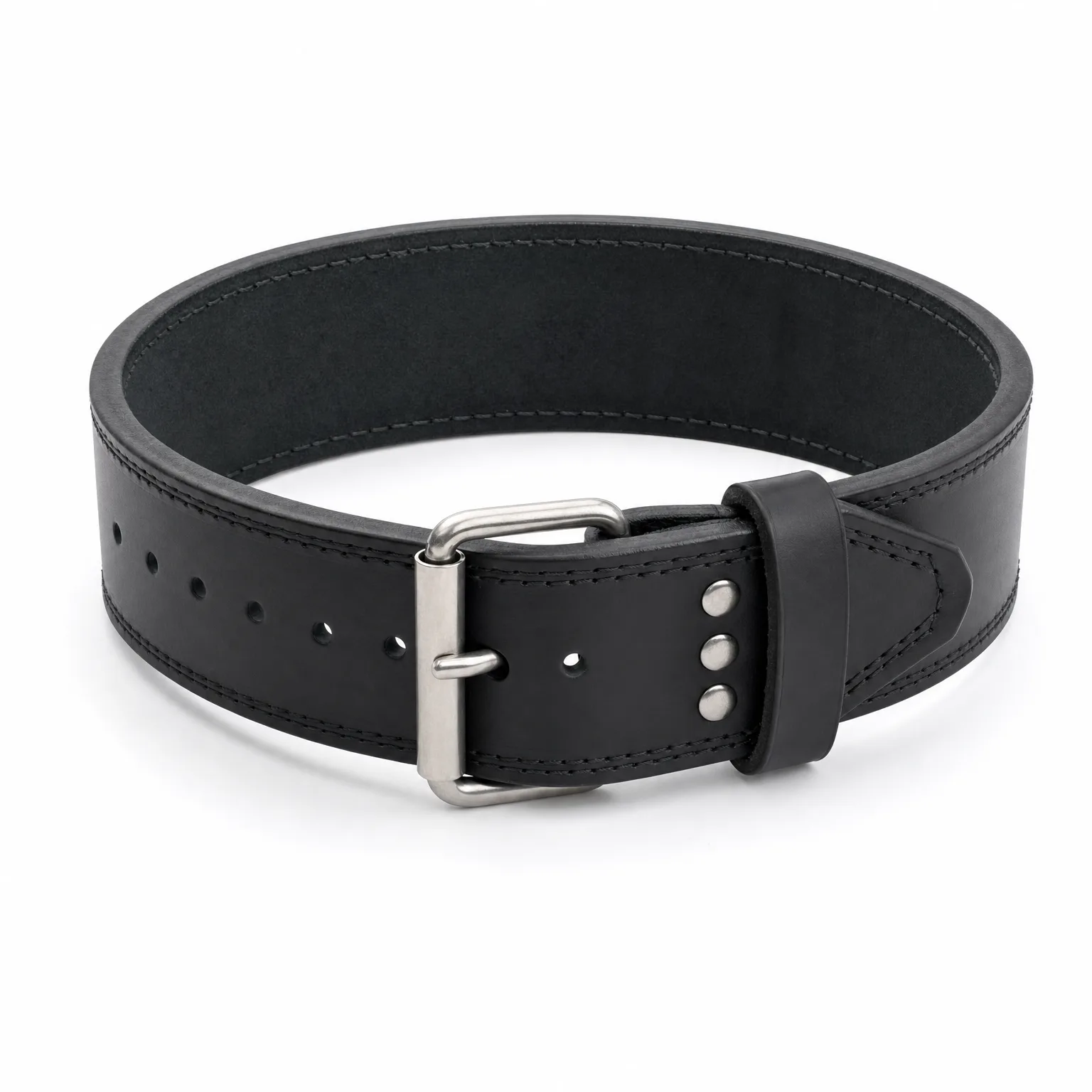
A stiff belt worn tight around the waist on heavy squats, deadlifts and presses. It gives your abdomen a wall to brace against.
In short
A lifting belt is a wide, stiff belt of leather or nylon worn tight around the waist during heavy barbell lifts. It does not hold the spine up by itself. It gives the abdominal wall something firm to push against when you take a breath and brace, which raises pressure inside the abdomen and makes the trunk stiffer under load.
It suits people who already squat, deadlift or press with sound technique and want support on their heaviest sets. Beginners get more from learning to brace without one first. Evidence that belts reduce injuries is limited, so treat a belt as a performance aid for heavy work, not as protection.
- Category
- Lifting accessories
- Where
- Gym, Home
- Level
- Intermediate and up
- Space
- Fits in a drawer or a bag
- Typical sizes
- Usually 10 cm (4 in) wide and 6–13 mm thick; sized by waist measured around the navel, not by trouser size
- Also called
- weightlifting belt, weight belt, powerlifting belt, gym belt, squat belt, lever belt
What it is used for
- Heavy sets of squats and deadlifts, usually above about 80 percent of your best
- Overhead presses and other standing barbell lifts where the trunk has to stay rigid
- Olympic lifts, with a belt that is narrower at the front
- Strongman carries and heavy rows
Types
Powerlifting belt. Thick leather, the same 10 cm (4 in) width all the way round, 10 or 13 mm thick. The stiffest option, made for squats and deadlifts.
Tapered belt. Wide at the back and narrower at the front, so it does not dig into the ribs or hips in deep positions. Common in Olympic weightlifting and general gym use.
Nylon belt. A flexible fabric belt closed with hook-and-loop and a buckle. Lighter and more comfortable, less rigid, easy to adjust between exercises.
Prong buckle. A normal one- or two-prong buckle with holes. Simple, and you can change tightness from lift to lift.
Lever buckle. A lever that snaps the belt shut at one preset tightness. Fast on and off, but on most models changing the fit needs a screwdriver.
How to choose
Match the belt to your lifts
For heavy squats and deadlifts a straight 10 cm (4 in) leather belt gives the most to brace against. For Olympic lifts, mixed gym work or a short torso, a tapered or nylon belt is easier to move in.
Measure your waist at the navel
Belt sizes follow the place the belt sits, which is higher than your trousers. Measure around the navel over a T-shirt and pick the size where that number falls near the middle of the range.
Choose the thickness
A 10 mm leather belt is stiff enough for most people and breaks in within a few weeks. A 13 mm belt is stiffer, takes longer to soften and can bruise the hips and ribs at first.
Prong or lever
Pick a prong buckle if your waist size changes or you like a different tightness for squats and deadlifts. Pick a lever if you always use the same setting and want to release the belt quickly between sets.
How to start using it
- Place it around the navel. Set the belt between the ribs and the hip bones, roughly over the navel. Many people wear it a little higher for deadlifts so it does not jam into the hips at the bottom. Move it until nothing pinches in your start position.
- Tighten it firmly, not to the limit. You should be able to slide a flat hand between the belt and your stomach and still take a full breath into the belly. If you cannot breathe in, it is too tight to brace against.
- Breathe in and push out all round. Before each rep take a breath low into the abdomen and tense as if bracing for a punch, pressing the stomach, sides and lower back out into the belt. Hold that tension through the rep and reset at the top.
- Keep it for the heavy sets. Do warm-ups and lighter work without it, put it on for the top sets and loosen it between them. That way you keep practicing the brace without a belt as well.
Common mistakes
Treating the belt as a back brace
A belt does nothing if you stand in it passively. It works only when you brace hard against it. It also does not make a rounded or poorly set lift sound, so technique comes first.
Sucking the stomach in
Pulling the stomach away from the belt removes the thing you are meant to push against. Breathe in low and push the stomach out against the belt instead.
Wearing it for every exercise
Curls, pulldowns and machine work do not need it. Wearing a tight belt for the whole session is uncomfortable and takes away practice at bracing on your own.
Wearing it too low or too loose
A belt on the hips like a trouser belt, or one you can spin freely, gives the abdomen nothing to press into. Raise it to the waist and take it one hole tighter.
Holding your breath for the whole set
Bracing with a held breath raises blood pressure sharply for a moment. Breathe and reset between reps. If you have high blood pressure or a heart condition, ask a doctor before training this way.
What to use instead
Nothing in a home or gym really stands in for a belt, and you do not need a stand-in. The belt adds to a brace you create yourself, so the alternative is to brace without it: breathe low, tense the whole trunk and keep the load at a level you can hold in that position. Most training, including fairly heavy work, can be done this way. A dip belt or a soft neoprene waist wrap is not a replacement, because neither is stiff enough to push against.
Often used with
-
Barbell
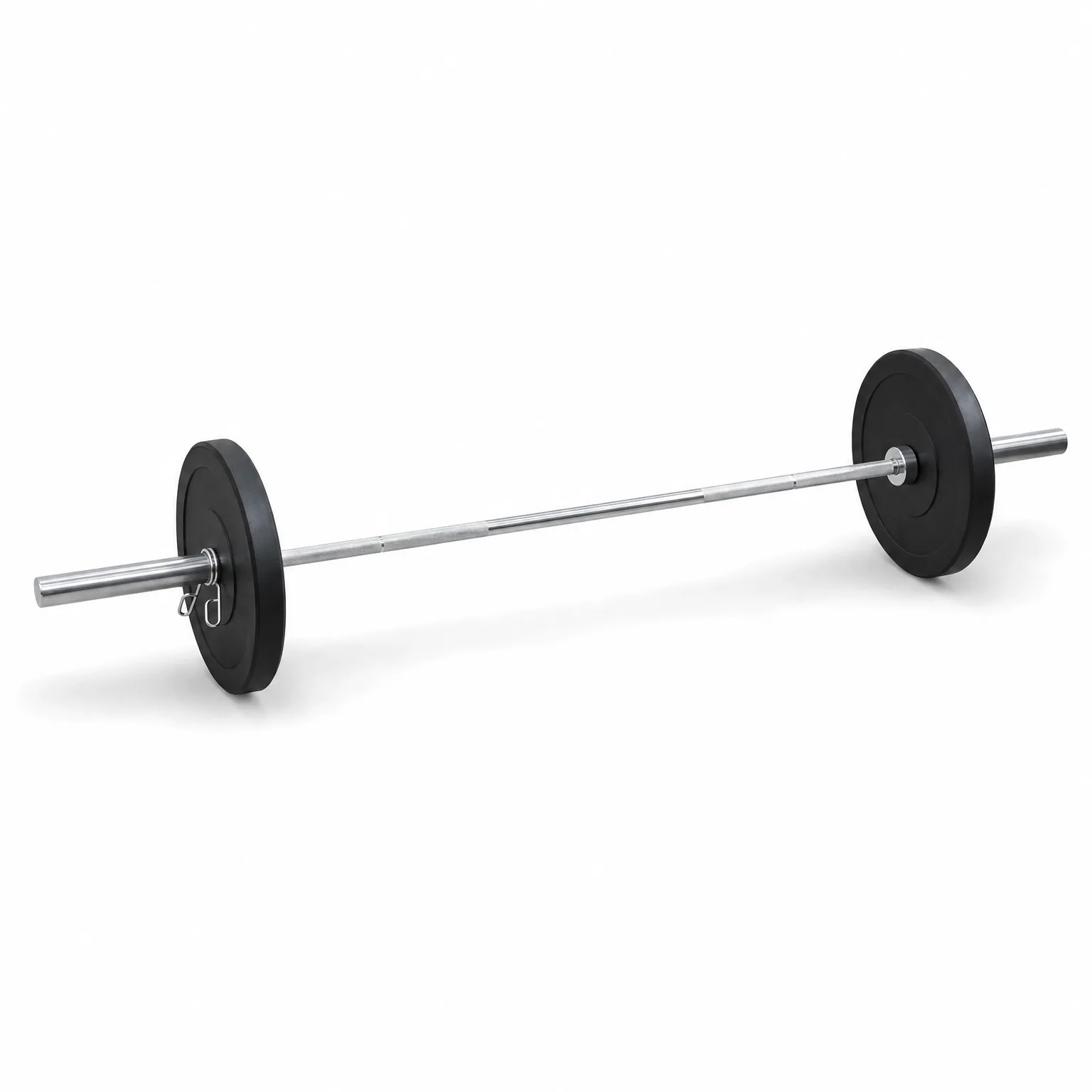
A long steel bar loaded with plates at both ends. The standard tool for squats, deadlifts, presses and rows with heavy weight. -
Squat rack
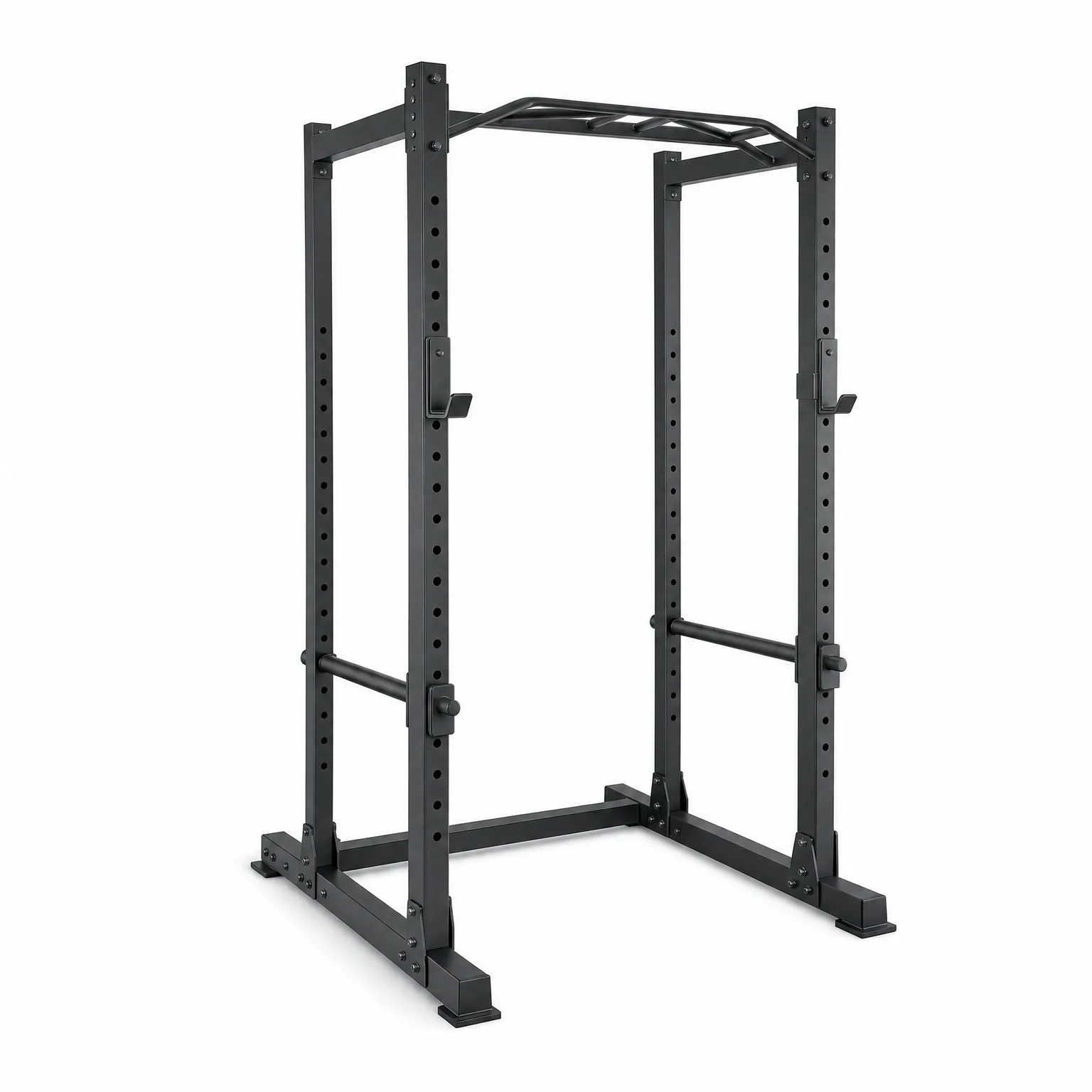
A steel frame that holds a barbell at the height you need and catches it if a rep fails. The base for squats and presses. -
Trap bar
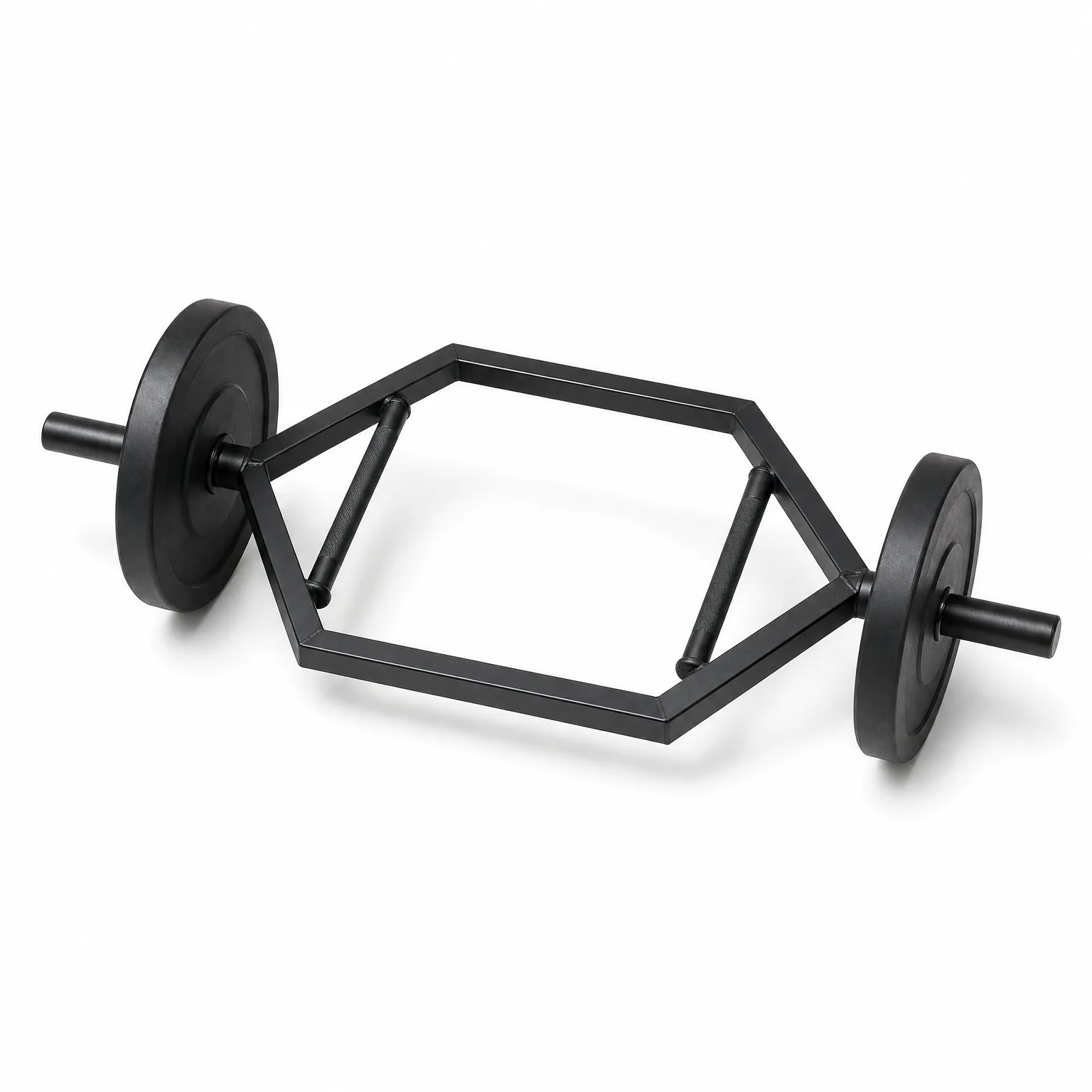
A hexagonal bar you stand inside and lift by two side handles. Used for deadlifts, carries, shrugs and jumps. -
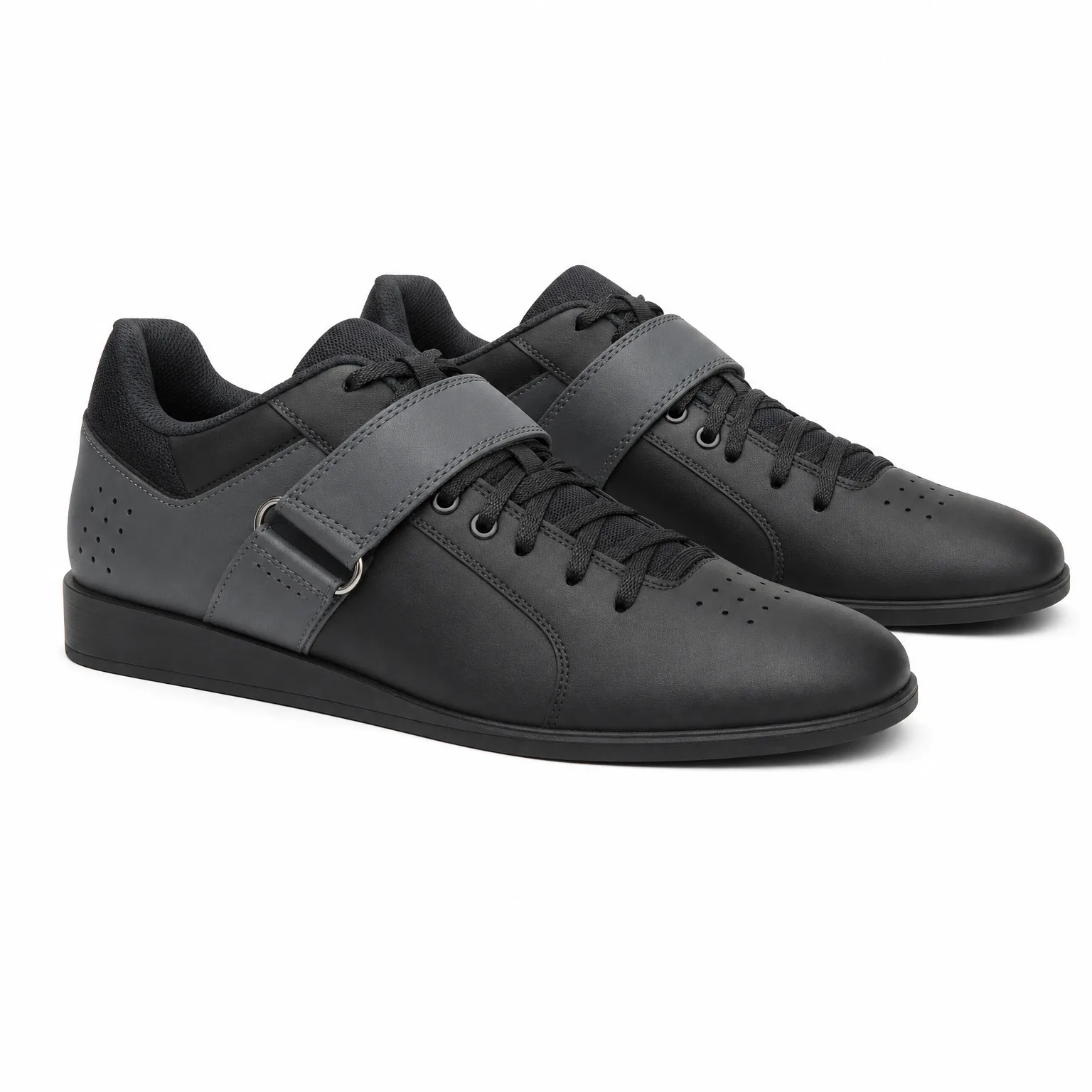
Lifting shoes
Shoes with a hard, flat sole and usually a raised heel that give a stable base for squats and Olympic lifts.
Questions about lifting belt
What does a lifting belt actually do?
It gives your abdominal muscles a firm surface to push against. When you breathe in and brace, the pressure inside the abdomen rises more than it would without the belt, and the trunk becomes stiffer. Many lifters can move slightly more weight or feel more stable on heavy squats and deadlifts as a result. It does not support the spine if you do not brace.
When should you start using a lifting belt?
Once your technique on squats and deadlifts is consistent and you can brace well without one. There is no fixed weight. A common approach is to train without a belt for the first months, then add it only on the heaviest sets.
Does a lifting belt prevent back injuries?
The evidence is limited and mixed. A belt changes how stiff the trunk is under load, and some lifters feel more secure with one, but studies have not shown clearly that belts lower injury rates. Sensible loading and good technique matter more.
How tight should a lifting belt be?
Tight enough that you feel it all the way round when you breathe into the belly, loose enough that you can still take that breath. A flat hand should just fit between belt and stomach. Many people use one hole looser for deadlifts than for squats.
Does wearing a belt make your core weaker?
There is no good evidence that it does when the belt is used for heavy sets only. The trunk muscles still work hard under a belt. Doing warm-ups and lighter sets without it keeps the unbelted brace in practice.
Build programs around what your client has
This guide comes from OnlineFitness.app, the app online coaches run their clients in.
Free for life for the first 100 coachesNo card