Lifting shoes
Shoes with a hard, flat sole and usually a raised heel that give a stable base for squats and Olympic lifts.
In short
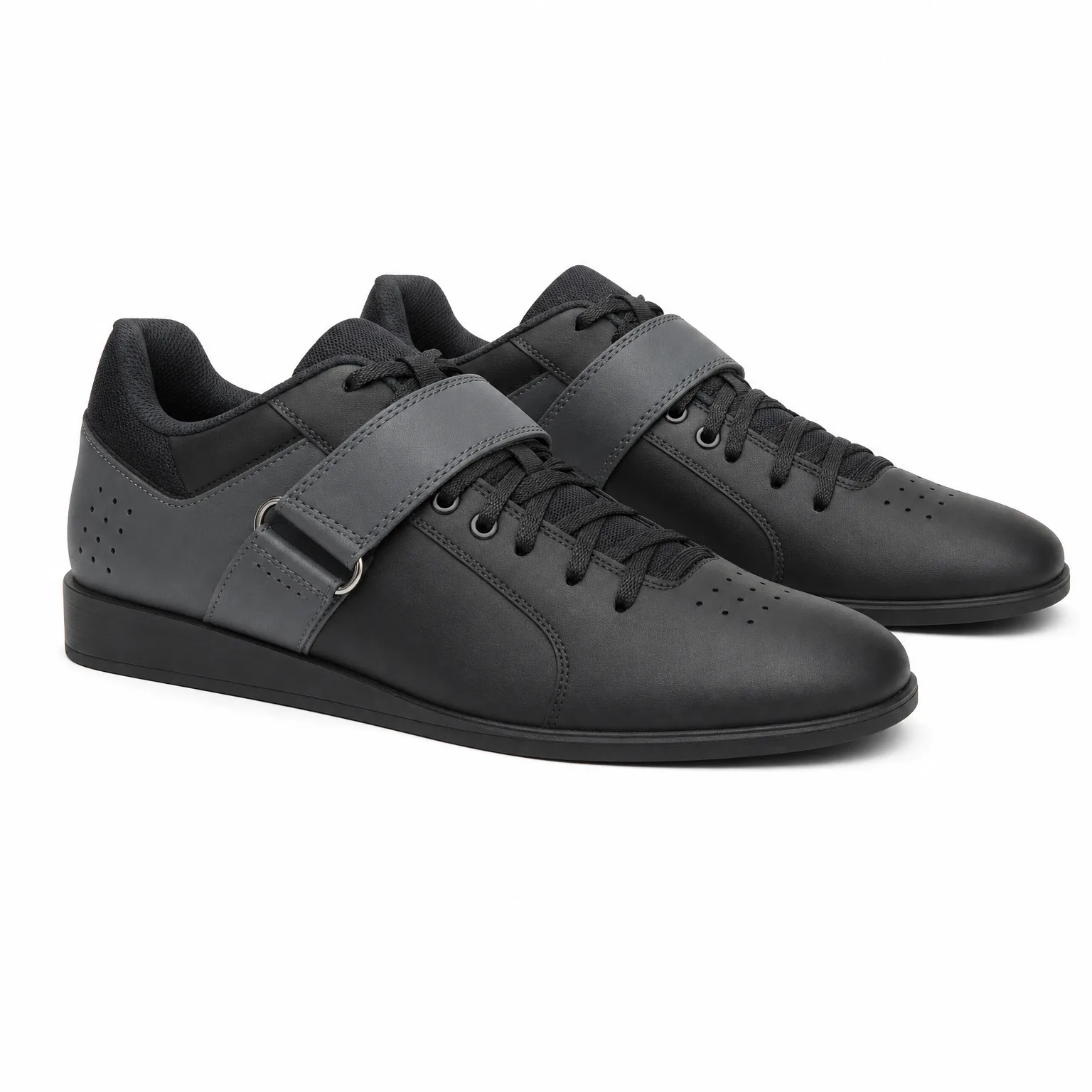
Lifting shoes are training shoes with a hard sole that does not compress under load. The classic type also has a raised, solid heel and a strap over the midfoot. A hard sole means force goes into the floor instead of into foam. The raised heel lets the knees travel further forward, so you can squat deeper with a more upright torso if ankle mobility is limited.
They are used for squats, Olympic lifts and overhead presses. A second, flat type with a thin sole is used for deadlifts. They suit people who lift barbells regularly. For general gym training, any flat, firm shoe works.
- Category
- Lifting accessories
- Where
- Gym, Home
- Level
- Intermediate and up
- Space
- Fits in a drawer or a bag
- Typical sizes
- Heel raise usually 15–25 mm (0.6–1 in), most often about 19 mm (0.75 in); deadlift slippers have soles only a few millimeters thick
- Also called
- weightlifting shoes, squat shoes, lifters, olympic lifting shoes, heeled lifting shoes, deadlift shoes, powerlifting shoes
What it is used for
- Back, front and overhead squats
- Snatches, cleans and jerks
- Standing overhead presses and other lifts that need a firm base
- Deadlifts, in the flat-soled type
- Leg presses and hack squats, when you want the same footing as in a squat
Types
Heeled weightlifting shoes. A solid raised heel of hard plastic, wood or stacked leather, a stiff sole and one or two midfoot straps. Made for squats and Olympic lifts.
Flat lifting shoes. A thin, hard, flat rubber sole with no heel raise. Keeps you close to the floor. Popular for deadlifts and for low-bar squats with a wide stance.
Deadlift slippers. A sock-like shoe with a very thin sole. As close to barefoot as competition rules allow, shortening the distance the bar has to travel.
Cross-training shoes. A firm, low sole with a small heel-to-toe drop that still bends at the forefoot. A compromise for sessions that mix lifting with jumps and short runs.
How to choose
Pick the type by your main lifts
Choose a heeled shoe if you mostly squat, front squat or do Olympic lifts. Choose a flat shoe if deadlifts are the priority. If each session mixes lifting with jumping and running, a cross-training shoe is more practical than either.
Match the heel to your build
A heel of about 19 mm (0.75 in) is the common middle option and a sensible default. Lifters with long thighs or stiff ankles often prefer a higher heel. Lifters with good ankle mobility or a wide, low-bar squat stance may do better with a lower heel or a flat shoe.
Fit them snug
The foot should not slide forward or sideways. Aim for a close fit through the midfoot and heel with a little room to spread the toes. Lifting shoes are worn for sets, not for walking, so a closer fit than a running shoe is normal.
Check the sole and strap
Press on the heel: it should not give. The sole should be wide and flat for contact with the floor, and the strap should pull the midfoot down firmly.
How to start using it
- Put them on for the lifts they suit. Wear heeled shoes for squats, Olympic lifts and presses. Change into flat shoes, or lift in socks if your gym allows it, for deadlifts. Change again for running and jumping.
- Lace first, then strap. Tie the laces evenly from the toes up, then pull the strap tight over the midfoot. The heel should stay planted in the shoe when you rise onto your toes.
- Spread your weight over the whole foot. Stand with pressure on the heel, the base of the big toe and the base of the little toe. The raised heel shifts balance slightly forward, so keep the heels down throughout the squat.
- Relearn the squat with light weights. A heel changes your depth and torso angle. Spend a session or two with lighter loads to find the new position before returning to working weights.
Common mistakes
Squatting in soft running shoes
A thick foam sole compresses unevenly under a loaded bar, so the foot rocks and the ankle wobbles. Any hard, flat shoe is a better base than a cushioned one.
Deadlifting in a high heel
A raised heel lifts you further from the floor and tips the balance toward the toes, which makes the pull longer for most people. Use a flat sole for deadlifts.
Expecting the heel to replace mobility work
A heel works around stiff ankles. It does not change them. If you want a deeper squat without the shoes as well, keep working on ankle and hip range.
Running or jumping in them
Stiff soles and hard heels are uncomfortable and unstable for anything but lifting. Wearing them outside or for conditioning also wears the sole down quickly.
What to use instead
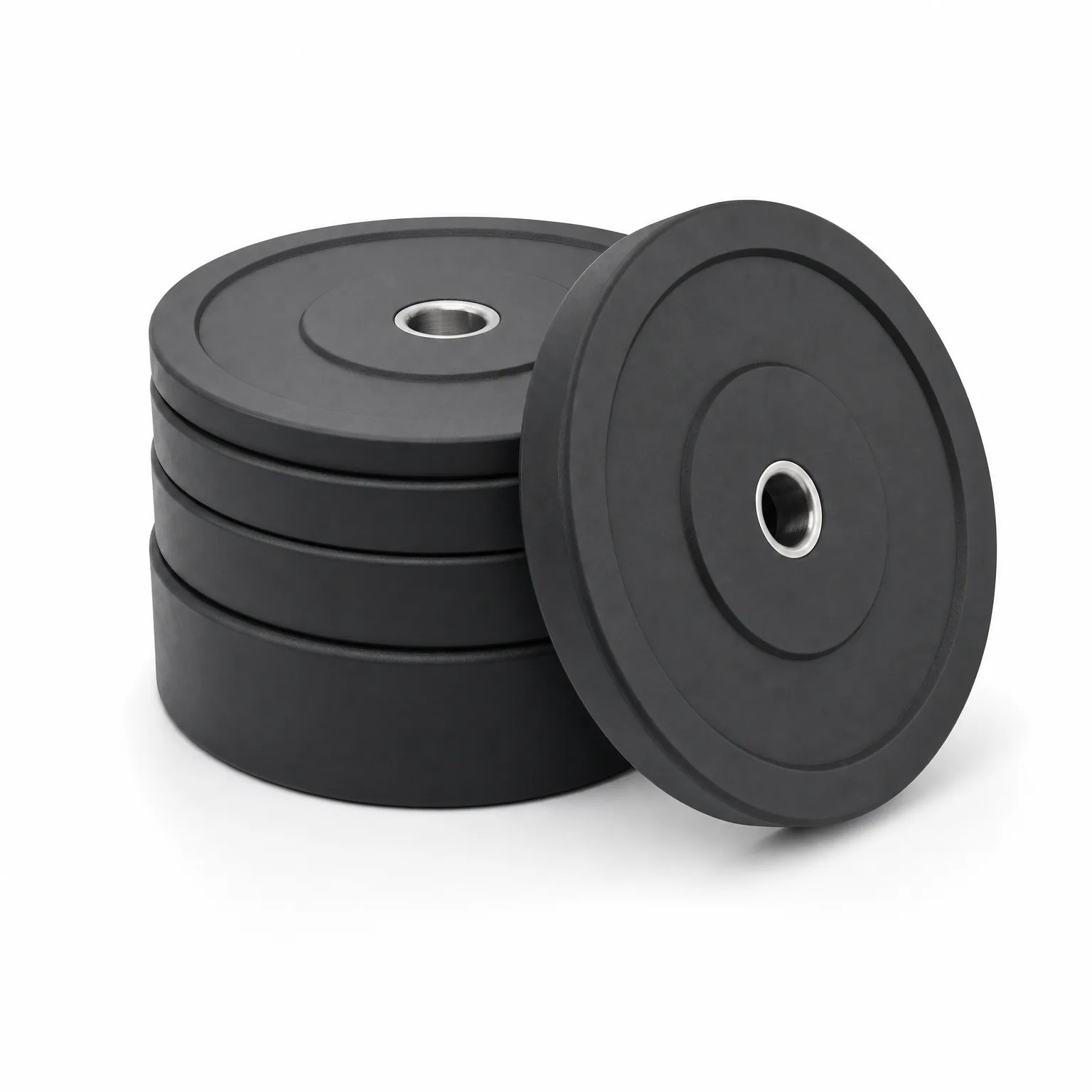
For a raised heel, stand with your heels on a pair of small weight plates or a purpose-made squat wedge. Plates work but can shift, so use thin, flat ones on a non-slip floor and keep the loads moderate. For a hard, flat sole, any shoe with a thin, firm rubber sole does the job. Lifting in socks or barefoot gives the same flat base for deadlifts and squats at home. Check the rules first in a commercial gym.
Often used with
-
Barbell
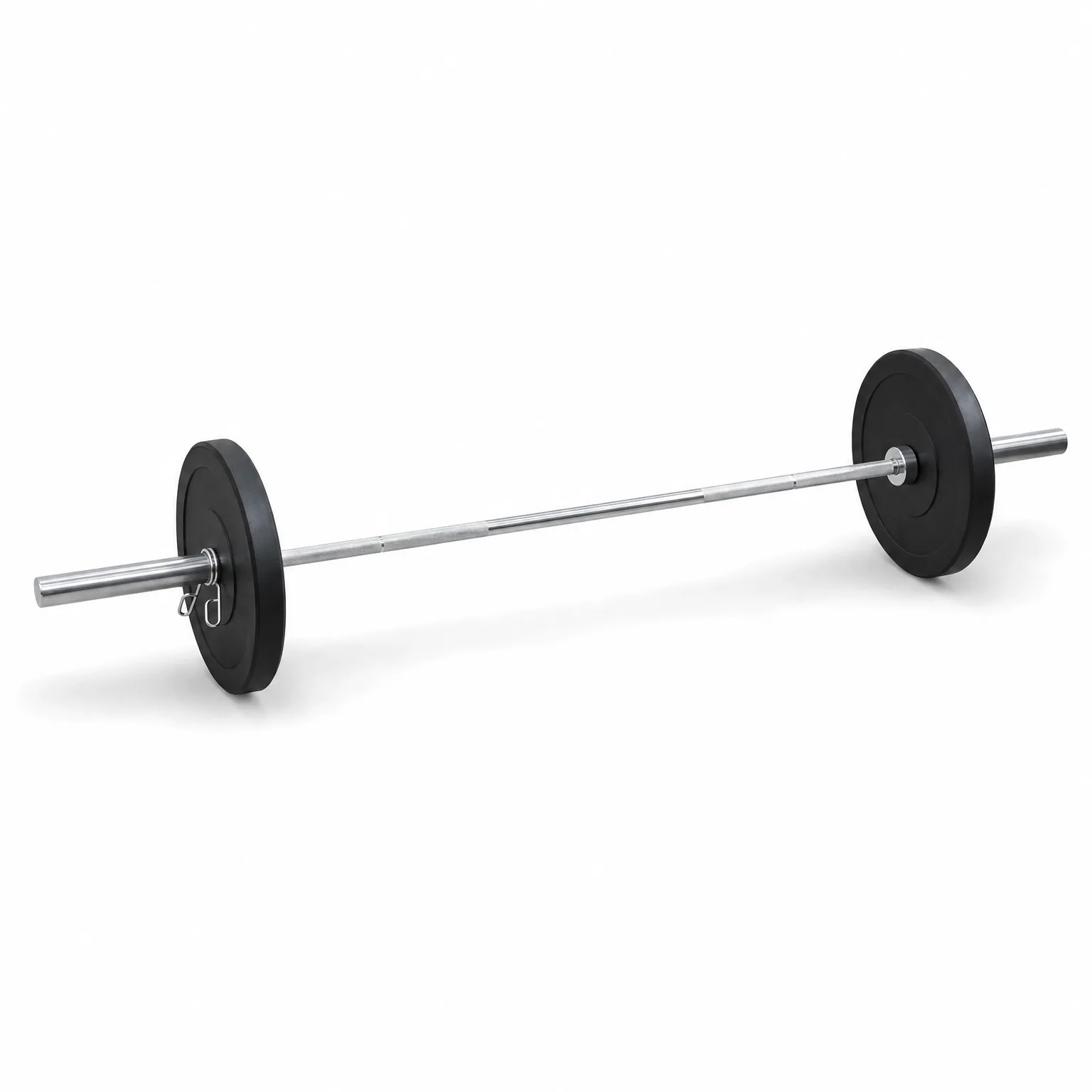
A long steel bar loaded with plates at both ends. The standard tool for squats, deadlifts, presses and rows with heavy weight. -
Squat rack
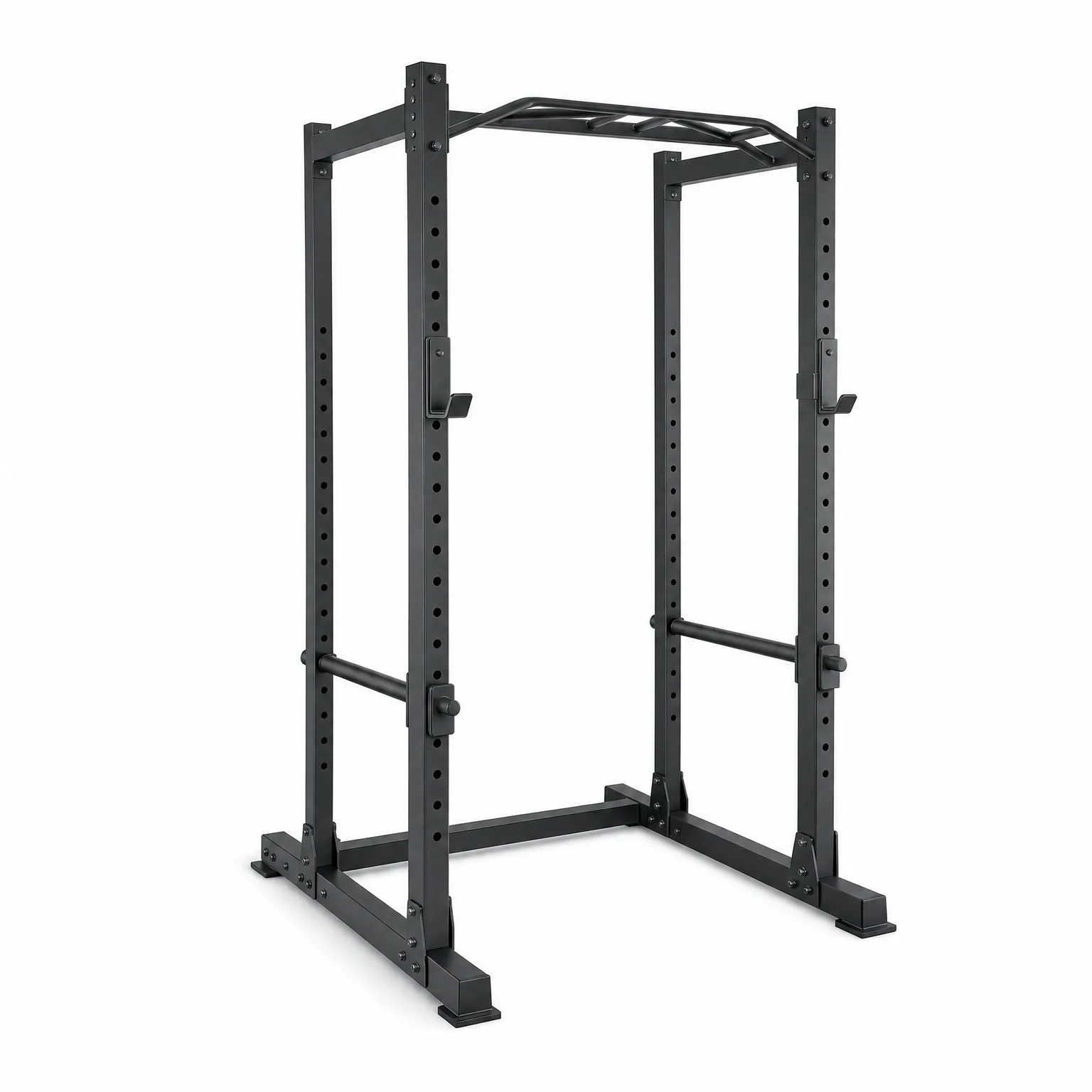
A steel frame that holds a barbell at the height you need and catches it if a rep fails. The base for squats and presses. -
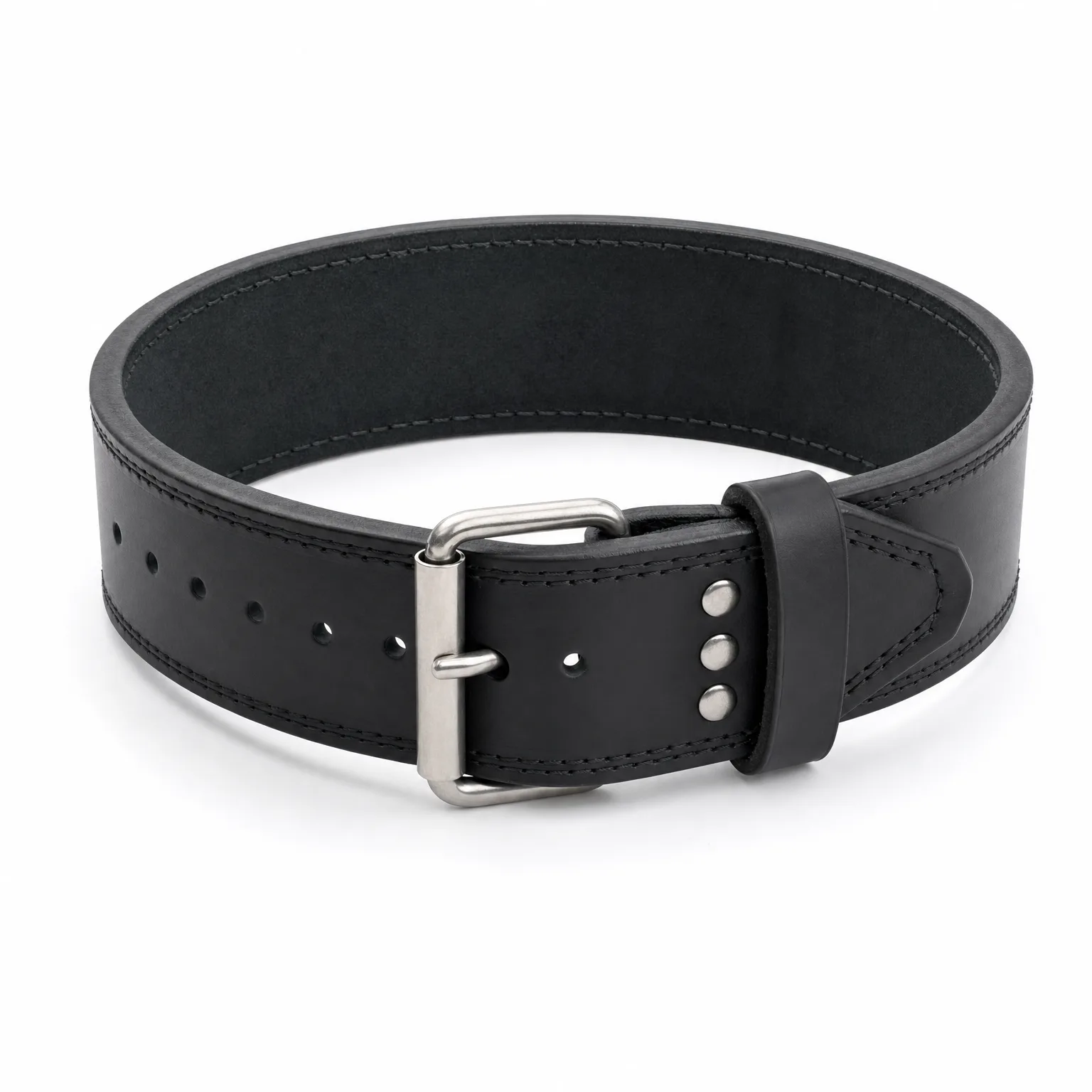
Lifting belt
A stiff belt worn tight around the waist on heavy squats, deadlifts and presses. It gives your abdomen a wall to brace against. -
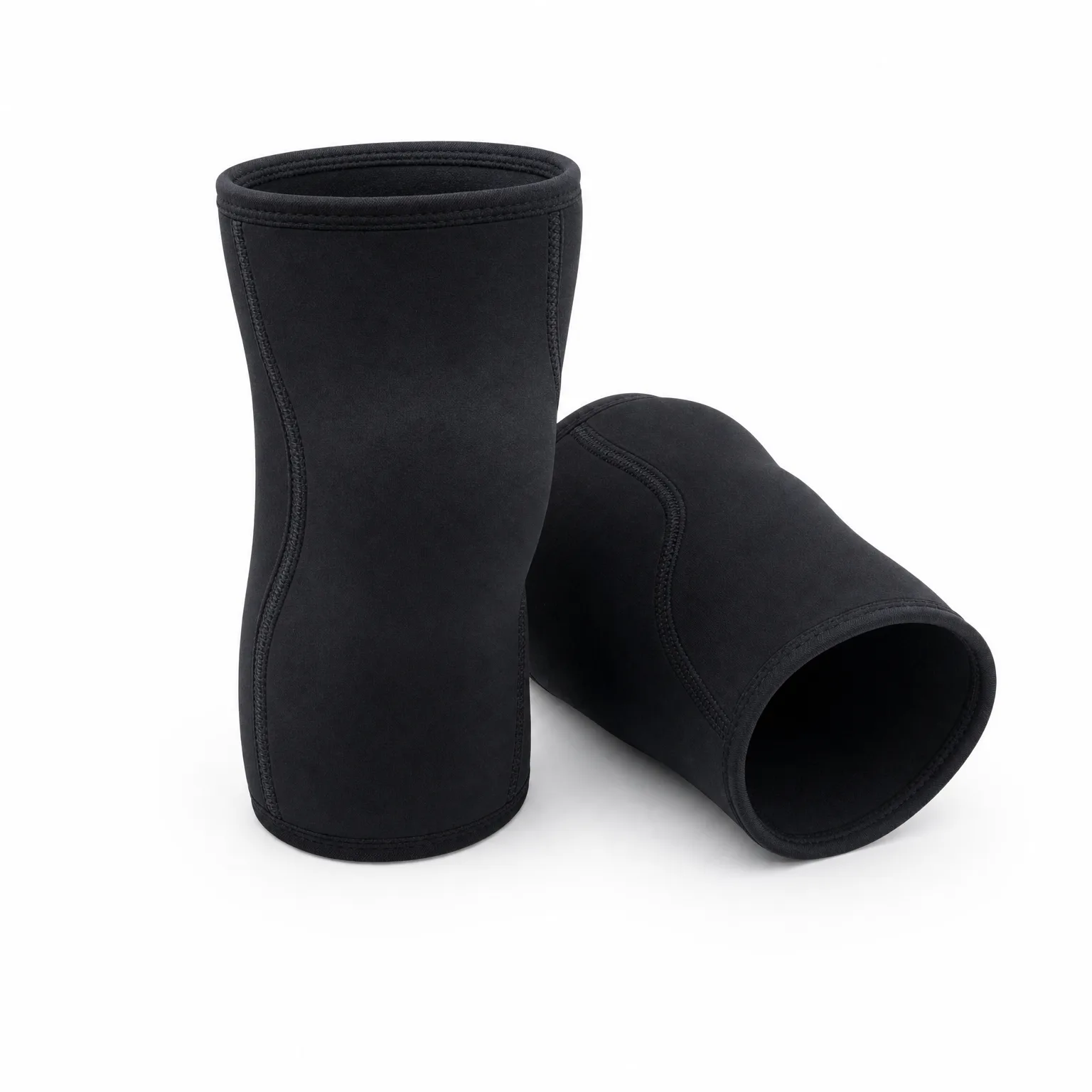
Knee sleeves
Neoprene tubes pulled over the knees for squats and other leg work. They compress the joint and keep it warm.
Questions about lifting shoes
Are lifting shoes worth it?
They are if you squat or do Olympic lifts regularly, especially if your heels lift or your torso tips forward at the bottom of a squat. For general gym training with machines and dumbbells, a flat, firm shoe is enough.
Why do lifting shoes have a raised heel?
The heel reduces how far the ankle has to bend for the knees to move forward. That lets many people reach depth with a more upright torso, which matters most in front squats, overhead squats, snatches and cleans.
Can you deadlift in heeled lifting shoes?
You can, but most people do better in flat shoes. A heel raises you off the floor and shifts balance forward. Some lifters still prefer a heel for conventional deadlifts, so it comes down to testing both.
Are flat sneakers good for lifting?
Canvas shoes with a thin, flat rubber sole work well for deadlifts and for squats if your ankles are mobile enough. They are firm, low and inexpensive. What they lack is the side support and the strap of a dedicated lifting shoe.
How should lifting shoes fit?
Snug in the heel and midfoot with no sliding, and just enough room at the front to spread the toes. Some people go half a size down from their running shoes, but sizing varies a lot by brand, so try them on or check the maker's chart.
Build programs around what your client has
This guide comes from OnlineFitness.app, the app online coaches run their clients in.
Free for life for the first 100 coachesNo card