Equipment Benches, racks and bars
Monkey bars
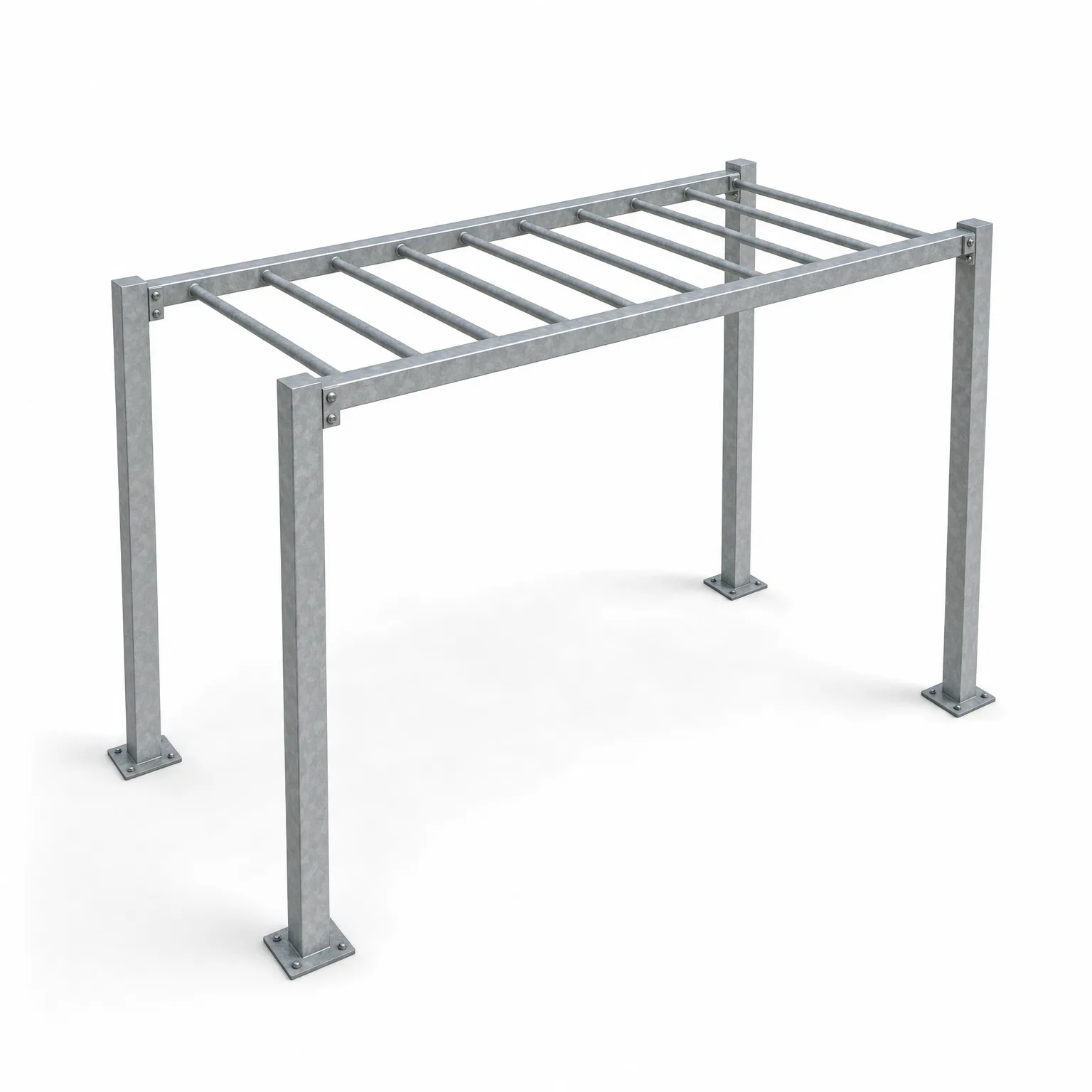
An overhead ladder of bars, found in calisthenics parks and gym rigs. You hang and travel hand over hand, or use single bars for pull-ups.
In short
Monkey bars are a horizontal ladder of bars set above head height: you hang from one rung and move to the next, hand over hand. In outdoor calisthenics parks they usually stand next to pull-up bars of several heights, and gym rigs often have a section of them overhead. Any rung also works as a pull-up bar.
Traveling along the bars trains grip endurance, the lats and the shoulders, and the trunk controls the swing. Hanging and short traverses suit beginners. Pull-ups, skipping rungs and swinging moves make the same structure useful for advanced bodyweight training. Outdoor bars are free to use at any time.
- Category
- Benches, racks and bars
- Where
- Outdoors, Gym
- Level
- Beginner and up
- Space
- Needs a dedicated area
- Typical sizes
- Rungs usually 28–40 mm (1.1–1.6 in) thick and 30–45 cm (12–18 in) apart; height about 2.1–2.5 m (7–8.2 ft)
- Also called
- calisthenics park bars, overhead ladder, horizontal ladder, street workout bars, playground bars, monkey bar rig
What it is used for
- Dead hangs and active hangs for grip and shoulders
- Hand-over-hand traverses along the ladder
- Pull-ups and chin-ups on a single rung or two side rails
- Hanging knee and leg raises
- Swinging transfers and skipped rungs for advanced grip work
Types
Straight ladder. Evenly spaced rungs at one height. The standard layout in parks and gym rigs.
Inclined or stepped ladder. Rungs rise along the length, so each reach is also a small pull upward. Harder than a flat ladder.
Snake or wave bars. A single curved rail, or two, instead of rungs. You travel sideways or with a mixed grip.
Rig-mounted section. A ladder bolted between the uprights of an indoor rig, usually with thinner, knurled or powder-coated rungs.
How to choose
Find a height that lets you hang
You should reach the bars with a small jump and hang with straight arms and feet off the ground. If the bars are high, use the frame's steps to get up rather than leaping.
Check the bars before you trust them
Outdoors, look for rust, loose rungs and rungs that spin, and check the ground below for stones or holes. Dew, rain and frost make steel very slippery.
Pick the rung thickness you can hold
Thinner bars are easier to grip for long traverses. Thick park bars tire the forearms sooner and suit shorter efforts.
Prefer a soft landing
Rubber tiles, sand or bark under the bars are better than concrete. Indoors, put a mat under the section you use.
How to start using it
- Start with hangs. Hang from one rung with both hands, shoulders pulled slightly down away from the ears. Build up to three or four hangs of 20–30 seconds before you travel.
- Shift weight side to side. Hanging from a rung, lift one hand a few centimeters and put it back, then the other. This teaches the one-arm moment that every step on the ladder needs.
- Traverse one rung at a time. Reach to the next rung, bring the second hand to the same rung, and repeat. Keep the elbows slightly bent and let the body swing gently with each reach.
- Then alternate hands. Once that is easy, move like walking: each hand goes to a new rung. Use the small swing of the hips to carry you forward. Drop to bent knees when you finish.
Common mistakes
Hanging on loose shoulders
Sinking completely so the shoulders touch the ears while swinging puts the load on passive structures. Keep the shoulders lightly pulled down, especially in the one-arm moment.
Going out too far
Grip fails suddenly. On a long ladder, turn back or drop while you still have strength, and avoid traversing over hard ground when tired.
Wet bars
Sweat, rain or morning dew turn smooth steel into a slide. Dry the bars and your hands, use chalk, or leave swinging moves for another day.
Wild swinging
A big uncontrolled swing makes each catch a shock for the hands and shoulders. Keep the swing small and time each reach at the front of it.
What to use instead
A pull-up bar at home or the bar of a power tower covers the hangs, pull-ups and leg raises, with one-arm weight shifts standing in for traveling. Two pairs of rings hung in a line allow a short traverse. Wall bars give you a top rung to hang from and rungs to climb across sideways.
-
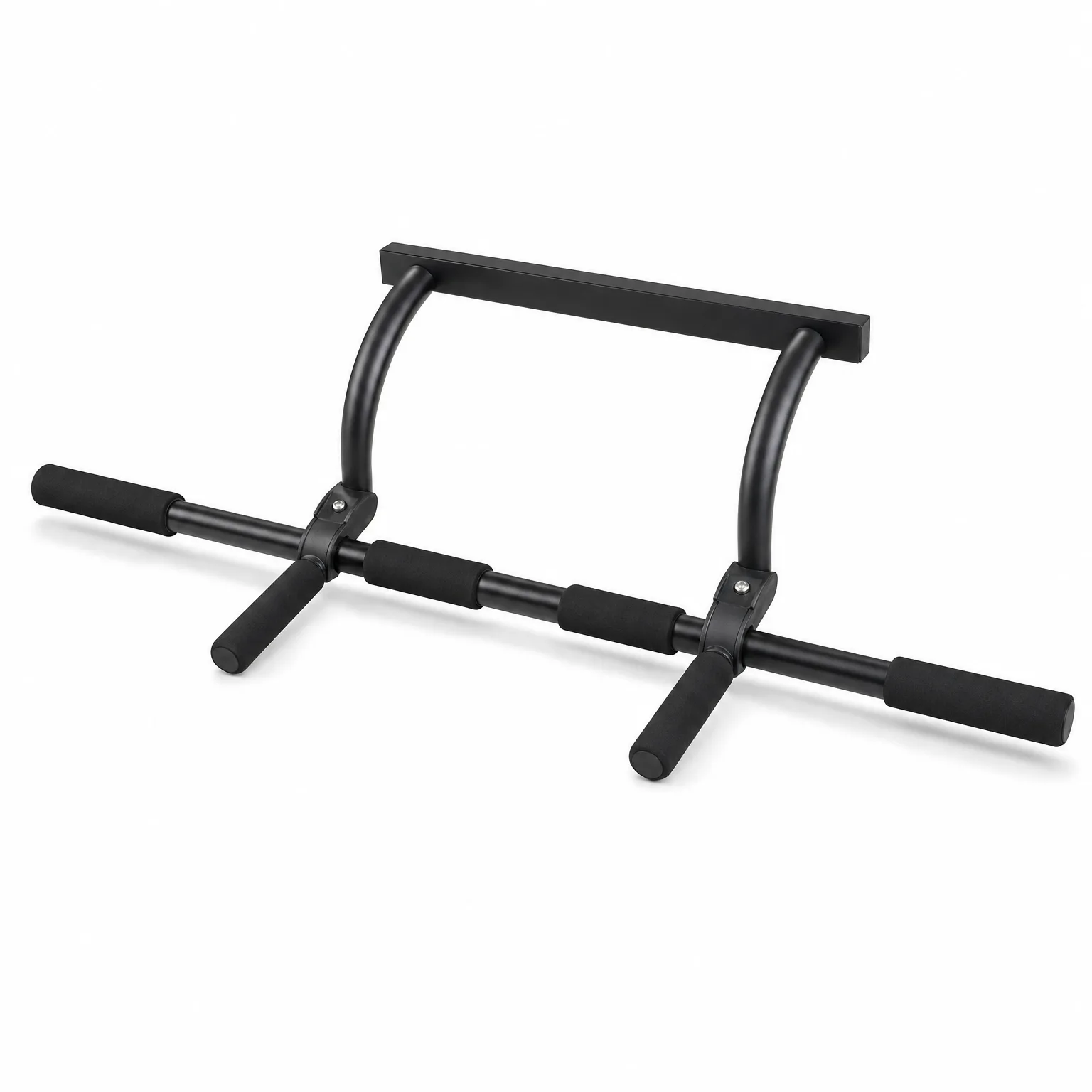
Pull-up bar
A fixed horizontal bar you hang from. Used for pull-ups, chin-ups, hangs and hanging leg raises, at home or outdoors. -
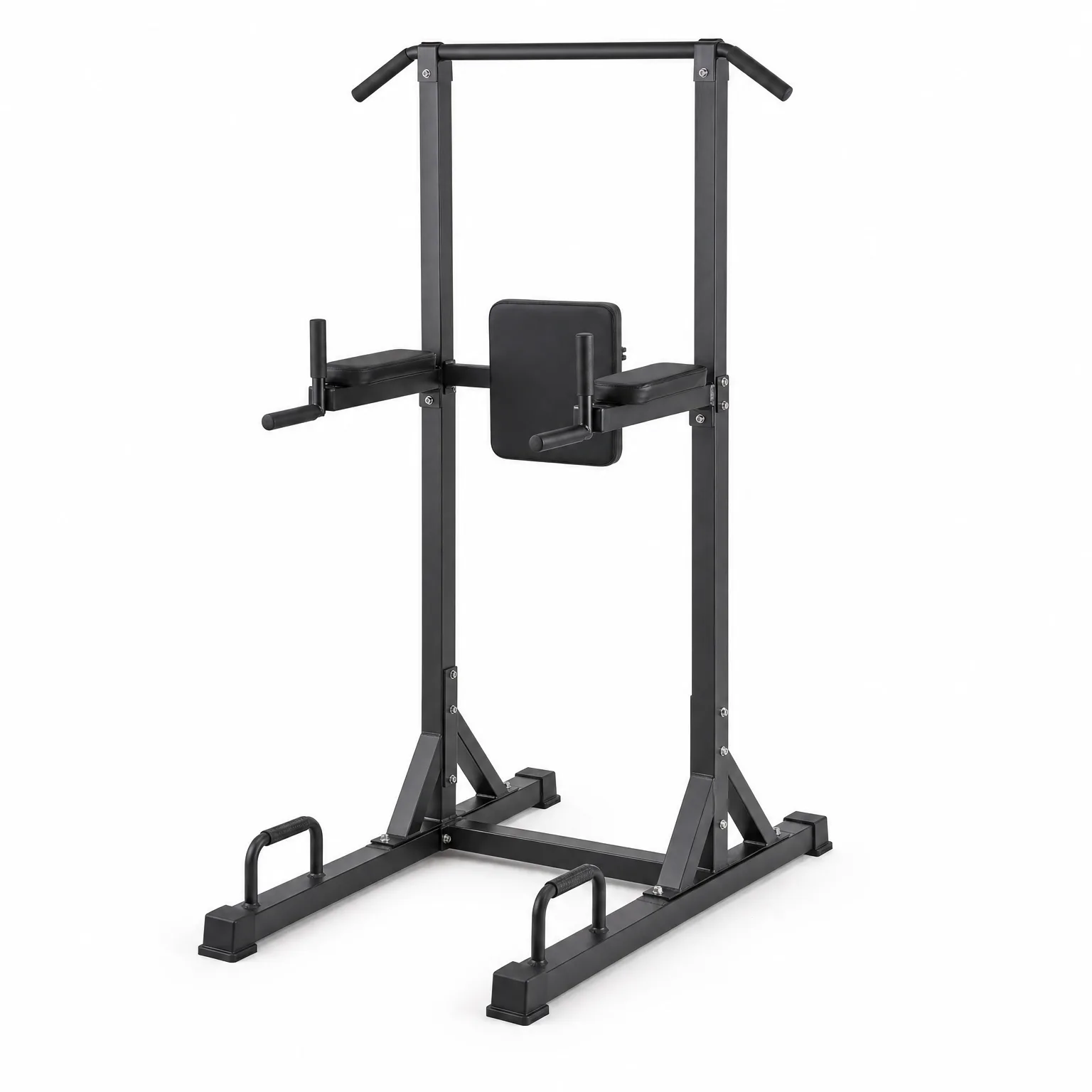
Power tower
A free-standing frame that combines a pull-up bar, dip handles and a padded station for supported knee and leg raises. -
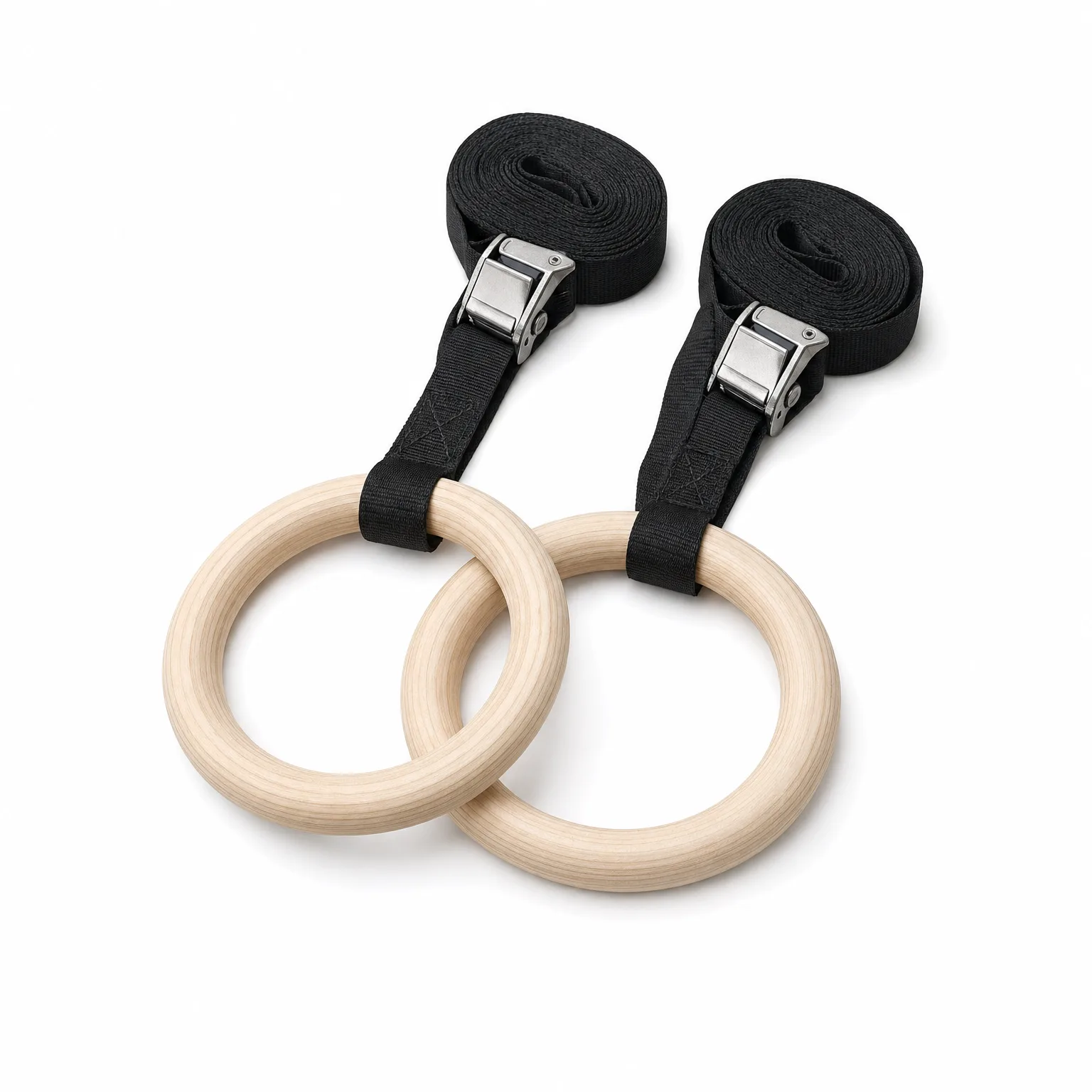
Gymnastic rings
Two rings on adjustable straps, hung from a bar or beam. Used for rows, pull-ups, dips, push-ups and support holds with body weight. -
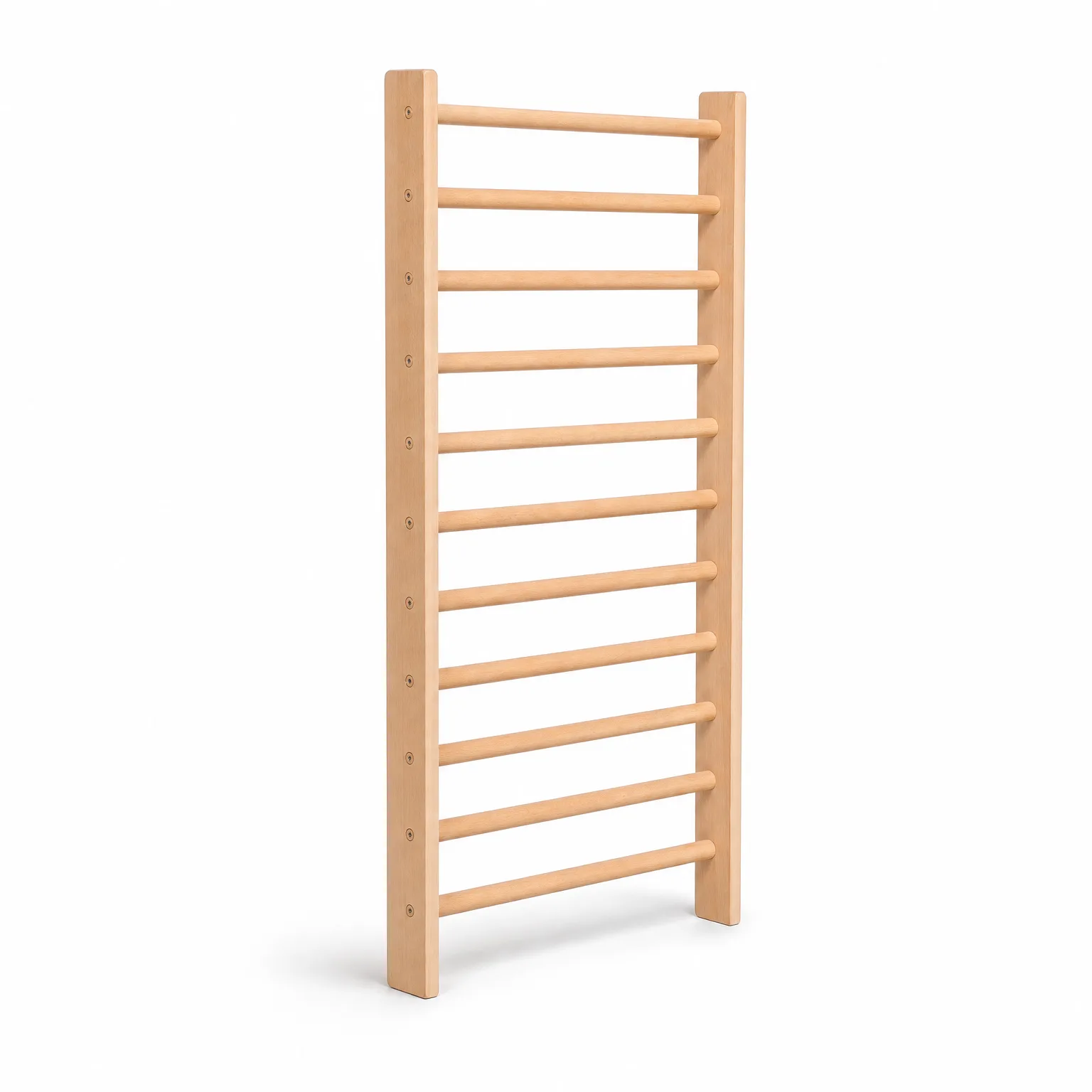
Wall bars
A ladder of horizontal wooden rungs fixed to a wall. Used for hanging leg raises, assisted stretching, pull-ups and band work.
Often used with
-
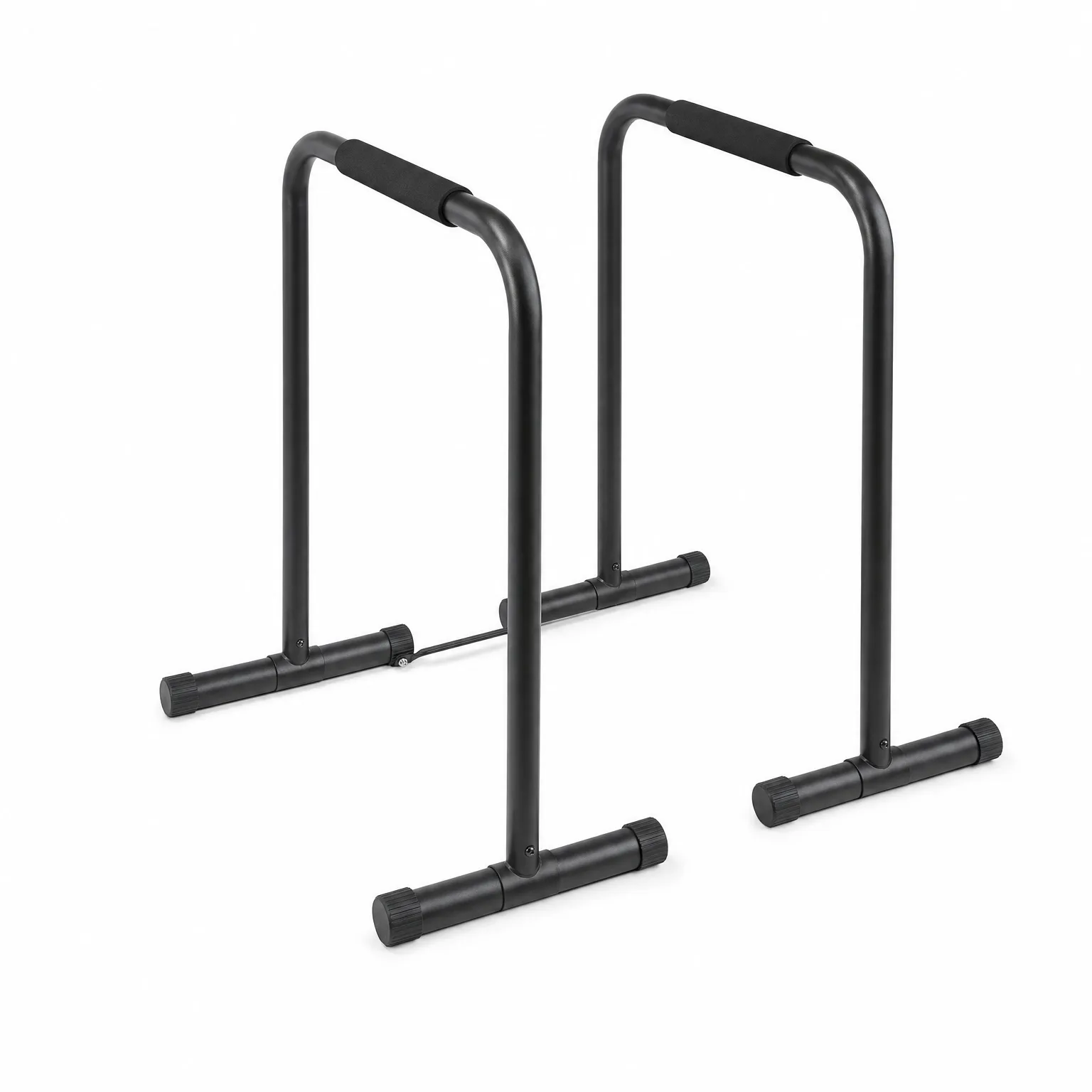
Dip bars
Two parallel bars at about waist height that you support yourself on. Used for dips, leg raises and bodyweight rows. -
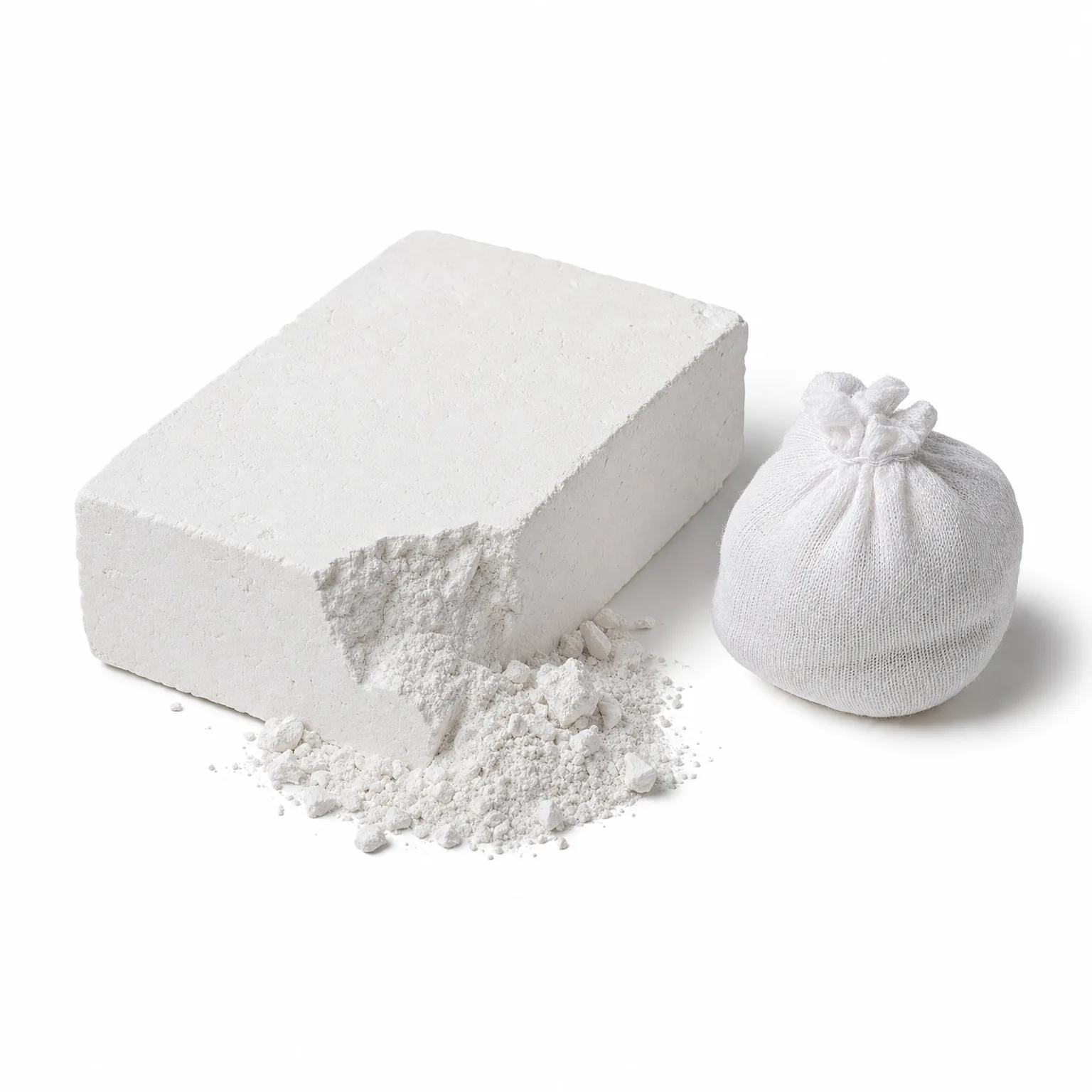
Gym chalk
Magnesium carbonate powder that dries sweaty hands so a bar, kettlebell or rings do not slip. Sold as a block, a ball or a liquid. -
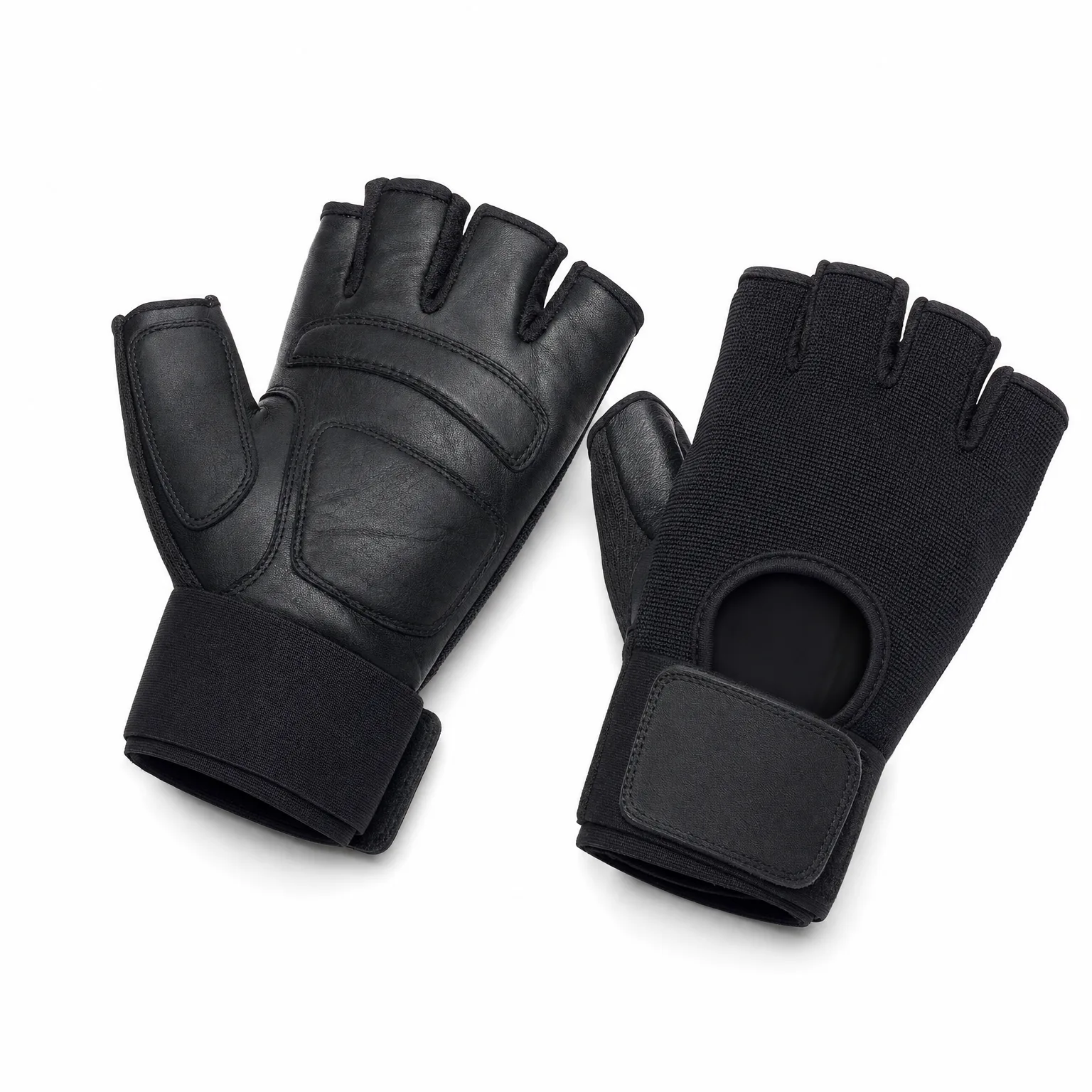
Gym gloves
Padded, usually fingerless gloves that put a layer between your palms and the bar to cut down on calluses and slipping from sweat. -
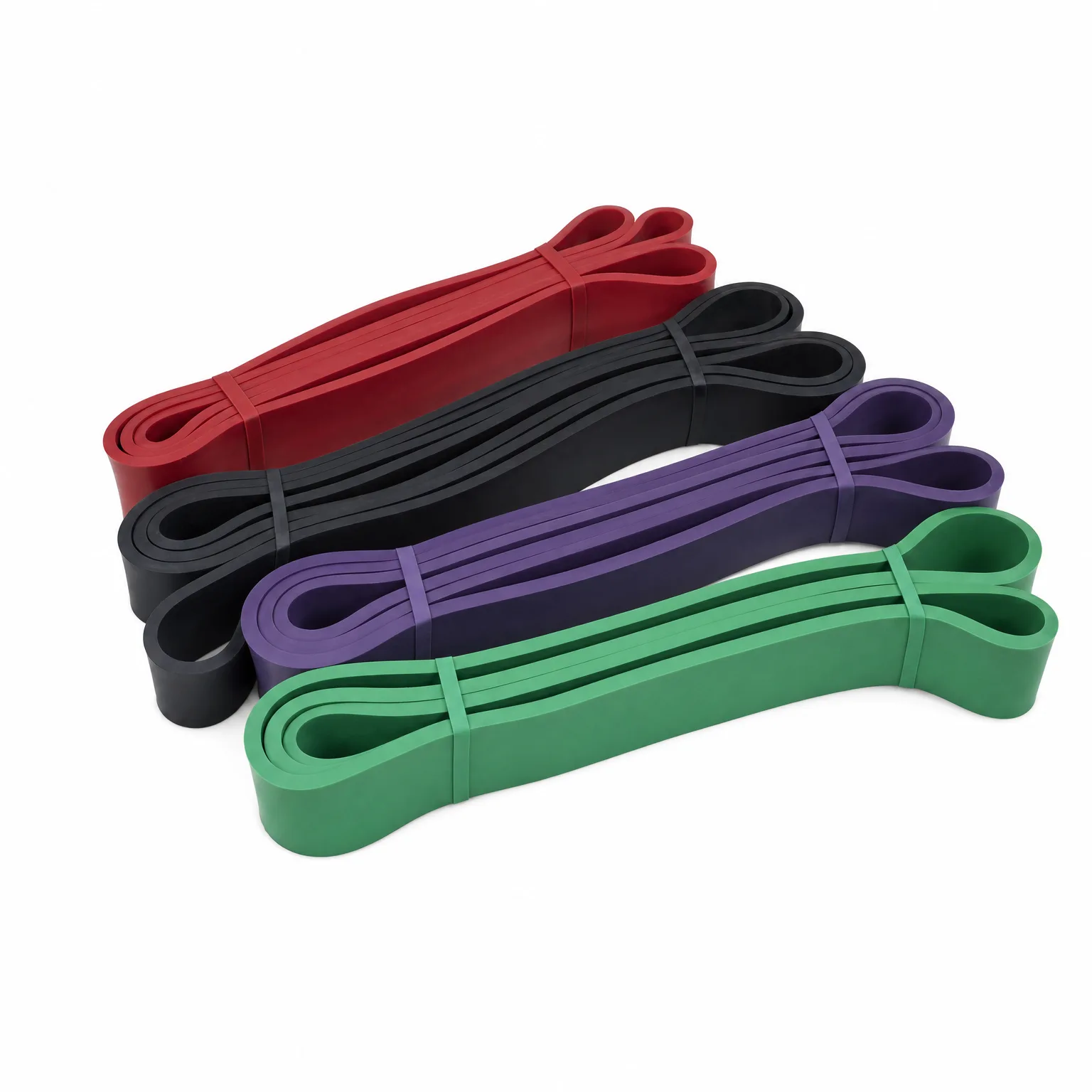
Resistance bands
Long closed loops of thick rubber. They add resistance to rows, presses and squats, or take weight off in pull-ups and dips.
Questions about monkey bars
What muscles do monkey bars work?
The forearms and grip work the whole time. The lats, mid back and biceps hold and pull the body, the rear shoulders control each reach, and the abs and obliques keep the swing in check.
Are monkey bars a good workout for adults?
Yes. Hanging and traversing train grip endurance and pulling strength that many adults lack, and the same bars serve for pull-ups and leg raises. Start with hangs and short distances, because the hands and shoulders need time to adapt.
Why can I not do monkey bars anymore?
Usually it is grip and body weight. Adults are much heavier in relation to their grip strength than children, and most have not hung from anything in years. Regular hangs, building toward 30 seconds or more, then one-arm weight shifts, bring the skill back.
How do I protect my hands on outdoor bars?
Build up volume gradually so the skin toughens, file down calluses so they do not catch and tear, and keep the hands dry with chalk. Gloves help on cold or rough bars, though they make the bar thicker and a little harder to hold.
Build programs around what your client has
This guide comes from OnlineFitness.app, the app online coaches run their clients in.
Free for life for the first 100 coachesNo card