Multi-gym
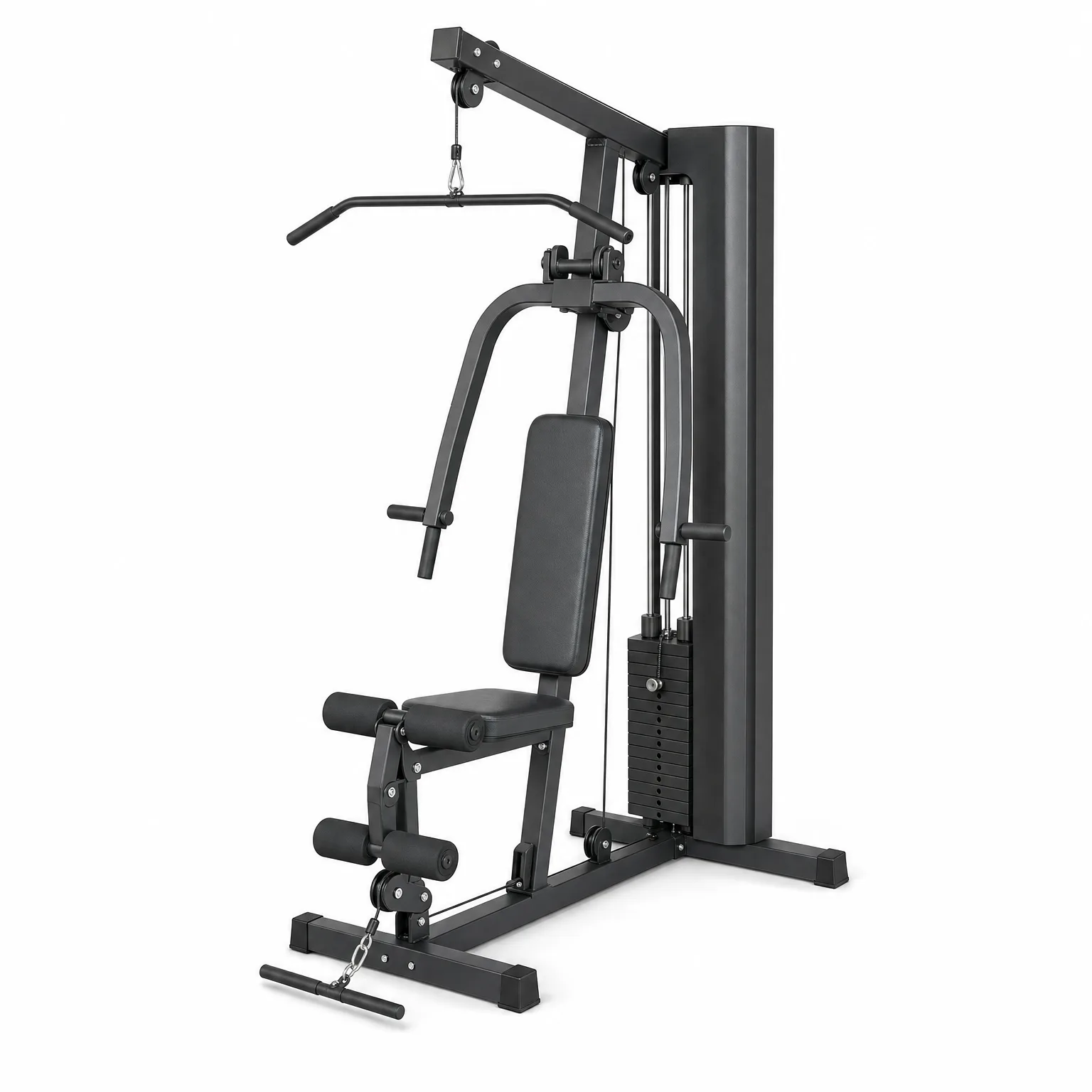
One frame with a weight stack and several stations: press, pulldown, row, leg extension. A whole-body machine for the home.
In short
A multi-gym is a single frame that combines several weight machines around one weight stack. A typical unit has a seated press arm, a high pulley for pulldowns, a low pulley for rows and curls, and a leg developer for extensions and curls. Cables route the same stack to each station.
It is made for home use and for small hotel or office gyms. It suits beginners and intermediate trainees who want guided, whole-body strength training in one spot without handling loose weights. Very strong lifters tend to outgrow the stack on leg and pulling exercises.
- Category
- Gym machines
- Where
- Home, Gym
- Level
- Beginner and up
- Space
- Needs a dedicated area
- Typical sizes
- About 1.5–2 m long, 1–1.2 m wide and 2–2.1 m tall (5–6.5 x 3.5–4 x 6.5–7 ft); stacks commonly 45–100 kg (100–220 lb)
- Also called
- home gym machine, multi station gym, multigym, all in one gym machine, home multi gym, multi station home gym, weight stack home gym
Muscles it works
- Also works
- Front delts, Side delts, Hamstrings, Abs
What it is used for
- Seated chest press and, on many models, pec fly
- Lat pulldowns and triceps pushdowns from the high pulley
- Seated rows, curls and upright rows from the low pulley
- Leg extensions and leg curls on the leg developer
- Whole-body sessions at home without changing plates
Types
Single-stack compact. One stack, one seat, four to six exercise stations around it. The most common home format. One person trains at a time.
Multi-stack station. Two or more stacks on a larger frame so several people can train at once. Found in hotels, clubs and studios.
Plate-loaded. Uses your own weight plates on a carriage instead of a stack. Cheaper and with no fixed top load, slower to adjust.
With leg press. Adds a seated leg press station to the frame. Gives a heavier leg exercise and needs noticeably more floor.
Rod or band resistance. Flexible rods or elastic bands replace the stack. Lighter and quieter. Resistance rises through each rep instead of staying constant.
How to choose
Measure the room, including the ceiling
Check the footprint and add about 60–100 cm (2–3 ft) of clear space on the working sides for the press arm, leg developer and low-row position. Check ceiling height against the frame height and leave room to assemble the top pulley.
Look at the stack and the pulley ratios
A 45–70 kg (100–155 lb) stack is enough for most upper-body work for a beginner. Rows, pulldowns and leg exercises use it up faster. The felt load differs by station because of cable ratios, so the plate numbers are a guide, not an exact weight.
Check that the stations fit your body
The seat height, back pad and press-arm start position should adjust. With the seat set, the press handles should be at mid chest and your knees should line up with the leg developer pivot. Fixed, non-adjustable seats fit only some body sizes.
Check what is covered and what is not
Most multi-gyms are strong on pressing, pulling and arm work and weaker on legs and hips. If there is no leg press, plan squats, lunges and hip hinges with dumbbells or body weight alongside.
Know the rated limits
User weight and stack limits are set by the manufacturer and differ between models. Read them in the manual and stay within them.
How to start using it
- Set the seat for each station. For the press, raise or lower the seat until the handles are level with the middle of the chest. For the leg developer, sit so the knees are at the pivot and the roller is on the lower shin. Reset the seat when you change exercise.
- Put the pin fully in and start light. Push the selector pin all the way through the stack. Begin each exercise with a light plate for 10–12 reps to learn the path, then add a plate at a time until the last two reps are hard.
- Build a session around five movements. Chest press, lat pulldown, seated row, leg extension and leg curl cover most of the body. Add a shoulder exercise, curls and pushdowns from the pulleys, and one squat or lunge pattern off the machine. Two or three sets each.
- Move the stack quietly. Lift in about one second, lower in about two, and stop each rep just before the plates touch. A slamming stack means the load is too heavy or the lowering is too fast.
- Check the machine regularly. Before a session, look along the cables for fraying or cracked coating, and check that pulleys turn and bolts are tight. Do not use a station with a damaged cable. Follow the maintenance schedule in the manual.
Common mistakes
Never adjusting the seat
Leaving the seat where it was assembled puts the press handles and the leg pivot in the wrong place for most people. Take a minute to set each station to your body.
Training only the press and the curl
The press arm is the most obvious station, so the back and legs get skipped. Do at least as many sets of pulldowns and rows as of presses, and train legs every session.
Letting the stack crash
Dropping the plates wears the cables and pulleys and takes the lowering phase out of the rep. Control the return on every exercise.
Ignoring worn cables
Cables wear at the pulleys and at the end fittings. A frayed or kinked cable can fail under load. Replace it with the manufacturer's part before using that station again.
Expecting it to cover heavy leg training
Leg extensions and curls alone do not train the legs and hips fully. Add squats, split squats and hinges, loaded as you get stronger.
What to use instead
In a gym, a cable machine plus the separate press, pulldown, row and leg machines do the same jobs with more adjustment. At home, a set of dumbbells and a bench cover every muscle group in less space and add the leg and hip exercises a multi-gym lacks. Resistance bands with a door anchor copy the pulley exercises, and a suspension trainer covers rows, presses and trunk work with body weight.
-
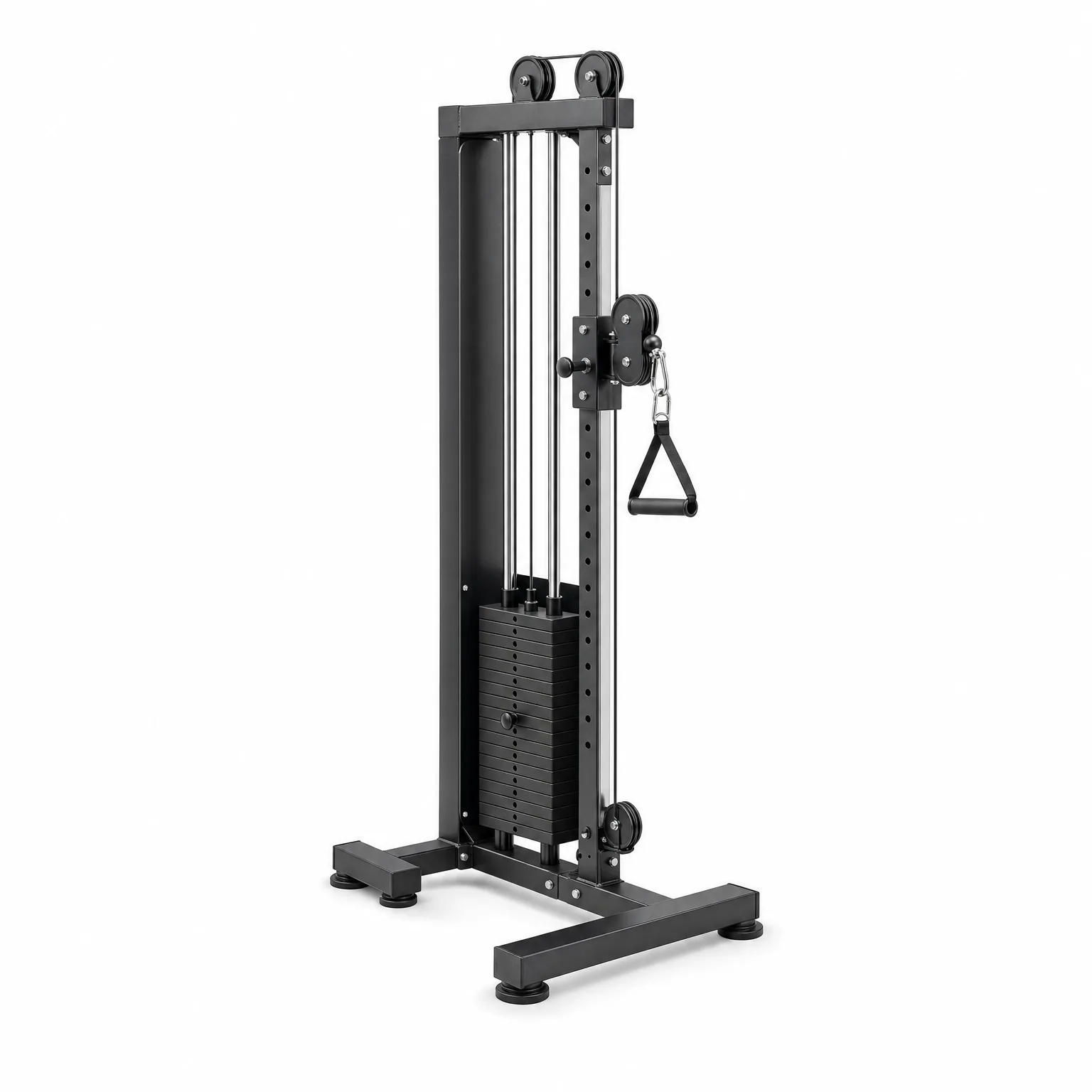
Cable machine
A weight stack on a pulley with a handle you can set at any height. It keeps tension on the muscle through the whole movement. -

Dumbbells
A pair of short handles with a weight at each end. One pair trains every major muscle group, at home or in a gym. -
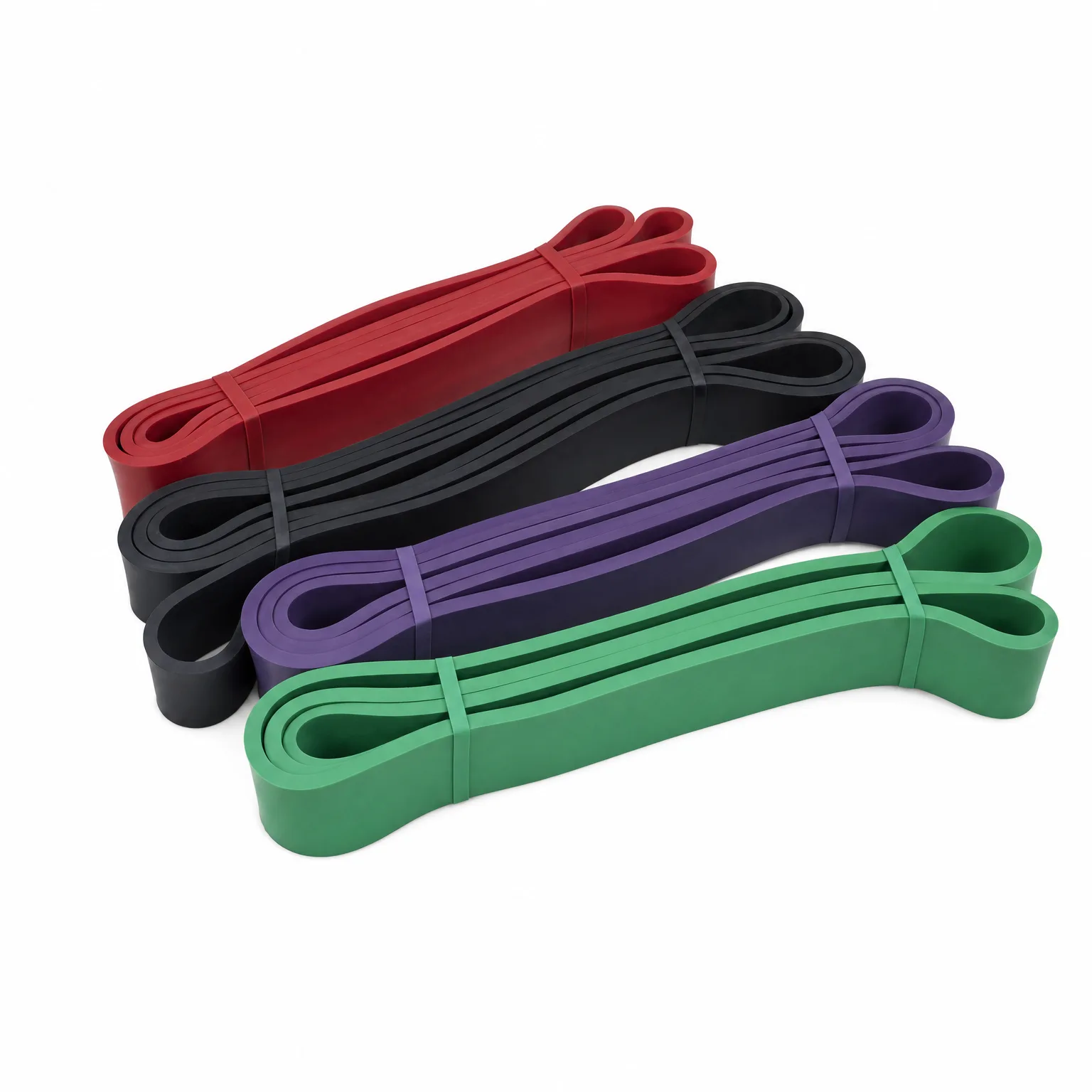
Resistance bands
Long closed loops of thick rubber. They add resistance to rows, presses and squats, or take weight off in pull-ups and dips. -
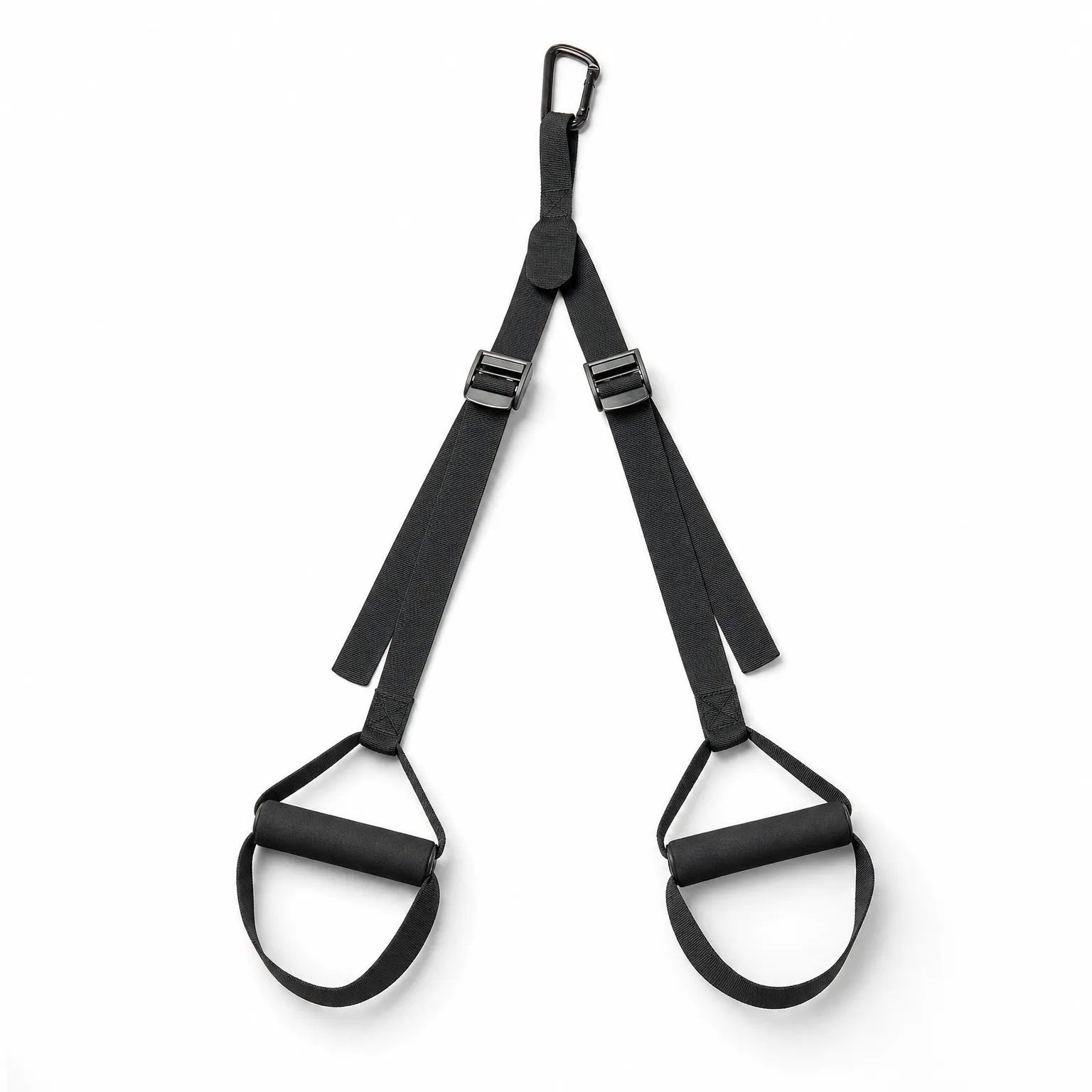
Suspension trainer
Two adjustable straps with handles, hung from one anchor point. You lean or hang on them and use your own body weight as the load.
Often used with

Questions about multi-gym
Is a multi-gym worth it for home training?
It suits you if you want guided exercises, quick weight changes and no loose weights around, and you have a dedicated space. The trade-offs are a large fixed footprint, a top load you may outgrow, and limited leg training. Dumbbells and a bench take less room and are more flexible, but need more skill.
Can you build muscle with a multi-gym?
Yes. Muscles respond to hard sets and gradual increases in load or reps, whatever the equipment. A multi-gym provides that for the chest, back, shoulders and arms for a long time. For legs, add squats and lunges with extra weight once the leg developer feels light.
How much space does a multi-gym need?
A compact single-stack unit is roughly 1.5–2 m long and 1–1.2 m wide, and about 2–2.1 m tall. Allow another 60–100 cm (2–3 ft) of clear space on the sides you work from, so a floor area of about 2.5 x 2 m (8 x 6.5 ft) is a realistic minimum. Check the exact dimensions for the model.
Multi-gym vs free weights: which is better for a beginner?
A multi-gym is easier to start on: the paths are guided and the load changes with a pin. Free weights take more practice and train balance and coordination as well, with no upper limit on progress. Either works for a beginner. The best choice is the one you will use regularly in the space you have.
Build programs around what your client has
This guide comes from OnlineFitness.app, the app online coaches run their clients in.
Free for life for the first 100 coachesNo card