Boxing gloves
Padded gloves that cushion the knuckles and support the wrist when you hit a bag, mitts or a partner. Sized by weight in ounces.
In short
Boxing gloves are padded mitts with an attached thumb and a wrist cuff, worn for punching a bag, focus mitts or a sparring partner. The padding spreads the impact across the knuckles and the cuff helps keep the wrist straight. In sparring, the padding also softens the blow for the other person.
Anyone who hits a bag needs a pair, including people doing boxing-style fitness classes. Gloves are sized by weight in ounces: heavier gloves have more padding. They are worn over hand wraps, which hold the small bones of the hand and the wrist firm.
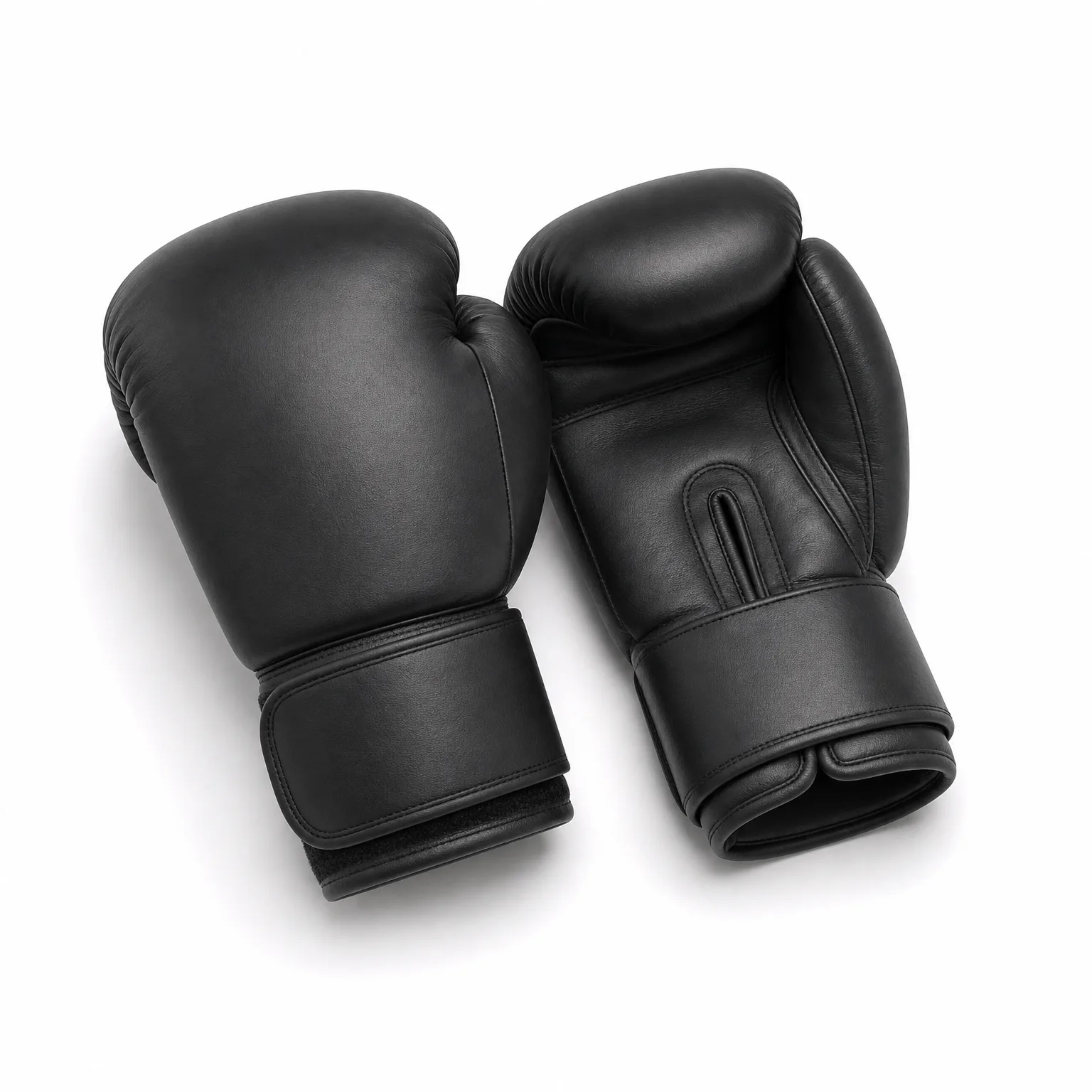
- Category
- Boxing
- Where
- Home, Gym
- Level
- Beginner and up
- Space
- Fits in a drawer or a bag
- Typical sizes
- 8–18 oz (about 225–510 g) per glove; 10–16 oz are the usual training sizes
- Also called
- boxing glove, bag gloves, sparring gloves, training gloves, 16 oz gloves, kickboxing gloves, punching gloves
What it is used for
- Rounds on a hanging or free-standing punching bag
- Partner drills on focus mitts and pads
- Sparring, with heavier and softer gloves
- Boxing-style fitness classes
Types
Training gloves. All-purpose gloves for bag, mitts and light sparring. The usual first pair, most often 12–16 oz.
Bag gloves. Denser padding made for hitting bags and pads, usually 10–14 oz. Not for sparring.
Sparring gloves. Softer, thicker padding to protect the partner, typically 14–18 oz. Kept for sparring so the foam stays soft.
Competition gloves. Compact padding. Often 8–10 oz in professional bouts and 10–12 oz in amateur ones. The weight is set by the rules and the weight class.
Hook-and-loop or lace-up. A strap closure goes on and off without help and suits most training. Laces give a tighter, more even fit but need a second person.
MMA gloves. Small open-finger gloves made for grappling as well as striking. Much less padding. Not a substitute for boxing gloves on a heavy bag.
How to choose
Pick the weight by use and body weight
For bag and mitt work, lighter adults often use 10–12 oz and heavier adults 12–16 oz. For sparring, 16 oz is the common gym standard, with 14 oz for lighter people. Many gyms set their own rule, so ask before buying.
Try them on with wraps
Gloves should fit snugly over wrapped hands with the fingertips near the top and a comfortable fist. Too loose and the hand slides on impact. Too tight and the fingers go numb.
Check the wrist support
The cuff should be long and firm enough that the glove and forearm feel like one piece. A wide strap that pulls tight helps.
Choose the closure
If you train alone or in classes, hook-and-loop is the practical choice. Laces are worth it only if someone is there to tie them.
Leather or synthetic
Leather lasts longer and molds to the hand. Good synthetic gloves are fine for a few sessions a week and cost less. A breathable lining or palm vents help the gloves dry.
How to start using it
- Wrap your hands first. Put on hand wraps or padded inner gloves before the gloves. Wraps hold the wrist and knuckles together and soak up sweat, which keeps the gloves fresher.
- Fasten the cuff firmly. Push the hand fully in, make a fist to seat it, then pull the strap tight enough that the wrist cannot bend back easily, without cutting off circulation.
- Land with the first two knuckles. Make a tight fist at the moment of impact and hit with the knuckles of the index and middle fingers, keeping the wrist straight and in line with the forearm.
- Start light. Spend the first weeks hitting at half power while the hands, wrists and shoulders get used to impact. Add force gradually.
- Dry them after every session. Wipe the inside, open the gloves wide and leave them in moving air. Do not leave them zipped in a gym bag. Damp gloves smell and the lining breaks down.
Common mistakes
Skipping hand wraps
Gloves pad the knuckles but do little to hold the hand together. Without wraps the wrist and the small bones of the hand take more strain, and the gloves soak up more sweat.
Sparring in bag gloves
Dense or worn-down bag gloves hit harder than they look. Use dedicated, heavier sparring gloves with a partner, and follow your gym's rules.
Buying too light for more speed
Small gloves feel fast but give less padding for your hands on a heavy bag. For regular bag work, err toward more padding.
Hitting with a loose fist or bent wrist
A glove hides a poor fist. Landing with the fingers or with the wrist cocked is how hands and wrists get sprained. Tighten the fist and line up the forearm.
Using them long after the padding is gone
When you can feel your knuckles through the foam or the padding has shifted, the gloves no longer protect. Replace them.
What to use instead
Nothing in the house safely stands in for gloves when hitting a bag or pads, and weightlifting or winter gloves do not protect the hand. Without gloves, train with shadow boxing, footwork drills and jump rope, which need no hand protection. Padded inner gloves or bag mitts are enough for the speed bag and very light pad work only.
Often used with
-
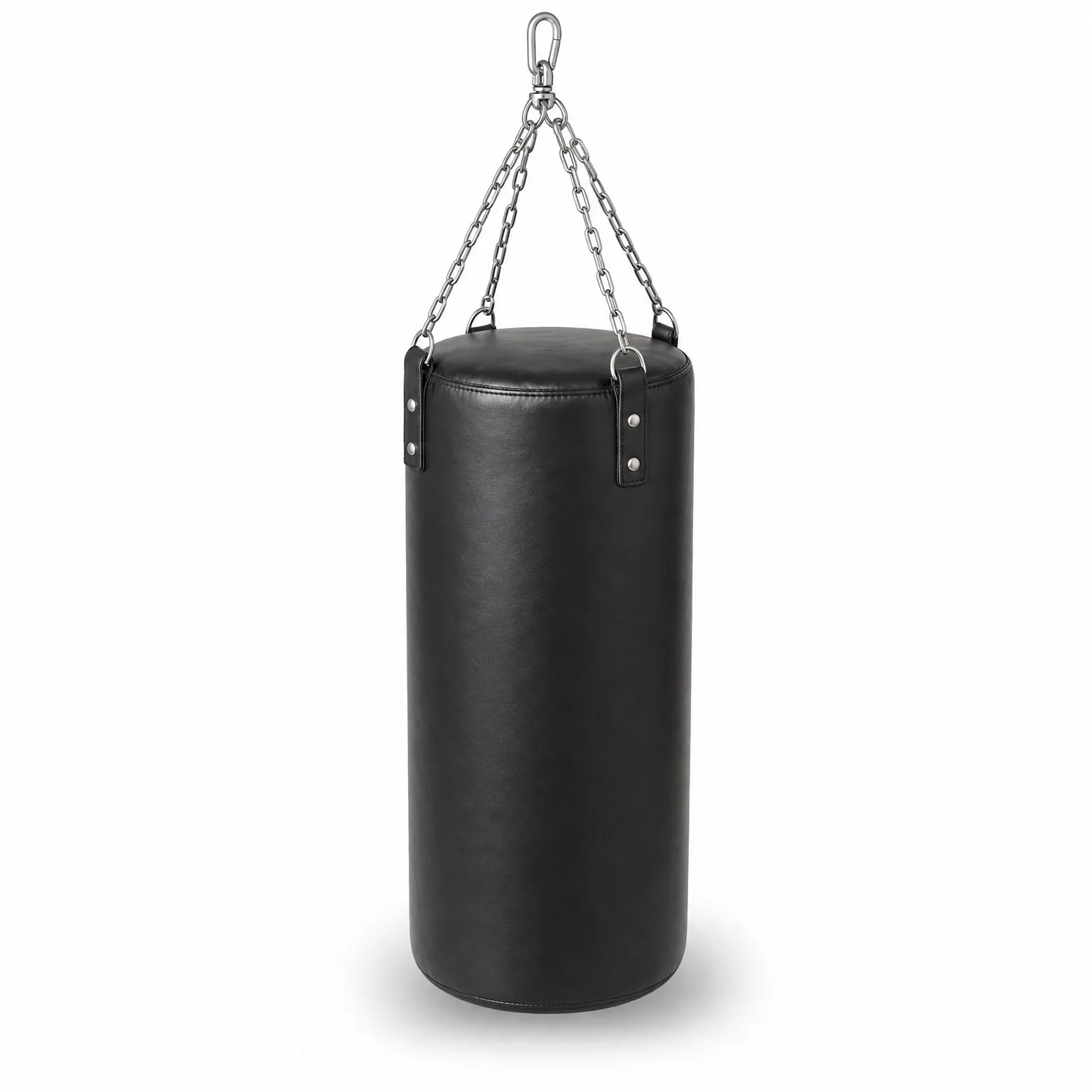
Punching bag
A heavy, padded bag that hangs from a ceiling mount, wall bracket or stand. Used for punches and kicks as boxing practice and hard conditioning. -
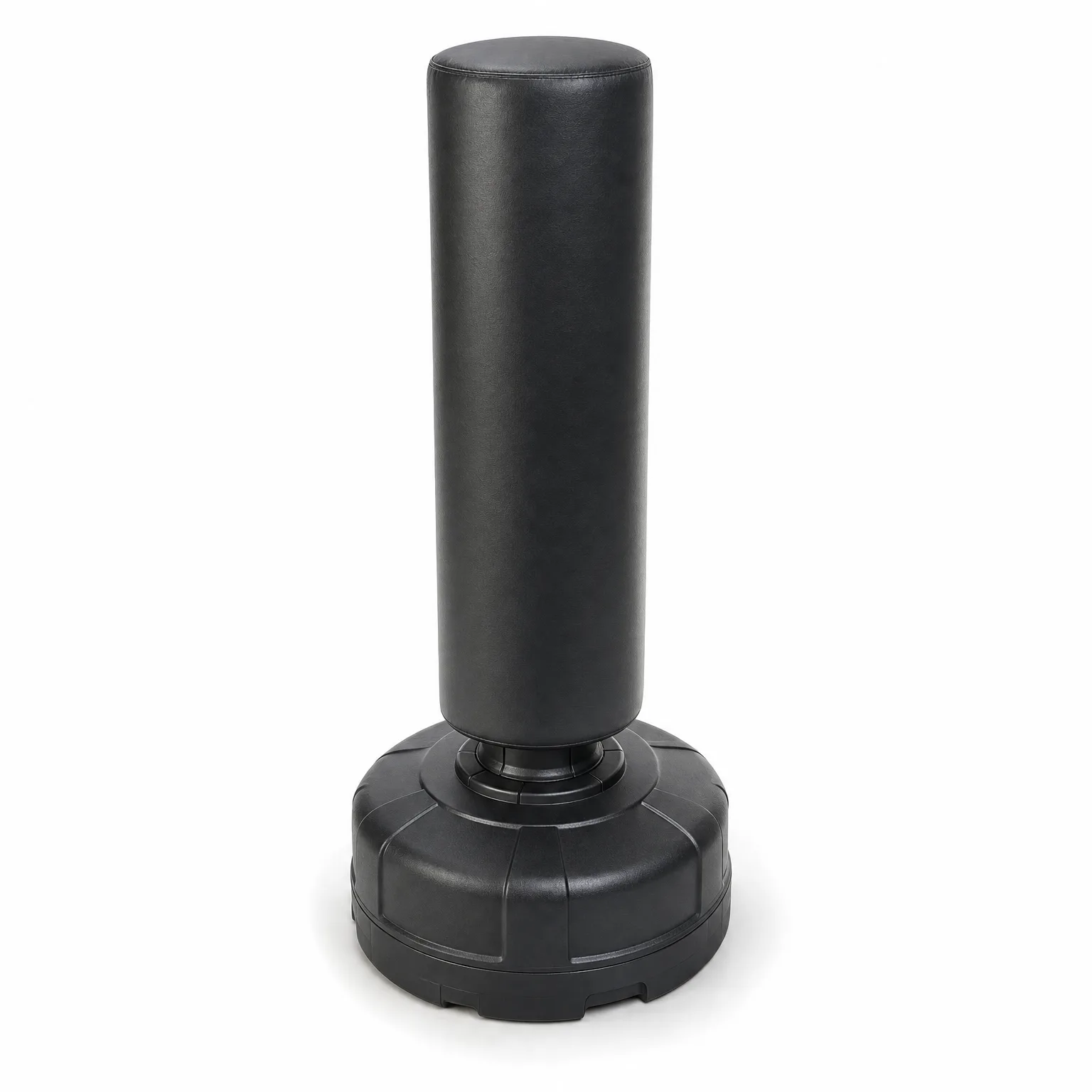
Free-standing punching bag
A padded striking bag on a heavy base filled with water or sand. It needs no ceiling mount, so it suits homes where a hanging bag cannot go. -
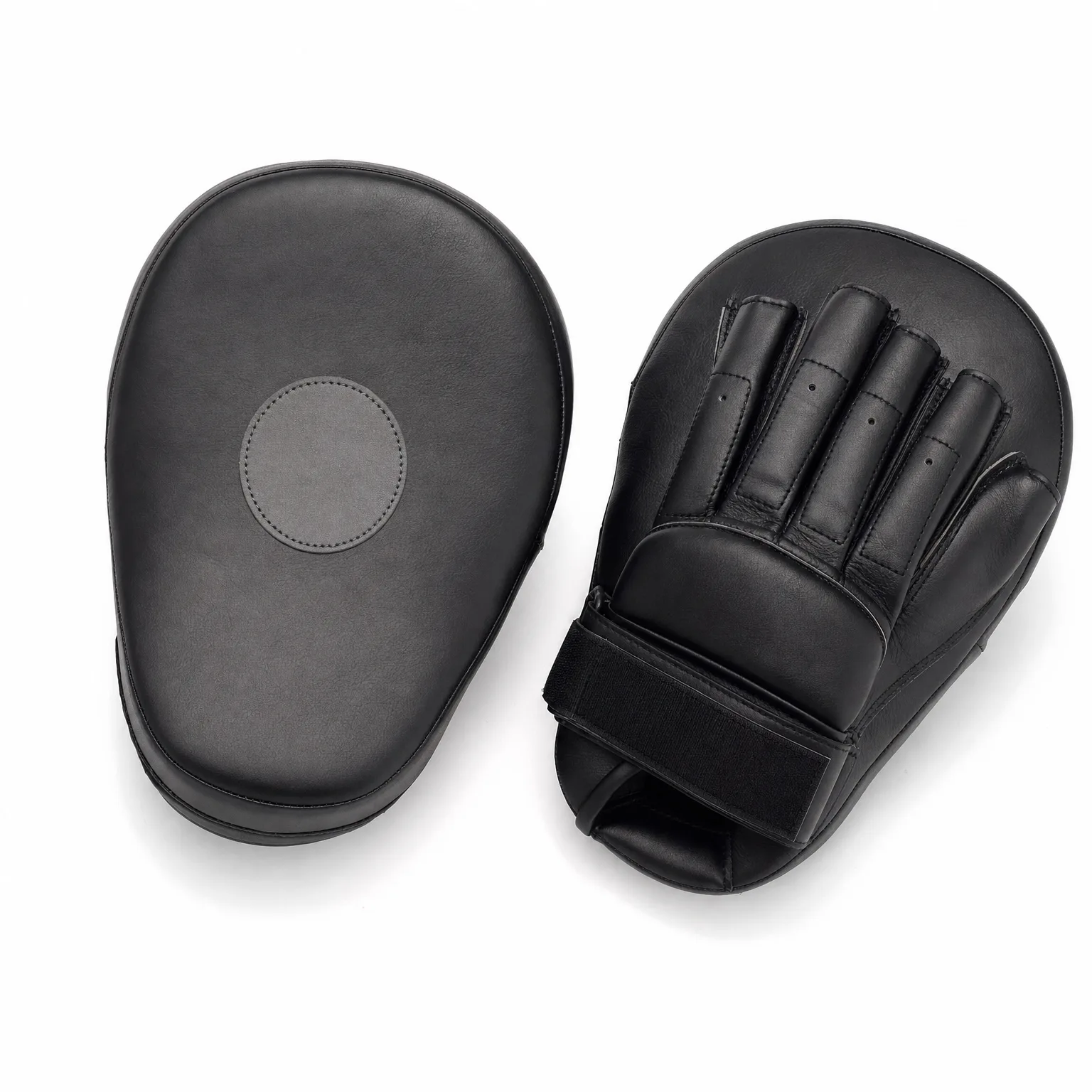
Focus mitts
Padded targets a partner wears on the hands and holds up for punches. Used to drill accuracy, combinations and defense. -
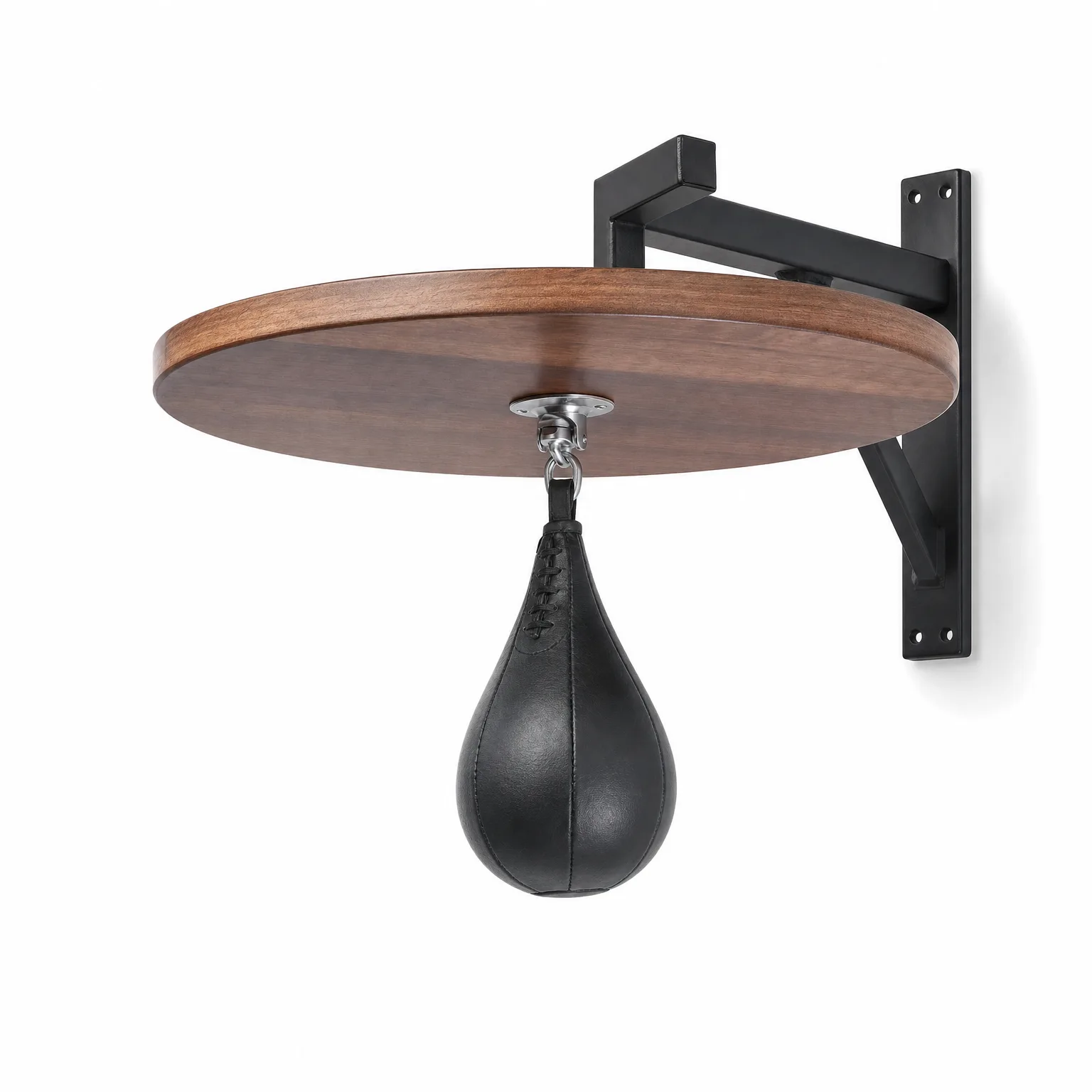
Speed bag
A small air-filled bag hung from a swivel under a platform. Hitting it in rhythm trains timing, hand-eye coordination and shoulder endurance.
Questions about boxing gloves
What size boxing gloves should I get?
For general training on bags and mitts, 12 oz suits many lighter adults and 14–16 oz many heavier ones. If you plan to spar, 16 oz is the common standard. When unsure, a 14 or 16 oz training glove is a safe first pair. Check your gym's rules first.
What does oz mean on boxing gloves?
It is the weight of one glove in ounces. One ounce is about 28 grams, so a 16 oz glove weighs roughly 450 g. More weight means more padding, not a bigger hand size, though heavier gloves do tend to be roomier.
Do I need hand wraps with boxing gloves?
Yes, for bag work, mitts and sparring. Wraps support the wrist, keep the knuckles and hand bones compact and stop the hand sliding in the glove. Padded inner gloves are a quicker alternative with less wrist support.
Can I use the same gloves for the bag and sparring?
You can start with one pair of 14–16 oz training gloves. Regular bag work compresses the padding, which makes the gloves harder on a partner, so people who spar often keep a separate pair for it.
How do I stop boxing gloves from smelling?
Always wear wraps, wipe the gloves out after training and let them dry open in fresh air. Glove deodorizer inserts or crumpled paper help draw out moisture. Do not put them on a radiator or in a dryer, as heat damages the foam and leather.
Build programs around what your client has
This guide comes from OnlineFitness.app, the app online coaches run their clients in.
Free for life for the first 100 coachesNo card