Free-standing punching bag
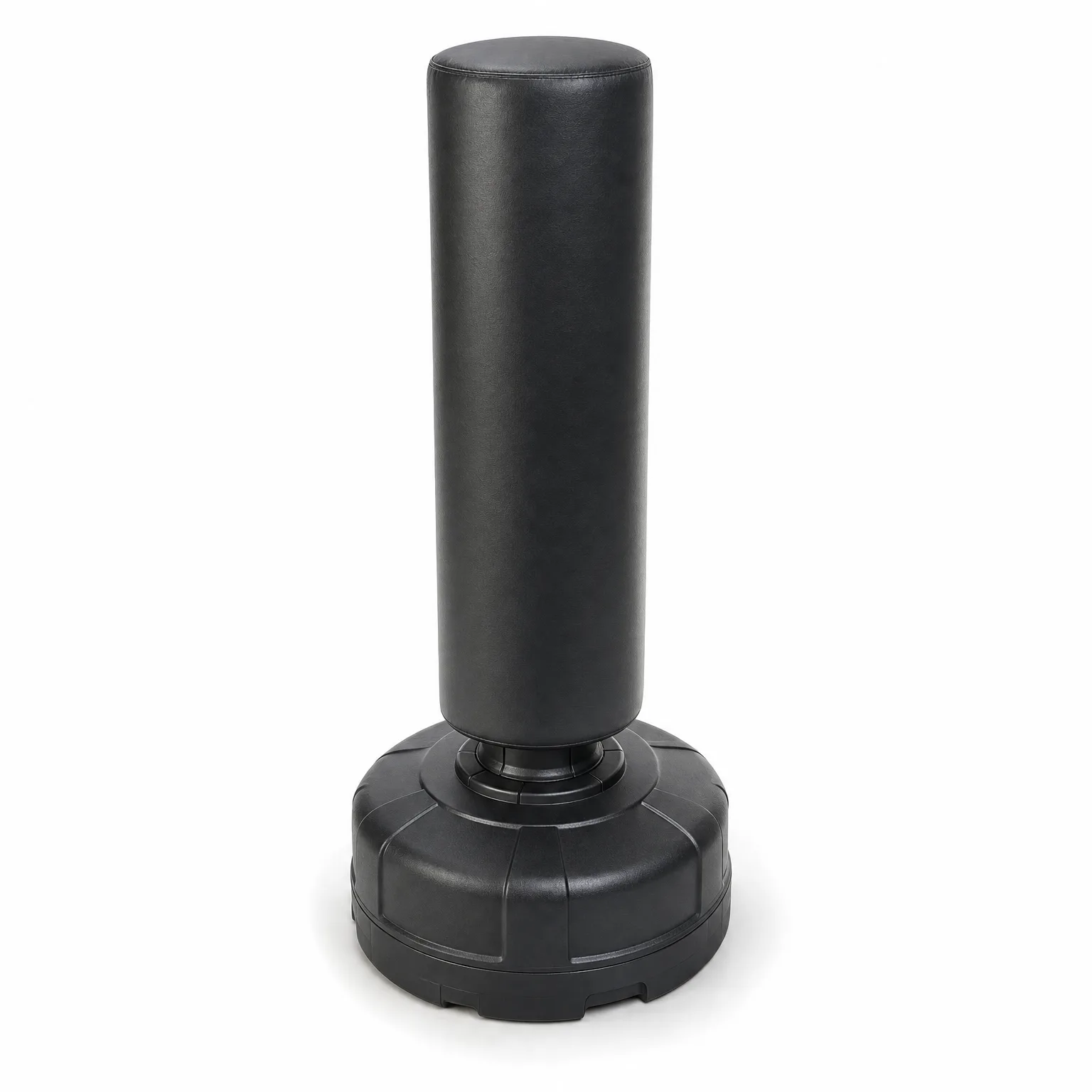
A padded striking bag on a heavy base filled with water or sand. It needs no ceiling mount, so it suits homes where a hanging bag cannot go.
In short
A free-standing punching bag is a padded column fixed to a wide plastic base that you fill with water or sand. You punch and kick it as you would a hanging heavy bag, for technique, power and conditioning. It stands on the floor, so nothing is drilled into a ceiling or wall.
It suits home training, rented apartments and shared rooms, because it can be tipped and rolled out of the way. Compared with a hanging bag it rocks and slides under hard shots and gives less to push against, so heavy hitters usually prefer a hung bag.
- Category
- Boxing
- Where
- Home, Gym
- Level
- Beginner and up
- Space
- Needs a corner of a room
- Typical sizes
- About 150–180 cm (5–6 ft) tall; base roughly 60 cm (24 in) across, about 70–120 kg (150–265 lb) filled, depending on model
- Also called
- freestanding punching bag, standing punching bag, free standing heavy bag, standing boxing bag, floor punching bag, punching bag with stand
What it is used for
- Punch combinations in timed rounds
- Kicks and knees, including low kicks on full-length models
- Conditioning intervals of fast, light strikes
- Footwork around a target, circling in both directions
- Technique practice at home between classes
Types
Cylinder bag on a base. A foam-padded column on a round base. The standard type, good for punches and body kicks.
Full-length bag. The padding runs almost to the floor, so low kicks are possible. Common in kickboxing and Muay Thai training.
Torso-shaped dummy. A molded human head and trunk on a base. Gives realistic targets for hooks, uppercuts and body shots.
Reflex bag. A small padded ball on a flexible pole and a base. It springs back when hit and trains timing and accuracy, not power.
How to choose
Free-standing or hanging
Choose free-standing if you cannot mount anything, need to move the bag after training or have a low ceiling. Choose a hanging bag if you have a solid beam or a stand and hit hard, because it absorbs power better and swings instead of sliding.
Look at the base
A wider, heavier base tips and walks less. Check how much the base holds, whether it takes sand as well as water, and that the fill cap seals. A rounded base edge makes it easier to tilt and roll.
Match the height to you
The top of the striking area should be at least head height. Many models adjust in steps. Tall people should check the highest setting before buying.
Check the neck
The joint between the base and the bag takes all the bending. A flexible neck or spring softens hard shots but lets the bag whip. A rigid, thick core is steadier for kicks.
Think about the floor and the neighbors
A filled base thumps and slides on hard floors. A rubber mat under it protects the floor, adds grip and cuts some noise.
How to start using it
- Put it in place before filling. Choose a spot with about 1.5 m (5 ft) of clear space all around. Fill the base there: once full it is too heavy to lift, though it can be tilted and rolled on its edge. Sand makes it heavier and steadier than water but is slow to pour in.
- Fill it completely and seal it. A half-filled base sloshes and tips. Fill to the top, close the cap tightly and check for leaks over the first day.
- Wrap your hands and wear gloves. Use hand wraps under bag gloves or boxing gloves for every session, even light ones. The foam over a hard core is firmer than it looks.
- Find your distance and start light. Stand so that a straight punch lands with the arm almost fully extended. Throw single jabs and crosses at half power, keeping the wrist straight and the knuckles landing first. Step back out after each combination.
- Work in rounds. Start with 3–4 rounds of 2 minutes with a minute of rest. Mix light, fast combinations with a few harder shots, and move around the bag instead of standing in one place.
Common mistakes
Leaving the base part-filled
People stop at two-thirds because filling is slow. The bag then tips and slides with every solid shot. Fill it fully, and switch to sand if it still moves.
Pushing instead of striking
Shoving through the bag rocks it far back and it swings into you on the return. Snap the punch out and bring the hand straight back.
Chasing a sliding bag
If the bag walks across the floor you end up reaching and off balance. Put a rubber mat under it or set it against a corner, and reposition between rounds.
Hitting without wraps or gloves
Bare or lightly covered fists on a firm bag skin the knuckles and strain the wrists. Protect the hands every time.
Full power from the first day
Hands, wrists and shoulders need weeks to get used to impact. Build power gradually and keep technique ahead of force.
What to use instead
A hanging punching bag is the direct alternative if you have somewhere to mount it or a bag stand. Focus mitts held by a partner train accuracy, timing and combinations with a moving target. Shadow boxing needs nothing and covers technique and footwork. For the conditioning effect without striking, slam ball slams or battle rope intervals work the shoulders and trunk in a similar interval format.
-
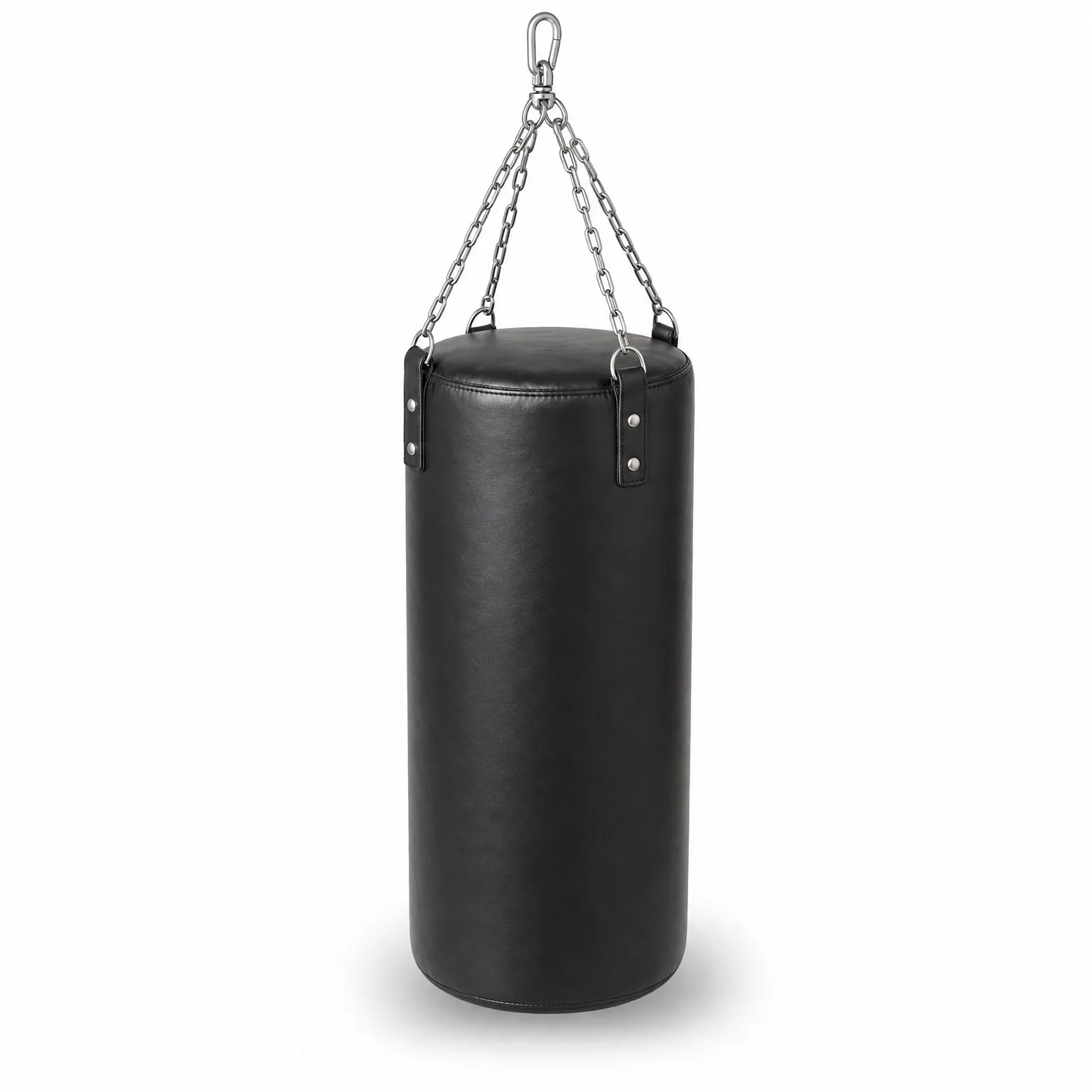
Punching bag
A heavy, padded bag that hangs from a ceiling mount, wall bracket or stand. Used for punches and kicks as boxing practice and hard conditioning. -
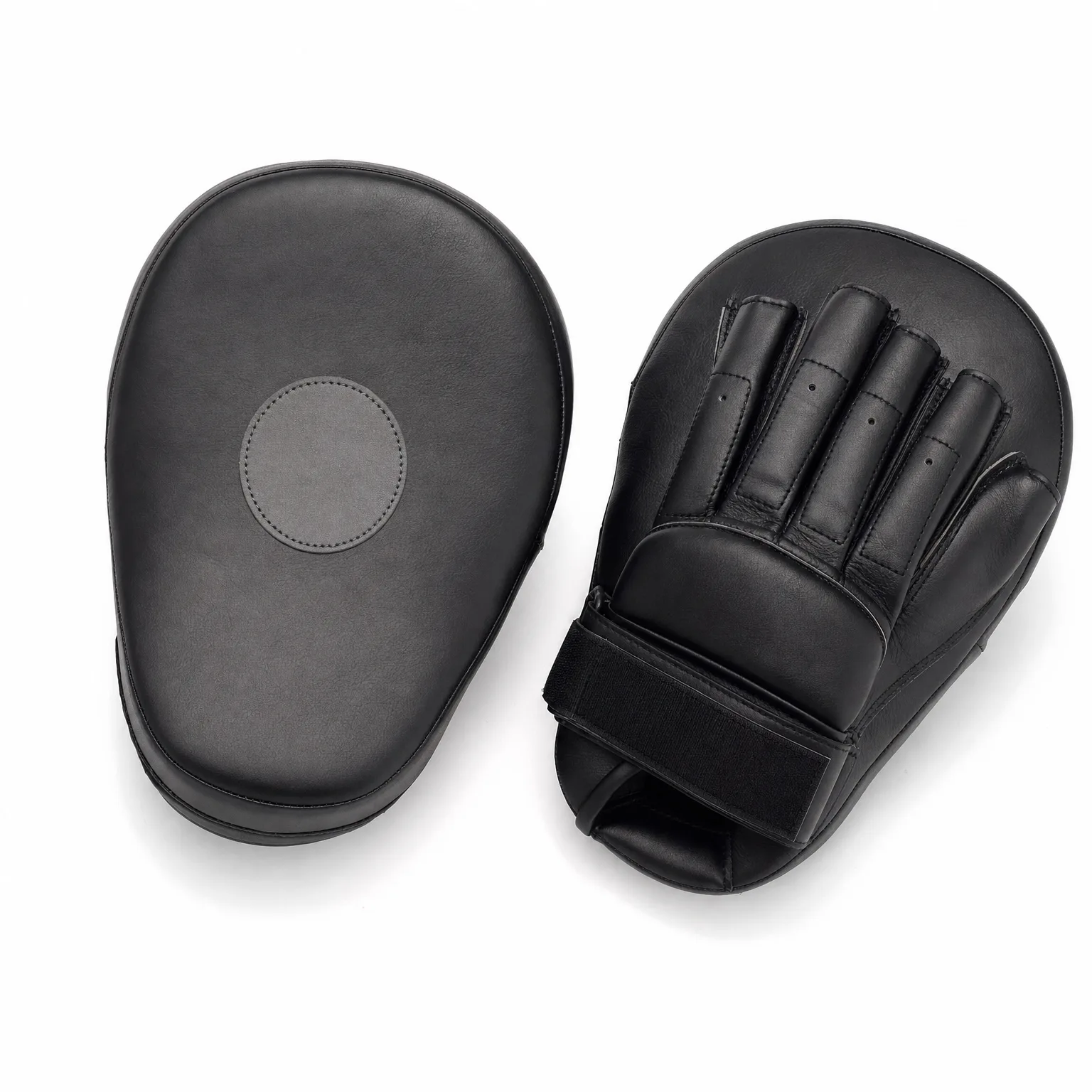
Focus mitts
Padded targets a partner wears on the hands and holds up for punches. Used to drill accuracy, combinations and defense. -
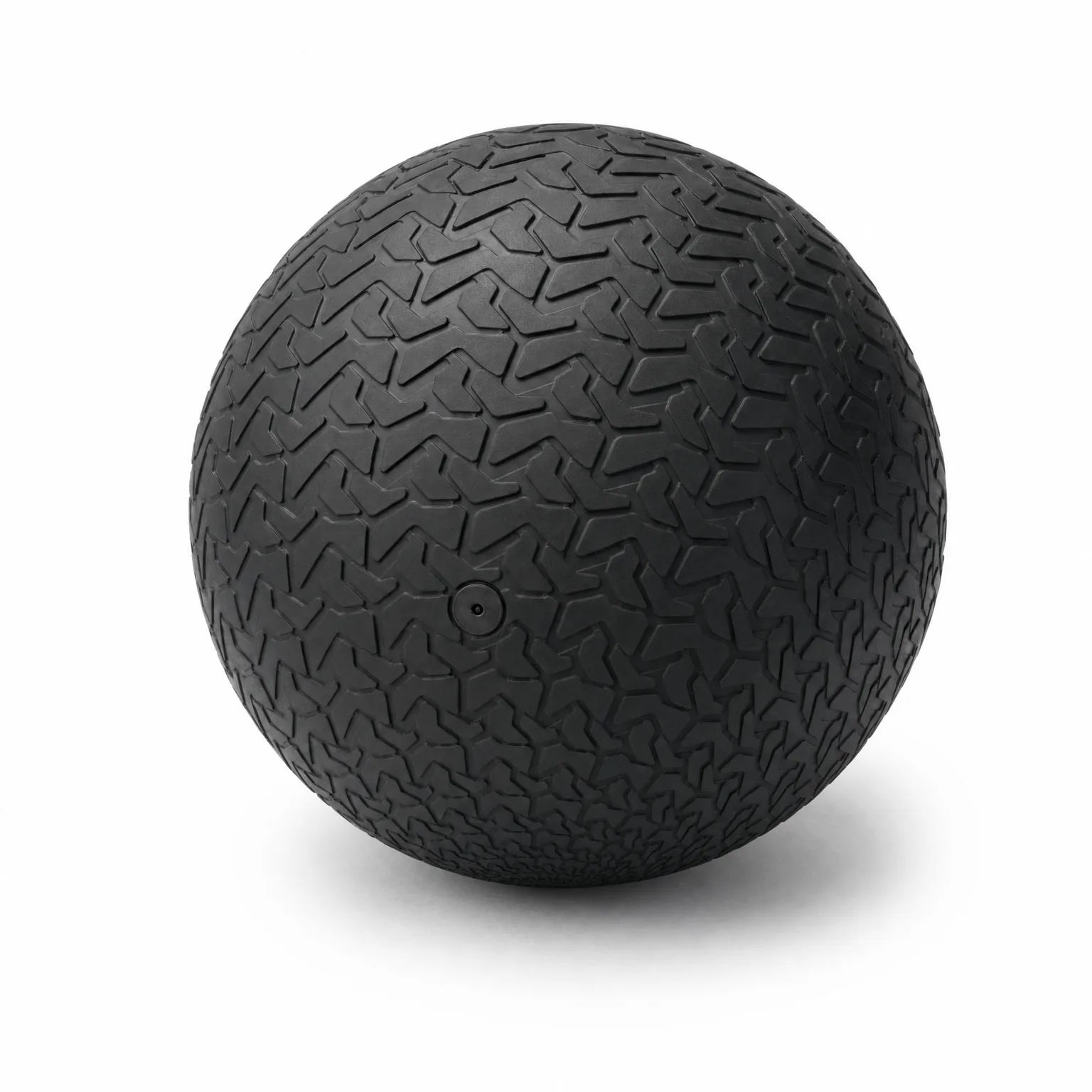
Slam ball
A sand-filled ball with a thick shell that does not bounce. Made to be lifted overhead and thrown at the floor at full force. -
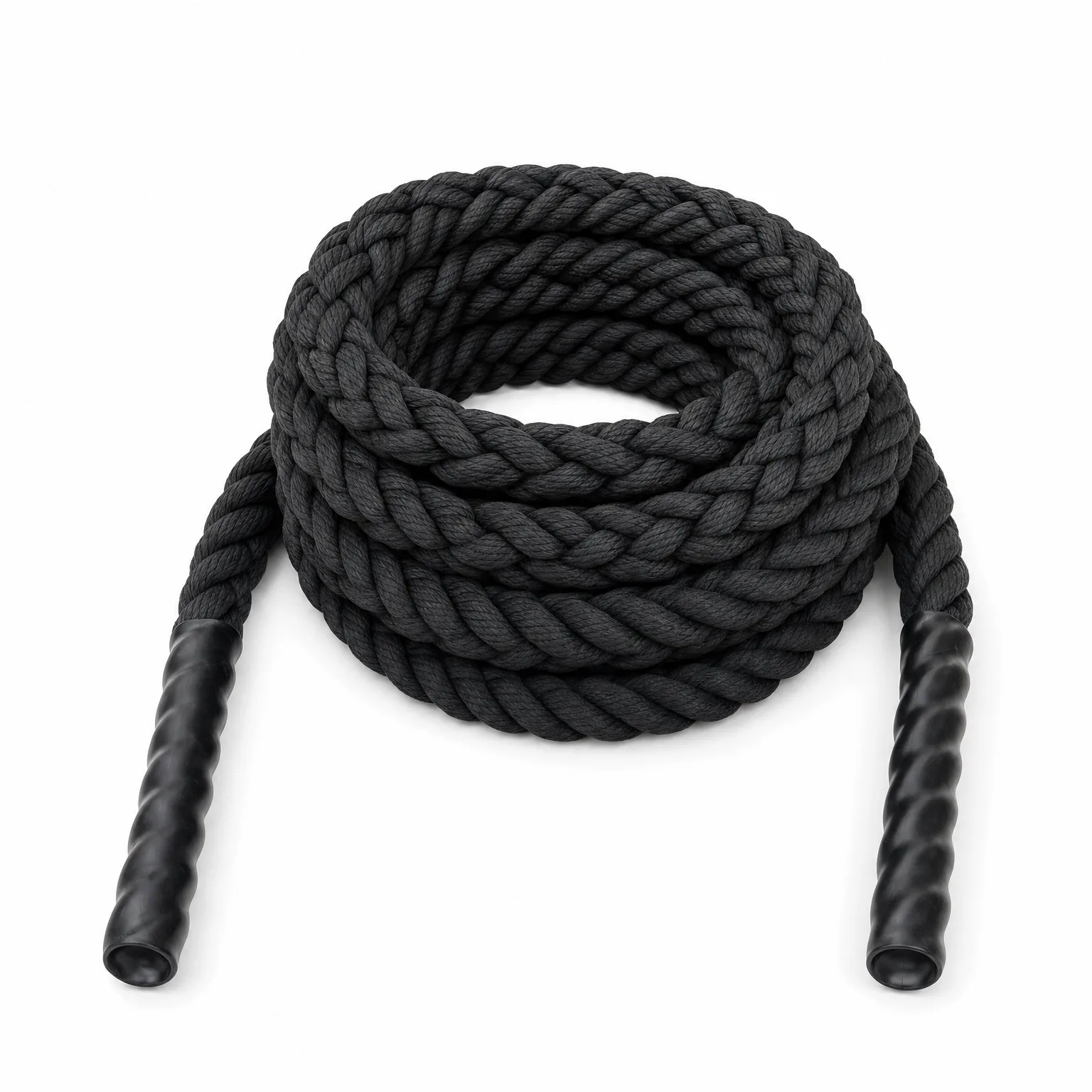
Battle ropes
A long, thick rope anchored in the middle. You hold both ends and make waves or slams for hard conditioning work with low impact on the legs.
Often used with
-
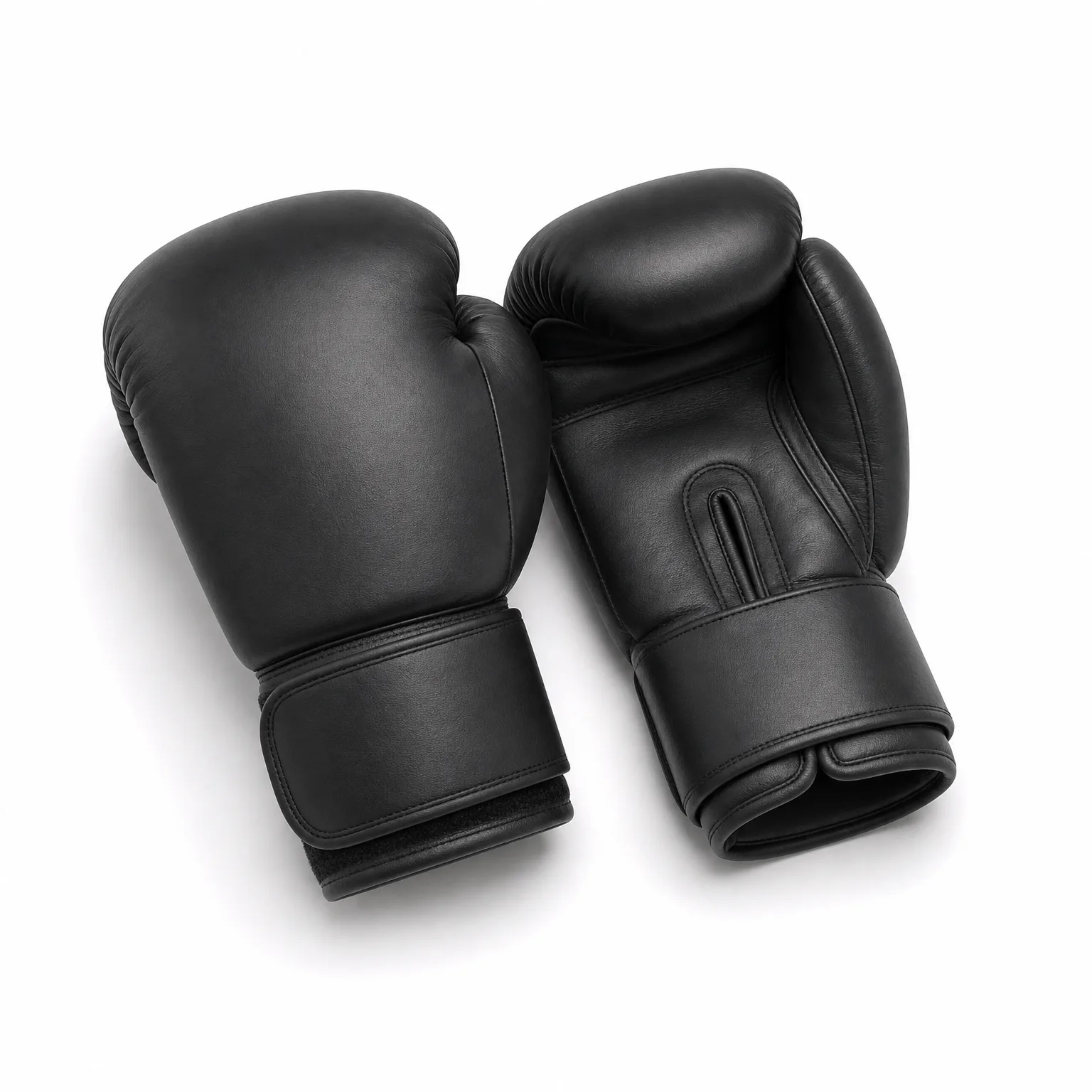
Boxing gloves
Padded gloves that cushion the knuckles and support the wrist when you hit a bag, mitts or a partner. Sized by weight in ounces. -
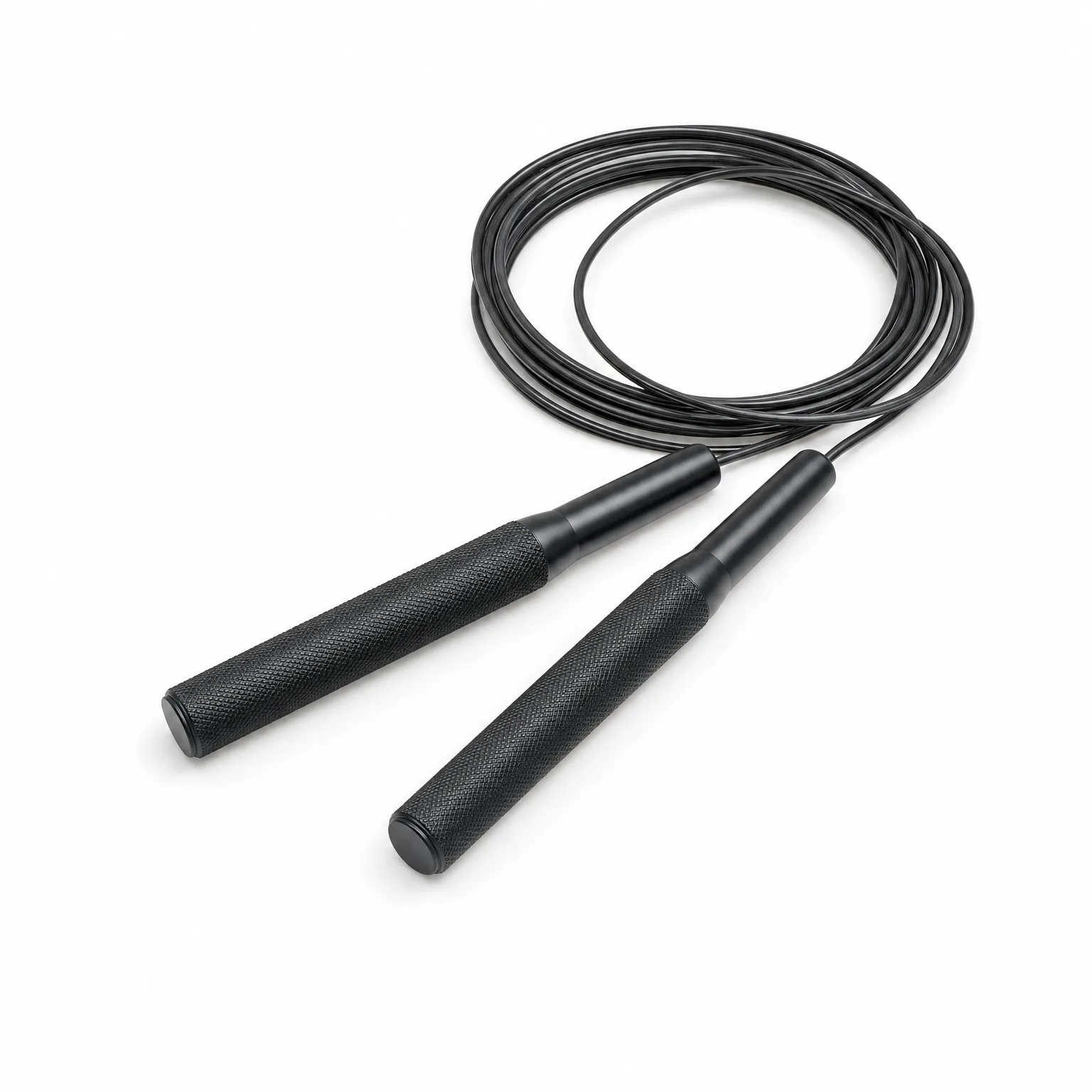
Jump rope
A rope with two handles that you swing over your head and jump. Hard cardio and footwork practice that fits in a pocket. -
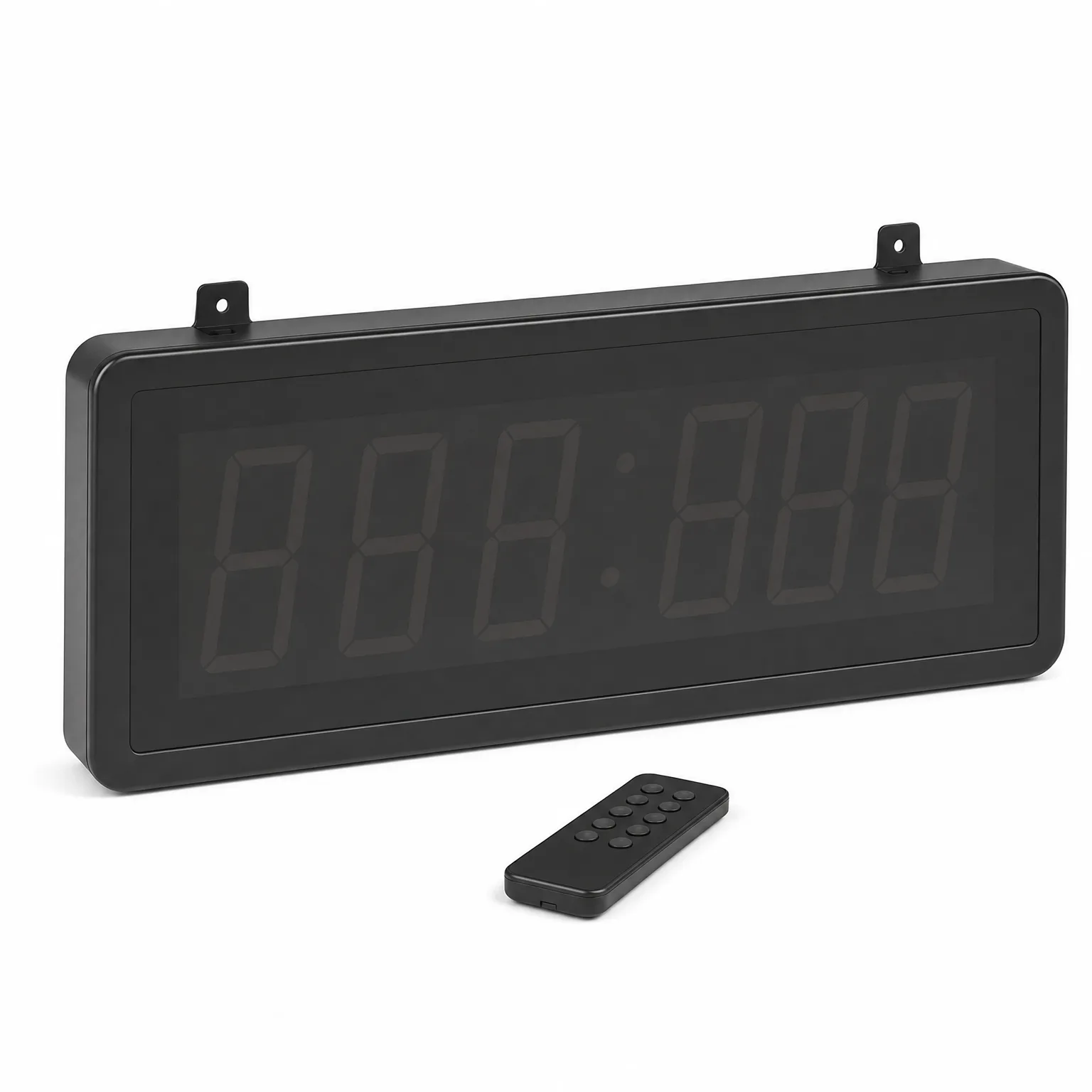
Interval timer
A wall clock or phone app that counts work and rest periods and signals each change, for tabata, EMOM, AMRAP, rounds and timed rests. -

Exercise mat
A cushioned, non-slip surface for floor exercises, stretching and yoga. The first thing most people need to train at home.
Questions about free-standing punching bag
Is a free-standing bag as good as a hanging heavy bag?
For technique, cardio rounds and light to moderate power, yes. For hard punching and kicking a hanging bag is better: it is usually heavier where you hit it, swings instead of tipping and lasts longer under heavy use. The free-standing bag wins on convenience.
Should I fill the base with water or sand?
Water is quick, clean and easy to empty when you move. Sand is denser, so the base is noticeably heavier and steadier, but it takes much longer to fill and is hard to remove. Some people use sand and then add water to fill the gaps for maximum weight.
How do I stop a free-standing bag from moving?
Fill the base to the top, use sand if water is not enough, and stand the bag on a rubber mat. Placing it near a corner limits how far it can travel. Some movement under hard shots is normal for this type of bag.
Can you kick a free-standing bag?
Yes. Body and head-height kicks work on most models. For low kicks choose a full-length bag with padding down to the base, and expect the bag to rock more than with punches.
Do I need gloves for a free-standing bag?
Yes. Wear hand wraps and bag gloves or boxing gloves of about 10–16 oz. They protect the skin of the knuckles and support the wrist on impact.
Build programs around what your client has
This guide comes from OnlineFitness.app, the app online coaches run their clients in.
Free for life for the first 100 coachesNo card