Focus mitts
Padded targets a partner wears on the hands and holds up for punches. Used to drill accuracy, combinations and defense.
In short
Focus mitts are a pair of padded targets worn on the hands by a coach or training partner. The holder calls a combination and presents the pads, and the boxer hits them. Unlike a bag, the target moves, changes height and can swing back at you, so mitt work trains accuracy, timing, footwork and defense along with the punches themselves.
They need two people: one who punches and one who knows how to hold. For fitness boxing, a pair of mitts and a pair of gloves is enough for a full session in a living room, a gym or a park.
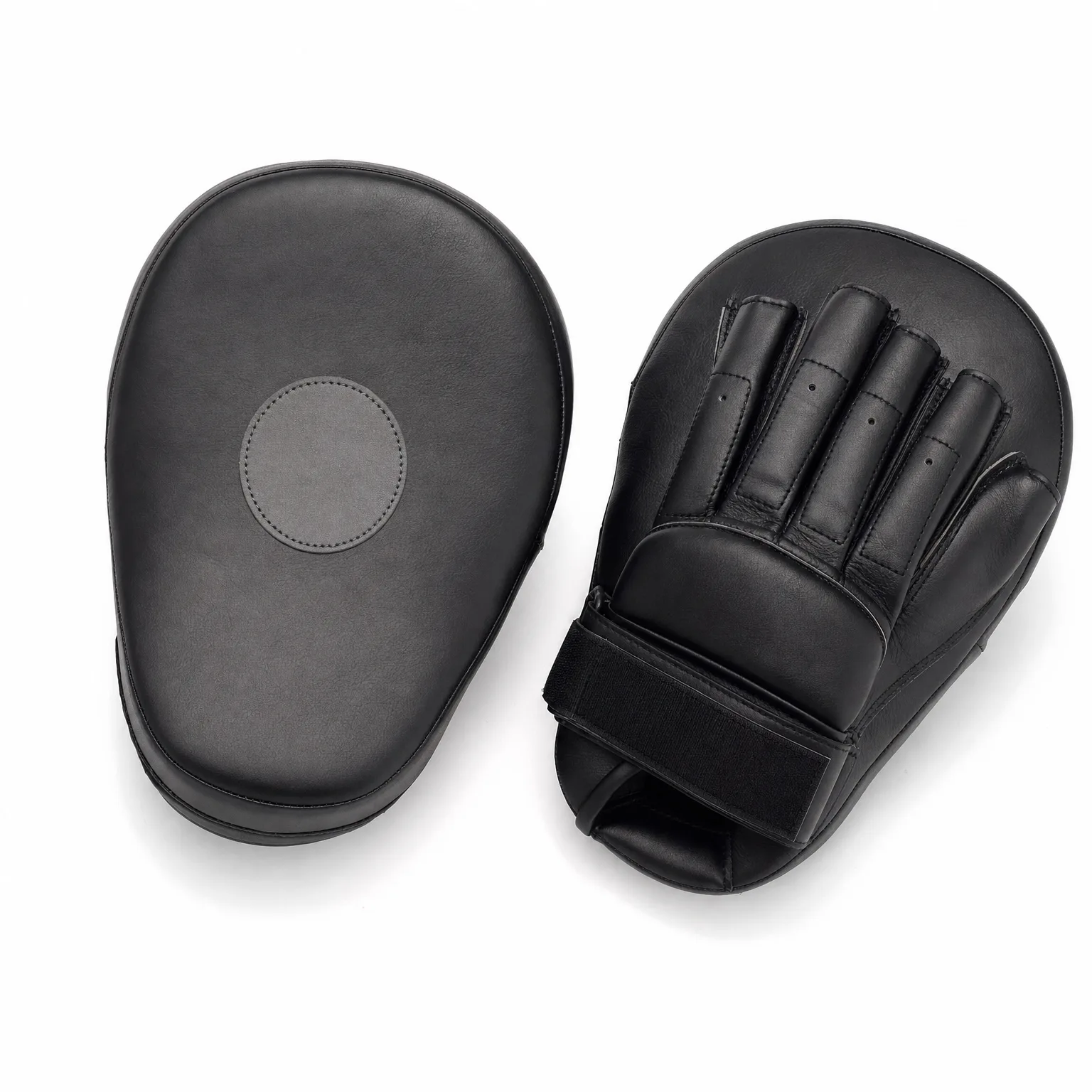
- Category
- Boxing
- Where
- Home, Gym, Outdoors
- Level
- Beginner and up
- Space
- Fits in a drawer or a bag
- Typical sizes
- One size per pair; the pad is about 18–25 cm (7–10 in) long and 4–6 cm (1.5–2.5 in) thick
- Also called
- punch mitts, boxing pads, focus pads, punching mitts, coaching mitts, boxing mitts, target mitts
What it is used for
- Drilling single punches and combinations on a moving target
- Practicing slips, rolls and blocks when the holder swings a pad back
- Timed rounds for boxing-style conditioning with a partner
- Teaching a beginner the basic punches at a slow, controlled pace
Types
Curved mitts. The standard type. The pad is slightly cupped so the glove lands in the middle and the holder's hand takes less shock.
Micro or speed mitts. Small, thin pads close to the size of the palm. Lighter for the holder and demanding for the puncher, because the target is small.
Air or gel mitts. Thicker padding with an air or gel layer behind the target. Chosen by holders who catch hard punches for many rounds.
Punch paddles. A pad on a short handle instead of a glove. Fast to swing for defense drills, with less feedback on heavy punches.
How to choose
Fit them to the holder's hand
The mitts are chosen for the person who holds, not the one who punches. The hand should sit snug in the glove part with the fingers reaching the end, and the wrist strap should close firmly. A loose mitt twists on impact.
Match the padding to the puncher
For light fitness work and beginners, standard curved mitts are enough. If the puncher is heavy or hits hard, pick thicker padding so the holder's palms, elbows and shoulders take less of each punch.
Look for a marked target
A dot or circle in the center of the pad gives the puncher something to aim at and helps the holder notice when punches land off center.
Check the weight
The holder keeps the mitts up for the whole round. Lighter mitts are easier to move quickly and hold for long sessions, heavier ones absorb more.
How to start using it
- Agree on the numbers first. Most pairs use a number system: 1 jab, 2 cross, 3 lead hook, 4 rear hook, 5 lead uppercut, 6 rear uppercut. Go through it slowly before the first round so a called combination means the same to both people.
- Hold the pads close to your body. The holder stands in a boxing stance with the mitts at about the height of the puncher's chin and roughly shoulder width apart. Elbows stay bent and close to the body. Do not hold the pads far out to the sides or in front of your own face.
- Meet each punch. As the glove arrives, the holder gives a short, firm push of a few centimeters into the punch. This gives the puncher a solid target and protects the holder's shoulder. Do not reach out to chase the glove.
- Catch left with left, right with right. For the jab and cross, the pad faces the puncher. The usual convention is left to left and right to right: the puncher's left hand lands on the holder's left mitt, so straight punches travel slightly across. For hooks, turn the pad to face inward. For uppercuts, turn it face down.
- Work in rounds. Start with two or three rounds of 2 minutes with a minute of rest, at half power. Swap roles so both people learn to punch and to hold.
Common mistakes
Holding with loose arms
A soft, passive pad flies back on impact and jerks the holder's shoulder and elbow. Keep the arm braced and meet the punch.
Slapping down at the punch
Swinging the mitt hard into the glove makes a loud sound and feels impressive, but it shortens the punch and teaches the puncher to stop early. A short push is enough.
Punching at full power from the first round
A partner who is new to holding cannot absorb heavy shots yet. Build power over several sessions as both people get used to the timing.
Pads too wide or too far away
Targets held out to the sides teach wide, looping punches, and targets far away teach reaching. Keep them where an opponent's head and body would be.
Hitting mitts with bare hands
Mitts are firm. Wear boxing gloves or at least bag gloves with hand wraps to protect the knuckles and wrists.
What to use instead
With no partner, a punching bag or a free-standing bag takes the same punches and lets you hit harder, but it does not change height or angle or hit back, so accuracy and defense get less practice. A speed bag trains rhythm and shoulder endurance. Shadow boxing needs nothing at all and covers footwork and combinations without a target.
-
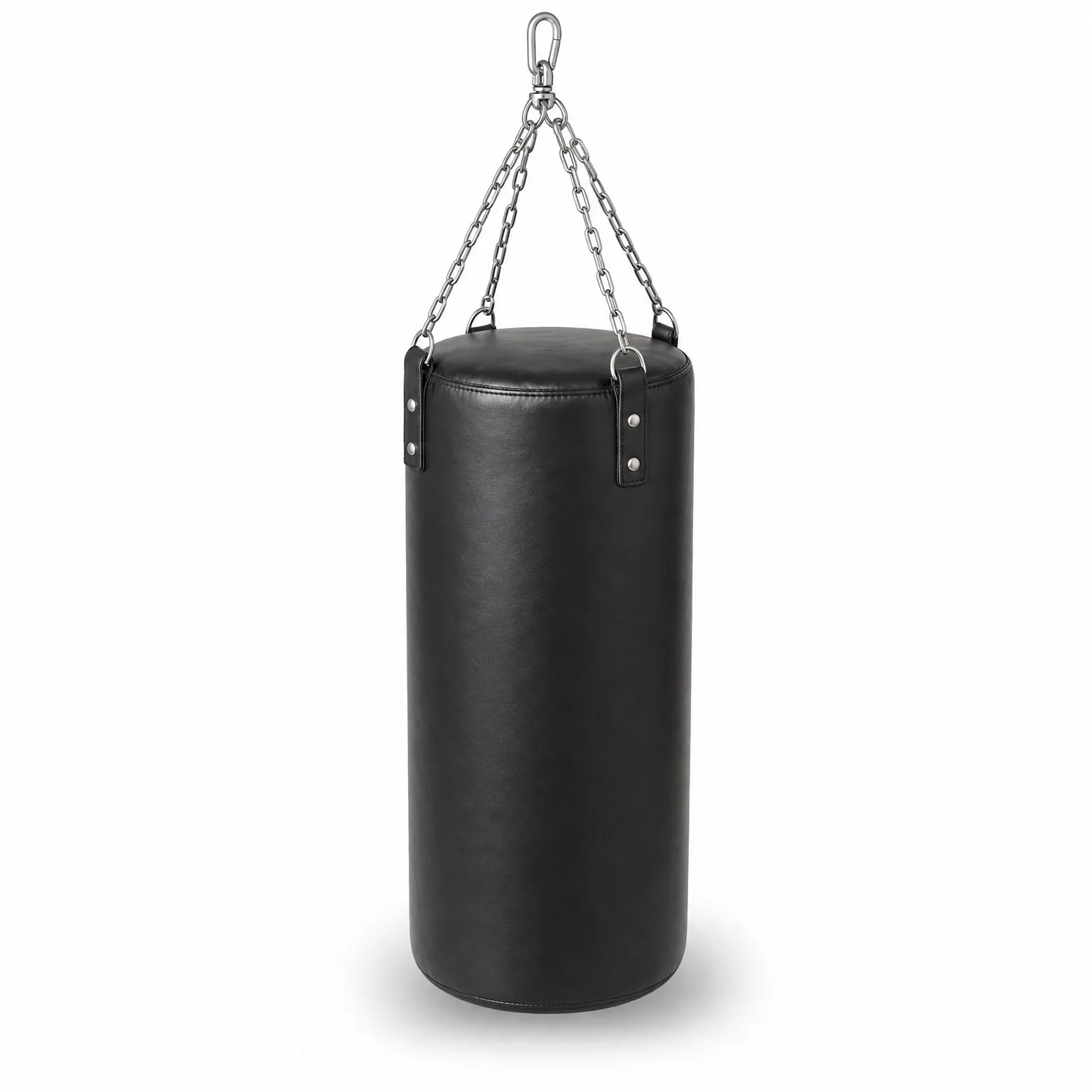
Punching bag
A heavy, padded bag that hangs from a ceiling mount, wall bracket or stand. Used for punches and kicks as boxing practice and hard conditioning. -
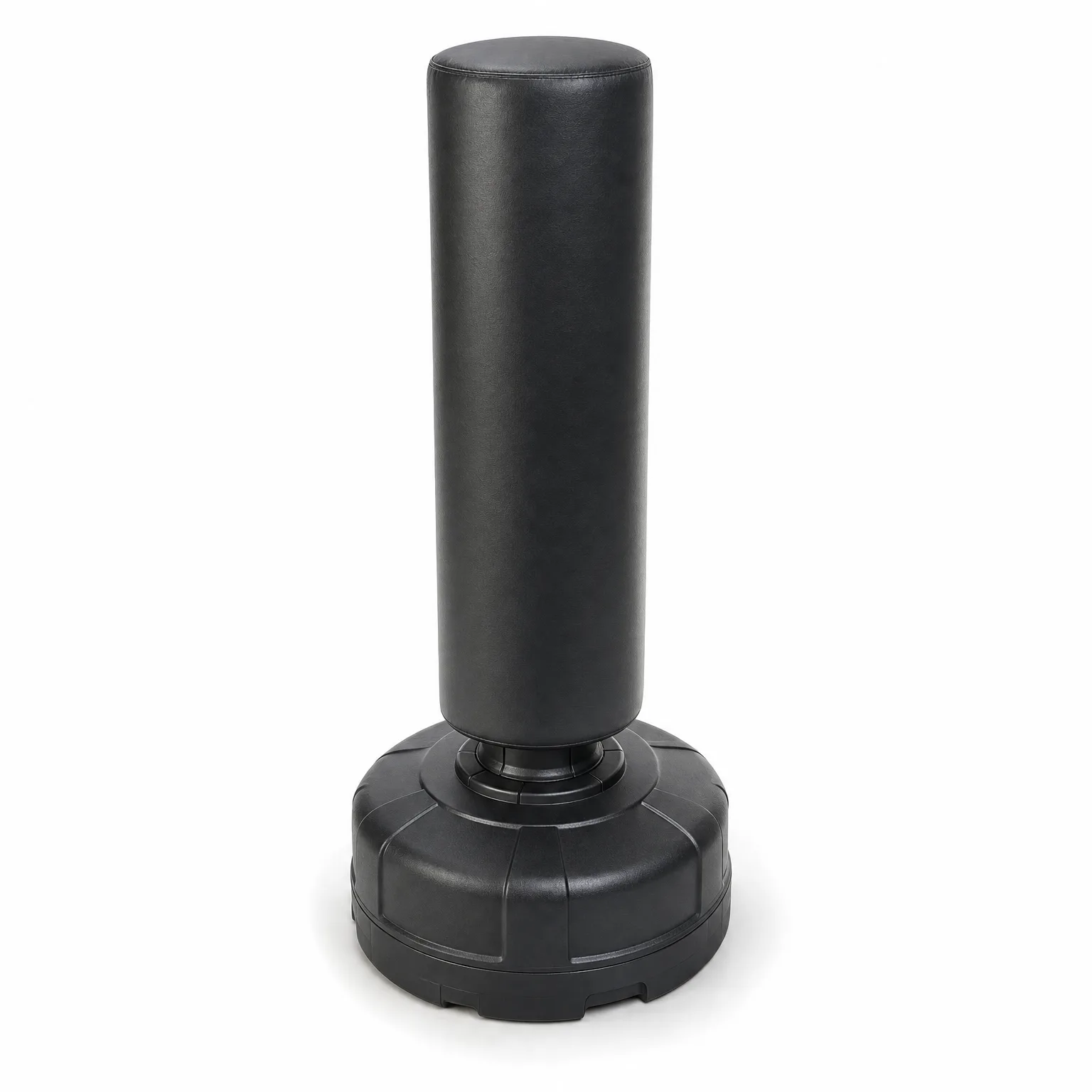
Free-standing punching bag
A padded striking bag on a heavy base filled with water or sand. It needs no ceiling mount, so it suits homes where a hanging bag cannot go. -
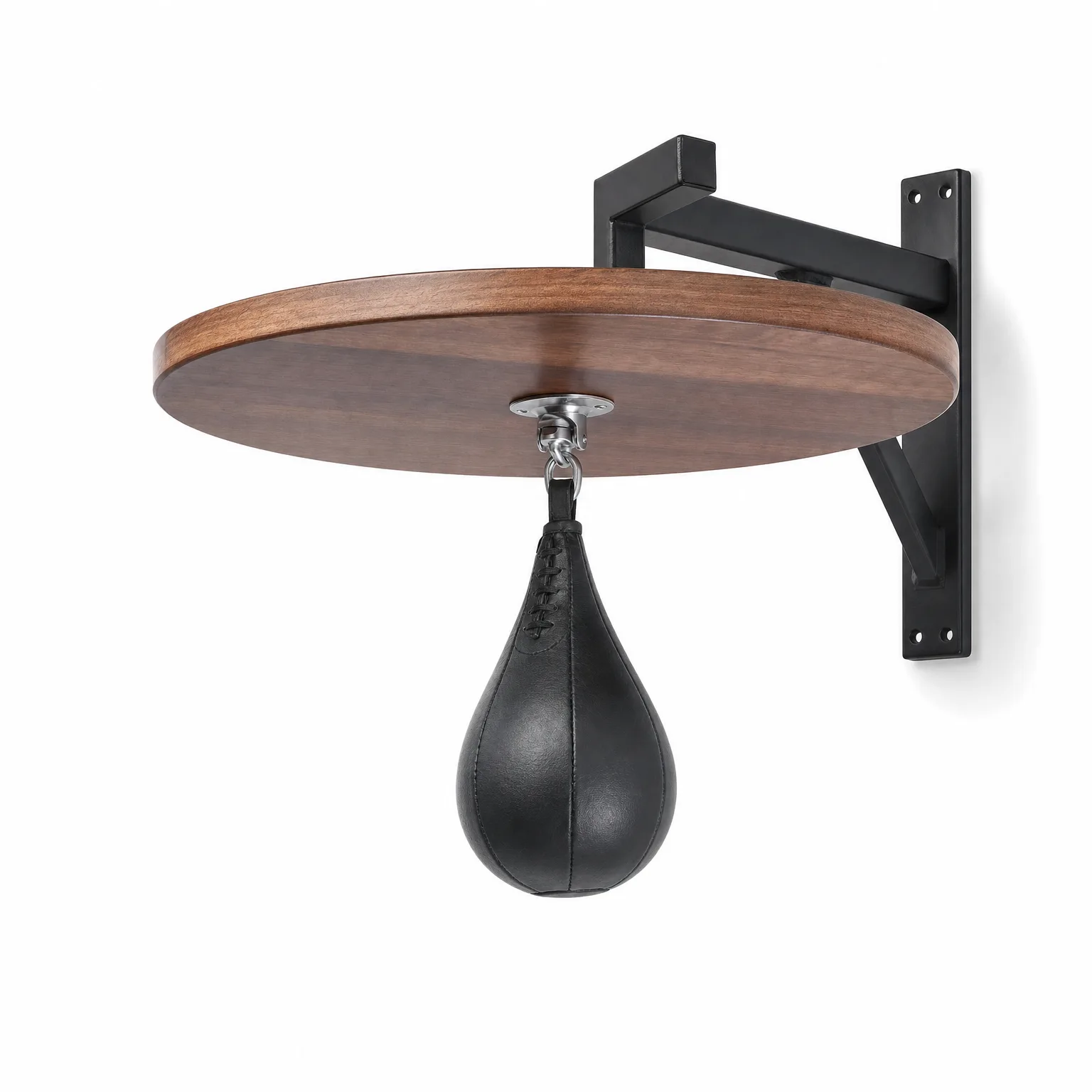
Speed bag
A small air-filled bag hung from a swivel under a platform. Hitting it in rhythm trains timing, hand-eye coordination and shoulder endurance.
Often used with
-
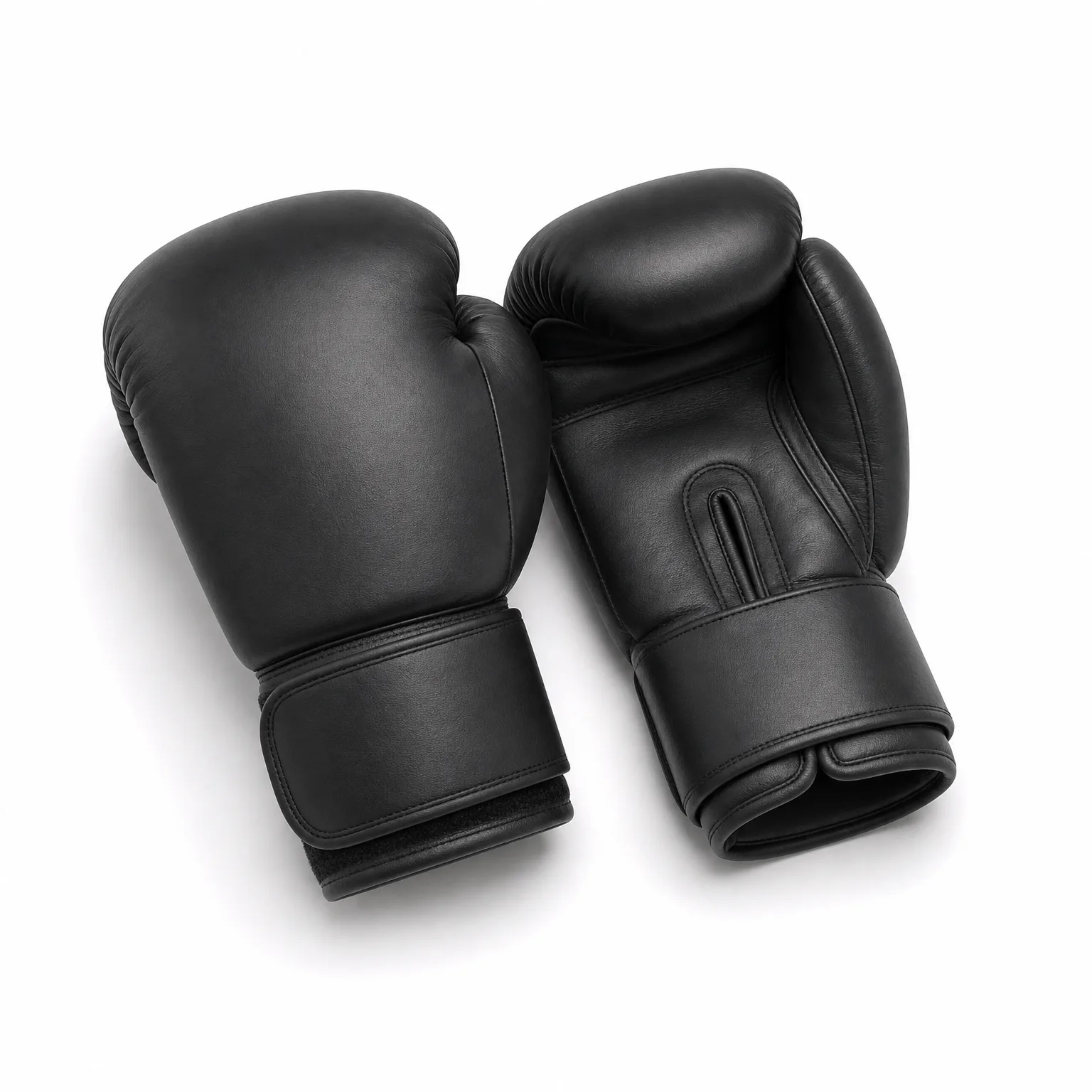
Boxing gloves
Padded gloves that cushion the knuckles and support the wrist when you hit a bag, mitts or a partner. Sized by weight in ounces. -
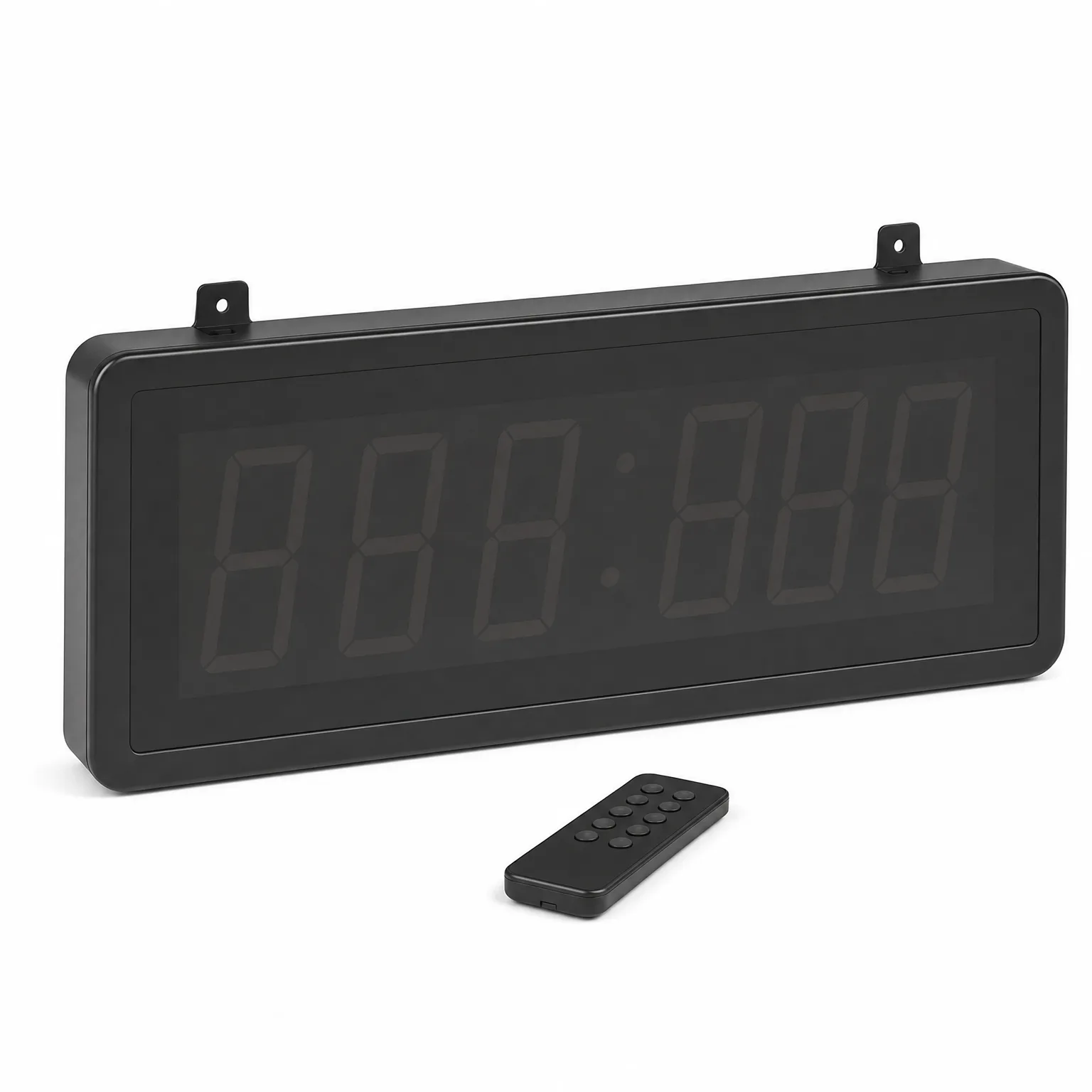
Interval timer
A wall clock or phone app that counts work and rest periods and signals each change, for tabata, EMOM, AMRAP, rounds and timed rests. -
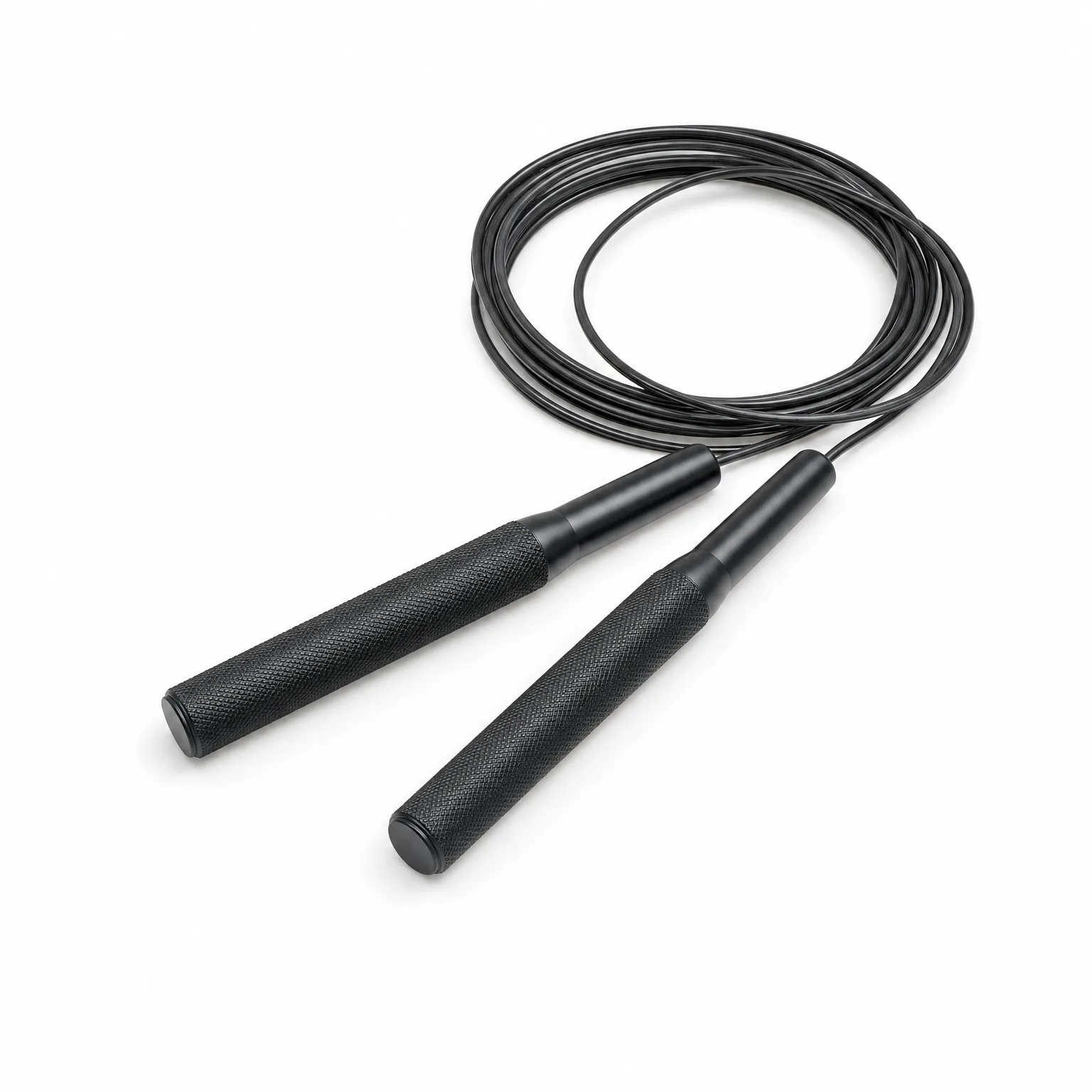
Jump rope
A rope with two handles that you swing over your head and jump. Hard cardio and footwork practice that fits in a pocket.
Questions about focus mitts
What are focus mitts used for?
A partner holds them up as moving targets for punches. They are used to practice accuracy, combinations, timing and defense, and for boxing-style conditioning rounds. A coach can change the height, distance and rhythm in ways a bag cannot.
Focus mitts vs punching bag: which is better?
They train different things. Mitts are better for accuracy, combinations and reacting to a partner, and they need a second person who can hold. A bag is better for power and for training alone. Many people use both: bag work on their own, mitts when a partner is available.
Can you use focus mitts by yourself?
Not really. They are made to be held by another person. Some people strap a mitt to a post or a wall, but the result is a small fixed pad. For solo training a punching bag, a free-standing bag or shadow boxing works better.
Do you need boxing gloves to hit focus mitts?
Yes, wear gloves. Boxing gloves of 10–16 oz or lighter bag gloves over hand wraps both work. Heavier gloves are easier on the holder's hands.
Is holding mitts hard?
It takes practice. The holder has to remember combinations, present the right pad at the right angle and brace for each punch. Start slowly with single punches and two-punch combinations, and expect your shoulders to tire quickly at first.
Build programs around what your client has
This guide comes from OnlineFitness.app, the app online coaches run their clients in.
Free for life for the first 100 coachesNo card