Punching bag
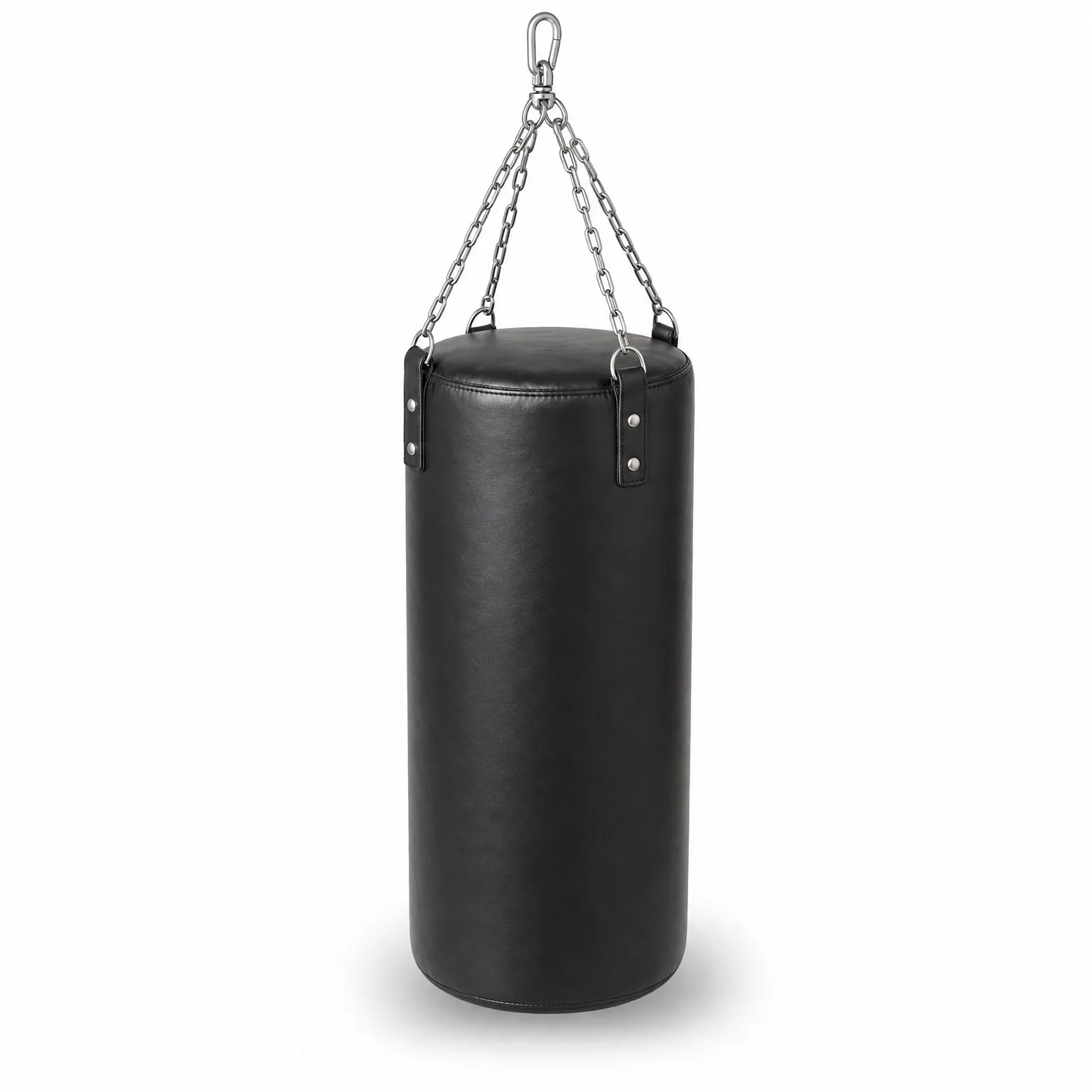
A heavy, padded bag that hangs from a ceiling mount, wall bracket or stand. Used for punches and kicks as boxing practice and hard conditioning.
In short
A punching bag, or heavy bag, is a long padded cylinder filled with fabric, sand or foam that hangs from a ceiling mount, a wall bracket or a stand. You hit it with punches, and on longer bags with kicks and knees. It is the main tool for practicing striking technique and power alone, and it gives a demanding whole-body workout in rounds.
A punch starts from the legs and hips, so bag work trains the shoulders, chest, arms and trunk together with constant footwork. It suits beginners as long as the hands are wrapped and gloved and the first sessions focus on technique, not on hitting hard. At home it needs a solid mounting point and clear space on all sides.
- Category
- Boxing
- Where
- Home, Gym
- Level
- Beginner and up
- Space
- Needs a dedicated area
- Typical sizes
- Hanging bags about 25–70 kg (55–150 lb) and 90–180 cm (3–6 ft) long; diameter about 30–40 cm (12–16 in)
- Also called
- heavy bag, boxing bag, punch bag, kickboxing bag, hanging bag
What it is used for
- Practicing punches and combinations: jab, cross, hook, uppercut
- Kicks, knees and low kicks on long bags
- Round-based conditioning, for example 3 minutes of work and 1 minute of rest
- Footwork and distance: moving around the bag and hitting as it swings
- Power work with single hard shots and short bursts
Types
Hanging heavy bag. The standard cylinder on chains or straps, about 100–120 cm long. Swings when hit, which trains timing and movement.
Long (Muay Thai) bag. About 150–180 cm, reaching close to the floor, so low kicks are possible. Heavier and needs a strong mount.
Freestanding. A padded post on a base filled with water or sand. No drilling, movable, but it rocks and slides under hard hits.
Teardrop and uppercut bags. Rounded or angled shapes that expose a surface for uppercuts, hooks and knees.
Water-filled bag. A ball or teardrop shell filled with water. Softer on the hands and absorbs hits with less swing.
Wall-mounted pad. A padded target fixed flat to a wall. Takes no floor space, but does not move and suits straight punches and uppercuts mostly.
How to choose
Weight: about half your body weight
A common rule of thumb is a bag that weighs roughly half of what you do: 30–35 kg for a 65 kg person, 40–45 kg for an 85 kg person. Too light and it swings wildly. Heavy hitters and kickers often go heavier.
Length by what you throw
For boxing only, a bag of about 100–120 cm is enough. If you want low kicks, choose a long bag of 150–180 cm that hangs close to the floor.
Hanging or freestanding
A hanging bag feels better and takes harder hits, but needs a ceiling joist, a beam, a wall bracket or a stand, and it sends noise and vibration into the building. A freestanding bag suits rented homes and lighter work.
Filling and cover
Textile-filled bags are the most forgiving on the hands. Sand settles and goes hard at the bottom. Synthetic leather covers are fine for home use, while real leather lasts longer under daily training.
Plan the mount
The mount and the structure it is fixed to must hold the bag plus the force of it swinging. That depends on the hardware's rating and your building, so if in doubt, use a floor stand or ask a builder.
How to start using it
- Hang it at the right height. Set the bag so its upper third is at about head height and the middle is at chest level. Leave at least 1–1.5 m (3–5 ft) of clear space all around so that you can circle it and it can swing.
- Wrap your hands and wear gloves. Use hand wraps under boxing gloves or padded bag gloves every time. Wraps hold the wrist and knuckles together, and gloves spread the impact. Hitting a heavy bag bare-handed is how wrists and knuckles get hurt.
- Stand at punching distance. Take a stance with the lead foot forward, knees soft and hands up. You should reach the bag with a straight jab without leaning. Hit with the first two knuckles, the wrist straight and in line with the forearm.
- Start light and technical. For the first weeks hit at about half power and focus on clean shape: turn the hips, snap the punch out and bring the hand straight back to your face. Breathe out on every strike.
- Train in rounds. Begin with 3–4 rounds of 2 minutes with a minute of rest. Build toward 3‑minute rounds. Keep moving your feet between combinations and do not lean on the bag.
Common mistakes
No wraps or gloves
Bare knuckles or thin fitness gloves on a heavy bag lead to skinned knuckles and sore wrists quickly. Wraps and proper gloves are part of the equipment, not an extra.
Bent wrist on impact
A wrist that folds when the fist lands takes the whole force of the punch. Keep the back of the hand in line with the forearm and make a tight fist just before contact.
Pushing the bag
Leaning in and shoving makes the bag swing wide but is not a punch. Strike and pull the hand back fast, so the bag jolts more than it swings.
Full power from day one
Hands, wrists and shoulders need weeks to get used to impact. Going all out in the first sessions is the usual cause of early aches. Build the force gradually.
Standing still with hands down
Planting the feet and dropping the guard between punches builds habits that do not carry over to boxing. Move around the bag and return the hands to your face after every shot.
What to use instead
A free-standing bag is the closest replacement: it needs no mount but rocks and slides under hard hits. Focus mitts held by a partner train the same punches on a moving target. Shadowboxing in rounds needs no equipment and covers technique and footwork. For the conditioning alone, battle rope intervals and slam ball slams give a similar short, hard effort for the shoulders and trunk.
-
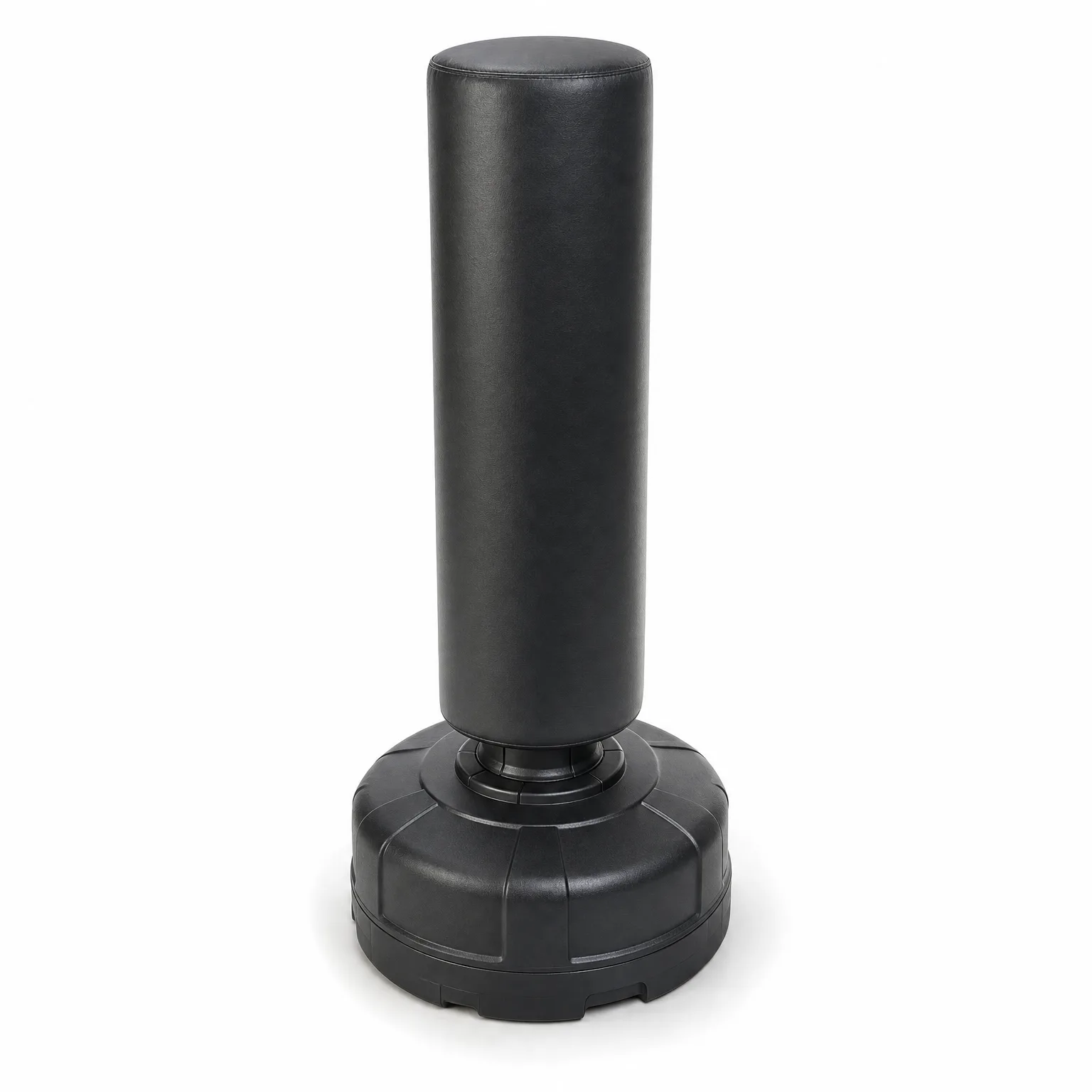
Free-standing punching bag
A padded striking bag on a heavy base filled with water or sand. It needs no ceiling mount, so it suits homes where a hanging bag cannot go. -
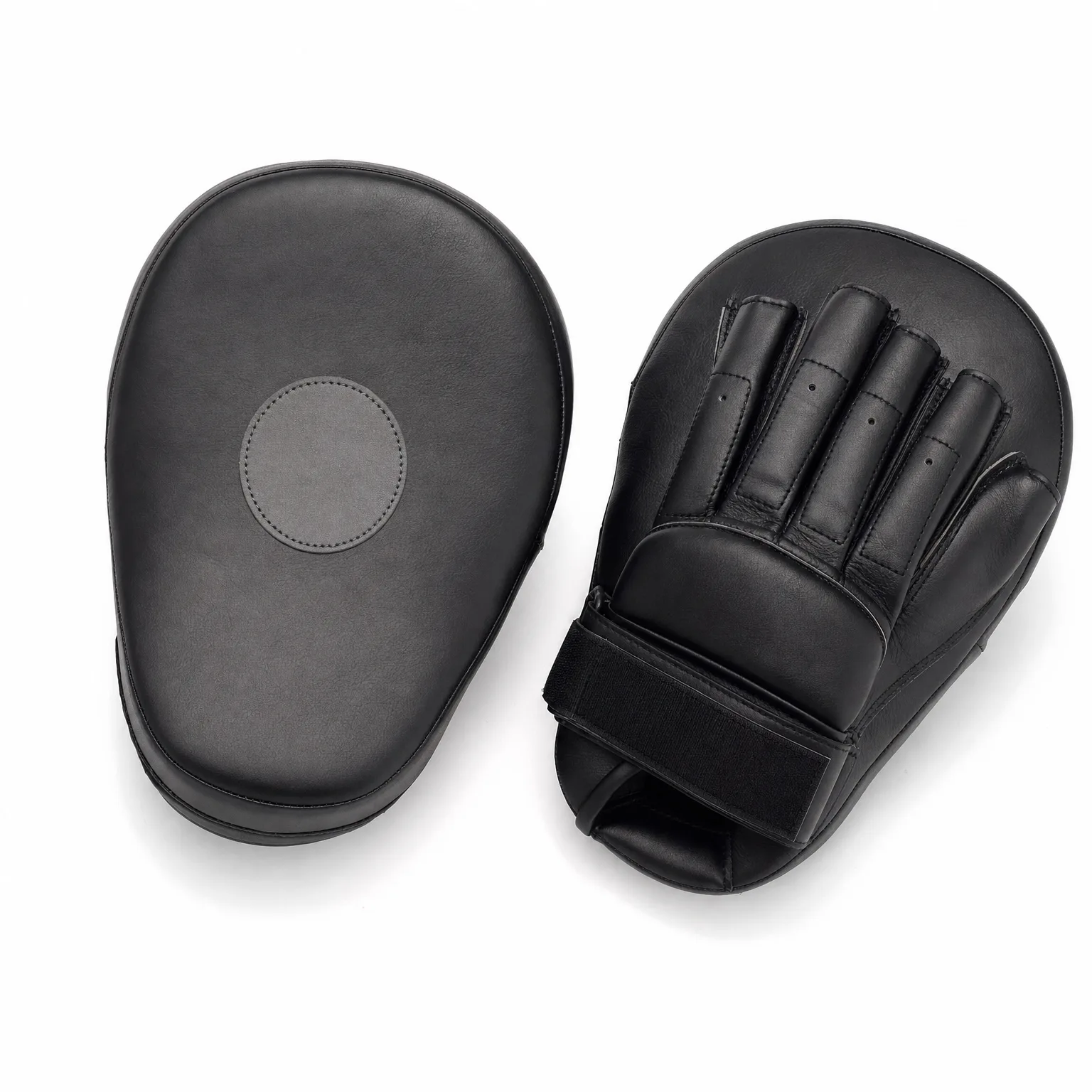
Focus mitts
Padded targets a partner wears on the hands and holds up for punches. Used to drill accuracy, combinations and defense. -
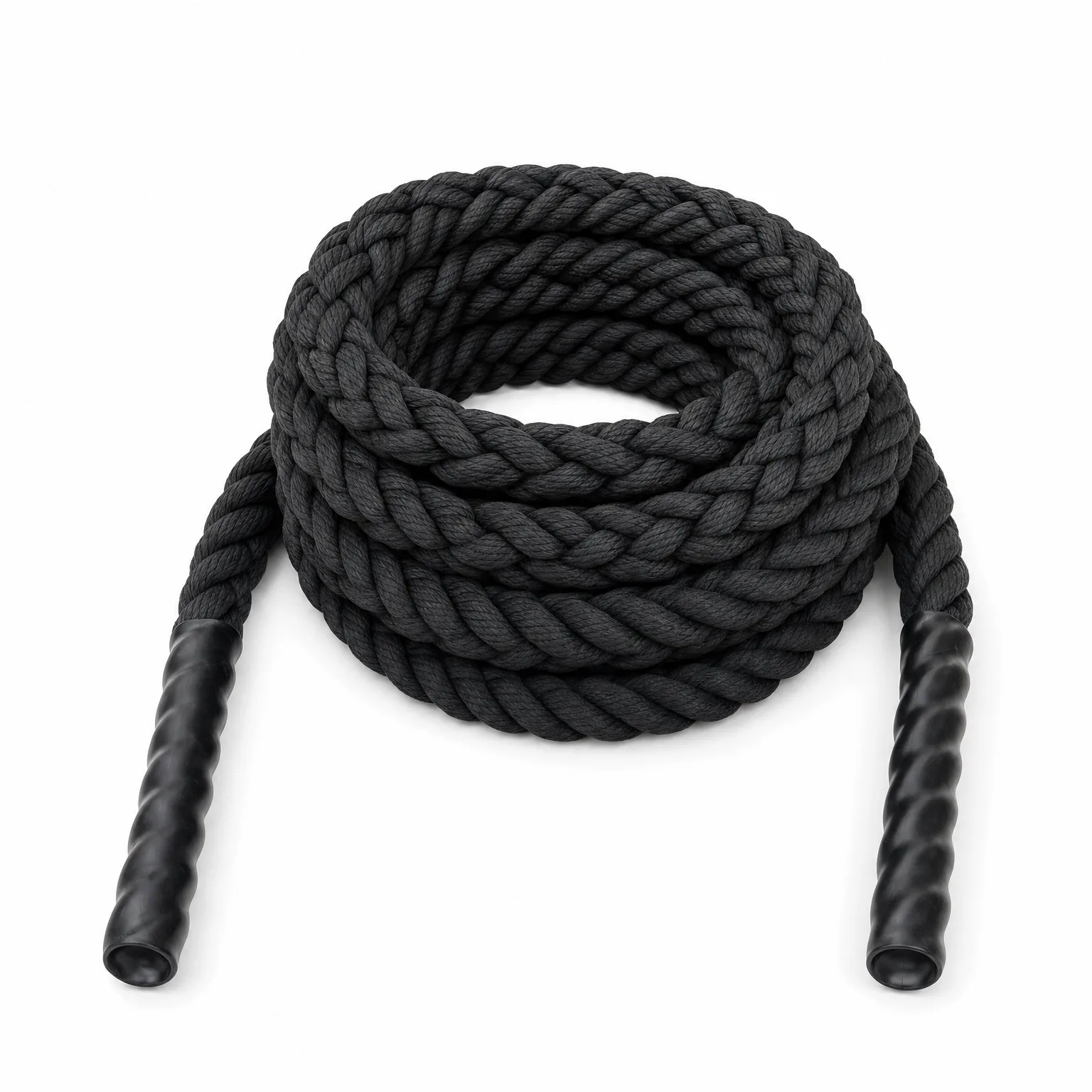
Battle ropes
A long, thick rope anchored in the middle. You hold both ends and make waves or slams for hard conditioning work with low impact on the legs. -
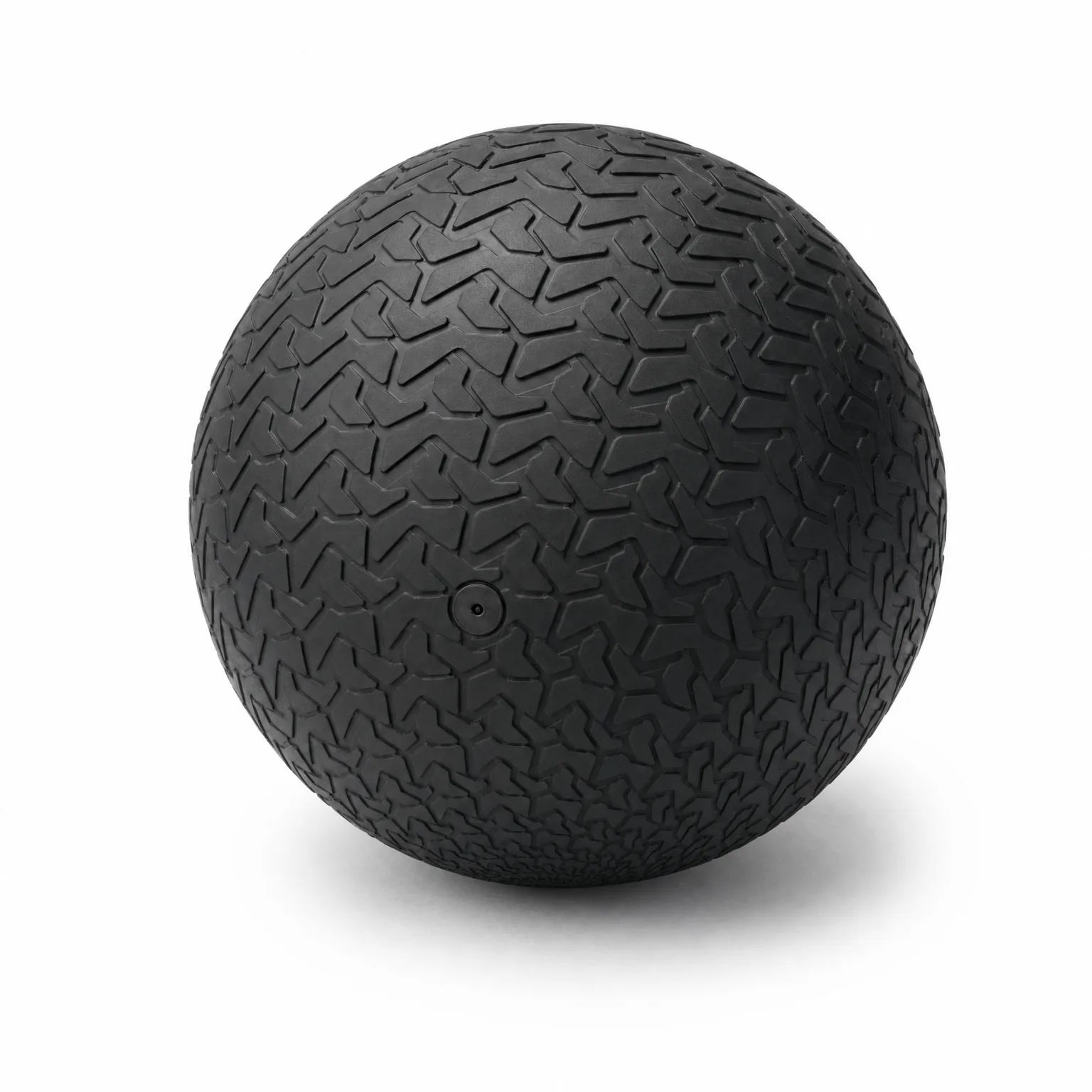
Slam ball
A sand-filled ball with a thick shell that does not bounce. Made to be lifted overhead and thrown at the floor at full force.
Often used with
-
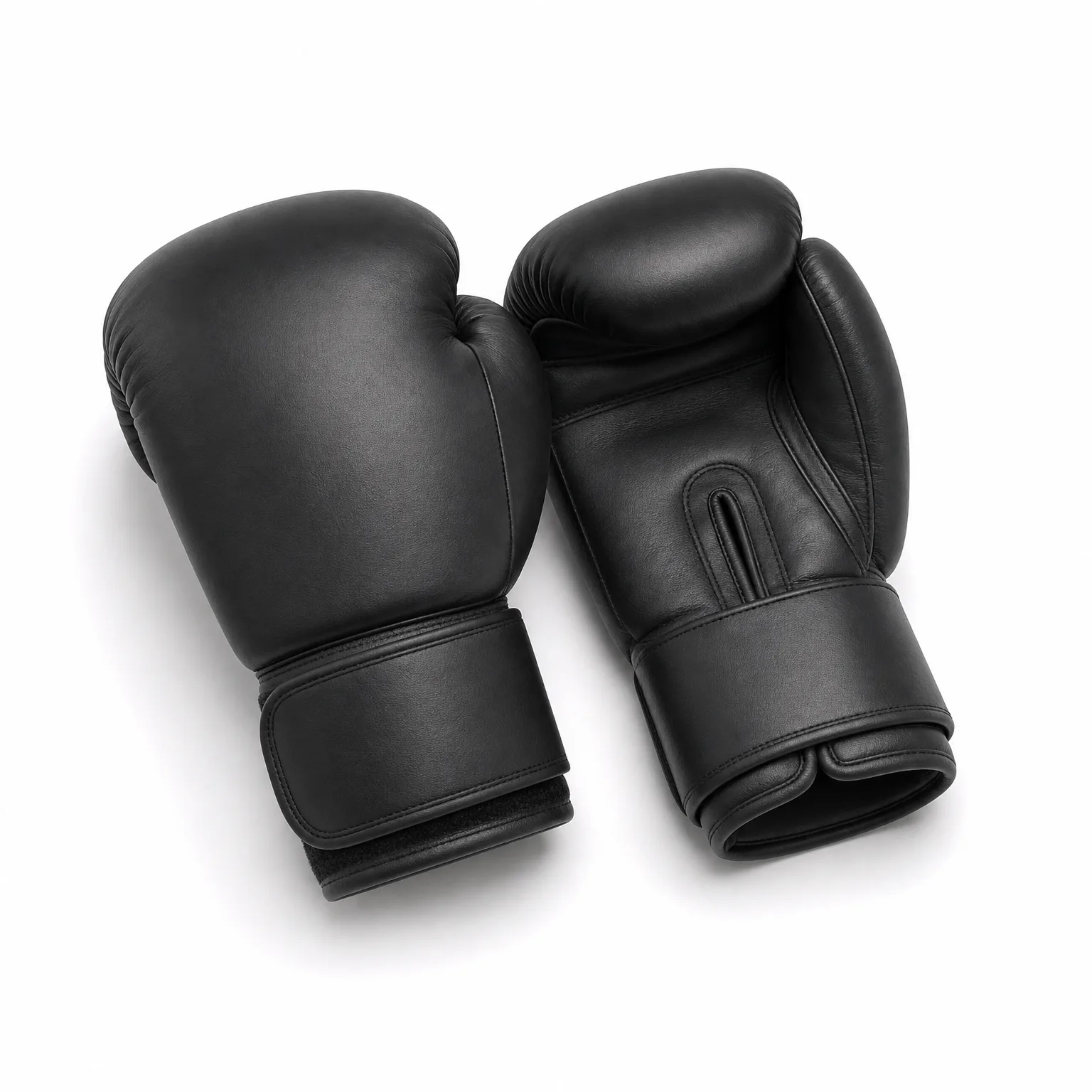
Boxing gloves
Padded gloves that cushion the knuckles and support the wrist when you hit a bag, mitts or a partner. Sized by weight in ounces. -
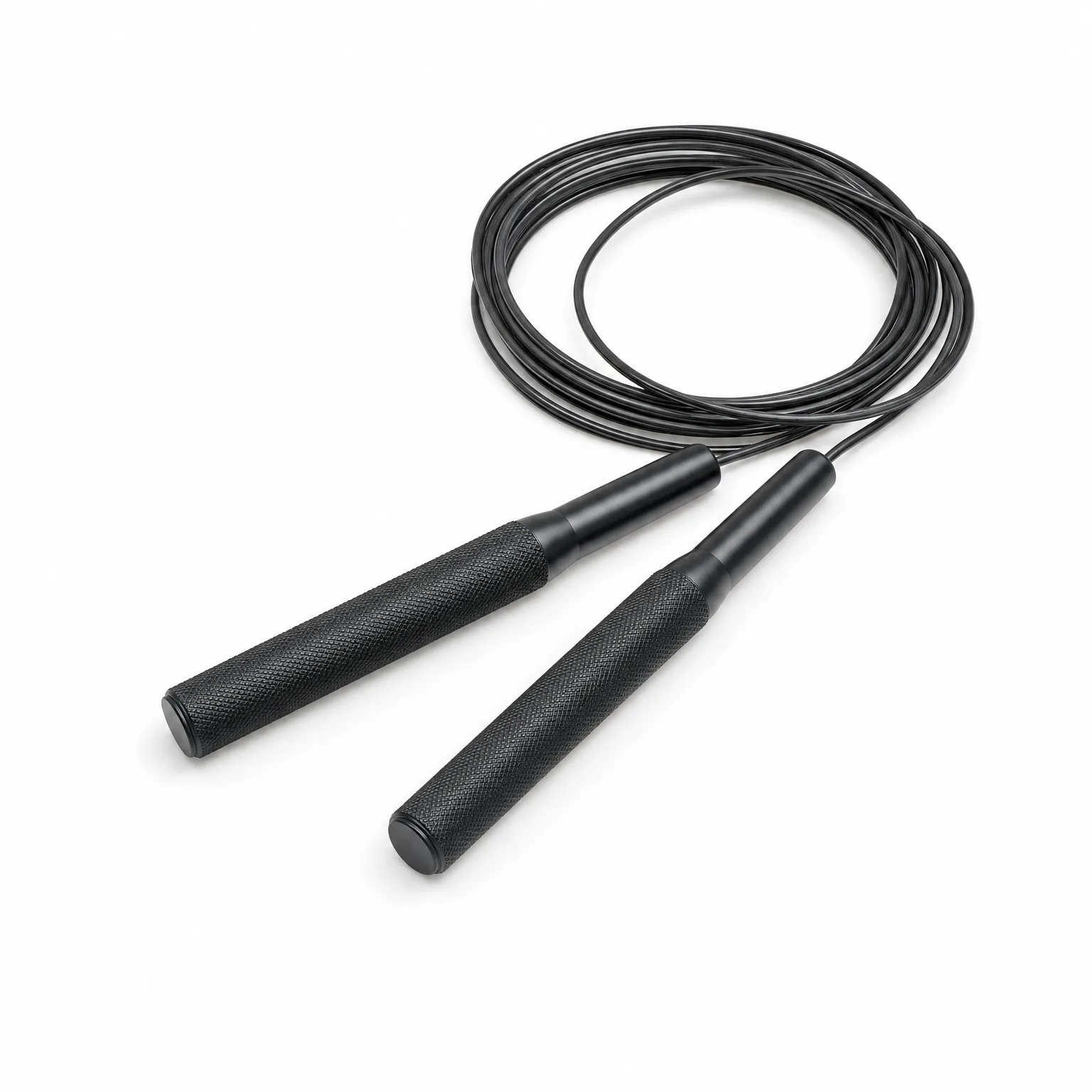
Jump rope
A rope with two handles that you swing over your head and jump. Hard cardio and footwork practice that fits in a pocket. -
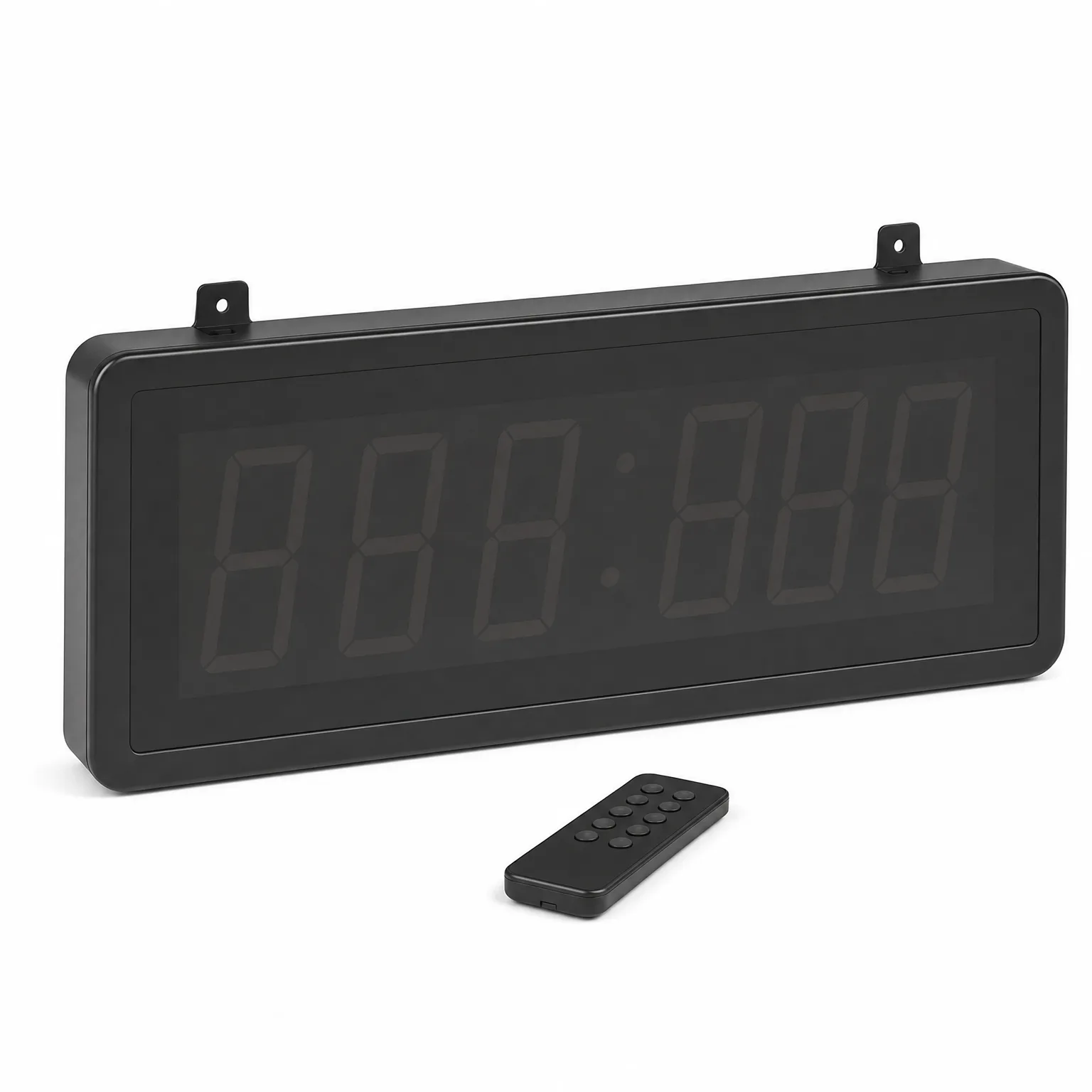
Interval timer
A wall clock or phone app that counts work and rest periods and signals each change, for tabata, EMOM, AMRAP, rounds and timed rests. -
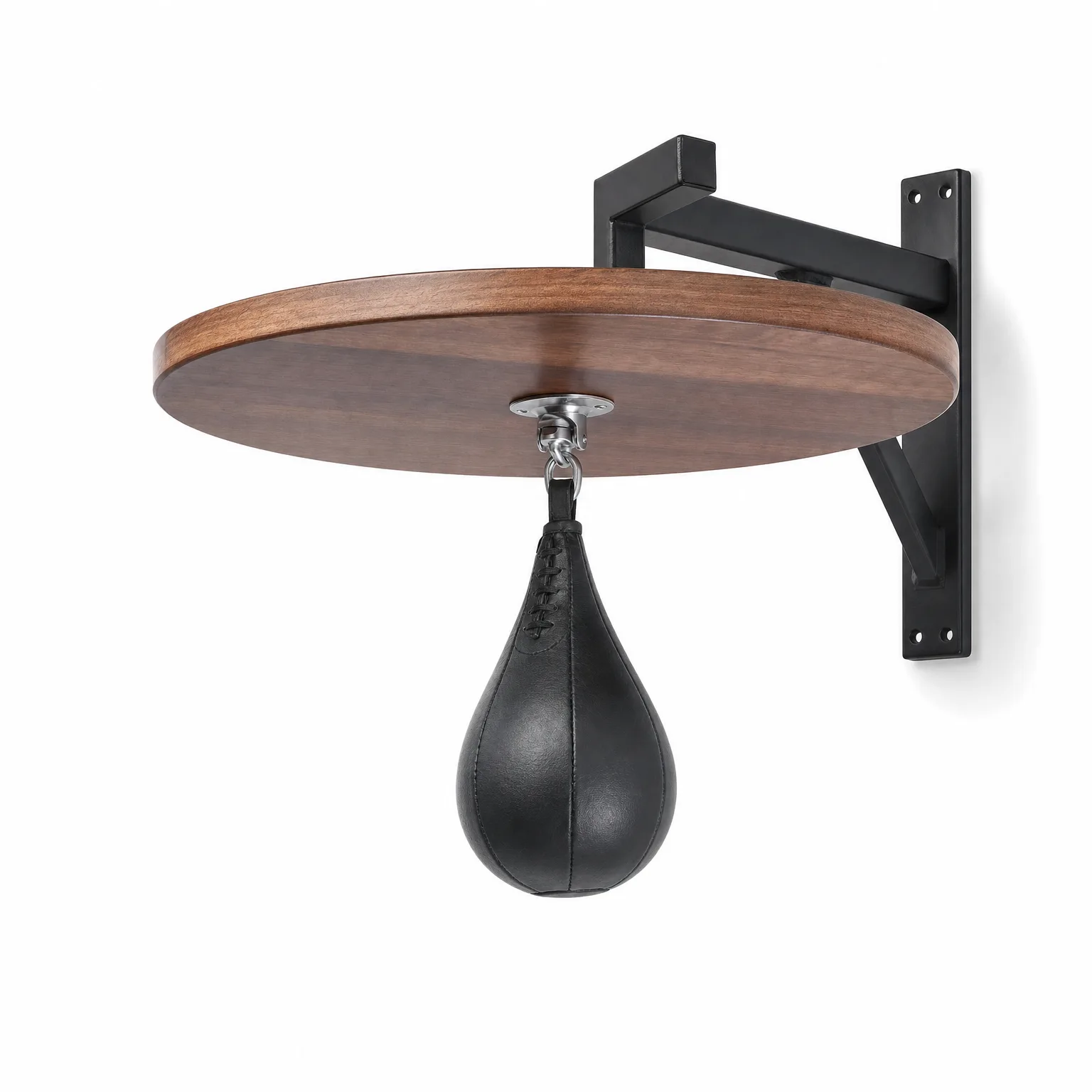
Speed bag
A small air-filled bag hung from a swivel under a platform. Hitting it in rhythm trains timing, hand-eye coordination and shoulder endurance.
Questions about punching bag
What weight punching bag should I get?
A common guide is about half your body weight, so 30–35 kg (65–80 lb) for a 65 kg person and 40–45 kg (90–100 lb) for an 85 kg person. Go heavier if you hit hard or kick. A bag that is too light swings too much to train on comfortably.
Is a punching bag a good workout?
Yes. Rounds on a bag work the shoulders, arms, chest, back and trunk, keep the legs moving, and push the heart rate high. It is easy to scale by changing round length, rest and how hard you hit.
Do I need gloves and hand wraps for a punching bag?
Yes, both. Wraps support the wrist and hold the small bones of the hand together. Gloves pad the knuckles. Boxing gloves of about 10–16 oz or dedicated bag gloves are the usual choice for bag work.
Hanging or freestanding punching bag?
A hanging bag absorbs hard punches and kicks better and swings in a way that teaches timing, but it needs a strong mount or a stand. A freestanding bag needs no drilling and can be moved, but it tips and slides under heavy hits. For serious training choose hanging; for convenience, freestanding.
How long should a beginner hit a heavy bag?
Start with 3–4 rounds of 2 minutes at moderate power, two or three times a week, with a minute of rest between rounds. Add rounds or move to 3‑minute rounds as your hands, wrists and fitness adapt over a few weeks.
Build programs around what your client has
This guide comes from OnlineFitness.app, the app online coaches run their clients in.
Free for life for the first 100 coachesNo card