Broomstick
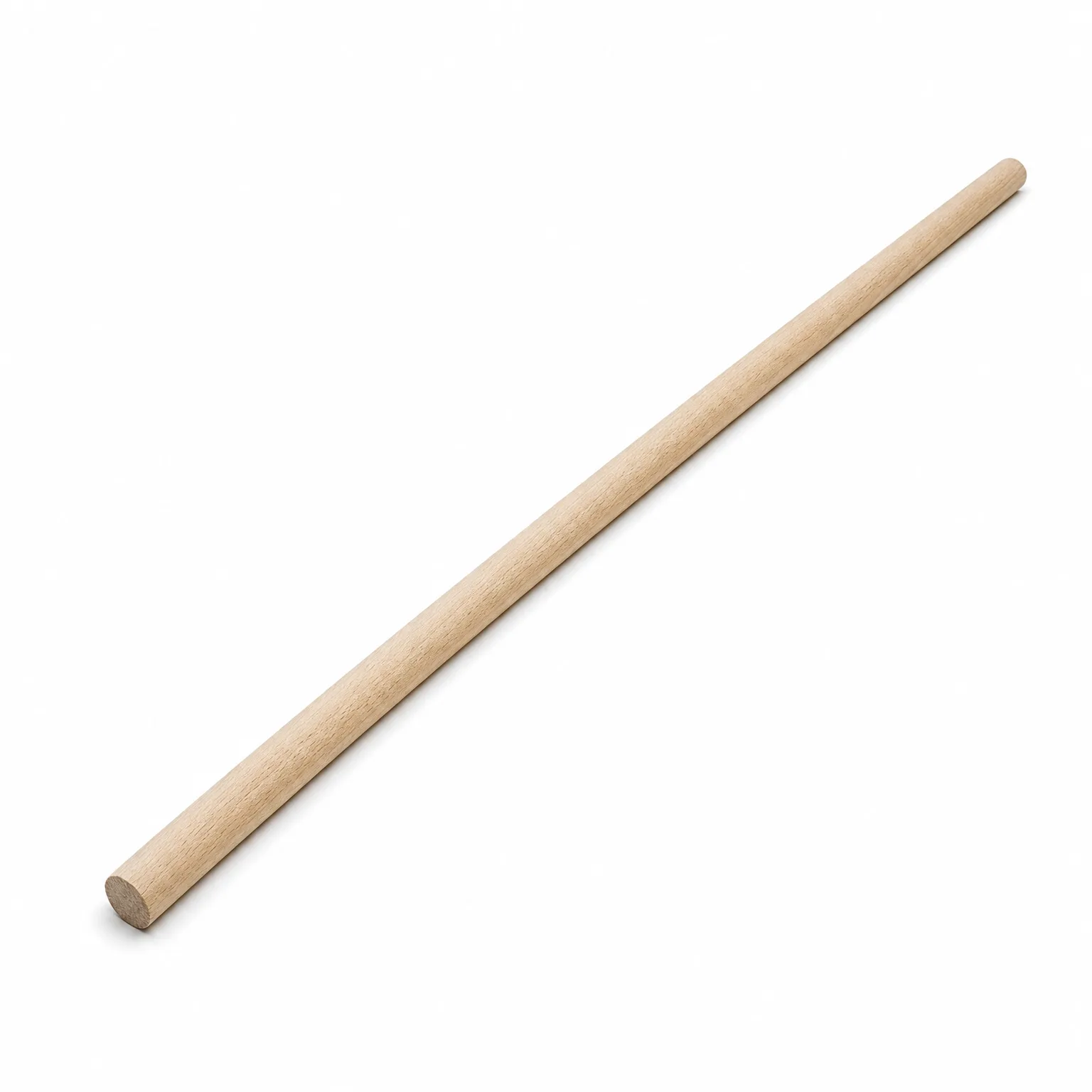
A broom handle, wooden dowel or PVC pipe is a weightless bar for shoulder mobility drills, warm-ups and learning barbell technique.
In short
A broomstick, wooden dowel or length of PVC pipe is a straight, light stick that works as a bar with no weight. It gives the hands a fixed distance apart and gives the eyes and body a straight line to check against. That makes it useful for shoulder and upper-back mobility drills, for warming up, and for rehearsing the path of barbell lifts before any load is involved.
Weightlifting clubs and functional fitness gyms keep racks of PVC pipes for exactly this purpose. At home, an unscrewed broom or mop handle does the same job. It suits beginners learning to hinge, squat and press, and experienced lifters warming up for overhead work. It is a tool for position and practice, not for strength.
- Category
- Everyday items
- Where
- Home, Gym, Outdoors
- Level
- Beginner and up
- Space
- Needs a corner of a room
- Typical sizes
- About 120–150 cm (4–5 ft) long and 22–32 mm (0.9–1.25 in) thick
- Also called
- dowel, pvc pipe, wooden dowel, mobility stick, broom handle, training stick, stick mobility, dowel rod
Muscles it works
- Main
- Front delts, Rear delts, Mid back
- Also works
- Lats, Chest, Obliques, Hamstrings, Lower back
What it is used for
- Shoulder pass-throughs and other overhead mobility drills
- Hip hinge practice with the stick held along the spine
- Rehearsing the squat, overhead squat, press, deadlift, clean and snatch with no load
- Standing or seated trunk rotations and side bends in a warm-up
- A balance aid for lunges and single-leg exercises, held upright like a staff
Types
Broom or mop handle. Already in the house. Unscrew the head so you have a clean stick. Check that it is straight and free of splinters or sharp threads.
Wooden dowel. A round hardwood rod from a hardware store, about 25–30 mm (1–1.2 in) thick. Stiff, smooth and cheap.
PVC pipe. Plastic plumbing pipe cut to length, the standard technique stick in weightlifting gyms. Very light, slightly flexible and easy to mark with tape for grip width.
Mobility stick. A purpose-made flexible stick with rubber grips at the ends, designed to be bent and leaned on in stretching routines.
How to choose
Long enough for a wide grip
For pass-throughs and overhead squats, the stick must be wider than your widest grip. About 150 cm (5 ft) suits most adults. A short broom handle of 120 cm (4 ft) works for hinge drills and rotations but may be too short for wide-grip work if you have broad or stiff shoulders.
Straight, smooth and stiff enough
Roll it on the floor to check that it is straight. Run a hand along it for splinters, cracks and sharp ends. It should not bend noticeably when you pull the hands apart. Thin metal tubes from telescopic mops can kink, so avoid those.
A thickness you can hold
A diameter of about 25–30 mm (1–1.2 in) is close to a barbell and comfortable for most hands. Much thinner sticks dig into the palms.
Mark your grips
A ring of tape at the center and at your usual grip widths makes it easy to repeat the same position and to see progress as your pass-through grip narrows.
How to start using it
- Shoulder pass-throughs. Hold the stick in front of the hips with a wide overhand grip and straight arms. Raise it overhead and continue behind you as far as is comfortable, then return. Keep the elbows straight and the ribs down. Start wide enough that it is easy, and bring the hands in a little over the weeks.
- Hip hinge with three points of contact. Hold the stick along your spine, one hand behind the neck and one behind the lower back, so it touches the back of the head, the upper back and the tailbone. Push the hips back with soft knees and lean forward. If the stick leaves any of the three points, the back has rounded or the head has dropped.
- Overhead squat as a check. Hold the stick overhead with a wide grip and locked elbows, and squat as low as you can with the heels down. If the stick drifts forward or the heels lift, something is limiting the position, most often the shoulders, upper back, hips or ankles.
- Rehearse a lift before loading it. Practice the bar path of a press, deadlift, clean or snatch slowly with the stick, in front of a mirror or a camera. Move to an empty barbell once the positions look and feel consistent.
- Rotations at a controlled pace. Rest the stick across the upper back or hold it in front of the chest, and turn the trunk slowly from side to side with the hips facing forward. Keep it deliberate. The aim is range and control.
Common mistakes
Forcing the pass-through
Bending the elbows, arching the lower back or yanking the stick past a sticking point defeats the drill and strains the shoulders. Widen the grip until the movement is smooth, and stay out of pain.
Fast twists with the stick on the neck
Whipping the trunk from side to side with a stick behind the neck uses momentum to push the spine past the range you control. Rotate slowly, and stop where the movement naturally ends.
Using it as a pull-up or row bar
A broom handle or PVC pipe laid across two chairs is not built to hold body weight and can snap without warning. Do not hang from it, row under it or lean your full weight on it.
Staying on the stick too long
A stick teaches positions, but it has no weight to balance or resist. Lifts feel different under load. Once the pattern is clean, progress to a light bar.
Expecting twists to slim the waist
Stick twists are a mobility and warm-up drill. They do not remove fat from the waist, and no exercise does so for one area.
What to use instead
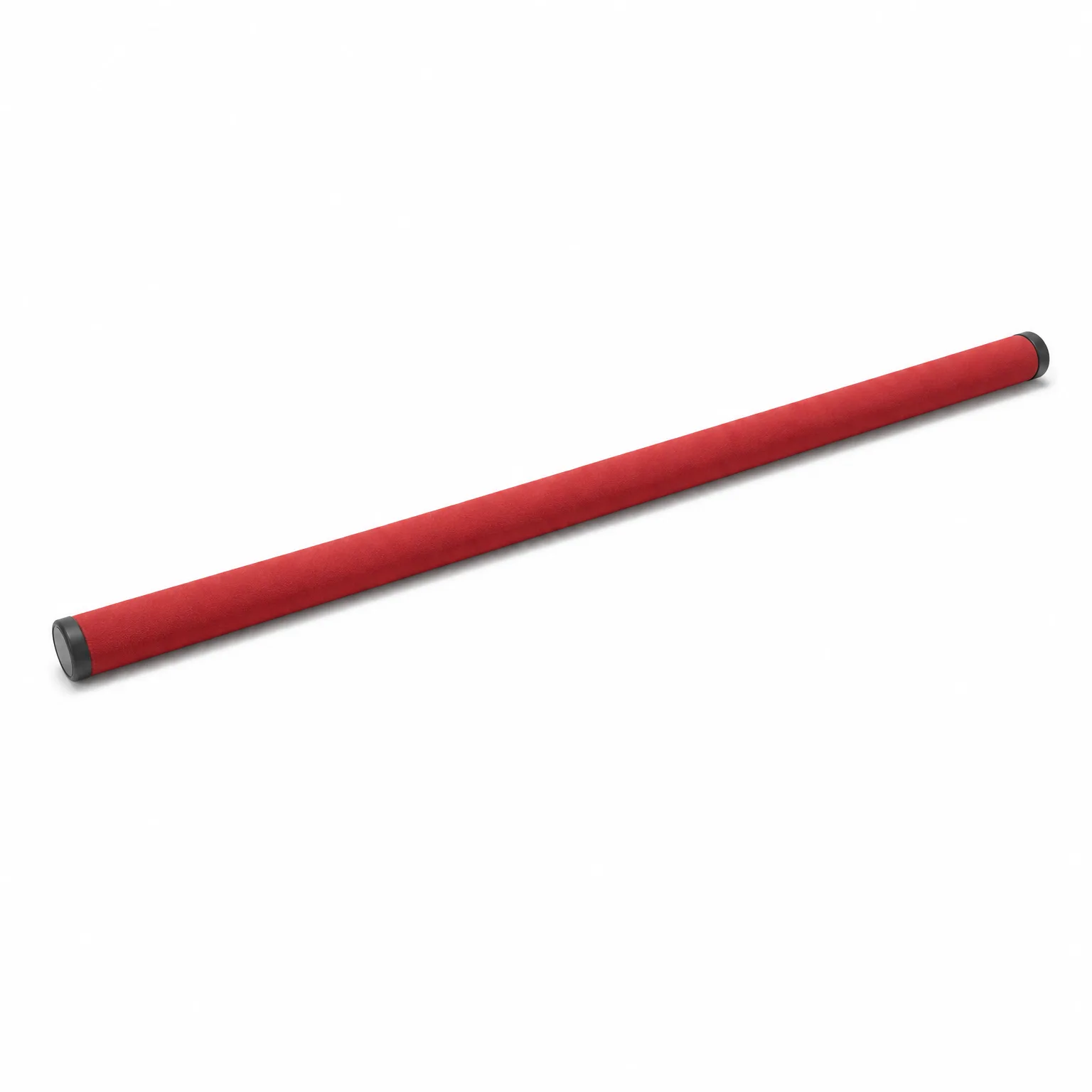
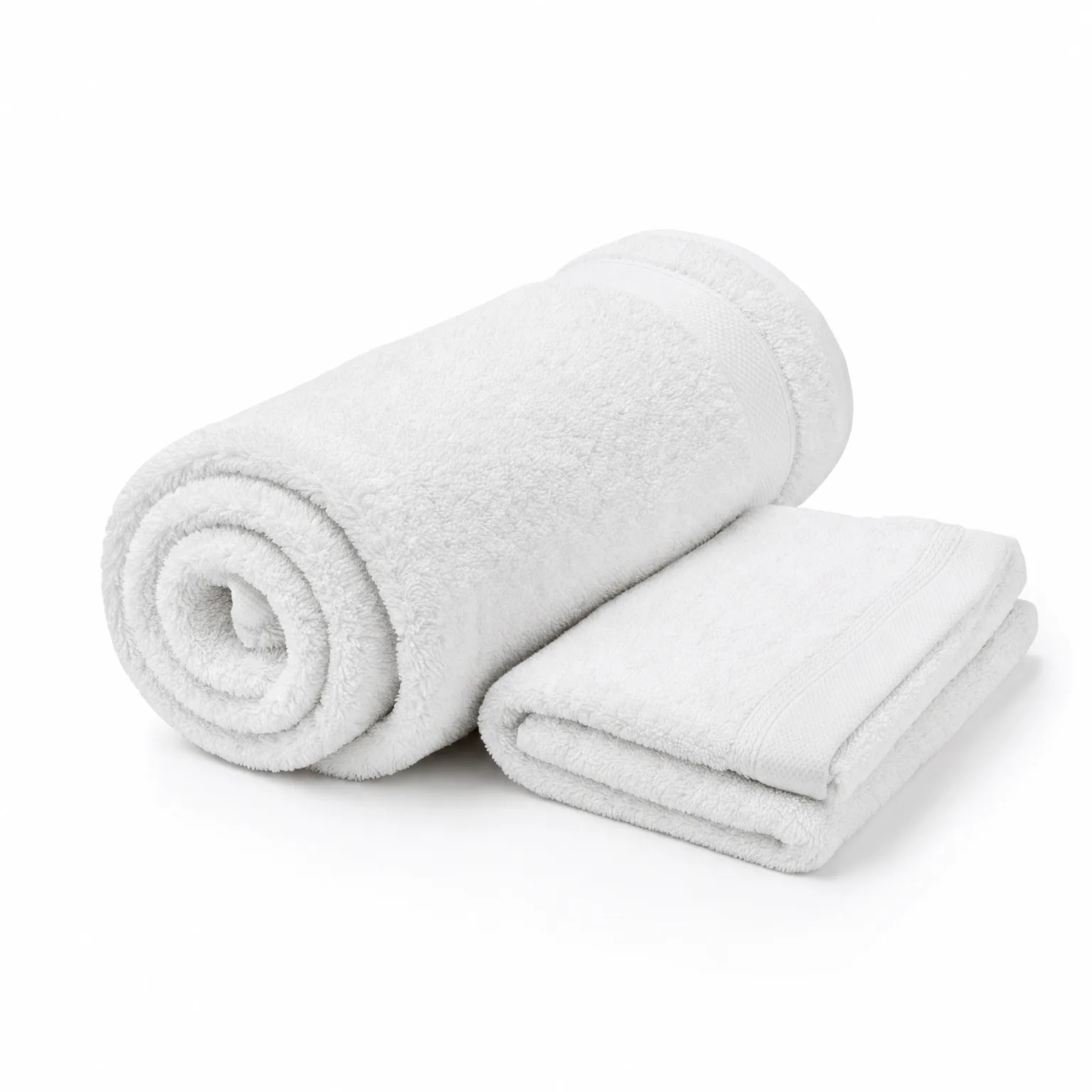
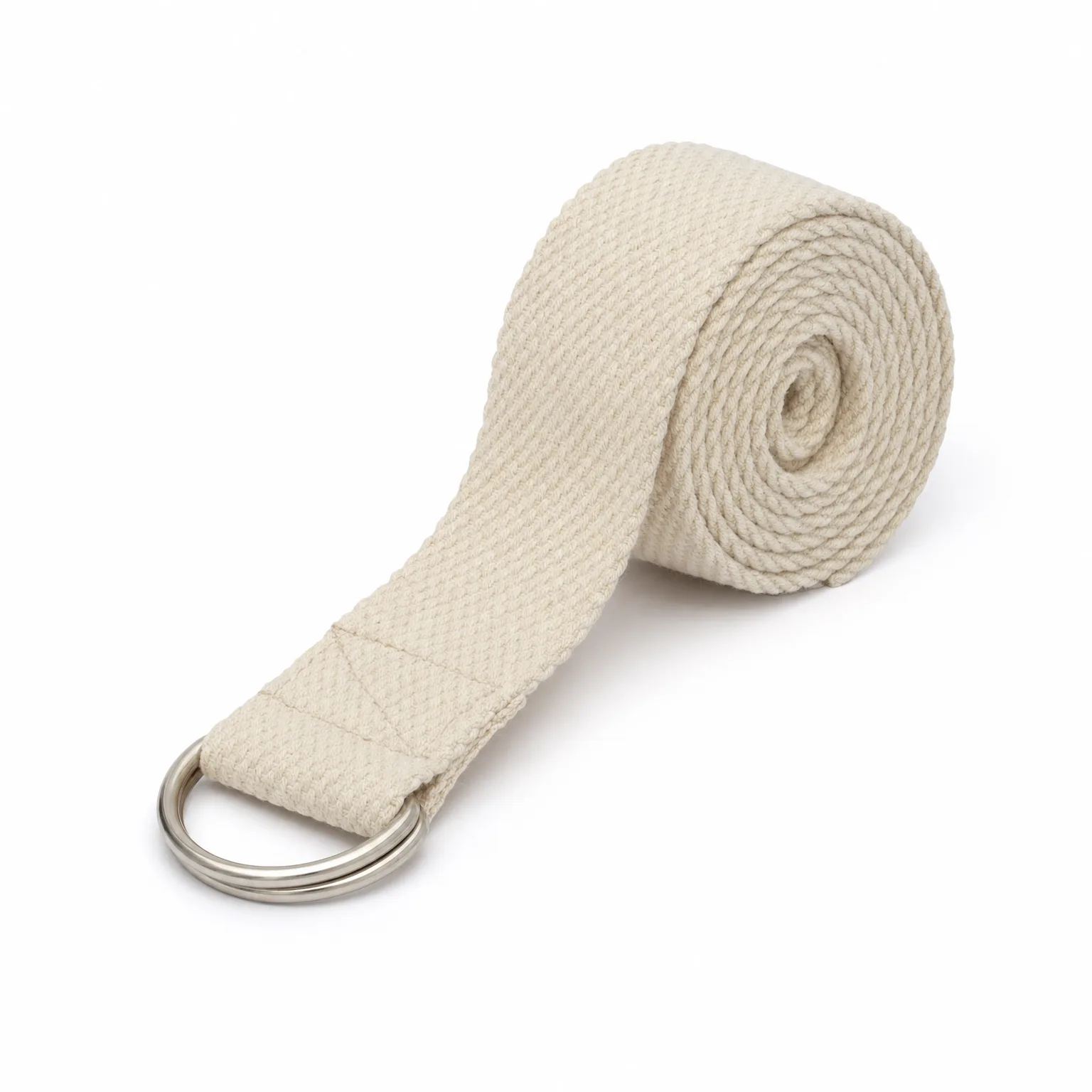
A weighted body bar does everything a broomstick does and adds a few kilograms of load. For pass-throughs, a towel, a yoga strap or a long resistance band held wide works as well, and a band lets the hands move apart as the arms go overhead. For barbell technique, an empty light training bar is the next step up. For the hinge drill, standing a short distance from a wall and reaching the hips back to touch it teaches the same movement.
-
Body bar
A padded, one-piece weighted bar of 1–12 kg used in group classes and at home for squats, presses, rows, curls and twists. -
Towel
A towel doubles as sliders on a smooth floor, a stretching strap, a pulling tool for isometric exercises and padding for the knees. -
Yoga strap
A long, non-stretch cotton or nylon strap with a buckle that extends your reach in stretches, most often for the hamstrings. -
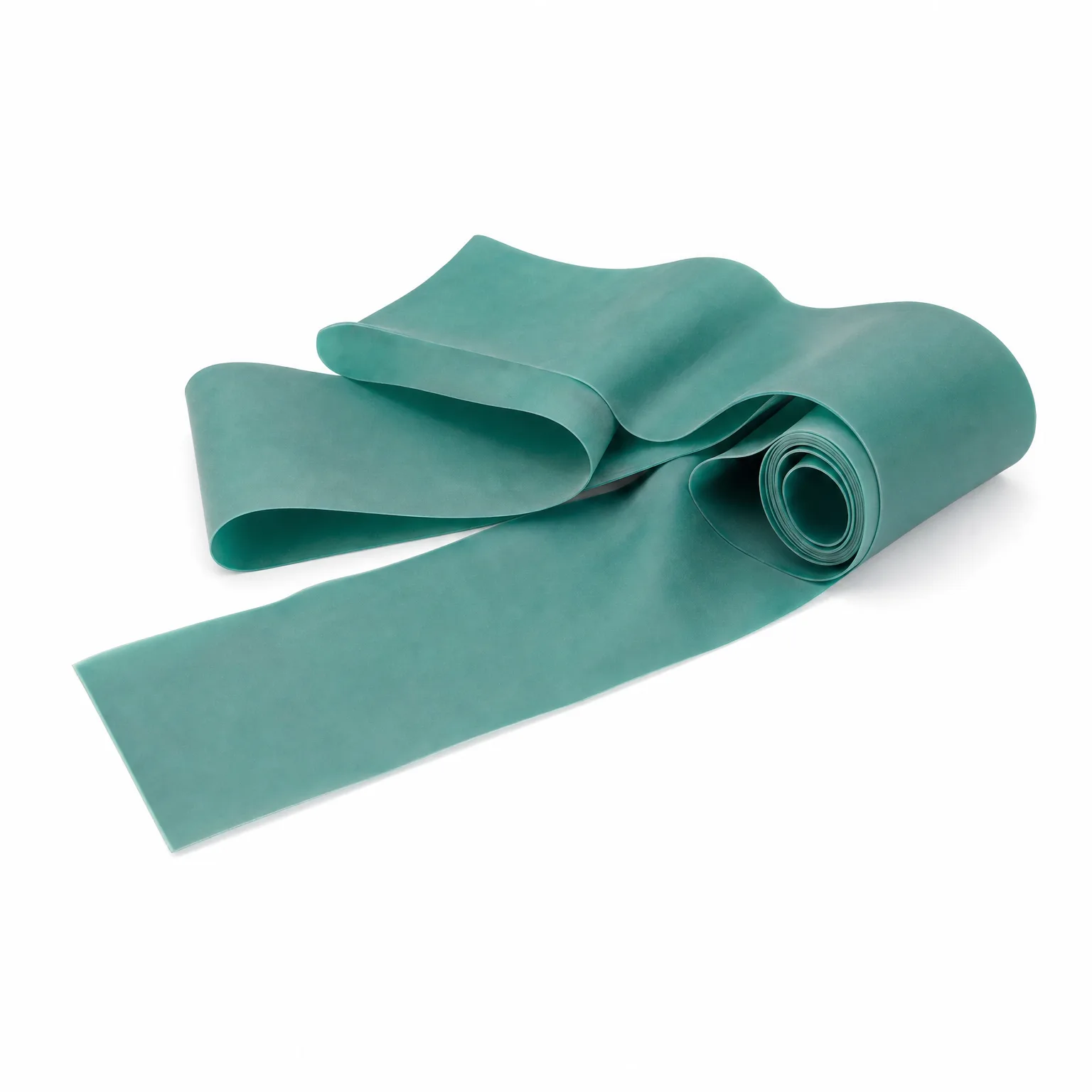
Flat resistance band
A long, thin, flat strip of elastic with open ends. Used for light strength exercises, Pilates, warm-ups and stretching.
Often used with
-

Barbell
A long steel bar loaded with plates at both ends. The standard tool for squats, deadlifts, presses and rows with heavy weight. -

Exercise mat
A cushioned, non-slip surface for floor exercises, stretching and yoga. The first thing most people need to train at home. -
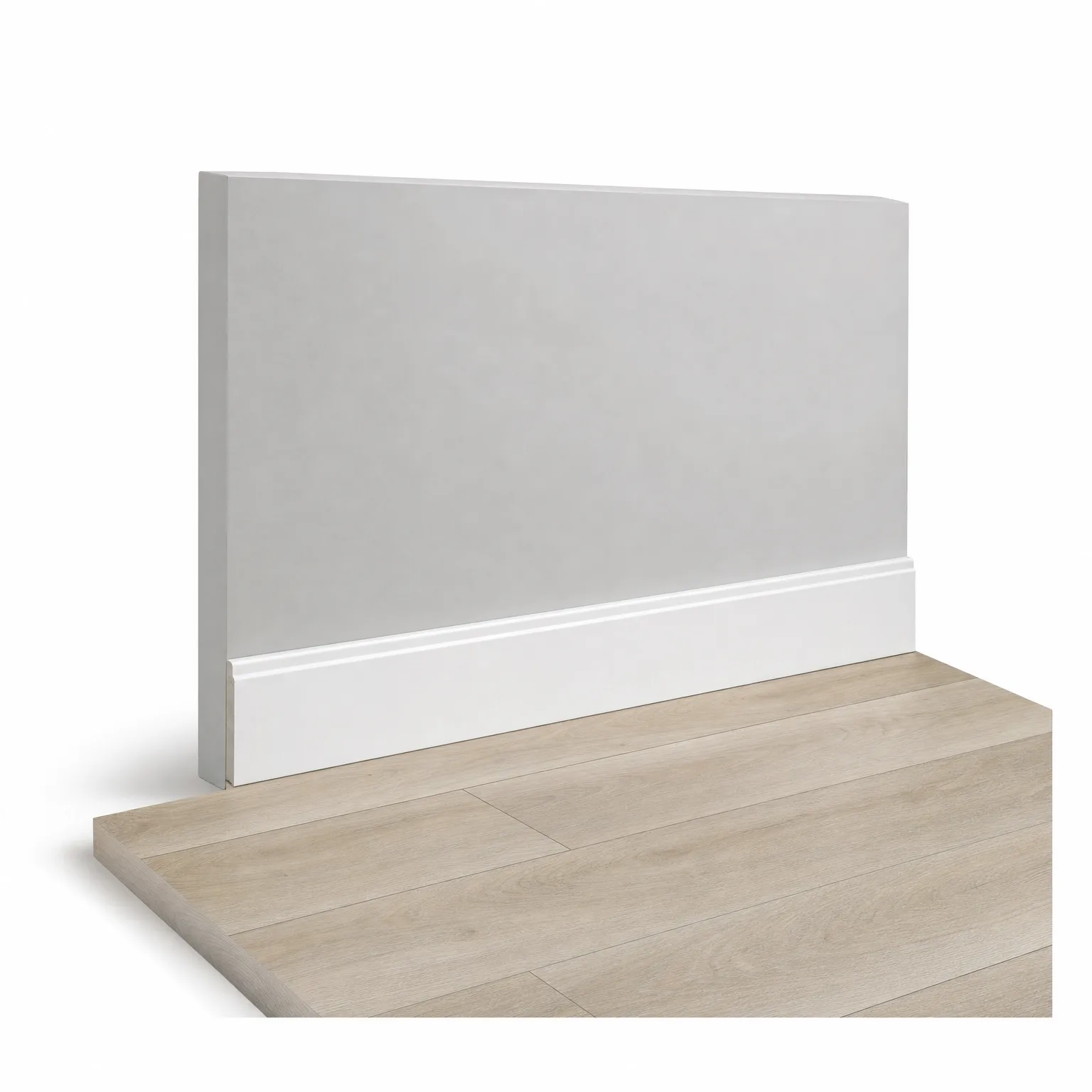
Wall
A clear stretch of solid wall works as support, a balance aid and a fixed surface to push against: wall sits, wall push-ups, stretches.
Questions about broomstick
What is a PVC pipe used for in the gym?
For warm-ups and technique practice. Lifters use it for shoulder pass-throughs, overhead squats and slow rehearsals of the snatch, clean and press before touching a barbell. It weighs almost nothing, so beginners can learn positions without being limited by strength.
What size dowel or PVC pipe should I get?
About 150 cm (5 ft) long and 25–32 mm (1–1.25 in) thick suits most adults. Very tall people or those with stiff shoulders may want 180 cm (6 ft) for a wider grip. An ordinary broom handle of around 120–140 cm (4–4.5 ft) is fine for most drills.
Do broomstick twists work the obliques?
Only lightly. With no load, slow twists take the trunk through rotation and warm it up, but they do not challenge the obliques enough to build much strength. Loaded or resisted rotation and anti-rotation exercises do that better.
How does a broomstick help with deadlift and squat form?
In the hinge drill, the stick along the spine gives instant feedback: if it loses contact with the head, upper back or tailbone, you have rounded or over-arched. In the overhead squat, the stick shows whether the arms and trunk stay stacked over the feet. Both are checks you can feel without a coach.
Can I use a broomstick instead of a barbell?
For learning the movements, yes. For getting stronger, no, because there is no load. Use the stick to practice, then move to dumbbells, a loaded backpack or a barbell to train the same patterns with resistance.
Build programs around what your client has
This guide comes from OnlineFitness.app, the app online coaches run their clients in.
Free for life for the first 100 coachesNo card