Equipment Functional and conditioning
Speed parachute
A small parachute on a waist belt that opens behind you as you sprint and adds air drag. Used for resisted sprint training outdoors.
In short
A speed parachute is a small fabric canopy attached by cords to a belt around the waist. When you sprint it fills with air and drags behind you, so you have to push harder to hold your speed. The resistance grows the faster you run.
It is a tool for resisted sprints, used by sprinters and field sport players who already sprint regularly. It needs an open stretch of at least 40–50 m and calm weather. Unlike a sled, it gives almost no resistance in the first steps and the most at top speed.
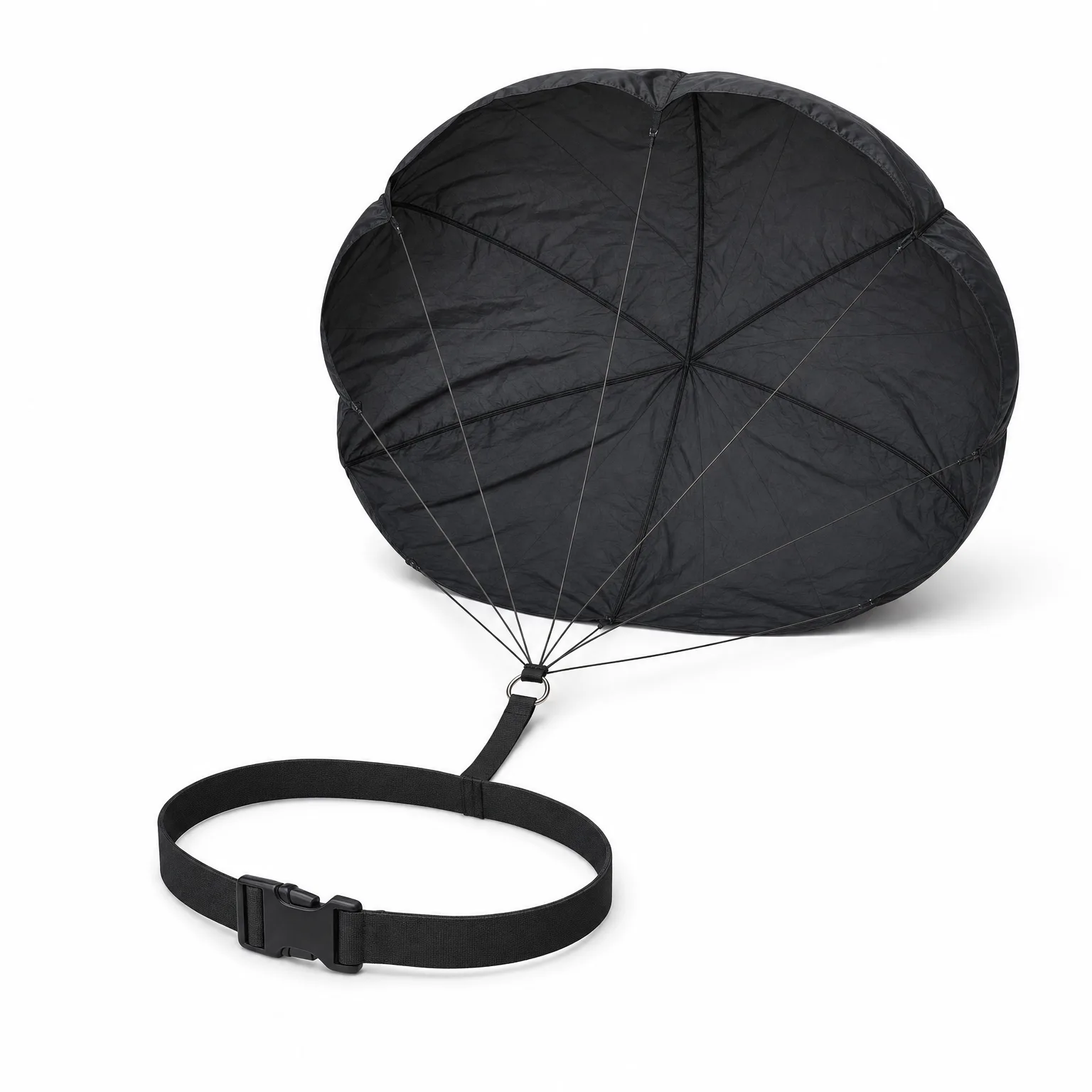
- Category
- Functional and conditioning
- Where
- Outdoors
- Level
- Intermediate and up
- Space
- Fits in a drawer or a bag
- Typical sizes
- Canopy about 100–150 cm (40–60 in) across; on an adjustable waist belt; packs into a small pouch
- Also called
- running parachute, speed chute, resistance parachute, sprint parachute, training parachute, drag chute
Muscles it works
- Main
- Glutes, Hamstrings, Quads, Calves
- Also works
- Abs
What it is used for
- Resisted sprints over 20–50 m once you are up to speed
- Contrast sprints: run with the chute, release it and continue unloaded
- Pairing a resisted run with a free sprint straight after
- Adding load to sprint sessions on a field where a sled is not practical
Types
Single chute. One canopy on a belt. The standard choice. Larger canopies give more drag.
Quick-release belt. A hook-and-loop tab or buckle lets you drop the chute mid-run for a contrast sprint.
Double or stackable chutes. Two canopies clipped to one belt for more drag. For strong, experienced sprinters.
How to choose
Choose the canopy by your size and speed
A smaller canopy of about 100–120 cm (40–48 in) suits youth, lighter adults and anyone new to resisted sprints. Larger ones give more drag for heavier, faster runners. If your stride visibly changes, the chute is too big.
Look for a belt that turns
A ring that slides around the belt, or a free-rotating attachment, lets the chute stay behind you when you change direction and keeps the cords from twisting.
Decide whether you want a release
A quick-release is worth having if you plan contrast sprints. For plain resisted runs it is not needed.
Check the cords and mesh
Cords that join into a single strap tangle less. A mesh panel in the canopy helps it stay stable instead of swinging side to side.
How to start using it
- Find the right place and weather. Use a flat, open field or track with at least 40–50 m clear. Run into a light headwind or in calm air. A crosswind pulls the chute sideways, and a tailwind can stop it filling.
- Put it on and lay it out. Fasten the belt snugly around the waist with the attachment at the center of your back. Stretch the cords out behind you and lay the canopy flat on the ground, untangled.
- Warm up fully first. Do a complete sprint warm-up: easy running, drills and several build-up sprints without the chute. Resisted sprints are maximal efforts.
- Accelerate and hold your form. Sprint as you normally would. The chute lifts and fills after a few strides. Keep the same posture and arm action, and run 20–40 m. Do 4–6 runs with 2–3 minutes of walking rest.
- Finish with free sprints. Follow the resisted runs with 2–3 sprints without the chute, so you finish the session at full speed with normal mechanics.
Common mistakes
Using it for short starts
The chute hangs on the ground for the first strides and adds almost nothing over 5–10 m. For acceleration work a sled or hill is the better tool.
Too much drag
If you lean hard from the waist, shorten your stride or slow down a lot, the load is changing how you run. A common coaching guide is to lose no more than about a tenth of your normal speed. Use a smaller canopy.
Running in a crosswind
A side wind swings the chute and tugs the hips off line with every gust. Change direction so the wind is in your face, or save the session for another day.
Treating it as conditioning
Many repeats with short rest turn sprint training into slow, tired running. Keep runs short, rest fully and stop when your times drop.
Skipping unresisted sprints
Only running with resistance trains you to run slower. Most of your sprinting should still be free.
What to use instead
A weighted sled is the closest alternative and the better one for acceleration, because it resists from the first step and the load is easy to set. Sprints up a gentle hill or a flight of stairs add resistance with no equipment. A light weighted vest loads sprints in a different way, through body weight. A long resistance band held by a partner behind you works for short resisted starts.
-
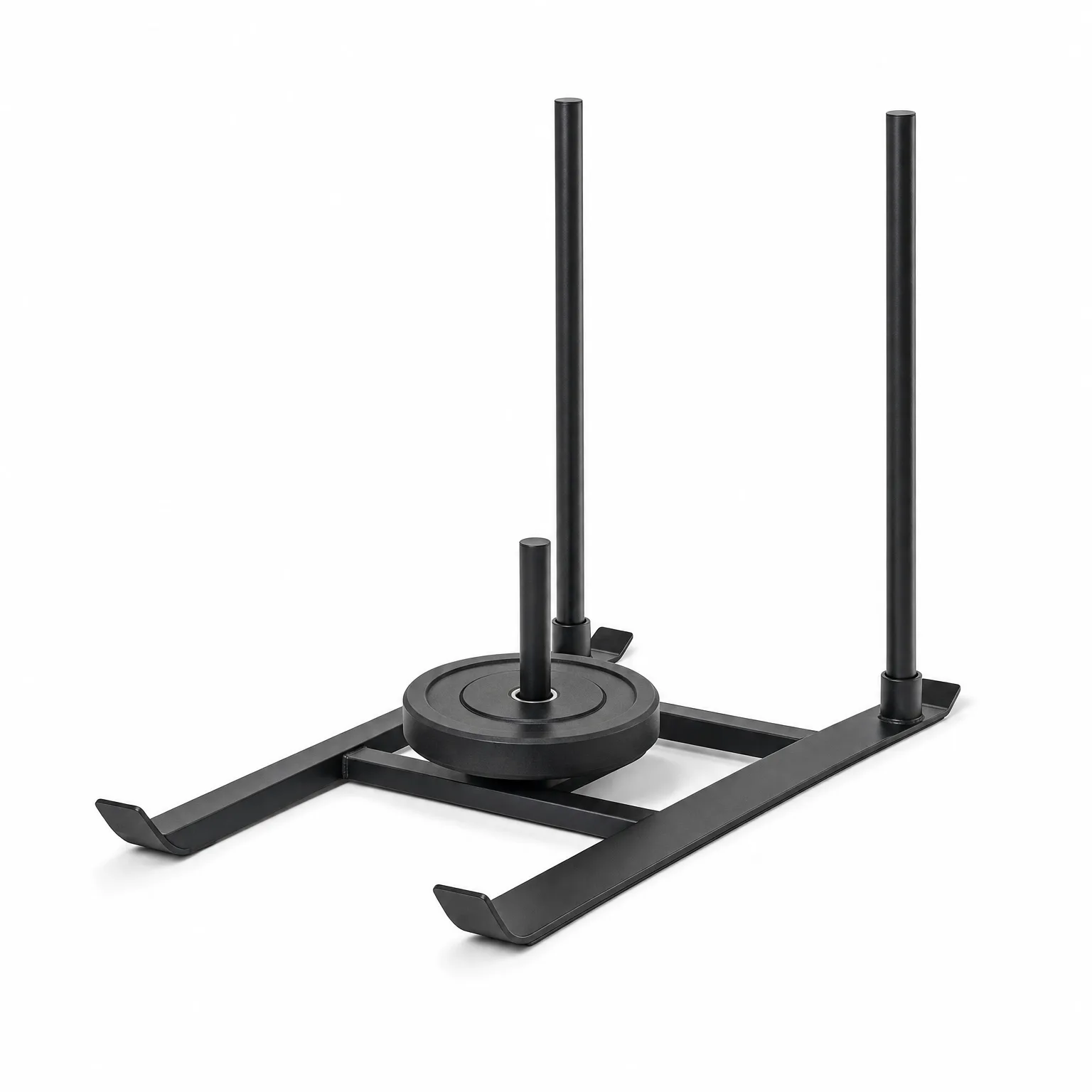
Weight sled
A low frame loaded with weight plates that you push or drag across turf or pavement. Trains the legs and conditioning with no lowering phase. -
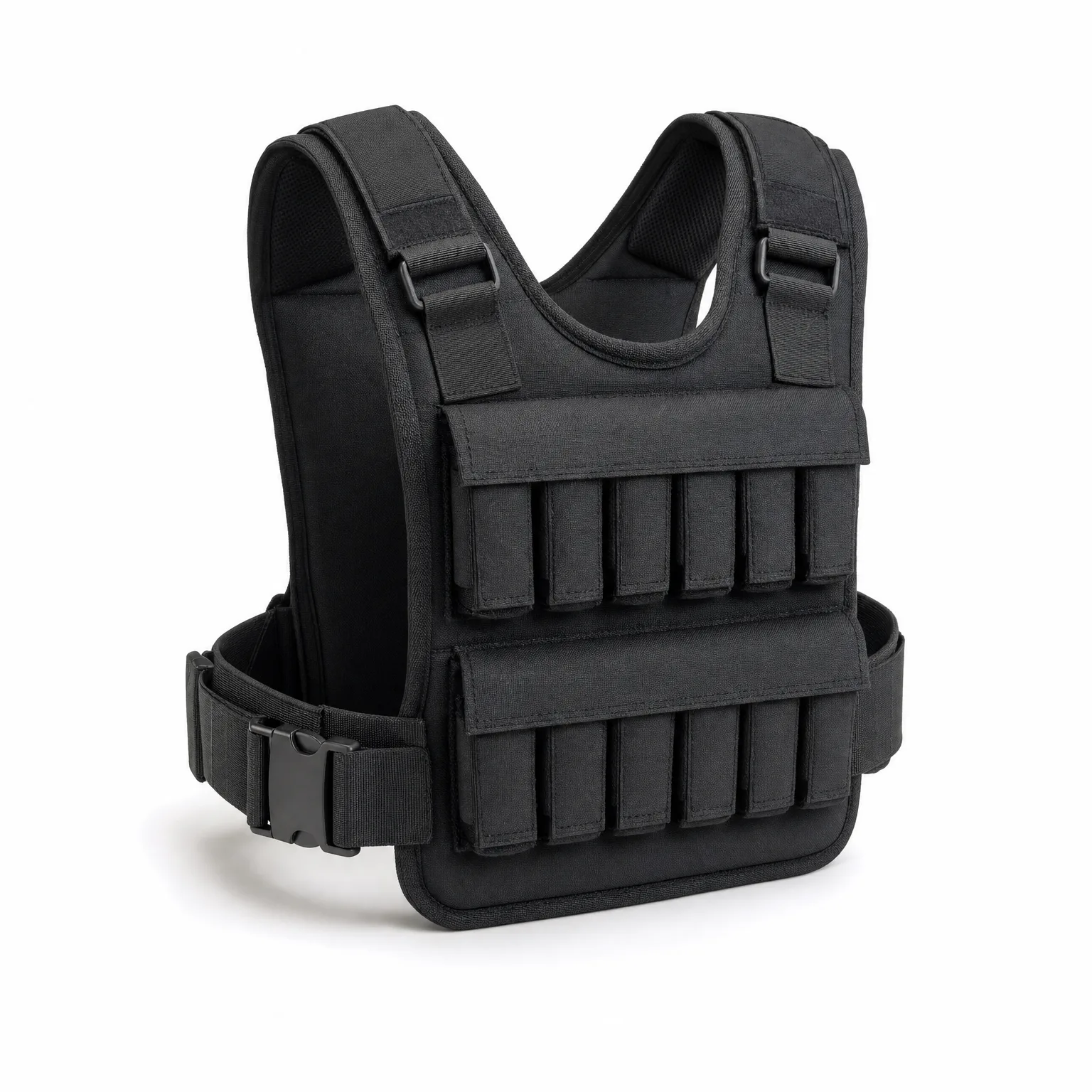
Weighted vest
A vest that carries extra weight on the torso. It makes push-ups, pull-ups, squats, walking and stair climbing harder with free hands. -
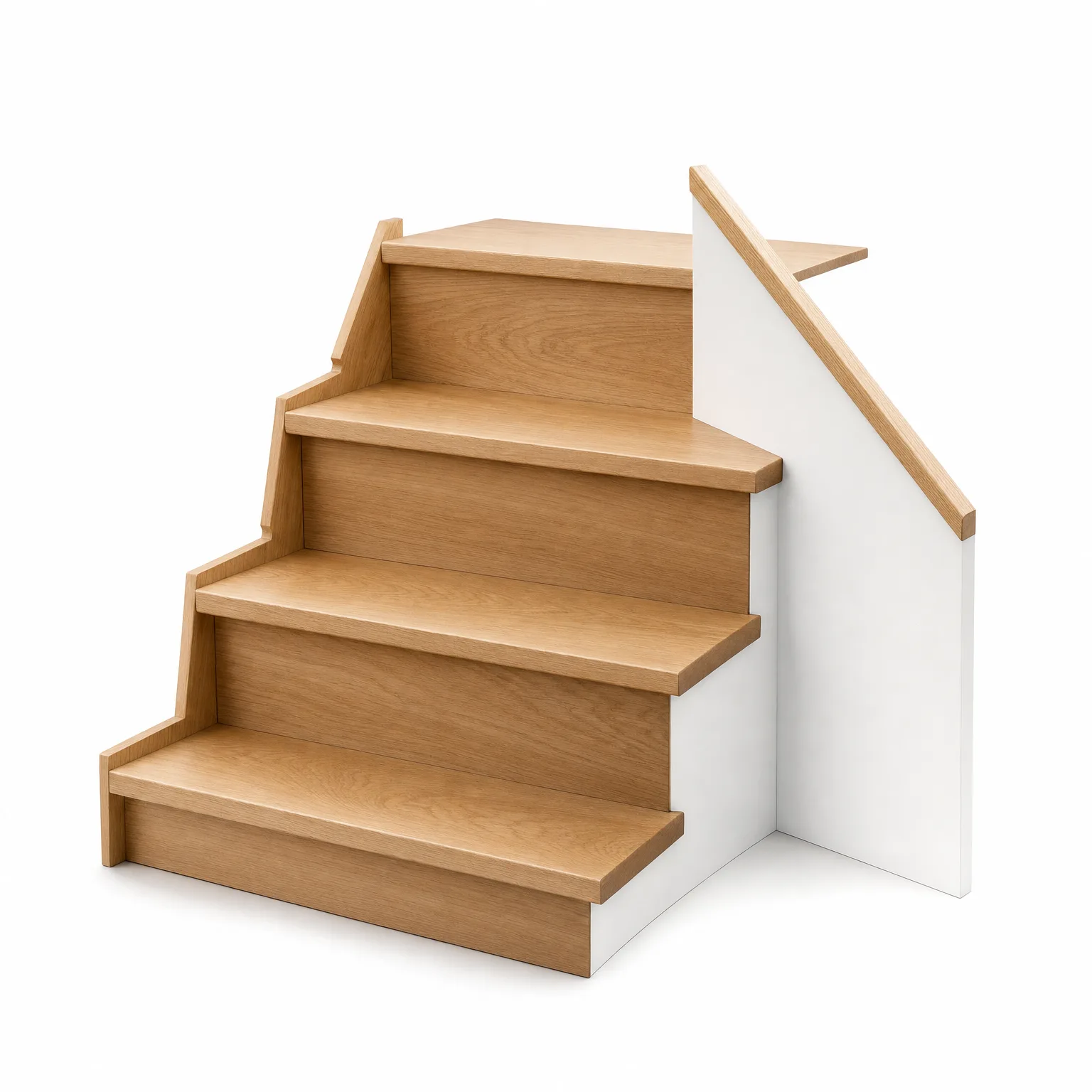
Stairs
A staircase or a single step replaces a step platform, a low plyo box and a stair climber: step-ups, calf raises and stair climbing. -
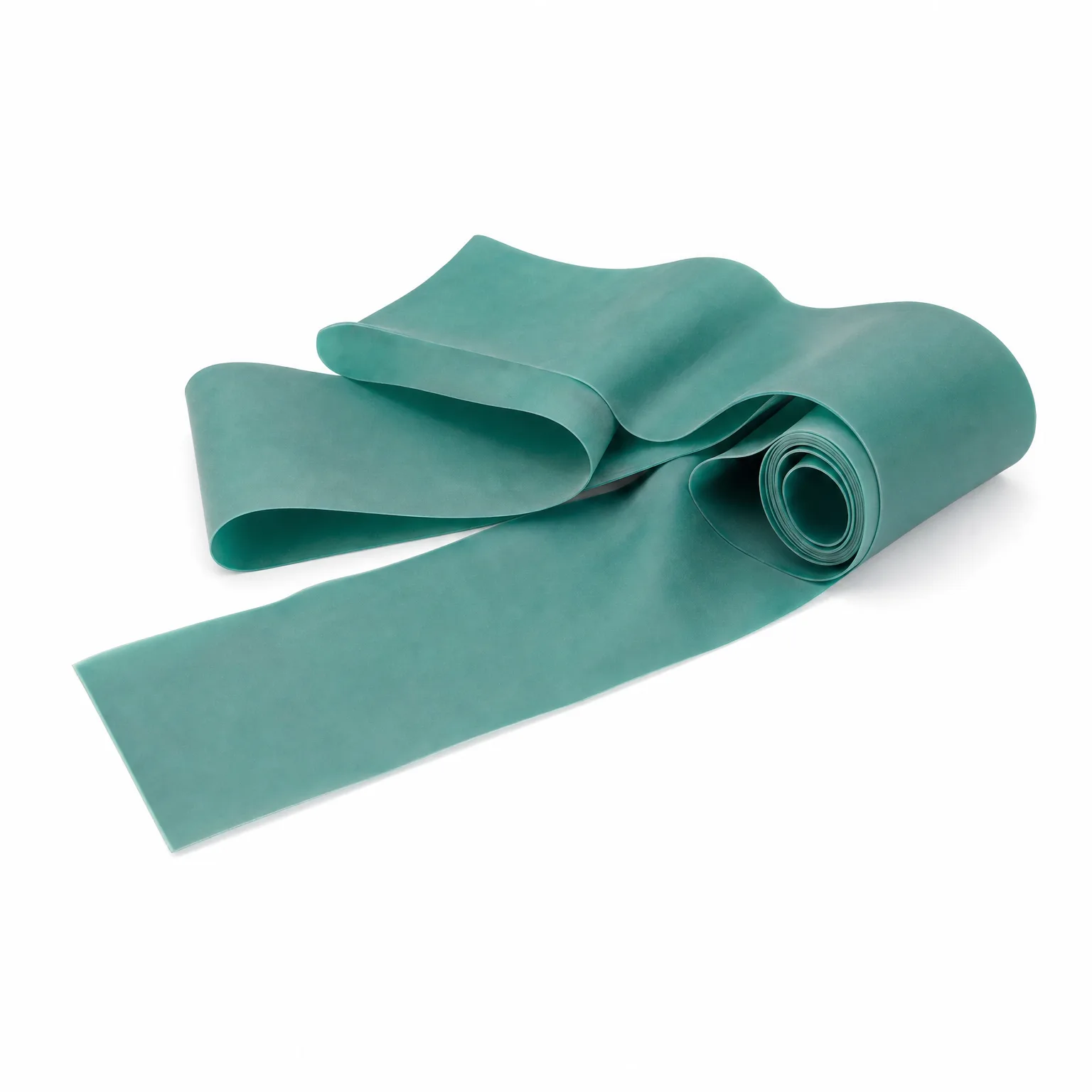
Flat resistance band
A long, thin, flat strip of elastic with open ends. Used for light strength exercises, Pilates, warm-ups and stretching.
Often used with
-
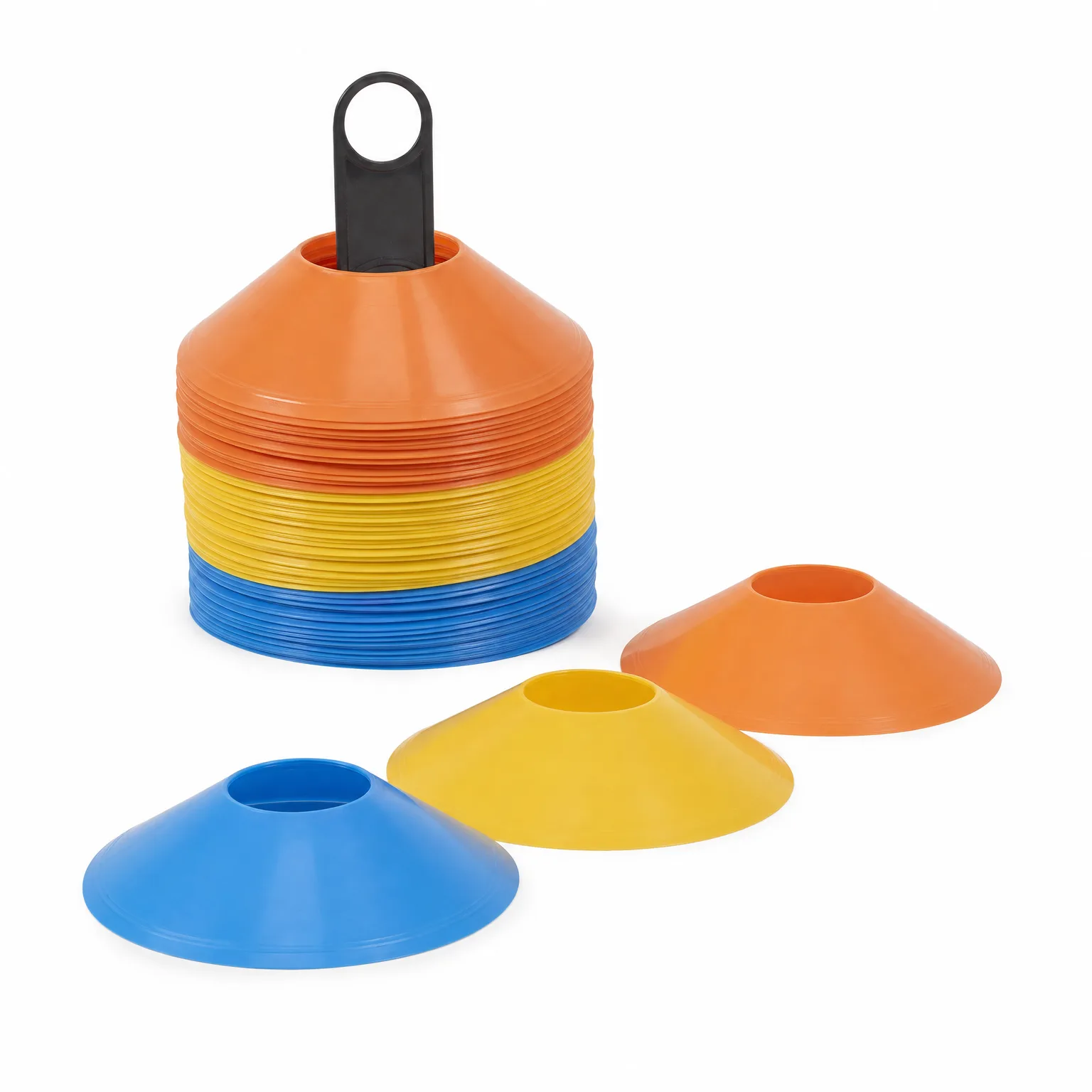
Training cones
Small plastic markers that set out distances, turning points and lanes for sprints, shuttles, agility drills and circuits. -
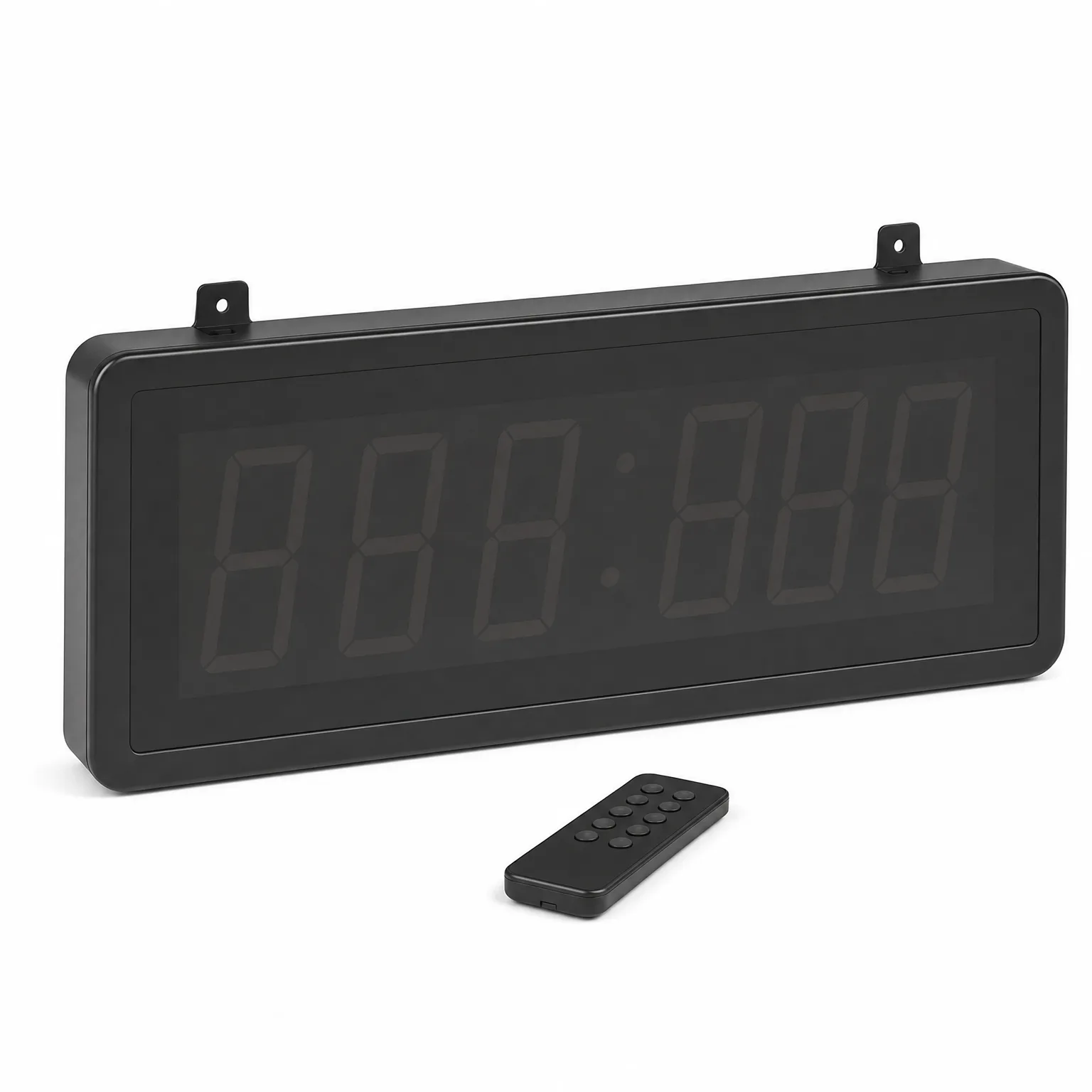
Interval timer
A wall clock or phone app that counts work and rest periods and signals each change, for tabata, EMOM, AMRAP, rounds and timed rests. -
Weight sled
A low frame loaded with weight plates that you push or drag across turf or pavement. Trains the legs and conditioning with no lowering phase.
Questions about speed parachute
Do speed parachutes work?
They add real resistance at high speed, and resisted sprinting in general is a widely used method in sprint training. Most of the research was done with sleds, and direct studies of parachutes are few and small. Treat a chute as one way to add variety and load to sprint training, alongside free sprints.
What size speed parachute do I need?
Start with a smaller canopy, around 100–120 cm (40–48 in). Heavier and faster athletes can use larger ones. The right size slows you slightly without changing your posture or stride.
Speed parachute or sled?
A sled resists from the first step and suits acceleration over 10–20 m. A parachute adds little until you are moving fast and suits runs of 20–50 m. A sled's load is precise and wind does not matter. A chute is lighter, cheaper and fits in a pocket.
How often should I train with a speed parachute?
Once or twice a week within a sprint session is typical: 4–6 resisted runs plus a few free sprints, with at least two days between hard sprint sessions.
Build programs around what your client has
This guide comes from OnlineFitness.app, the app online coaches run their clients in.
Free for life for the first 100 coachesNo card