Assisted pull-up machine
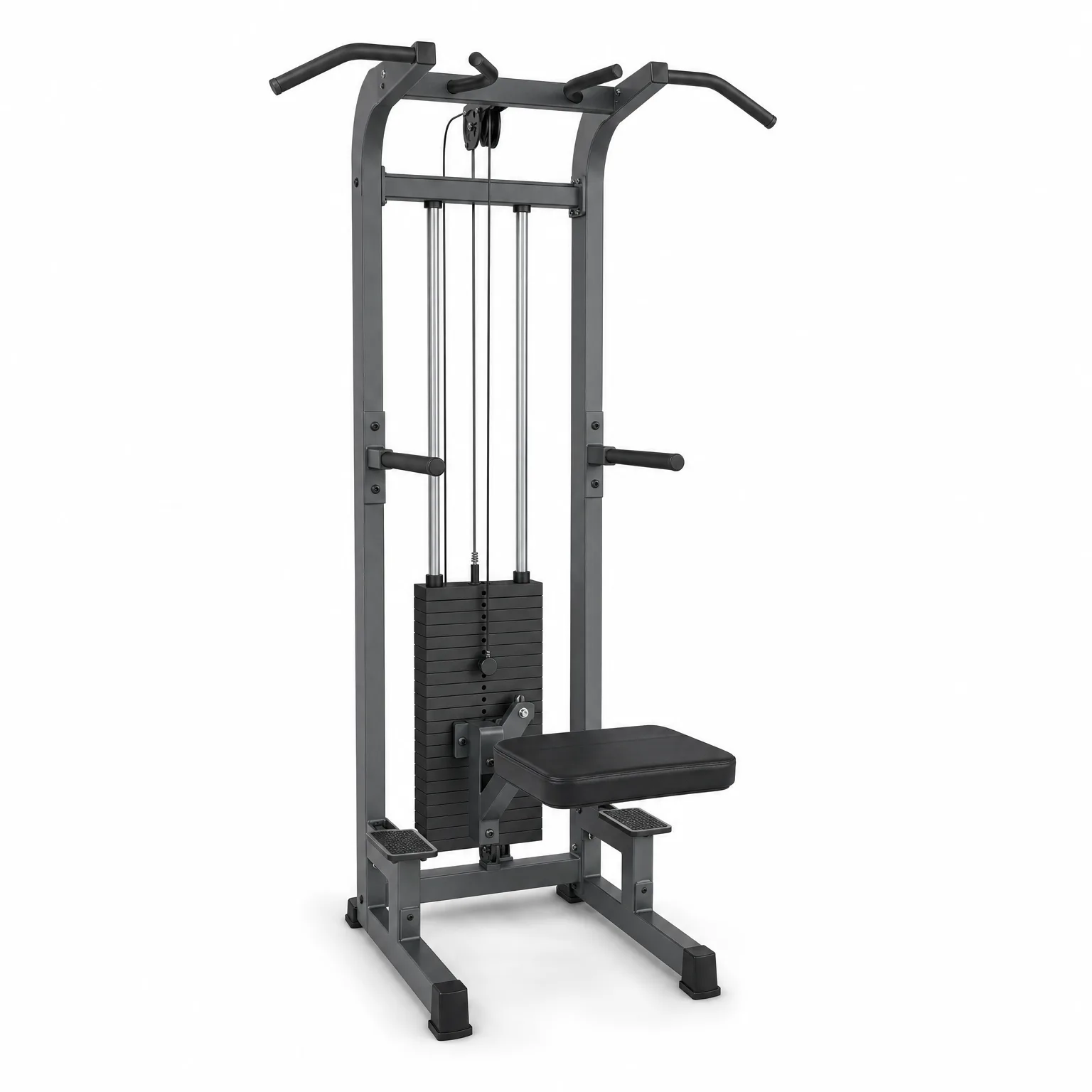
A pull-up and dip station with a counterweighted pad that carries part of your body weight, so you can do full reps sooner.
In short
An assisted pull-up machine is a pull-up and dip station with a pad or platform linked to a weight stack. You kneel or stand on the pad and the stack pushes you up, taking away part of your body weight. The more weight you select, the easier the rep.
It lets people who cannot yet do a pull-up or a dip practice the full movement through the whole range. It also suits stronger lifters for high-rep sets at the end of a session. Pull-ups train the lats, mid back and biceps. Dips train the chest, triceps and front shoulders.
- Category
- Gym machines
- Where
- Gym
- Level
- Beginner and up
- Space
- Needs a dedicated area
- Typical sizes
- About 2.2–2.4 m (7–8 ft) tall; stacks commonly 70–110 kg (150–240 lb) of assistance
- Also called
- assisted pull up machine, assisted dip machine, assisted chin up machine, pull up assist machine, assisted pull-up and dip machine, gravitron
What it is used for
- Pull-ups and chin-ups with part of the body weight removed
- Assisted dips on the side handles
- Building toward a first unassisted pull-up or dip
- High-rep pulling sets with strict form
- Unassisted pull-ups and dips with the pad folded away, on models that allow it
Types
Kneeling pad. A padded platform you kneel on. The most common type. The pad often folds up for unassisted reps.
Standing platform. A bar or step you stand on. Easier to mount for some people, with the same counterweight principle.
Plate-loaded. A lever arm loaded with weight plates instead of a stack. Found in some strength-focused gyms.
How to choose
Remember the stack works in reverse
The selected weight is help, not load. A higher number makes the exercise easier. What you lift is roughly your body weight minus the selected weight, though the exact figure depends on the machine's design.
Pick the starting assistance
Begin with about half to two thirds of your body weight selected. Find the setting where you can do 6–10 full reps with the last two hard. If you can do more than 12, reduce the assistance.
Choose the grip
Most machines offer wide overhand handles, close neutral handles and sometimes an underhand position. Neutral and underhand grips are usually the strongest and a good place to start. Wide overhand is the hardest for most people.
Set the dip handles
On many machines the dip handles rotate to a narrow or a wide setting. Choose a width slightly wider than your shoulders, so the forearms stay vertical as you lower.
How to start using it
- Mount with care. Set the pin, step up on the side footrests and take the handles. Place one knee on the pad, let it sink under control, then add the other knee. The pad moves as soon as you put weight on it.
- Start from a full hang. Let the arms straighten with the shoulders active, not shrugged up to the ears. Keep the body upright and the trunk tight so you do not swing on the pad.
- Pull the chin over the handles. Draw the shoulder blades down and drive the elbows toward the ribs until the chin clears the hands. Lower in two to three seconds to straight arms.
- For dips, lower to a comfortable depth. Grip the dip handles with the arms straight, lean the chest slightly forward and bend the elbows until the upper arms are about parallel to the floor. Press back up without locking hard.
- Dismount in reverse. At the bottom of the last rep, when the pad is at its lowest and the stack is highest, hold the handles, take one foot to the footrest, then the other, and let the pad rise slowly. Do not jump off, because the pad springs up.
Common mistakes
Never reducing the assistance
Using the same setting for months keeps you at the same strength. Each time you reach the top of your rep range, take off one plate of help.
Partial reps
Stopping short of straight arms at the bottom or of chin-over-hands at the top misses the hardest parts of a real pull-up. Use more assistance and complete the range.
Stepping off a loaded pad
Taking your weight off the pad suddenly sends it up fast and drops the stack. Step to the footrests and let the pad rise under control.
Bouncing out of the bottom
Dropping fast and rebounding off the pad lets the machine do the first part of the rep. Lower slowly and pause briefly at full hang.
Reading the stack the wrong way
Moving the pin down to make it harder does the opposite here. Check which way is which with one test rep before a set.
What to use instead
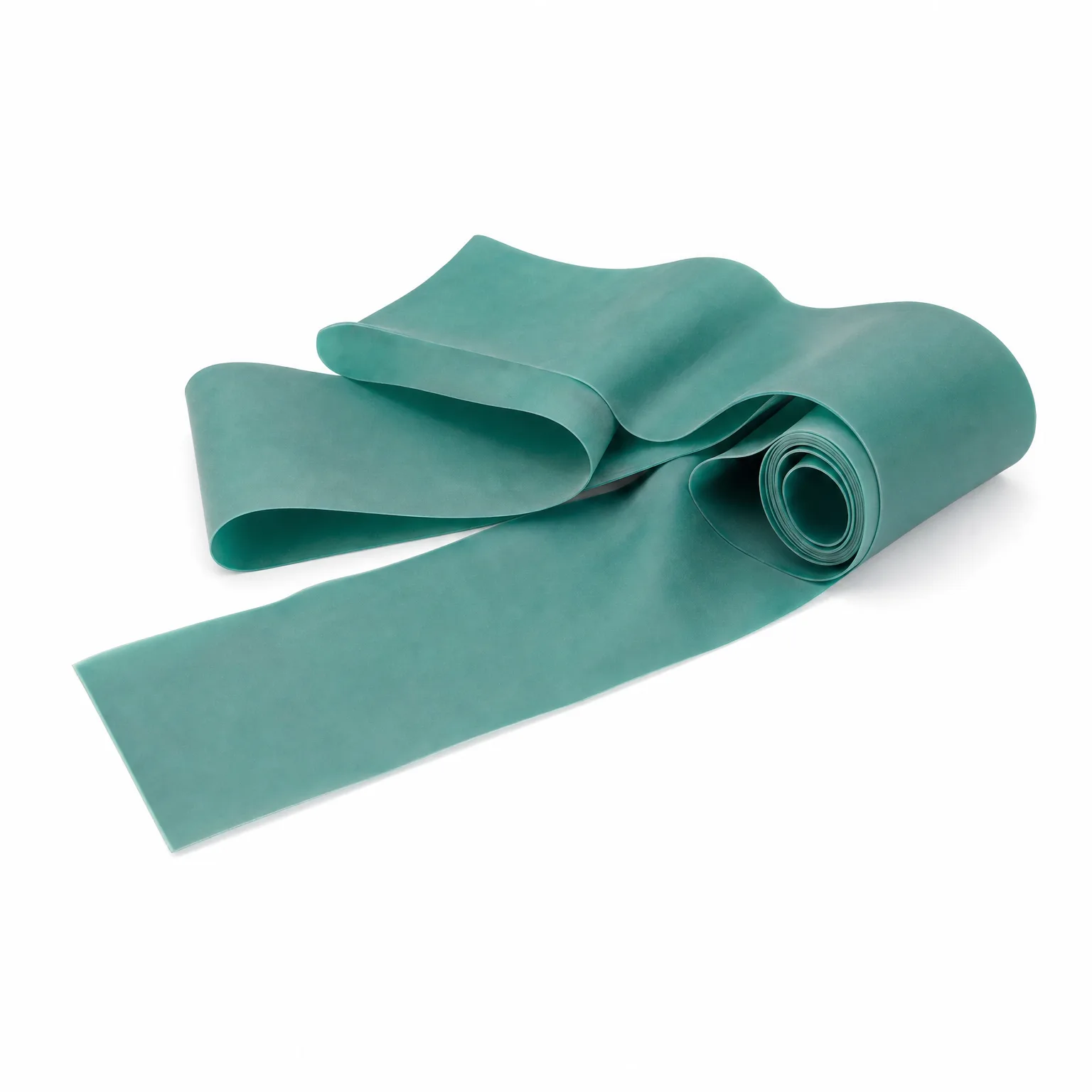
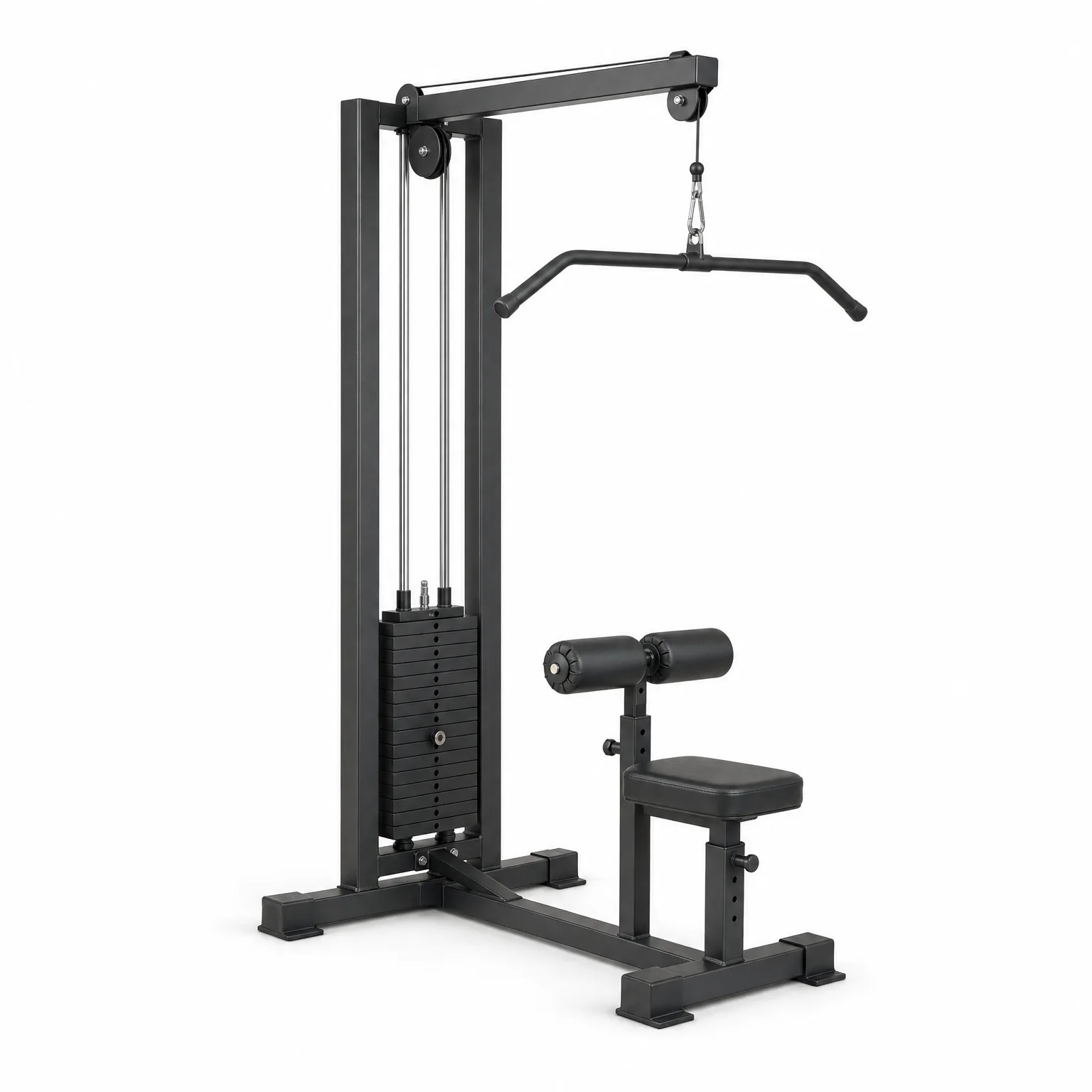
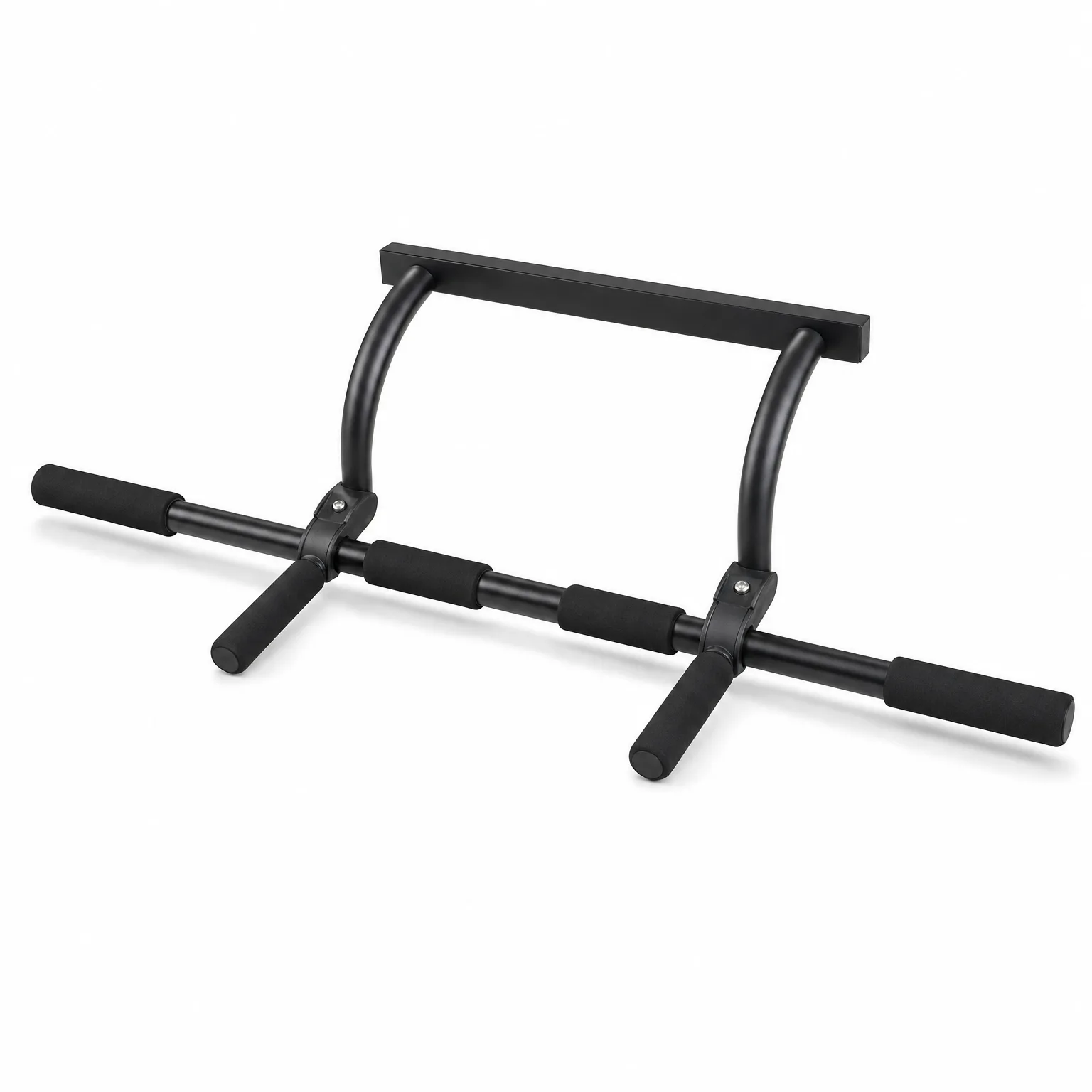
A long loop band tied over a pull-up bar, with a foot or knee in the loop, gives the same kind of help, strongest at the bottom. A lat pulldown trains the same muscles with any load. On a plain pull-up bar, do slow lowering reps from a jump, or keep your feet on a chair under the bar and push with the legs just enough to finish each rep.
-
Flat resistance band
A long, thin, flat strip of elastic with open ends. Used for light strength exercises, Pilates, warm-ups and stretching. -
Lat pulldown machine
A seat with thigh pads under a high pulley and a wide bar. You pull the bar to your chest to train the lats and upper back. -
Pull-up bar
A fixed horizontal bar you hang from. Used for pull-ups, chin-ups, hangs and hanging leg raises, at home or outdoors. -
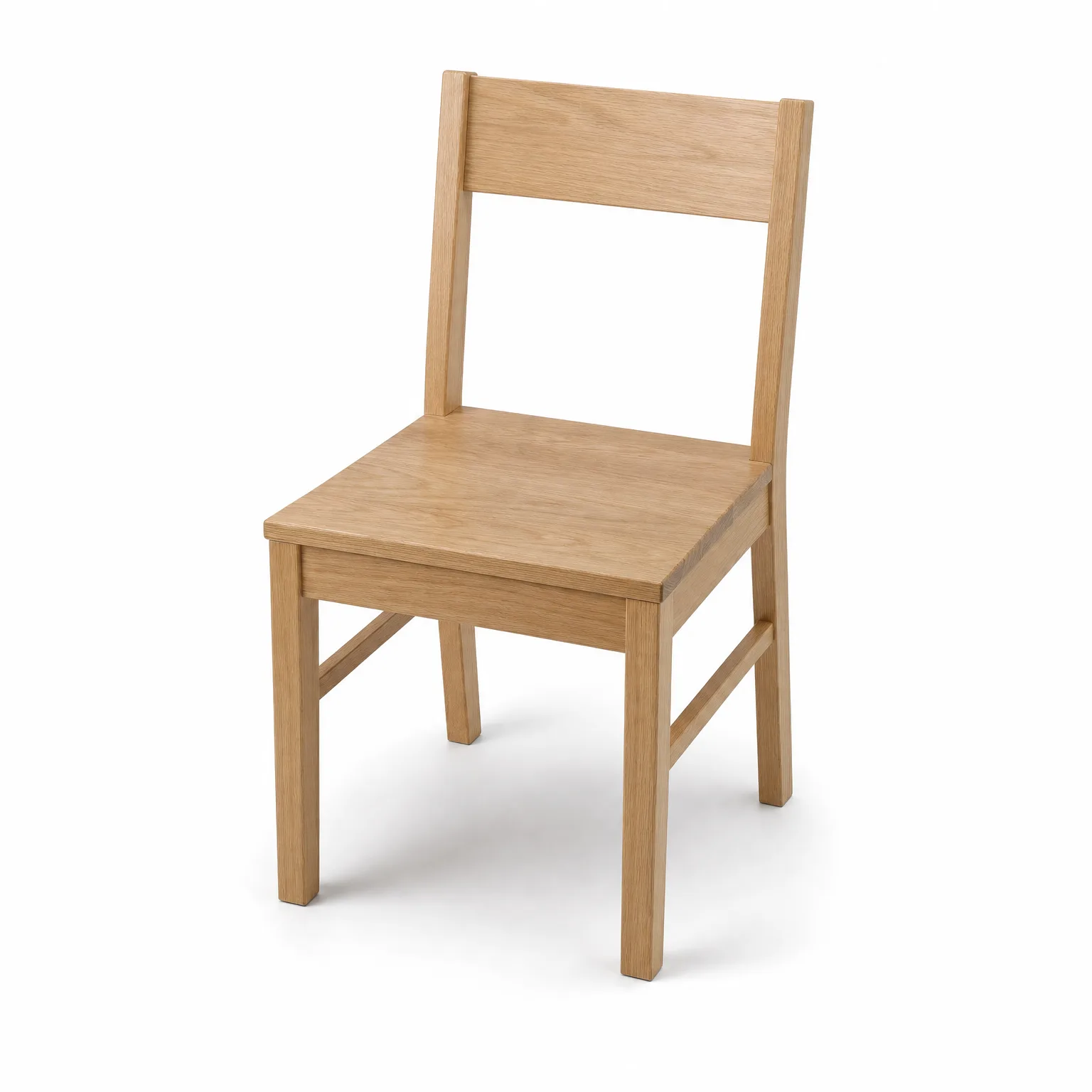
Chair
A sturdy household chair stands in for a bench, a low box or dip bars: sit-to-stands, step-ups, dips, split squats and incline push-ups.
Often used with
Questions about assisted pull-up machine
How much weight should I use on the assisted pull-up machine?
Enough help to do 6–10 full reps with the last two hard. For many beginners that is half to two thirds of body weight. Reduce the assistance by one plate whenever you can do 10–12 clean reps.
Does more weight make assisted pull-ups easier or harder?
Easier. The stack is a counterweight that pushes the pad up under you. More selected weight means more of your body weight is carried by the machine. To make the exercise harder, move the pin toward the top of the stack.
Do assisted pull-ups help you do real pull-ups?
Yes, if you keep lowering the assistance over time. They train the same muscles through the same path. Because the machine keeps you steady, also practice on a plain bar: hangs, slow lowering reps and single attempts, to get used to controlling your whole body.
Assisted pull-up machine vs lat pulldown?
Both train the lats, mid back and biceps. On the assisted machine your body moves and the hands stay fixed, which is the same skill as a pull-up. On a pulldown you sit and the bar moves, which is easier to load precisely. For a first pull-up, the assisted machine is the more specific choice.
Build programs around what your client has
This guide comes from OnlineFitness.app, the app online coaches run their clients in.
Free for life for the first 100 coachesNo card