Aqua dumbbells
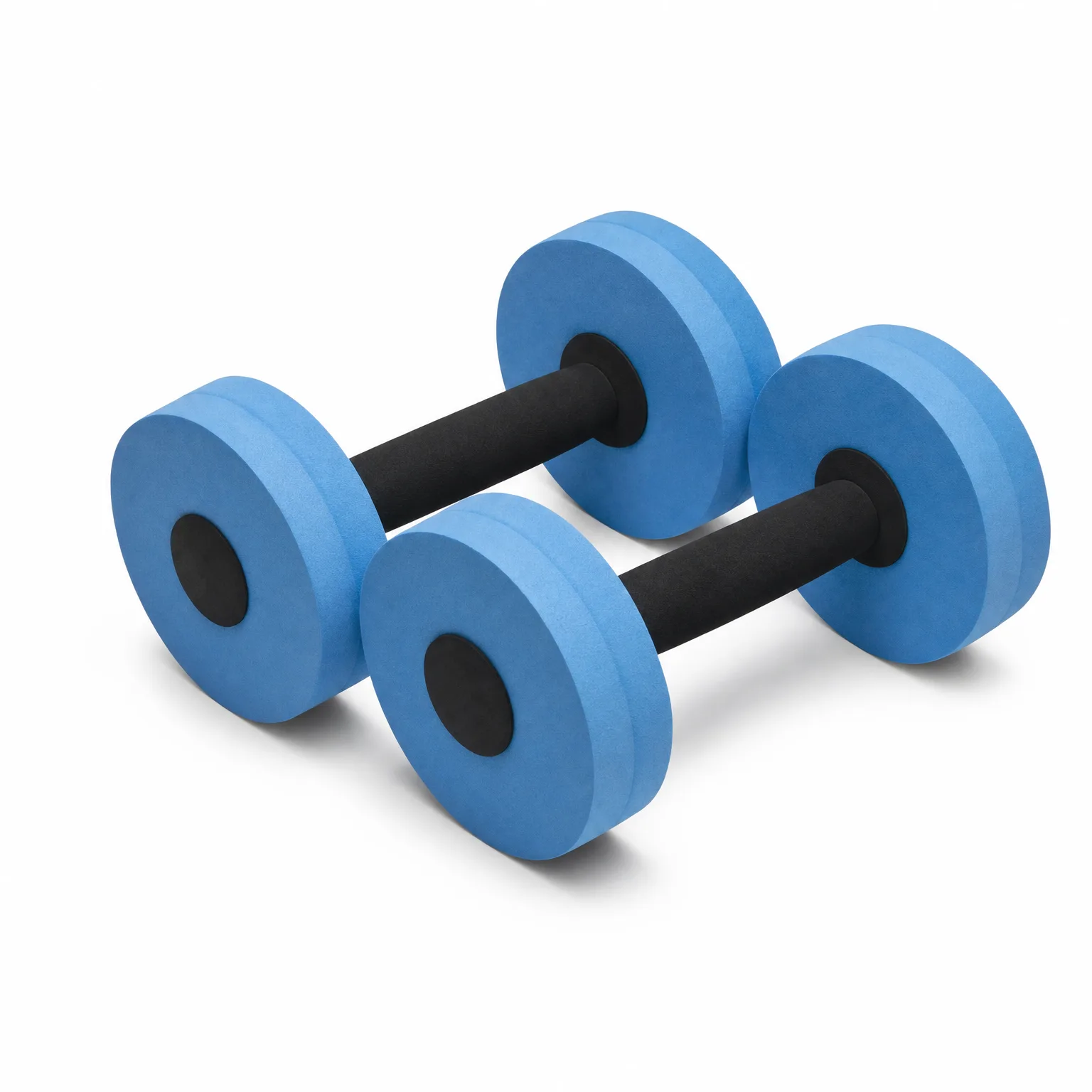
Foam dumbbells for pool workouts. They float, so the resistance comes from pushing them under water and moving them through it.
In short
Aqua dumbbells are light plastic handles with a block of closed-cell foam at each end, made for exercise in a pool. They weigh almost nothing on land. In the water they float, so the work comes from two things: pushing the foam down against its buoyancy, and moving it through the water against drag.
This reverses the feel of normal dumbbells. Pushing down and pulling back is hard, while the way up is assisted. They are a staple of water aerobics classes and suit people who want upper-body and trunk work with the body supported by water. The faster you move them, the harder it gets.
- Category
- Pool
- Where
- Gym
- Level
- Beginner and up
- Space
- Fits in a drawer or a bag
- Typical sizes
- About 25–30 cm (10–12 in) long; foam heads roughly 10–18 cm (4–7 in) across, sold as light, medium and heavy resistance
- Also called
- water dumbbells, foam dumbbells, pool dumbbells, water weights, aqua aerobics dumbbells, pool weights, aquatic dumbbells
Muscles it works
- Also works
- Biceps, Front delts, Side delts, Obliques, Forearms
What it is used for
- Push-downs, pull-downs and triceps presses against buoyancy
- Chest presses, rows and arm sweeps through the water against drag
- Trunk work: holding the floats under water while standing, twisting or jogging in place
- Added upper-body load during water walking and aqua jogging
- Light support for the arms in deep-water exercises and floating stretches
Types
Round or disc foam heads. The standard class dumbbell. Larger and thicker foam means more buoyancy and more drag.
Triangular or finned heads. Shaped foam with flat faces that catch more water, so drag rises faster as you speed up.
Fillable water dumbbells. Hollow plastic dumbbells. Filled with sand they sink and act like light weights in the pool. Filled with water they weigh almost nothing under water and add only drag.
How to choose
Start with the light size
Resistance is set by the amount of foam. Bigger heads are much harder to hold under water than they look on the pool deck. Begin with the smallest or light version and move up when you can keep your shoulders down and your wrists straight through a full set.
Look at the grip
A padded handle that fills your hand without forcing a tight squeeze is easier on the fingers and wrists. Very thin bare plastic handles become uncomfortable over a 45‑minute class.
Choose dense foam
Closed-cell EVA foam keeps its buoyancy and does not soak up water. Soft, crumbly foam breaks down quickly in chlorinated water. Rinse and dry any pair after use to make it last.
How to start using it
- Stand in chest-deep water. Water between the lower ribs and the armpits works well. Stand with the feet apart or one in front of the other, knees soft and trunk braced. Deeper water makes you lighter on your feet and harder to keep steady.
- Keep the dumbbells under the surface. The resistance exists only while the foam is submerged. Start each movement with the dumbbells under water and keep them there. Lifting them out and dropping them back in adds splash but no work.
- Control the way up. The floats want to pop back to the surface. Let them rise slowly, resisting on the way. This is where the shoulders tend to shrug, so keep them low and the elbows slightly bent.
- Use speed and shape to change the load. Moving faster or turning the broad side of the foam into the water increases drag. Slowing down or slicing the narrow edge through the water reduces it. Change one of these before reaching for a bigger pair.
Common mistakes
Expecting them to work like weights
A foam dumbbell does not pull down. Curls and lateral raises, which are hard with iron, are assisted in the water. The hard directions are down and back, so build the session around presses down, pulls down and sweeps.
Holding them down for a long time with straight arms
Hanging on to big floats with locked elbows and shrugged shoulders loads the shoulder joints and neck for the whole class. Bend the elbows a little, keep the shoulders down and let the floats come up between exercises.
Gripping too hard
A tight squeeze for a full session tires the forearms and can irritate the wrists. Hold the handles firmly but loosely, and keep the wrists in line with the forearms.
Choosing the largest pair
Too much buoyancy lifts the feet off the floor and turns each rep into a fight to stay upright. If you cannot stay planted, the dumbbells are too big or the water is too deep.
What to use instead
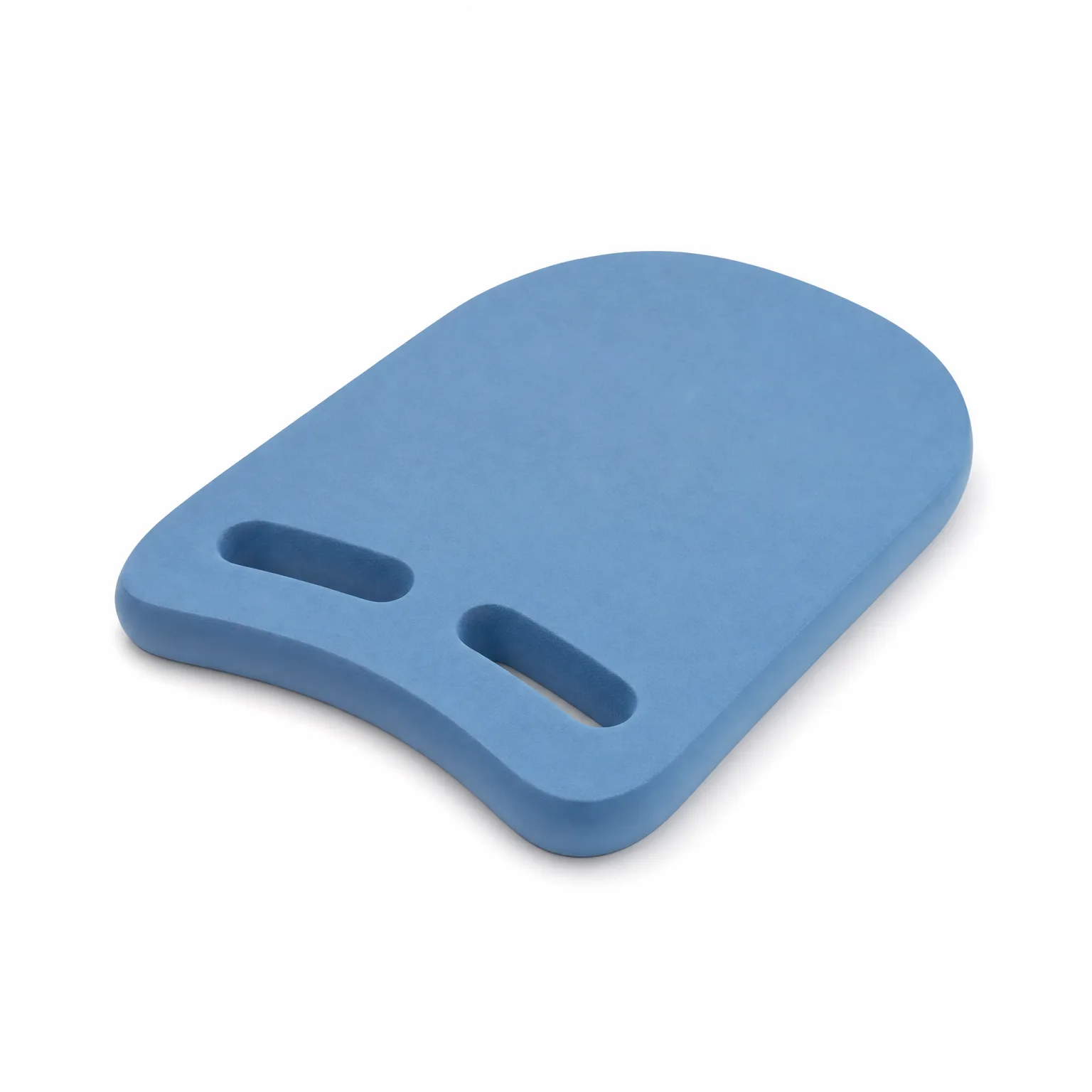
In the pool, a kickboard pushed flat under the water or a foam noodle gives the same kind of buoyancy resistance, and open hands or webbed gloves provide drag on their own. Out of the water, resistance bands and light dumbbells train the same muscles, though the loading is different: weights are hardest on the way up, floats on the way down.
-
Resistance bands
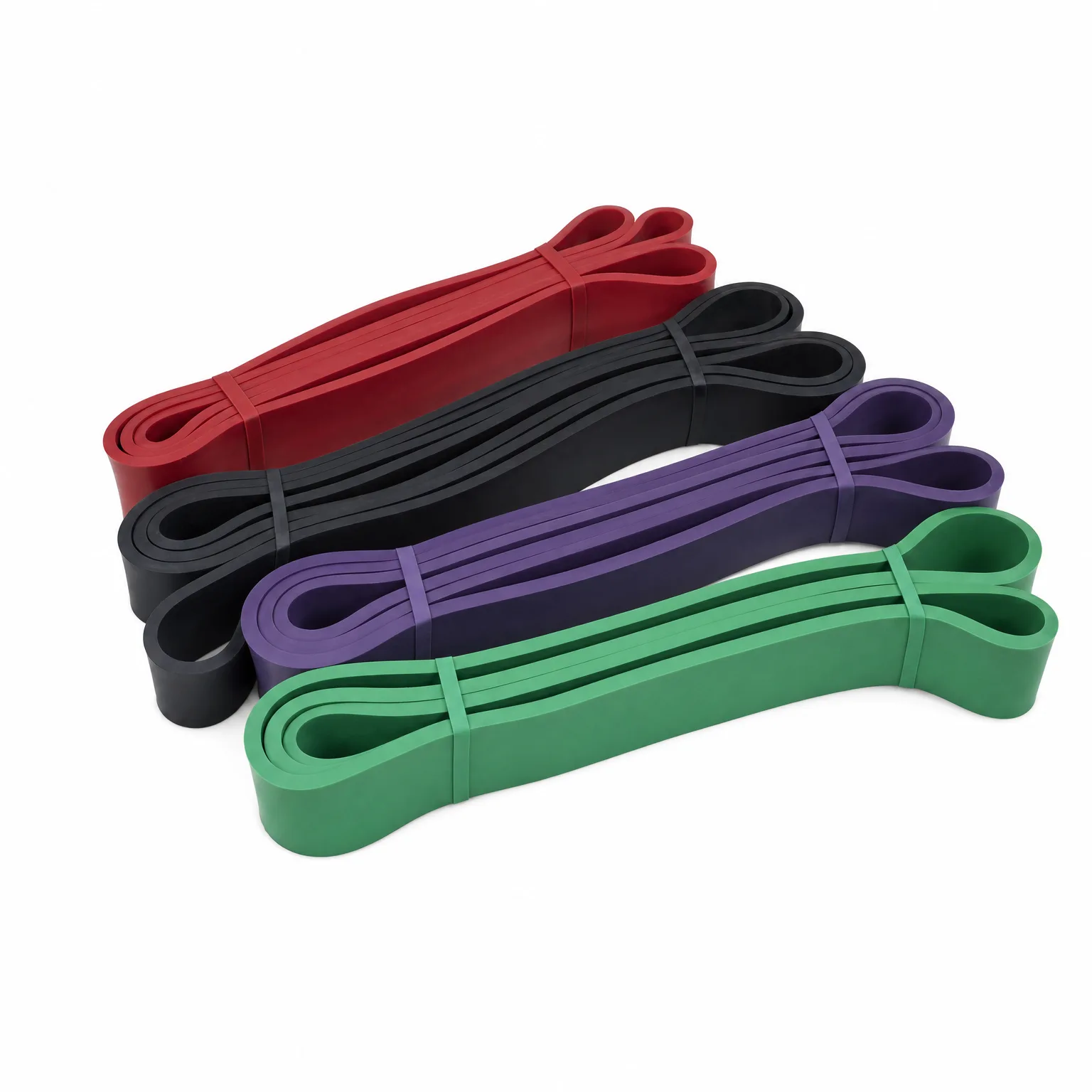
Long closed loops of thick rubber. They add resistance to rows, presses and squats, or take weight off in pull-ups and dips. -

Dumbbells
A pair of short handles with a weight at each end. One pair trains every major muscle group, at home or in a gym.
Often used with
Questions about aqua dumbbells
How do aqua dumbbells work?
They are made of foam that floats. When you push them under water, buoyancy pushes back, and when you move them through the water, drag resists you. More foam and more speed both mean more resistance. On land they weigh almost nothing.
Are foam water dumbbells effective?
They give real resistance for the arms, shoulders, back and trunk, enough to make a class challenging for most people. The load is lower and harder to measure than with weights on land, so they are better suited to muscular endurance and general conditioning than to building maximum strength.
What size water dumbbells should I get?
Start with the light or smallest size. Resistance climbs quickly with the amount of foam, and you can always make a light pair harder by moving faster. Move up when a full set feels easy at a brisk pace.
Do water dumbbells get heavier under water?
No, the opposite. Foam ones float and push upward. Only the fillable plastic kind, filled with sand, sinks and acts like a small weight. Filled with water it is close to weightless under water.
Build programs around what your client has
This guide comes from OnlineFitness.app, the app online coaches run their clients in.
Free for life for the first 100 coachesNo card